Articles for category: Lifestyle, Neuroscience

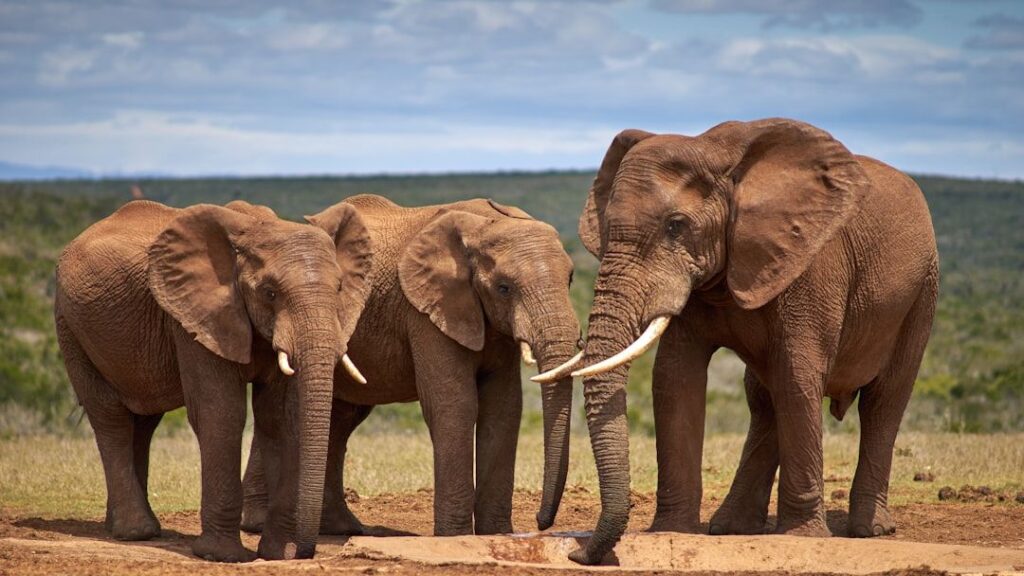
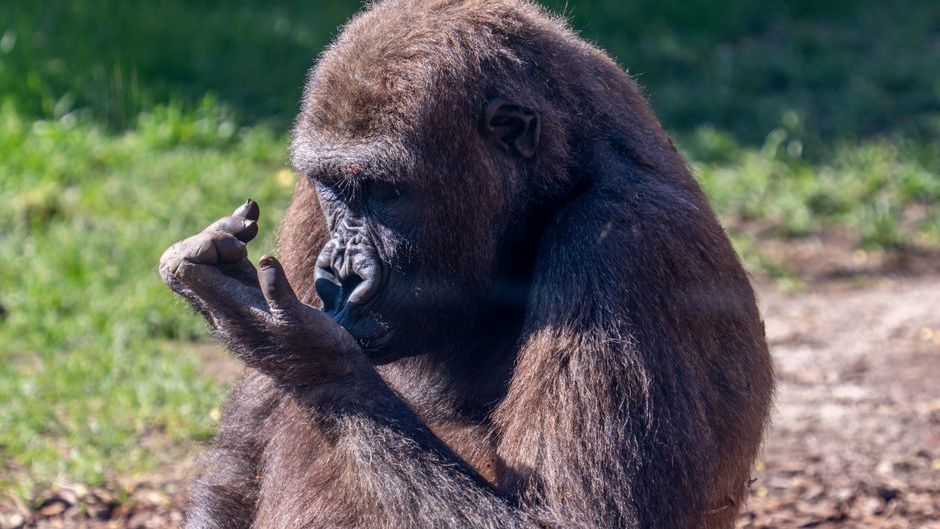
Animal Psychology Says When an Elephant Touches the Bones of a Dead Family Member With Its Trunk It Is Not Habit or Accident - What the Brain Is Doing in That Moment Has a Name and It's the Same Name We Use for Humans

Animal Psychology Says When an Elephant Touches the Bones of a Dead Family Member With Its Trunk It Is Not Habit or Accident – What the Brain Is Doing in That Moment Has a Name and It’s the Same Name We Use for Humans

Sameen David

Picture an elephant standing over a sun-bleached skull in the dust, reaching out with its trunk in a slow, deliberate motion. It lingers there, tracing the contours of bone as if memorizing them, sometimes returning again and again to the same place long after the body is gone. To a casual observer, it might look ...

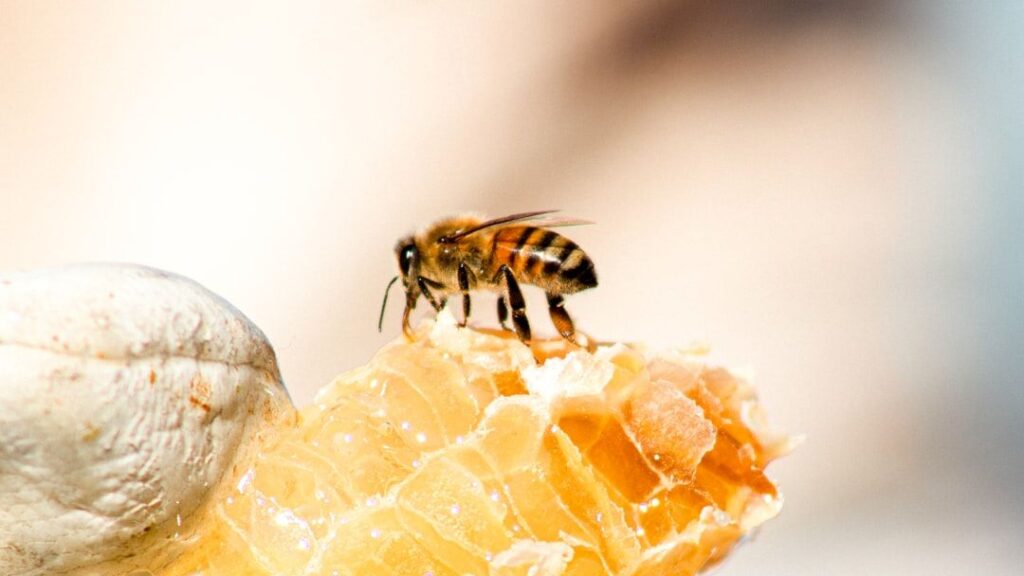
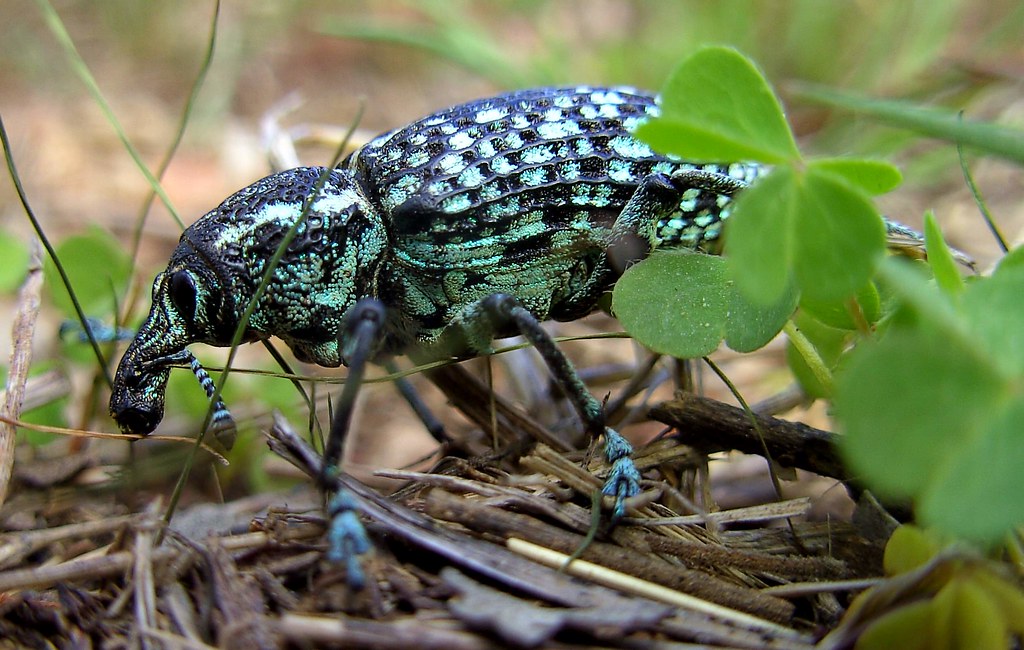
Neuroscience Says When Bees Experience a Traumatic Event and Afterward Choose Sweeter Food Options They Are Doing Something That Researchers Used the Word Comfort to Describe - and Then Quietly Walked It Back

Neuroscience Says When Bees Experience a Traumatic Event and Afterward Choose Sweeter Food Options They Are Doing Something That Researchers Used the Word Comfort to Describe – and Then Quietly Walked It Back

Sameen David

If you’ve ever reached for ice cream after a brutal day, you probably did not imagine you had anything in common with a bee. Yet a curious thread in insect neuroscience has suggested that when bees get hurt or stressed and then shift toward sweeter food, they may be doing something that looks suspiciously like ...

Neuroscience Says People Who Frequently Experience a Sense of Oneness With the Universe May Have Measurably Different Default Mode Network Activity

Neuroscience Says People Who Frequently Experience a Sense of Oneness With the Universe May Have Measurably Different Default Mode Network Activity

Sameen David

Every once in a while, someone will describe a moment that feels almost impossible to put into words: time softens, the boundaries between “me” and “everything else” blur, and there’s this overwhelming sense that it all somehow fits together. Some people find it watching a sunset, some in deep meditation, and some in the middle ...

10 Behaviours That Consistently Appear in People Scored Highest for Adaptive Intelligence Across Multiple Independent Research Populations

10 Behaviours That Consistently Appear in People Scored Highest for Adaptive Intelligence Across Multiple Independent Research Populations

Sameen David

When you picture someone who is “highly intelligent,” you might imagine top grades, a sky‑high IQ score, or a wall full of awards. Yet, across decades of research in psychology and education, a quieter pattern keeps showing up: the most adaptively intelligent people do not just think well, they adjust well. They bend without breaking, ...

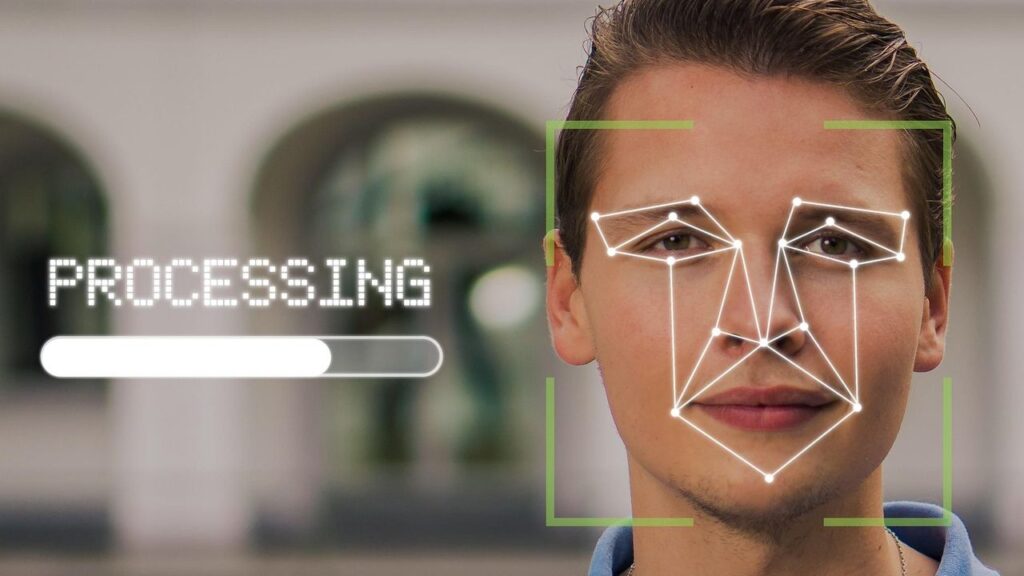
Neuroscience Says the Brain Begins Processing a Face and Judging Its Trustworthiness Within 33 Milliseconds - Long Before Conscious Thought Begins

Neuroscience Says the Brain Begins Processing a Face and Judging Its Trustworthiness Within 33 Milliseconds – Long Before Conscious Thought Begins

Sameen David

You lock eyes with a stranger for a split second and immediately feel either at ease or on edge. That snap impression feels almost magical, but neuroscience is increasingly clear: it is not magic at all, it is machinery. Your brain starts processing a face and forming a gut-level judgment about trustworthiness in roughly the ...