Articles for category: Conservation

transport

10 Simple Lifestyle Changes That Help Conserve Nature

Anna Lee

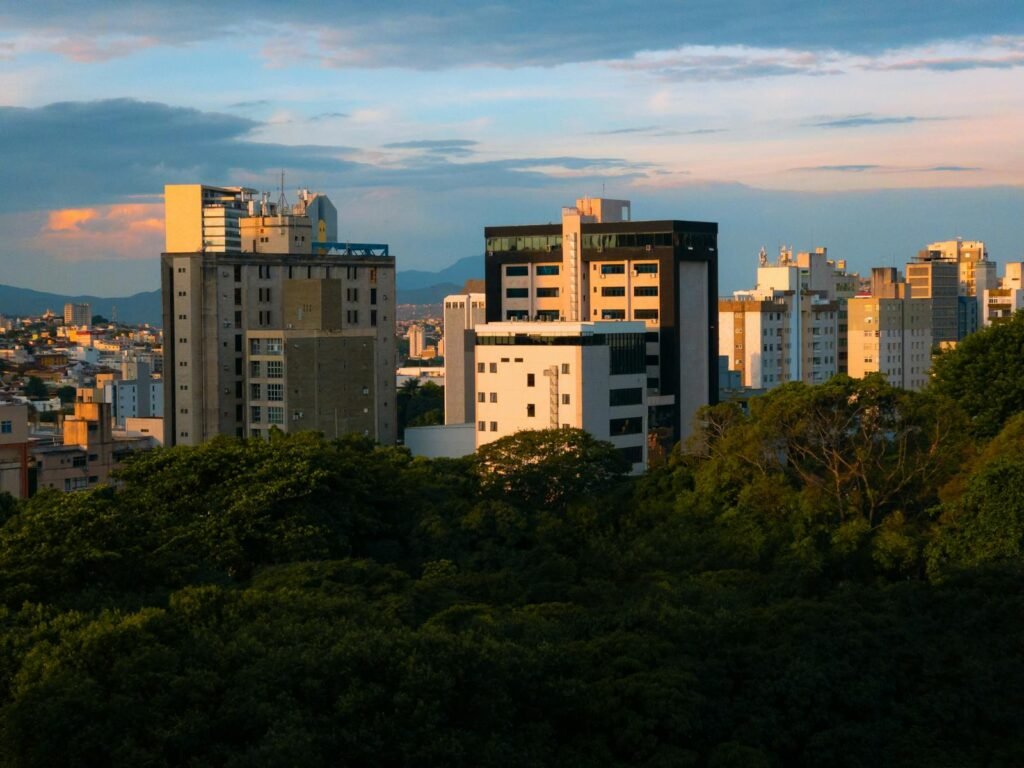
Protecting nature is essential for our health and well-being. Nature provides us with clean air, water, food, materials, and recreational spaces. Spending time in nature benefits our mental health. Neglecting the environment undermines societal functions and directly harms our well-being. 10. Plant Trees in Your Community Planting trees enhances local ecosystems. Trees improve air and ...

Down the barrel.

The Debate Over Trophy Hunting and Its Impact on Wildlife Conservation

Jan Otte

Trophy hunting is a practice that involves hunting wild animals for sport, where the hunter often keeps a part of the animal, such as the head, horns, or skin, as a trophy. This practice has been at the center of a heated debate for decades, dividing opinions across conservationists, animal rights advocates, hunting enthusiasts, and ...

Loxodonta africana. Elephant mock charge

Phoenix Zoo Faces Backlash Over Plans to Euthanize Lonely Elephant Indu

April Joy Jovita

Animal rights activists are protesting the Phoenix Zoo’s reported plans to euthanize Indu, a 59-year-old Asian elephant who has lived in isolation for years. Advocacy groups argue that Indu deserves a chance to retire in a sanctuary rather than face what they call an inhumane end. Indu’s Life in Captivity Indu was taken from the ...

The Rock Wall of Rockwall, Texas: Natural Formation or Ancient Megastructure?

The Rock Wall of Rockwall, Texas: Natural Formation or Ancient Megastructure?

Annette Uy

Imagine stumbling upon a mysterious wall buried deep beneath the Texas soil—a wall so immense, so precisely constructed, it ignites fierce debates about its true origins. Is this the handiwork of ancient builders lost to history, or a spectacular quirk of nature’s own architectural prowess? The Rock Wall of Rockwall, Texas, has fascinated locals, bewildered ...

Why Some Animals Can't Go Back to the Wild—And Why That’s Okay

Why Some Animals Can’t Go Back to the Wild—And Why That’s Okay

Annette Uy

Imagine standing in front of a majestic tiger—its amber eyes fixed on yours, its coat catching the sunlight, yet it moves with a cautious uncertainty. This tiger, like many animals in sanctuaries or rehabilitation centers worldwide, may never know the endless forests or the thrill of hunting in the wild again. The idea might tug ...

Camera trap attached to a tree.

The Role of Camera Traps in Wildlife Research and Discovery

Jan Otte

Camera traps, often referred to as trail cameras, have revolutionized the field of wildlife research over the past few decades. These devices, equipped with motion sensors and infrared technology, capture images or videos of wildlife with minimal human disturbance. This non-invasive tool has opened up new avenues for ecological and behavioral studies, offering invaluable insights ...

Orangutan

How Conservation Technology is Protecting Endangered Species

Conservation technology has emerged as a crucial ally in the battle to protect endangered species worldwide. As humanity faces the dire consequences of biodiversity loss, technological advancements offer hope for preserving our planet’s rich biological heritage. From satellite tracking to artificial intelligence (AI), these innovations are giving conservationists new tools to monitor, protect, and advocate ...

Photo of girl holding the left hand of a white robot.

AI and the Environment: The Energy Cost of Machine Intelligence

Trizzy Orozco

Picture this: every time you ask your digital assistant a question, stream a recommended video, or let your smartphone translate a few lines of text, you’re tapping into a vast ocean of machine intelligence. But lurking beneath this digital surface is a shocking truth—artificial intelligence (AI) comes with a hidden environmental impact that is easy ...

Eriocheir sinensis in water

Invasive Chinese Mitten Crab Discovered in the Pacific Northwest—A Growing Ecological Concern

April Joy Jovita

The invasive Chinese mitten crab (Eriocheir sinensis) has been confirmed in the Lower Columbia River, sparking concerns among scientists and wildlife officials. Known for their hairy, mitten-like claws, these crabs have caused environmental disruptions in other regions, notably in California’s San Francisco Bay, where they contributed to riverbank erosion and infrastructure damage. Their arrival in ...