Articles for category: Ecology, Paleontology

Mabie Forest.

The Fossilized Rainforest of Scotland: Clues to Ancient Global Warming

Trizzy Orozco

Imagine walking through a dense, lush rainforest. Now, picture this scene set not in the tropics, but in what is now Scotland. It’s an astonishing thought, isn’t it? Yet, millions of years ago, Scotland was home to a sprawling rainforest teeming with life. This ancient ecosystem has left behind a treasure trove of fossils that ...

93-Million-Year-Old Crocodile Fossil Discovered With Baby Dinosaur in Its Stomach

93-Million-Year-Old Crocodile Fossil Discovered With Baby Dinosaur in Its Stomach

In a groundbreaking discovery, paleontologists unearthed a 93-million-year-old crocodile fossil in Queensland, Australia. The ancient predator, named Confractosuchus Sauroktonos, or ‘broken crocodile dinosaur killer,’ contained the remains of a baby dinosaur in its stomach. A Predator From the Cretaceous Period This prehistoric crocodile, estimated to be about 2.5 meters long, lived during the Cretaceous period. ...

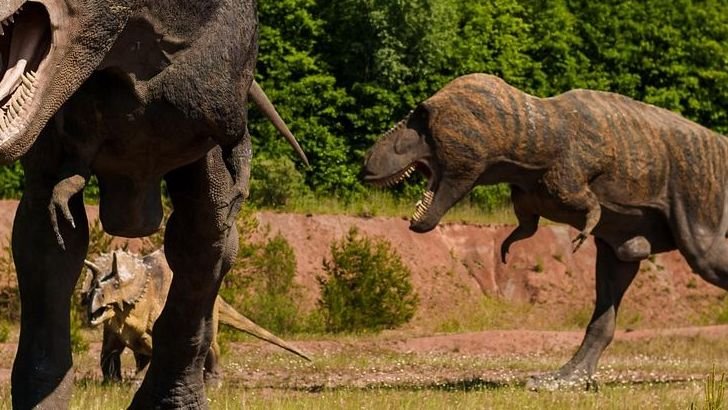
Tyrannosaurus Rex

Stomach Contents of 75,000-Year-Old Fossil in Canada Explains Tyrannosaur’s Predatory Reign

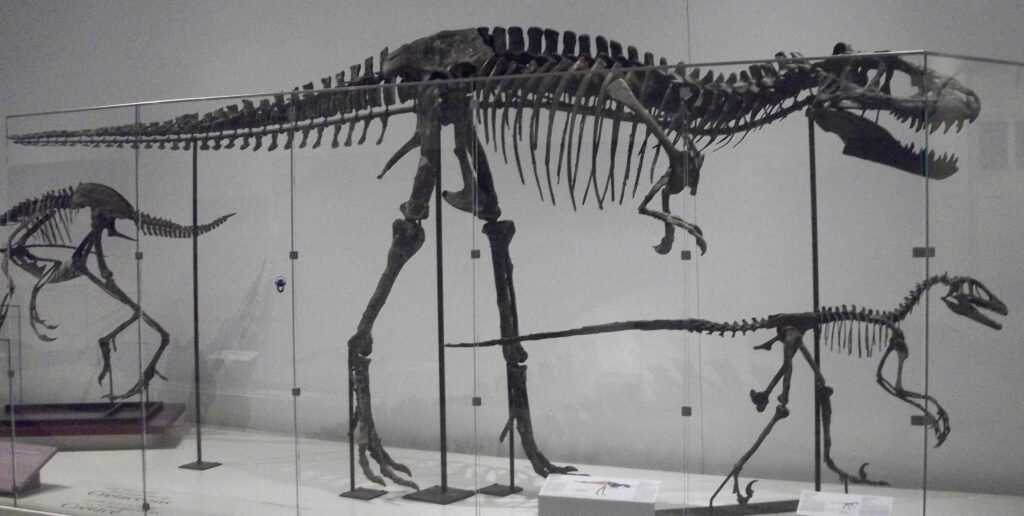
A 75-million-year-old fossil of a juvenile Gorgosaurus libratus, a cousin of the famous T. rex, was unearthed in 2009 in Dinosaur Provincial Park, Alberta, Canada. An old discovery that has shed new light on why tyrannosaurs were the rulers of their prehistoric world. A recent study published in Science Advances provided fascinating insights into this ...

Ancient Egypt's Lost City: A Scientific Look at How It Vanished

Ancient Egypt’s Lost City: A Scientific Look at How It Vanished

Sumi

Every so often, archaeology pulls something out of the sand that feels almost impossible. The 3,000-year-old “Lost Golden City” of Aten, buried near Luxor, is one of those finds. Streets, workshops, houses, pottery, even leftover food seemed to reappear almost overnight, as if someone had simply hit pause on daily life in the age of ...

Earth.

Study Suggests Life Tried to Evolve 1.5 Billion Years Earlier than Thought

Andrew Alpin

In a groundbreaking study, researchers from Cardiff University claim that life on Earth may have attempted to evolve 2.1 billion years ago—about 1.5 billion years earlier than previously believed. The study, led by Dr. Ernest Chi Fru, has sparked significant debate within the scientific community. The team’s findings, centered on fossil evidence from present-day Gabon, ...

Ancient DNA Discoveries That Are Rewriting Human History

Ancient DNA Discoveries That Are Rewriting Human History

Trizzy Orozco

Imagine uncovering secrets buried for tens of thousands of years, secrets that could fundamentally change our understanding of who we are and where we come from. This is the captivating world of ancient DNA discoveries. Recent advancements in genetic technology have opened a window to the past, allowing scientists to peer into the genetic makeup ...

The Future of Fossilized Feather Research

What Dinosaur Feathers Reveal About Prehistoric Color and Camouflage

Trizzy Orozco

Imagine for a moment a world where gigantic creatures roamed the Earth, their vibrant colors and intricate patterns concealed beneath a veil of time. It might surprise you to learn that dinosaurs, often depicted as drab and scaly, were possibly adorned with feathers of dazzling hues. This revelation not only reshapes our understanding of these ...