Some places are so hostile that they erase almost every trace of what once existed there. Intense heat, crushing pressure, floods, fire, nuclear blasts, or thousands of years underground usually mean one thing: everything is gone. And yet, every so often, something survives almost perfectly intact, like a stubborn little middle finger raised against the universe.
These recovered objects are not just cool curiosities. They are time capsules that rewrite what we thought we knew about disasters, ancient cultures, and even how materials behave under extreme stress. In a world where most things fall apart faster than we expect, these survivors feel almost supernatural.
Below are 13 of the most astonishing objects ever found intact in places that should have destroyed them. Some look ordinary on the surface: a watch, a book, a ring. But the stories behind them are anything but ordinary, and once you hear them, you’ll never look at “indestructible” in the same way again.
#1 The Pompeii Loaves of Bread That Survived a Volcanic Apocalypse
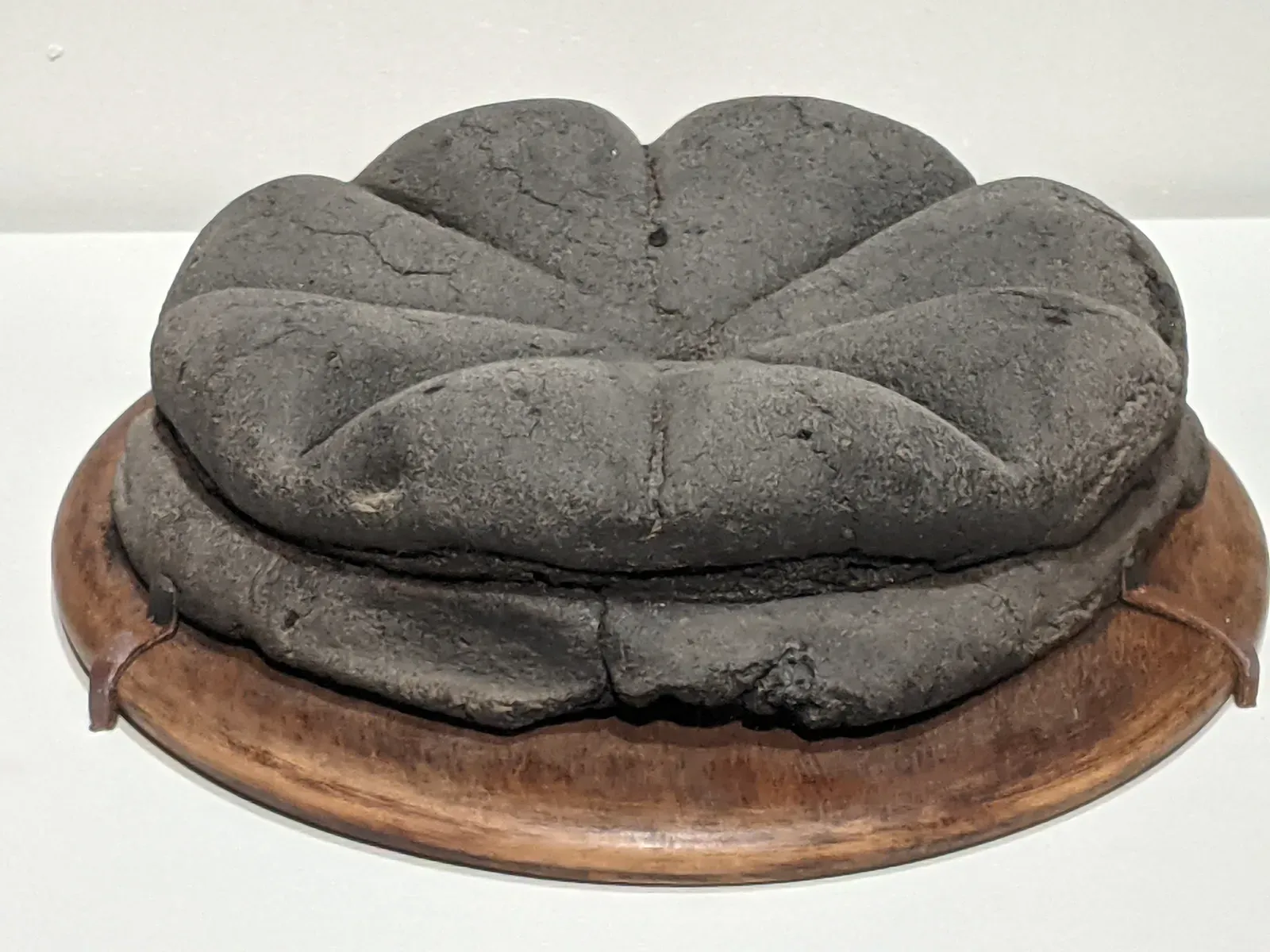
Imagine pulling a loaf of bread out of an oven that has been “on” for nearly two thousand years. That is essentially what happened at Pompeii, where archaeologists found entire loaves of bread preserved in the ash from Mount Vesuvius’s eruption in the year 79. The volcanic blast killed thousands and buried buildings, people, animals and possessions under meters of ash and rock – yet some humble loaves, scored and shaped just like modern boules, survived.
These breads are not fluffy and edible anymore, of course; they are carbonized. The intense heat and sudden burial effectively flash-burned them, then sealed them off from air and insects. Instead of crumbling into dust, they hardened into black, loaf-shaped fossils. Researchers have even been able to see stamped markings, dividing lines, and in some cases, baker’s stamps identifying the bakery that made them.
What makes them so striking is how everything else around them was annihilated or heavily damaged. Wooden furniture, fabrics, and many foodstuffs decayed over time, but these loaves held their outlines. To a modern eye, they almost look like burned sourdough from a kitchen disaster – except they date back to the Roman Empire. They have helped researchers reconstruct ancient recipes and baking methods, giving a strangely intimate view into daily life that a broken amphora or crumbling wall could never provide.
In a city where time stopped in a single catastrophic day, these solid black loaves feel almost like someone paused mid-dinner and just never came back.
#2 The Hiroshima Pocket Watch Frozen at the Moment of Impact
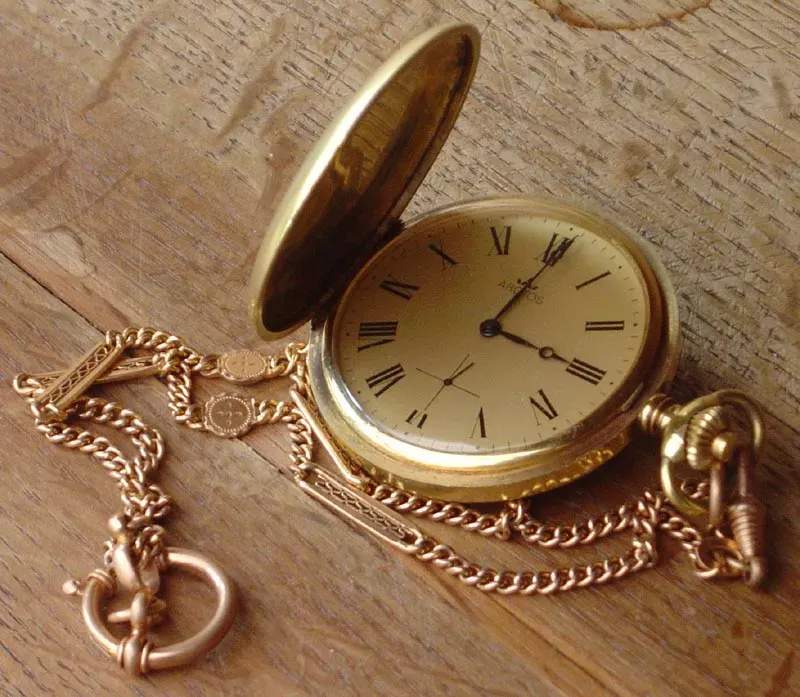
Few places on Earth have experienced destructive power like Hiroshima on August 6, 1945. The atomic bomb’s explosion leveled buildings, melted metal, and burned human shadows into the ground. In that scale of devastation, it would be easy to assume that small personal objects simply vanished. Yet some items survived in almost haunting condition, including pocket watches stopped at the exact time of the blast.
One of the most famous examples is a pocket watch recovered near the hypocenter, its glass shattered but its face eerily clear. The hands are frozen just after eight fifteen in the morning, the minute the bomb detonated. Almost everything around it was obliterated or reduced to twisted scrap, but this delicate-looking piece of machinery endured enough to remain recognizable, readable, and devastatingly symbolic.
These watches have become powerful artifacts in museums, not because they are technologically extraordinary, but because they are emotionally overwhelming. They capture a single instant when an ordinary weekday morning ended and something entirely new and terrifying entered history. The mechanisms inside were destroyed, but the outer shells and faces stayed intact enough to be preserved, conserved, and displayed.
In a way, the survival of such small, fragile objects underlines just how chaotic destruction can be. Skyscrapers collapse, steel girders bend, and yet a thin metal watch casing can remain, quietly telling a story that statistics alone never could.
#3 The Antikythera Mechanism: A Precision Machine From a Shipwreck Graveyard
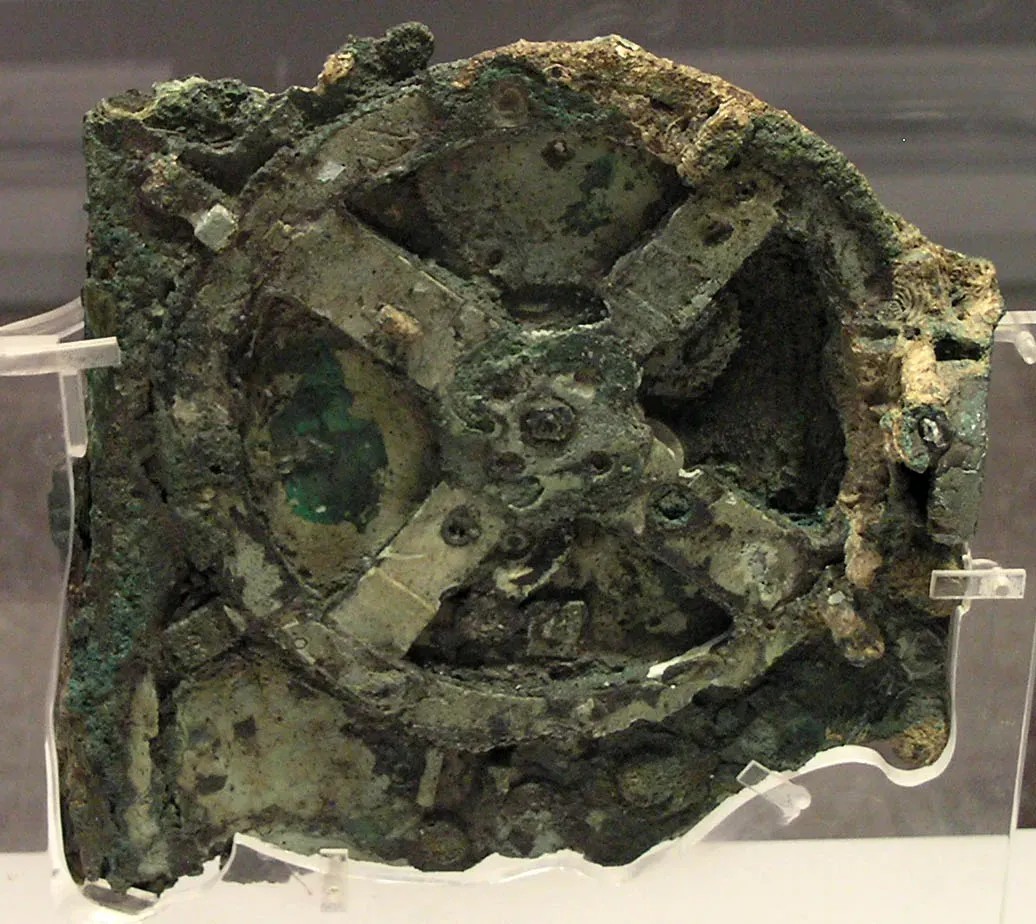
The Antikythera shipwreck, discovered off the coast of a Greek island in the early twentieth century, is a brutal environment for artifacts. Salt water, waves, and time usually grind everything down to anonymous chunks. Wooden hulls rot, fabrics dissolve, and even metal frames corrode into shapeless lumps. Yet from this watery graveyard, researchers recovered one of the most intricate and mind-bending objects in archaeology: the Antikythera mechanism.
At first glance it looked like a fused block of greenish corrosion. But careful cleaning and imaging revealed interlocking bronze gears, scales, and inscriptions. This was an ancient Greek analog computer, built around the second or first century before the common era, designed to predict astronomical positions and possibly eclipse cycles with stunning precision.
What makes it so incredible is not just its complexity, but the fact that it survived at all. A delicate gear train made of bronze, tossed around in a shipwreck, buried on the seafloor for nearly two millennia, should have disintegrated. Many other objects in the same wreck are far more damaged or barely identifiable, while this device is still coherent enough for scientists to reconstruct its workings.
Short, simplified takeaways from the Antikythera mechanism’s survival include:
- Delicate gear systems can endure if corrosion “locks” them into a protective crust.
- Seawater destruction is not uniform; some artifacts are oddly shielded in sediments.
- One surviving device can force a complete rethink of technological timelines.
The Antikythera mechanism has reshaped our sense of how advanced ancient engineering really was, all because one fragile instrument refused to vanish completely inside a place that destroyed almost everything else.
#4 The Herculaneum Library: Scrolls Turned to Charcoal Yet Still Legible
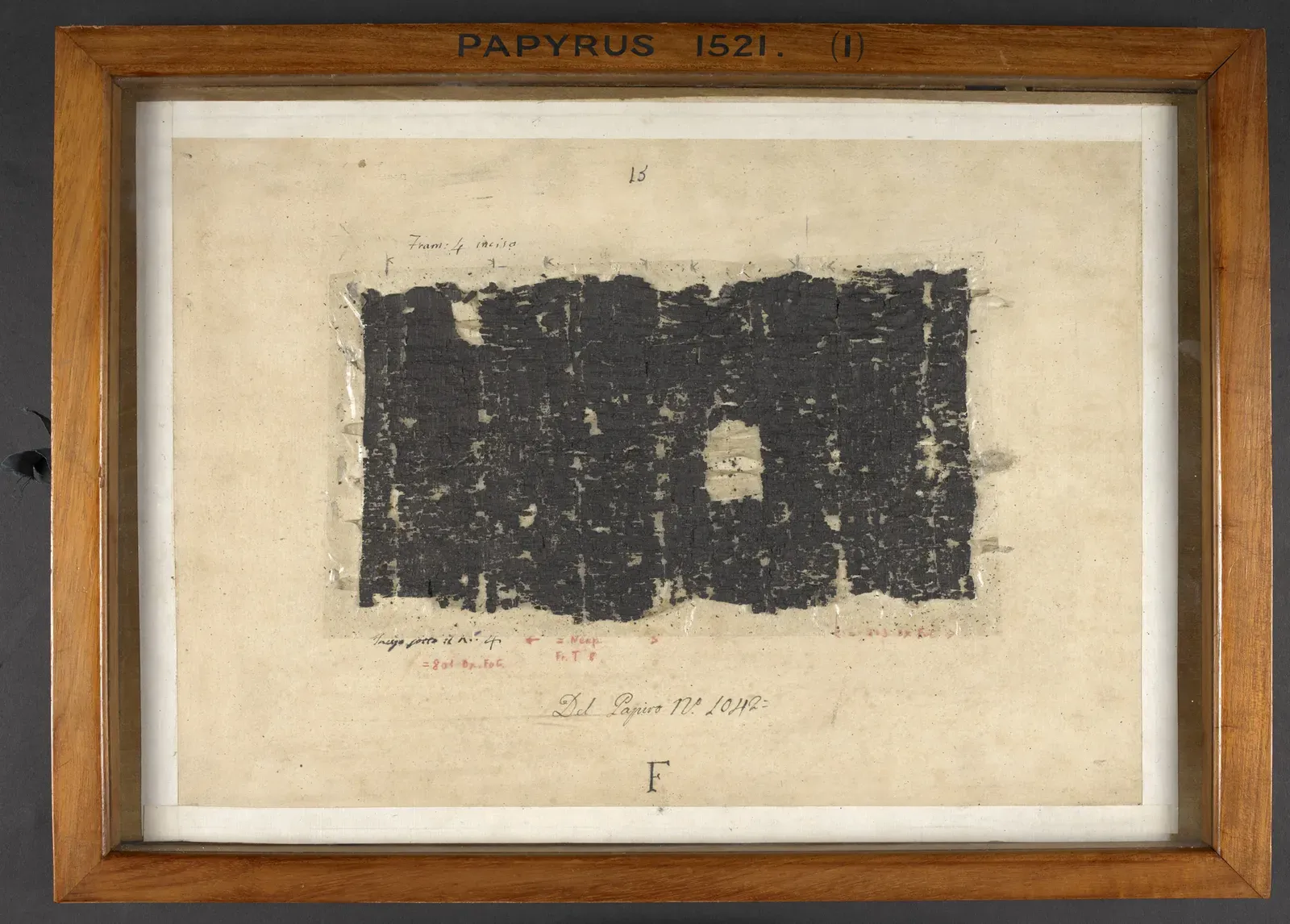
If you picture an ancient library caught in a volcanic eruption, you probably imagine shelves burning, scrolls disintegrating, and centuries of knowledge going up in smoke. That is almost what happened at Herculaneum, a town also buried by Vesuvius. Its famous villa filled with scrolls became a tomb, and the papyrus rolls were carbonized into brittle, coal-like cylinders that look more like firewood than writing.
Here’s the twist: those charred scrolls are still intact enough to preserve their texts. For a long time, they were considered unreadable. Attempts to physically unroll them often destroyed the fragile layers. But in recent years, imaging technologies like X-ray phase-contrast tomography and machine learning have begun to virtually unwrap them, revealing Greek philosophical texts that survive only in this unlikely format.
The location that buried Herculaneum should have been a perfect paper shredder: extreme heat, crushing debris, and centuries of moisture and shifting earth. Instead, the scrolls were effectively baked and sealed in a way that stopped normal decay. Wood, textiles, and many artifacts vanished or were mangled, but these “burned” books made it through, paradoxically protected by the very disaster that almost destroyed them.
The emotional punch is strong. We are reading private libraries from a Roman seaside villa that was buried nearly two thousand years ago, thanks to lumps of carbon that everyone once wrote off as ruined junk. In a sense, these scrolls show that sometimes survival looks like total ruin on the outside, but hides astonishing detail within.
#5 The “Hiroshima Shadow” Safe and the Papers That Lived Through Firestorms
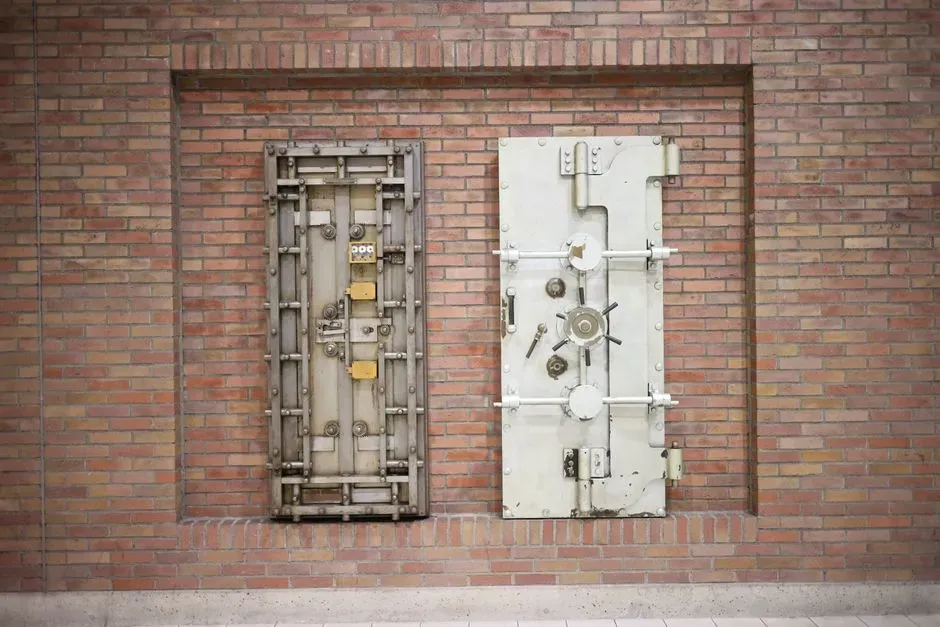
Massive urban fires usually leave only rubble, twisted metal, and ash. Yet, over and over again, fireproof safes and strongboxes turn up as improbable survivors, holding intact documents inside burnt-out shells of buildings. One especially chilling example comes from Hiroshima, where bank vaults and safes remained structurally intact even when almost everything above ground was damaged or destroyed.
Photographs from the aftermath show scenes where entire blocks are flattened, but reinforced safes stand upright amid the wreckage. Inside, ledgers, currency, and official papers were sometimes preserved in shockingly good shape, protected by layers of steel and insulation. In many post-disaster investigations worldwide – from nuclear blasts to skyscraper fires – investigators find that modern fire-resistant safes keep their contents readable even when surroundings are unrecognizable.
Some quick points about why these objects survive when the world around them does not:
- The materials: thick steel walls and special fire-resistant liners slow heat transfer dramatically.
- The design: minimal gaps and heavy doors help maintain a cooler interior for crucial minutes or hours.
- The physics: even when the outside temperature is extreme, short exposure time can mean the interior never reaches ignition levels for paper.
There is something strangely moving about pristine receipts, contracts, or letters emerging from a safe that looks like it went through a war zone. It is a reminder that design choices made for mundane reasons – compliance, insurance, office routine – can end up preserving a razor-sharp snapshot of life just before everything changed.
#6 Apollo-Era Cameras Retrieved Intact From Harsh Space and Moon Environments
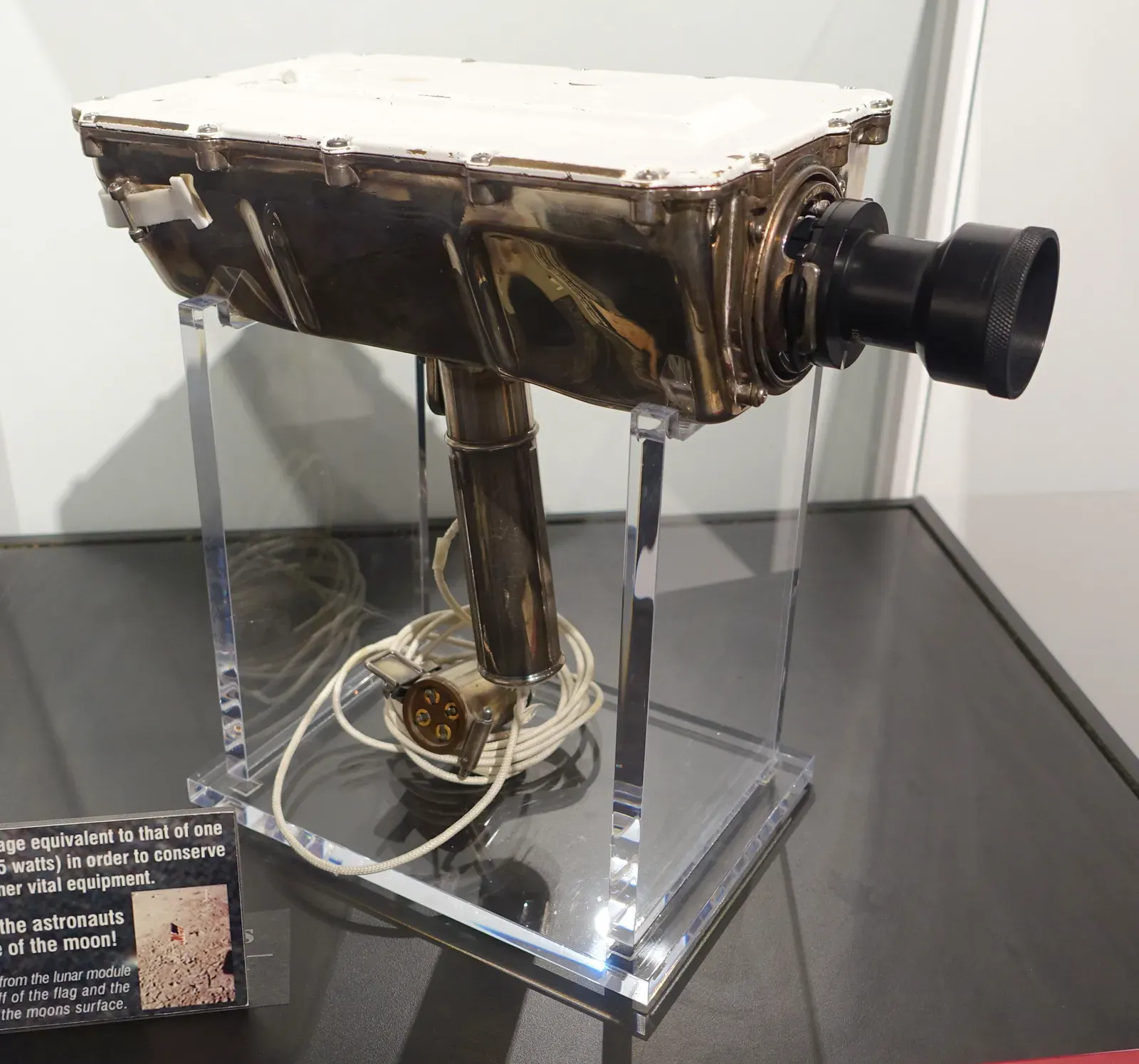
Space is not friendly to anything delicate. There is vacuum, extreme temperature swings, cosmic radiation, and the constant threat of abrasive lunar dust or micrometeorites. Yet some cameras and film equipment from the Apollo era and later missions have survived conditions that should have turned them into useless junk. In a few cases, hardware exposed for long durations has been recovered in surprisingly decent condition.
Hardware from Apollo missions left on the Moon – including camera housings and components – has been imaged and studied during later flybys or lander visits. Even after years of unfiltered radiation and temperature swings far beyond typical Earth ranges, recognizable metal bodies and structural elements are still there. The materials and coatings have suffered, but the objects remain intact enough to be clearly identified.
Even more striking are stories of space cameras and film canisters retrieved after difficult reentries or splashdowns. Some reentry capsules, scorched black on the outside, have been opened to reveal film and mechanisms still usable or at least readable. The outer shell may have absorbed horrific levels of heat and friction, but the internal payload was protected by layers of thermal shielding and careful engineering.
These surviving devices matter because they preserved irreplaceable images: first-hand records of the lunar surface, spacewalks, and Earth from orbit. In places where almost any unprotected human-made material would be shredded or boiled away, a small package of glass, metal, and film endured just long enough to deliver a view that completely changed how humanity saw itself.
#7 Ancient Glass Intact in Shipwrecks and Earthquakes
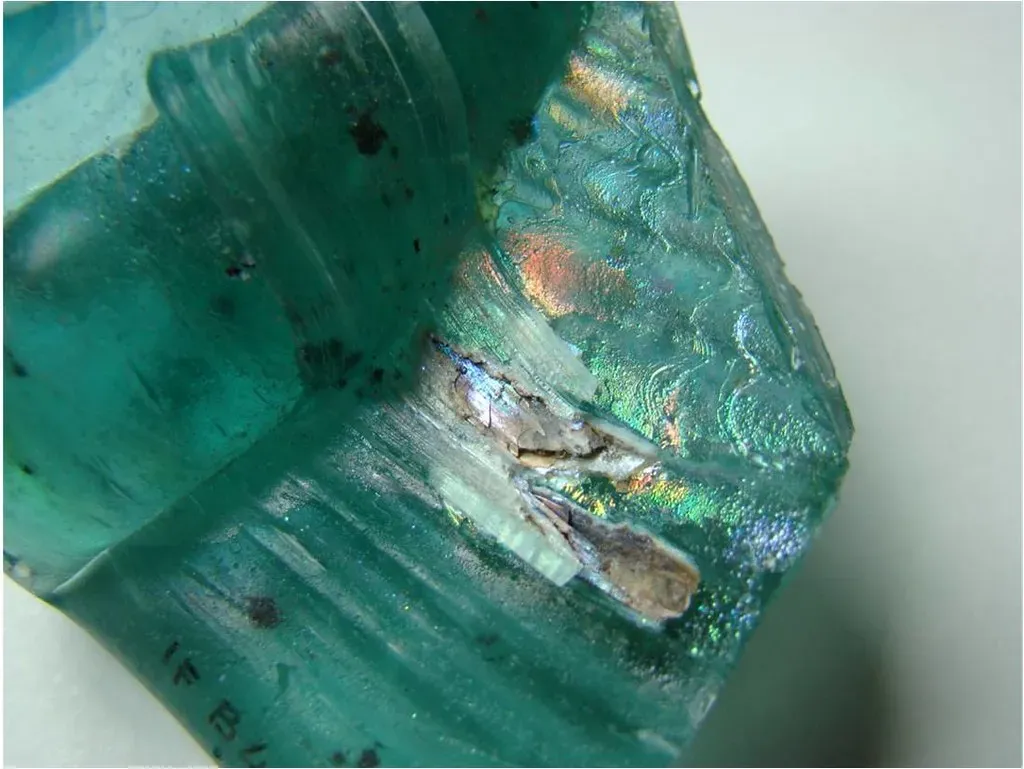
Glass seems fragile. Anyone who has dropped a favorite mug or phone knows how easily it shatters. Yet archaeologists routinely recover glass vessels, beads, and windows from environments that have smashed stone blocks and twisted metal. Some of the best examples come from shipwrecks and ancient cities hit by earthquakes or warfare, where you would expect glass to be the first thing to go.
In Mediterranean shipwrecks, archaeologists have found amphorae of glass, perfume bottles, drinking vessels, and decorative pieces resting on the seabed, intact after centuries underwater. Meanwhile, the surrounding wooden hull is often nearly gone, and heavier structural elements are scattered and broken. The glass survived because, once buried in sediment, it was effectively cushioned and shielded from major impacts, even if it looks impossibly delicate.
It is a similar story in cities toppled by earthquakes or besieged during war. Excavations sometimes reveal crushed walls, collapsed roofs, and massive stone blocks out of alignment, while a glass goblet or lamp lies cracked but still essentially whole in a corner. The destruction is uneven and chaotic; small pockets form where shock waves bounce around larger objects, leaving tiny islands of calm.
Some big-picture reasons why ancient glass survives in places that ruin everything else include:
- Once buried, glass is chemically stable and decays slowly compared to organic materials.
- Random chance and “pockets of safety” in rubble piles can spare small objects.
- Our intuitions about fragility are often wrong; a small rigid shape can outperform bulky structures in certain impacts.
Finding a complete glass bottle in a disaster layer feels like finding a whisper in the middle of a scream. It is fragile, yes, but somehow more stubborn than whole walls of stone.
#8 The Chernobyl Control Room Objects That Refused to Disappear
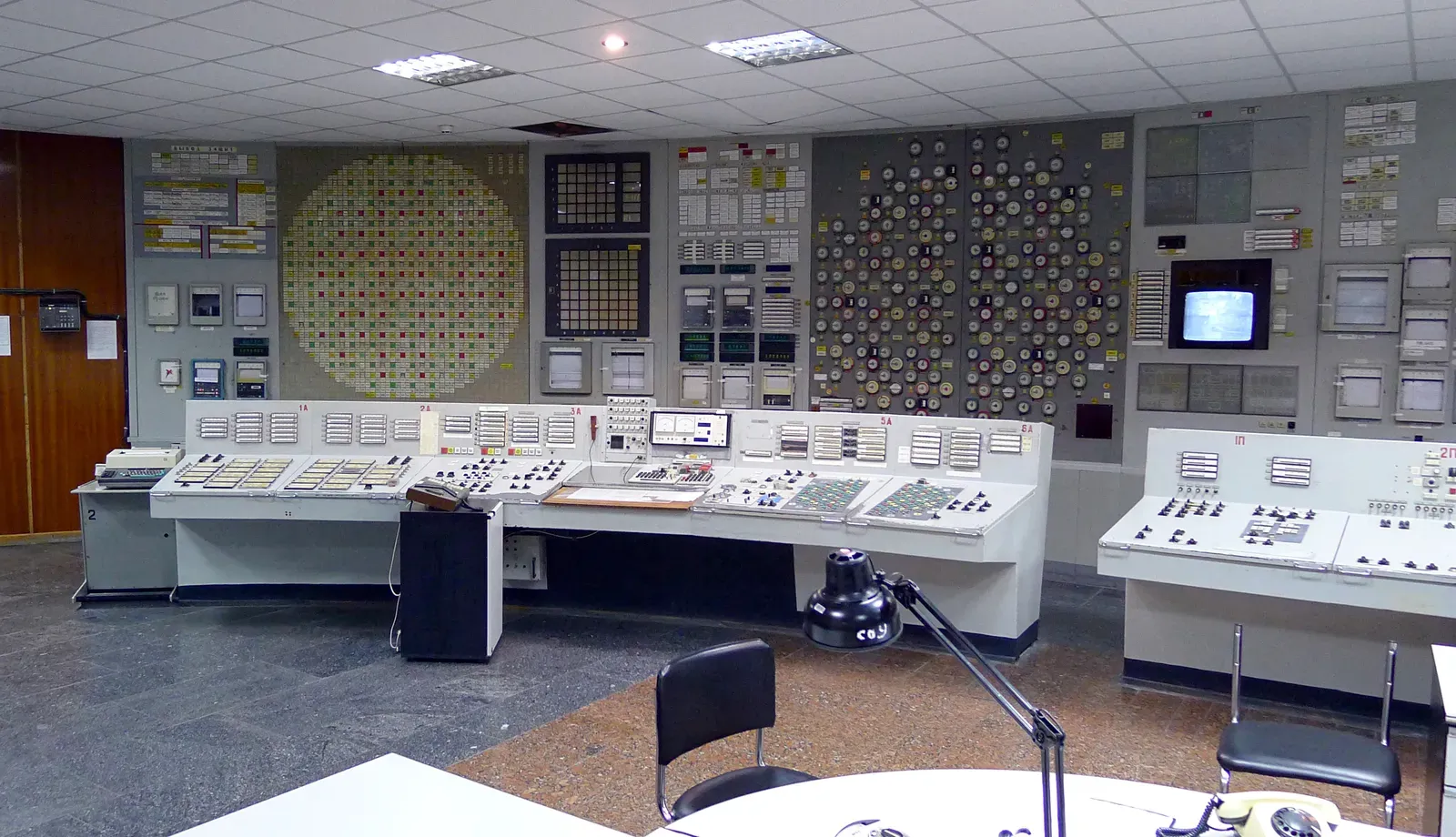
The Chernobyl nuclear disaster turned part of northern Ukraine into a synonym for contamination and abandonment. Extreme radiation, emergency firefighting, explosions, and later structural decay have damaged almost everything at the site. And yet, if you look at photos from controlled tours of the Exclusion Zone today, you see something surprising: a lot of objects are still there, hauntingly intact.
Control panels with buttons and dials, telephones, notebooks, and even signage in the control rooms and offices survive in original positions. The radiation was (and still is) dangerous for living tissue, but plastic casings, metal switches, and printed labels have endured decades of exposure. Many surfaces are weathered, rusted, or layered with dust, but they are still instantly recognizable as the tools of a working plant frozen in time.
Some of the most striking survivors are everyday items in workers’ areas: coffee cups, lockers, boots, and personal helmets. The surrounding infrastructure – roofs, walls, reactor cores – has suffered far more from structural decay and the violence of the accident. Yet these smaller objects, while contaminated, have not simply “melted away” the way popular imagination might expect.
Of course, the danger here is invisible, not dramatic-looking. The objects look fine, but the radioactive particles embedded in surfaces or settled as dust mean they are not harmless keepsakes. Their survival drives home an uncomfortable reality: a place can be both intact and uninhabitable. Destruction is not always about visible wreckage; sometimes it is about turning familiar objects into permanent ghosts that cannot be safely touched.
#9 The Tungsten Carbide Tools That Outlast Industrial Infernos
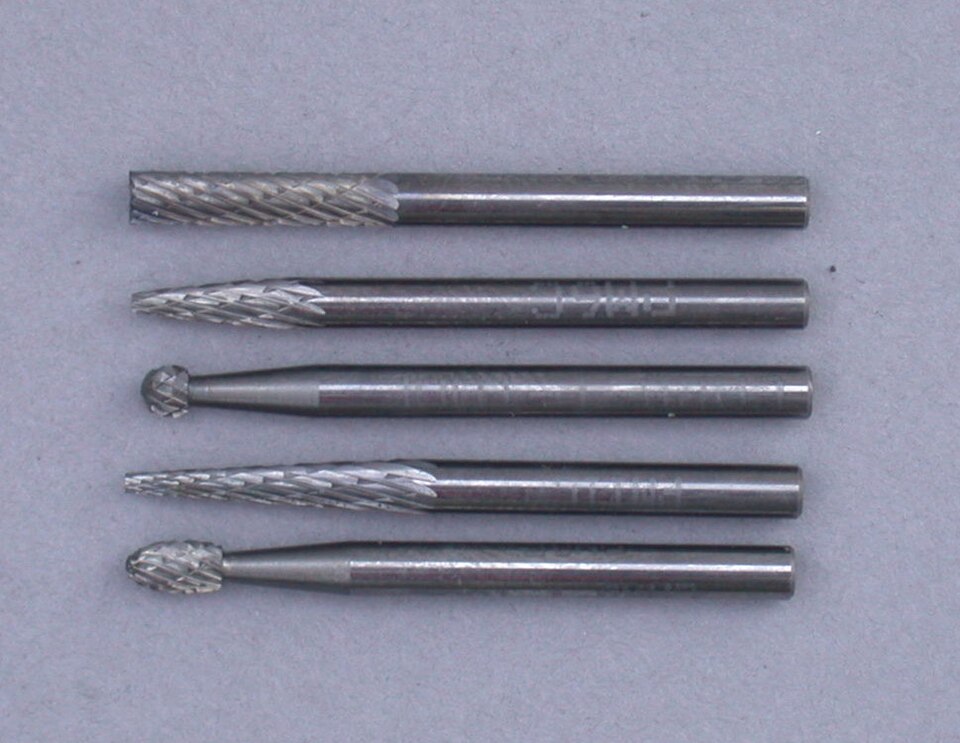
In industrial fires and high-temperature accidents, many metals weaken, melt, or deform beyond recognition. Steel beams buckle, aluminum runs like water, and plastics vanish into ash and fumes. Yet some cutting tools and machine inserts made from tungsten carbide emerge from these same infernos looking almost smugly unfazed. Factories have burned to the ground, only for investigators to find heavy, blunt little cutting inserts lying intact among the rubble.
Tungsten carbide is an extremely hard material with a melting point far higher than steel, used for drill bits, cutting inserts, and other tooling in high-wear applications. When a workshop, warehouse, or plant goes up in flames, the temperatures often get high enough to ruin structure and equipment. But these dense little objects are often too tough and thermally resilient to do much more than discolor at the surface.
In post-fire cleanup stories shared by workers and safety teams, there is a recurring theme: machines are destroyed, roofs have collapsed, and inventory is gone, but someone is picking through charred debris, collecting small, incredibly tough inserts to reuse or at least salvage for material value. They might be scorched, but functionally they look almost exactly as they did before the fire.
The lesson is quietly fascinating. The same properties that make tungsten carbide ideal for cutting hardened steel – extreme hardness, thermal stability, and resistance to deformation – also make it one of the last things standing when an industrial environment experiences total failure. Where everything else surrenders to heat and chaos, these tools simply wait it out.
#10 The Titanic’s Porcelain and Glassware Preserved on the Ocean Floor
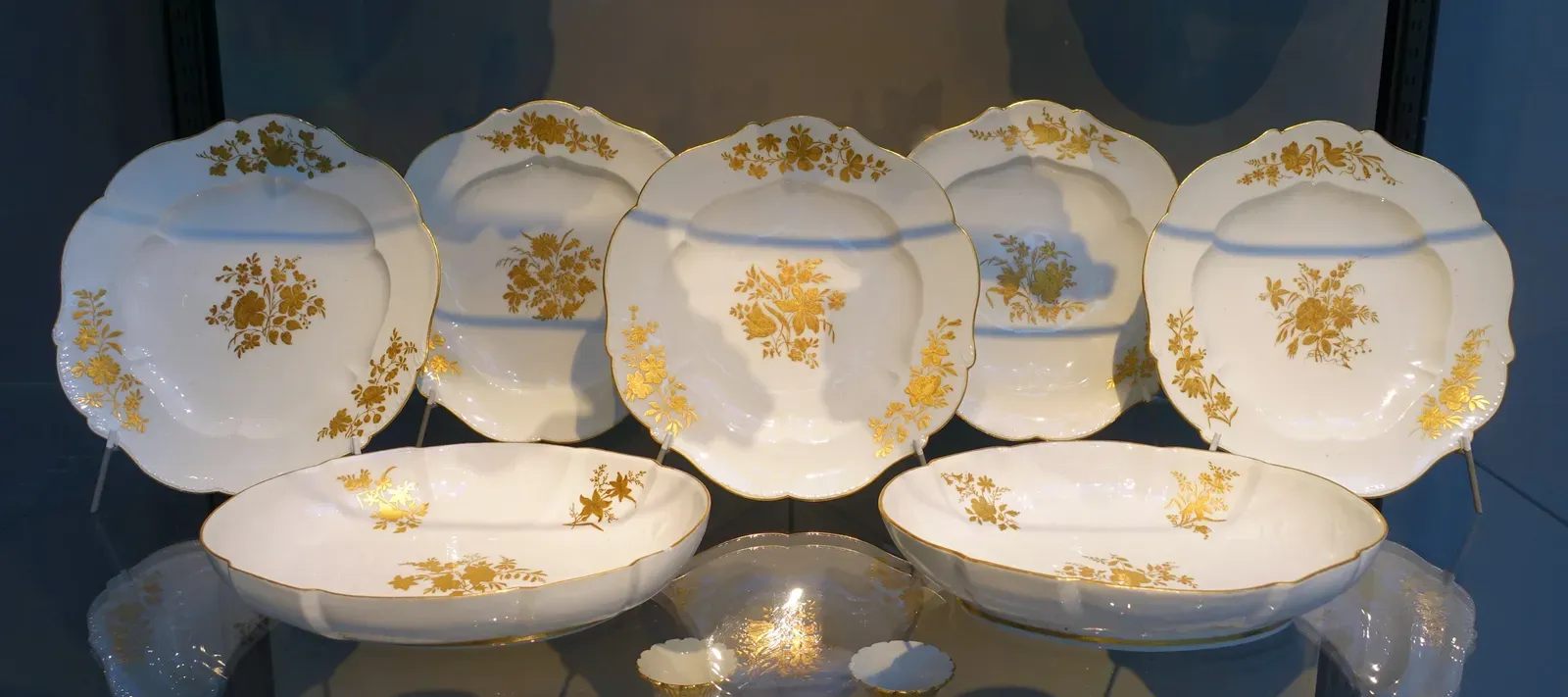
The Titanic’s sinking in 1912 created one of the most famous shipwreck sites in history, more than three kilometers below the surface of the Atlantic. At that depth, pressure is enormous, temperatures are just above freezing, and metal structures corrode. The ship’s hull has been collapsing in slow motion, eaten by salt water and metal-eating bacteria. And yet, among this destruction, entire sets of plates, cups, and bottles have survived largely intact.
Expeditions to the wreck have photographed and recovered delicate-looking objects like porcelain dishes, glass perfume bottles, and even intact wine bottles resting quietly in the debris field. Many have minor cracks or chips, but they are far from the shattered mess you might expect after a violent sinking followed by more than a century on the seafloor. In some cases, stacks of dinner plates remain neatly nested where they were stored.
How did something as fragile as a wine bottle outlast steel beams and cabins? The answer lies in the nature of materials and the environment. Once buried in sediment or tucked away in sheltered pockets, glass and porcelain are chemically stable and not appetizing to marine organisms. Metal frames rust and collapse, but an upside-down bottle half-buried in mud might sit undisturbed for decades.
There is a strange emotional twist in seeing an intact cup or bottle from the Titanic. These are objects designed for normal life – meals, drinks, mundane routines. To see them perfectly preserved in a ship that has become a symbol of disaster makes the disaster feel even more real and personal, not less.
#11 The Dead Sea Scroll Jars That Protected Ancient Texts in a Hostile Desert
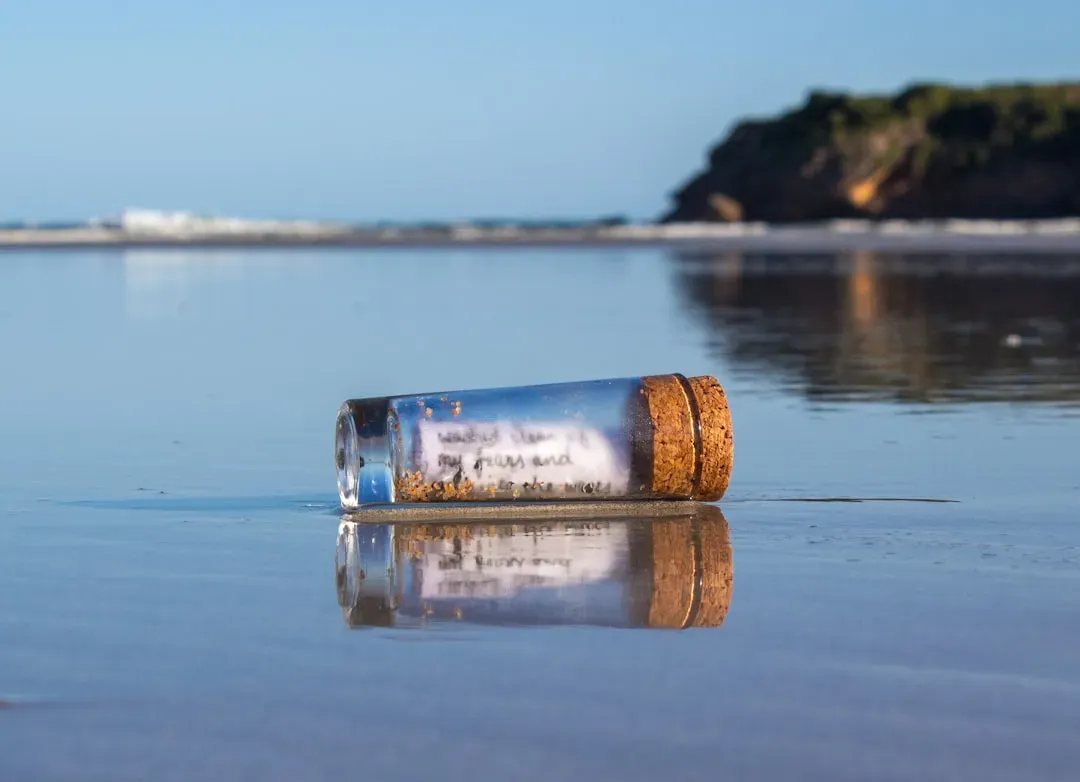
The area around the Dead Sea is harsh even by desert standards. High salinity, extreme heat, and rugged terrain make it one of the least forgiving environments on the planet. Organic materials normally dry out, rot, or are eaten by insects and bacteria over time. Yet in caves near Qumran, a series of clay jars and pottery containers survived long enough to guard one of the greatest manuscript finds of the twentieth century: the Dead Sea Scrolls.
The scrolls themselves, written on parchment and papyrus, are extremely fragile. Without protection, they would never have lasted roughly two thousand years. But many were stored inside lidded clay jars, tucked into caves that created a stable, cool, shaded microclimate. The jars survived collapses, erosion, and centuries of total human ignorance about their contents, remaining intact in places where rockfall and time erased other traces of human presence.
When shepherds and later archaeologists discovered them, they found entire vessels still in one piece or reconstructable from large fragments, with scrolls inside or nearby. The jars had effectively acted like low-tech safes, buffering the delicate texts from rapid temperature swings and direct water infiltration. In an environment that stripped bare many other artifacts, these containers did just enough to keep their contents alive.
Summarizing why these jars mattered so much:
- They extended the lifespan of the scrolls from decades to millennia by slowing decay.
- They provided physical protection against rodent damage and mechanical tearing.
- Their survival turned what could have been minor fragments into an extraordinary window into ancient religious and linguistic history.
Sometimes, the most important survivor in a destructive environment is not the document itself, but the humble container that kept it out of harm’s way.
#12 Personal Jewelry Found Intact in World War Battlefields and Camps
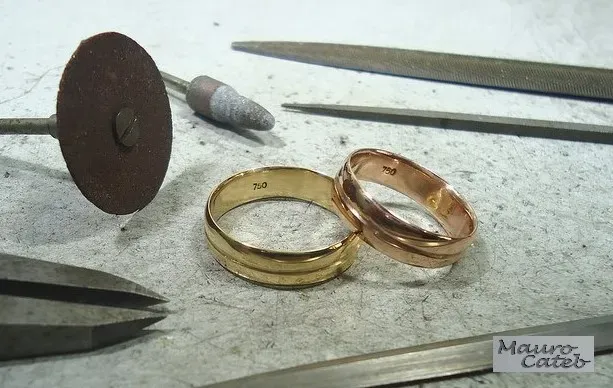
Battlefields and wartime camps are some of the most destructive human-made environments imaginable. Bombardments, tanks, landmines, fire, frost, and later construction or agriculture all chew up whatever is left behind. Yet metal jewelry – rings, pendants, lockets, chains – often turns up during excavations in remarkably intact condition, even when uniforms, papers, and bodies have long vanished.
Archaeologists and recovery teams working at former World War battlefields and concentration or labor camps have found wedding bands, signet rings, religious pendants, and small charms that look almost ready to wear. Gold and certain alloys resist corrosion far better than iron or steel. While helmets rust into flakes and weapons fuse into lumps, a thin band of gold can sit quietly in the soil, unchanged except for a bit of dirt.
The emotional weight here is enormous. These are not anonymous machine parts or structural elements; they are intimate objects, often engraved with names, initials, or dates. They survive not because anyone meant for them to last, but because of the properties of the metals and the luck of where they landed. In places designed to break people and erase their traces, these tiny circles of metal hold their shape and their silent testimony.
From a scientific point of view, they are valuable for identification and context. From a human point of view, they cut straight through statistics and strategy, reminding us that history is built from individual lives that once wore these still-shining objects.
#13 The “Immortal” Time Capsules That Keep Surviving Disasters
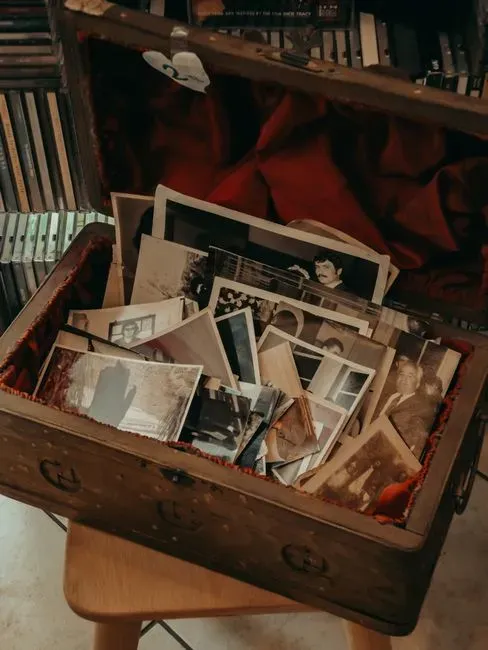
Time capsules are supposed to be opened on schedule, not accidentally unearthed by bulldozers or after natural disasters. Yet over the last century, many deliberately buried time capsules and cornerstone caches have been discovered by accident. What is surprising is how often their contents survive far better than the buildings, parks, or town squares that hosted them.
Steel boxes hidden behind foundation stones have been opened after fires, earthquakes, or demolitions, revealing dry newspapers, coins, photographs, and even audio recordings in astonishing condition. Around them, entire blocks might have been rebuilt multiple times, water mains replaced, and surface features erased. The original structure is gone, but a small hidden container, sealed carefully and forgotten, rides out every wave of destruction.
Their resilience comes down to a few simple principles: solid, sealed containers; careful placement away from direct exposure; and the insulating effect of soil or masonry. These are the same principles behind safes and archival storage, just applied with a ceremonial twist. Yet in practice, they turn into little pockets of preserved time, surviving wars, floods, and urban renewal projects that spare almost nothing else from the original landscape.
There is something almost comical – and strangely moving – about a future construction crew finding crisp photos of people in old-fashioned clothing and letters to “the citizens of the year 2000” under a building that has already been replaced twice. The building could not survive the grind of history, but a shoebox-sized metal coffin of memories did, stubbornly waiting for someone to finally open it.
Conclusion: Why Do Some Things Refuse to Be Destroyed?
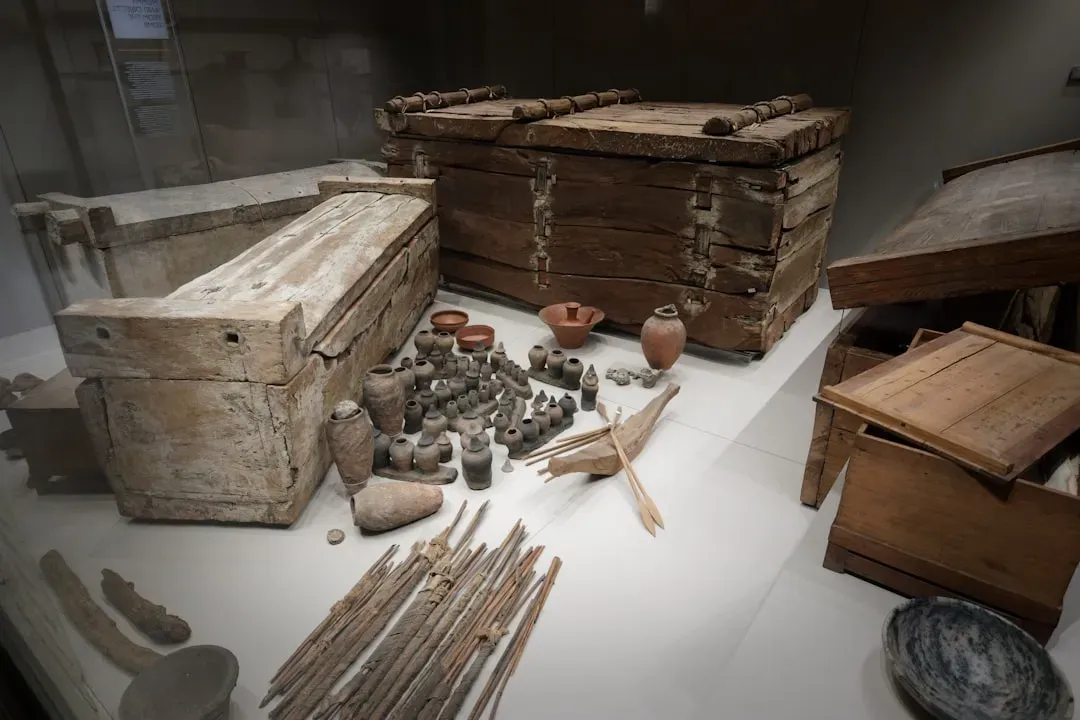
Looking across these stories – burned bread, atomic watches, ancient computers, charred scrolls, lunar cameras, gold rings, and forgotten capsules – a pattern emerges. Survival in places that destroy almost everything else is rarely about magic. It is about materials, chance, and sometimes the ironic side effects of the very forces that cause the destruction.
High heat can carbonize and seal instead of simply burn. Burial can shield delicate shapes while crushing larger ones. Metals we think of as fragile can shrug off decades underwater, while “strong” structures collapse around them. And in human terms, the objects that hit us hardest are not always the largest or most technically advanced, but the ones that carry an unmistakable trace of ordinary life at the moment it was interrupted.
Personally, I find that these survivors change how I look at my own stuff. Most of what we own will not leave any trace in a hundred years, let alone a thousand. But a ring, a document, a camera, or a jar might someday outlive everything else and tell a stranger what our world felt like. The real question is not just which objects will survive, but what kind of story they will tell when the rest of the scene is gone – and if you had to guess, which one of your belongings do you think would make it?