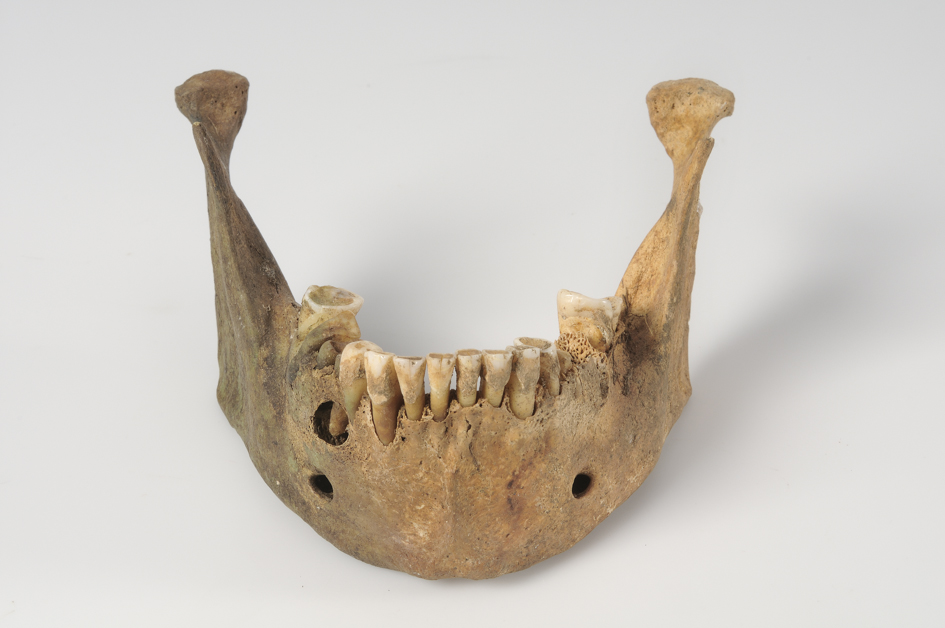
Most people assume a skeleton can only tell you how someone died. They’re wrong. A single molar, pulled out of a grave sealed for thousands of years, can still tell you how someone lived – what they ate, when they were weaned, whether they survived a famine, even the season they took their last breath.
Forensic anthropologists don’t call teeth “chewing tools” anymore. They call them biological hard drives, and what they’re pulling out of ancient enamel and dentine is rewriting what we thought we knew about migration, inequality, disease, and childhood in the ancient world. Here’s what’s actually locked inside.
#12 – The Enamel “Birth Certificate” Nobody Knew Existed
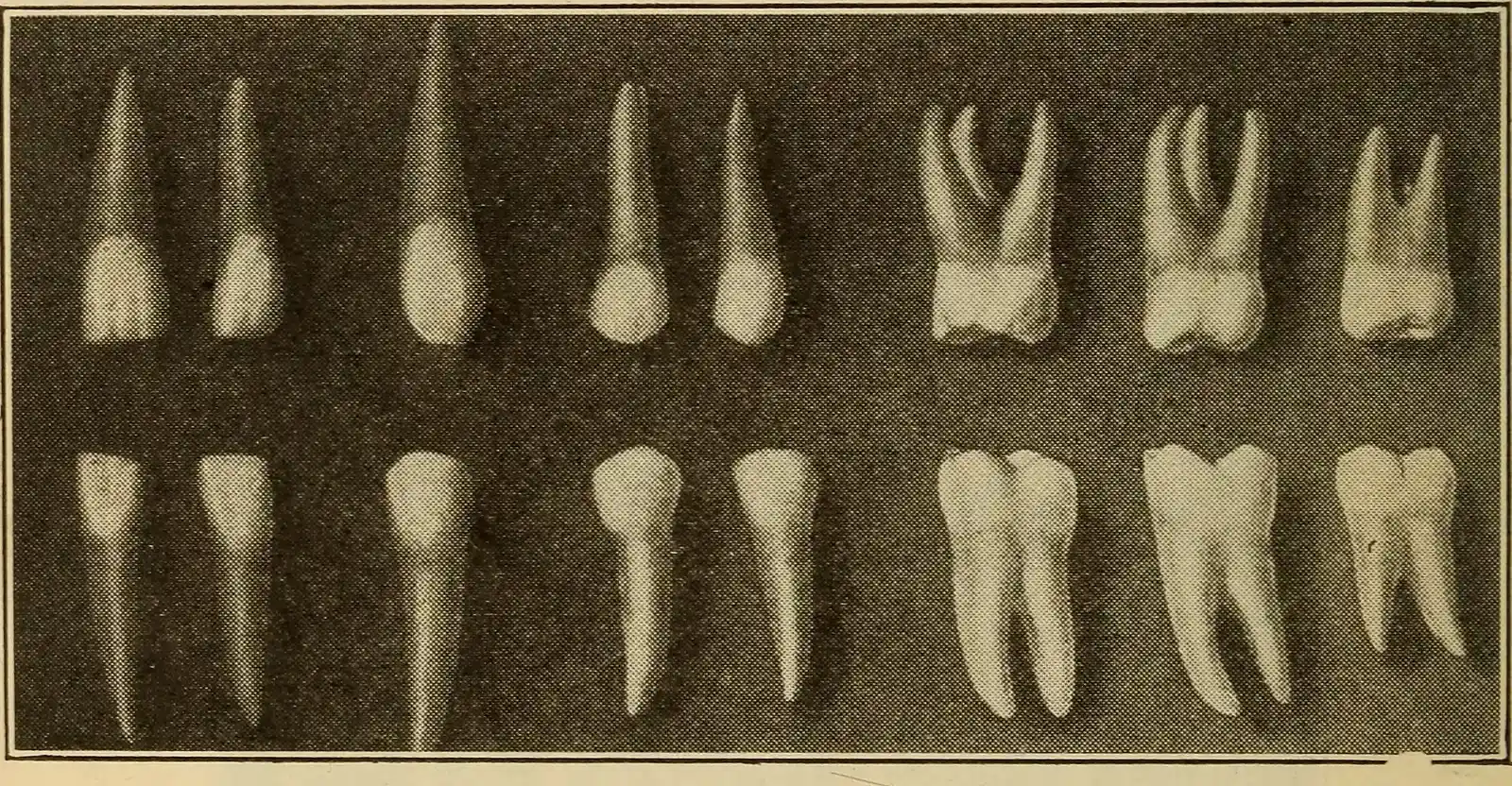
Every human tooth that begins forming before birth carries a permanent, microscopic scar called the neonatal line – a stress marker etched into the enamel at the exact moment of birth. It forms because the trauma of being born, however brief, interrupts the steady rhythm of the cells building that enamel.
That means scientists can look at a set of baby teeth pulled from a burial site and know, with total certainty, whether that infant ever took a breath. If the neonatal line is there, the child was born alive. If it’s missing, the child never breathed air outside the womb.
That single distinction has rewritten infant mortality estimates at multiple ancient sites, because skeletons alone often can’t separate a stillbirth from a death just days after birth. The tooth can. It’s one of the only tissues in the human body that records the exact moment of birth as a permanent physical mark – and it never fades, never heals, and never lies.
#11 – Growth Rings Reveal the Exact Season Someone Died
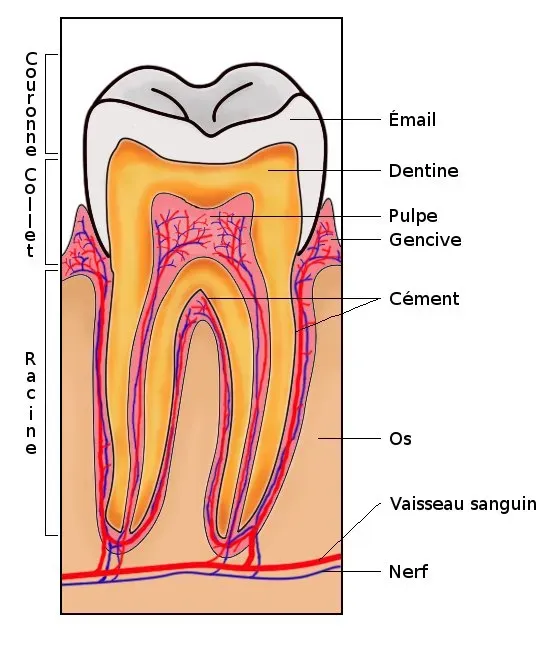
Teeth don’t stop growing once they erupt. The cementum layer coating each root keeps adding thin bands for the rest of a person’s life, and those bands alternate in appearance with the seasons – a darker, opaque band forms in winter, a translucent one forms in summer. One pair of these bands equals one full year of that person’s life.
This technique is called cementochronology, and it’s become one of the most trusted tools for reconstructing a life’s timeline from teeth alone. It reads the story written in dental cementum bands, sometimes called annulations, layered onto the tooth root year after year.
What makes it genuinely wild is the precision. Researchers don’t just get an age at death – they can often tell whether someone died in the dead of winter or the height of summer, a level of detail almost impossible to pull from any other part of the skeleton. This lamellar record survives burial conditions that destroy almost everything else. It’s a tree-ring calendar, hidden inside a human jaw.
Fast Facts
- One band pair on the root = one calendar year lived
- Opaque bands form in winter, translucent bands in summer
- Can pinpoint the season of death, not just the year
- Survives burial conditions that destroy bone and DNA
#10 – Childhood Trauma Leaves Permanent Grooves
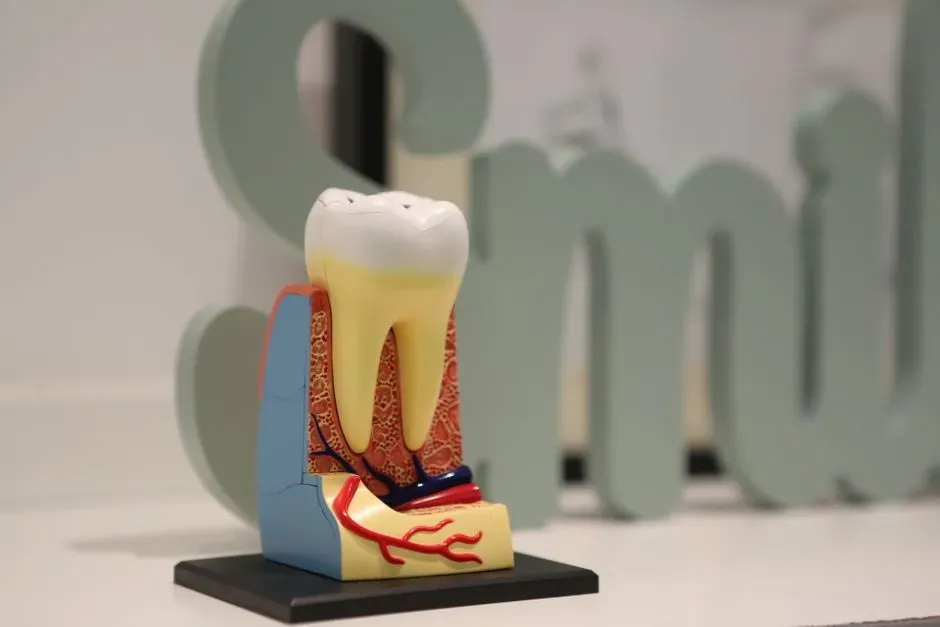
Enamel doesn’t heal. So when a child suffers through malnutrition, a high fever, or a serious illness during their early years, the enamel-forming cells briefly shut down – and that pause gets frozen into the tooth forever as a visible groove or pit called enamel hypoplasia.
A tooth can basically confess a person’s worst childhood year. Because teeth form on a known, predictable timeline, anthropologists can calculate almost exactly how old a child was when the stress hit – sometimes narrowing it down to a six-month window.
This has been used to map famine years, disease outbreaks, and weaning crises across entire ancient populations, not just individuals. A cemetery full of skeletons showing hypoplasia bands clustered around age two or three points to a population-wide weaning crisis, not isolated bad luck. It’s one of the clearest windows science has into what childhood actually felt like, thousands of years before anyone wrote a word down.
#9 – Teeth Reveal the Exact Age a Baby Was Weaned
Dentine, the layer beneath enamel, keeps growing in increments throughout childhood and absorbs the chemical signature of whatever a person is eating or drinking at the time. Breast milk carries a distinct isotopic signature compared to solid food, so scientists can chart the switch from milk to weaning foods almost month by month.
This isn’t guesswork – it’s chemistry. Nitrogen isotope ratios spike while a baby is nursing, because breast milk sits at a higher trophic level than the mother’s own diet, then gradually decline as solid food gets introduced. Archaeologists have used this exact pattern across ancient populations to study broader questions of childhood health and survival.
The findings often contradict what people assume about “natural” ancient parenting. Weaning ages varied wildly by culture, climate, and social class, and some populations weaned infants shockingly early – a decision usually driven by maternal workload or food scarcity, not tradition. Teeth expose that these choices were rarely as simple or idyllic as modern nostalgia likes to imagine.
#8 – Your Diet Gets Permanently Stamped Into Your Teeth
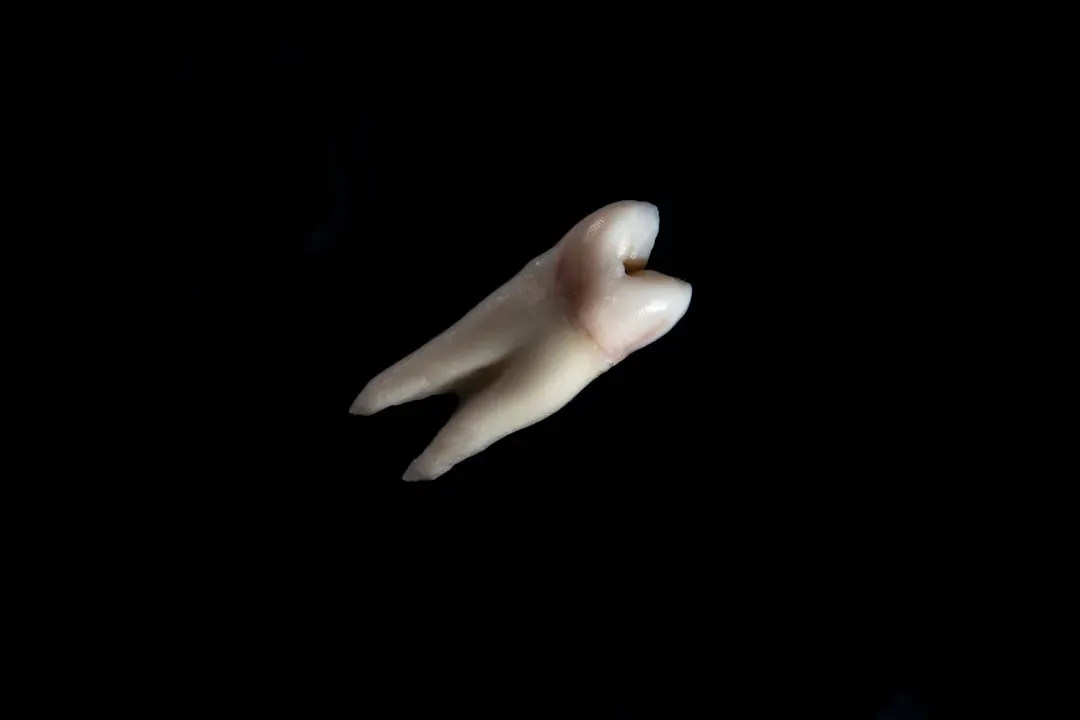
Carbon and nitrogen isotopes absorbed into tooth tissue create a chemical fingerprint of what a person actually ate, and that fingerprint never washes out. Someone who lived on marine food, someone who ate mostly grain, and someone who ate a lot of meat all leave behind measurably different signatures, permanently.
This single technique has overturned long-held assumptions about ancient diets. Populations once assumed to be exclusively agricultural turn out to have supplemented heavily with wild resources, and so-called “hunter-gatherer” groups have been shown eating more plant starches than anyone expected. Researchers even found microfossils in calculus proving Neanderthals cooked and ate plants – upending the old caveman-as-pure-carnivore stereotype entirely.
Diet isotopes also expose inequality in real time. In stratified ancient societies, elite burials frequently show isotope signatures loaded with animal protein and imported foods, while commoner burials just meters away show a far more monotonous, plant-heavy signature. The teeth basically leak the secret of who ate well and who didn’t.
Quick Compare
- Elite burials: animal protein, imported foods, varied diet signatures
- Commoner burials: monotonous, plant-heavy, starch-dominant signatures
- Same cemetery, same century: isotopes tell two completely different stories
#7 – Teeth Can Track Exactly Where Someone Grew Up
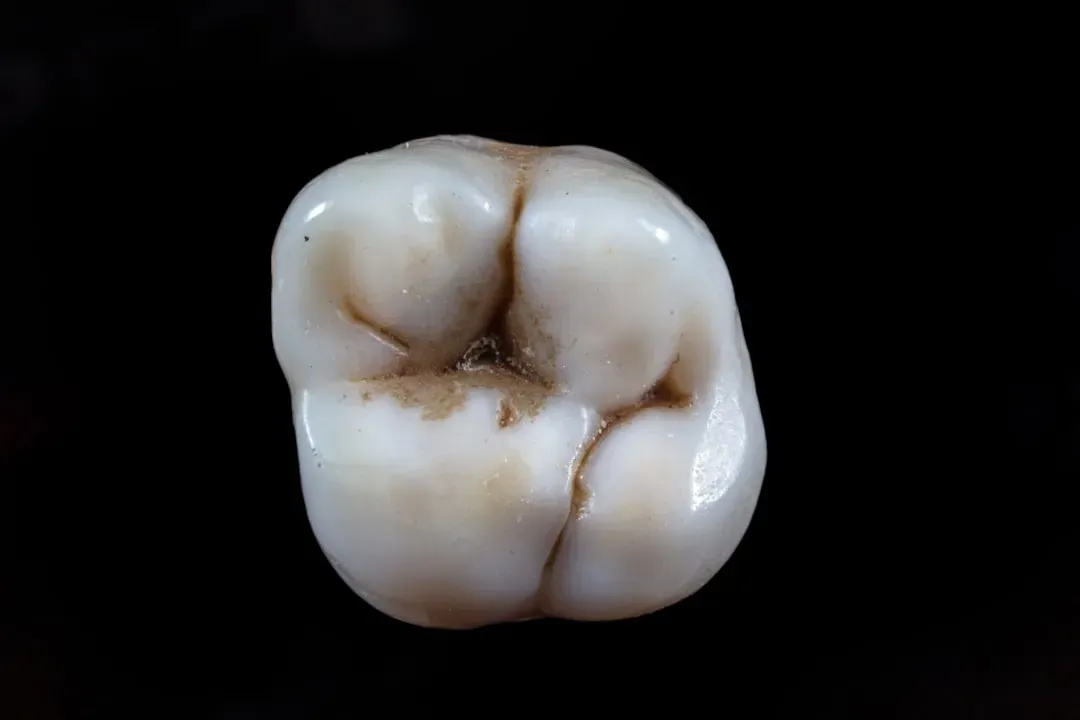
Strontium and oxygen isotopes absorbed into developing tooth enamel reflect the specific water and soil geology of wherever a person lived as a child. Because different regions carry distinct isotopic signatures, scientists can essentially map a person’s early-life geography from a single tooth.
This has rewritten migration stories at several famous archaeological sites. Skeletons once assumed to be lifelong locals have turned out to be first-generation immigrants, travelers, or captives who spent their childhood somewhere entirely different from where they were eventually buried. A tooth formed in one region and buried in another is basically an ancient passport stamp.
It’s also revealed the surprising mobility of populations long assumed to be static and isolated. Trade routes, marriage alliances, and forced relocations all leave a chemical trail that skeletons alone could never expose. Most people picture ancient life as immobile and local. The isotope data keeps saying otherwise.
#6 – Fossilized Plaque Is a Goldmine of Ancient DNA
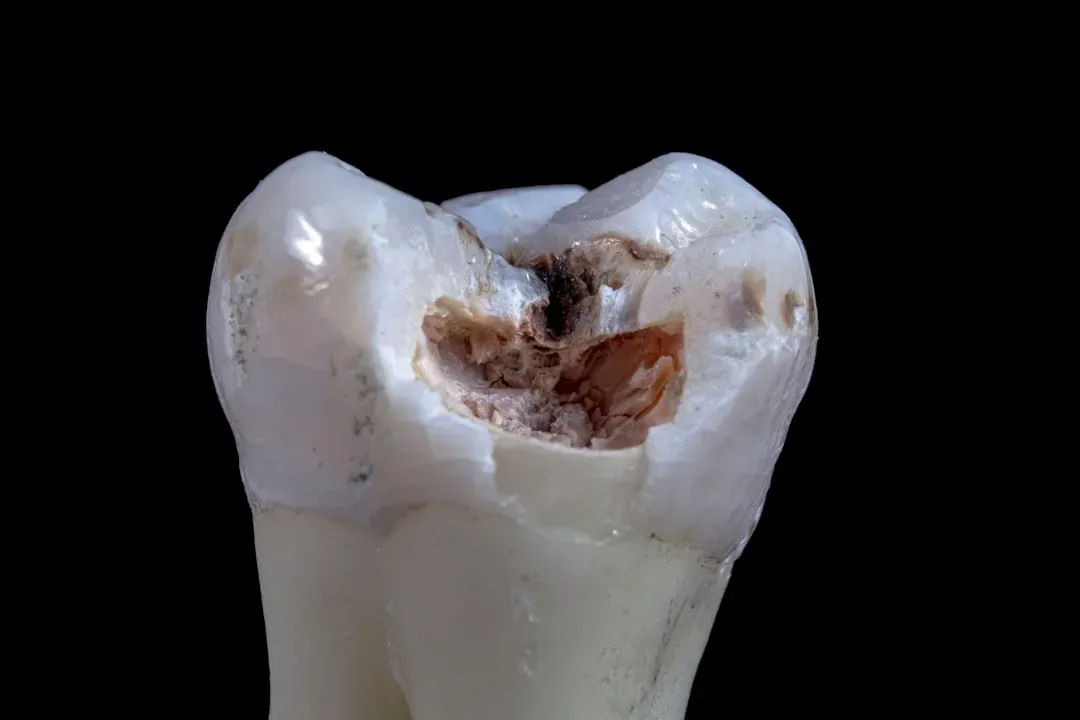
Long before toothbrushes existed, plaque built up on teeth and slowly mineralized into a hard, crusty substance called calculus. That calculus turned out to be one of the richest sources of ancient biological information archaeology has ever found. Food particles and microbes clung to teeth for a lifetime, then hardened into tartar that scientists eventually realized was a goldmine of preserved ancient DNA.
That discovery flipped archaeology on its head. Millions of oral microbes get trapped and preserved inside that mineralized matrix, including pathogens tied to the mouth and airways, chewed food debris, and other particles that once passed through someone’s mouth. Researchers aren’t just seeing what a person ate anymore – they’re seeing what infection that person was actively fighting when they died.
One of the most striking cases involved tartar pulled from victims of a colonial-era Mexican epidemic. Researchers analyzed remains excavated in the Mexican highlands from an outbreak in the 1500s and detected DNA fragments of Salmonella enterica, pinpointing a likely culprit behind the epidemic. A centuries-old medical mystery, solved entirely through fossilized dental grime.
Worth Knowing
- Calculus can preserve DNA in conditions that destroy bone entirely
- Millions of trapped oral microbes survive inside a single tartar sample
- Pathogens, food debris, and even active infections get locked in place
- A 1500s Mexican epidemic was traced to Salmonella enterica this way
#5 – Ancient Tartar Proves Who Was Drinking Milk
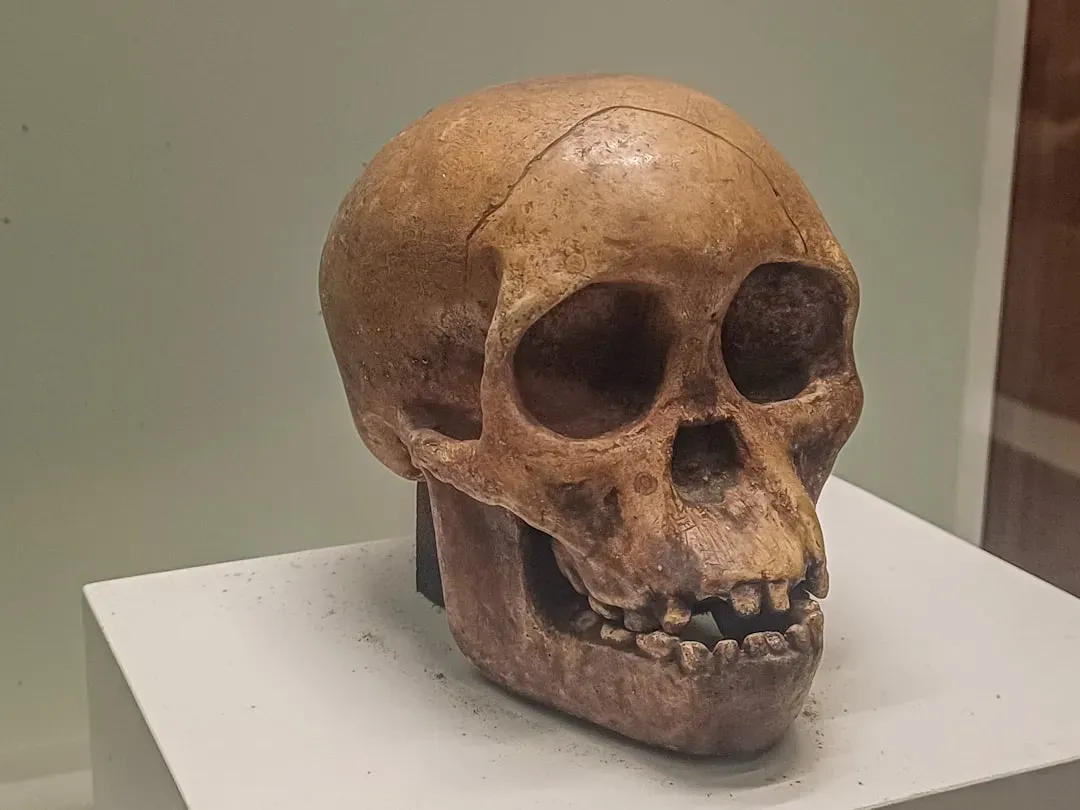
Proteomic analysis – reading the actual proteins preserved inside calculus – has produced something remarkable: direct, chemical proof of dairy consumption stretching back thousands of years. Earlier analyses of proteins pulled from ancient dental calculus revealed the dietary milk protein β-lactoglobulin, direct evidence of dairy in the archaeological record.
This matters enormously because most adult humans historically couldn’t digest lactose at all. Finding milk proteins in someone’s teeth tells researchers about genetics, animal domestication, and cultural food practice, all in one shot. Researchers studying milk proteins in dental calculus have used this exact method to trace the origins of dairying practices across Eastern Asia.
A large-scale study of English remains spanning centuries found similarly striking patterns. One proteomic study analyzed 100 samples from England ranging from the Iron Age to the post-medieval period, and the results revealed foodstuffs like milk and meat that were otherwise completely invisible to microscopic analysis. Foods that left zero visible trace in the archaeological record were sitting preserved in plaque the entire time.
#4 – Worn-Down Teeth Expose Someone’s Job
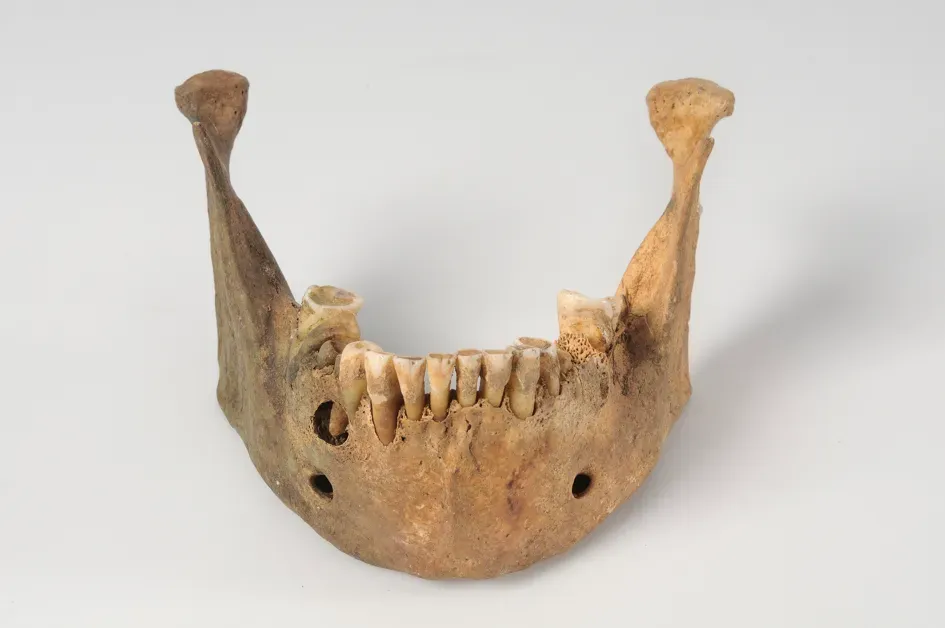
Tooth wear isn’t random. It follows patterns dictated by exactly how a person used their mouth outside of eating. People who repeatedly used their teeth as tools – gripping hides, softening fibers, holding thread while their hands worked – developed distinctive grooves and chipping patterns that show up clearly under microscopic analysis.
This is one of the more controversial corners of the field, and it honestly deserves more skepticism than it usually gets. Some researchers have confidently assigned occupations – leatherworker, weaver, hunter – based purely on wear patterns, when overlapping habits could easily produce nearly identical marks. The evidence is compelling, but treating every groove as an ironclad career resume is a stretch some specialists now openly push back on.
Still, extreme or unusual wear patterns remain genuinely informative when paired with other evidence. Heavy anterior tooth wear combined with isotope data pointing to a specific diet paints a far more reliable picture than wear alone ever could. No single clue from a tooth tells the whole story. It’s the combination that matters.
#3 – Cavities Reveal the Moment Agriculture Wrecked Human Health
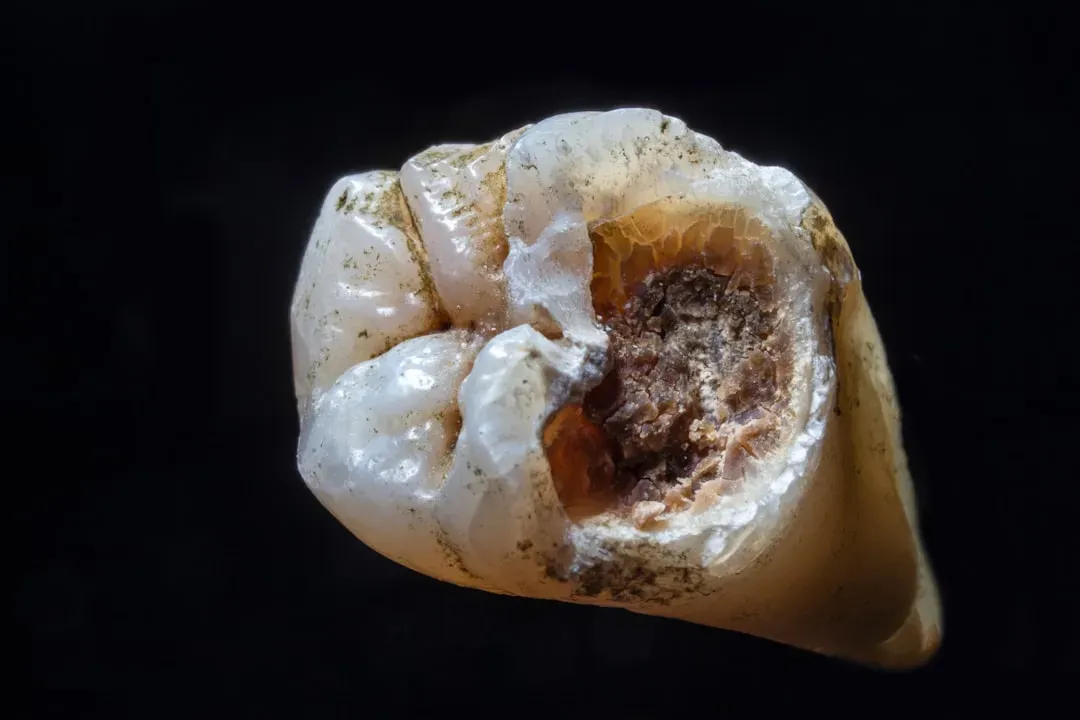
For most of human history, cavities were rare. Then agriculture arrived, diets shifted toward starchy, carbohydrate-heavy staples, and oral health collapsed almost overnight in evolutionary terms. Studies have consistently shown that the shift to a carbohydrate-rich diet during the Neolithic Revolution triggered major changes in the oral microbiome.
This wasn’t a minor side effect. It was a full-scale biological transformation, captured directly in enamel and calculus. Ancient DNA pulled from archaeological dental plaque has been instrumental in showing exactly how that societal shift hit human health. Populations that transitioned to farming show measurably higher rates of decay than their hunter-gatherer predecessors and neighbors.
Here’s the uncomfortable opinion this data actually supports: the agricultural revolution, often taught in school as pure human progress, was a genuine downgrade for individual oral and metabolic health. Farming let populations grow bigger, but it made individual mouths – and by extension, individual bodies – measurably sicker. The teeth don’t care about the population-level success story. They just record the personal cost.
At a Glance
- Cavities were rare before farming-based diets took hold
- Carbohydrate-heavy staples reshaped the oral microbiome
- Farming populations show consistently higher decay rates than hunter-gatherers
- Bigger populations, but measurably sicker individual mouths
#2 – Tooth Shape Reveals Ancestry Better Than Almost Any Other Bone
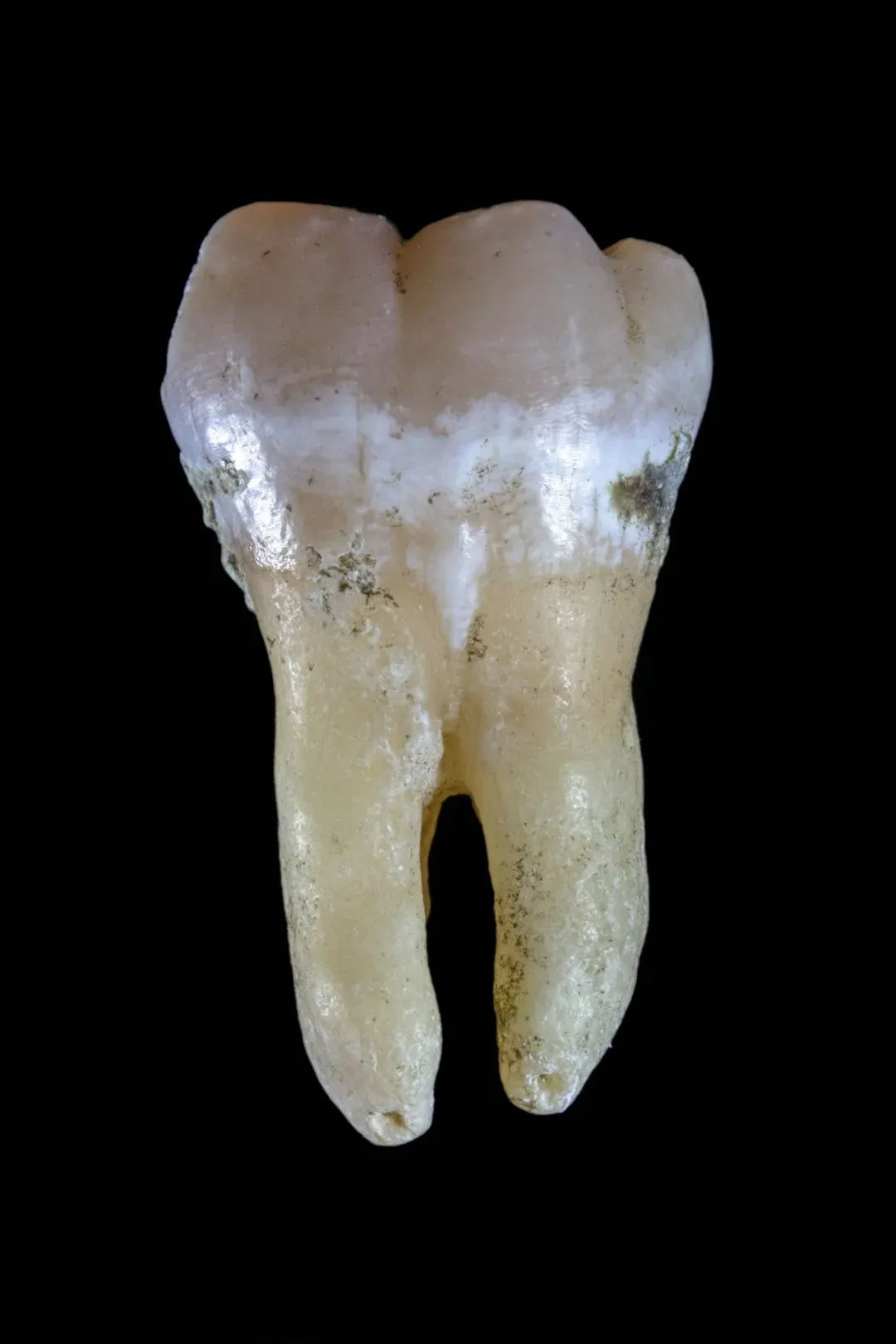
Certain dental traits – the shape of an incisor’s back surface, the number and arrangement of cusps on a molar, the presence or absence of an extra root – are strongly inherited and vary predictably between populations. That’s made dental morphology one of anthropology’s most reliable tools for tracing ancestry and population relationships, often alongside DNA analysis used to determine sex, family ties, population movement, and disease.
What’s genuinely surprising is how much survives without any DNA at all. Purely physical dental traits, visible to the naked eye or under simple magnification, have been used for decades to sort ancient remains into broad ancestral groups, long before genetic testing became affordable or accessible.
This has occasionally sparked real friction in the field, because morphology-based ancestry calls have sometimes clashed with later genetic results. Teeth are powerful evidence, but they’re not infallible – and any researcher who treats tooth shape as a perfect substitute for genetic testing is overselling what the method can actually prove. Combined with DNA, though, the two together build a remarkably detailed ancestral picture.
#1 – Teeth Expose the Brutal Inequality Hidden in Ancient Societies
Here’s the finding that ties every other clue together, and it’s the one that should genuinely unsettle people. Combine diet isotopes, enamel stress markers, cavity rates, and calculus DNA from a single ancient cemetery, and a consistent, uncomfortable pattern emerges every time. Wealth and status weren’t just reflected in grave goods. They were physically written into people’s mouths.
Higher-status burials repeatedly show fewer childhood stress markers, more varied and protein-rich diets, and later, healthier weaning patterns. Lower-status burials, buried sometimes just meters away, show the opposite: more enamel hypoplasia, more cavities linked to a monotonous, starchy diet, and isotope signatures pointing to chronic nutritional stress. Reconstructing a life this way – diet, health, and hardship, layer by layer – has become one of the most powerful ways archaeology has to trace what an individual actually lived through.
Why It Stands Out
- One cemetery, multiple markers – and the same divide every time
- High status: fewer stress lines, richer diet, later weaning
- Low status: more cavities, more hypoplasia, chronic nutritional stress signals
- The pattern shows up in teeth even when grave goods don’t survive
Most people imagine ancient inequality as something you’d only see in tombs and treasure. The truth is it was carved into people’s bodies from infancy. A wealthy child’s teeth and a poor child’s teeth, buried in the same cemetery in the same century, can look like they belonged to entirely different species of stress and nourishment. That’s not a footnote. That’s the entire story of ancient civilization, told one molar at a time.
The Bottom Line
Teeth are, without exaggeration, the single most information-dense tissue archaeology has access to. A birth, a famine, a migration, a decade of milk drinking, a life of poverty or privilege – it’s all sitting there in enamel, dentine, and fossilized plaque, waiting to be read.
The most controversial takeaway isn’t a specific fact. It’s the pattern. Inequality, malnutrition, and hardship weren’t rare tragedies in the ancient world – the teeth suggest they were the default experience for most people, while comfort and abundance were the genuine outliers. What’s the most surprising thing you’ve learned a tooth can reveal? Drop it in the comments.