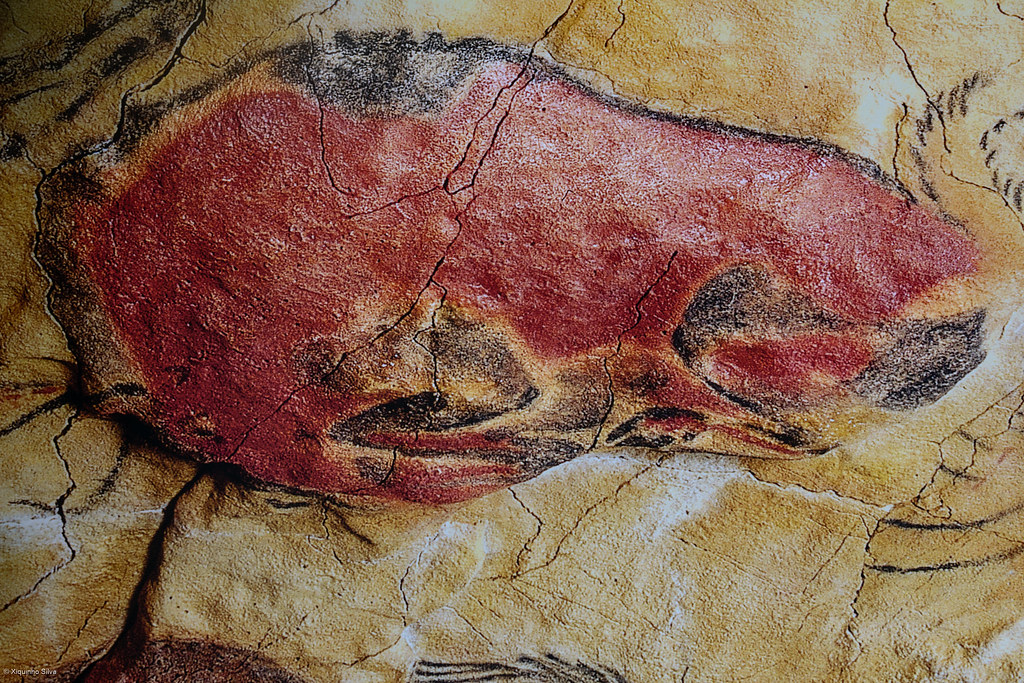
Most people assume cave paintings survived 20,000 years because they’re sealed in stone, untouchable by time. They’re wrong. The single biggest threat to Paleolithic masterpieces like Lascaux and Altamira was never vandalism, earthquakes, or erosion – it’s the air itself, and it started attacking the moment humans walked in wearing lungs, headlamps, and shoes.
Some of these threats didn’t even exist until tourists showed up. Others are so obscure that most professional archaeologists never learn about them in school. Below are the twelve invisible forces conservation scientists say are quietly erasing 17,000-year-old art, one molecule at a time – and a few of them will make you rethink what “preserved” actually means.
#1 – Human Breath Is Quietly Poisoning the Rock
Every visitor who ever walked into a painted cave brought a hidden weapon: their own exhaled breath.
Carbon dioxide from human respiration turned out to be one of the most destructive forces ever unleashed inside a painted cave. Lascaux was permanently closed to the public in April 1963 after scientists discovered that the CO2 in visitors’ exhaled breath was warping the cave’s microclimate and eating away at the paintings and the rock beneath them. This wasn’t a minor inconvenience – it was serious enough to shut down one of the most important archaeological sites on Earth, indefinitely.
Altamira in Spain met the same fate for the same reason. Hundreds of thousands of visitors a year brought exhaled CO2, body humidity, and stray microorganisms with them, and officials didn’t grasp the scale of the damage until the numbers were already climbing out of control.
- Modern-day CO2 monitoring is now considered non-negotiable for any painted cave open to tourists.
- Even brief, low-traffic visits measurably shift internal gas concentrations.
And that CO2 doesn’t just sit quietly in the air. It transforms into something far more corrosive.
#2 – That CO2 Turns Into Acid That Eats the Pigment
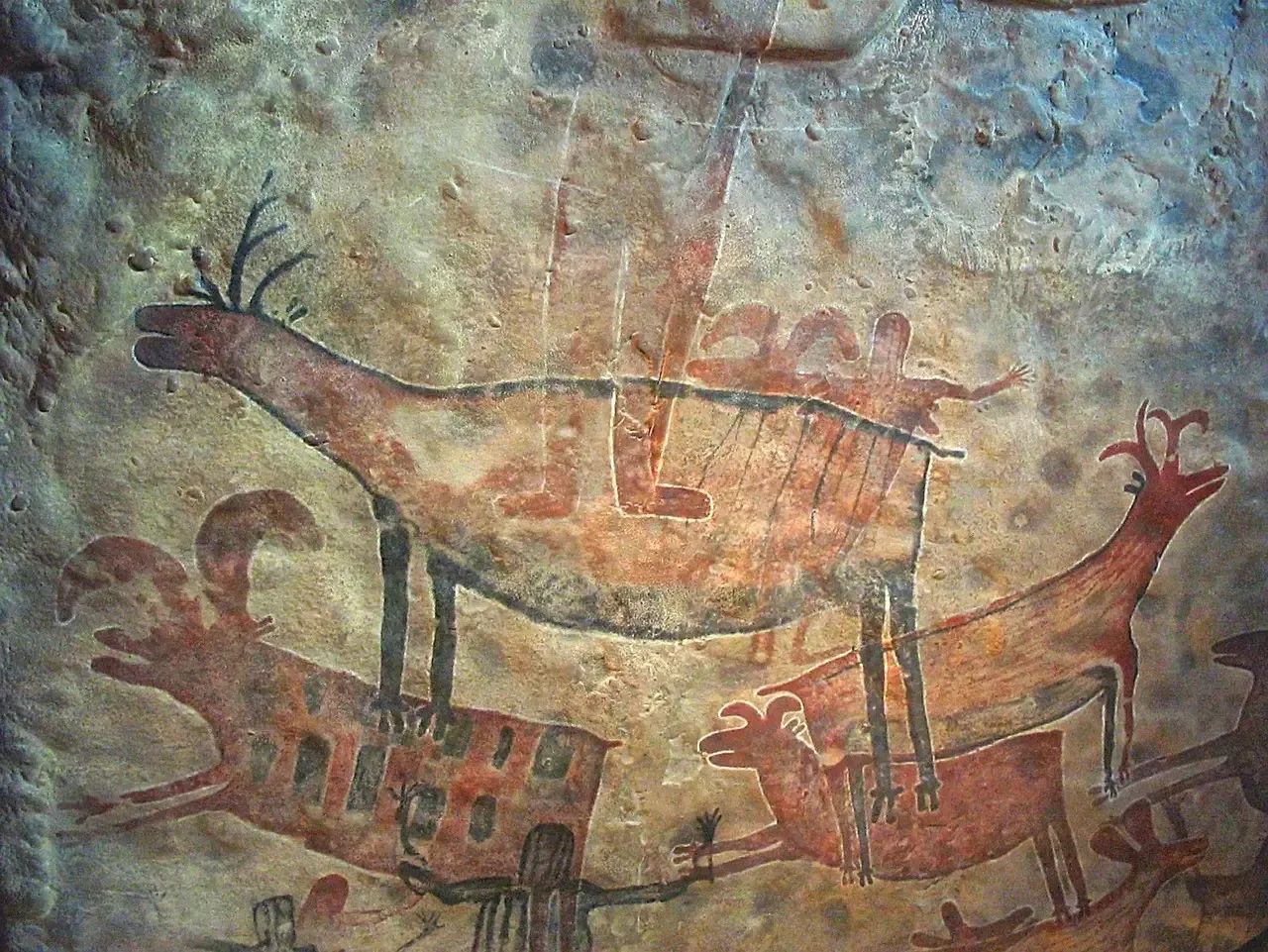
Here’s the part most people never learn in school: carbon dioxide doesn’t just linger – it chemically reacts with condensed water vapor to form carbonic acid, and that acid attacks pigment directly. This isn’t theoretical chemistry. It’s happening in real time on limestone walls that have held color for millennia.
In the worst-documented cases, the damage goes far beyond fading colors. Once the acid attacks the rock itself, the stone that serves as the painting’s “canvas” can start to crumble. That means the surface the artist painted on 17,000 years ago is dissolving, not just the image sitting on top of it.
Engineers now treat this reaction as a countdown clock. Ambient CO2 inside caves like Lascaux hovers between 0.3% and 1%, with spikes up to 8% in low-lying chambers – compared to a normal atmospheric concentration of roughly 0.04%. That’s not a small deviation. It’s a chemically hostile environment engineered almost entirely by tourism.
Which raises an obvious question: what happens when that acidic air also gets more humid?
#3 – Humidity Spikes Create a Perfect Storm
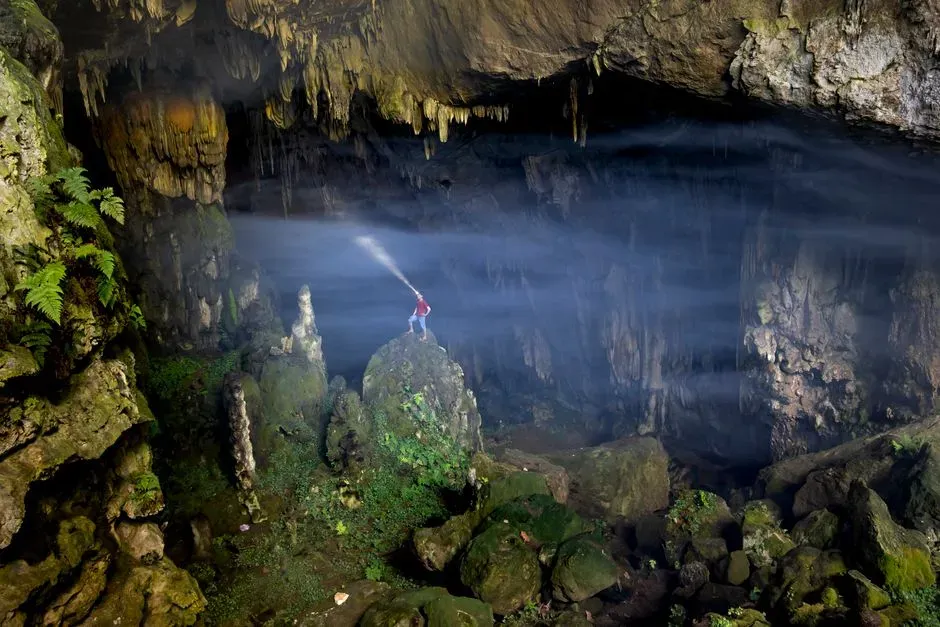
Ask any conservator what keeps them up at night, and humidity swings will top the list.
Caves are naturally damp, but visitor traffic pushes moisture into genuinely dangerous territory. Relative humidity sits close to full saturation inside chambers like Lascaux’s Painted Gallery, leaving almost zero buffer before condensation starts forming directly on the artwork.
Fast Facts
- Relative humidity in painted chambers often sits near full saturation, leaving almost no room before condensation forms on the art itself.
- Airflow patterns can determine whether microbes get flushed out of a cave or stay suspended long enough to colonize the walls.
- Many conservators now rank humidity control above fungicides and chemical treatments, since it drives nearly every other threat on this list.
And once condensation sets in, it doesn’t just sit there quietly. Researchers tracking airflow found that convection currents from climate-control systems flushed airborne microorganisms out of the cave during one season, while in another season those same organisms stayed suspended in the air – explaining the sudden spikes in bacteria and fungus that show up on the walls. In other words, humidity decides whether microbial invaders get carried away or left to fester on the pigment.
Many conservation scientists now argue that humidity control matters more than any fungicide or chemical treatment ever could, simply because it’s the root cause almost every other threat on this list depends on.
#4 – Body Heat Silently Shifts the Cave’s Climate
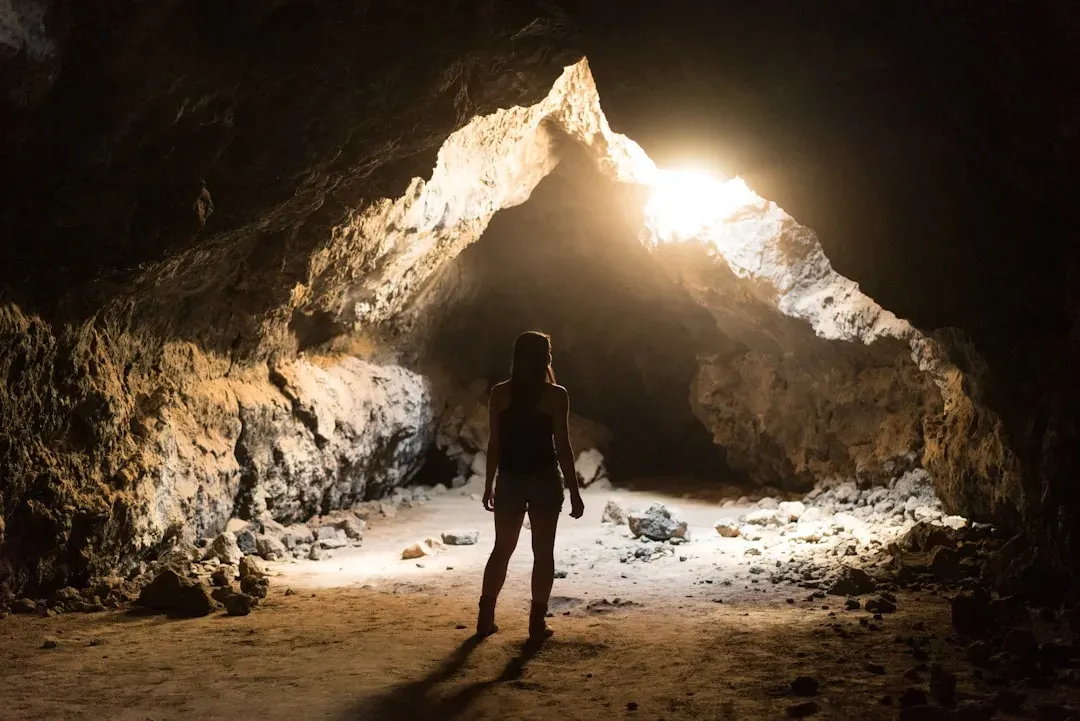
It sounds almost absurd – human body warmth destroying 17,000-year-old art – but the data backs it up.
Simply standing inside a cave changes it. Human presence releases heat, water vapor, carbon dioxide, and suspended particles, and a handful of visitors standing near a wall for a few minutes is enough to measurably shift the microclimate around the paint.
High-resolution monitoring found the deepest, most painted chambers were hit hardest. One outer sector showed only minor thermal anomalies of 0.01–0.02°C, while the inner decorated sector recorded average increases of 0.11°C to 0.28°C, with spikes as high as 0.37°C. That fraction of a degree sounds trivial until you remember this is a sealed stone chamber that hadn’t fluctuated meaningfully in thousands of years.
Even small groups spaced apart leave a thermal fingerprint that lingers for hours after they’ve left – proof that “gentle” tourism still isn’t neutral tourism.
#5 – Airborne Fungal Spores Are Staining the Art Black
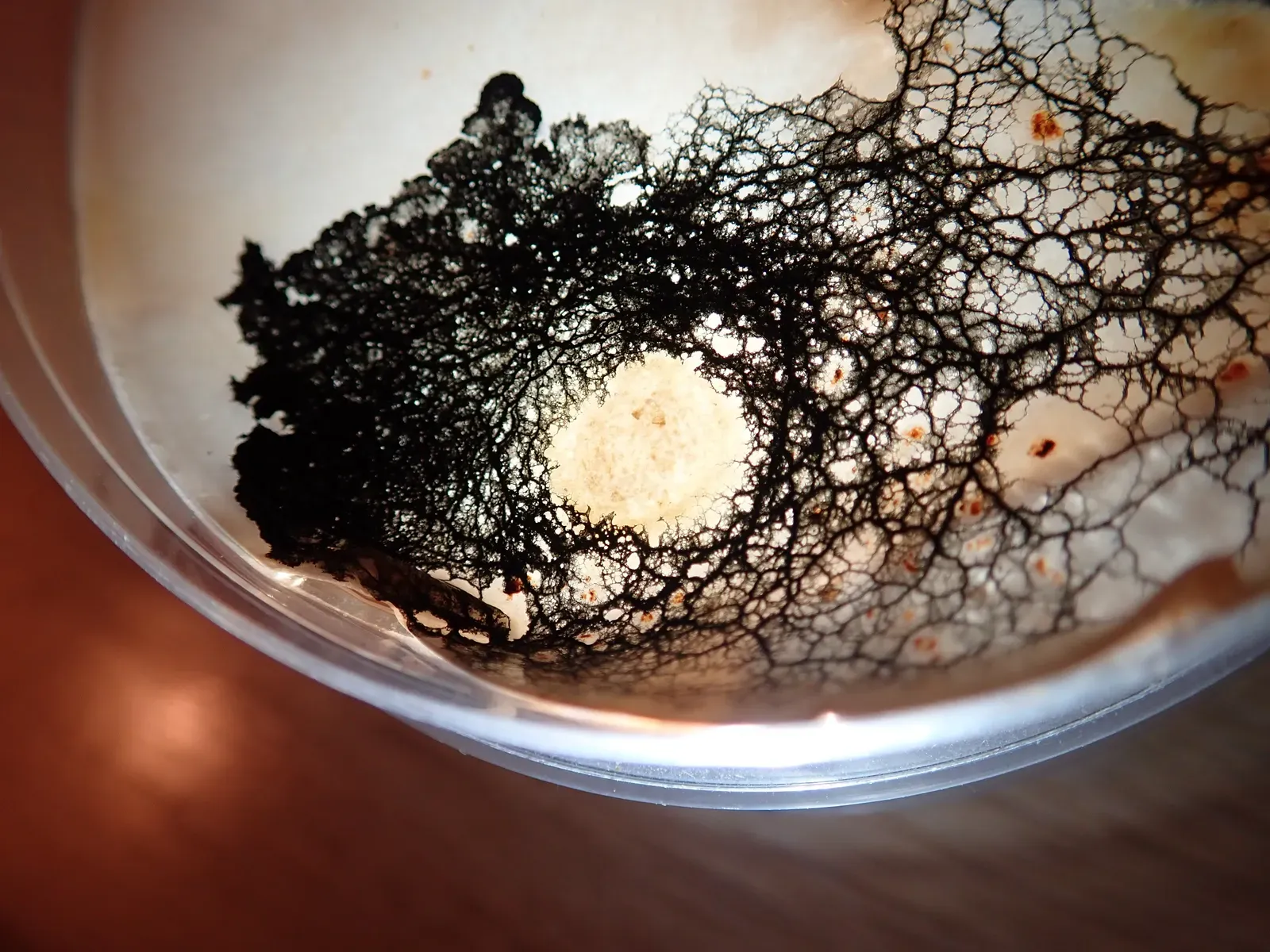
This is arguably the most visually alarming threat on the entire list.
In 2001, an outbreak of the fungus Fusarium solani spread across Lascaux’s walls and sediment. A few years later, black stains from a fungus called Ochroconis lascauxensis appeared – the cave’s third major microbial crisis by 2006. Scientists were forced to identify and name an entirely new fungal species because it had colonized this one specific cave.
The black color itself turns out to be chemically fascinating, and deeply destructive. The fungus produces its own natural pigment – melanin – which visually merges with the ancient artwork and gradually obscures it. Researchers studying these fungi are just as interested in the melanin itself as they are in stopping the damage it causes.
- Fungal outbreaks have hit Lascaux at least three separate times since public visitation began.
- Treatments using industrial fungicides have repeatedly failed or triggered secondary damage.
#6 – Bacteria Are Building Biofilms That Crack the Rock
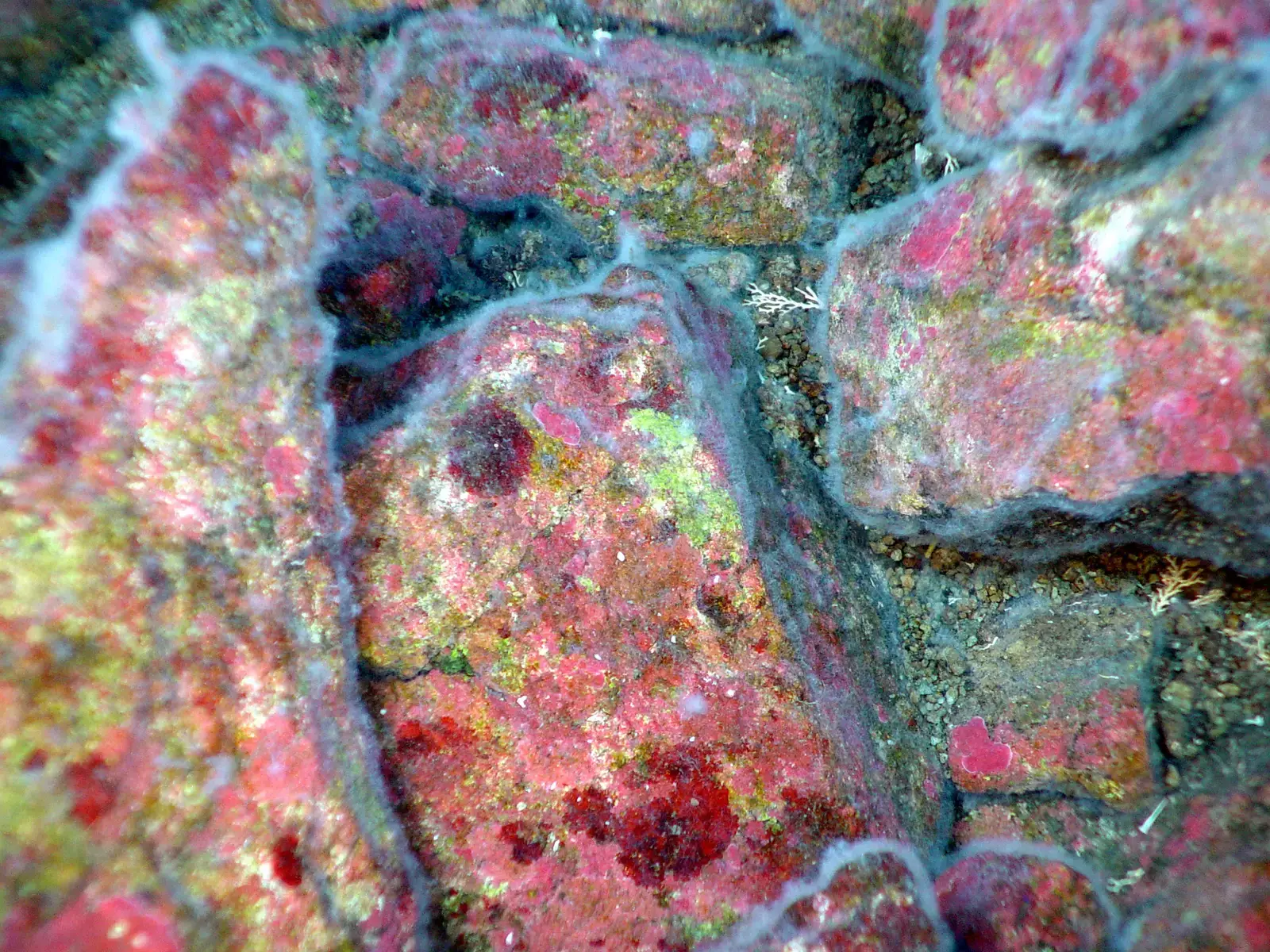
Fungi get most of the headlines, but bacteria may be doing quieter, more structural damage.
Bacteria have colonized the rock art at Altamira Cave in Spain, along with mural paintings in Etruscan and Roman tombs elsewhere. This isn’t isolated to one site – it’s a pattern showing up across ancient painted spaces worldwide, wherever human traffic disrupts a microbial balance that had stayed stable for thousands of years.
Most people don’t realize bacteria can physically break down stone, not just discolor it. Some microbes grow as biofilms that feed on inorganic material pulled directly from the cave walls, and that feeding process creates mechanical stress that can actually fracture rock surfaces. The wall itself – the literal canvas – becomes structurally compromised.
Researchers cataloging Altamira’s bacterial invaders found a surprisingly colorful cast of culprits: strains that leave behind gray, yellow, and white residue, plus photosynthetic bacteria considered one of the cave’s single biggest threats, staining the walls a visible green.
Worth Knowing
- Photosynthetic bacteria at Altamira leave a visible green stain and rank among the cave’s most serious biological threats.
- Other strains coat the rock in gray, yellow, or white residue without necessarily touching the pigment directly.
- Bacterial biofilms don’t just discolor stone – they pull minerals from it, creating mechanical stress that can crack the surface.
- Similar bacterial colonization has turned up in Etruscan and Roman tomb murals, suggesting ancient painted rock faces this risk almost everywhere.
#7 – Artificial Light Is Growing Algae Directly on the Paint
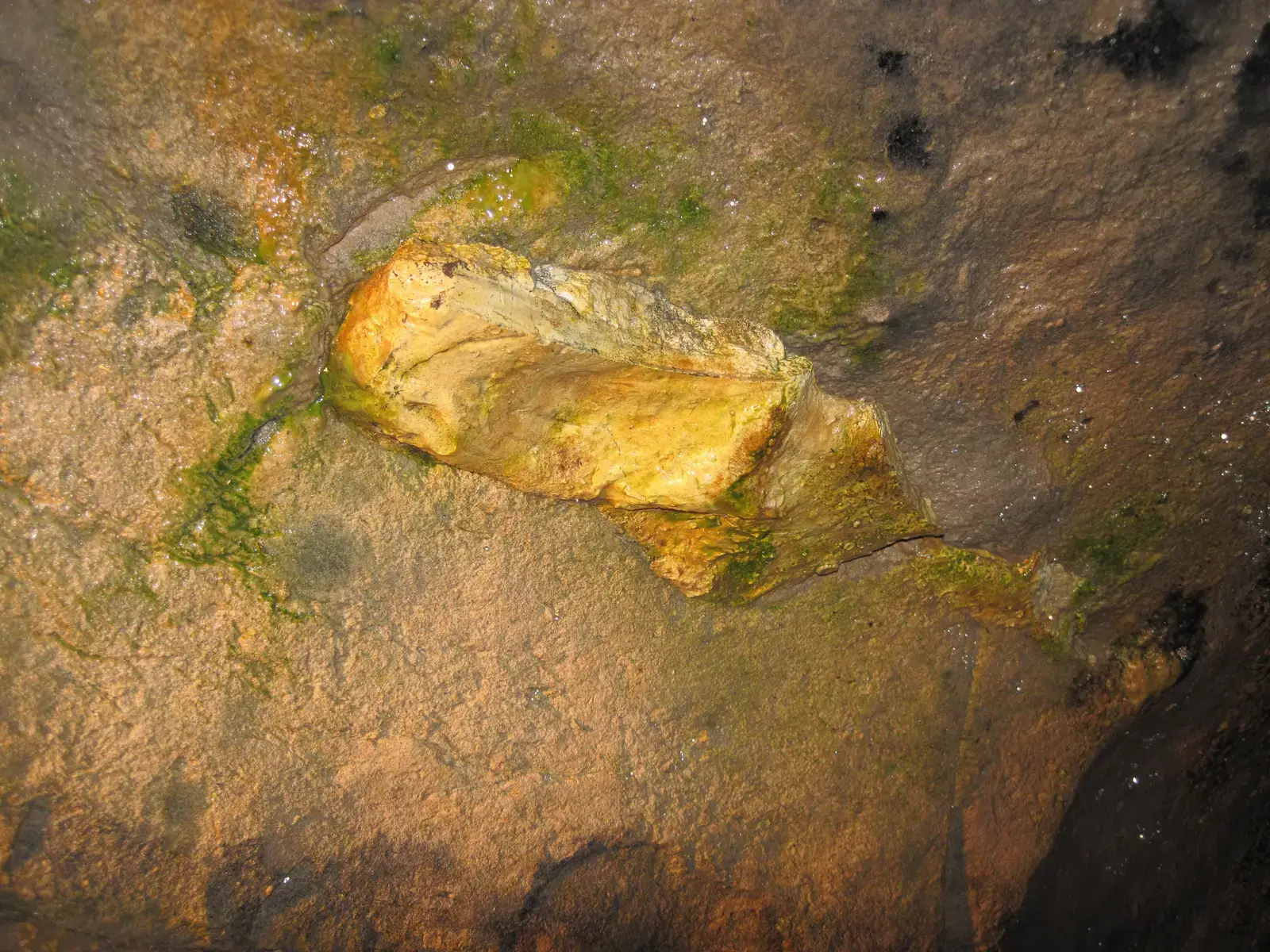
Here’s the twist nobody expects: the very lightbulbs installed to help visitors see the paintings are what’s slowly killing them.
Artificial lighting raises humidity and temperature in a cave, creating perfect conditions for photosynthetic biofilms called lampenflora to spread. Wherever a bulb was mounted to illuminate a bison or a horse, a green colony often started creeping in right behind it.
This isn’t a new discovery – it’s the reason one of the world’s most famous caves became a cautionary tale. The phenomenon became famous worldwide in the 1960s because of the damage it caused inside Lascaux. The cave’s so-called “green disease” outbreak is now a textbook case study taught in conservation science programs.
Many museums still assume brighter lighting automatically improves the visitor experience. But conservationists increasingly argue that any permanent illumination near irreplaceable pigment is a long-term mistake – lampenflora doesn’t just look bad, it physically increases rock porosity and triggers chemical breakdown of the mineral formations underneath.
#8 – Radon Gas Is Silently Circulating Through the Chambers
This one rarely makes headlines because you can’t see it, smell it, or feel it – but it’s constantly moving through painted caves.
Radon-222 is a radioactive noble gas with a half-life of just 3.8 days, produced naturally by radium in the surrounding rock. It’s a genuine health hazard for anyone spending long hours underground, but scientists have also learned to use it as a tracer, since it moves through cave air in remarkably predictable patterns.
The concentrations detected are far higher than most people would guess. Radon monitored across 15 points over more than a year showed average readings between 1,274 and 5,281 becquerels per cubic meter, with transient spikes above 15,000. Those numbers dwarf anything you’d find in an open-air environment.
Worse, this isn’t a static, manageable risk. Rising global temperatures are already altering how radon moves and accumulates underground, meaning conservators are now dealing with a moving target that didn’t exist as a variable fifty years ago.
#9 – Dust and Skin Particles Are Physically Burying the Art
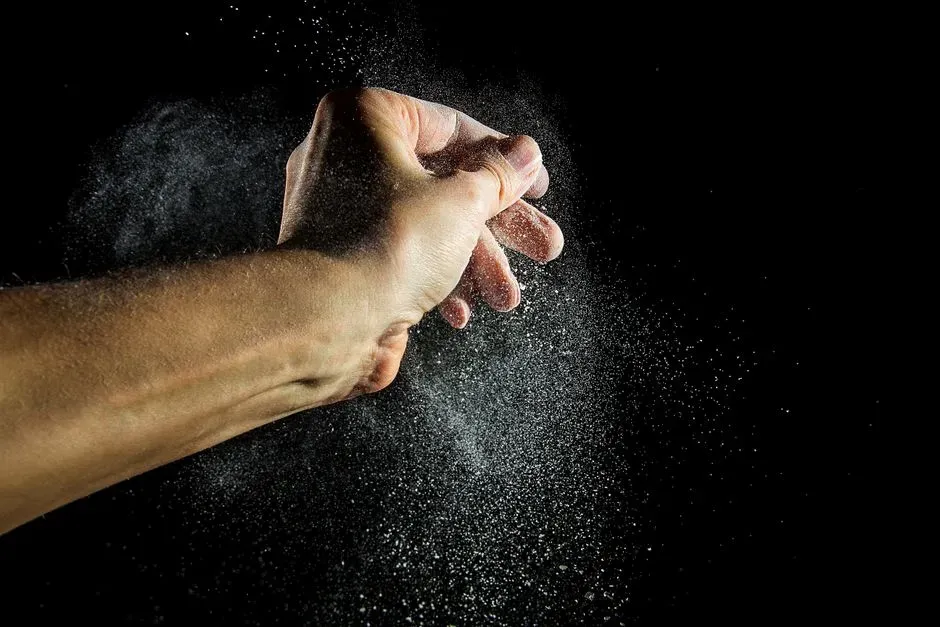
It sounds mundane compared to fungus or radioactive gas, but dust might be one of the most underestimated threats of all.
Suspended particle counts rise directly with visitor traffic – from under 300 particles per liter with small, spaced-out groups, up to a documented maximum of 686 particles per liter after back-to-back tour groups. Recovery time back to baseline took 13.6 hours. That means even modest, well-managed tours leave a measurable particulate cloud hanging in the cave for over half a day.
At a Glance
- Particle counts can range from under 300 per liter with small, spaced-out tours to nearly 700 per liter after back-to-back groups.
- Recovery back to baseline particle levels can take more than half a day after a single busy tour rotation.
- Most airborne particles aren’t plain dirt – they’re plant fragments, pollen, fungal spores, and bacteria riding in on visitors.
- Simple footsteps can dislodge dormant spores and carry them onto previously untouched sections of pigment.
Most of what’s floating in that cloud isn’t inert dirt – it’s biological material. Those particles carry plant and insect fragments, pollen, fungal spores, bacteria, and mold, essentially turning every visitor into a walking delivery system for microorganisms that have no business being in a sealed, ancient ecosystem.
Movement makes it worse. Simple footsteps send dormant spores airborne, spreading them to fresh, previously untouched patches of pigment. A single walk-through can relocate colonies that had been sitting dormant for years.
#10 – Volatile Organic Compounds Are Building Up in Sealed Air
This is the threat most tourists have never even heard of, and frankly, most casual visitors never will.
Volatile organic compounds, or VOCs, are usually associated with cities and factories, not prehistoric art. But caves with restricted airflow and heavy foot traffic function like sealed containers, trapping whatever chemical compounds drift in and giving them nowhere to escape.
These compounds don’t need an industrial source to build up dangerously. Sunscreen, synthetic clothing fibers, cleaning products used during maintenance, even electronics carried in by research teams can all off-gas chemicals that linger far longer indoors than they ever would outside.
Scientists studying this are still in the early stages, but one thing is already clear: low-airflow environments amplify chemical exposure in ways that open-air heritage sites simply never have to deal with.
#11 – Outside Air Brings in Pollen and Foreign Organisms
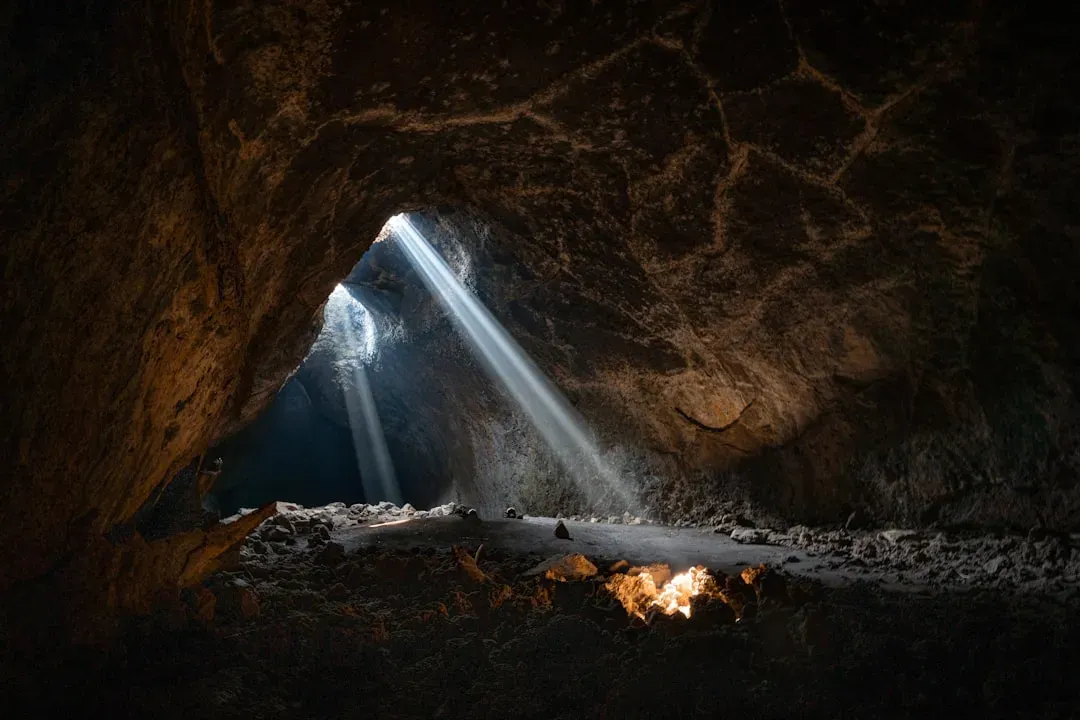
Before humans started drilling entrances, installing doors, and running ventilation systems, painted caves existed in near-total isolation from the outside world.
That isolation is exactly what protected the paint for 14,000 to 20,000 years. The cave environment was nutrient-poor, dark, and barely exchanged any air with the surface – conditions most microorganisms simply can’t thrive in without light, warmth, and humidity to fuel them.
Every modern entrance, airlock, or ventilation duct broke that isolation permanently. Outside air never arrives alone. It carries pollen, spores, and the exact same biological particulates found drifting through visitor-heavy chambers – plant fragments, fungus, bacteria, even viruses.
Most heritage sites treat ventilation as purely protective. But some conservation scientists quietly consider it a double-edged sword: the same systems built to manage CO2 and humidity are also the delivery mechanism for foreign organic material the cave never had to fight off before.
#12 – Climate Change Is Freezing the Air in Place
The final threat on this list is the hardest to fix, because no cave door or filtration system can control it.
Every problem Lascaux has faced traces back to its climatization – the delicate equilibrium of air moving through the cave. Rising surface temperatures have started disrupting that circulation, leaving pockets of air stagnant and immobile in a system that depends entirely on movement to stay balanced.
This isn’t a distant, future problem – it’s already reshaping conservation strategy today. Sending scientists into the affected chambers has itself become risky, since their mere presence raises humidity and temperature in ways that can trigger new fungal, algae, or bacterial growth. Even the experts trying to save these paintings are now part of the risk equation.
Climate modeling backs up the long-term concern. Projections built from Intergovernmental Panel on Climate Change data, run out to the year 2100, show that continued warming could pose a serious risk to the cave’s paintings throughout this century.
The Bottom Line
Twelve invisible forces – from a visitor’s exhaled breath to radioactive gas rising through limestone – are working together to erase art that predates the pyramids by thousands of years. The most shocking truth is that human presence itself, not vandalism or war, closed Lascaux and Altamira for good. Every fix, from air conditioning to fungicides, has created new problems even as it solved old ones.
Climate change is now the wildcard nobody can fully control, stagnating air and accelerating decay in caves that survived ice ages untouched. If the experts are right, the paintings tourists still dream of seeing in person may only exist as replicas within our lifetime. Which threat on this list surprised you the most? Drop your thoughts in the comments.