Articles for author: April Joy Jovita

The Pyramid of Giza

New Research Reveals Surprising Truth About Egypt’s Pyramids

April Joy Jovita

The pyramids of ancient Egypt are enduring symbols of human ingenuity. Traditionally, they have been considered tombs for pharaohs and the ruling class. However, recent research suggests that their construction may have involved a more inclusive labor force. Traditional View: Elite Burial Sites For years, Egyptologists have maintained that the pyramids, like the Great Pyramid ...

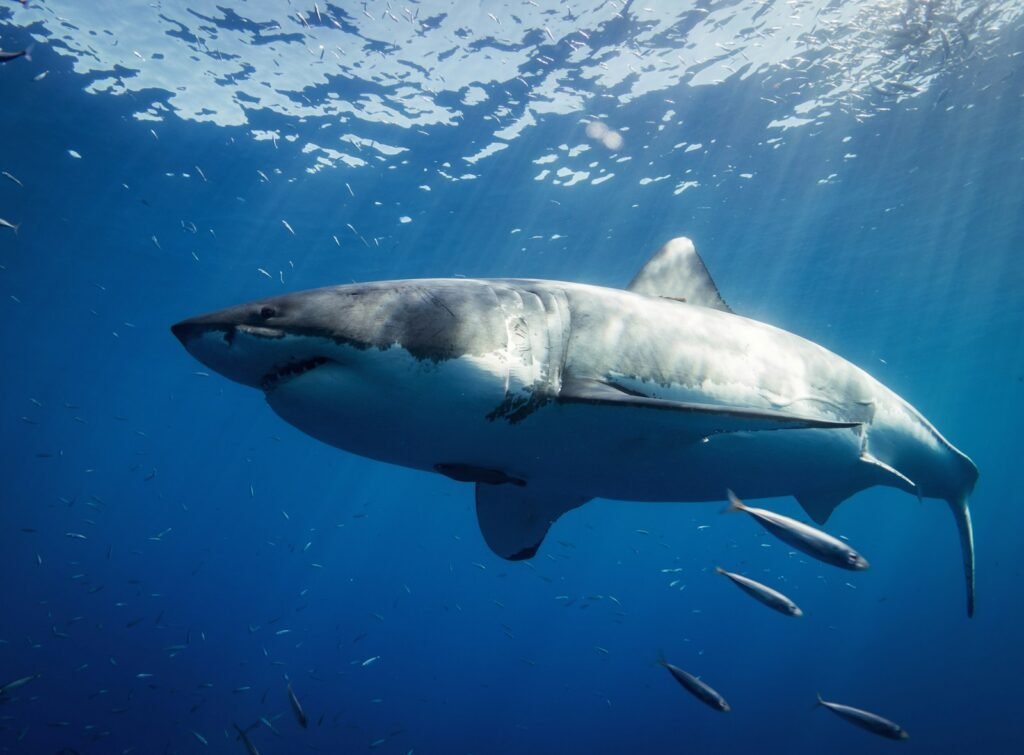
Shortfin mako shark

Unbelievable Encounter: Octopus Spotted Riding on the World’s Fastest Shark

April Joy Jovita

Marine researchers recently captured a rare sight—an octopus clinging to a shortfin mako shark. This unusual interaction has sparked curiosity among scientists, shedding light on unexpected survival tactics in the ocean. While interactions between sharks and octopuses are known, direct physical contact like this is rarely documented. Understanding these moments can provide deeper insights into ...

artificial intelligence icon

The Future of AI in Scientific Discovery: Transforming Research and Innovation

April Joy Jovita

Artificial intelligence (AI) is rapidly revolutionizing various scientific fields, from drug discovery to climate modeling. With its ability to analyze vast amounts of data, AI is accelerating discoveries that would have taken years through traditional methods. A recent study highlights groundbreaking advancements in AI-driven scientific research, demonstrating its potential to reshape the future of discovery. ...

The bonobo Kanzi

Kanzi the Bonobo: The Ape Who Revolutionized Our Understanding of Animal Intelligence

April Joy Jovita

Kanzi, a world-famous bonobo who astonished researchers with his linguistic and tool-making abilities, has passed away at the age of 44. His groundbreaking achievements challenged long-held beliefs about animal cognition and language, forever changing the way scientists view primate intelligence. A Remarkable Journey Kanzi’s journey into the scientific spotlight began at the Great Ape Trust ...

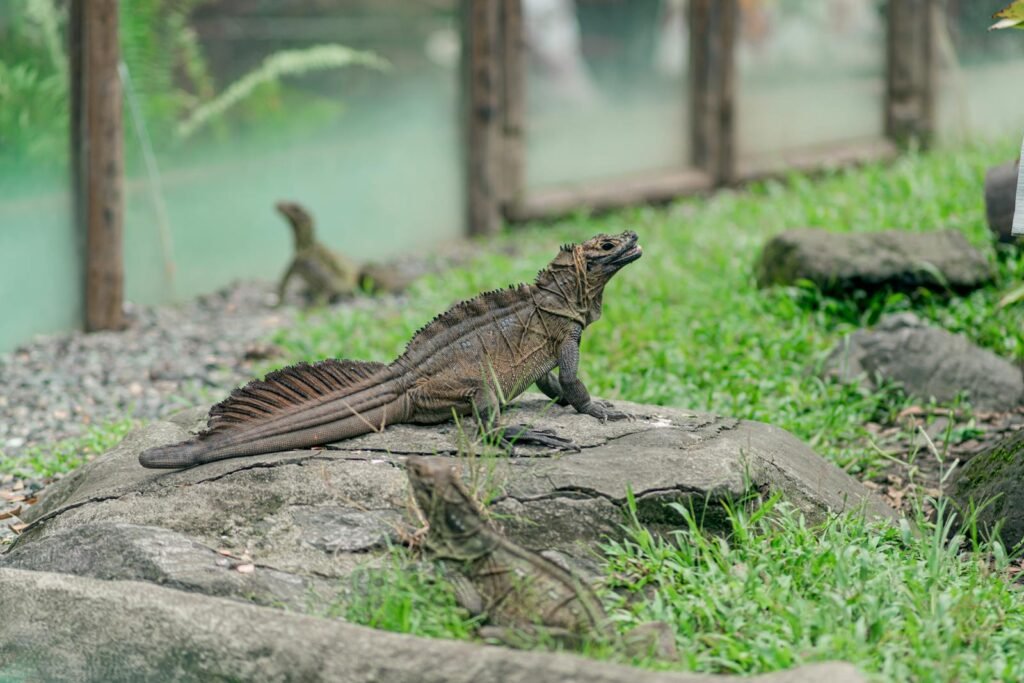
Madrean Tropical Night Lizard on the Rock

Survivors Beneath the Ash: How Night Lizards Outlasted the Dinosaur-Killing Asteroid

April Joy Jovita

Sixty-six million years ago, a 10-kilometer-wide asteroid struck Earth, unleashing one of the most catastrophic mass extinctions in planetary history. The event obliterated three-quarters of Earth’s species, including all non-avian dinosaurs. Yet, in a stroke of evolutionary defiance, a small, secretive group of reptiles known as night lizards (family Xantusiidae) survived in the region closest ...

The Power of DNA: Unlocking Nature’s Blueprints

Unlocking Tomorrow with Yesterday’s Genes: How Ancient DNA Is Shaping Our Future

April Joy Jovita

A groundbreaking expedition to Antarctica’s Denman Glacier has revealed how ancient DNA (aDNA) can help scientists predict the future of Earth’s ecosystems. As climate change accelerates, researchers are turning to genetic material preserved in marine life to reconstruct past environments and anticipate how ecosystems might respond to ongoing environmental shifts. The study, led by Australian ...

North beach from Willinga Point in the township of Bawley Point, New South Wales (NSW), Australia.

The Ocean’s Silent Crisis: Acidification Reaches Dangerous Levels  

April Joy Jovita

Scientists have issued a stark warning: ocean acidification has crossed planetary boundaries, threatening marine ecosystems and coastal economies. A study published in Global Change Biology reveals that by 2020, ocean acidity had already reached critical levels in some regions, surpassing the safe threshold for marine life. The findings suggest that the rapid decline in ocean ...

Mastodon skeleton, Museum of the Earth

The Extinction That Changed South America: What Mastodons Left Behind

April Joy Jovita

The extinction of mastodons in South America approximately 10,000 years ago continues to affect native forests, as revealed in a groundbreaking study by the University of O’Higgins, Chile. For the first time, scientists have found direct fossil evidence that these extinct elephant relatives played a critical role in seed dispersal, maintaining the biodiversity of large-fruited ...