If you grew up thinking humans sit neatly at the top of some intelligence pyramid, the science of animal minds is about to shake that belief. Over the last few decades, researchers have quietly been discovering that many animals reason, plan, count, lie, grieve, and even imagine in ways that feel uncomfortably familiar. Once you see what they can do, it becomes very hard to keep pretending they are just simple, instinct-driven creatures.
What surprised me most, reading this research, is not that animals are smart, but how varied and specific their intelligences are. An octopus solving a puzzle is nothing like a border collie reading human gestures, yet both are clearly doing something sophisticated. As you go through these twelve facts, try to notice the moments when your gut reaction shifts from “that’s cute” to “oh, that is actually a mind at work.” That’s the point where your picture of the animal world starts to change for good.
1. Crows Can Solve Multi‑Step Puzzles That Stump Young Children
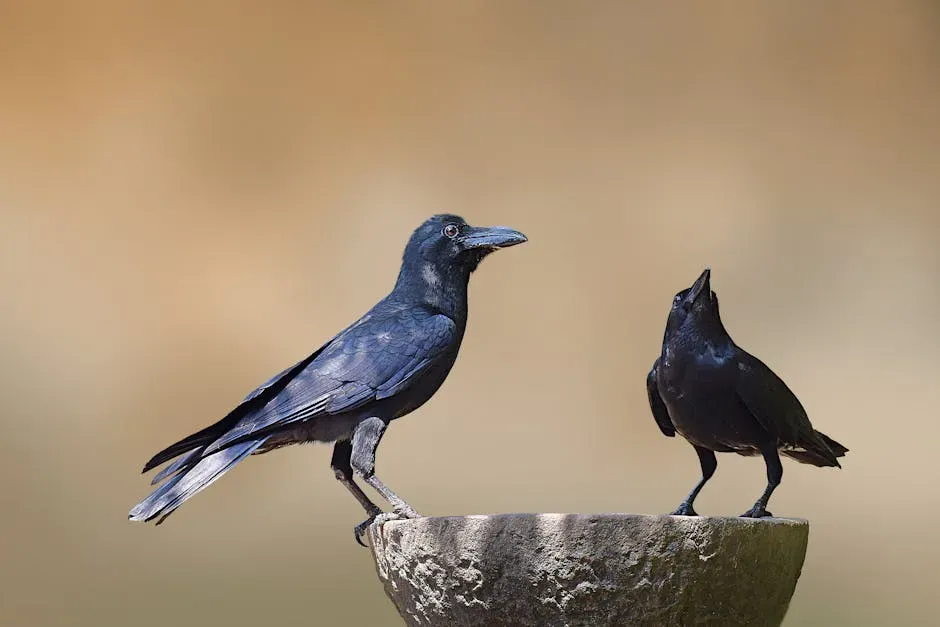
Crows do not just peck at shiny objects; in controlled experiments, they have solved puzzles that require planning several steps ahead, such as using one tool to get another, then using that second tool to access food. In some famous setups, they had to understand that dropping stones into a water-filled tube would raise the water level enough to bring a floating treat within reach, a task that demands an intuitive grasp of cause and effect rather than simple trial and error. What makes this so striking is that young children often fail or need guidance on nearly identical tasks, while crows can learn the structure and then apply it flexibly.
These birds also remember past solutions and adapt them to new situations, which hints at a kind of mental modeling of the world rather than a fixed routine. Their brains are small but densely packed with neurons, especially in regions linked to advanced cognition, showing that intelligence is not only about brain size but also about wiring and efficiency. When you see a crow tilting its head and quietly watching, it may be running a little simulation of “if I do this, then that will happen” in ways that parallel our own inner problem-solving voice. Suddenly, that noisy bird at the parking lot looks less like background wildlife and more like the local engineer.
2. Some Dogs Understand Hundreds Of Words And Can Infer New Ones
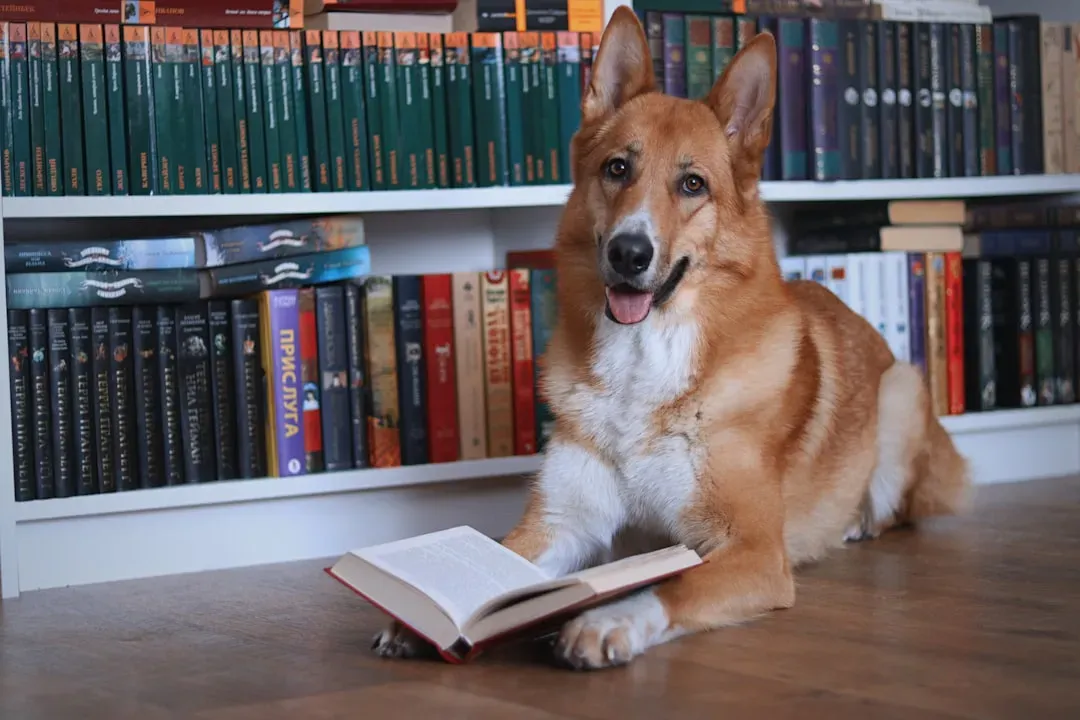
Many dogs do far more than recognize their name or “sit.” Border collies and a few other breeds, raised in language-rich homes, have been shown to learn the names of hundreds of individual toys and distinguish them reliably even when mixed together. Even more impressive, some dogs can use a kind of logical inference called exclusion: if they know the names of all but one toy, and you say a new word, they will fetch the only unknown item, essentially “reasoning” that the new word must refer to the new object.
This does not mean dogs understand language the way we do, but it shows that they are tuned into human communication in a deep and flexible way. They are watching our gaze, our gestures, our emotional tone, and they build rich associations that go far beyond food rewards. Living with humans for thousands of years has shaped dogs into perceptive social partners who are surprisingly good at decoding what we want from them. When your dog cocks its head at a new word, it might not just be confused; it might be trying to slot that sound into a mental dictionary it has already started to build.
3. Octopuses Use Tools And May Mentally Map Their Surroundings
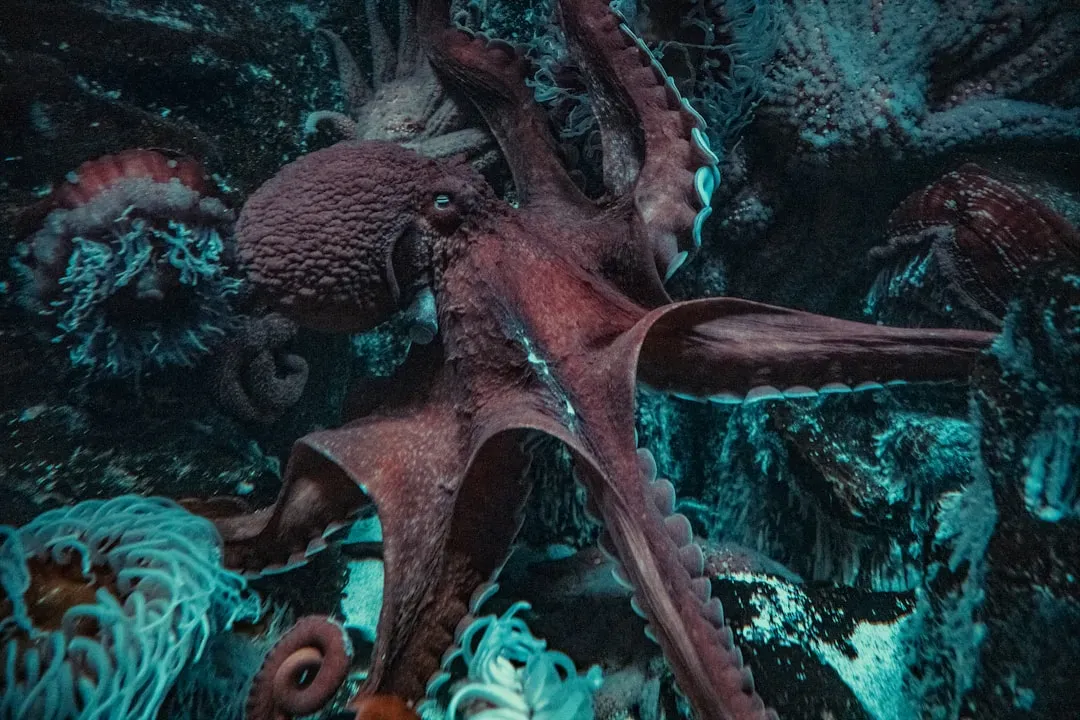
Octopuses are about as far from us on the evolutionary tree as you can get, yet their behavior can feel almost eerily intelligent. In the wild, some species collect coconut shells or seashells, carry them around, and assemble them later into improvised shelters, a clear example of tool use and future-oriented planning. Inside labs and aquariums, octopuses regularly learn how to open screw-top jars, manipulate latches, and remember solutions for later, sometimes even appearing to play with objects just for stimulation.
What makes this even more fascinating is that most of their neurons are not in their central brain but spread through their arms, creating a kind of distributed intelligence. They appear to keep track of their dens and favorite hiding spots in a complex three-dimensional environment, suggesting some form of internal map. Watching an octopus glide purposefully, test textures, and adjust its camouflage feels less like observing a simple reflex machine and more like watching a very alien thinker sizing up its options. It is a reminder that intelligence can evolve in bodies and brains entirely unlike our own.
4. Elephants Pass The Mirror Test And Show Signs Of Self‑Awareness
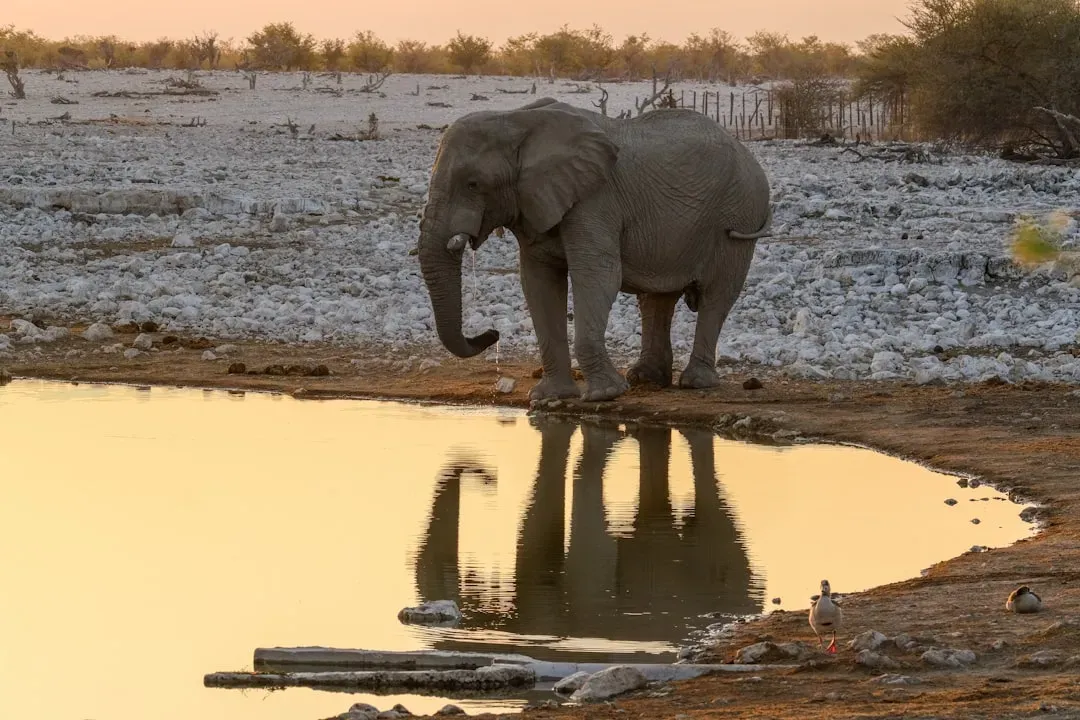
The mirror test is one classic way scientists look for self-recognition: place a visible mark on an animal’s body that it can only see in a mirror, and see if it uses the reflection to investigate or touch that mark on itself. Elephants have passed this test by using their trunks to explore an ink mark on their heads, indicating they understand that the image in the mirror is their own body and not another elephant. This kind of self-awareness is rare and has been reliably shown mostly in humans, great apes, dolphins, some birds, and elephants, making them part of a small mental club.
But elephants do not stop at mirrors; they also show complex social emotions that fit well with a sense of self and others. They comfort distressed companions, appear to pay attention to the bones of deceased elephants, and change their behavior around individuals they have not seen for many years but still recognize. Their large, layered brains and long childhoods give them time to learn intricate social rules and relationships. When an elephant pauses to gently touch another’s face or tusks, it is not just being “cute”; it may be expressing a deep, emotionally rich understanding of another mind.
5. Many Birds Can Plan For Tomorrow Instead Of Just Living In The Moment
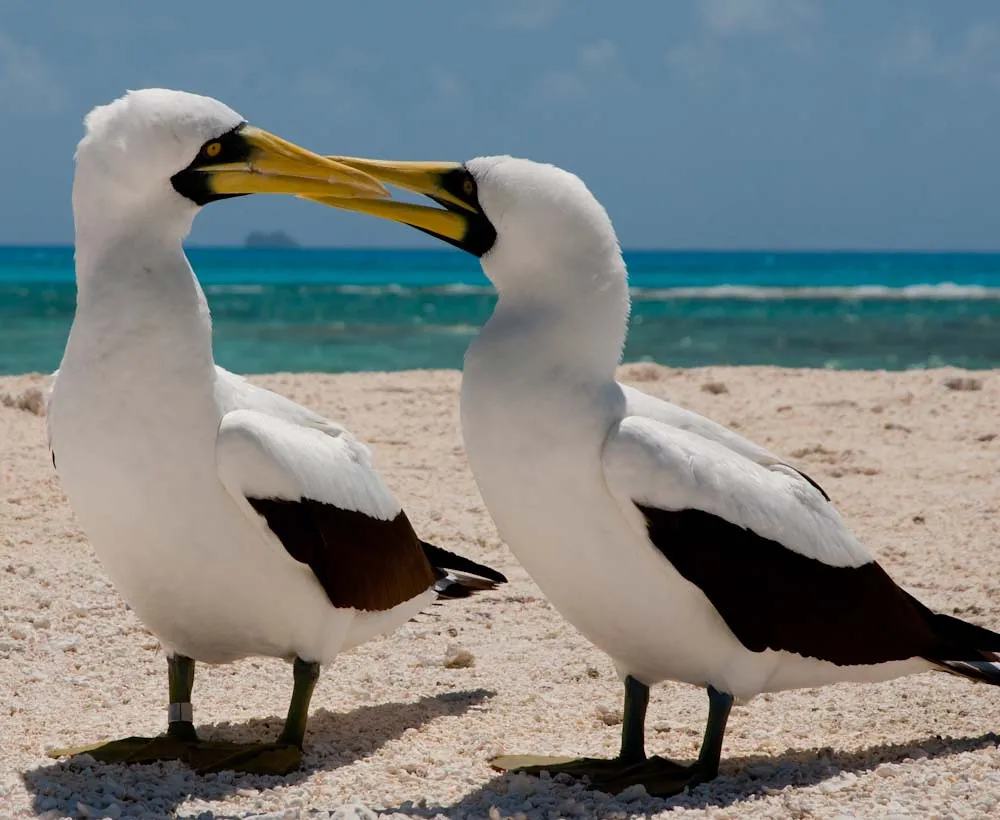
For a long time, animals were thought to be trapped in the present, driven by immediate needs like hunger or fear. Yet experiments with certain birds, especially scrub jays and some corvids, show that they can cache food in different locations based on what they will want later, sometimes even anticipating that future food sources will be scarce. In some studies, they distinguish between places where they usually find breakfast and places where they do not, and then save extra food where they know they will otherwise go hungry the next morning.
This suggests a basic kind of mental time travel, the ability to project oneself into a future situation and act now to improve it. It is not the same as a human planning a career, but it breaks the old picture of animals as purely present-focused. Next time you watch a bird burying seeds, it may not just be mindless hoarding; it could be a calculated investment in tomorrow’s meal based on remembered patterns. That is a surprisingly sophisticated strategy for a creature we often dismiss as fluttering on instinct.
6. Rats Demonstrate Empathy And Will Work To Free A Trapped Friend
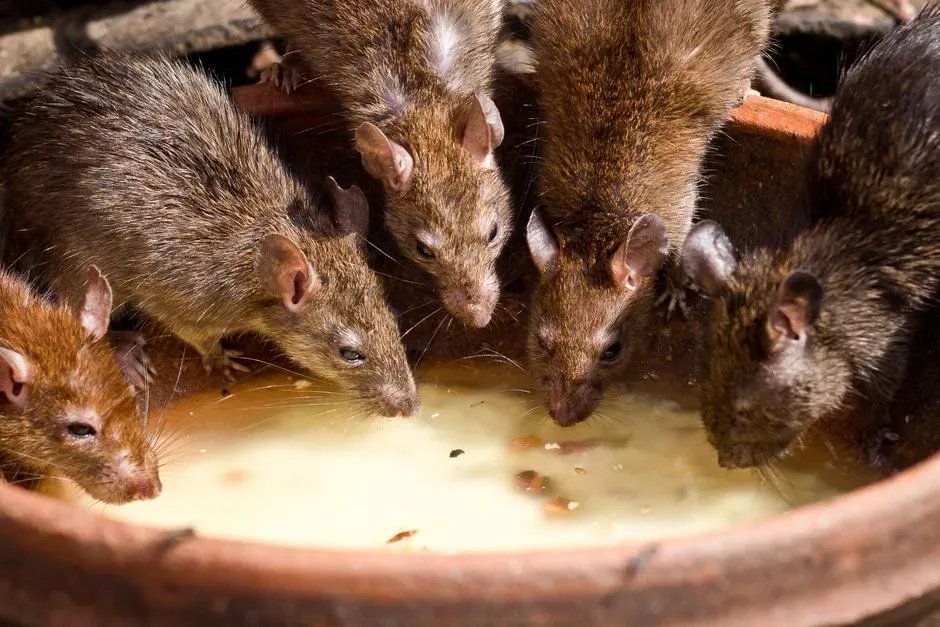
Rats get a terrible reputation, but in behavioral studies, they come across as surprisingly caring. When given a choice between accessing food only for themselves or first freeing a cage-mate from a restrainer, many rats work to release their trapped companion even without an immediate personal reward. They seem to become distressed when another rat is in trouble and appear to feel some relief once the other is free, a pattern that looks very much like a simple form of empathy.
Researchers have also observed that rats remember which cage-mates helped them in the past and are more likely to return favors, hinting at a rudimentary sense of fairness or reciprocity. Their brains respond to the distress of others with activity in regions comparable to emotional centers in humans, suggesting shared biological roots for caring behavior. If a small, often despised animal will sacrifice comfort to help a friend, it challenges the idea that moral emotions are uniquely human. It raises uncomfortable questions about how casually we treat creatures whose inner lives may be richer than we assumed.
7. Bees Can Learn Simple Math And Understand The Concept Of Zero
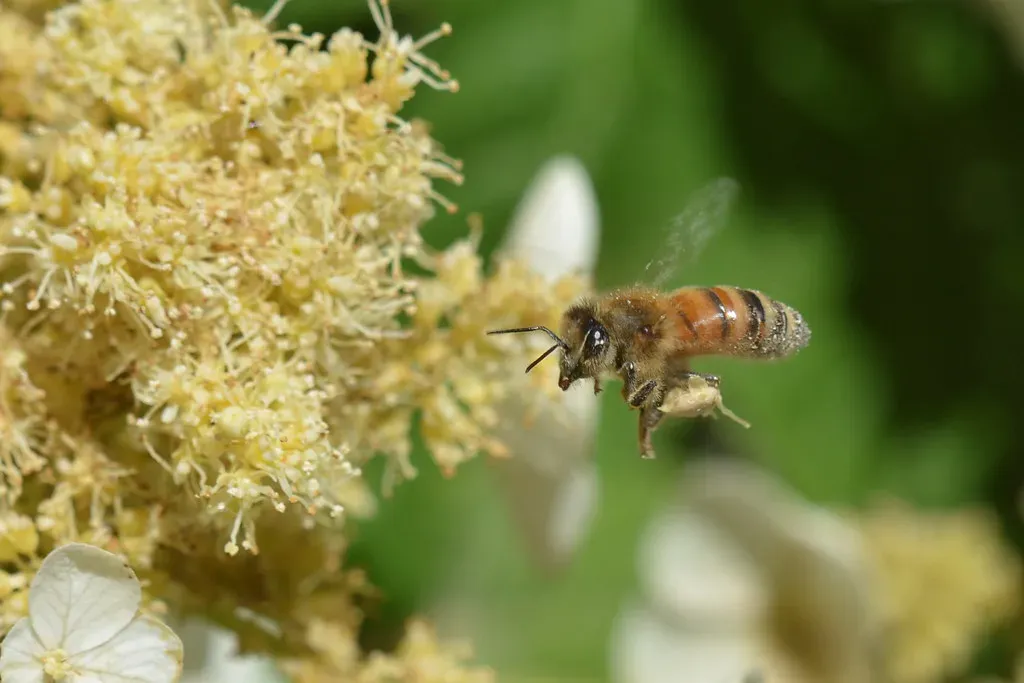
Bees have famously tiny brains, yet their cognitive toolkit keeps surprising scientists. In carefully designed experiments, honeybees trained to associate certain visual patterns with “more” or “less” items can then make correct choices about which group has a higher or lower number, effectively performing very simple arithmetic comparisons. Even more astonishing, some experiments suggest they can grasp the idea of “nothing” as a special category, choosing a blank set as representing a lower quantity than any other number of shapes.
This is remarkable because the concept of zero is historically tricky even for human cultures, requiring an abstract step beyond “some” versus “many.” The fact that a bee can navigate this level of abstraction while flying around collecting nectar shows that sophisticated cognition does not always require a large, primate-like brain. Their neural circuits are just incredibly efficient at specific tasks, tuned by millions of years of evolution to handle both complex navigation and flexible learning. The next time you wave away a bee, consider that inside that flicker of yellow and black is a tiny mind doing rapid math while piloting through a three-dimensional maze.
8. Pigs Can Use Joysticks, Mirrors, And Complex Social Strategies
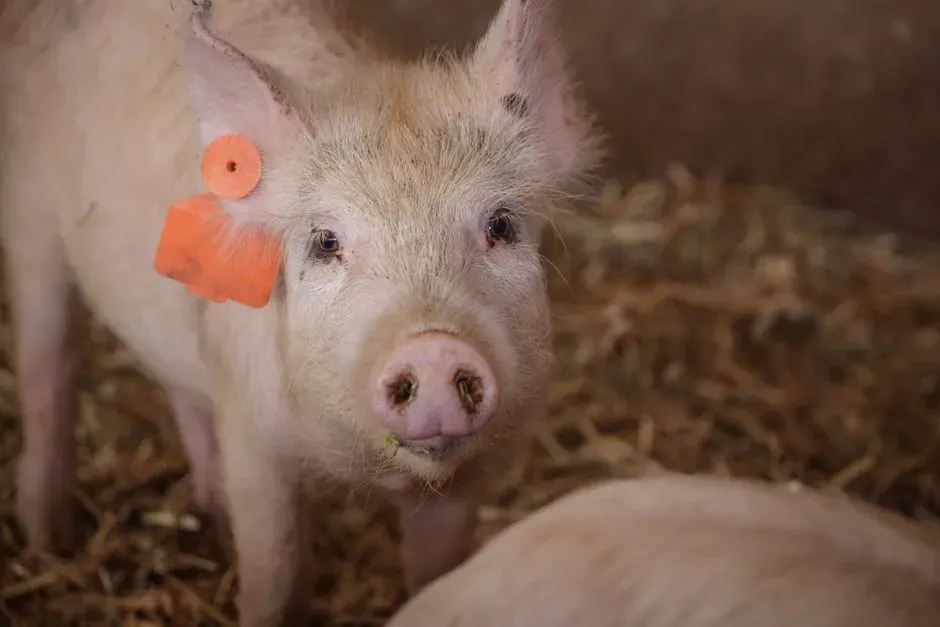
Pigs are often compared to dogs in terms of intelligence, and the comparison is not far off. In cognitive tests, pigs have learned to move a cursor on a screen using a joystick to hit targets for a reward, which means they can connect a novel action of their snout with a visual outcome. They also use mirrors to locate hidden food, indicating that they understand the reflection as information about the real world rather than just another animal to ignore or challenge.
Socially, pigs keep track of who has access to good food and who might push them aside, and they change their behavior depending on who is watching. Some individuals have been seen using deceptive tactics, such as pretending to go in one direction and then doubling back when competitors are gone, which is a basic form of strategic thinking. Far from the lazy stereotype, pigs are quick learners with rich emotional lives and preferences. If you have ever looked into a pig’s eyes and felt like someone was looking back with curiosity, you were probably not imagining it.
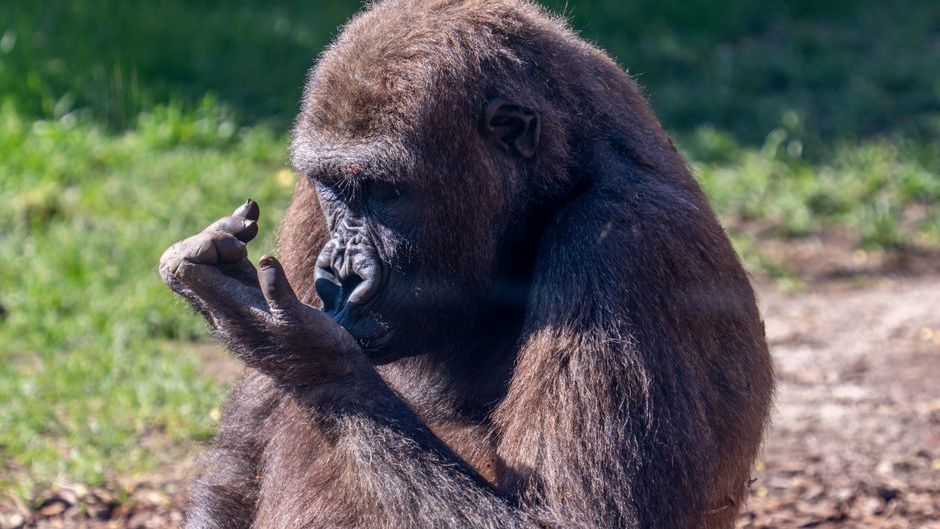
Great apes like chimpanzees, bonobos, and orangutans are our closest living relatives, so you might expect them to be smart. What is easy to underestimate is just how close some of their abilities come to human children in specific domains. In tool-use experiments, chimpanzees not only use sticks to fish for termites but also modify the tools, stripping leaves or sharpening ends, and they can learn entirely new methods by watching others, a sign of cultural transmission. Some captive apes understand symbolic systems like lexigrams or sign-like gestures, combining them to make simple requests or describe events.
They also show what psychologists call theory of mind: awareness that others have separate beliefs, desires, and knowledge. In tasks where food is hidden from one individual but not another, apes can take the perspective of the ignorant or informed partner and adjust their strategies accordingly, for instance by hiding food from a dominant rival who might steal it. This is the mental foundation of lying, teasing, and complex social negotiation, behaviors we usually reserve for humans. When you watch a young ape quietly study a human caretaker, you cannot shake the sense that two minds are mutually assessing each other, each wondering what the other truly knows.
10. Dolphins Use Names, Coordinate Hunts, And Possibly Share Culture
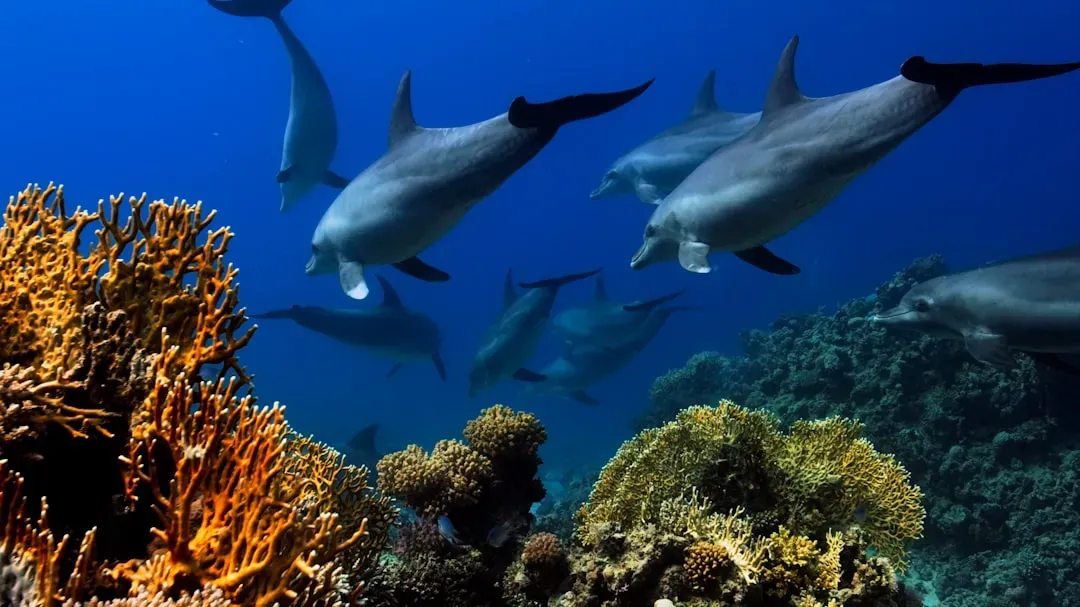
Dolphins are often called the geniuses of the sea, and their behavior backs up much of that reputation. They use distinctive signature whistles that function almost like names, responding reliably when their own whistle is played back even if no other cues are present. In the wild, dolphin groups coordinate sophisticated hunts, encircling schools of fish, taking turns, and sometimes using tools like sponges on their snouts to protect themselves while foraging on rough sea floors.
What pushes them into truly intriguing territory is the evidence for traditions that pass down through learning, not genes. Specific hunting tricks, such as working together to chase fish onto muddy shores and then sliding up to grab them, seem to spread through local populations as younger dolphins copy experienced ones. This is a basic form of culture: shared, learned behaviors that differ between groups. Thinking of dolphins not just as clever animals but as members of ocean societies with their own local customs changes the ethical stakes of how we treat them in captivity and in the wild.
11. Some Fish Remember Faces And Use Tactical Deception
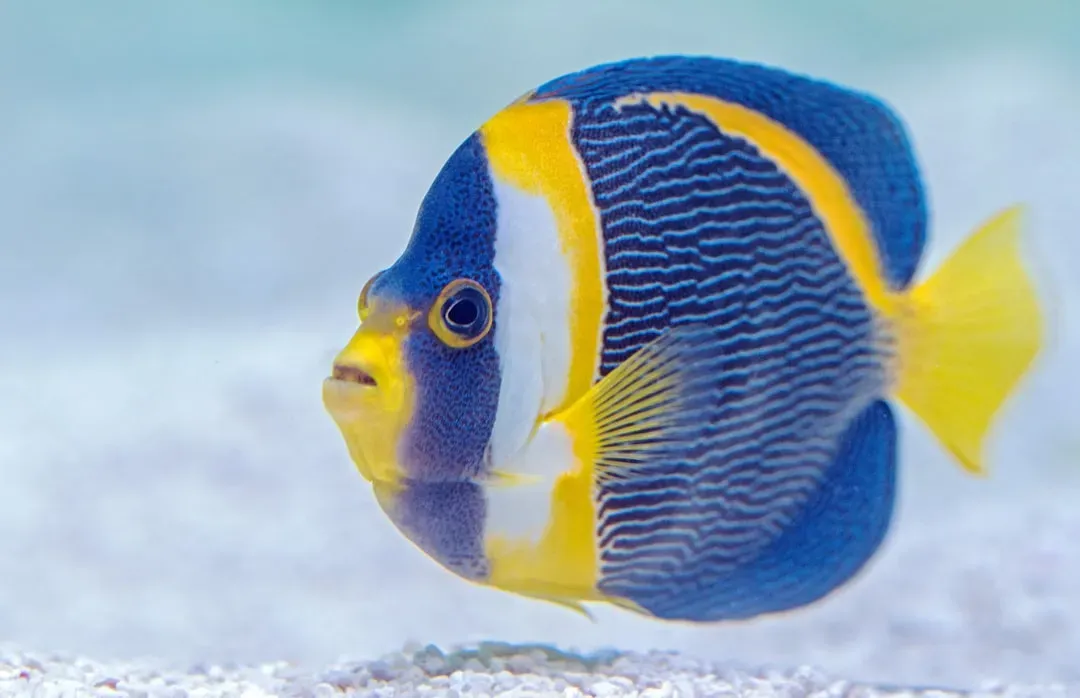
Fish rarely get credit for intelligence, but certain species are proving that stereotype wrong. For example, some reef fish have been shown to recognize individual human faces, even when researchers standardize clothing and body shape; the fish still distinguish one person from another, which means they notice and remember fine visual details. In cleaner fish species, individuals remember which larger fish have been good clients and which have punished them for cheating, and they adjust their behavior accordingly on later encounters.
Even more intriguingly, some fish use deception to get extra food, sneaking bites from clients when other fish are not watching and then behaving more cooperatively when under social scrutiny. This implies they are tracking not just immediate rewards but also reputations and consequences in a social network. While their world is underwater and silent to us, it is full of subtle moves and countermoves. Once you realize a small reef fish is effectively managing a customer-service business with reputation management, the old joke about having a “fish brain” stops being much of an insult.
12. Many Species Show Grief, Playfulness, And Emotional Depth

Intelligence is not only about puzzles and problem-solving; it is also about emotional life. Many animals display behaviors that look a lot like grief, such as elephants lingering over the remains of deceased companions, or birds calling repeatedly for a lost mate and showing reduced appetite. Primates groom and hold each other in ways that clearly calm distressed individuals, and dogs can become visibly subdued when a bonded human or animal companion dies, sometimes seeking out the person’s scent or favorite spots for weeks.
Play is another window into complex minds, because it is voluntary, flexible, and often creatively rule-bending. Ravens make up aerial games, dolphins surf waves seemingly for fun, and young mammals of many species chase, wrestle, and pretend to fight in ways that require reading others’ intentions and negotiating boundaries. These emotional and playful behaviors signal more than just automatic reactions; they show inner worlds full of preferences, fears, joys, and bonds. When you realize that many animals can suffer loneliness, enjoy novelty, or feel comfort from touch, questions about what we owe them stop being abstract philosophy and start to feel very personal.
Conclusion: Intelligence In Animals Is Not An Exception, It Is The Rule
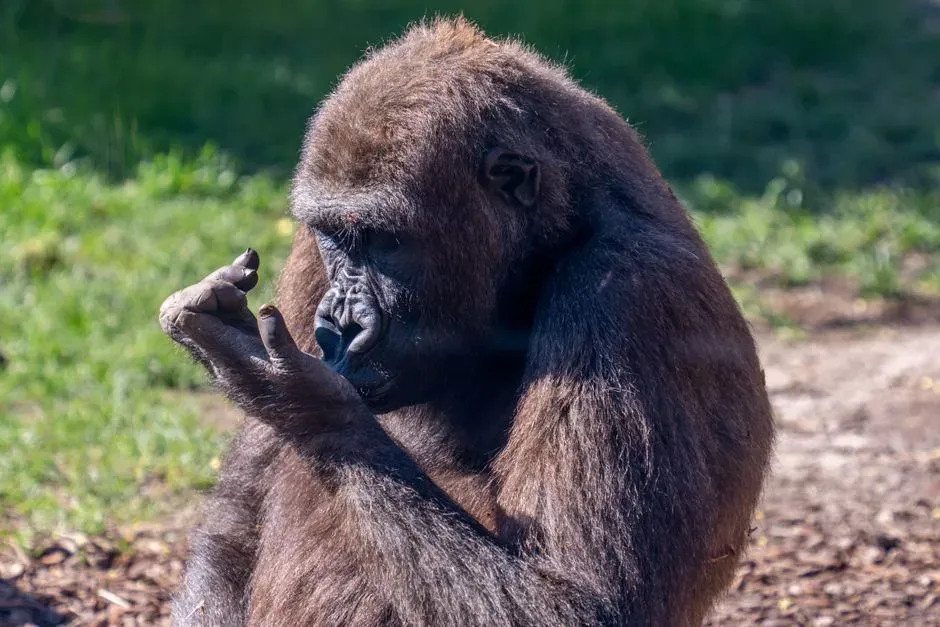
Looking across these examples, a clear pattern emerges: intelligence is not some rare prize evolution handed only to humans and maybe a few lucky mammals. It shows up in birds with tiny brains, in invertebrates with distributed nervous systems, in fish we barely notice, each tailored to a particular way of living in the world. The more we look, the more we find minds everywhere, not identical to ours but undeniably capable of remembering, anticipating, feeling, and sometimes even outsmarting us in their specialties.
My own opinion, after following this research, is that our old mental hierarchy needs to be retired. Instead of ranking species from “smart” to “dumb,” it makes more sense to imagine a forest of different intelligences, each adapted to its niche, each deserving a basic respect we have been far too slow to offer. That does not mean treating a bee like a person, but it does mean dropping the lazy assumption that other creatures are just moving furniture in our world. Once you start seeing animals as fellow thinkers, even in their own limited but real ways, how can your behavior toward them not change at least a little? And now that you know what is going on behind those eyes and beaks and tentacles, what will you do differently the next time one of them looks back at you?