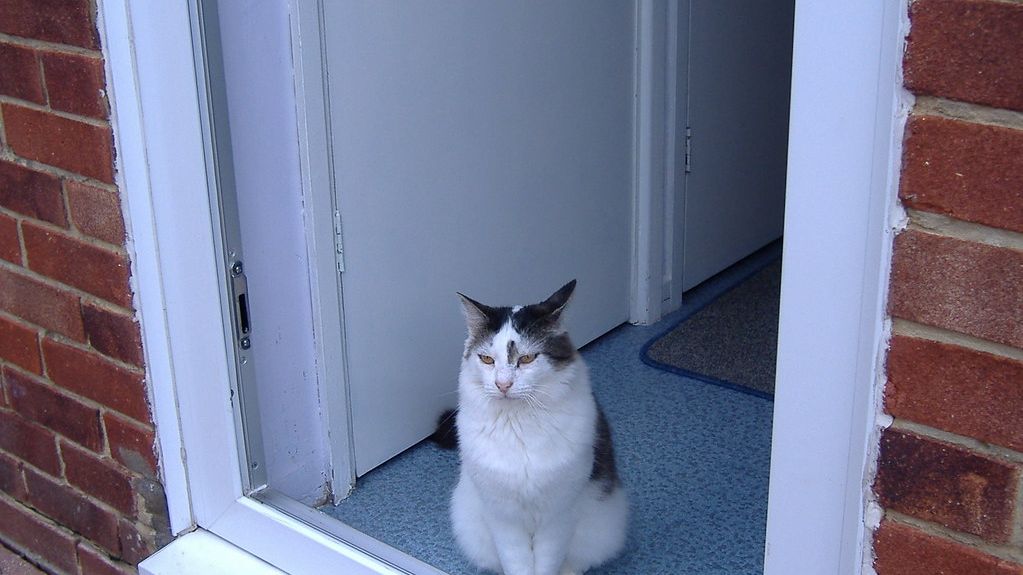

You close the door, hear the soft click of the lock, and picture your cat spending the day in some serene, meditative bliss. The reality is more complicated, and honestly, a lot more interesting. Behind that bored stare and those epic nap marathons is a brain constantly weighing routines, scents, sounds, and tiny emotional shifts you do not even notice about yourself.
We cannot read a cat’s mind directly, but modern research on feline behavior and cognition paints a surprisingly vivid picture of what might be going on in that furry head the moment you grab your keys. It is part science, part careful observation, and a little bit of educated guesswork. Let’s walk through the day from your cat’s point of view and unpack what is probably happening after the door shuts behind you.
The First Minutes: That “Wait… Are You Really Leaving?” Moment
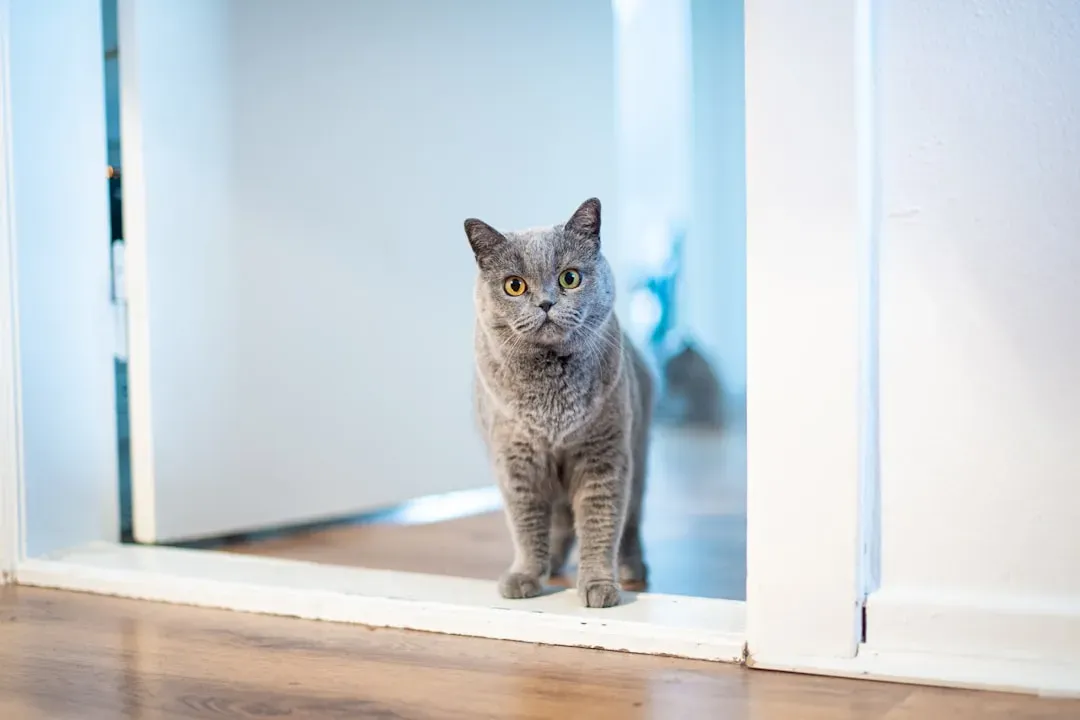
The first few minutes after you walk out are often the most emotionally loaded for your cat. Many cats have a departure ritual wired into their memory: the sound of the keys, you putting on shoes, the specific rhythm of the door closing. Those cues can trigger a whole cocktail of anticipation, mild stress, or, in some cases, total indifference if your cat is extremely secure or just very laid back. To your cat, you are not just a person; you are the source of food, safety, warmth, and social connection, so your movements matter.
Even though cats have a reputation for being aloof, a lot of them notice that sudden drop in stimulation when you go. Some will hover by the door for a bit, sniff where you were standing, or do a slow patrol around the entryway. Others might let out a single soft vocalization or do a long stretch as if they are resetting their internal “you are gone now” mode. Think of it like the quiet pause after a concert ends and the last note fades; your cat is registering that shift and reorienting to solo time.
Smells That Linger: Your Scent as an Invisible Comfort Object
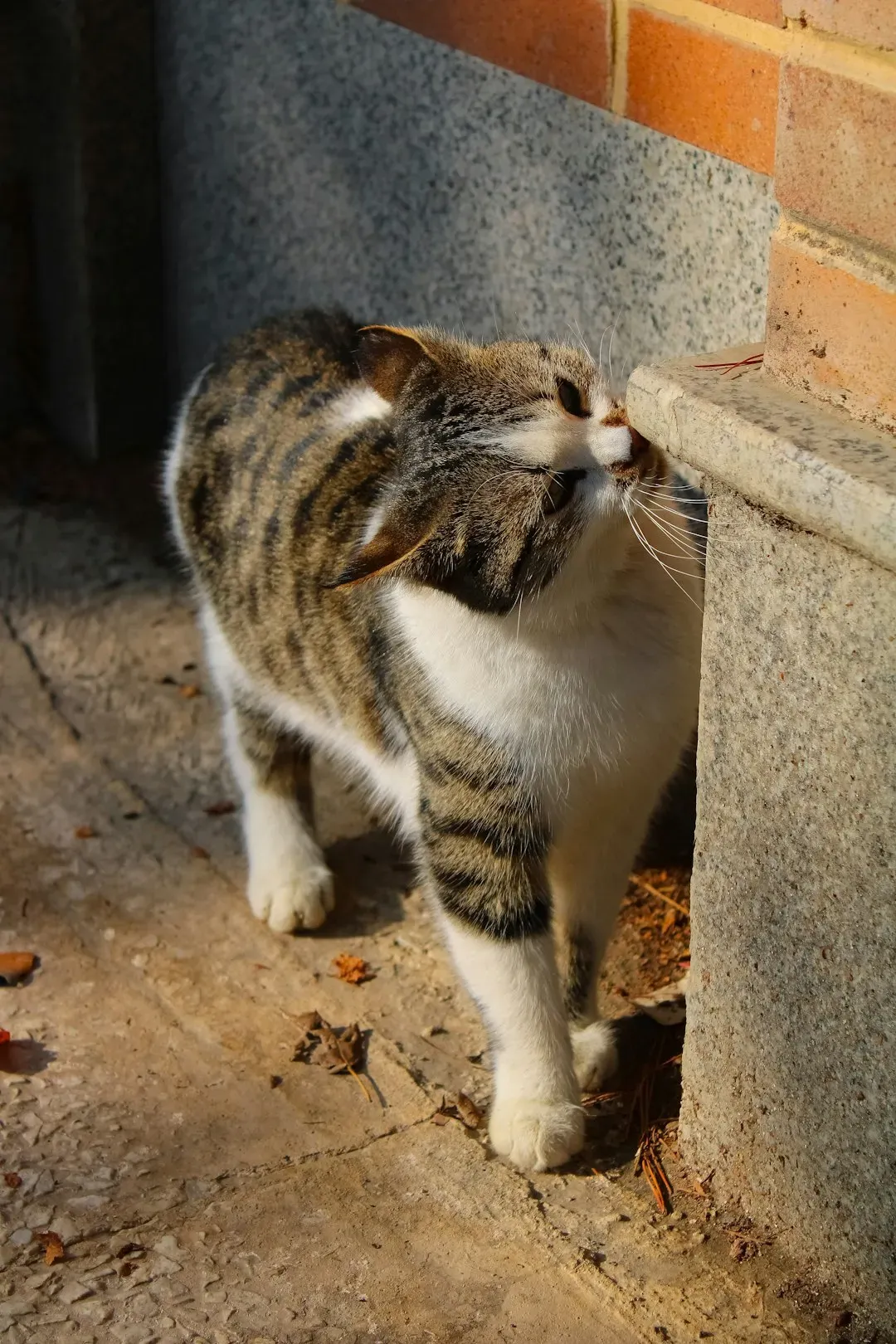
Your cat lives in a world that is dominated by scent in a way humans usually underestimate. When you leave, your smell does not vanish; it hangs on furniture, blankets, clothes, and your favorite spot on the couch. To your cat, these are like little scent snapshots of you scattered all over the house. Even if they are not consciously “thinking about you” like a person might, they are constantly interacting with the chemical traces you leave behind, rubbing their face where your scent is strongest, or curling up on your side of the bed.
There is good evidence that familiar scents help reduce anxiety in animals, and cats are no exception. Your worn sweatshirt on a chair is not just laundry you forgot to put away; it is basically a portable you, emotionally speaking. That is one reason some cats choose to nap on shoes, clothes piles, or that hideous robe you nearly threw out. They are surrounding themselves with what feels safe and predictable, building a kind of olfactory safety net while you are gone.
“Are You Coming Back?”: Attachment Without the Clinginess Label
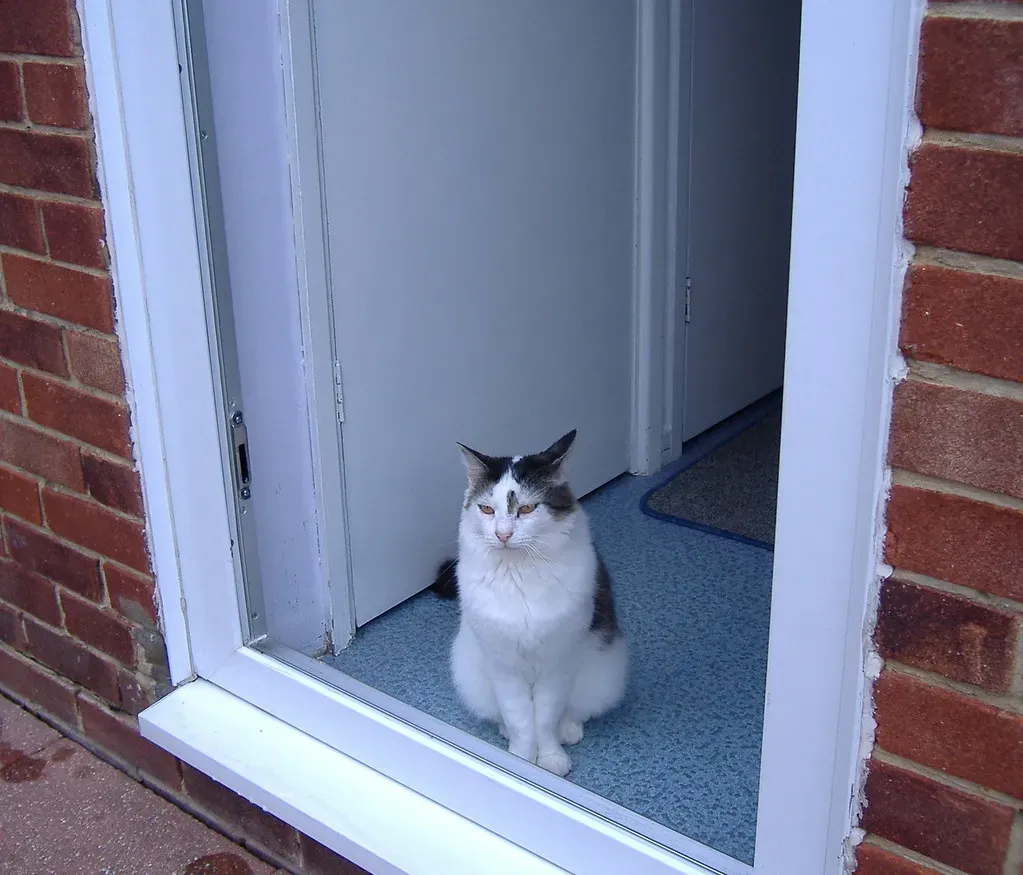
A lot of people assume cats do not really miss their humans, but research on feline attachment suggests many cats do form secure bonds that look surprisingly similar to those seen in dogs and even human toddlers. When you leave, your cat is not writing dramatic internal poetry about your absence, but they are reacting to a change in their social environment. For cats bonded to their person, your absence is felt as a loss of reassurance and shared routine, even if they appear calm on the surface.
Some cats show this attachment by waiting in the same spot each day around the time you usually return, or perking up at hallway footsteps that sound like yours. Others stay more muted but still show subtle signs: a slightly restless pace, a tendency to look toward the door more often, or an extra clingy welcome when you finally walk back in. It is not human-style longing, but it is absolutely a form of “you matter to me,” quietly pulsing in the background of their day.
Security Check: Patrolling the Territory While You Are Gone
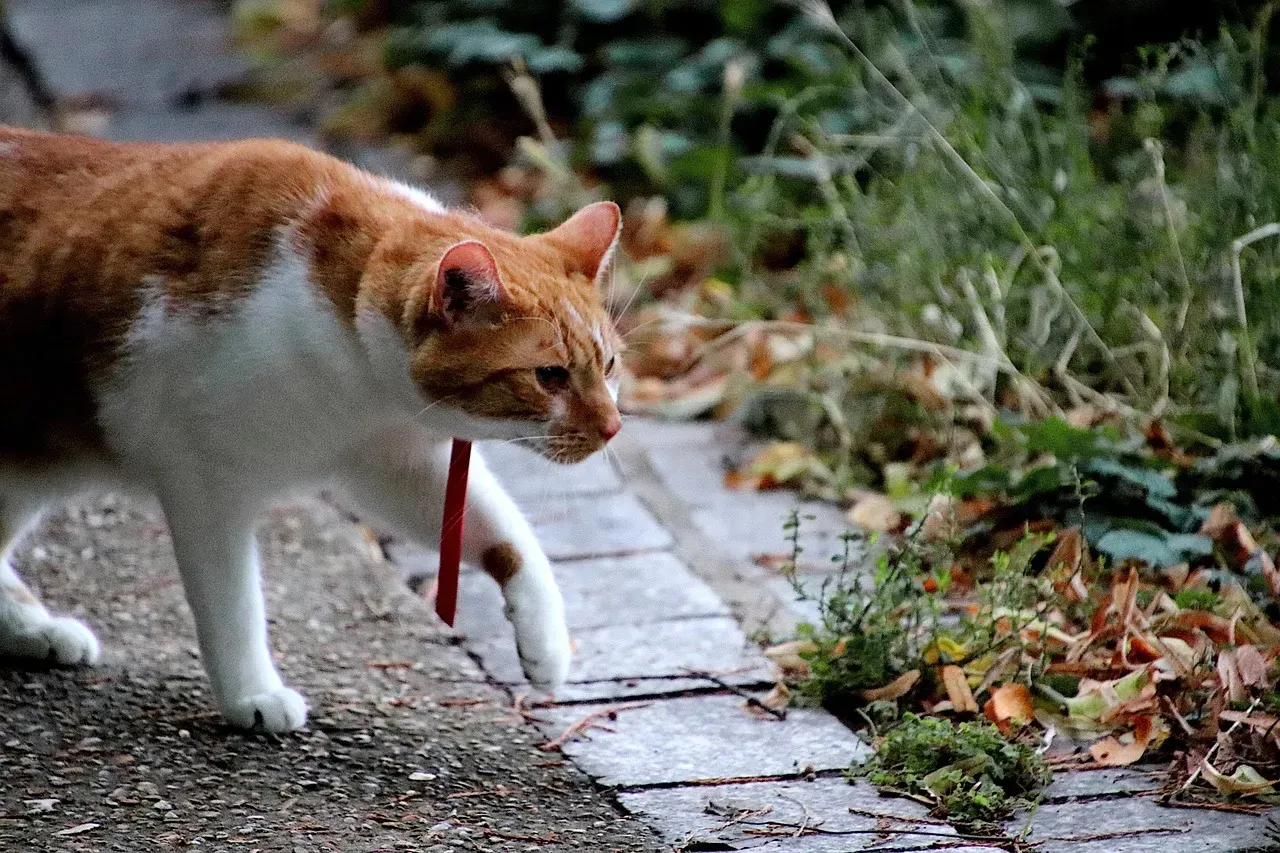
Once it is clear you are really gone, many cats shift into what you could call security officer mode. Your home is their territory, and one of their primary instincts is to monitor and maintain it. They may do a predictable circuit: window, hallway, food area, litter box, favorite perch, then back again. This is not random pacing; it is a structured set of checks that helps them feel in control. Your absence might even make this patrol feel more crucial, since you are not there as an extra set of senses.
Territory for a cat is not just physical space; it is also a map of familiar sounds and smells that need to stay “right.” When they slow-blink at a window, rub against door frames, or re-scratch a well-worn post, they are essentially affirming, “This is mine and it is still safe.” If they hear strange noises from outside, they may raise their vigilance level, staying closer to vantage points like windowsills or high shelves. Your cat is not simply bored; they are quietly on duty.
Alone Time: Do Cats Actually Enjoy the Peace and Quiet?
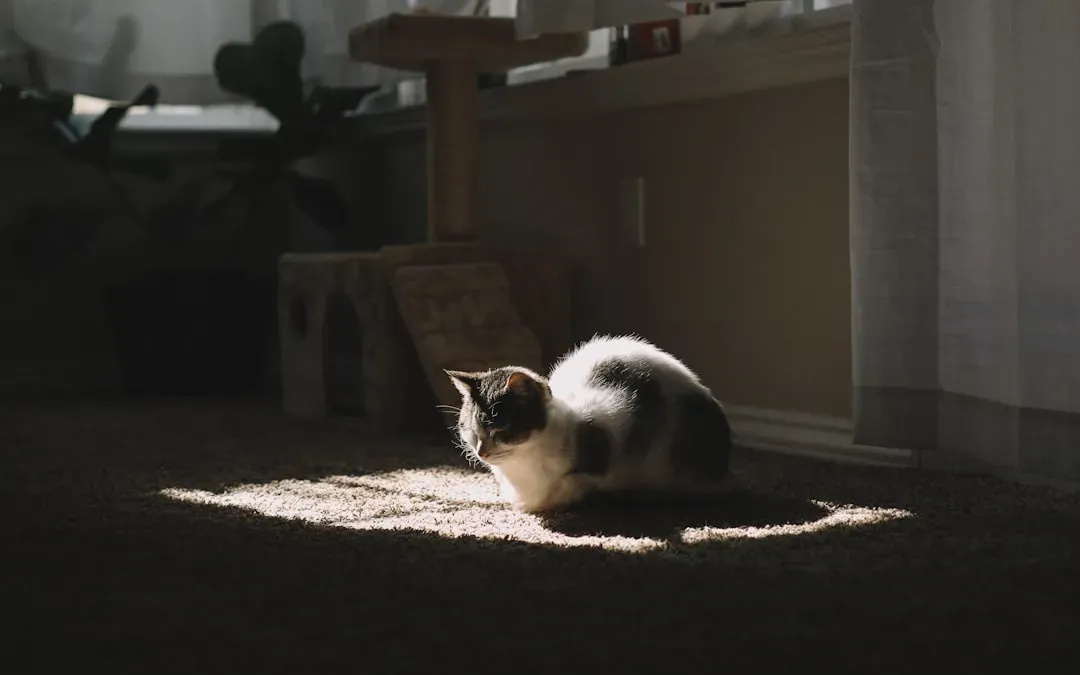
Here is a slightly uncomfortable truth for devoted cat parents: many cats genuinely appreciate having stretches of time without humans around. You are wonderful, of course, but you are also loud, unpredictable, and constantly moving things. When you head off to work, your cat finally has full control over the pace of the environment. That quiet can be deeply calming for a creature that thrives on routine and subtle sensory input rather than constant action.
This does not mean they love you any less; it just means solitude is built into their behavioral blueprint. During these hours, they can choose when to sleep, where to perch, and how deeply to relax without worrying about someone turning on the vacuum or suddenly opening a noisy door. It is like when you finally have the apartment to yourself and can eat cold pizza in silence without anyone judging you. Your cat’s version just involves fewer pizza slices and more sunbeams.
Time Perception: Does Your Cat Know How Long You Are Gone?
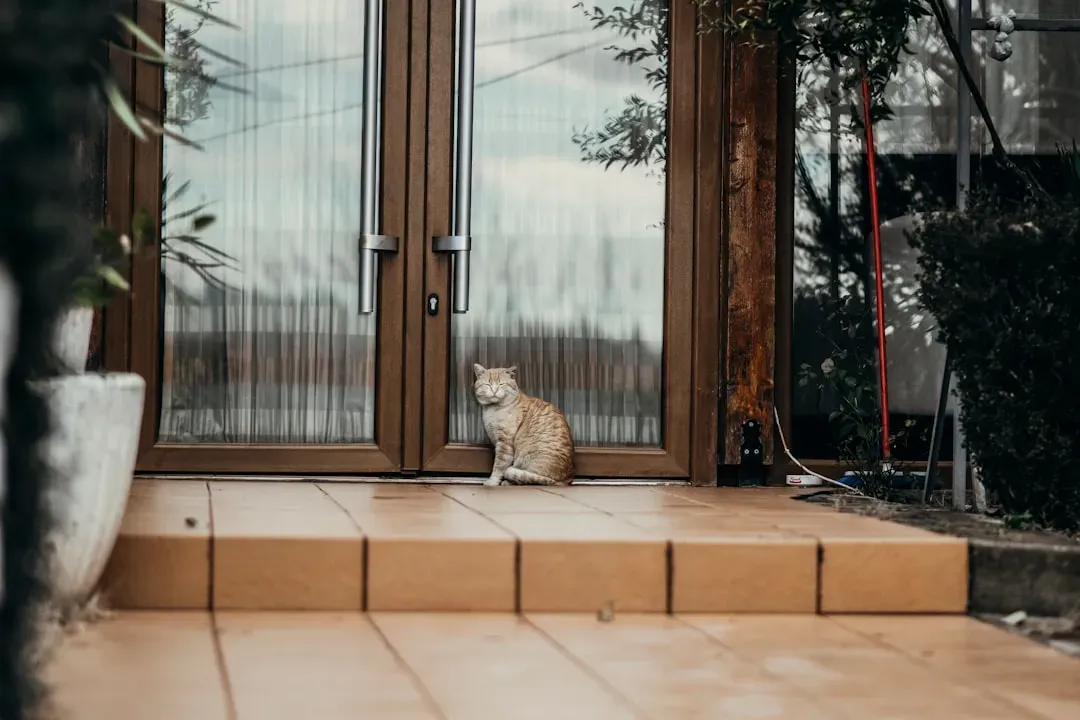
Cats obviously do not read clocks, but they do have an internal sense of timing based on routines, light changes, and bodily rhythms. They learn that certain events usually happen in a particular order: you get up, you feed them, you leave, the sun moves across the room, distant traffic sounds shift, and eventually you come back. Their brain strings those patterns together into a kind of loose timeline. They may not know “eight hours,” but they absolutely know “it feels like the part of the day when you usually come home.”
Some cats show this by drifting toward the door or their favorite greeting spot well before you return, almost as if they predicted it. Others key off external cues like the sound of a specific bus, birds quieting down near dusk, or neighbors coming and going. Instead of thinking in exact durations, your cat is probably experiencing your absence as passing phases, each with its own familiar feel. When those environmental signals line up just right, their brain goes, “Okay, this is probably when you walk back in.”
Daydreaming or Just Zoning Out? What Their Naps Really Mean
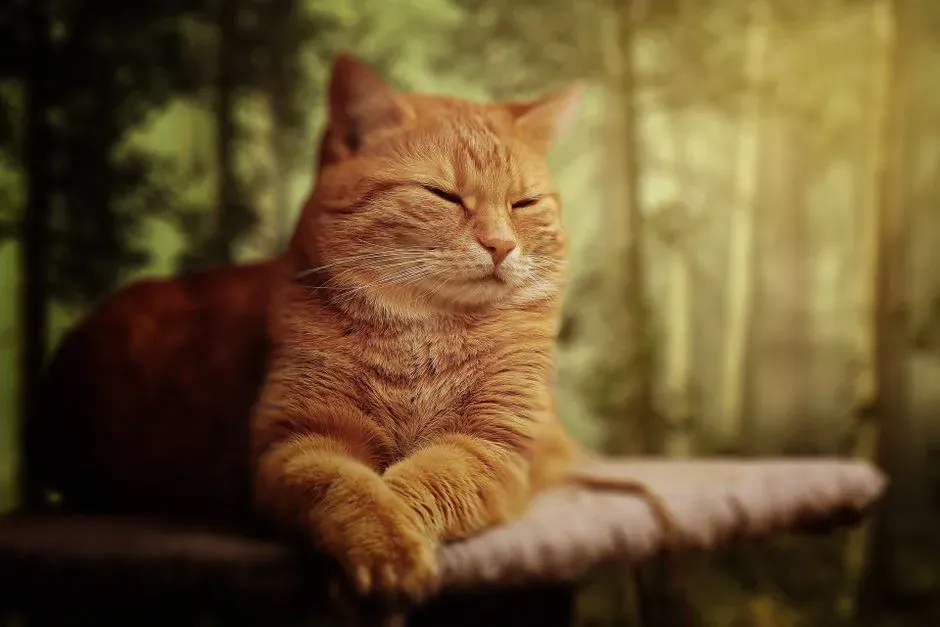
Cats spend a massive part of their day sleeping or at least appearing to sleep, especially when alone. That is not laziness; it is energy economics. As crepuscular animals, they are naturally more active around dawn and dusk, and your workday often falls smack in their low-energy window. When you are gone, they are free to lean fully into that rhythm. Naps are not just rest; they are strategic resets so they can be sharp and playful later, particularly when you are back and interesting things start happening again.
But are they “thinking” in those half-lidded states? We do not have a direct readout of feline dreams, but cats do show sleep patterns that resemble those associated with dreaming in humans and other mammals. Twitching paws, tail flicks, and tiny vocal sounds suggest they may be mentally replaying hunts, games, or social interactions. So while you are picturing spreadsheets at work, your cat might be replaying that one epic leap onto the bookshelf, rehearsing it on loop in the private movie theater of their brain.
Boredom vs. Enrichment: When Loneliness Turns Into Trouble
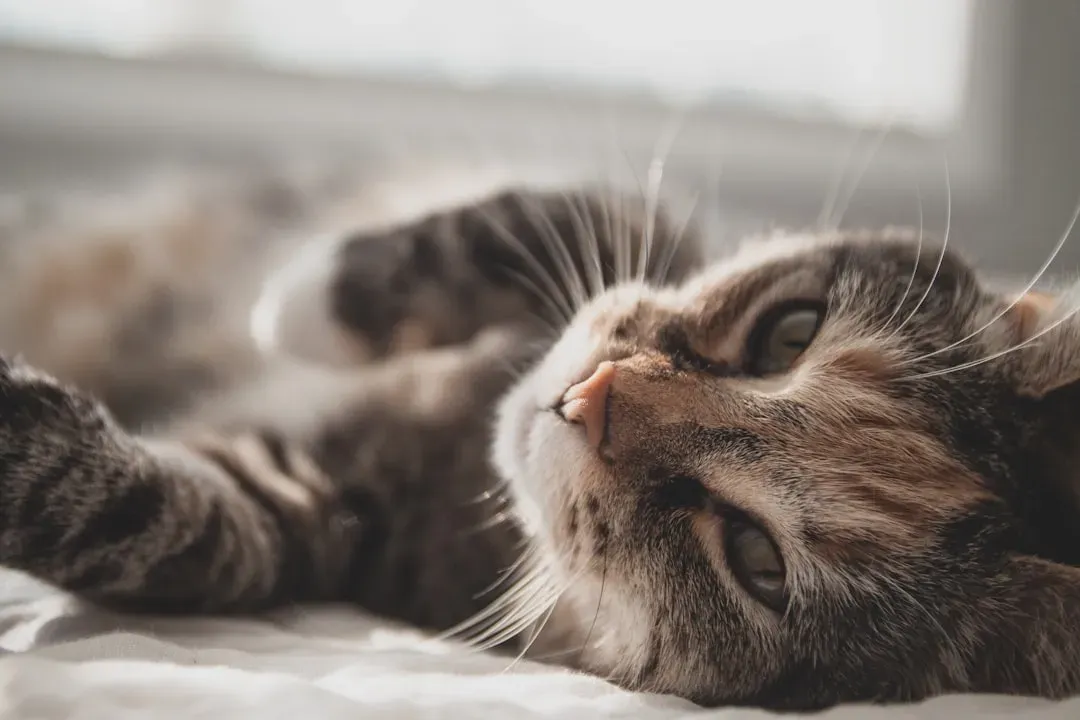
Not every cat spends the day in peaceful contentment. For some, your absence plus a totally unstimulating environment can turn into genuine boredom and low-level stress. This can show up as overgrooming, excessive vocalizing when you are gone or right when you get back, destructive scratching in new places, or obsessive pacing. Underneath those behaviors is usually a simple problem: their brain does not have enough to do, even though their body seems idle.
Cats are natural problem-solvers and hunters, and if those instincts have nowhere healthy to go, they can spill over in messy ways. Puzzle feeders, window perches near bird activity, safe toys that move unpredictably, and even soft background sounds can give their senses something to chew on while you are at work. When people say their cat is “acting out,” it is often just a smart animal stuck in a dull environment, improvising entertainment with whatever is available – including your furniture.
Soundscapes: How the Quiet House Still Talks to Your Cat
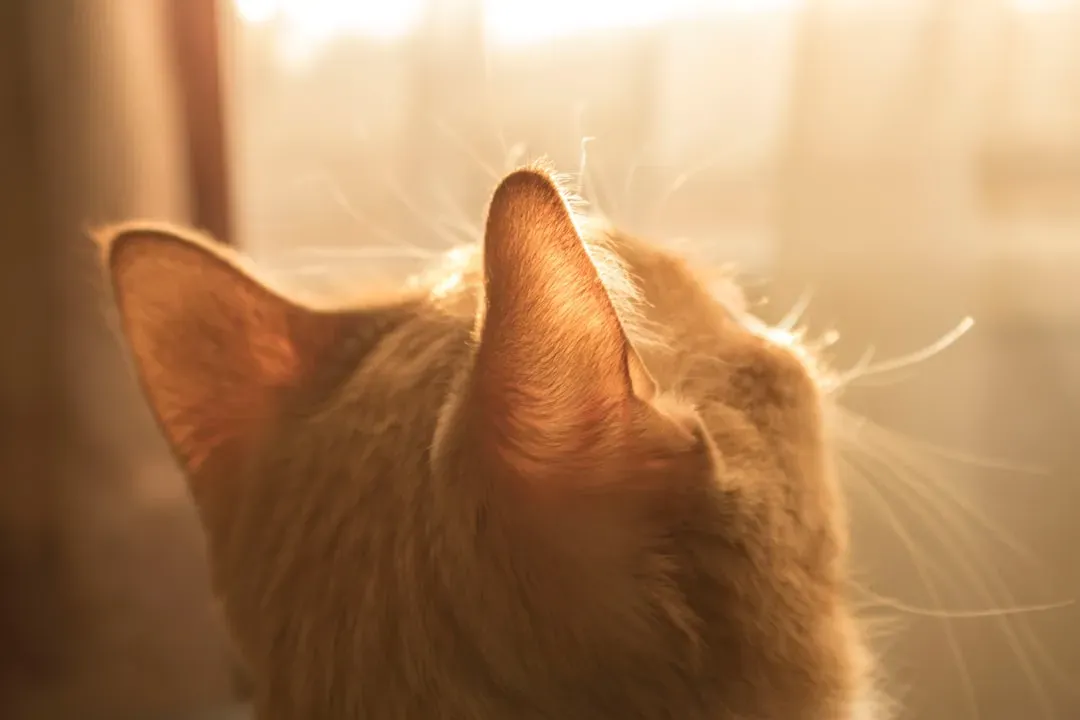
To us, an empty house sounds quiet. To a cat, it is a layered soundtrack: distant cars, pipes creaking, elevator doors, birds, dogs barking, neighbors’ footsteps, the hum of the fridge. When you leave, your voice, footsteps, and human noises disappear from that mix, and your cat may listen more carefully to everything else. Their hearing is incredibly sharp, especially at higher frequencies, so they are constantly filtering for what is normal and what might signal a threat or an opportunity.
Some cats are especially sensitive to changes and will react strongly to new sounds – a visitor in the hallway, a sudden loud truck, or the doorbell. Others treat it as background radio, occasionally glancing toward a noise but not overreacting. Either way, part of what your cat “thinks about” while you are at work is this ongoing question: “Is that sound a problem for my territory?” If the answer remains no, they can slip back into relaxed mode. If something sounds off, they become the self-appointed acoustic security system of your home.
Planning the Reunion: Anticipation Before You Walk In
You know that feeling when you are almost home and already imagining collapsing on the couch? Your cat has their own version of that anticipation. As the usual return time approaches, many cats shift their behavior: they might sit at the window, linger near the door, or pace between spots where they can check both. Even if they do not consciously “plan” a greeting, their body language often shows a kind of mental gearing up. They are ready for the noise, movement, and social energy that walks in with you.
The greeting style says a lot about how they have felt about your absence. Some explode into full-body enthusiasm: tail up, weaving around your legs, meowing with that particular tone they save for you. Others pretend you are not a big deal and then quietly follow you from room to room, making sure you do not disappear again. A few may even act a little distant at first, which can be their way of recalibrating after hours of calm. Underneath all those variations is one shared thought: the day’s solo chapter just ended.
Do Cats Actually Worry About You?
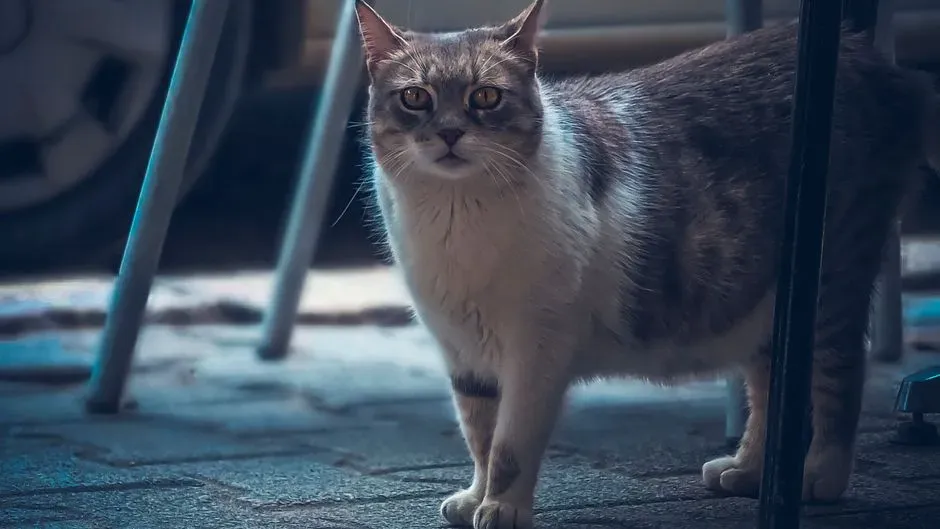
This is the part that hits people in the feelings: does your cat worry about where you are or if you are okay? The honest, science-aligned answer is that cats most likely do not imagine dramatic scenarios the way humans do. They are not pacing around thinking you might have lost your job or had a bad meeting. However, they do notice when patterns break. If you are consistently later than usual or suddenly gone for days, their behavior can shift – reduced appetite, more vocalizing, or longer periods spent near doors and windows.
In a practical sense, they may be “concerned” in the way an animal can be thrown off by a missing key part of its social world. Their emotional system is wired more around predictability and presence than detailed narrative. So while they are probably not crafting anxious stories about your day, they do experience the absence itself and respond to it, especially when the routine changes suddenly. In their own quiet, feline way, they notice when something about you is off.
What Your Cat Really Needs From You Before You Leave
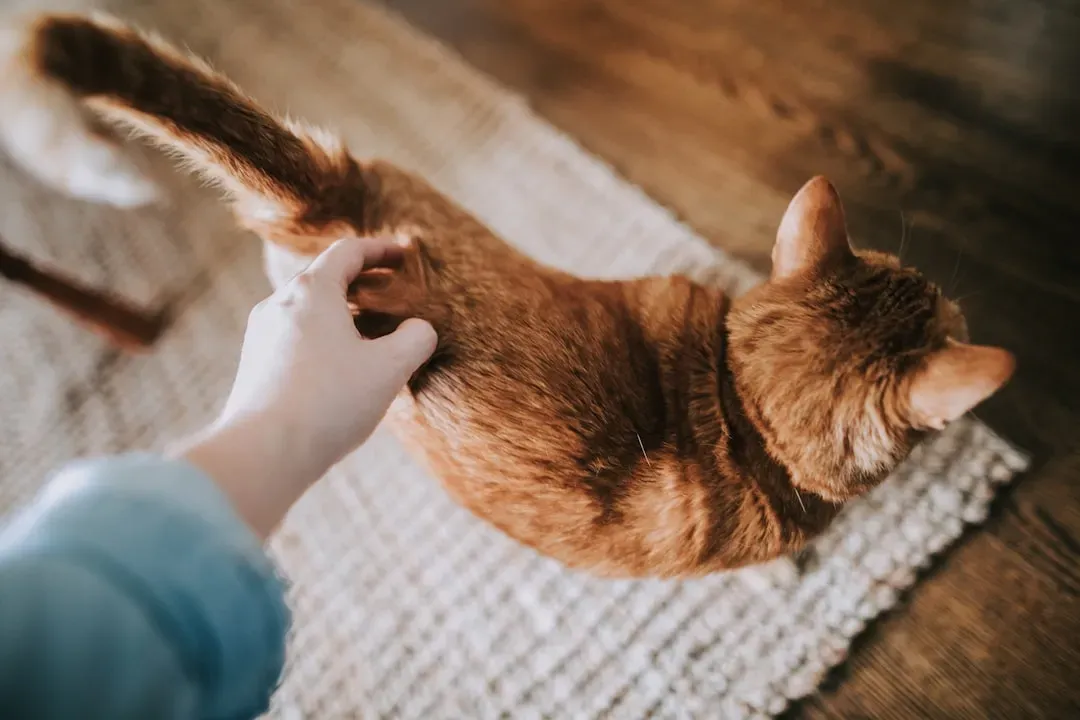
If there is one big takeaway about what your cat thinks when you leave, it is this: they are constantly balancing the comfort of routine with their need for stimulation and security. A predictable goodbye – feeding at roughly the same time, a short play session before you head out, maybe a quick gentle touch – helps anchor their day. It tells their nervous system, “This is the normal start to the alone-time chapter.” That small ritual can matter more than people realize.
After that, what they think about is shaped by the environment you have set up for them. Enriching toys, safe high spots, cozy scent-rich resting areas, and access to windows all give their brain something healthy to focus on while you are gone. In my view, the kindest thing we can do for our cats is to respect that they are neither tiny humans nor little decorative objects. They are complex, semi-solitary social animals who can handle our absence, but thrive when we design their world with their mind in mind.
Conclusion: Your Cat’s Secret Life Is Quieter – but Deeper – Than You Think
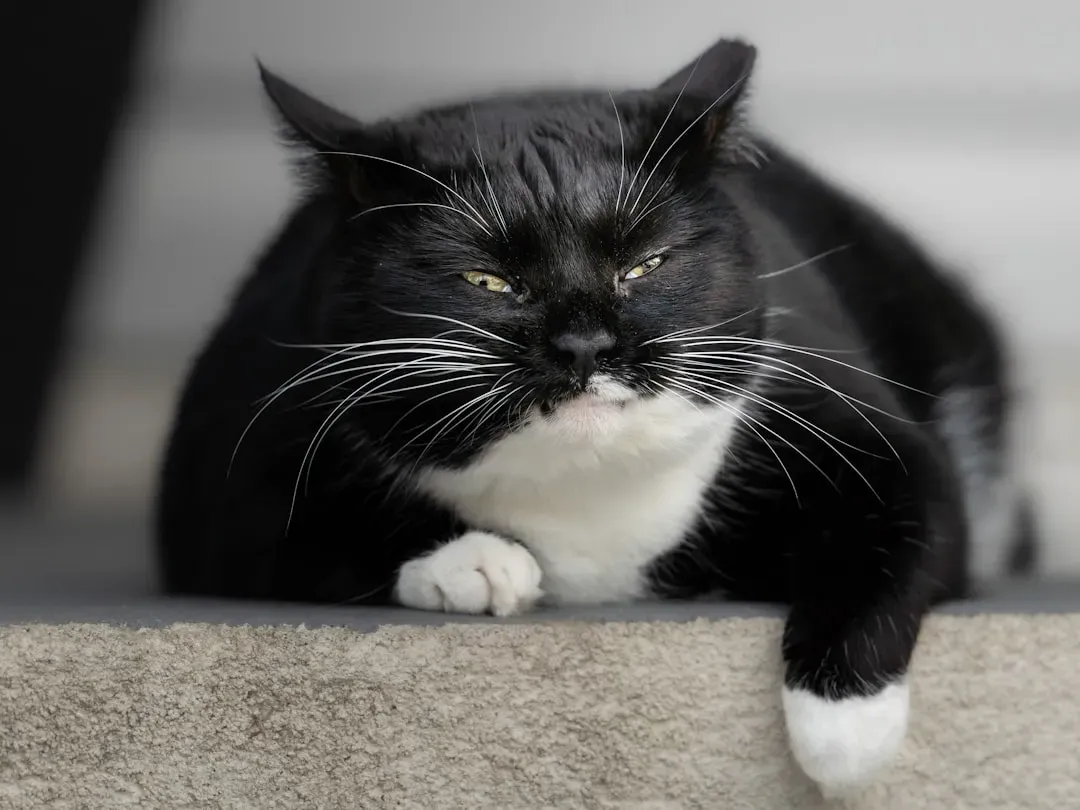
When you head out to work, your cat is not just switching into statue mode and waiting in emotional limbo. They are processing a predictable change, navigating smells and sounds, patrolling territory, napping with purpose, and gearing up for your return. Their thoughts are not like ours, but that does not make them shallow. In a way, their day without you is a layered mix of instinct, comfort, low-key curiosity, and a quiet expectation that the world will click back into place when your key turns in the lock again.
I think we underestimate how rich that inner world is precisely because it is so understated. There is no dramatic wailing monologue, just small, consistent behaviors that quietly answer the question in the title: when you leave for work, your cat is thinking about safety, familiarity, and what the world feels like without your presence – and then, eventually, what it feels like when you return. The real question is not whether they think about you, but how you can make their solo hours feel safer and more interesting. Now that you have peeked into their side of the story, what will you change before you walk out the door tomorrow?