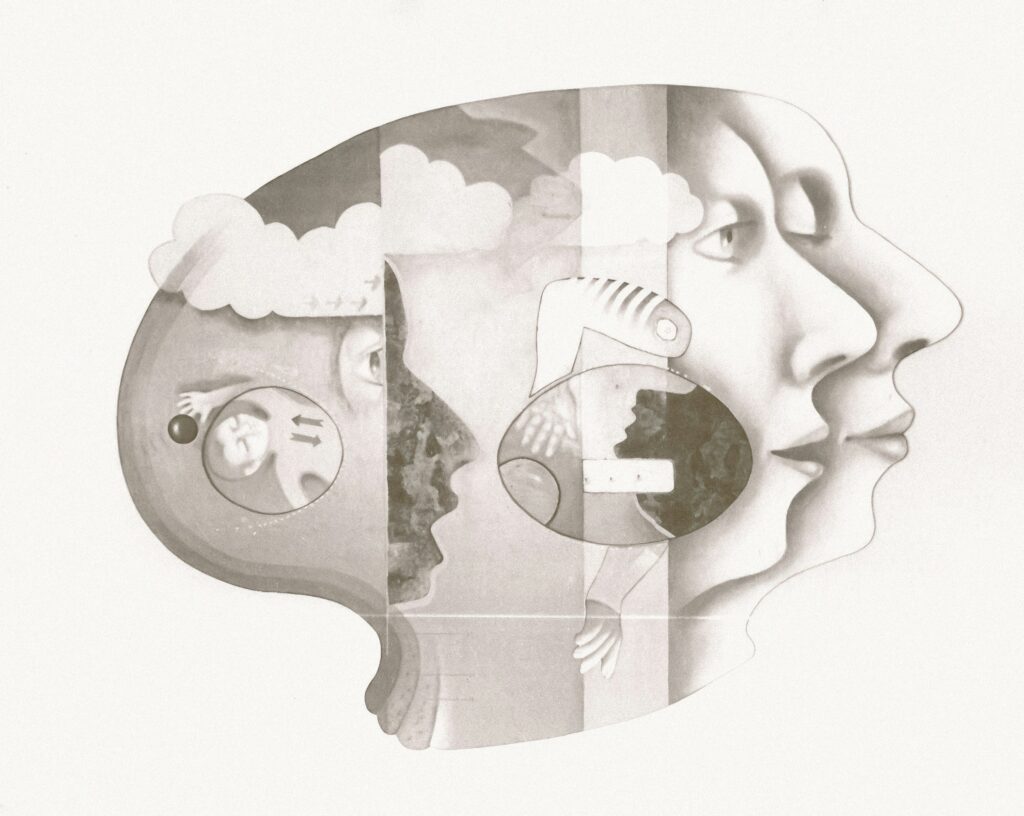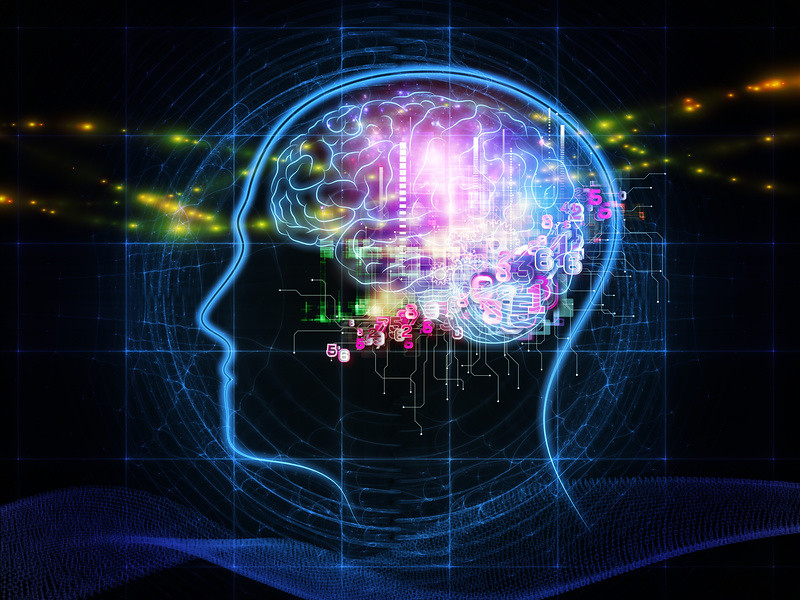

If you have ever forgotten a name but still remembered a face, a smell, or the feeling of a moment, you have already brushed up against the mystery that the holographic brain theory tries to explain. Instead of treating your brain like a neatly labeled filing cabinet, this idea suggests that your memories and even your conscious experience are smeared out across the whole system, more like a hologram than a hard drive.
This does not mean scientists have all the answers or that the brain literally projects 3D light images in your skull. Rather, it is a bold way of thinking about how information might be stored and processed in a massively interconnected organ where damage to one part does not always erase a whole memory. When you look at it this way, your sense of self starts to feel less like a tiny pilot sitting in one spot in your head and more like a pattern spread through your entire nervous system.
How a Hologram Helps You Rethink the Brain
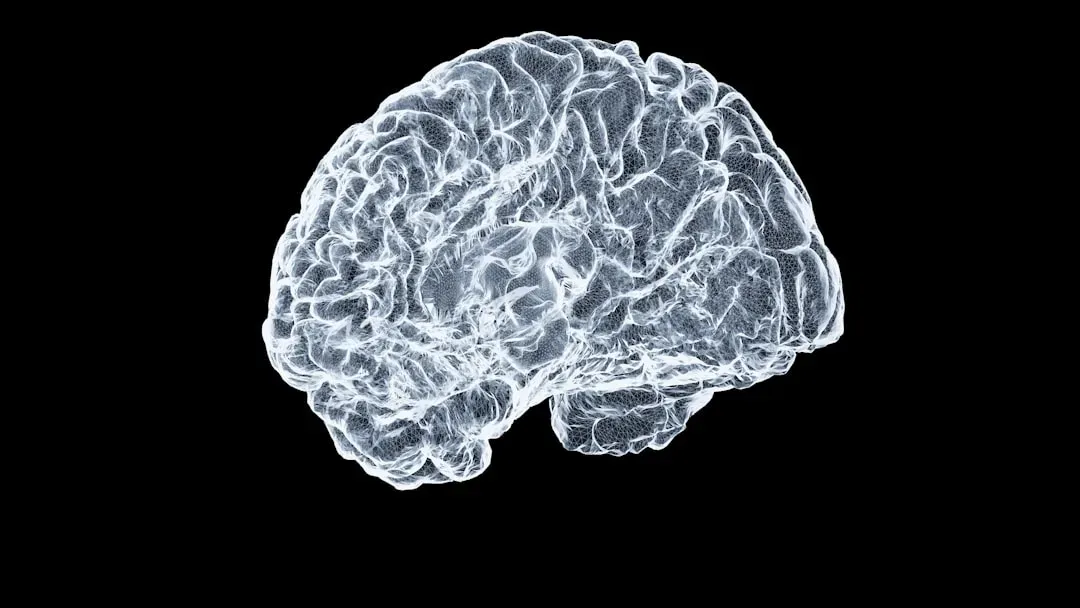
To understand what people mean by a holographic brain, it helps to start with an actual hologram. If you take a holographic plate of, say, a rose and break it in half, each half still shows the entire rose, just at lower resolution. Every fragment contains information about the whole image because the data is distributed across the plate rather than stored in separate, isolated pieces.
When you apply this metaphor to your brain, you are invited to imagine memories and experiences as patterns encoded in networks, not as files in specific drawers. Cutting out a chunk of the network may blur the picture, but it does not necessarily delete it. Instead, the information is smeared across many connections, so what you “are” at any moment is closer to an active pattern than a fixed object parked in one precise location.
From Localized “Memory Boxes” to Distributed Patterns
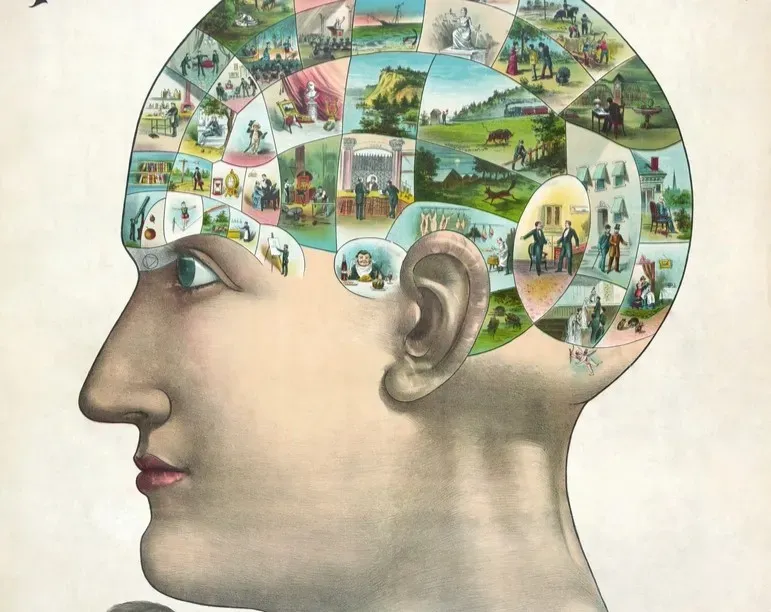
For a long time, it was tempting to think of your brain as a map of modules: one small region for language, another for vision, another for memories, and so on. You still see this kind of diagram in textbooks, and it is not totally wrong, but reality is messier. When you recall a childhood vacation, you are not pulling a single “file” from a specific shelf; you are reconstructing a pattern that involves vision, sound, emotion, body sensations, and meaning all at once.
The holographic view nudges you away from the idea that one tiny blob of tissue “is” your memory of your first bicycle. Instead, that memory is thought to emerge from activity patterns spread through multiple areas and networks that process color, motion, space, feelings, and narrative. You do not reach into a box labeled “bike memory”; you ignite a whole storm of coordinated activity that gives rise to the feeling of remembering.
Brain Damage, Memory Loss, and Why the Metaphor Matters
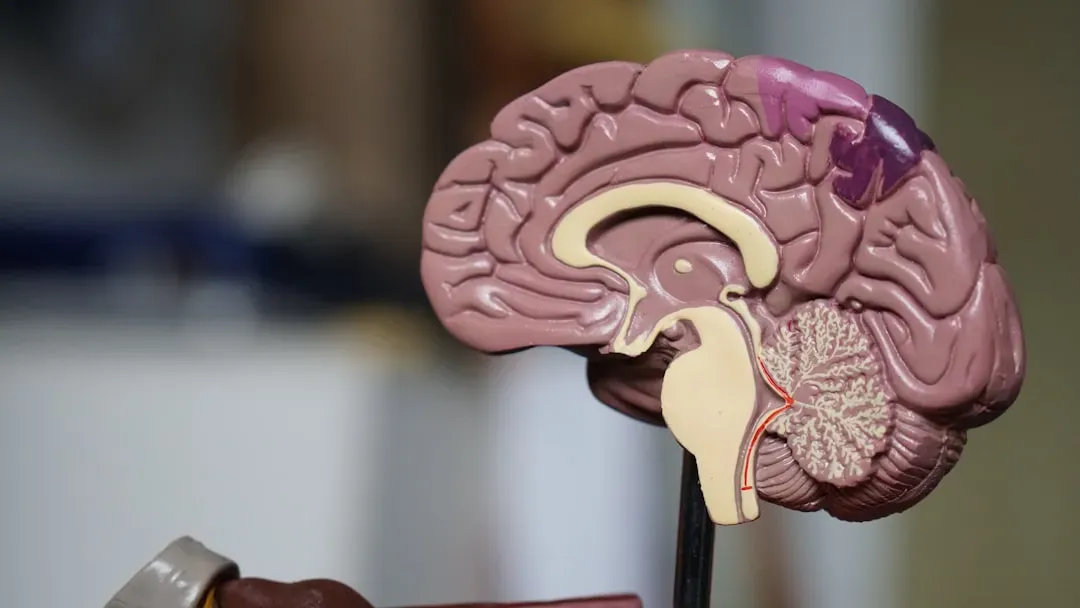
One of the reasons this theory caught attention is that it fits with something you see in real patients: you can have substantial brain damage and still retain surprisingly rich memories. People can lose large portions of brain tissue and yet hold on to names, skills, and life stories, although things might become slower, fuzzier, or harder to access. It is as if the “image” of their past has degraded in sharpness rather than vanished completely.
If you expected memories to live in tiny, dedicated boxes, this kind of resilience would not make much sense. With a distributed, hologram-like view, it becomes more intuitive: remove part of the brain and you lose some resolution or reliability, but the core pattern can survive because it is encoded in overlapping ways. This is not magic or mysticism; it is what you would naturally expect when information is stored in vast, redundant networks instead of one fragile spot.
Consciousness as a Global Pattern, Not a Single Spot
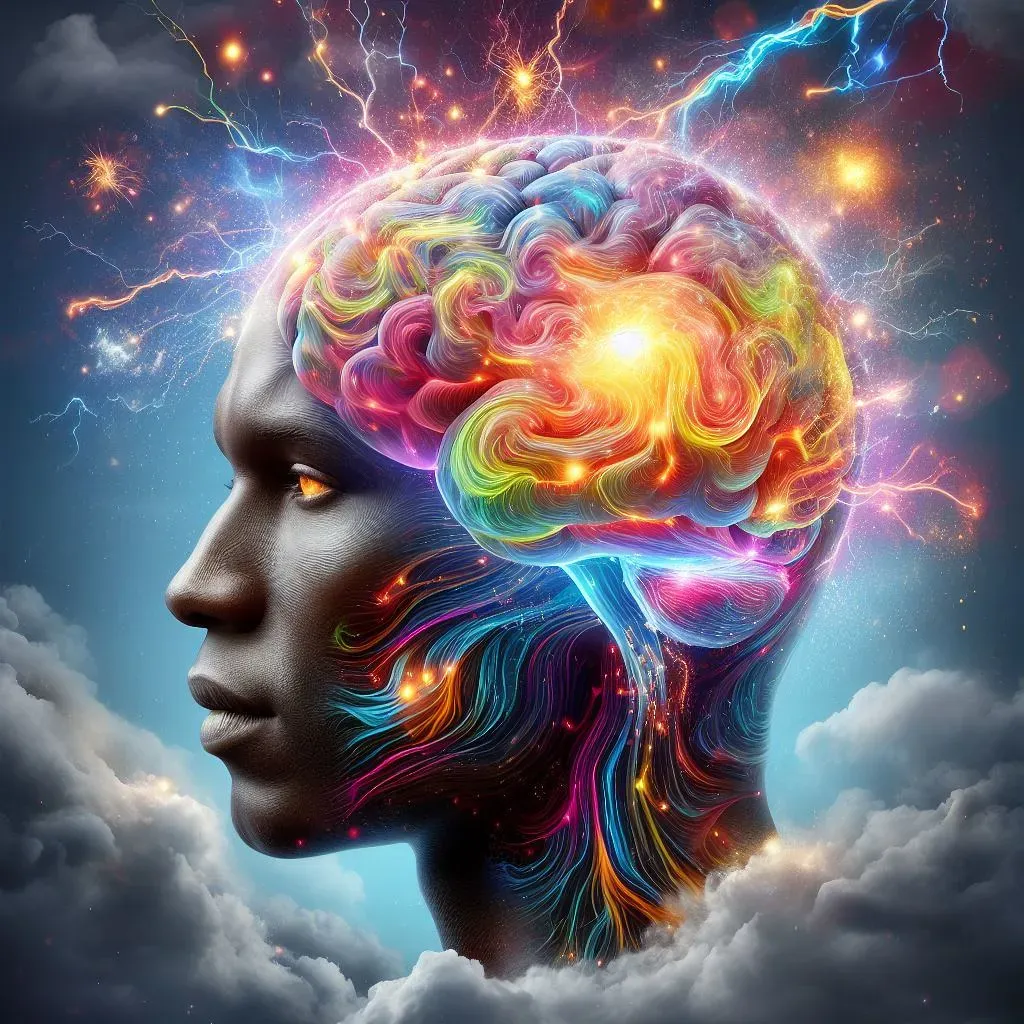
You have probably wondered where, exactly, you “are” in your brain. Is it behind your eyes? In your forehead? The holographic perspective gently pushes you to drop that question and focus instead on how scattered activity might come together into a unified experience. Rather than imagining consciousness as a light in one room, you can think of it as a coordinated pattern that spans many rooms at once.
Modern brain research strongly suggests that what you experience as a single, seamless moment is built from fast, synchronized interactions between many regions. Your sense of self, your thoughts, and your perceptions look less like objects in a box and more like ripples in a pond – dynamic patterns that only exist while they are playing out. A holographic brain metaphor gives you a handy mental picture for this: consciousness is the whole interference pattern, not one local pixel.
Memories as Reconstructed Movies, Not Static Snapshots
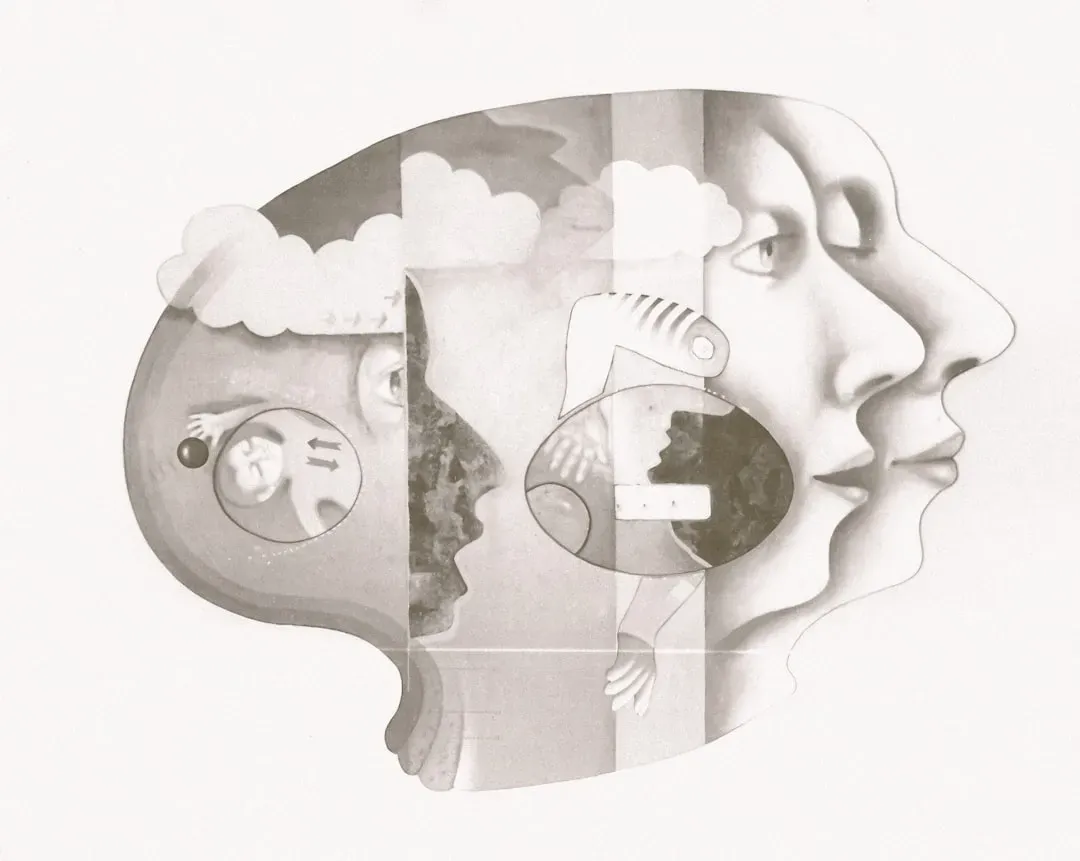
You might feel as if your memories are stored like photos on your phone, frozen and waiting to be retrieved, but neuroscience keeps showing you that remembering is closer to rewriting a script each time. When you recall something, your brain reactivates sensory, emotional, and linguistic circuits and weaves them together again, often updating the story without you noticing. A holographic-style encoding makes this kind of flexible reconstruction much easier to imagine.
Instead of looking for one precise “place” that holds your tenth-birthday cake image, you can picture overlapping patterns in visual, smell, taste, and emotion networks being reassembled on the fly. Because the information is spread out and interconnected, you can recall the same event from different angles: first the taste of the icing, then the sound of people singing, then the embarrassment you felt. The memory is not one object; it is many partial traces knitting together in the moment.
What the Holographic Brain Theory Gets Right – and What It Doesn’t
It is important to be clear: the holographic brain theory is more of a guiding picture than a settled, precise model that everyone in neuroscience agrees on. Many researchers would say that the idea of distributed, overlapping storage is broadly right, but the literal comparison to optical holograms is too neat and can be misleading. Your brain does not contain tiny 3D pictures hiding in every neuron; it runs complex electrical and chemical processes across enormous networks.
Where this metaphor really helps you is in breaking the habit of thinking about one-to-one labels for mind functions. It encourages you to recognize that memory, perception, and consciousness emerge from patterns, not single locations. At the same time, you have to keep your critical hat on: not every bold or mystical-sounding claim about holographic brains is grounded in data. The safest stance is to treat it as a powerful image that captures some truths about distributed processing without pretending it is the last word.
How This Changes the Way You Think About “You”
When you take this idea seriously, your sense of identity subtly shifts. You stop imagining a tiny, solid “you” sitting in a particular part of your head, and instead you start to see yourself as an evolving pattern of activity spread through your brain and body. Who you are becomes less about a fixed center and more about the ongoing dance between memory traces, present sensations, and predictions about what comes next.
This can be strangely freeing. If your memories and your consciousness are distributed, then there is no single physical grain of matter that you must protect at all costs to remain “you.” Instead, protecting yourself means preserving the conditions that allow the pattern to continue: blood flow, healthy networks, rich experiences, and supportive relationships. You become, in a sense, more like a story that is continually being told than a statue sitting in one place.
From Holograms to Everyday Life: Why This Perspective Matters
You might wonder what difference any of this makes when you are just trying to get through your day, remember your passwords, and not lose your keys. Thinking in holographic, distributed terms can actually nudge you toward better habits. If memories rely on wide networks, then engaging many senses, emotions, and contexts when you learn something new should make it easier to reconstruct later. You are effectively giving your brain more overlapping ways to rebuild the pattern.
This view also makes you a bit more patient with yourself and others. When someone after an injury or illness struggles to remember, it is not that a single “memory box” is broken; the pattern has become harder to spark, weaker, or noisier. Supporting recovery means helping the brain find new paths and redundancies, not hunting for one lost switch. In your own life, it suggests that the richness of your experiences and connections may matter as much as raw repetition when it comes to building a resilient inner world.
Conclusion: Living as a Pattern in a Holographic-Like Brain
If you take the holographic brain idea as a metaphor, not a literal blueprint, it gives you a surprisingly deep way to think about yourself. Your mind is not a stack of folders in a single drawer; it is a shifting, resilient web of patterns that can survive damage, adapt, and keep telling a coherent story even when pieces go missing. That story is written across countless connections rather than in one sacred spot.
You may never know exactly how your brain pulls off the trick of turning electrochemical storms into the taste of coffee, the face of a friend, or the ache of a lost chance. But by picturing memories and consciousness as distributed, you start to appreciate just how rich, redundant, and flexible your internal world really is. In a way, you are the hologram your brain keeps rebuilding moment by moment – blurred sometimes, vivid at others, but always more than the sum of its parts. When you look at yourself that way, does your sense of “I” feel a little more mysterious than before?