If you’ve ever reached for ice cream after a brutal day, you probably did not imagine you had anything in common with a bee. Yet a curious thread in insect neuroscience has suggested that when bees get hurt or stressed and then shift toward sweeter food, they may be doing something that looks suspiciously like comfort eating. For a brief moment, some researchers even used the word comfort to describe it before toning the language down later.
That tiny wobble in wording matters. It sits right on a cultural fault line: are we allowed to talk about insects as if they have anything like emotions, or is that scientific heresy? In this article, we’ll unpack what we really know about bee trauma, sweetness, and choice; why some scientists flirted with comfort language; and why they then stepped back. Along the way, we’ll ask a more unsettling question: if a creature with a brain smaller than a sesame seed starts behaving like it wants to feel better, how long can we keep pretending it is just a reflex machine?
When Bees Get Hurt: What “Trauma” Really Means in the Lab
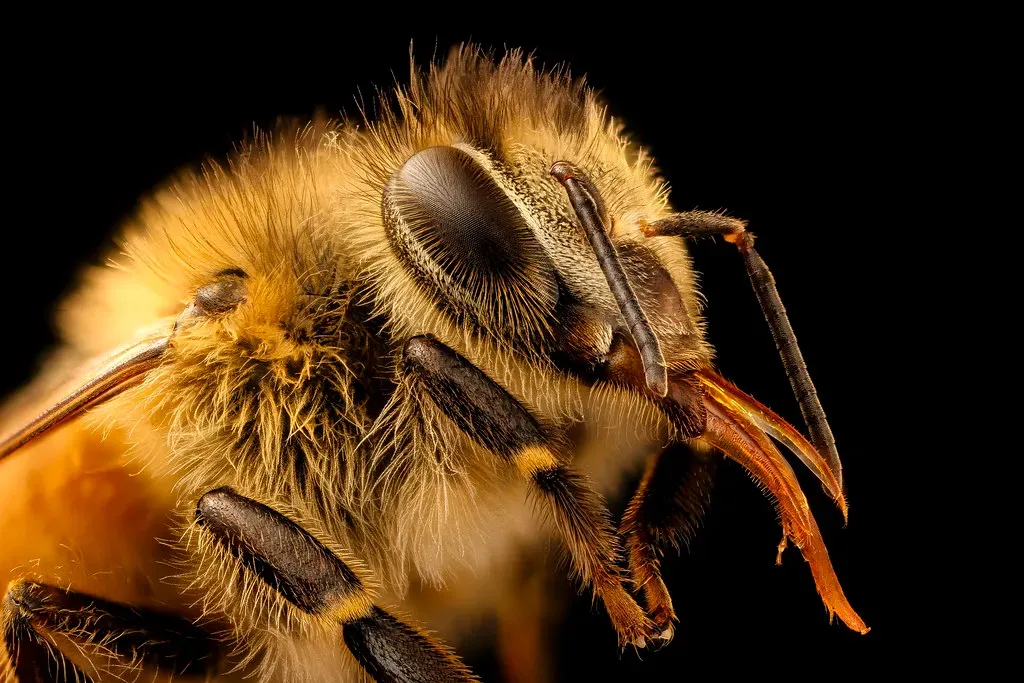
When neuroscientists talk about a bee experiencing a “traumatic event,” they are not talking about bee therapy sessions or childhood memories. In practice, it usually means exposure to something clearly aversive: a noxious heat source, electric shock, an attack by a predator-like stimulus, or ingestion of toxic-tasting compounds that cause post‑ingestive malaise. Experiments have shown that even a single bout of drinking a bitter or physiologically damaging solution can make harnessed honeybees later avoid the odor that predicted it, suggesting that they register and remember the bad experience rather than just reacting in the moment.
Other work with bumblebees has looked at how they trade off pain against reward, for example choosing between feeders that are unheated but less rewarding and ones that are painfully hot but offer richer sugar solutions. In some setups, bees continued to use a mildly painful feeder when it was lucrative, but backed off when the balance tipped too far toward harm, a pattern that looks less like a simple reflex and more like context‑dependent decision making. None of this proves that bees have trauma in the human sense, but it does show they encode harmful events in a way that changes what they do later, especially when food is on the table.
The Sweet Tooth of a Bee: Why Higher Sugar Matters So Much
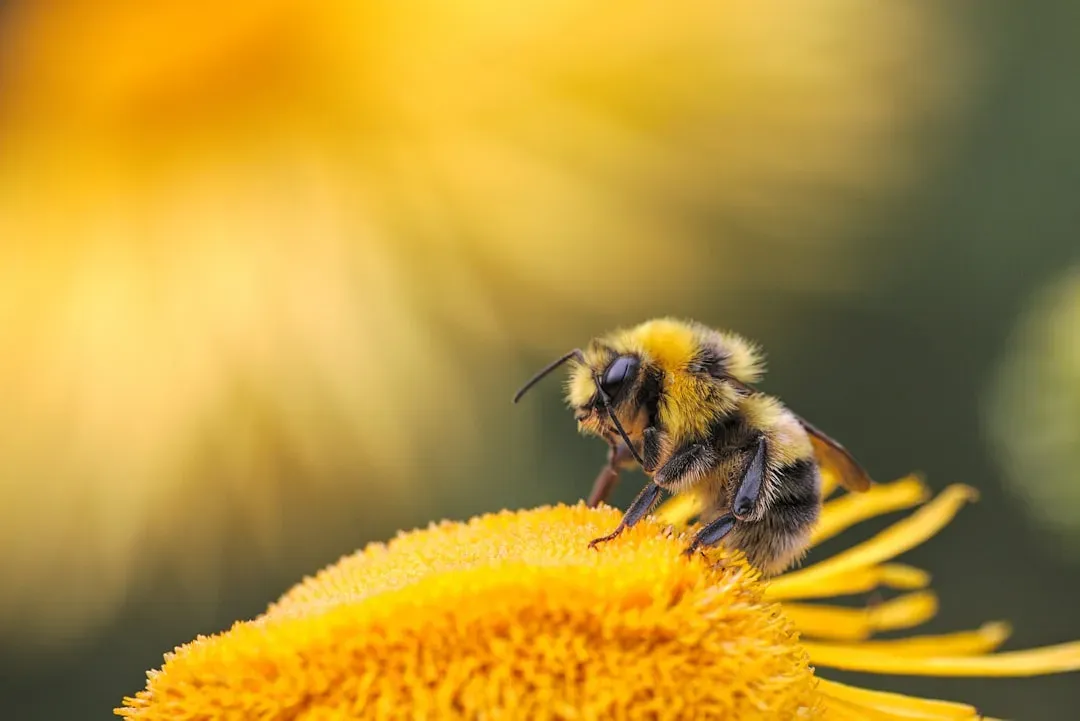
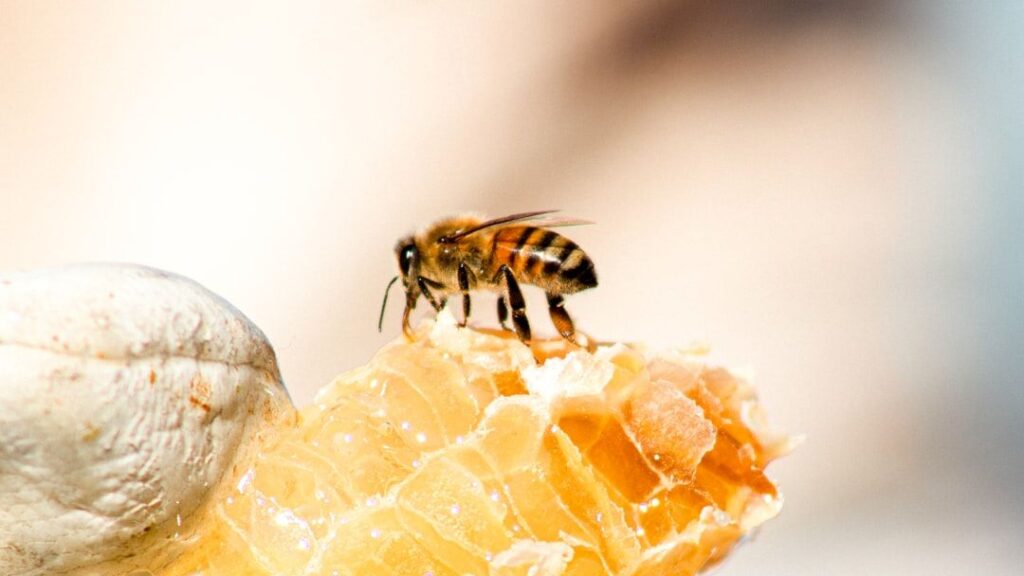
Bees live and die by sugar. Nectar is their primary fuel, and both honeybees and bumblebees can discriminate surprisingly fine differences in sucrose concentration, often preferring the sweeter option when given a choice between two flowers or artificial feeders. Psychophysics experiments have mapped out how accurately bumblebees can tell apart different sugar levels, and how their visitation rates climb when one option is even slightly more rewarding, revealing a kind of economic logic in miniature.
What’s more, sweetness is not just about taste; it is deeply tied to reward systems in the bee brain. Studies have found that nutritional value and taste can play distinct roles in learning and memory for honeybees, with sweet solutions acting as potent unconditioned stimuli in classical conditioning tasks. Other research shows that odorants and pheromones can make weak sugar solutions feel “sweeter,” increasing bees’ responses to otherwise marginal rewards. Put bluntly: for a bee, sweetness is not just pleasant, it is a signal of safety, energy, and opportunity, which makes any shift toward even sweeter food after harm especially intriguing.
From Pain to Preference: How Stress Can Shift a Bee’s Choices
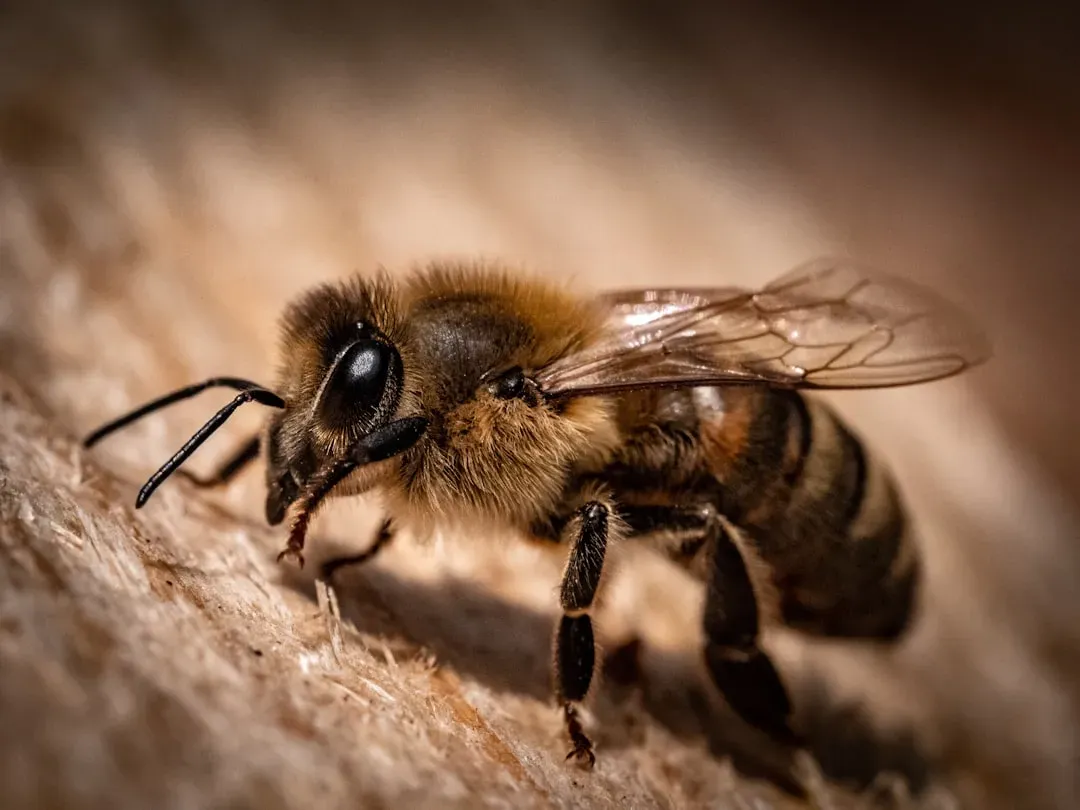
So what actually happens when a bee is hurt and then offered food options? Here the story becomes both fascinating and frustrating. In some experiments, bees experiencing aversive events – such as contact with hot surfaces or ingestion of unpleasant compounds – show altered responsiveness to sucrose afterward. They can become more responsive to medium or high sugar concentrations or change the way they allocate foraging effort among feeders, sometimes favoring richer nectar when they return to choice tasks.
There are studies in related contexts where bees given an extra dose of sugar before facing a challenging or ambiguous situation appear more persistent or show patterns that, in popular summaries, have been described as “happier” or more optimistic. Other work in bumblebees indicates that their decisions at painful feeders depend sensitively on sucrose concentration, implying that reward value can modulate how much discomfort they are willing to endure. It is in the overlap of these findings – harm, altered sucrose responsiveness, and reward‑modulated decision making – that the temptation arises to say bees are seeking comfort.
Where “Comfort” Sneaks In: The Human Metaphor Scientists Couldn’t Resist
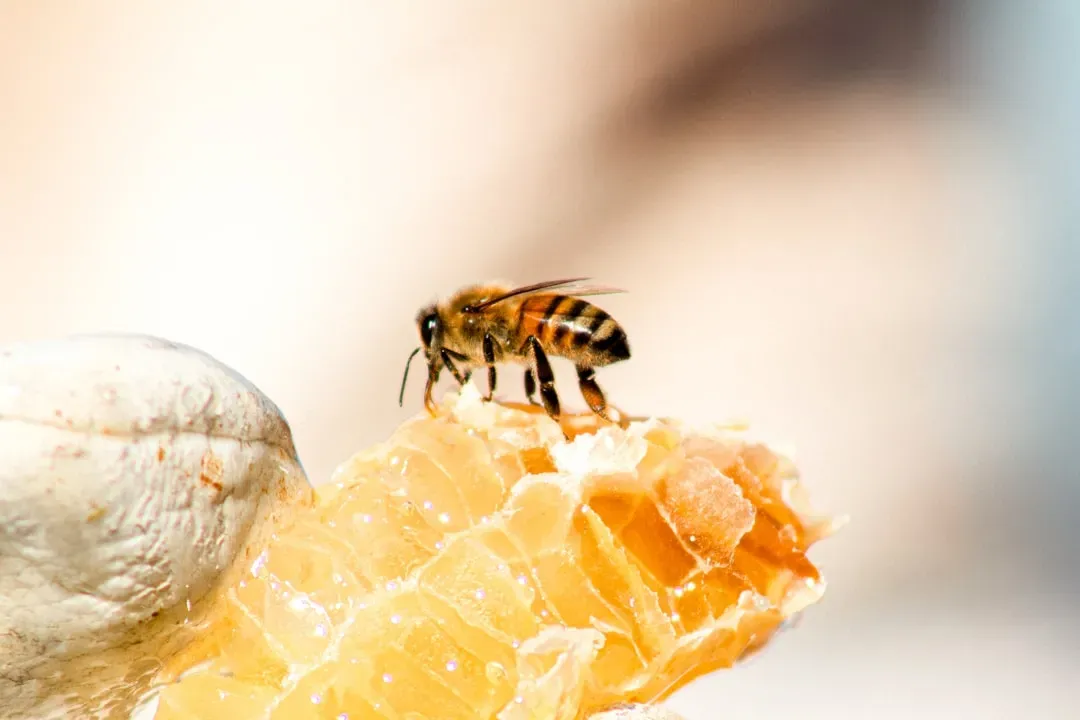
Comfort is not a technical term in insect neuroscience; it is a human word freighted with mood, memory, and culture. Yet when you see an animal that has just gone through something nasty choose the richer, sweeter option afterward, it is almost impossible not to reach for that vocabulary. A few research groups and science communicators did exactly that, using comfort‑like language to describe how sugar seemed to buffer or modulate behavioral responses to stress or danger in bees.
In some popular write‑ups, bumblebees given a sweet treat before a stressful test were said to react in a way reminiscent of humans buoyed by a favorite dessert, and language like “sugar made the bees act as if they were in a better mood” crept into the conversation. Even in more technical contexts, discussions of “reward‑based modulation of negative states” start to sound a lot like comfort once you translate them for the public. The problem is that these metaphors are sticky: once the word comfort appears, it threatens to outrun what the data can justify.
Why Researchers Quietly Walked the Word Back
It’s not hard to see why the comfort framing was quietly toned down. First, scientists are highly sensitive to accusations of anthropomorphism: the charge that they are lazily pasting human emotions onto non‑human animals. The data show changes in sucrose responsiveness, alterations in foraging patterns, and trade‑offs between pain and reward in bees. They do not show a bee curling up with a favorite snack, reminiscing about better times, and self‑soothing in a rich inner narrative. Calling it comfort risks overpromising on what the experiments actually measured.
Second, the word has baggage in human psychology. Research on comfort eating in people has found that many of our assumptions – that comfort foods dramatically and uniquely improve mood, for example – are shakier than pop culture implies. Some studies suggest that mood often rebounds on its own, with or without the so‑called comfort food, complicating simple cause‑and‑effect stories. When scientists carry that term over to bees, they import all this conceptual clutter, making it harder to stay precise. Dialing back to more neutral language like “reward‑driven modulation of aversive responses” may be less vivid, but it is safer ground scientifically.
Are Bees Feeling Better, or Just Running the Numbers? The Neuroscience Tension
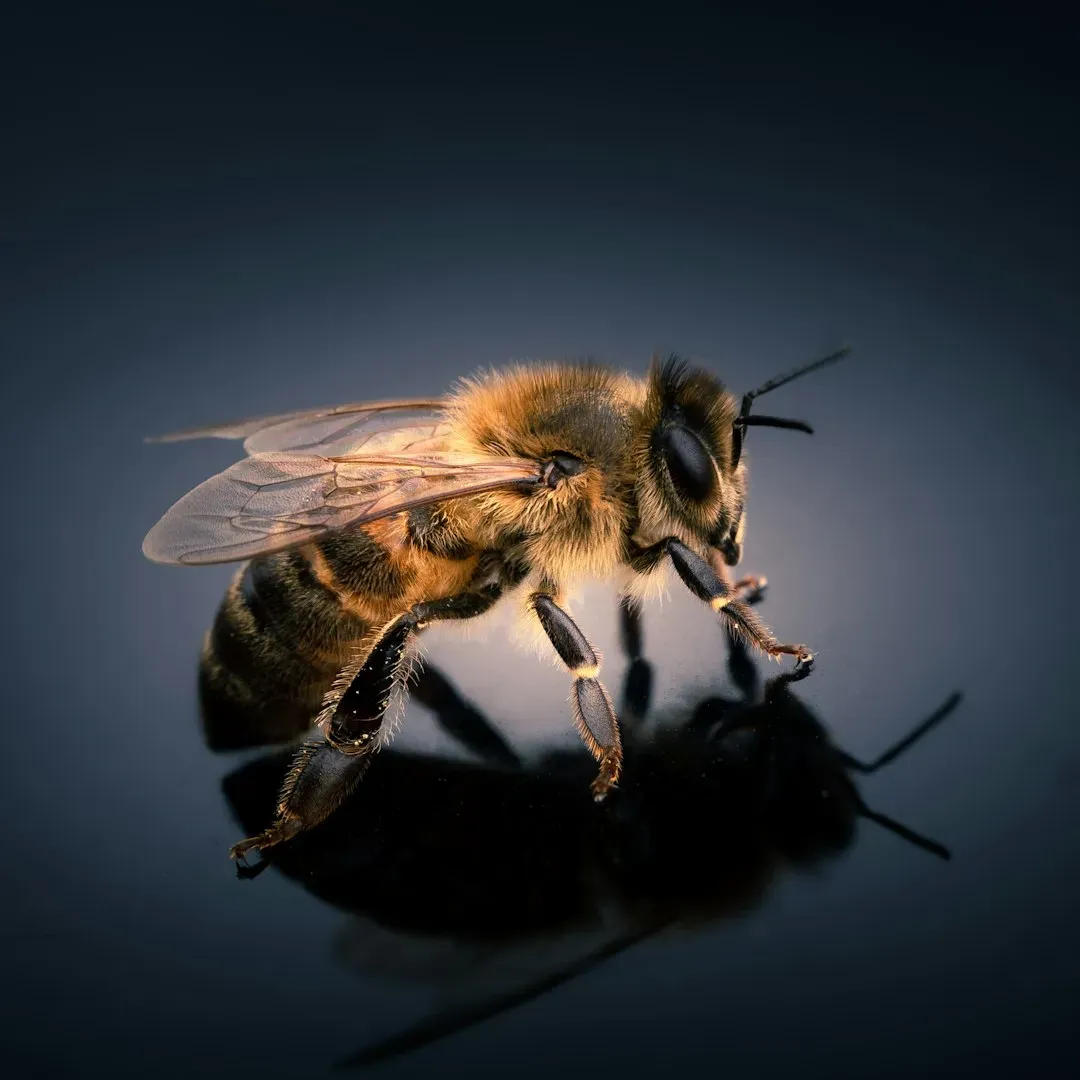
Underneath the language debate sits a deeper scientific tension: are bees genuinely in altered affective states, or are they just updating cost–benefit calculations in a sophisticated but ultimately emotionless way? On one side, work in bumblebees and honeybees shows flexible trade‑offs, persistent changes after negative experiences, and even modulation of responsiveness by signaling chemicals that resemble neuromodulators in vertebrates. That constellation of features starts to look uncomfortably like a simple form of mood or valenced internal state.
On the other side, many neuroscientists argue that you can explain all these behaviors with distributed neural circuits that integrate sensory input, learning history, and current energy needs – no feelings required. In this view, a bee shifting to sweeter nectar after harm is not trying to feel better; it is just implementing an adaptive policy: when conditions are risky or recovery is needed, grab higher‑yield resources. Personally, I think the clean separation between “cold calculation” and “real feeling” is more of a human comfort blanket than a solid scientific distinction. Once a brain, even a tiny one, tracks harm over time and adjusts reward‑seeking in flexible ways, we are already edging into the territory that, in everyday language, we call wanting relief.
Comfort Food, Human and Bee: Why the Parallel Is Tempting but Tricky
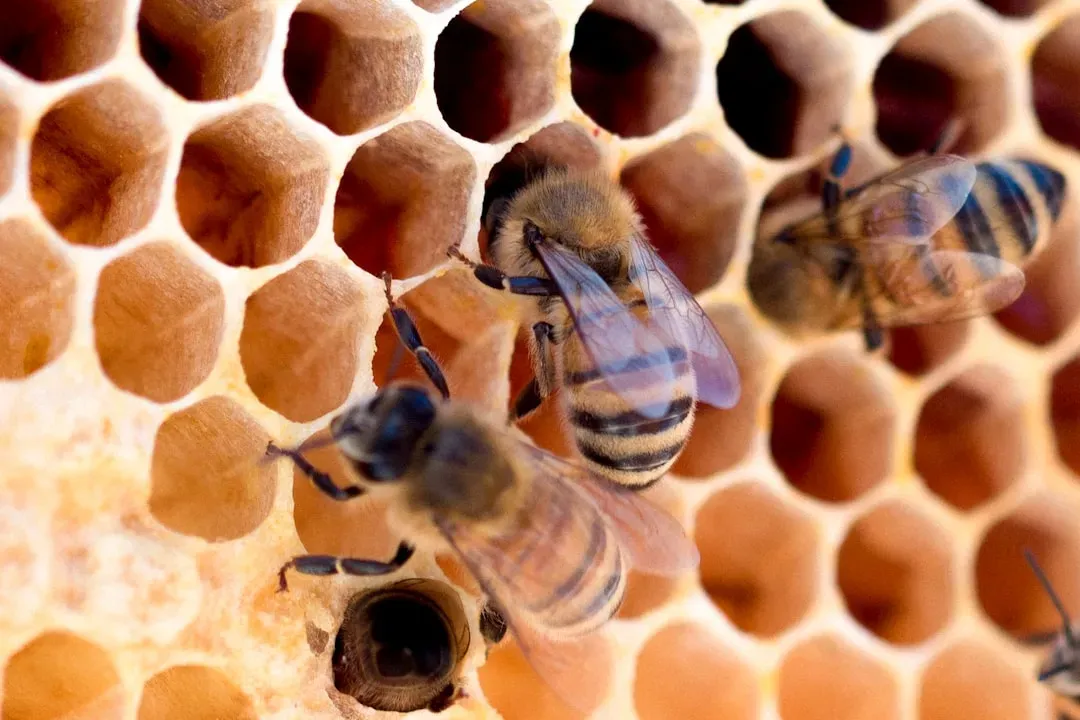
It is not an accident that the word comfort keeps popping up both in bee research headlines and in human nutrition studies. People also reach for sweeter, richer foods when stressed, and there is a large literature trying to untangle whether these foods genuinely soothe us or whether we just believe they do. Some experiments suggest that mood rebounds over time regardless of what we eat, challenging the idea that sugary comfort foods have magical emotional powers. Others highlight that the meanings we attach to food – memories, culture, ritual – matter as much as sugar or fat content.
With bees, we get a stripped‑down version of the same puzzle. There is no cultural story in a honeybee hive about grandma’s nectar recipe. All that is left is the raw coupling of negative events and sweet rewards in a tiny nervous system. When a bee that has just encountered something painful or threatening favors the sweeter option, it is tempting to say we are watching the skeleton of comfort eating without the human storytelling built on top. But we should be honest about the gap: in us, comfort food is wrapped in memories and expectations; in bees, it is about steering between harm and high‑energy fuel in an unforgiving ecological economy.
Why This Debate Matters: Ethics, Science, and How We Talk About Tiny Brains
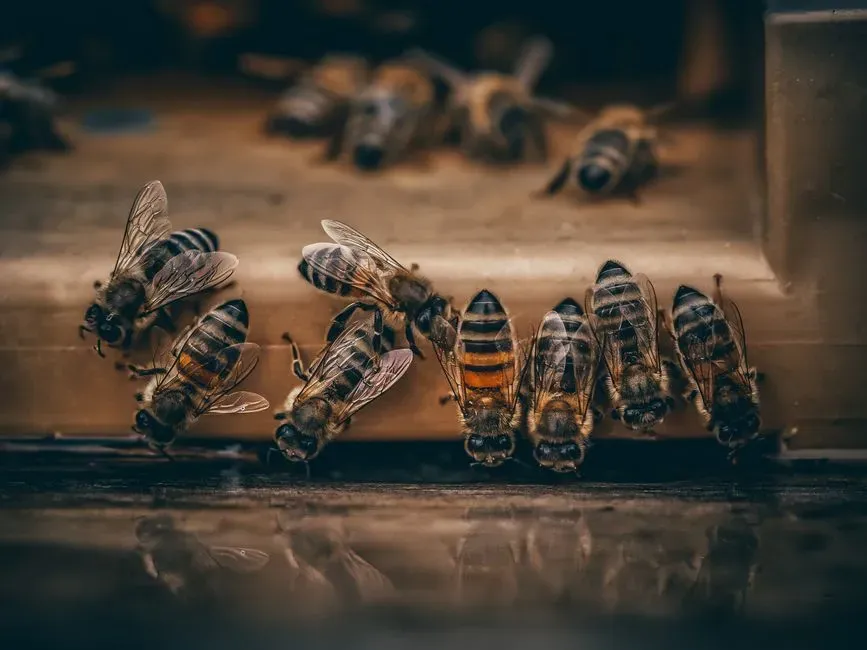
It might seem like academic hair‑splitting to argue over whether we can say bees seek comfort. But the stakes are higher than they look. If we accept that bees experience something like primitive negative states whose intensity can be shifted by reward, then the ethics of how we treat them – in labs, in agriculture, and in pest control – starts to look different. Behaviors once dismissed as automatic reflexes begin to look like signs of a simple form of suffering and relief, and that demands harder questions about our responsibilities.
At the same time, overextending emotional language risks undermining trust in science. If the public hears that bees “eat for comfort” and later learns that researchers walked that wording back, they may conclude the entire field is just storytelling. The real challenge is to talk about these findings in a way that preserves both their strangeness and their limits: yes, bees change their food choices after aversive events, often toward sweeter options, and those changes look functionally similar to what we call comfort seeking in humans. No, we do not yet know what that feels like from the inside of a bee’s world – if anything at all.
Conclusion: Maybe the Uncomfortable Truth Is That Bees Need a Little Comfort Too
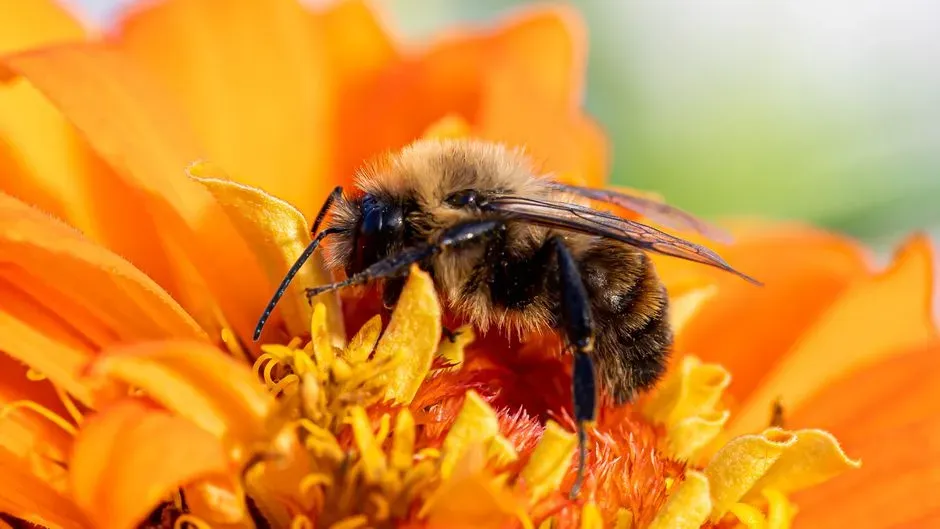
Here is my own read, and I know not everyone will agree. When a bee endures a clearly harmful event and then preferentially chooses sweeter food, that is not mere mechanical twitching – it is an organism leaning, however simply, toward something that offsets harm with reward. Scientists were right to hesitate over the word comfort, because it smuggles in human stories that the data do not fully support. But they were also right to reach for it in the first place, because our everyday language is groping for a way to describe nervous systems that are starting to look uncomfortably continuous with our own.
In the end, the quiet retreat from comfort talk tells us more about our discomfort than about the bees. We are uneasy with the idea that a creature we casually crush underfoot might have anything like a bad day, let alone something akin to relief from a sweeter sip of nectar. Yet the closer we look, the harder it gets to maintain the comforting fiction that emotion begins with mammals and ends with us. Maybe the real question is not whether bees seek comfort, but whether we are ready to live with what it would mean if they do – are you?