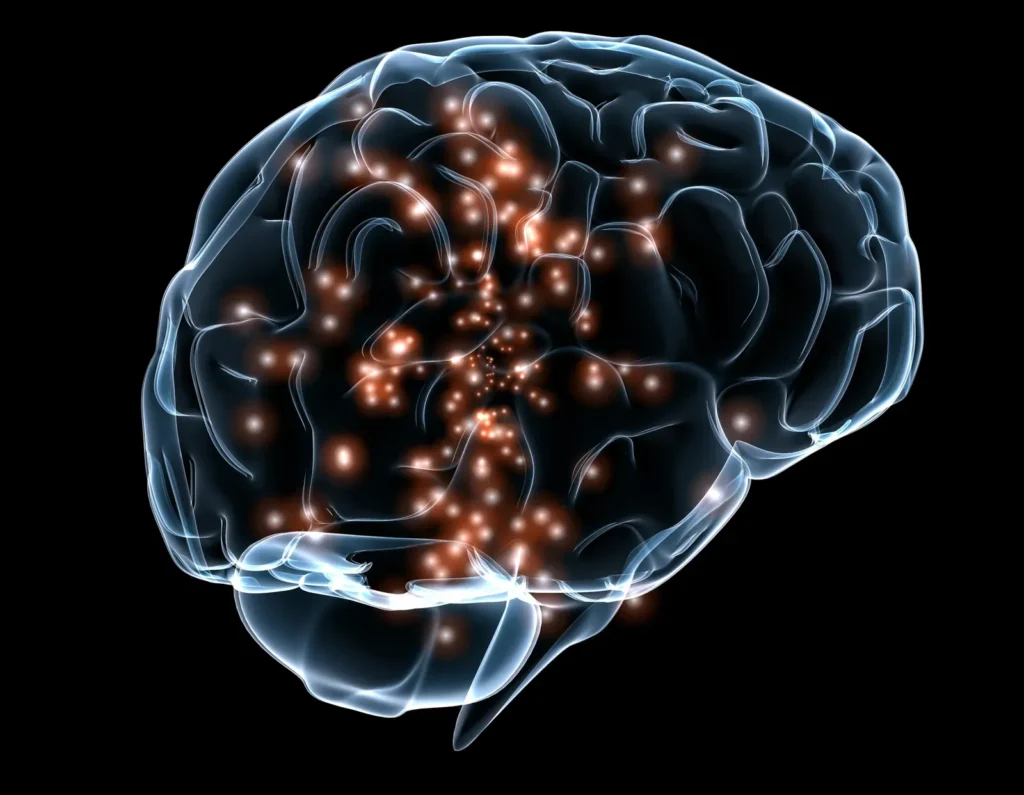
There is a moment modern medicine used to treat like a hard stop: the flat line on the monitor, the declaration of clinical death, the quiet in the room when everyone steps back. For a long time, we assumed consciousness simply faded out before that point, like a dimmer switch sliding to zero. But the latest brain imaging and monitoring technologies are forcing scientists to rethink that story, and the picture emerging is far stranger and more intriguing than anyone expected.
Instead of a simple shutdown, the brain in the seconds just before and after clinical death can show a surprising burst of activity, complex patterns, and even signatures that look eerily similar to waking consciousness. Researchers are now capturing these fleeting moments with high‑resolution EEG, intracranial electrodes, and fast brain scanners. The result is a growing body of data that brushes up against ancient questions: What happens when we die? How long does conscious experience really linger? And where exactly is the line between life and death?
The Brain Does Not Go Quiet When The Heart Stops
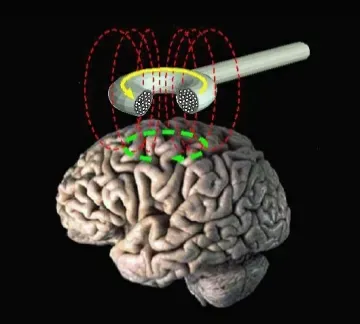
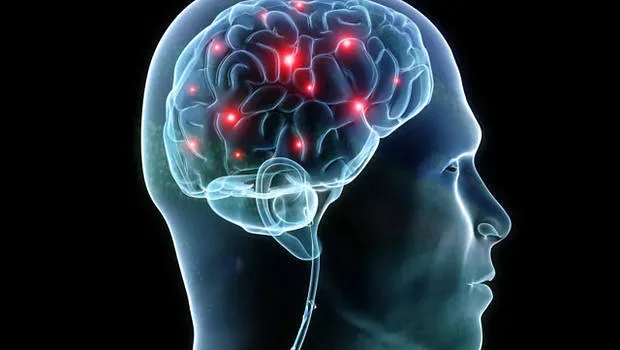
One of the most shocking findings from recent studies is that the brain does not simply switch off at the moment of cardiac arrest. For a brief window, sometimes seconds, sometimes a little longer, it can actually light up with organized electrical activity. Using continuous EEG monitoring in intensive care units, researchers have observed surges of brain waves immediately before and after the heart stops, even in patients who are not expected to recover. Instead of a flat slide into silence, there is a kind of last flare.
This overturns the old assumption that consciousness must vanish as soon as blood flow drops. It suggests that, during those last seconds before clinical death is declared, the brain may still be processing information and generating some form of internal experience. Nobody can say with certainty what that experience feels like, but the raw physiology shows a nervous system that is still trying to function, almost like a city keeping its lights on for a moment after the power plant fails. That changes not only how we think about death, but also how we think about the timing of organ donation, resuscitation, and even the meaning of “last moments.”
EEG Surprises: Gamma Waves At The Edge Of Life
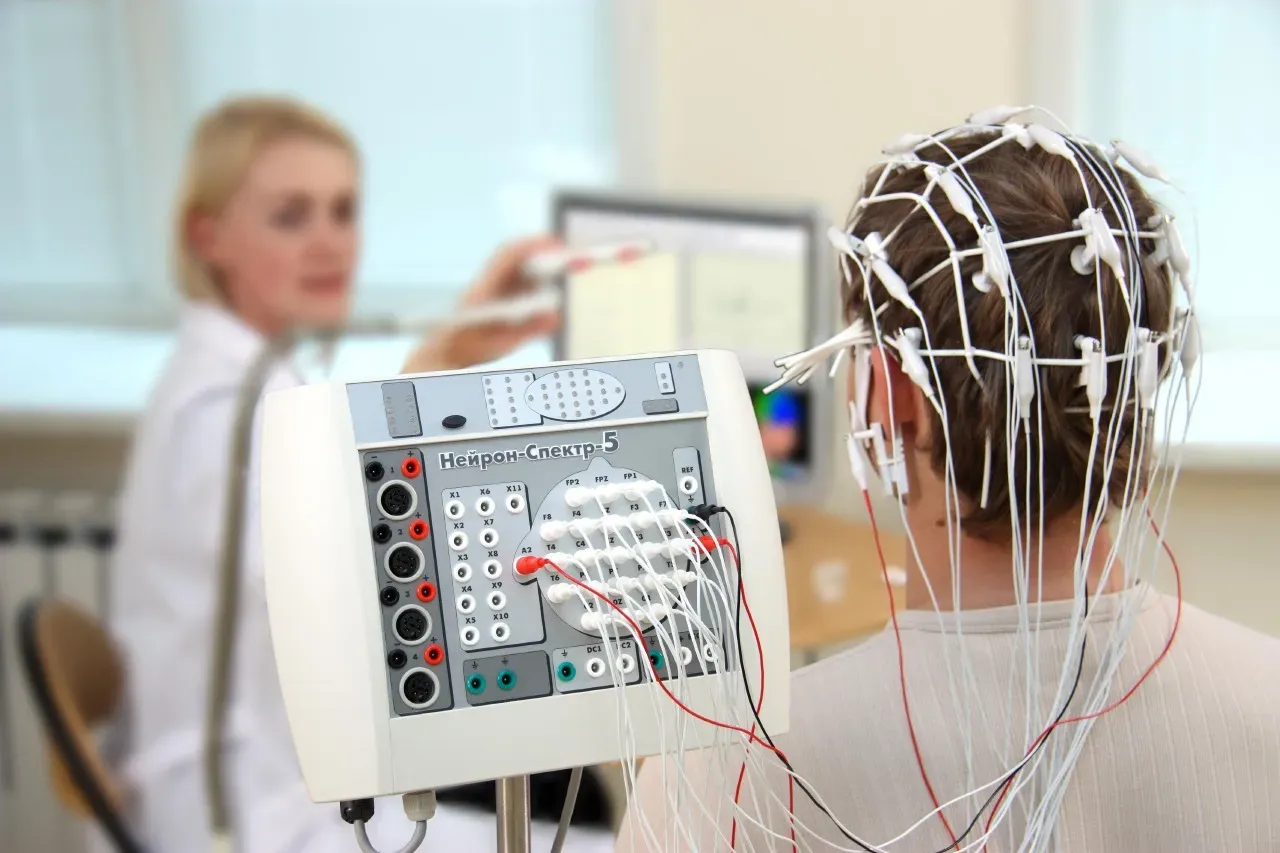
Electroencephalography (EEG) has been around for decades, but newer, more sensitive recordings and analytics have revealed something remarkable in a handful of people who were monitored as they died. Just before or around the time of clinical death, some patients show strong gamma oscillations, the fast brain waves often linked to attention, perception, and conscious awareness. In a few dramatic cases, these gamma bursts appeared as the heart was stopping, not while it was healthy and stable.
Gamma activity by itself does not prove that someone is having a rich conscious experience, but it is associated with the brain binding information together into a coherent picture of the world. Seeing this signature at the very end challenges the idea that the dying brain is simply chaotic. Instead, it may be briefly entering a hyper‑synchronized state, almost like the brain’s systems are firing on all cylinders for the last time. When people talk about their lives “flashing before their eyes,” these synchronized, high‑frequency rhythms are one plausible physiological candidate, even if the data is still too sparse and fragile to claim a direct one‑to‑one link.
Near‑Death Experiences: Can Imaging Catch The “Tunnel Of Light”?
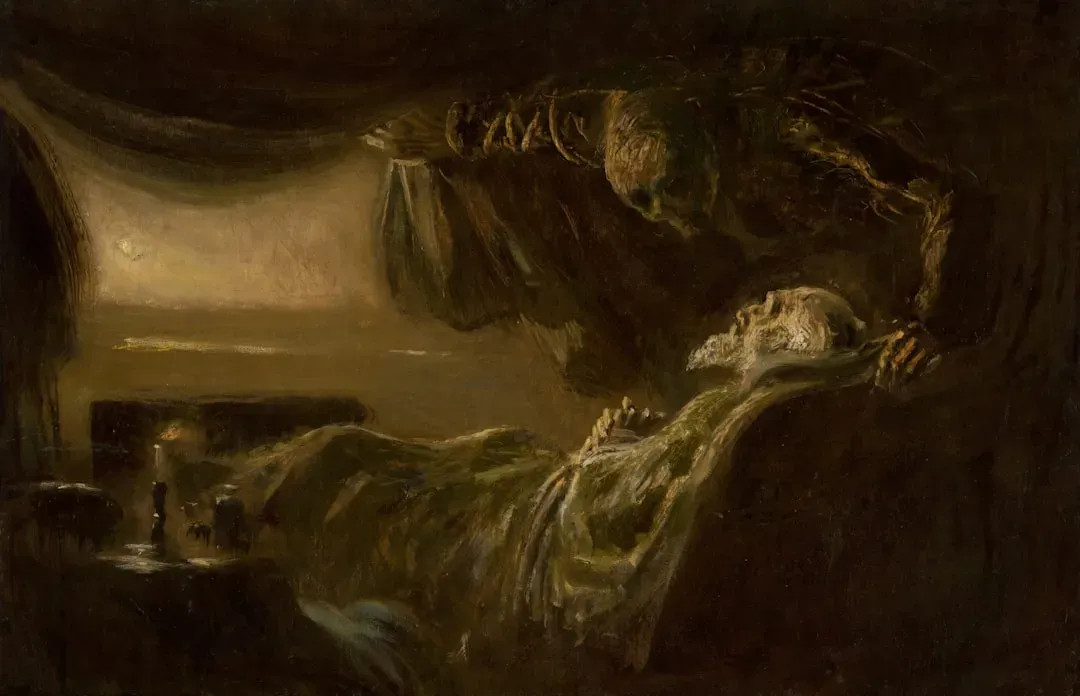
Near‑death experiences (NDEs) have been reported for generations: tunnels of light, feelings of peace, leaving the body, meeting deceased relatives. For a long time, these stories lived mainly in the realm of personal testimony, beyond what science could measure. Now, with continuous brain monitoring in emergency departments and intensive care, scientists are starting to capture bits of neural activity during the narrow windows when NDEs are likely happening, often during and right after resuscitation efforts.
What the imaging shows so far is that the dying brain is not just shutting down randomly; it may be entering altered states marked by bursts of organized activity in regions tied to vision, memory, and self‑awareness. That does not prove any particular spiritual interpretation, and many neuroscientists argue these experiences could be the brain’s response to extreme stress, low oxygen, and chemical storms. Still, the fact that we can now point to specific patterns in the seconds around clinical death makes the conversation more grounded. We are slowly moving from “people say this happens” to “here is what the brain is actually doing when they say it happens.”
From Flat Line To “Last Network Spike”: What Multichannel Recordings Show
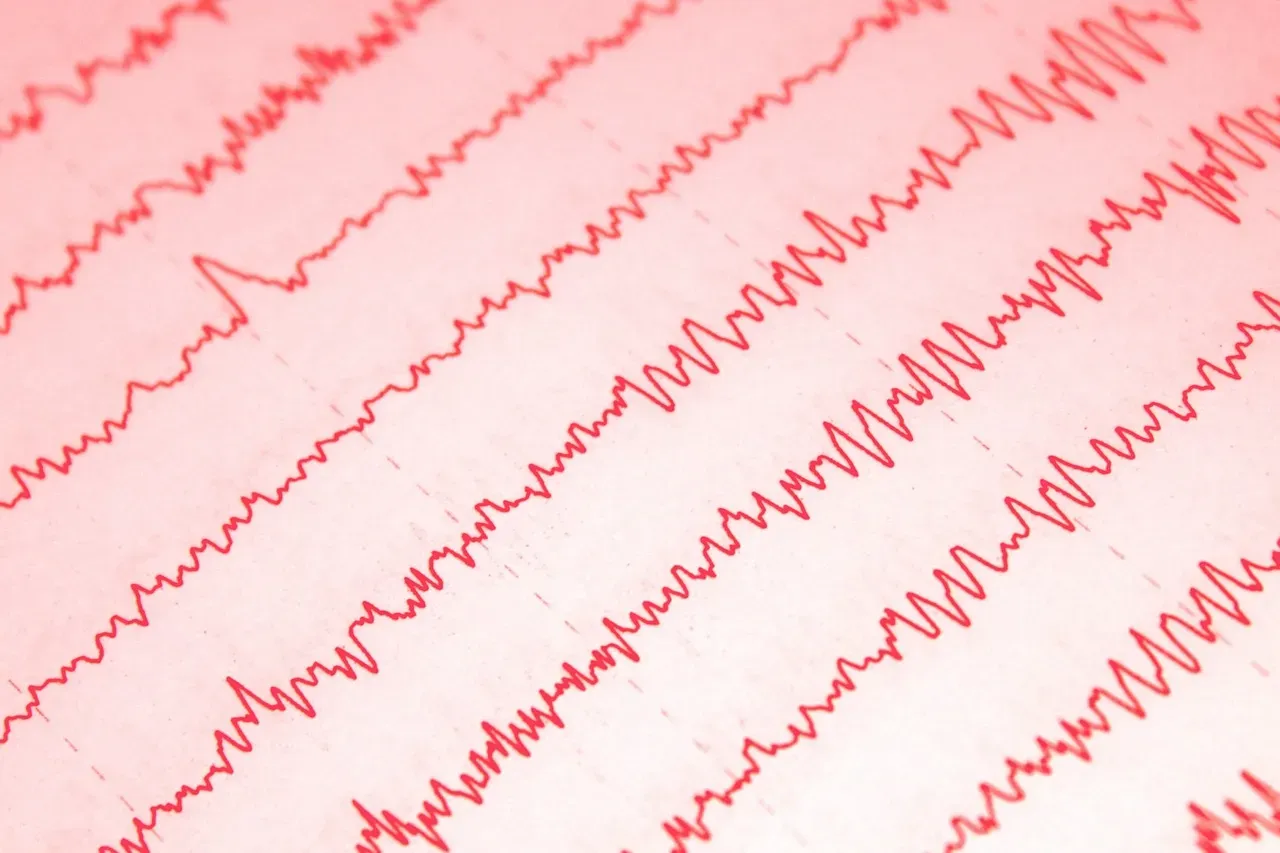
Older monitors gave us a simple story: once the lines on the ECG and EEG flatten, that is it. Modern multichannel recordings, especially in patients with implanted electrodes for epilepsy or other conditions, offer a much finer‑grained look at the final stages. In some animal experiments and a very small number of human cases, researchers have documented what looks like a “last network spike” – a wave of synchronized firing sweeping across large portions of the cortex shortly after blood flow drops.
This last spike might be the brain’s final, desperate attempt to maintain integrity as energy runs out, similar to how a computer can suddenly freeze and dump data right before it crashes. Some scientists interpret this as a purely pathological event, the sign of systems failing all at once. Others suggest that such a massive, unified burst could still correspond to a distinctive form of experience, even if it is brief and impossible to recall afterward in most people. We simply do not know yet, and that honest uncertainty is part of what makes this research both fascinating and uncomfortable.
Imaging The Dying Brain Ethically: Why The Data Is So Rare
One reason all of this still sounds like a patchwork of dramatic case reports rather than a settled science is that it is incredibly hard, ethically and practically, to study the brain at the moment of death. Researchers cannot recruit people specifically to die in scanners, and they cannot delay care in order to get better data. Most of what we know comes from intensive care patients who were already being monitored for clinical reasons, or from animal models used under strict regulations.
That means the sample sizes are tiny, the circumstances varied, and the conclusions necessarily cautious. We are usually looking at very sick brains, often with underlying injuries or diseases, and trying to generalize from them to healthier people who might suffer sudden cardiac arrest. From my perspective, this is one of those areas where we need to accept slow, imperfect progress rather than push for sensational breakthroughs. The stakes – both morally and emotionally – are simply too high to justify cutting corners for the sake of headlines.
What These Findings Might Mean For The Nature Of Consciousness
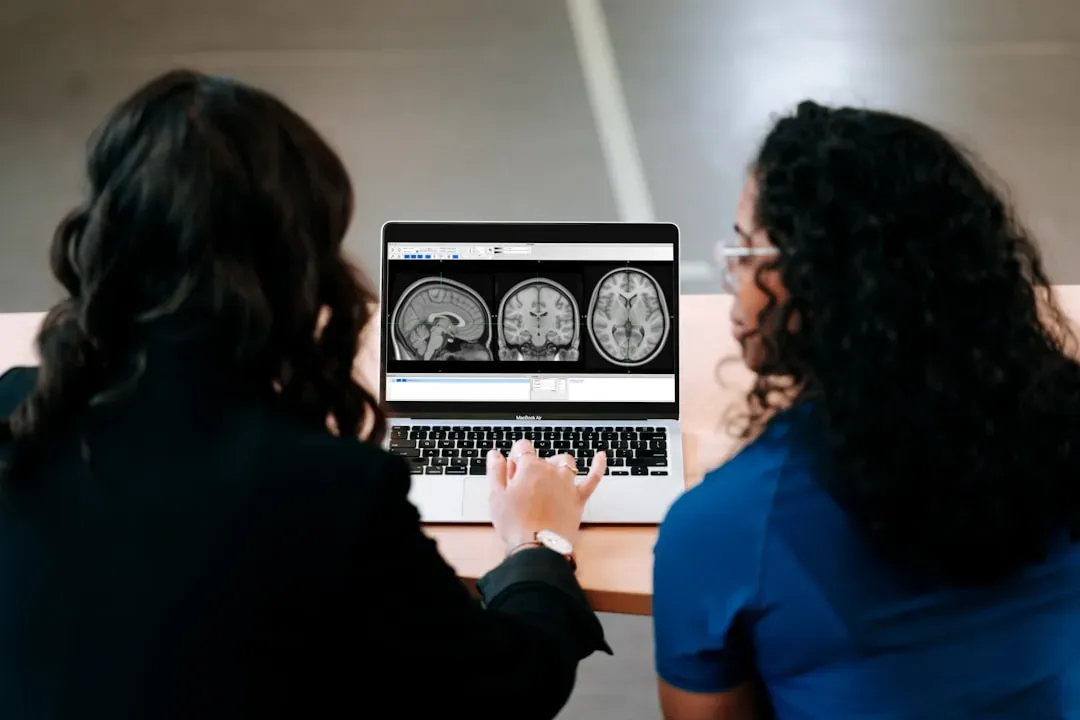
At a deeper level, these imaging results are not just about death; they are about consciousness itself. If awareness can briefly flare or reorganize even as the brain is starved of oxygen and blood, that tells us something important: consciousness is surprisingly resilient and can persist under extreme conditions, at least in some reduced or altered form. This lines up with other research showing that people under anesthesia, in comas, or in so‑called unresponsive wakefulness can still show hidden signs of awareness when their brains are probed in specific ways.
Some philosophers take these data to support views that consciousness is a dynamic pattern of activity rather than a simple on‑off property tied to a single brain region. Others argue that the last bursts near death are more like a final echo in an emptying room, not a meaningful state of subjectivity. Personally, I think we are being forced to abandon the comforting idea that there is a clean, sharp line where consciousness simply disappears. Instead, there is a fading gradient with surprising, sometimes intense spikes, and that messy gradient is probably closer to the real nature of mind.
Resuscitation, Organ Donation, And The “Gray Zone” After Clinical Death
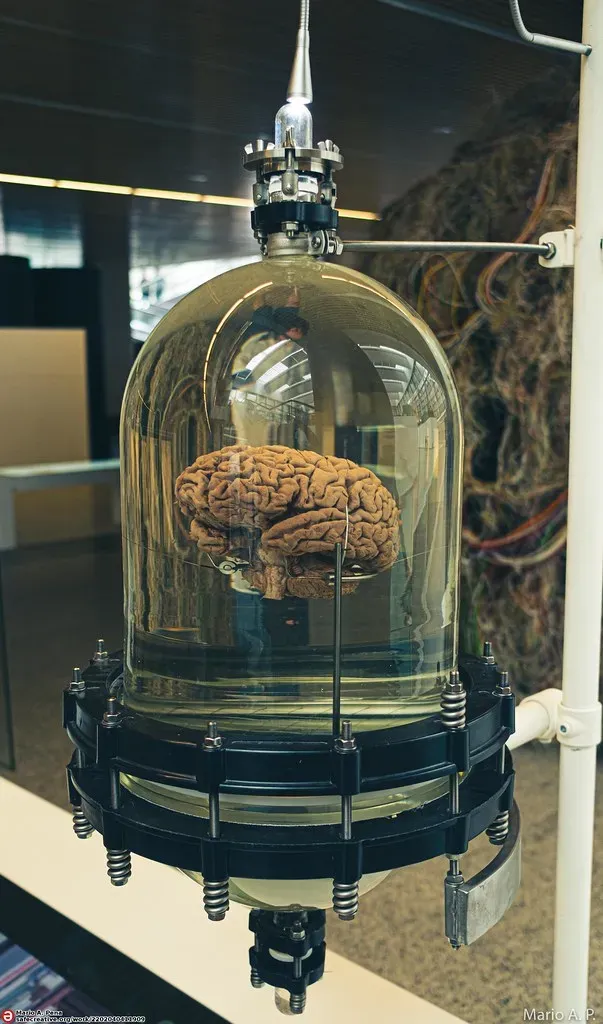
All of this is not just abstract philosophy; it has real‑world consequences. As resuscitation techniques improve, people are being brought back from longer periods of cardiac arrest, and imaging shows organized brain activity returning after intervals that used to be considered hopeless. That suggests the window between the last heartbeat and irreversible brain damage is more flexible than previously thought, especially when cooling or advanced life support is used. The definition of clinical death is starting to feel less like a brick wall and more like a negotiable frontier.
This gray zone matters for organ donation and end‑of‑life decisions. Families and clinicians want clear rules about when someone is truly gone, yet the science increasingly shows that the brain’s story does not align perfectly with the heart’s. Ethical frameworks are trying to catch up, balancing respect for donors, recipients, and the possibility that a dying person might still have some residual conscious experience. It is uncomfortable to sit with that ambiguity, but pretending the brain simply shuts off like a light switch is no longer scientifically honest.
How Culture, Spirituality, And Science Clash Around The Final Moments
Brain imaging does not exist in a vacuum; it lands in a culture full of beliefs, fears, and stories about what happens when we die. For some people, the discovery of gamma bursts and organized activity at the brink of death feels like scientific backing for spiritual or religious ideas – a kind of neural fingerprint of the soul’s departure. For others, the same data are interpreted as proof that near‑death experiences are just chemistry and electricity, no more mystical than a dream triggered by a lack of oxygen.
In reality, the science is not strong enough yet to serve as a weapon in either direction, and I think we get into trouble when we try to force it to. What brain imaging offers right now is a new, richer description of what the dying brain is doing, not a final verdict on whether consciousness continues beyond the body. That might frustrate people who want clear answers, but it also creates space for a more honest dialogue between medicine, philosophy, and spirituality. Instead of pitting them against each other, we can admit that we are all circling around the same mystery from different angles.
Conclusion: A Brief, Blazing Mystery At The Edge Of Life
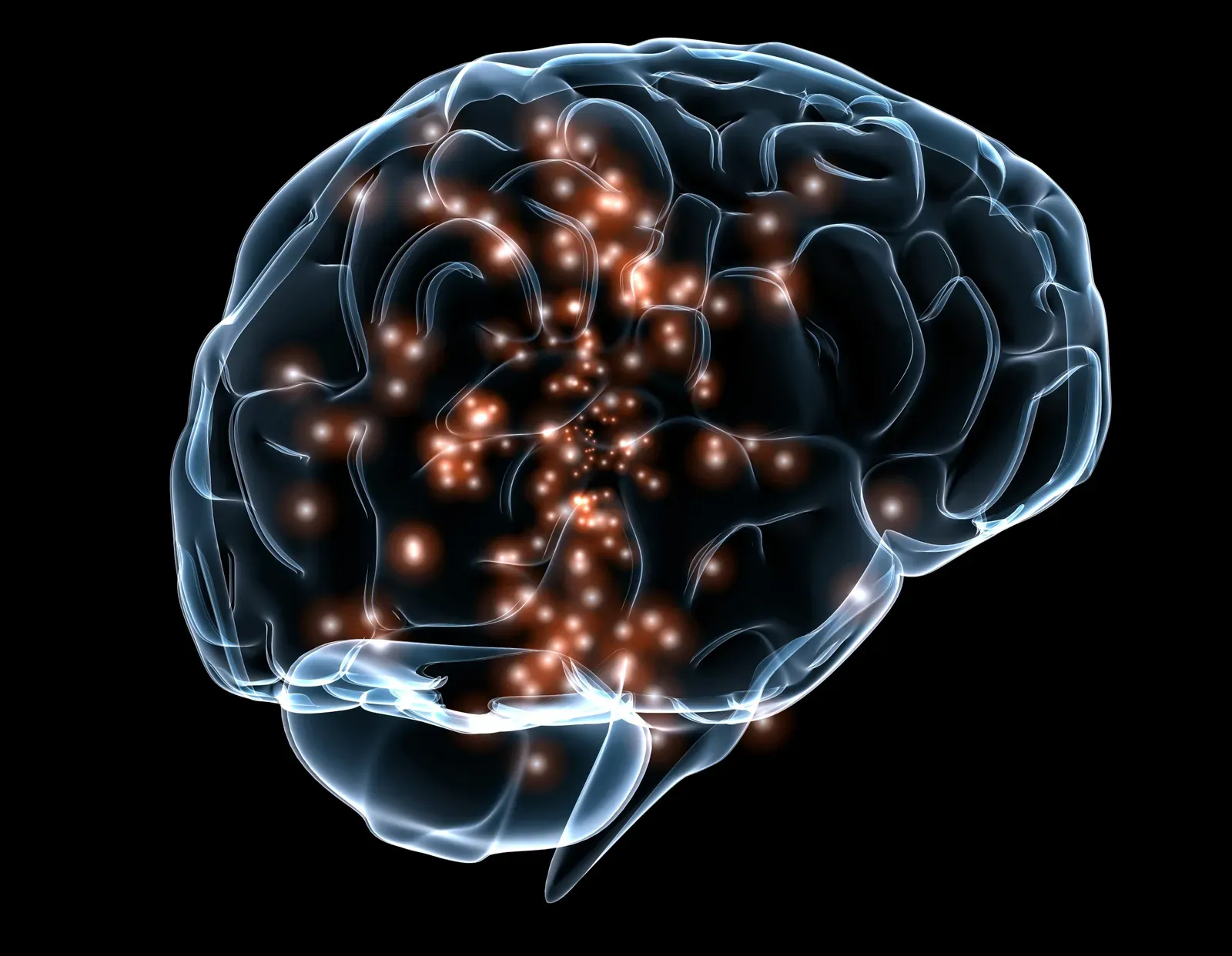
When you put all of this together, a striking picture emerges: in the seconds around clinical death, the brain does not quietly fade to black. It can surge, synchronize, and flash with activity that looks, at least on paper, like the neural language of awareness. The data are messy, limited, and sometimes contradictory, but the old story of a simple shutdown is clearly wrong. We are left with something more complex and more human – a nervous system that fights to stay integrated until the very last moment, sometimes with one final, dazzling burst.
My own opinion is that these findings should make us both more humble and more determined. More humble, because they show how little we truly understand about consciousness and its boundaries. More determined, because they hint that better monitoring and smarter resuscitation could buy people more time, more chances, and maybe even more meaningful final moments. The dying brain is not an off switch; it is a brief, blazing mystery we are only just learning to see. If anything, the real question now is not whether something is happening in those final seconds, but how much we are ready to know about it.