
Every once in a while, someone will describe a moment that feels almost impossible to put into words: time softens, the boundaries between “me” and “everything else” blur, and there’s this overwhelming sense that it all somehow fits together. Some people find it watching a sunset, some in deep meditation, and some in the middle of a crisis that suddenly flips into clarity. Neuroscientists used to file these experiences under “interesting but unmeasurable.” That is changing fast.
Over the last couple of decades, brain imaging has started to catch up with these so‑called “oneness” or “nondual” states. What was once dismissed as mystical or purely subjective now shows up as very real, very specific patterns in the brain’s default mode network, the system that quietly hums in the background when you’re daydreaming, self-reflecting, or worrying about tomorrow. The emerging story is both humbling and disruptive: people who regularly tap into a sense of unity with the universe may literally be running their brains a bit differently.
What Exactly Is the Default Mode Network, and Why Does It Matter?
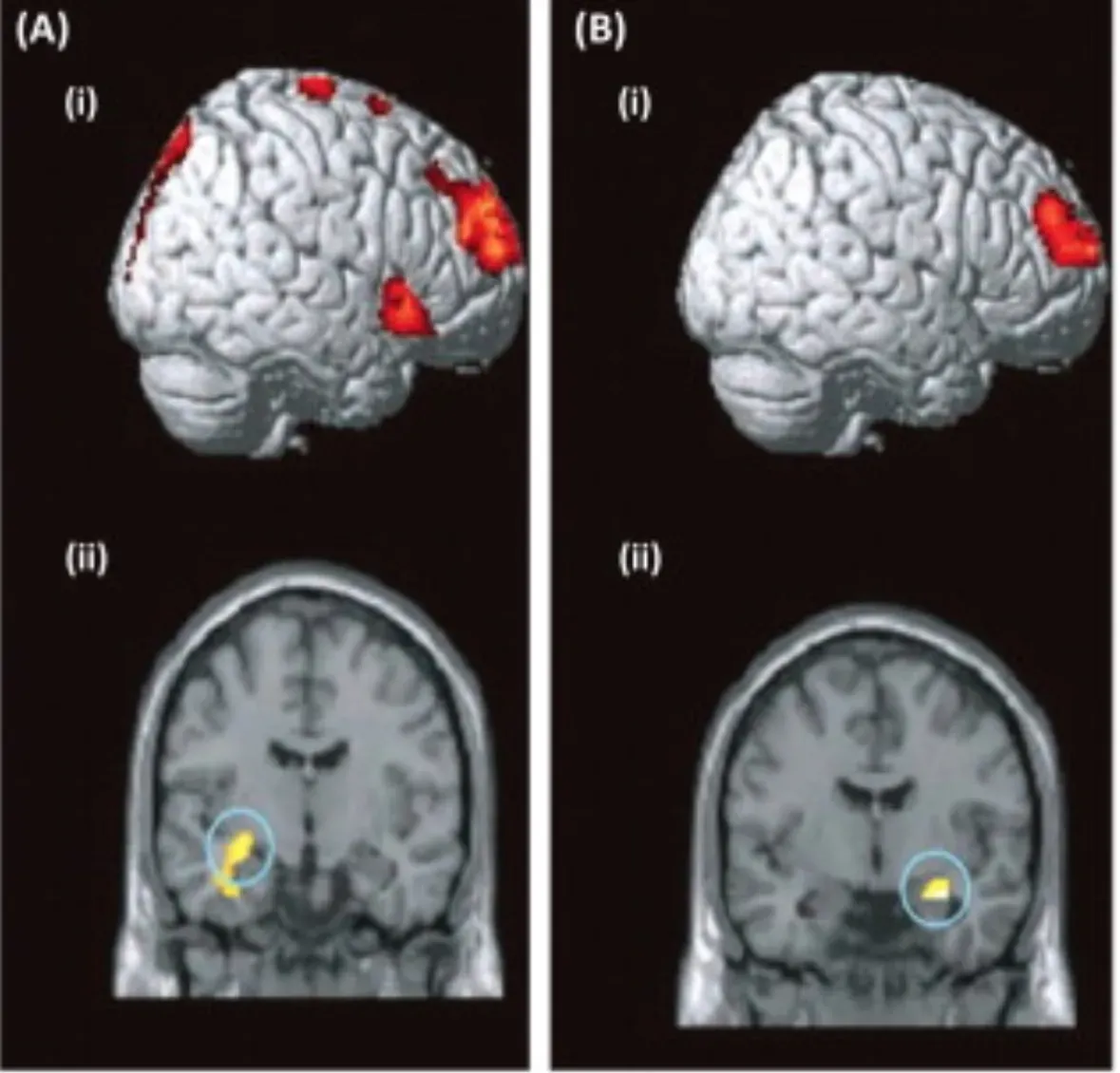
The default mode network, or DMN, is a set of interconnected brain regions that lights up when your mind turns inward. Think medial prefrontal cortex, posterior cingulate cortex, and angular gyrus working together when you replay an awkward conversation, fantasize about the future, or silently narrate who you are and what your life means. It is loosely the neural basis of your story about yourself. When you are focused on a demanding external task, DMN activity usually decreases; when you relax and drift into your head, it ramps back up.
This network matters because it shapes how solid and separate the “self” feels. A highly engaged DMN tends to support a strong sense of being a distinct individual moving through the world, complete with regrets, hopes, and endless commentary about what everything means for you. That is useful, but it is also where rumination, anxiety, and self-criticism can spiral. When researchers talk about measuring DMN activity in people who report intense oneness with the universe, what they are really probing is whether these people’s brains are handling the whole “I vs. everything else” boundary in a different way.
Oneness Experiences: From Mystical Language to Measurable Brain States
Experiences of oneness have been described for centuries in spiritual traditions, but neuroscience only recently started treating them as a serious research topic. Instead of dismissing phrases like “union with all things” as poetic exaggeration, scientists now ask: what changes in perception, emotion, and brain activity go along with this? People who report these states often describe a fading of the usual inner monologue, a softening of the line between self and world, and a deep sense of meaning that is hard to fit into ordinary language.
When laboratories study these experiences, they rely on careful questionnaires, repeated reports, and brain scans taken during or shortly after states that participants identify as deeply connected or nondual. The key move here is to treat oneness as an altered state of consciousness with specific, trackable neural signatures, rather than a vague spiritual claim. That approach has allowed researchers to see patterns: in many cases, oneness correlates with noticeable shifts in the default mode network compared with normal waking rest. The language may still be mystical, but the measurements are not.
How Oneness Experiences Show Up in Default Mode Network Activity

One of the most striking findings is that states of intense unity often coincide with a decrease or reorganization of DMN activity. In some studies, during meditation or altered states when people report a dissolution of ego boundaries, key DMN hubs show reduced activation and weaker internal connectivity. It is as if the brain temporarily turns down the volume on the usual self-referential chatter. People often describe this as feeling less like a separate subject looking out at the world and more like being part of one continuous process.
But it is not just that the DMN goes “quiet.” In many cases, these states involve more flexible communication between the DMN and other networks involved in attention, sensory processing, and emotional regulation. When the sense of oneness is strongest, the normal segregation between “self-focused” regions and “world-focused” regions seems to soften. You could imagine it less like switching off a control center and more like opening up extra doors between rooms that are usually walled off. The result is a less rigid, more fluid sense of consciousness that feels subjectively expansive.
Trait vs. State: Are Some People’s Brains Wired for More Oneness?
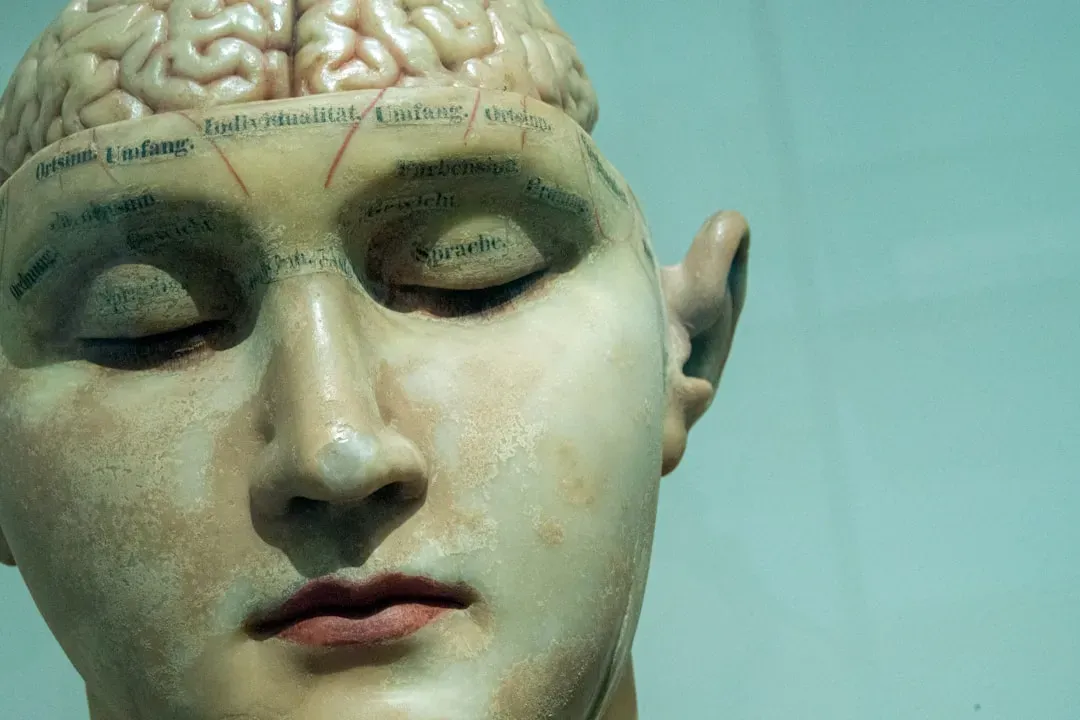
There is a crucial distinction researchers make between momentary states and stable traits. A state is what your brain is doing right now; a trait is how your brain tends to be wired over time. Many people can have a brief oneness experience in a retreat, a crisis, or on a powerful journey of some kind, but what about the people who report feeling this interconnectedness regularly, even in everyday life? Early evidence suggests their DMN patterns are not just temporarily altered during those moments; the baseline organization of the network may be subtly different.
Some studies find that people who score higher on measures of self-transcendence, nondual awareness, or mystical-type experiences show distinct DMN connectivity even when they are just resting. The DMN may be less dominated by rigid self-referential loops and more integrated with sensory or attention networks, supporting a more fluid sense of self as part of a larger whole. To be clear, this is not about having a “better” brain; it is about having a different balance between inward narrative and outward openness. The trait-level shift might make it easier for these individuals to re-enter oneness states without dramatic triggers.
Meditation, Psychedelics, and Other Paths to Changing the Default Mode Network

If oneness correlates with altered DMN activity, the next question is obvious: can we train or nudge the DMN into patterns that make these experiences more likely? Long-term meditation is the clearest example so far. Seasoned meditators, especially those practicing nondual or open-awareness styles, often show both structural and functional changes in default mode regions. During practice, DMN activity frequently drops, and at rest, the network can become less tightly bound to constant self-talk and more balanced with networks involved in present-moment attention.
Other routes appear to modulate the DMN too, though in more acute and unpredictable ways. Certain psychedelic substances, studied under controlled clinical conditions, have been shown to temporarily disrupt or reorganize DMN connectivity in ways that align with reports of ego dissolution and unity experiences. Some forms of intense breathwork or sensory immersion may have similar, if less well-understood, effects. The common thread is that when the default mode network loosens its grip, the door opens to less conventional modes of experiencing self and reality – even if only for a brief window.
The Upside and Downside: Psychological Effects of a Quieter Inner Narrator
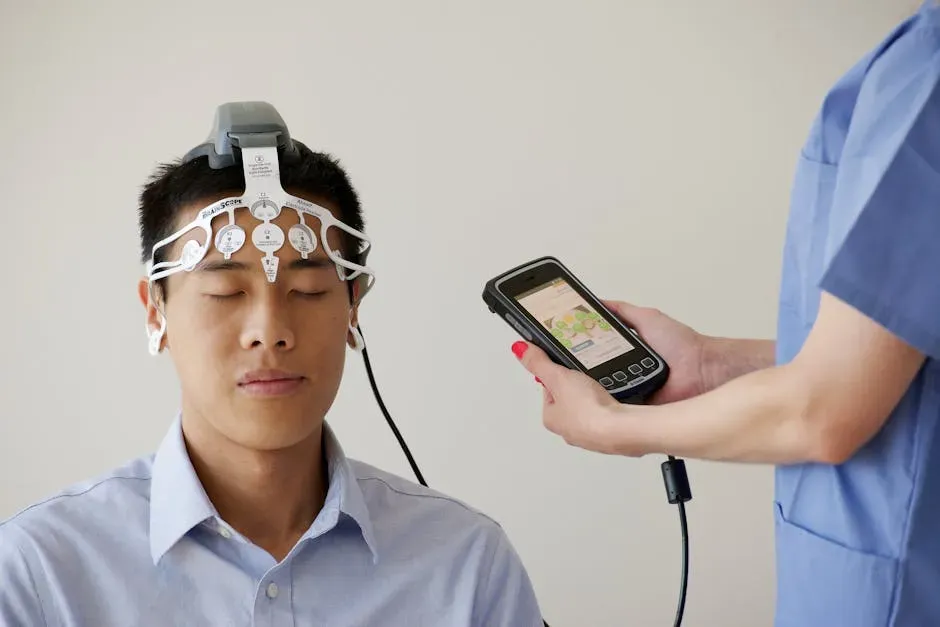
For many people, a quieter, less rigid sense of self feels like relief. Reduced DMN dominance has been linked in some contexts to lower rumination and a softer relationship to distressing thoughts or emotions. People who frequently experience oneness sometimes report being less preoccupied with personal status games, more accepting of life’s flux, and more motivated by compassion or a sense of shared fate. In a world that constantly tells you to optimize and brand yourself, that can feel like finally stepping off a treadmill you did not know you were on.
But it is not all upside. The narrative self serves real functions: planning, protecting boundaries, and stabilizing identity. When people have their sense of self disrupted too abruptly or without support – through overwhelming experiences, poorly held psychedelic use, or extreme stress – it can be disorienting or even frightening. A drastically altered DMN state without integration may feel less like peaceful oneness and more like losing your grip. This is why understanding the nuances of DMN changes matters: context, intention, and psychological preparation can shape whether a quieter inner narrator is liberating or destabilizing.
Are Oneness-Oriented Brains Healthier, or Just Different?
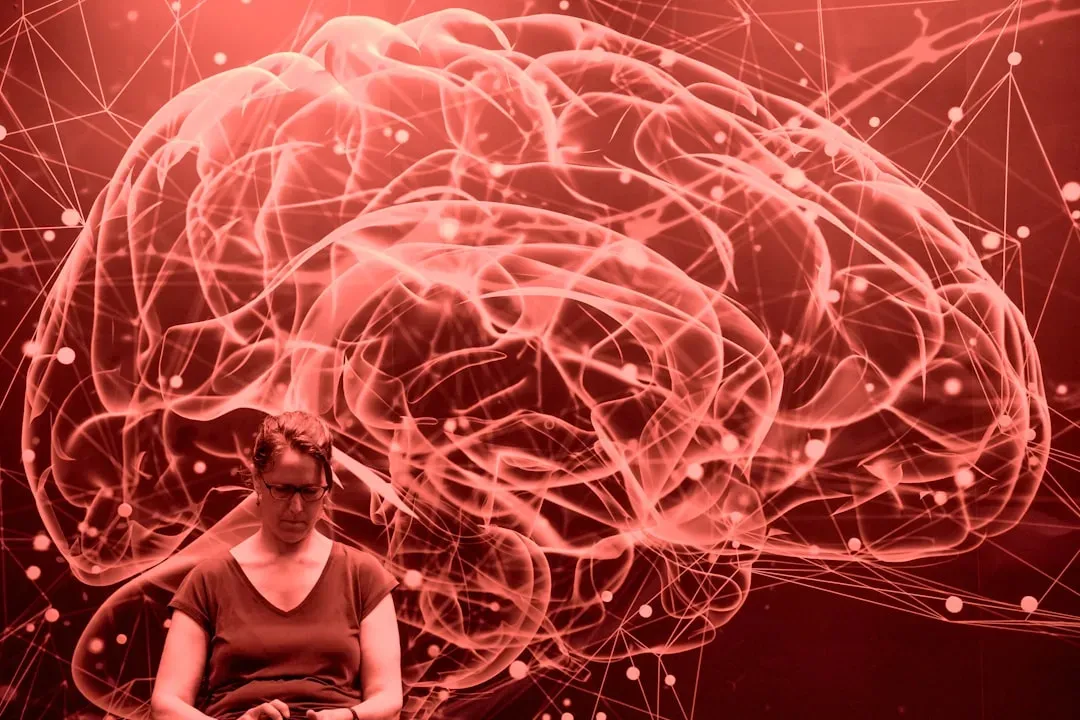
There is a tempting story that floats around online: people who feel connected to the universe have superior brains, better mental health, and a kind of spiritual upgrade in their neural wiring. The reality is more nuanced and, frankly, more interesting. Frequent oneness experiences do seem to correlate with certain positive traits in many studies – things like increased life meaning, greater openness, or reduced fear of death – but these are averages, not guarantees. The same underlying brain differences might be a gift in one environment and a challenge in another.
From my own perspective, it is a mistake to frame this as a hierarchy where high-DMN, strong-ego people are “less evolved” and oneness-prone people are “more advanced.” Different default mode dynamics support different kinds of lives. A solid, well-defended narrative self can build companies, argue court cases, or survive chaotic circumstances. A more permeable, interconnected sense of self can foster empathy, creativity, and existential peace. Instead of asking which brain is better, it may be wiser to ask: given your wiring, how can you suffer less, contribute more, and feel more at home in your own mind?
Where This Research Might Be Heading Next
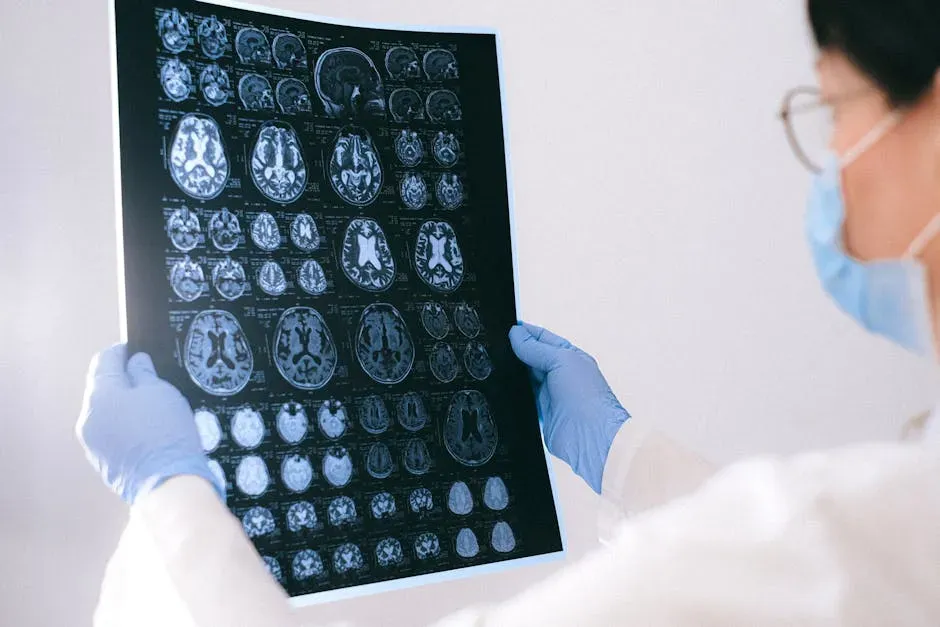
The study of oneness and the DMN is still young, and it is evolving quickly. Future research will likely do a better job separating different flavors of unity experiences: calm, grounded nonduality is not the same as chaotic loss of boundaries, even if both involve DMN shifts. We will probably see more fine-grained maps of how specific DMN subregions couple and decouple during these states, and how that relates to lasting changes in personality, values, or mental health. Longitudinal studies tracking people over years will be especially valuable here.
At the same time, there is a real risk that this line of work gets oversold or turned into a self-help slogan: “Hack your default mode, unlock cosmic consciousness.” In my view, the more honest takeaway is humbler and more empowering. Your sense of being a separate self is not a fixed, all-or-nothing fact; it is a pattern the brain is constantly constructing, and that pattern can shift. Some people, whether by temperament, practice, or circumstance, spend more time in modes where that pattern relaxes and the world feels less divided. Instead of chasing dramatic experiences, it might be enough to know that your brain is capable of more than one way of being you.
Conclusion: A Universe in Your Head, and You in the Universe

When you zoom out, the idea that people who often feel at one with the universe have measurably different default mode network activity is not mystical at all – it is almost obvious. If your daily experience of “me vs. everything” keeps softening, of course the brain systems that maintain that boundary will look different over time. The interesting, and slightly uncomfortable, implication is that your sense of self is less like a solid object and more like a habit. Change the habit enough, and the story of who you are begins to loosen its grip.
My own bias is that a culture obsessed with individual achievement could use a bit more of this looseness. Not because everyone should dissolve into blissful oneness, but because remembering that “I” is a flexible construction makes it harder to cling to our roles, grudges, and petty dramas as if they were the whole universe. Neuroscience will never fully capture what it is like to feel merged with everything, but it does something quietly radical: it shows that these experiences are not fantasies, they are alternative ways a human brain can organize itself. Knowing that, how tightly do you really want to hold on to the version of you that feels small and separate?