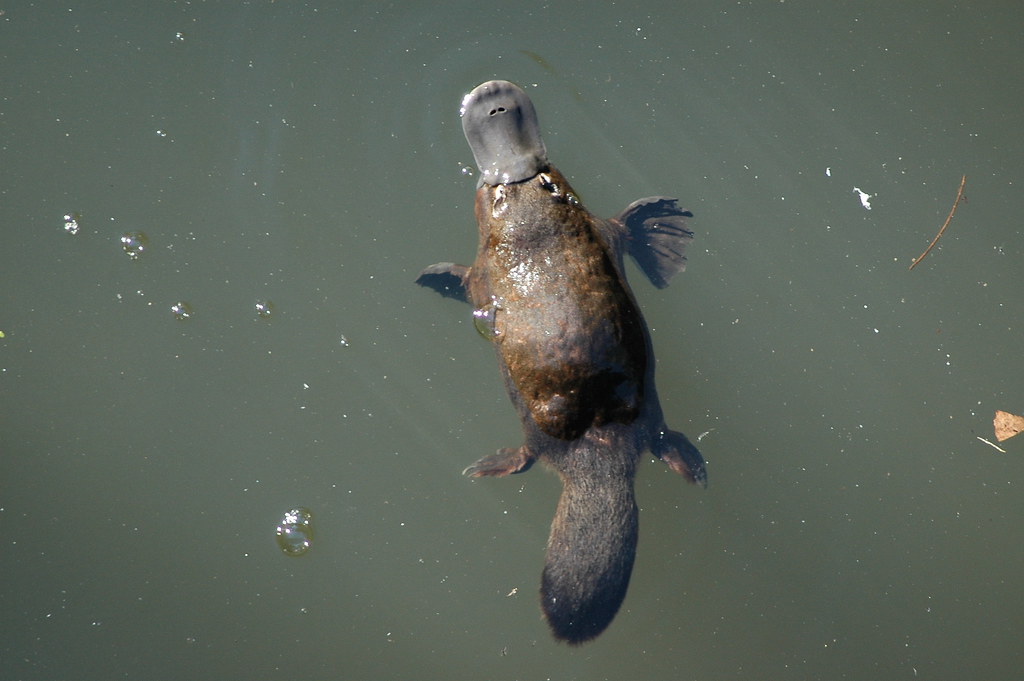
Imagine diving into a murky Australian river at night, shutting off your sight, sound, and even your sense of smell – and still becoming one of the most efficient hunters around. That is basically the platypus in action. This shy, semi-aquatic oddball has a hunting strategy so strange that, for a long time, scientists genuinely struggled to believe what the data was telling them.
Yet the evidence has stacked up: the platypus closes its eyes, ears, and nostrils underwater and relies on a sixth sense most mammals do not have. It hunts by detecting faint electrical signals produced by the muscles and nerves of its prey. The result is an animal that moves through dark water like a living biological radar, turning what should be a disadvantage into a superpower. Once you see how it works, the platypus stops looking ridiculous and starts looking like a cutting‑edge piece of evolutionary engineering.
A Mammal That Hunts Literally Blind, Deaf, and “Noseless”
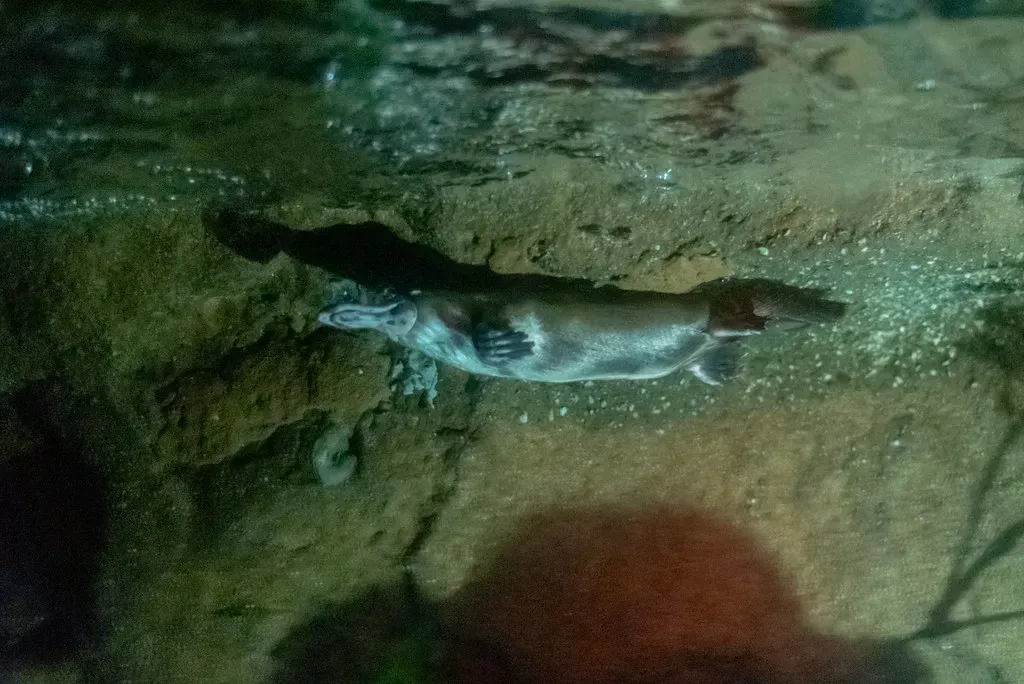
Here is the wild part: when a platypus dives, it deliberately shuts down the senses we usually consider essential for hunting. Its eyelids close tightly, the ear openings clamp shut, and the nostrils seal so no water gets in. If we tried that, we would bump into rocks, panic, and resurface gasping. The platypus, instead, slips under the surface and seems completely at ease.
This behavior has been confirmed in careful observations and experiments; the animal is not sneaking visual or auditory clues through half-open lids. It really does give up those senses underwater. The only way this makes sense is if another system takes over. That system lives in its bill – an organ so packed with specialized receptors that it practically rewrites the rulebook for how a mammal can interact with the world.
The Electric Sense Hidden in the Platypus Bill
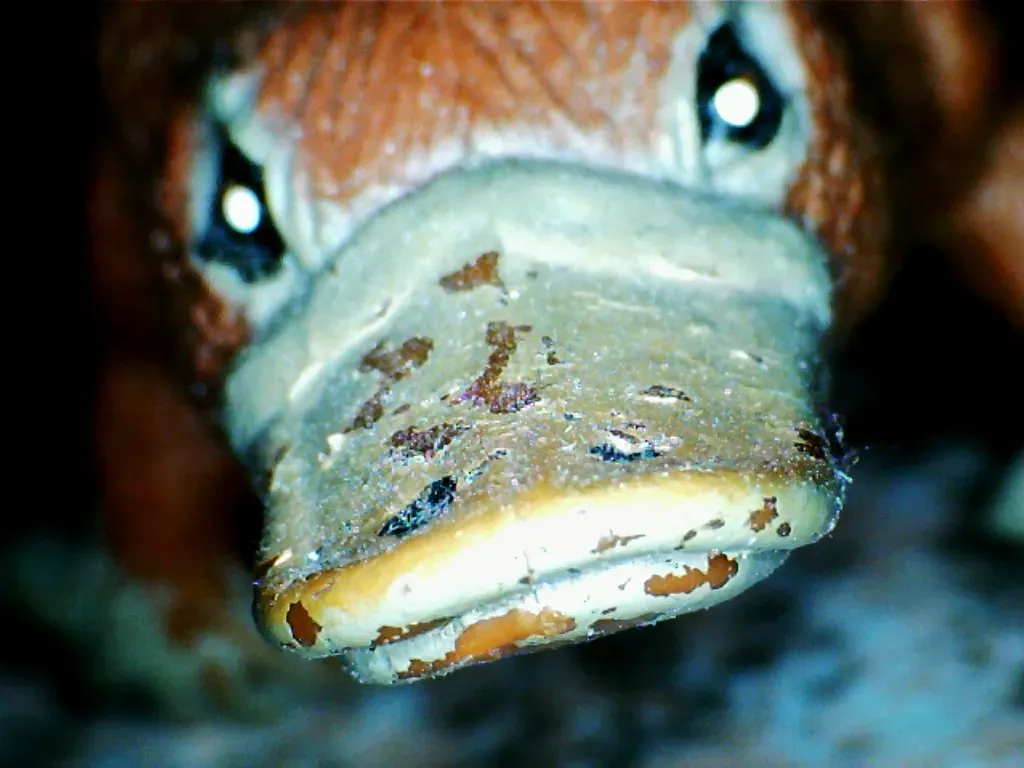
The platypus bill is not just a cute duck‑like decoration; it is a dense field of tiny sensors tuned to both touch and electricity. Embedded in the soft skin are electroreceptors that respond to the weak electrical fields produced by the muscle contractions and neural activity of other animals. Every twitch of a shrimp, every flick of a small fish’s tail, every tiny movement of an insect larva sends out an electrical whisper.
Most mammals never sense these whispers at all, but the platypus reads them like glowing trails in the dark. Scientists have mapped how the nerves from these receptors feed into specialized regions of the brain that are massively developed compared with typical sensory areas seen in other mammals. The bill is essentially a combined radar dish and ultra-sensitive fingertip, translating invisible electric fields into something the brain can perceive as a three‑dimensional, moving picture of what is happening in the water.
How Reading Electrical Signals Actually Guides the Hunt
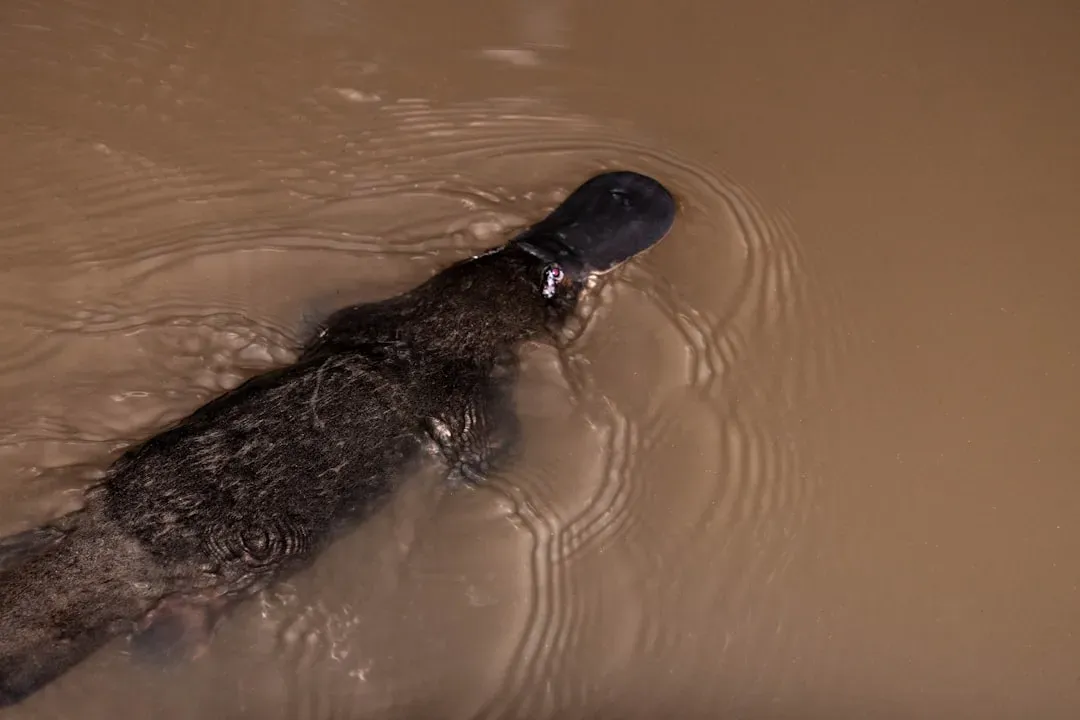
So what does it feel like to “see” electricity? We obviously do not know firsthand, but behavioral experiments give clues. When researchers change the timing and pattern of artificial electrical stimuli around a platypus, the animal shifts its head and body as if tracking invisible objects. It behaves as though those signals define where prey is, how fast it is moving, and in what direction it is heading.
Think of it this way: instead of following a visible fish, the platypus is following the dynamic electrical footprint the fish creates. As the prey moves, the pattern of electric fields changes, and the platypus constantly adjusts its trajectory. It sweeps its bill in side‑to‑side arcs, almost like someone waving a metal detector, building up a spatial map of the riverbed. In that map, live prey stand out sharply against the mostly quiet electrical background of mud, stones, and dead plant material.
Combining Touch and Electricity: A Dual-Sense Super Toolkit
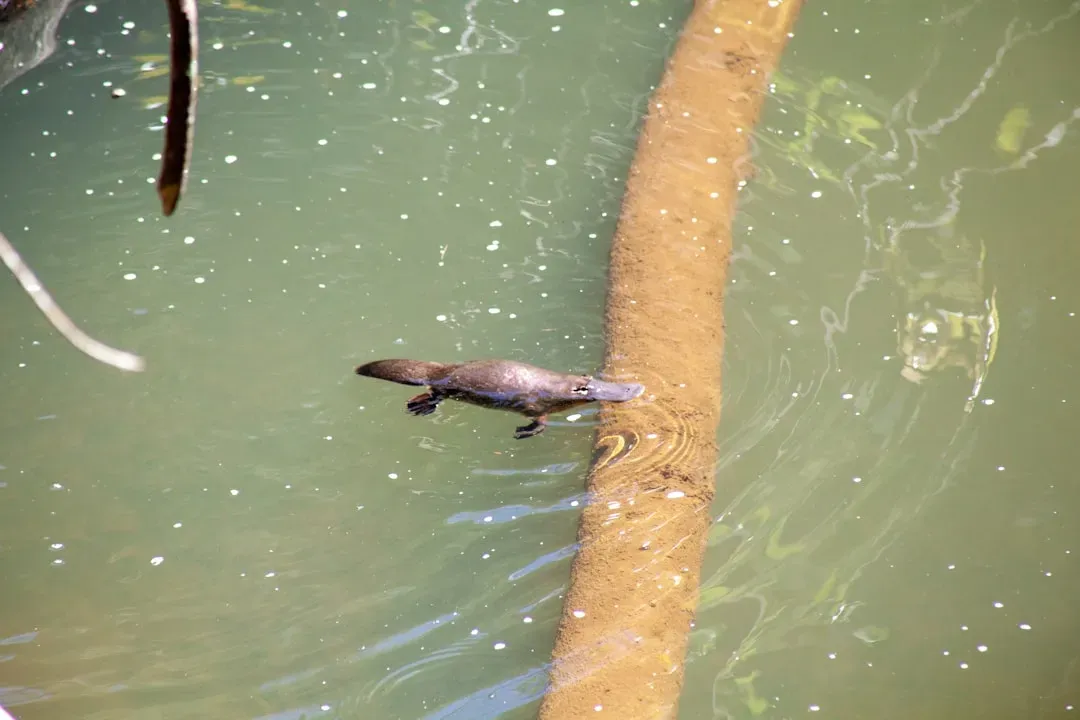
Electroreception is not working alone. The platypus bill is also packed with mechanoreceptors that detect pressure changes and vibrations in the water. When a small crustacean scuttles under sand or a worm wiggles beneath gravel, the shifting water and subtle disturbances are picked up as well. The brain then integrates electrical signals with these mechanical cues, like layering two different types of sonar on top of each other.
This dual-sense system is what really makes the platypus deadly efficient. Electricity can say that something alive is nearby and roughly where it is; touch and pressure signals refine that estimate into a precise target, even if the prey is partly buried or hidden. In practical terms, it means the platypus is not guessing where to strike. It has a richly detailed, multi-channel picture of its surroundings that most other mammals would find almost unimaginable.
Evolution’s Odd Experiment That Actually Worked Brilliantly
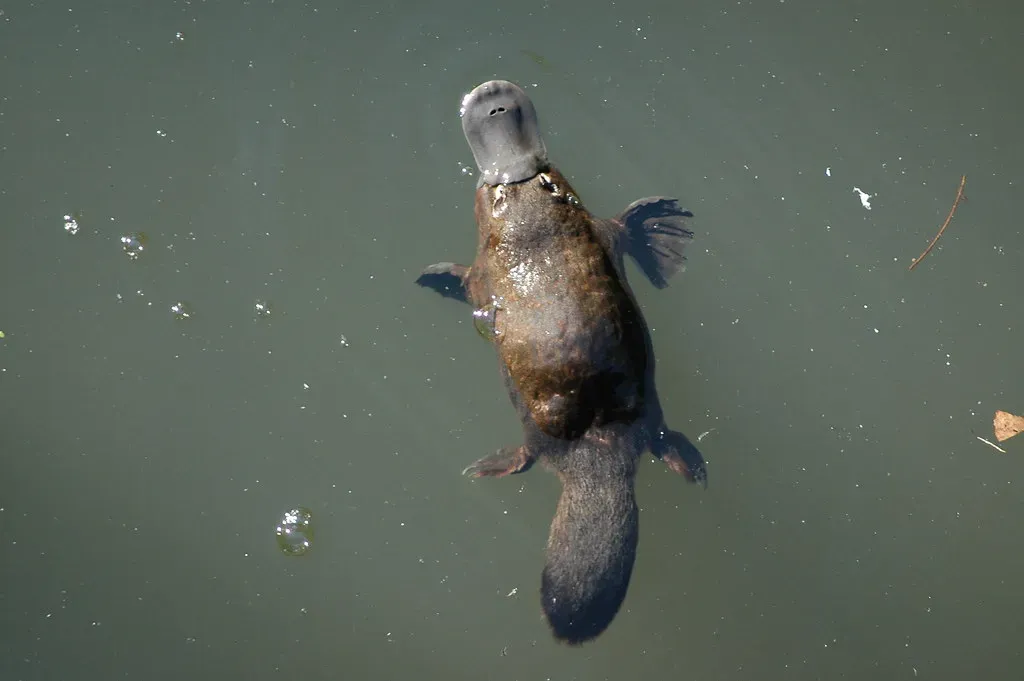
The platypus often gets labeled as nature’s joke: a mammal that lays eggs, has a duck‑like bill, a beaver‑like tail, and venomous spurs on the males. Add in underwater electrical hunting, and it sounds like someone mashed several different animals into one. But when you look closely, you realize this is not a random collection of quirks; it is a highly specialized design for a very specific lifestyle.
Living in dark, often muddy freshwater systems in Australia, the platypus had evolutionary pressure to exploit a niche where sight and sound did not help much. Electroreception, combined with tactile sensitivity, gave it a way to detect prey that other mammals largely could not compete with. So while it might look comical on land, in its own murky rivers the platypus is more like a stealth submarine, quietly running a sensory system that feels decades ahead of what we would have expected from a small, shy mammal.
How Scientists Figured Out This Bizarre Hunting Strategy
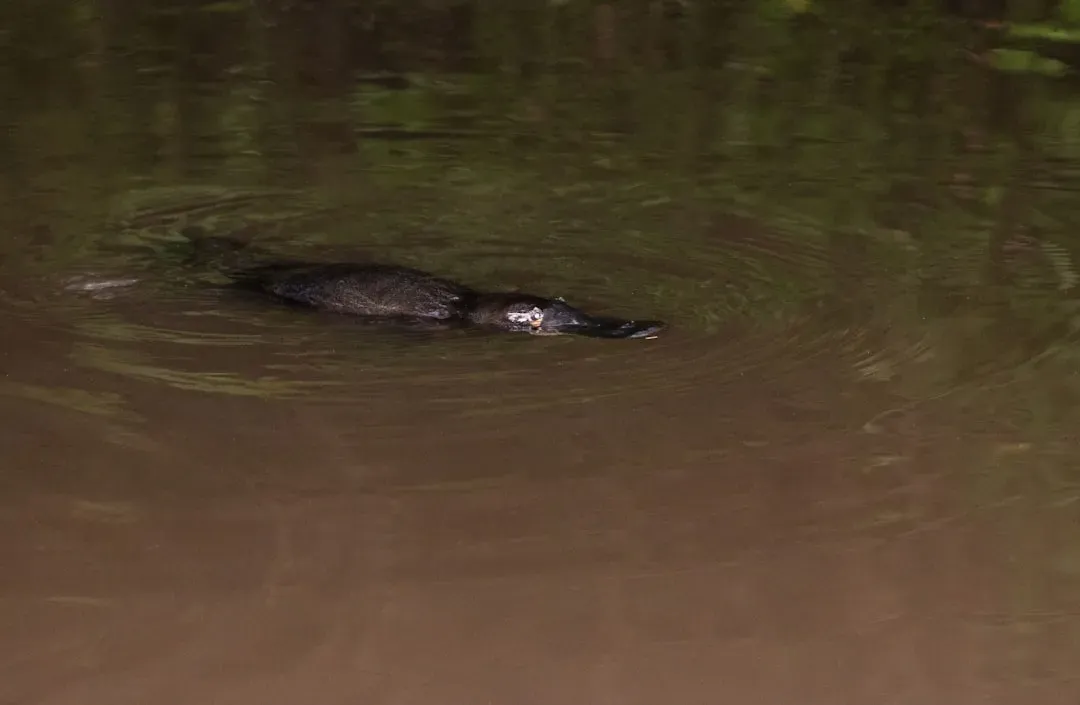
This story could easily have been dismissed as a myth if researchers had not been patient and stubborn enough to test it. Early on, scientists noticed that the platypus always closed its eyes underwater, which was puzzling. Then laboratory studies showed unmistakable nerve responses from the bill when electrical fields were applied, even at levels far below what humans can detect. Behavioral experiments then demonstrated that platypuses could locate food sources guided only by artificial electrical signals, even when all other cues were removed.
Over time, anatomical studies of the brain and bill lined up with the behavioral data. Regions of the brain linked to the bill’s electroreceptors were unusually extensive, and the way nerves were wired supported the idea of a finely tuned electric sense. In my view, this is one of the most satisfying examples of science forcing us to accept something that initially sounds too strange to be true. The platypus turned from a biological punchline into a poster child for how creative evolution can be.
Comparing Platypus Electroreception to Sharks and Other Electric Hunters
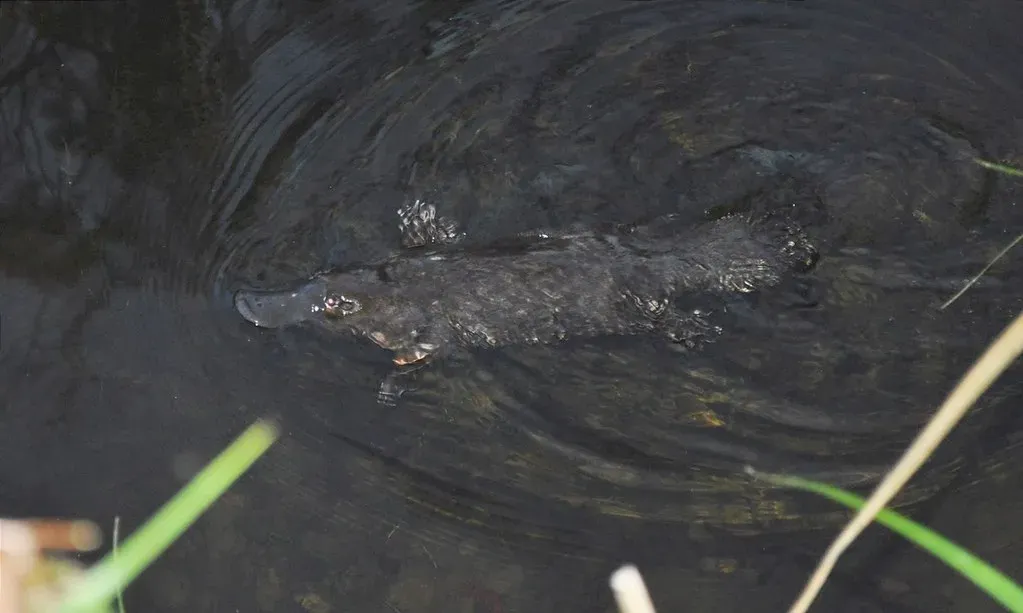
The platypus is not the only animal that can read electricity, but it is one of the rare mammals that does it. Sharks, rays, and some fish have long been known to detect electrical fields using organs called ampullae of Lorenzini. They use this sense to find buried prey or navigate using Earth’s magnetic field. On the surface, that sounds similar, but the engineering details and ecological context differ in interesting ways.
Unlike many fish that live in open water, the platypus hunts in small, often cluttered freshwater systems where obstacles are everywhere. Its electric sense is concentrated in its bill rather than scattered across the body, and that focus seems tailored to probing the messy, close‑up environment of riverbeds and banks. If sharks are like wide‑range radar systems sweeping open oceans, the platypus is more like a handheld scanner used to search tight, crowded spaces. It is the same core physics – electrical fields – but the implementation is tuned to completely different worlds.
What the Platypus Teaches Us About Senses, Brains, and Being “Different”
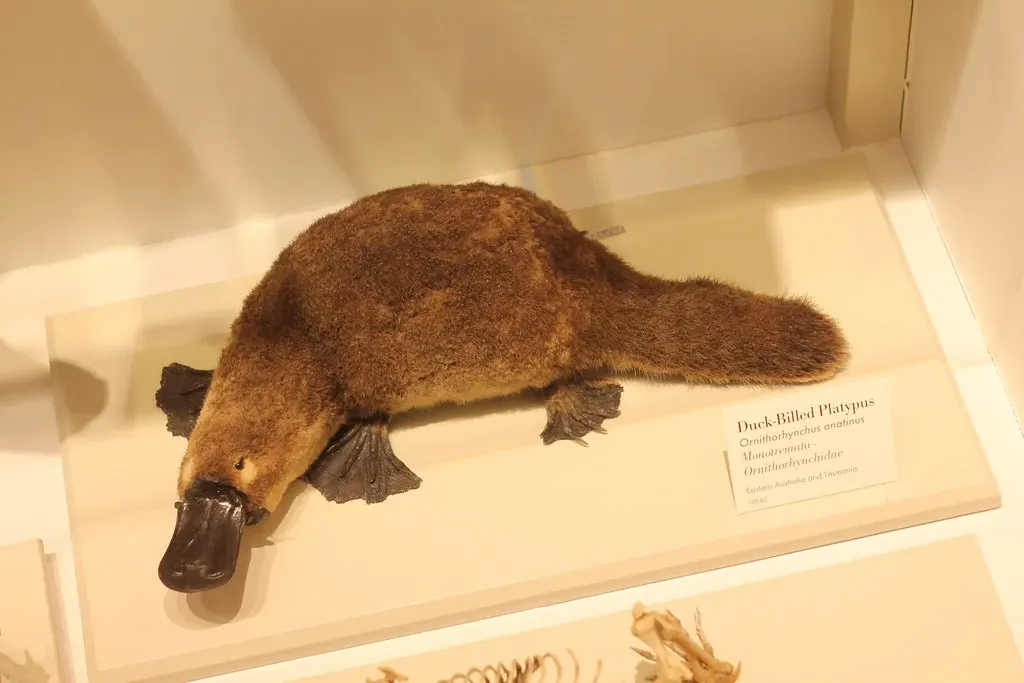
For me, the most striking thing about the platypus is how it blows up our neat categories. We are used to thinking of mammals as having a fixed toolkit of senses: sight, hearing, smell, taste, touch. The platypus casually adds another one and makes it central to its survival. It forces us to admit that our own sensory world is just one version of reality, not the default setting for all animals.
There is a bigger lesson here too. Traits that look silly or useless at first glance can turn out to be nearly perfect for a particular niche. The platypus looks like a misfit, but its closed eyes, sealed ears, and nostrils, combined with a hyper‑sensitive electric and tactile bill, make it a master of its environment. In a time when we often judge animals – and each other – by surface impressions, I think the platypus makes a strong argument for looking deeper. If one of the world’s strangest mammals can turn weirdness into a superpower, maybe being different is not just acceptable, but exactly what survival sometimes demands. Did you expect a small brown river mammal to be one of evolution’s boldest experiments?