Most people assume ancient skills fade away slowly, worn down over centuries as newer tools and materials take over. That is not what actually happened to some of history’s most sophisticated crafts. Historians keep flagging the same eerie pattern: techniques that survived wars, plagues, and the collapse of entire empires vanished almost overnight, inside the span of a single generation.
Sometimes it happened because a master died before naming an heir. Sometimes a government made the craft illegal outright. Sometimes it was simpler and sadder than that: the children just wanted a different life. Twelve times in history, that one quiet decision erased knowledge that took a thousand years to build, and what is left behind is stranger, and more revealing, than most people realize.
#12 – Viking Pattern-Welded Swordmaking
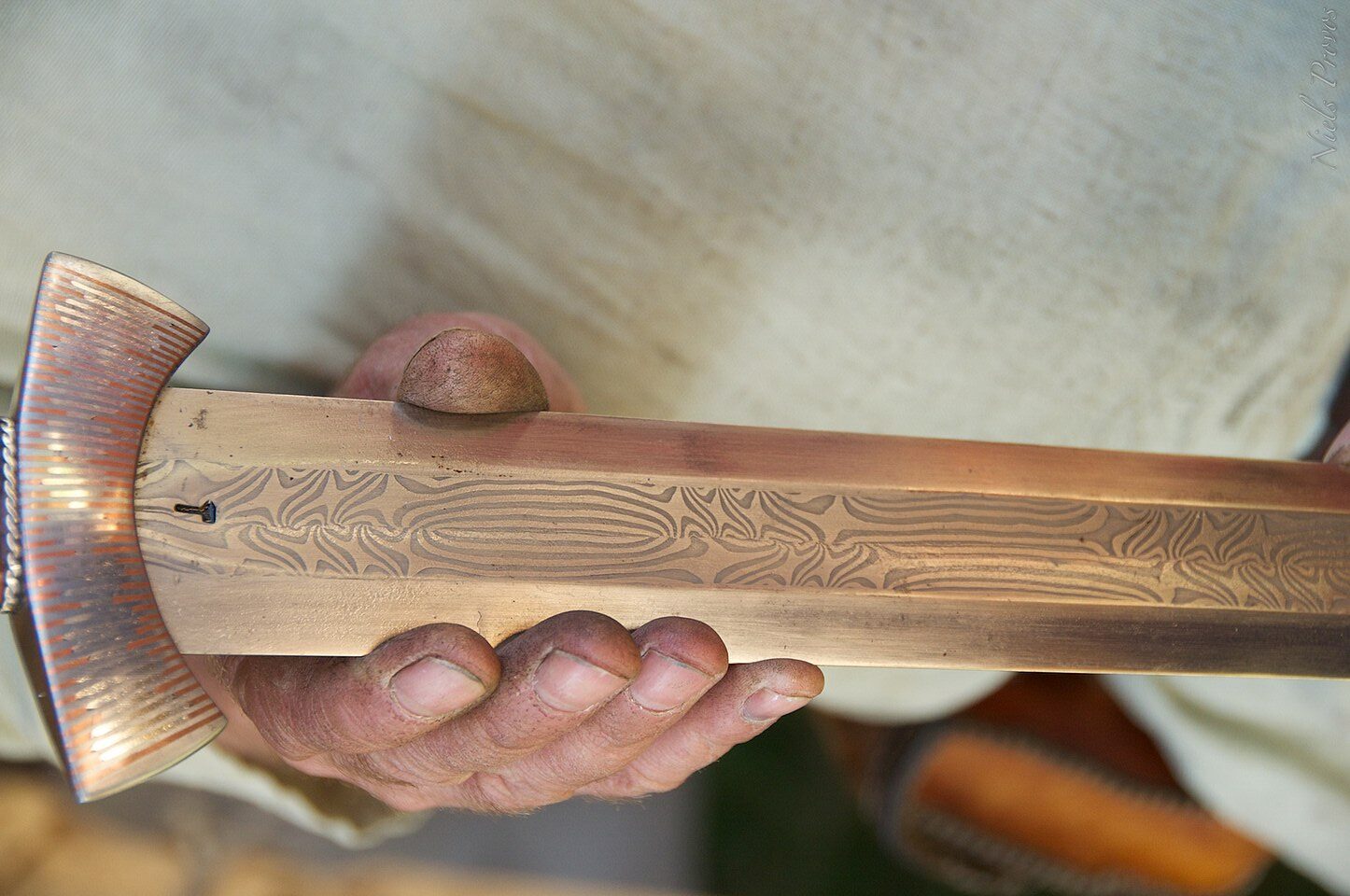
Most people imagine Viking swords as crude iron bars swung by brutes. The truth is almost the opposite. The best Viking-era blades used a technique called pattern welding, where iron and steel were twisted, folded, and forge-welded into intricate cores.
The result was a resilient, springy sword with a distinctive, almost wood-grain pattern rippling through the metal. For a brief window in early medieval Europe, only a tiny circle of smiths understood how to make these blades properly. Then the technique simply stops showing up in the archaeological record.
One reason: by the 10th and 11th centuries, higher-quality, more uniform steel became available through trade. Instead of painstakingly forge-welding strips together, smiths could forge a blade from a single steel billet. It was faster, more predictable, and far easier to teach to apprentices, so the older method suddenly looked like needless overkill.
There is a darker twist, too. Many smiths treated their methods like trade secrets, teaching only sons or favored apprentices instead of writing anything down. If that small line of transmission broke, through war, disease, or simple disinterest, the knowledge could vanish in a single human lifetime.
Modern bladesmiths have reverse-engineered rough approximations, working backward from surviving swords and metallurgical analysis. That is a very different thing from an unbroken living tradition.
Fast Facts
- Pattern-welding twisted and forge-welded strips of iron and steel into a single blade core
- The finished blade showed a rippling, wood-grain surface pattern unique to each smith
- The technique largely disappears from the archaeological record by the 10th and 11th centuries
- Higher-quality imported steel, tied to famous blades like the Ulfberht swords, made single-billet forging faster and easier to teach
But that is nothing compared to what we found about #11, where an entire island’s building technology vanished almost overnight.
#11 – Rapa Nui (Easter Island) Statue Transport & Erection

Everybody recognizes the Moai statues of Easter Island. Almost nobody realizes that the exact craft of moving and raising them was likely lost within a single disrupted generation.
For centuries, Rapa Nui carvers quarried volcanic tuff, shaped giant heads and torsos, and somehow transported them miles over uneven ground. Oral histories remembered that “the statues walked,” hinting at a specialized moving technique passed down through the same families for generations.
European contact, disease, slave raids, and internal conflict in the 19th century shattered the island’s population and social structure so quickly that the last experts in Moai logistics died without passing on their full methods. Archaeologists have proposed credible reconstructions, like rocking statues upright with ropes or sliding them on sleds and rollers, and small test teams have even “walked” replica statues successfully.
But these are hypotheses, not inherited crafts. The real work crews on Rapa Nui had generations of fine-tuned tricks: where to attach ropes, how to avoid cracking a seventy-ton block, and the songs or chants that kept dozens of people moving in sync.
Once that social system collapsed, so did the trade. Most travelers treat the Moai as mysterious art, but they are also a monument to a construction craft that likely died with a single surviving cohort of workers. That is nothing compared to what we found about #10, where a royal building technique was erased by its own successors.
#10 – Roman Opus Caementicium (True Pozzolanic Concrete)
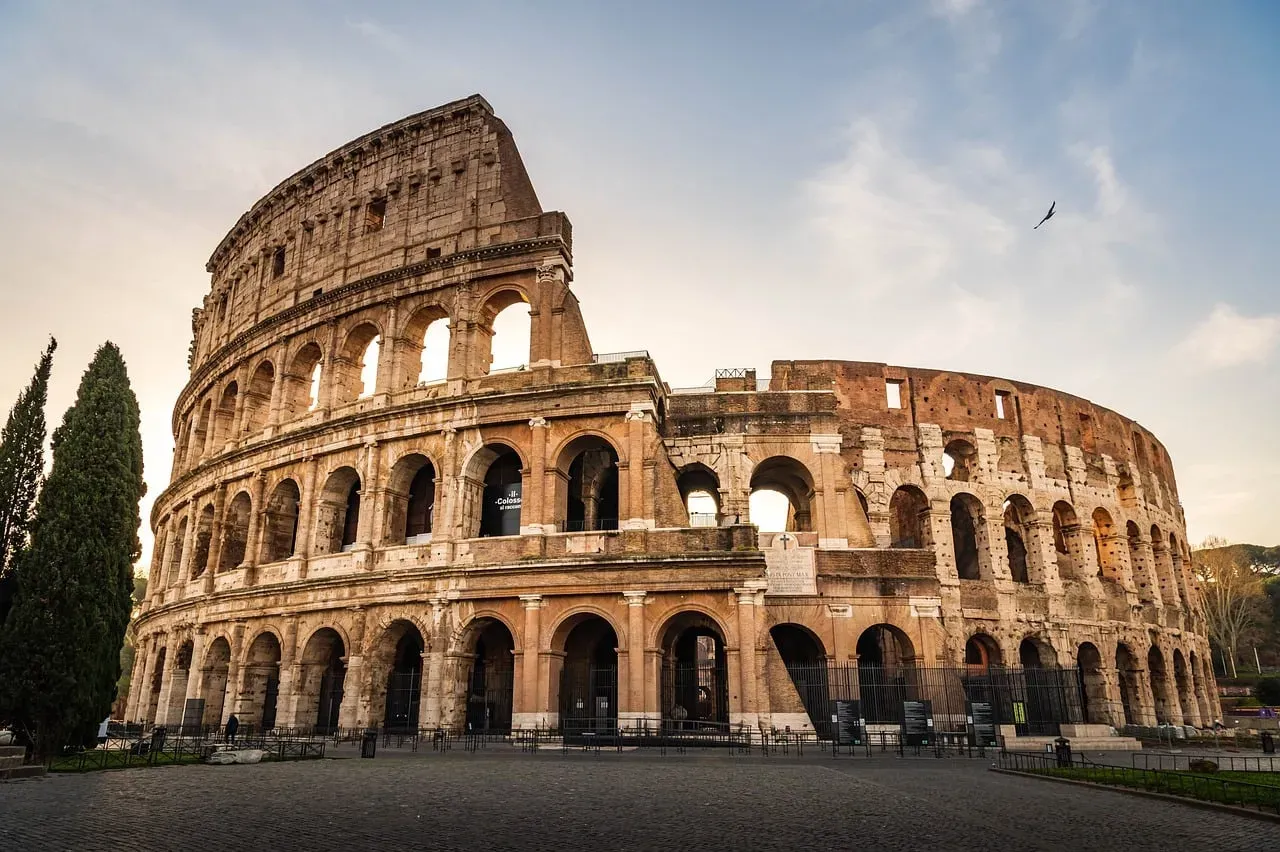
Everyone has heard that “Roman concrete” is stronger than ours. Fewer people know that the practical craft of making it was almost completely forgotten within a couple of generations after the empire’s decline in the West.
Roman builders used a volcanic ash called pozzolana, mixed with lime and aggregate, to create concrete that actually gets stronger in seawater. Structures like the Pantheon dome and the harbor piers at Cosa and Portus still puzzle engineers today.
Romans had written treatises, but construction knowledge was not just text on a page. It was day-to-day craft: knowing the right ash source, the optimal mix ratio, the curing conditions, the timing between pours, and how to adapt to whatever local stone was on hand.
As imperial trade networks fractured in Late Antiquity, access to specific volcanic materials became sporadic. New rulers favored plain stone masonry or simpler lime mortars, and within a few building generations, the masons who knew the full pozzolanic recipe were simply gone. Later medieval builders could read fragments of Vitruvius, but none of them had ever stood beside a crew mixing ton after ton of harbor concrete.
Modern engineers are still sampling Roman breakwaters, analyzing crystalline growth in submerged cores just to infer how the ancients worked. That kind of forensic reverse-engineering is a sign of a broken tradition, not a preserved one. But that is nothing compared to what we found about #9, where even the language of the craft vanished with its last masters.
#9 – Medieval European Illuminated Manuscript Workshops
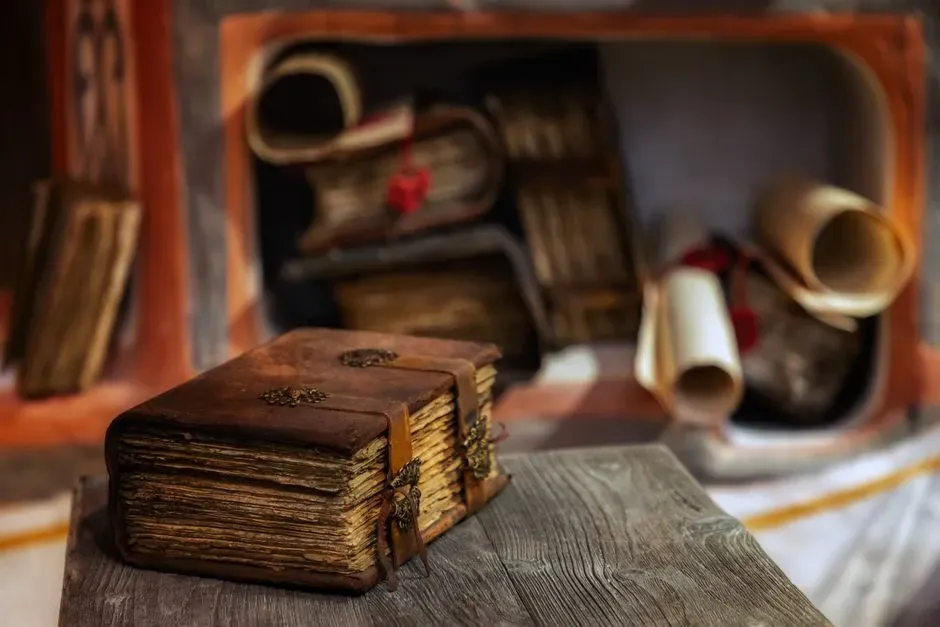
Most people see illuminated manuscripts in museum cases and assume they were just “fancy handwriting.” That is wildly wrong. The high medieval scriptoria that produced jeweled Bibles and Books of Hours ran like specialized micro-factories, with pigment grinders, goldbeaters, parchment makers, scribes, and miniature painters all working tightly choreographed roles.
The most advanced centers, particularly in late Gothic France and Flanders, used pigment recipes, underdrawing tricks, and gold application methods that were privately held workshop secrets. When those family and guild workshops shut down in favor of printed books, huge chunks of practical technique disappeared in a single generation.
Print did not phase in gently; it undercut the entire business model. By the early 16th century, demand for hand-copied liturgical books collapsed in many regions. Younger apprentices sensibly moved into printing, bookbinding, or secular illustration, while elder masters clung to old methods with no economic reason left to train full teams.
Conservators today can identify the pigments used, ultramarine, vermilion, lead-tin yellow, but the exact workflows are missing. How many layers made that glass-like blue? What binder ratios kept gold leaf from cracking after six hundred years? When a restorer says “we’re not sure” about a technique tied to a specific workshop school, that hesitation is the tell: the line of oral teaching snapped.
Museum labels praise the beauty of these books, but plenty of historians quietly see them as evidence of a precision color technology that died out faster than almost any other European art craft. That is nothing compared to what we found about #8, where an entire navigational discipline nearly vanished in a single cultural pivot.
#8 – Traditional Polynesian Deep-Ocean Wayfinding (Pre-Renaissance Form)
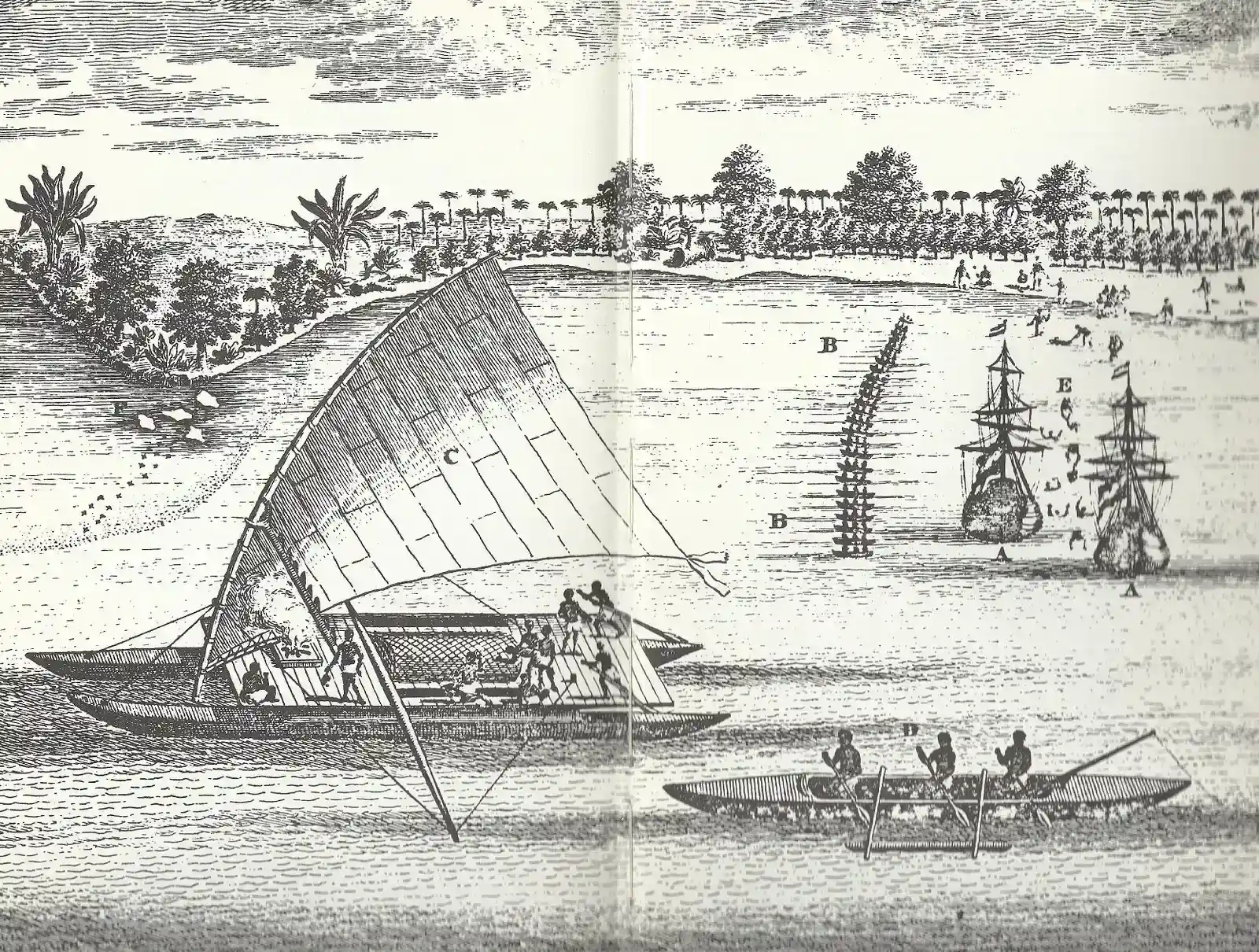
It is trendy now to celebrate Polynesian navigation, but the dark footnote is that in many island groups, the full craft almost blinked out within a few decades once Western charts and engines arrived.
Traditional wayfinding combined several senses at once, layered over years of training:
- Star paths memorized for specific voyages
- Ocean swells and cross-swell patterns read through the hull
- Bird flight, cloud reflections, and subtle color bands on the horizon
Navigators trained from childhood, and some sailed thousands of miles without a single instrument. But when colonial authorities introduced steel ships, engines, and paper charts, young islanders were told that “real” seamanship meant a compass and a chronometer, not lying on the deck at night feeling the swell move through your spine.
By the mid-20th century, only a literal handful of master navigators remained in parts of Micronesia and Polynesia. If those last men had not been deliberately recorded, and in one famous case, persuaded to teach again, their lineages would have died with a single aging cohort. In some islands, that is exactly what happened.
The modern revival, led by figures like Mau Piailug in the 1970s and 80s, was heroic but partial. It is powerful proof of what can be saved, and also a grave marker for the branches of the craft where the last expert died before anyone thought to ask the right questions. That is nothing compared to what we found about #7, where an entire luxury market vanished so fast its recipes never got written down.
#7 – Imperial Purple Dyeing From Murex Snails
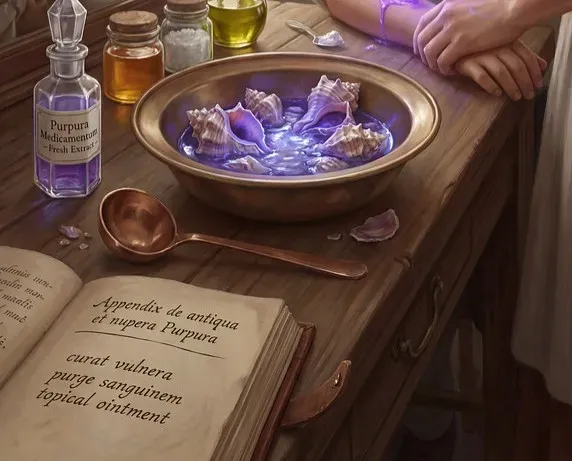
Tyrian purple, the fabled royal dye, once stained the robes of emperors and high priests. Produced from the secretions of Murex sea snails, it required brutal labor: thousands of snails, precise timing, and a notoriously foul-smelling fermentation process.
For centuries, the craft was concentrated in a handful of coastal cities. Then it simply stops. Economic collapse, shifting religious sensibilities, and cheaper, more socially acceptable dyes like kermes and later cochineal all hit at once.
Laws restricting who could wear purple meant the customer base was tiny to begin with. When imperial backing eroded, workshops closed fast, and with so few centers and such a small specialist workforce, it was entirely possible for the last living masters of true imperial purple to retire or die within a single generation, leaving no apprentices in the pipeline.
Purple, which used to shine on the shoulders of our leaders and to distinguish one order of dignity from another, has now been given over almost entirely to feminine use.
Pliny the Elder
Quick Compare
| Dye | Source | Status |
|---|---|---|
| Tyrian Purple | Murex sea snails | Reserved for emperors and high priests |
| Kermes Red | Scale insects | Affordable substitute for lower nobility |
| Cochineal | New World scale insects | Mass-produced after European contact with the Americas |
Archaeologists have found dye vats and shell mounds, and modern chemists have coaxed purple from Murex using educated guesswork. But accounts from Late Antiquity already sound uncertain, describing legend more than living practice. That is nothing compared to what we found about #6, where a single political purge took down both a craft and its craftsmen.
#6 – Qin Dynasty Terracotta Army Mass-Production Workshops
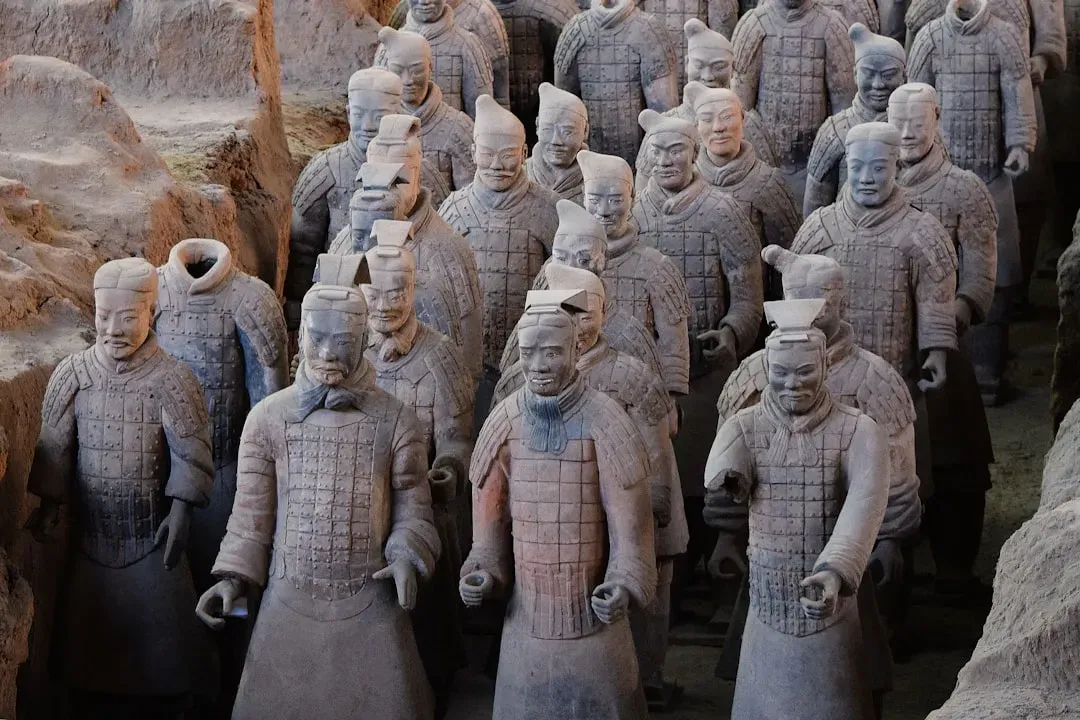
The Terracotta Army in China’s Shaanxi province is usually framed as an art marvel. It is actually a manufacturing miracle. Qin craftsmen around the third century BCE produced thousands of near life-sized figures, soldiers, horses, acrobats, using modular production, with heads, hands, legs, and torsos standardized and then customized with surface detail.
Scholars believe highly specialized teams controlled the clay recipes, firing curves, pigment layers, and bronze fittings. When Qin Shi Huang died and the dynasty collapsed soon after, many of these artisans were likely killed, dispersed, or reassigned.
Ancient sources even suggest that craftsmen who worked on the tomb complex were sealed inside or executed to protect its secrets. If even a fraction of that is true, it is a nightmare scenario for craft continuity, the entire expert workforce erased in a single political transition.
There is no evidence that later Han workshops ever reproduced terracotta burial armies at anything like the same scale or technical sophistication. Today, conservators fight flaking pigments and clay degradation partly because they lack any direct knowledge of the original firing conditions and coatings.
This is what it looks like when a craft is not outcompeted but decapitated. That is nothing compared to what we found about #5, where a “simple” food craft quietly died out in plain sight.
#5 – Traditional Stone-Ground Nixtamal Tortilla Making (Urban Mexico)
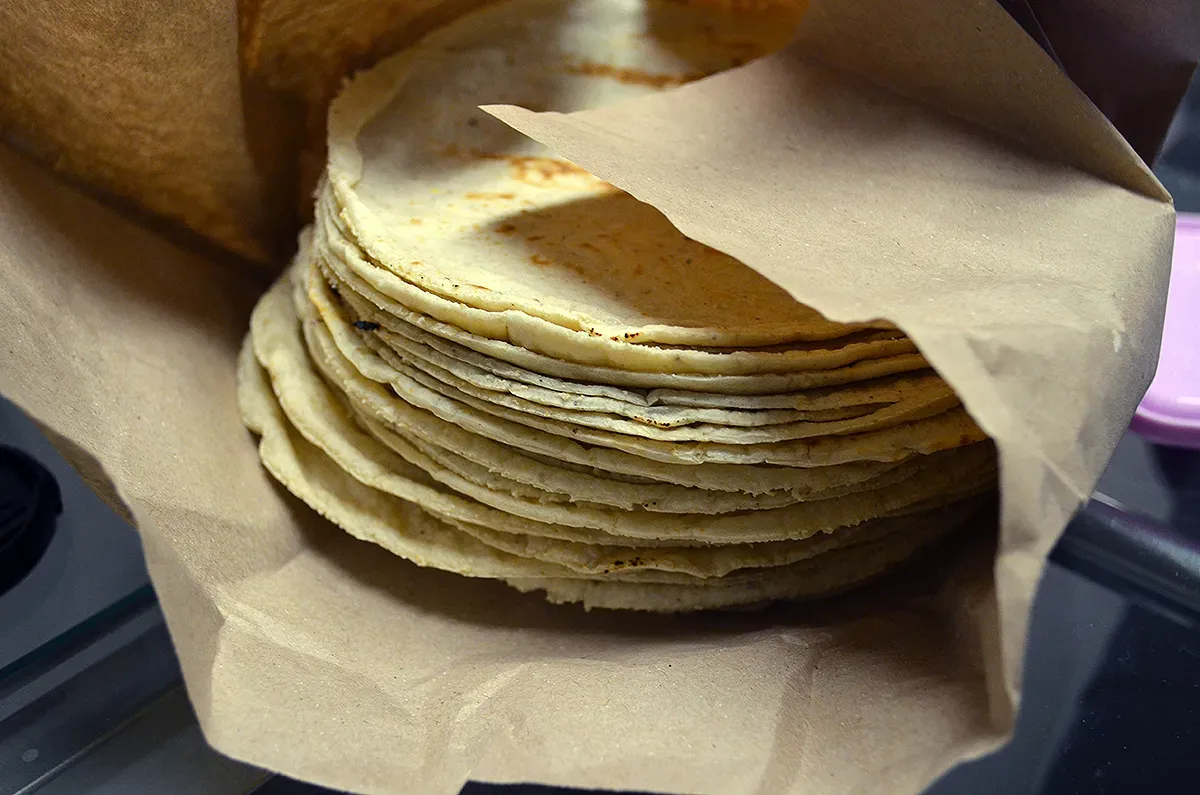
Nixtamalization, the alkaline treatment of maize, goes back thousands of years in Mesoamerica, and the chemistry is still used today. But the specific, home-based craft of hand-washing, grinding, and patting out tortillas from fresh nixtamal effectively died out in one generation in many urban Mexican neighborhoods during the late 20th century.
For centuries, families soaked corn in lime, washed it, then ground it on a metate. Tortillas were shaped and cooked fresh, daily, by hand. Then came three changes at once:
- Mechanized mills producing ready-made masa
- Industrialized harina, or dried flour
- Women entering wage labor outside the home
In a single generation, many daughters who grew up eating hand-ground tortillas never learned the full craft from their mothers. Why would they, when the local tortillería sold stacks of uniform tortillas cheaper and faster? The sensory nuances, how the kernels should feel between finger and thumb, the exact sound of dough hitting the comal, were never written down. They were embodied habits, and habits die quietly.
By the early 2000s in many cities, you could find grandmothers who remembered the full process and maybe one surviving metate in the house, but no adult children who had ever truly mastered the daily grind. In other words, the craft did not fade because it was weak. It was too strong, and too taken for granted, to be seen as vulnerable until it was almost gone. That is nothing compared to what we found about #4, where even modern locksmiths admit they still do not fully understand how it was done.
#4 – Master-Level Medieval Lock and Puzzle Mechanism Making
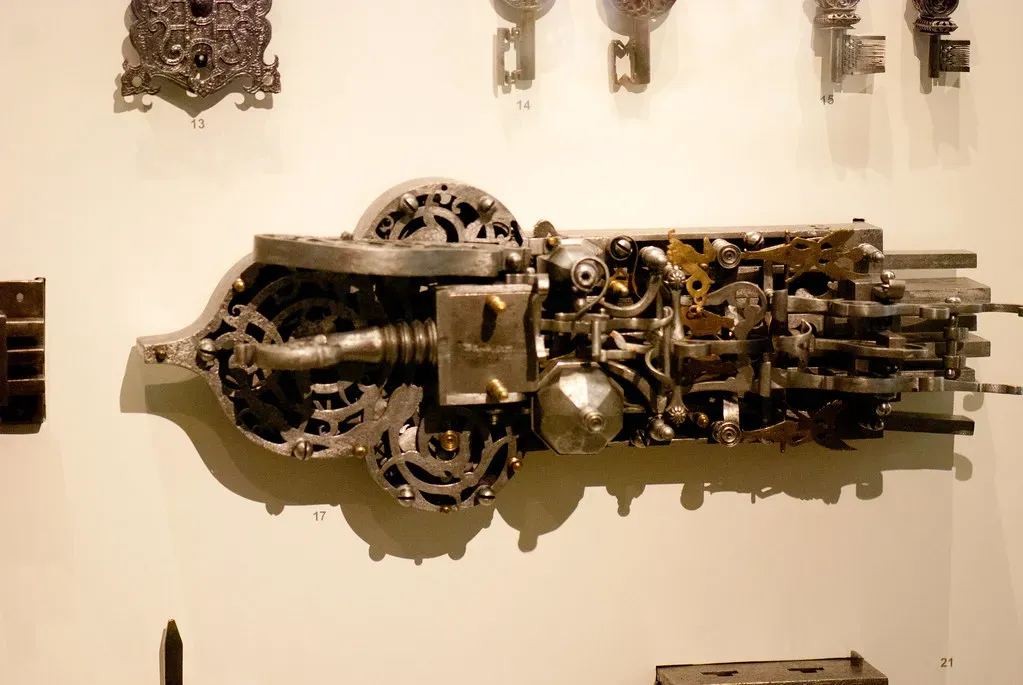
Medieval Europe loved elaborate locks: caskets with hidden catches, doors with multi-bolt systems, traveling chests protected by puzzle mechanisms. Some of the most complex pieces, especially 15th and 16th century German and French work, show an engineering flair that modern locksmiths still marvel at.
These were not mass products. They were one-off commissions by a tiny number of master smiths who blended metallurgy, mechanical ingenuity, and something close to stage magic. When tastes shifted toward plainer ironwork, and later toward factory-produced locks, that boutique economy vanished within a generation or two.
The problem is not that we misunderstand springs and levers. It is that the full repertoire of tricks, decoy keyholes, self-resetting sliders, multi-axis tumblers, was often guarded knowledge, passed from master to one or two chosen heirs. If that heir preferred firearms, clocks, or urban real estate instead, which was very common by the 18th century, the high-art lock tradition simply stopped in that line.
Conservators opening old strongboxes today sometimes find mechanisms that do not match any surviving pattern book. You can reverse-engineer what a bolt does, but you cannot reconstruct the mental playbook the smith used to design it in the first place.
Worth Knowing
- Some chests hid decoy keyholes designed to trap or mislead thieves
- Multi-bolt systems could fire several locking bars from a single turn of the key
- A handful of surviving mechanisms still have no match in any known pattern book
- German centers like Nuremberg became famous for this kind of high-art locksmithing
Modern escape-room props mimic the vibe, but their internals are crude by comparison, proof that having more technology does not automatically revive a lost craft. That is nothing compared to what we found about #3, where a musical technology evaporated in the time it took one generation to grow up with radios.
#3 – Wax Cylinder Field Recording and Hand-Cutting Craft

Early sound recording was not just about Edison’s inventions. There was an entire craft of on-location, wax-cylinder field recording that peaked in the late 19th and early 20th centuries, and then vanished within a single professional generation.
Operators traveled with fragile gear: a horn, a diaphragm, a stylus, and soft wax blanks. Getting a usable recording demanded a series of tacit, almost invisible skills:
- Positioning performers relative to the horn
- Judging volume to avoid overcutting or undercutting the wax
- Adjusting stylus pressure by feel and sound alone
When disc recording and electrical microphones arrived, wax-cylinder outfits looked instantly obsolete. Companies stopped manufacturing blanks, and field recordists either retrained on new systems or left the business entirely.
By mid-century, almost nobody was practicing the daily ritual of cutting wax by ear in uncontrolled environments. A few late practitioners may have lived into the 1940s or 50s, but they were not teaching apprentices anymore; they were warehouse clerks or retirees.
Modern experimental sound artists have rebuilt cylinder recorders, but they are rediscovering the rules from scratch: how humidity affects the wax, how much you can safely shave off, what vocal tone actually cuts cleanest. That is nothing compared to what we found about #2, where urban renewal accidentally wiped out an entire invisible trade.
#2 – 19th-Century Urban Night-Soil Collection and Processing

Nobody likes to talk about human waste, but historically it was a massive, skilled industry. In cities like London, Paris, New York, and Tokyo, teams of night-soil men collected human excrement from cesspits and privies, hauling it away for use as fertilizer or disposal.
The best crews were not just muscle. They carried intimate knowledge of city layouts and underground access points, specialized tools for digging, pumping, and sealing, and tacit techniques for minimizing odor and disease risk that took years to build.
When sewer systems rolled out, the transition was brutally fast. Within one working generation in some cities, the old night-soil routes, disposal fields, and handling tricks became irrelevant almost overnight.
The workers were stigmatized and often desperate to leave the job, so almost nobody was proud to teach their children “how to do it right.” An entire technical culture, complete with jargon, hand signals, and workarounds, vanished with its last aging practitioners.
Even historians struggle to reconstruct the details, because the men rarely wrote memoirs and reformers described the trade as filth to be eliminated, not knowledge worth documenting. Ironically, modern sustainability experts revisiting nutrient cycling now wish they knew more about how pre-sewer cities managed waste at scale. That is nothing compared to what we found about #1, where a government literally targeted a craft for extinction.
#1 – Pre-Colonial Fire-Stick Land Management by Indigenous Australians

Today you will see headlines calling “Indigenous fire management” a climate solution. What they rarely admit is how much of that knowledge was already killed off, region by region, in single-generation shocks.
For tens of thousands of years, Aboriginal groups across Australia used low-intensity, carefully timed burns to manage vegetation, improve hunting, and reduce catastrophic wildfire risk. This was not generic bush-burning. It was:
- Seasonally tuned to exact conditions
- Species-specific, matched to what grew where
- Embedded in songlines that mapped when and where to burn
When colonial authorities criminalized burning, displaced communities, and removed children, an enormous number of local fire traditions lost their last fluent practitioners in a single generation. Older men and women who had lit country since childhood suddenly had no land rights, no ability to practice, and often no children present to teach.
In some regions, elders later reported that they simply stopped sharing detailed burning stories, because as one explained it, “no one wanted to know.” What survives today is precious but partial, a patchwork of living knowledge in some places and guesswork pieced together from oral histories, scar patterns, and satellite imagery in others.
Why It Stands Out
- Burning was timed to season, species, and local conditions rather than applied uniformly
- Songlines encoded when and where specific country should be burned
- Modern land managers are now working with remaining knowledge holders to revive cultural burning
- Unlike most crafts on this list, its loss is linked to measurably worse wildfire outcomes today
Unlike most romanticized “lost arts,” this one has measurable, present-tense consequences. Landscapes burn hotter and more unpredictably today in exactly the places where those fine-grained burning traditions died with their last keepers.
The Bottom Line
These twelve examples are not just quirky trivia about forgotten jobs. They are proof of how brittle human knowledge really is. A craft can survive conquests, plagues, and centuries of technological change, and then vanish because one generation changed careers, one dynasty collapsed, or one government decided a practice was backward.
The uncomfortable truth is that our species keeps losing complex, field-tested solutions not because they failed, but because they did not fit the new story we wanted to tell about “modern life.”
What should worry us is how familiar the pattern feels. Hyper-specialized experts. Economic shocks that wipe out an industry overnight. Younger people pushed into “respectable” careers instead of the family trade. That is not ancient history, that is this decade.
If a single policy change or passing trend could erase Viking metallurgy or Indigenous firecraft, it is worth asking what skills we are quietly letting die with today’s retirees, right now, without even noticing. Did we miss a lost craft you think belongs on this list, or disagree with one we included? Drop it in the comments and defend your pick.