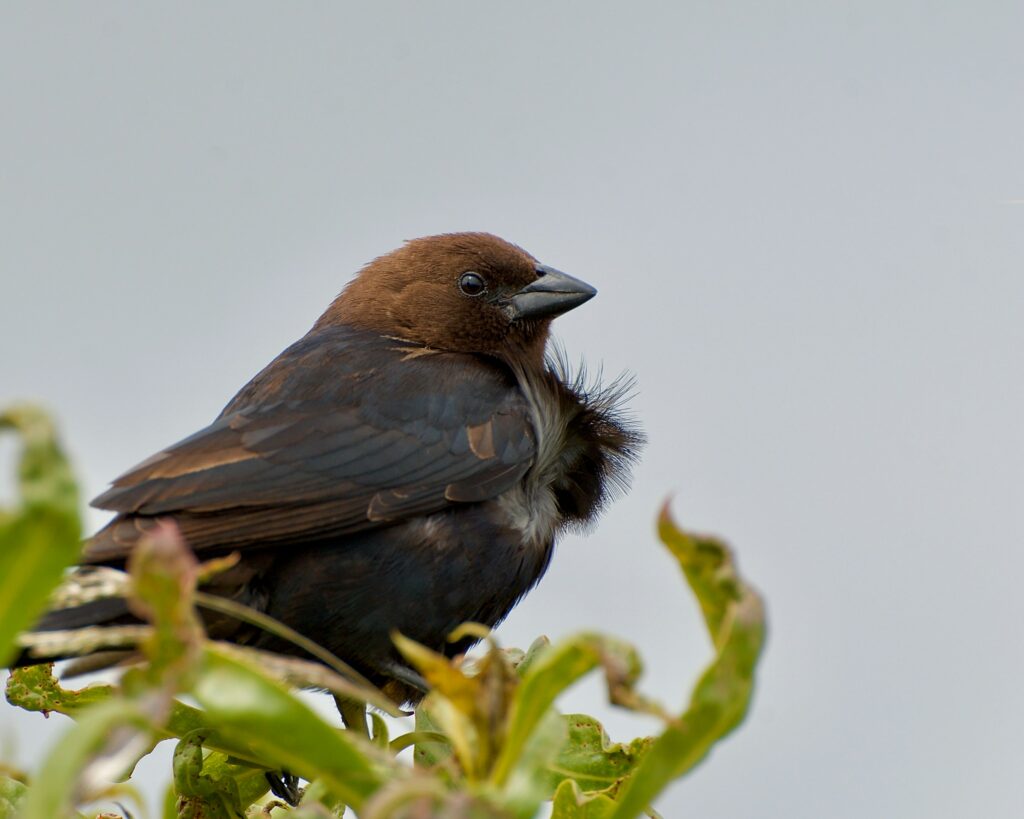
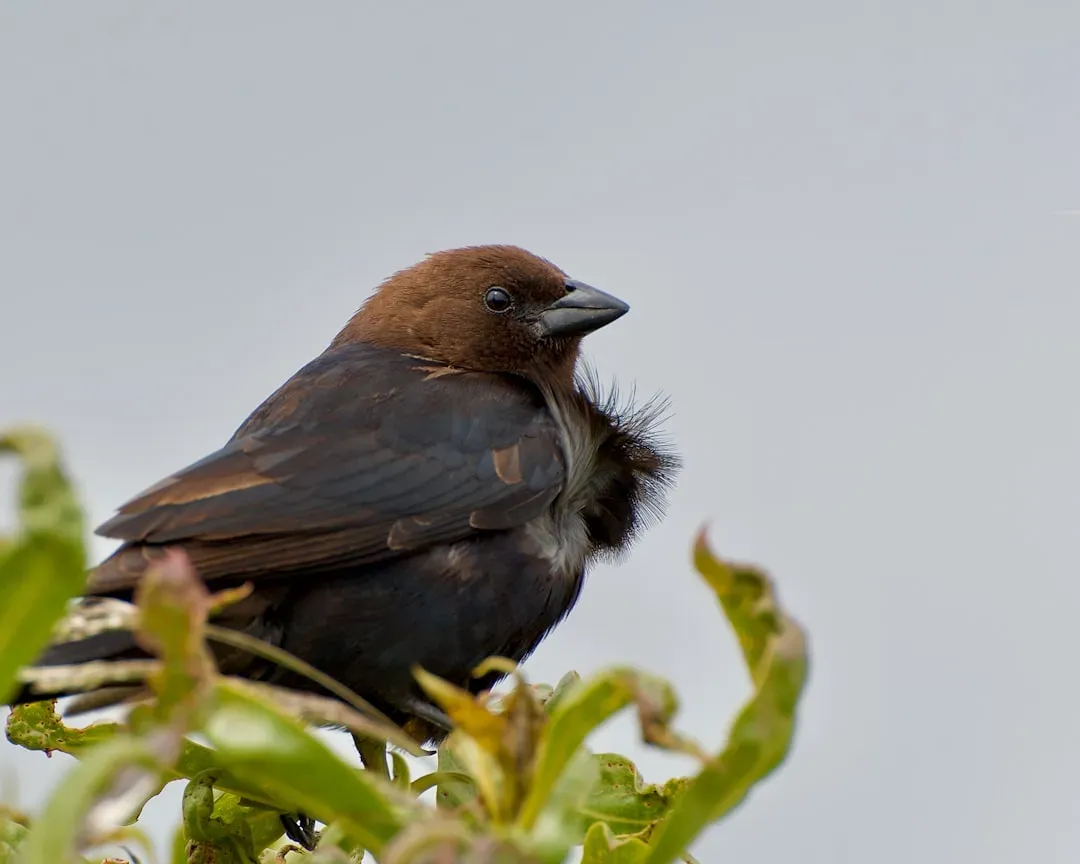
You see a small, dark bird with a chocolate-brown head sitting quietly in a shrub, staring at another bird’s nest like it’s watching a live reality show. It is not just casually bird-watching; it is likely plotting. When a brown-headed cowbird hangs around another bird’s nest, you are watching one of the strangest parenting strategies in the animal world unfold right in front of you.
This behavior can feel a bit unsettling, especially when you realize the cowbird never plans to raise its own young. Instead, it uses other birds as unsuspecting foster parents. Understanding what this really means pulls you into a surprisingly dramatic story of stealth, strategy, and survival that is playing out in backyards, fields, and forests all over North America.
That “Innocent” Perch Nearby Is Usually Strategic Surveillance
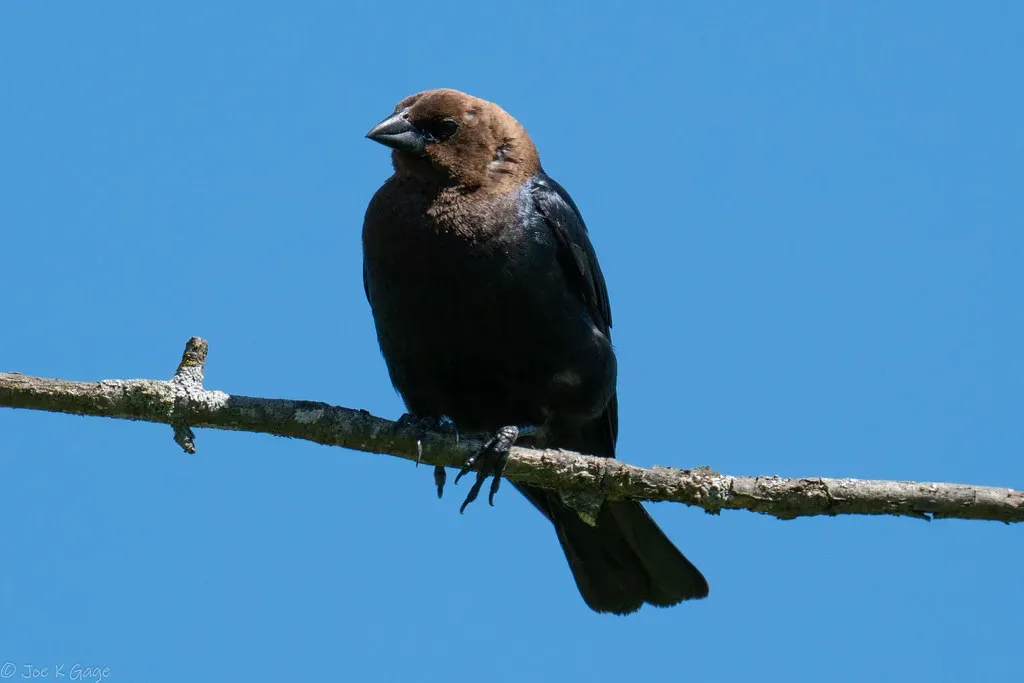
When a brown-headed cowbird lingers near another bird’s nest, it is almost never random. Cowbirds are brood parasites, which means they lay their eggs in the nests of other bird species and let those birds do all the child-rearing. To pull this off, they have to know exactly where active nests are and what stage of nesting the hosts are in.
Perching quietly nearby is a form of surveillance. The cowbird is essentially running a stakeout, watching to see when the nest owner comes and goes, how many eggs there are, and whether the coast might be clear for a lightning-fast visit. From a distance it looks like a calm bird on a branch. Up close, it is more like a spy gathering intel.
The Cowbird Is Timing Its Egg-Laying Down to a Narrow Window
Cowbirds do not just drop an egg whenever the mood strikes; they need their egg to hatch around the same time as the host’s eggs so the foster parents accept the intruder. By watching the nest, the female cowbird can figure out whether the host has just started laying, is in the middle of laying, or is about to begin incubating. That timing is everything for the cowbird’s success.
Once she knows the nest is at just the right stage, the cowbird will wait for a short moment when the nest is unguarded and then slip in, often in less than a minute. Sometimes she removes or damages one of the host’s eggs so her own egg blends into the clutch and does not raise suspicion. That quiet watching beforehand is basically her way of syncing her life cycle with someone else’s schedule.
Host Birds Are Often Completely Unaware of the Plot
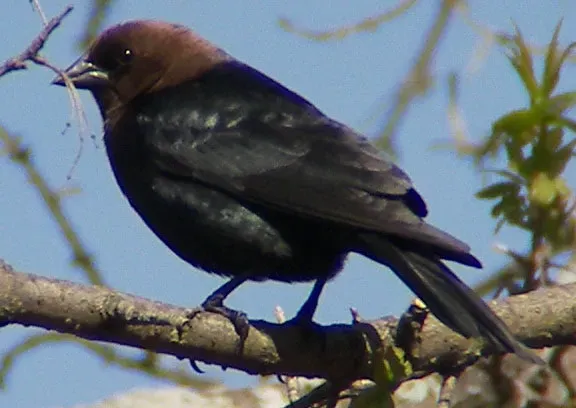
Most of the time, the birds that own the nest have no idea they are being watched, let alone targeted. Many songbirds are intensely focused on foraging, defending territory, and keeping predators away. A cowbird sitting a short distance away can easily be dismissed as just another bird in the neighborhood, not a specialist parasite planning a hostile takeover of their nursery.
Even after the cowbird lays its egg, many host species cannot tell there is an imposter in the mix. Some do recognize the odd egg and remove it or abandon the nest, but a lot of species just accept it. That means the quiet cowbird you saw earlier may end up getting exactly what it wanted: free childcare from parents who never consented to the arrangement.
There Is a Dark “Enforcer” Side to Cowbird Behavior
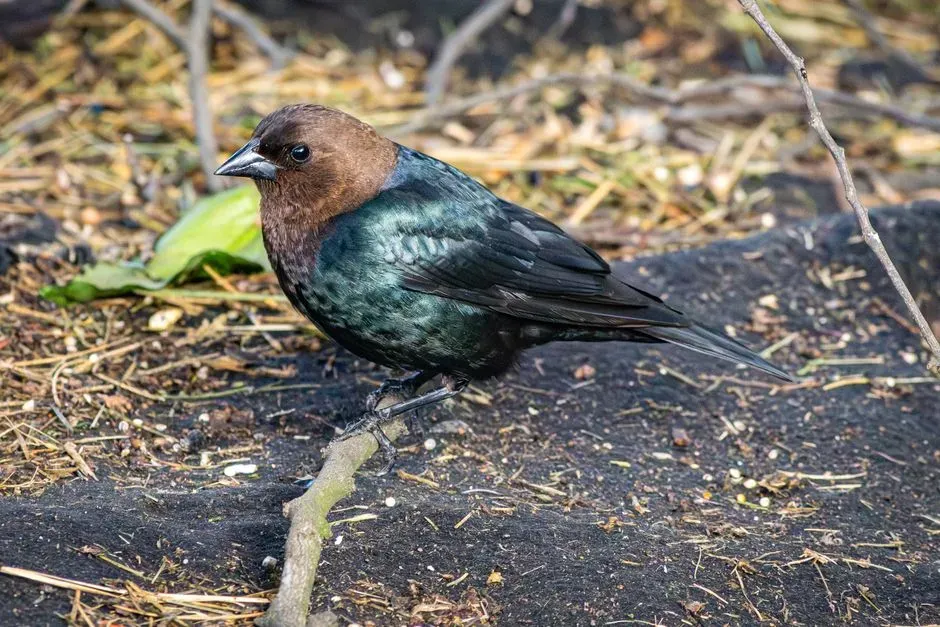
It sounds almost unbelievable, but there is evidence that cowbirds sometimes punish hosts that reject their eggs. In some systems, if a host bird tosses out a cowbird egg or abandons it, cowbirds will later return and destroy the nest, damaging or eating the host’s eggs. This turns the relationship into something that looks disturbingly like extortion, where compliance is safer than resistance.
So when a cowbird is watching a nest from nearby, it is not just scouting for an easy opportunity. That bird might be keeping tabs on whether its egg has been accepted or rejected. If the host removes it, the cowbird may come back and wreck the nest, essentially sending a brutal evolutionary message: cooperate with raising my chick, or lose your entire family. From a human perspective, it feels ruthless; from the cowbird’s perspective, it is just what works.
Cowbird Watching Also Reveals How Highly Adapted They Are
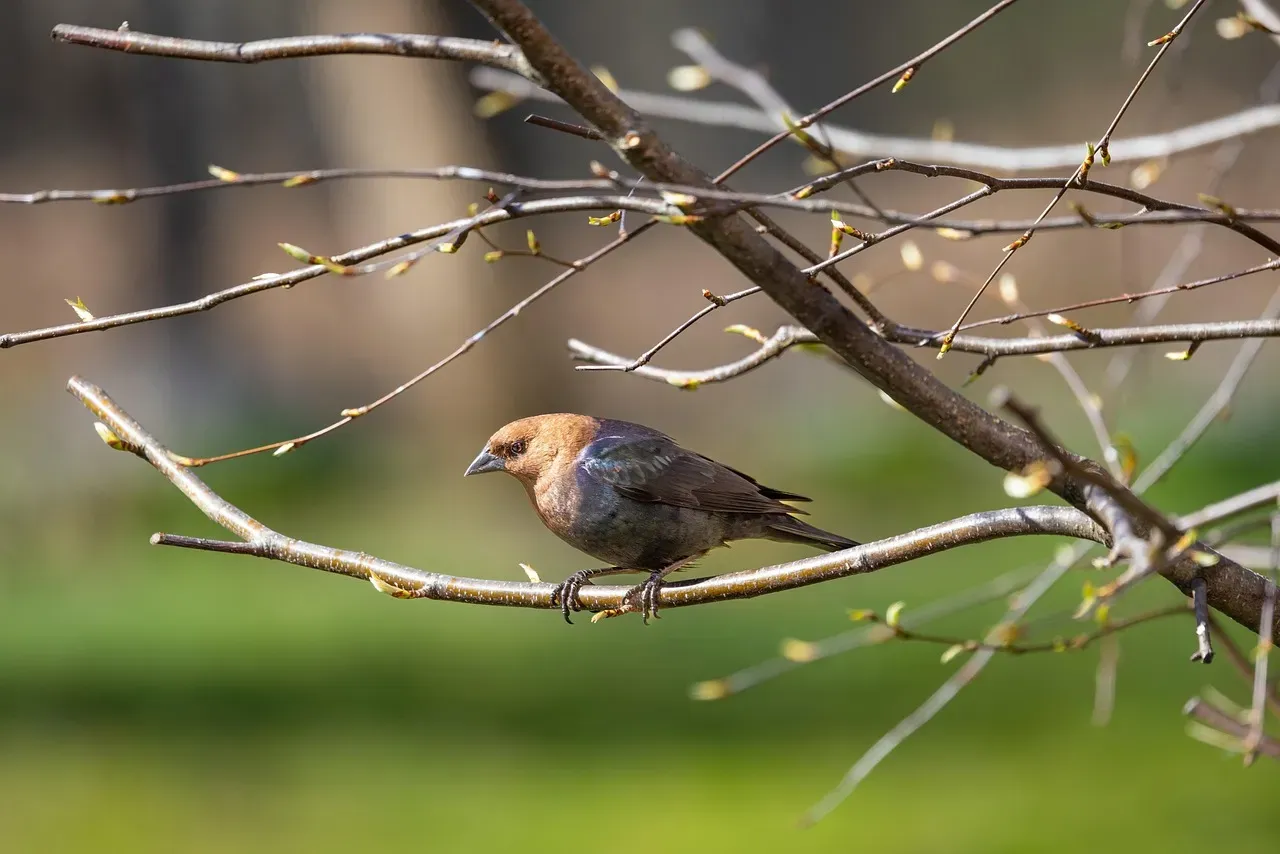
For a bird that never builds its own nest, cowbirds are surprisingly tuned in to the details of nesting behavior in dozens of other species. By watching from nearby, they are reading the social and physical cues of their potential hosts: how often they visit the nest, how vigilant they are, whether both parents are around, and even where the nest is placed in the habitat. All of that information feeds into their decision to parasitize or move on.
This is not random loafing. It is the result of a long evolutionary history where only the most observant, best-timed, and most strategic cowbirds managed to get their genes into the next generation. The bird on the fence line or in the shrub is, in a very real sense, the product of centuries of natural selection fine-tuning its ability to watch, wait, and pick its moment.
The Emotional Reality: It Often Spells Trouble for the Host’s Chicks
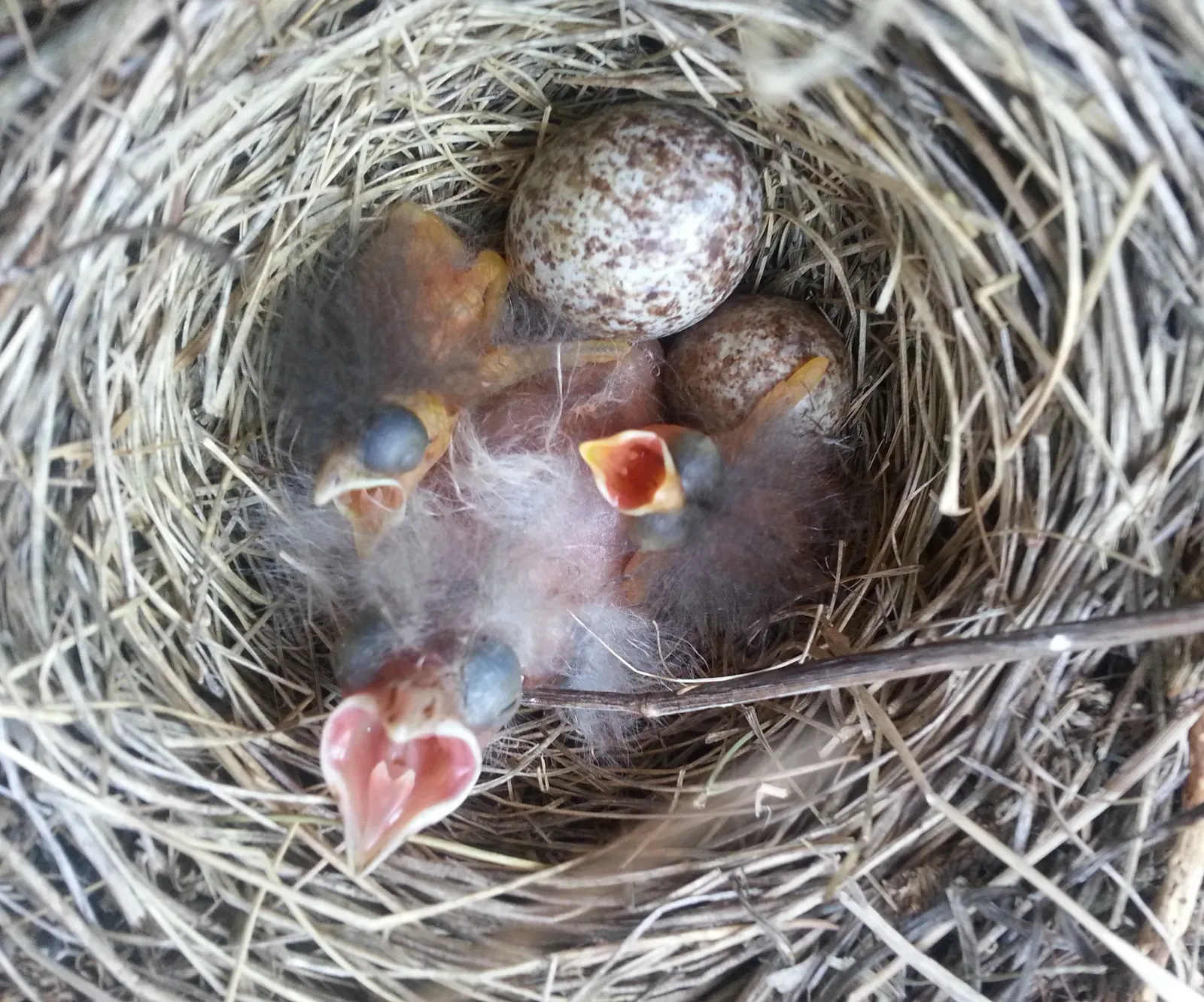
As fascinating as this is scientifically, it can be hard to watch. In many host nests, the cowbird chick hatches earlier or grows faster, begging louder and getting more food. The host parents, driven by instinct to feed the most demanding mouth, often end up starving their own young without realizing it. The nest you are watching can go from a hopeful family scene to a quiet tragedy over just a few days.
This is why seeing a cowbird hovering near a nest can feel so unsettling once you know what it usually means. You are not just seeing a bird sitting in a tree; you are seeing the opening move in a game where the host parents almost always lose. I remember the first time I realized that the biggest chick in my backyard nest belonged to a cowbird, not the warblers that built the nest, and it changed how I looked at that entire scene.
It Is Also a Window Into How Human Changes Shape Wild Behavior
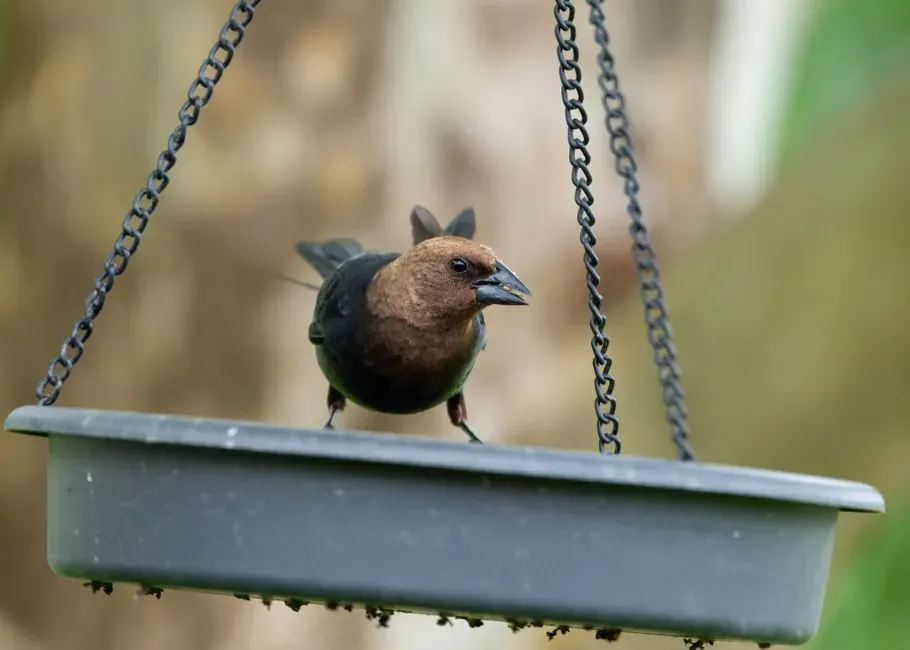
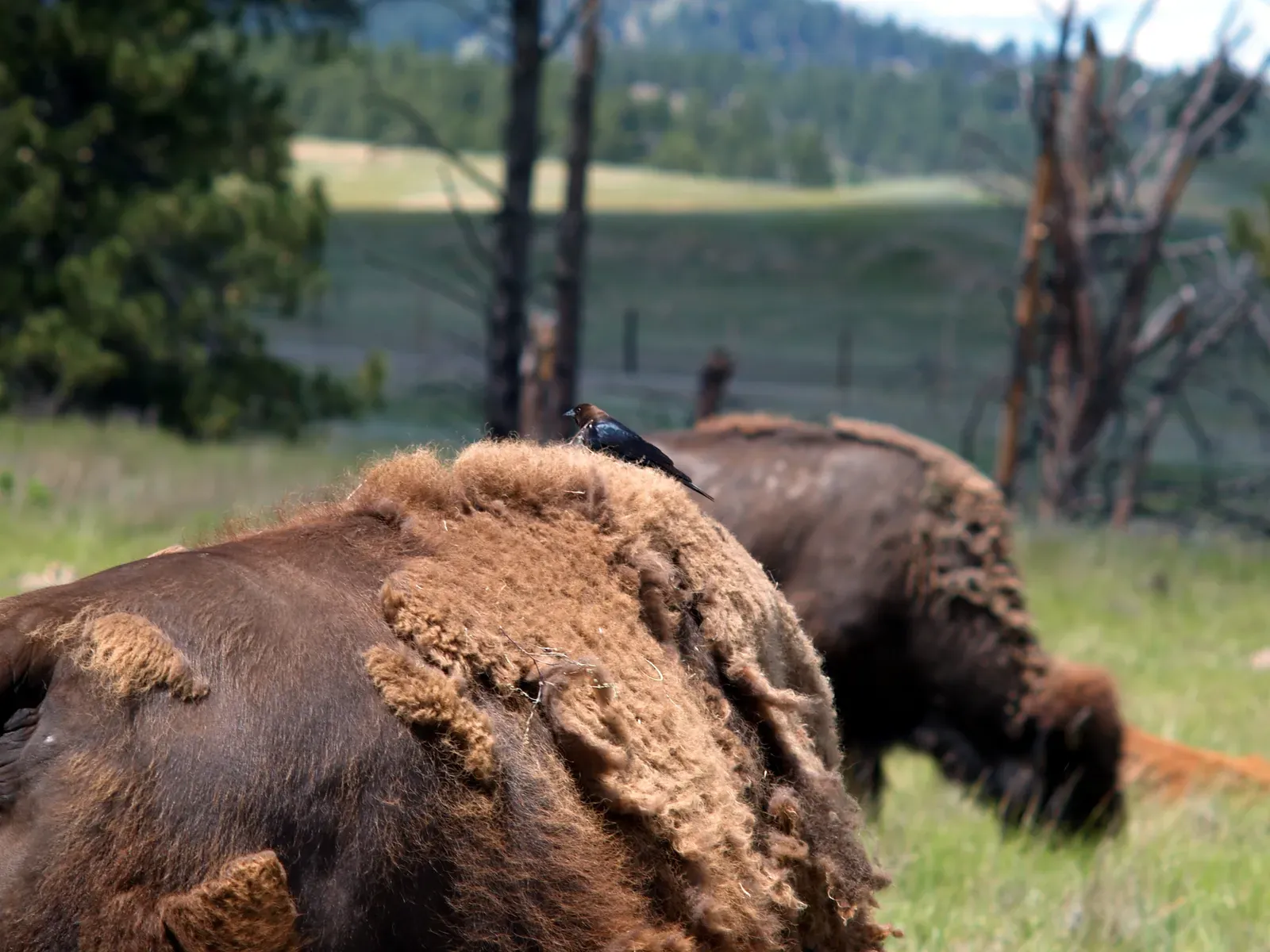
Brown-headed cowbirds originally evolved alongside large grazing animals on open grasslands, following herds and laying their eggs in the nests of birds that bred in those landscapes. As people cleared forests, expanded agriculture, and created more fragmented habitats, cowbirds spread into new regions and found many more host species to exploit. When you see one watching a nest near a backyard, pasture, or forest edge, you are seeing a behavior that thrives in human-altered environments.
In that sense, a cowbird keeping an eye on another bird’s nest is not just a story about one sneaky individual. It is a symptom of a bigger, human-driven shift in ecosystems, where some species are unintentionally given a massive boost while others struggle. The drama at that single nest is woven into a much larger storyline of how our changes to the land ripple through the lives of the birds around us.
How You Respond Says A Lot About Your Own Ethics as a Birdwatcher
When people first learn what cowbirds do, many feel an immediate urge to intervene: remove the cowbird egg, chase away the adult, “save” the host chicks. Some conservation programs do manage cowbirds actively in very specific cases, such as protecting highly endangered species. But at the backyard level, the situation is rarely that clear-cut, and pulling eggs or harassing cowbirds can create more problems than it solves.
My personal take is that, unless there is a carefully planned conservation effort backing it, a cowbird watching a nest is part of the natural, if brutal, fabric of the ecosystem we live in. It is uncomfortable, but so are a lot of honest things in nature. Choosing to observe rather than intervene forces us to confront that wildness, and to accept that not every story in the nest ends the way we would write it if we were in charge.
Conclusion: A Quiet Watcher, a Loud Statement About Nature
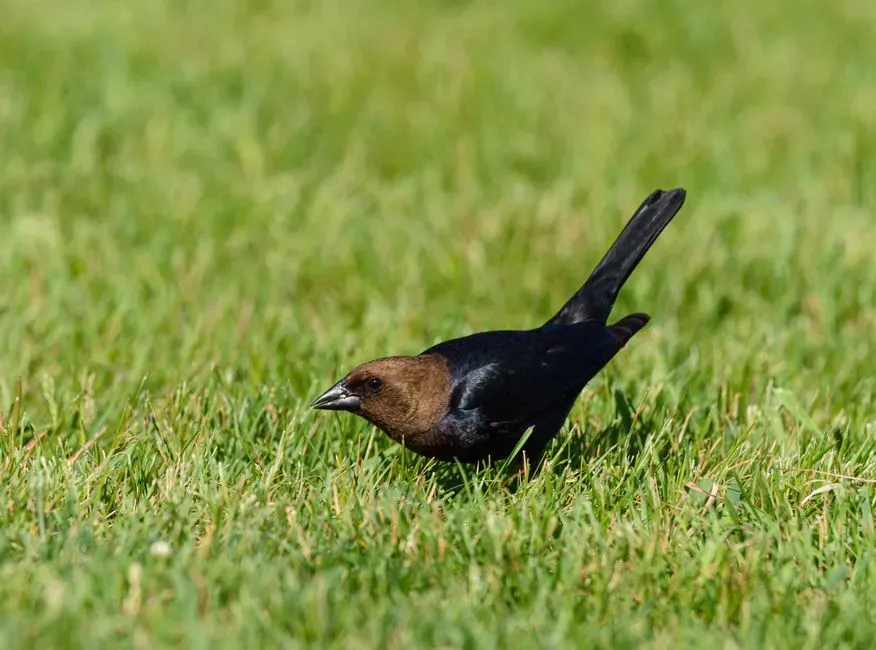
Seeing a brown-headed cowbird watching another bird’s nest from nearby means you are not just catching a casual moment in a bird’s day; you are witnessing a complex survival strategy in action. That still, watchful pose usually signals reconnaissance for brood parasitism, a behavior that can upend the lives of the host parents and their chicks. It is calculated, often harsh, and yet astonishingly effective from the cowbird’s point of view.
I think the uncomfortable truth is that this behavior forces us to drop the idea that nature is fair or gentle. That little bird on the branch is a reminder that evolution rewards what works, not what feels right to us. The question is not whether cowbirds are villains, but whether we are willing to look at the full, messy reality of wild life and sit with the unease it brings. Now that you know what is really going on when a cowbird watches a nest, will you ever see that quiet scene the same way again?