
Ever notice how some people absolutely cannot sleep unless the room is pitch black, while others happily doze off with the TV flickering or a lamp on? That intense preference for total darkness feels a bit dramatic to some, but it might be telling a deeper psychological story. When you strip away the modern comforts and glowing screens, you start to see something older, more primal, stirring underneath those blackout curtains.
We are the descendants of people who survived the night when darkness meant danger: predators, enemies, the unknown. Modern life has muted many of these instincts, but they did not vanish. People who crave true darkness at bedtime may be unconsciously reenacting ancient threat-detection patterns, staying wired to a level of environmental sensitivity that most of us have slowly let go of. It is not about being weird; it might be about being more finely tuned to survival settings that once mattered every single night.
The Ancient Brain That Still Thinks Something Might Be Out There
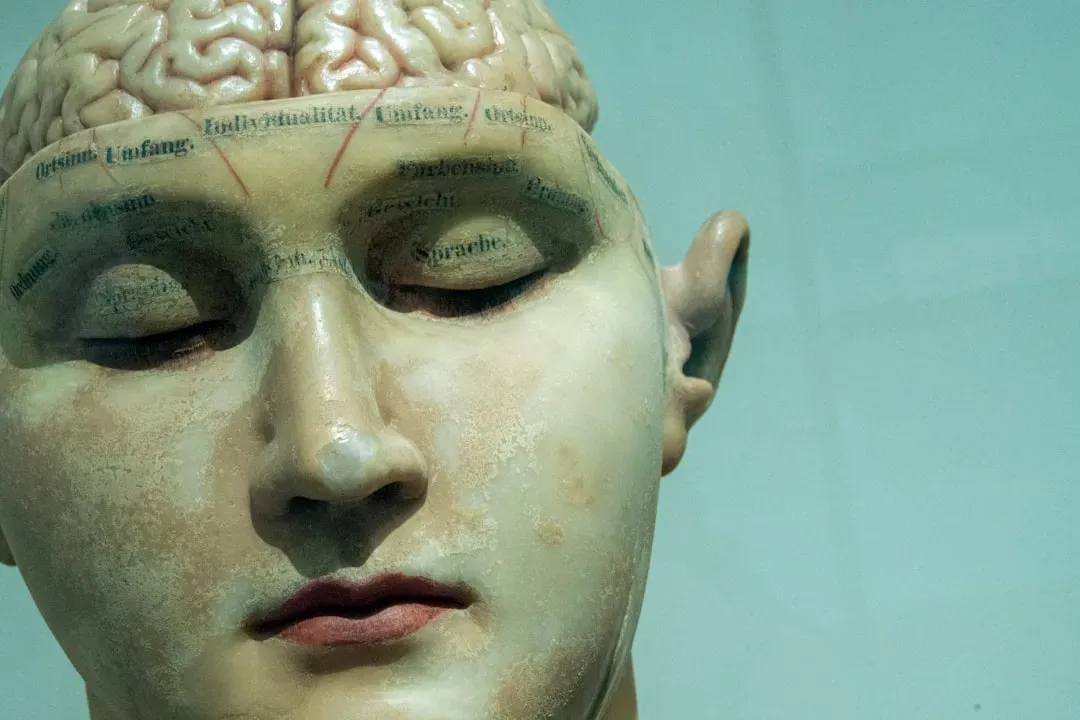
Psychologically, our brains are not fully modern; they are ancient hardware running new software. For most of human history, nighttime was not peaceful or cozy. It was when predators hunted, rival groups attacked, and visibility dropped to almost nothing. In that environment, any strange sound, shadow, or flicker of light at night could mean real danger. Your ancestors survived by paying close attention to every hint of movement or glow in the dark.
When someone prefers sleeping in total darkness today, it may reflect a nervous system that still wants a clean, signal-free canvas to monitor the world. Any little light could feel like a possible “signal” of something happening out there, even if their conscious mind knows they are safe in an apartment or suburb. That discomfort with ambient light is not just a quirk; it might be a modern echo of a brain that, long ago, stayed alive by noticing the smallest change in the night.
How Hyper‑Awareness and Vigilance Show Up in the Night
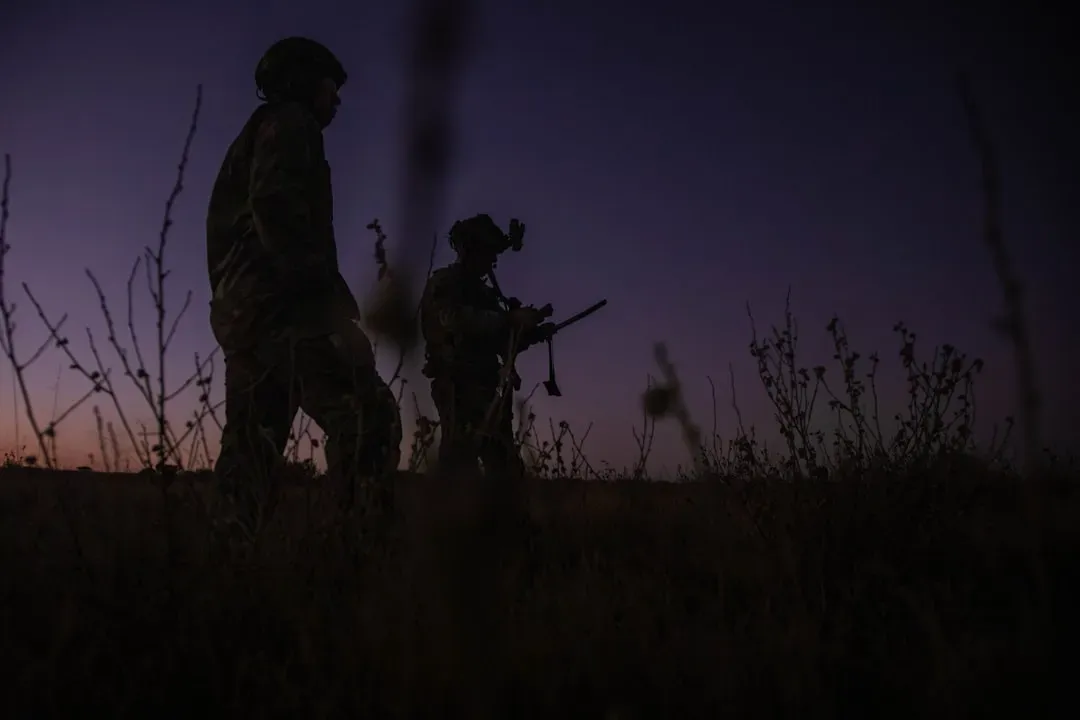
People who need complete darkness tend to notice things others overlook: the tiny LED on the charger, the hallway light peeking under the door, the faint glow from a streetlamp. While some write this off as being fussy, from a psychological angle it can signal heightened vigilance. Their sensory system is on guard, constantly scanning for deviations, which is exactly what a sentry would do while others slept around a fire thousands of years ago.
This hyper-awareness can be frustrating in modern life because it makes sleep more fragile. But in an ancestral setting, the same trait would have been a serious asset. The person who woke up at the slightest flicker or change in light might have been the one who sounded the alarm when danger approached. Today, those people are not watching for predators – they are watching for the Wi‑Fi router light – yet their brains are running the same underlying threat-detection script.
Darkness, Melatonin, and the Body’s Built‑In Night Mode
Biologically, our bodies are designed to respond to darkness with a clear and powerful signal: sleep now, repair now, stay hidden. When light hits your eyes at night, even small amounts, it can disrupt melatonin, the hormone that helps regulate sleep timing and depth. People who cannot stand even tiny light sources may actually be more attuned, consciously or unconsciously, to how light interferes with this natural cycle.
From an ancestral perspective, this makes sense. Darkness did not just mean rest; it meant safety through concealment. A bright fire drew attention; a subtle glow could give away your position. People whose systems are more sensitive to light at night might be picking up on that ancient calculus: darkness equals deep restoration and camouflage, while light equals exposure. Their insistence on blackout conditions could be their nervous system insisting on a more authentic version of night that the body evolved to expect.
The Relationship Between Anxiety, Control, and a Perfectly Dark Room
There is another layer here that is less romantic and more psychological: anxiety and the need for control. For some, total darkness is not just comforting, it is an environmental boundary that feels non‑negotiable. When everything is dark, there are fewer variables to track: no changing shadows, no flickers, no shifting reflections. The brain can stop scanning, because the environment has been simplified down to “nothing visible is happening.”
This overlaps with threat detection in a powerful way. An anxious or highly vigilant mind often tries to control the environment to reduce uncertainty. Shutting out every light is a form of saying: I will not leave any confusing visual information for my brain to obsess over. In a world where so many things feel uncontrollable, that complete darkness becomes a psychological refuge – ironically by recreating the pure, predictable darkness our ancestors knew all too well.
Personality Traits: Who Is Most Likely to Need Pitch‑Black Sleep?
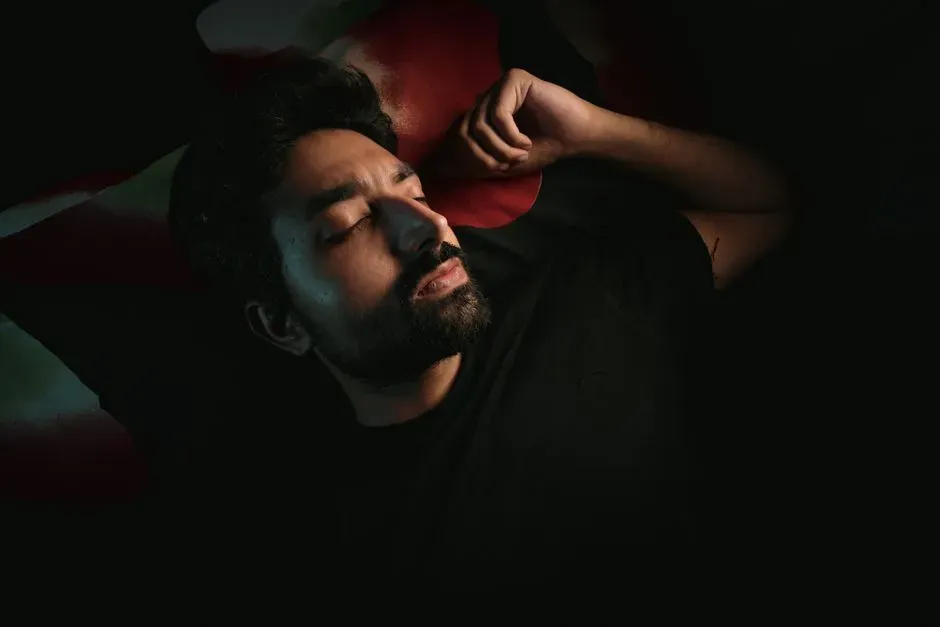
Although everyone is different, people who crave total darkness at night often share certain personality patterns. They may lean a bit more toward introversion, sensitivity, or being easily overstimulated. Busy environments and constant sensory input can feel draining, so by bedtime, they want nothing stimulating their senses at all – including light. Night becomes their time to unplug not just socially, but neurologically.
These traits map intriguingly onto what would have been advantageous in past environments: the person who noticed small details, anticipated risks, and did not ignore subtle changes around them. In today’s terms we might call them “highly sensitive,” but in ancestral terms, they were the unofficial early‑warning system. Their preference for full darkness is less about dramatic taste and more about what their brain needs to truly power down after a day of overexposure.
Modern Light Pollution vs. Ancestral Night Skies
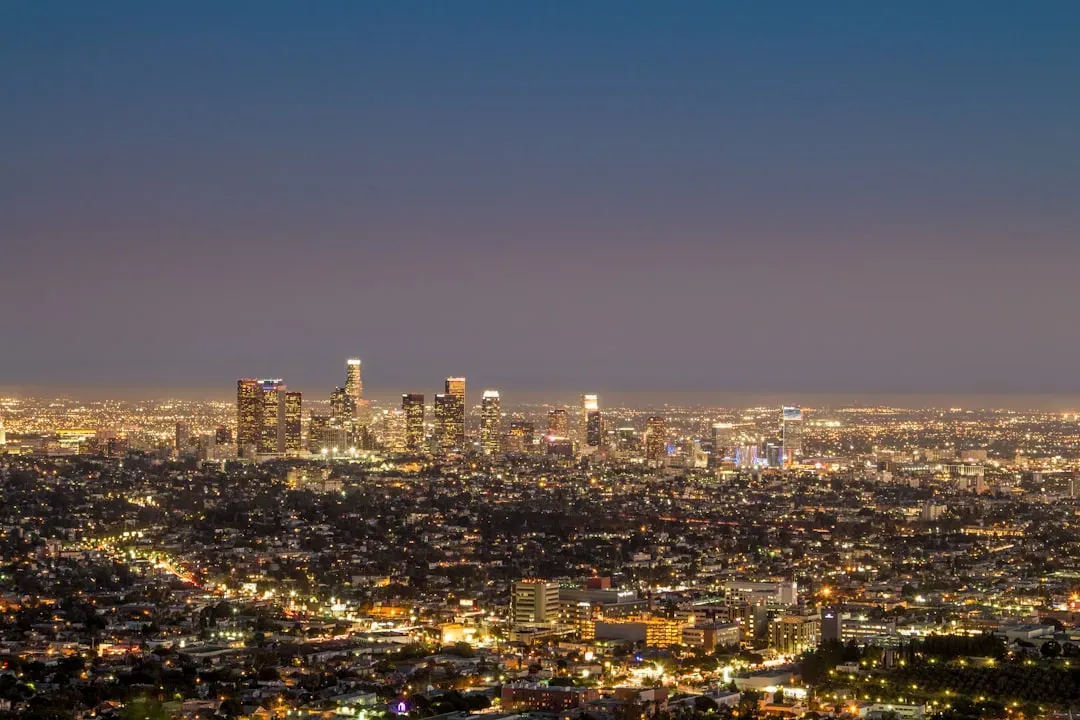
If you step outside in a big city at midnight now, it is not really dark. Streetlights, building LEDs, signs, cars, screens – our nights are washed in artificial glow that our ancestors never experienced. This constant low‑level brightness confuses the body and can keep the brain just awake enough to stay on edge. People who insist on sleeping in caves of darkness are, in a way, rejecting the modern, flat, always‑on night and reaching back toward a purer version of darkness.
Psychologically, this can feel like a form of rebellion against overstimulation. When every hour of the day is visually crowded, complete darkness at night is one of the few remaining experiences that feels truly empty and clean. Those who seek it may not just be honoring ancestral threat patterns; they may also be intuitively correcting for a world that never really lets anyone’s nervous system fully stand down. It is their way of saying: my brain deserves a real night, not a dimmed version of daylight.
Why Some People Sleep Fine with Light – and Others Absolutely Do Not
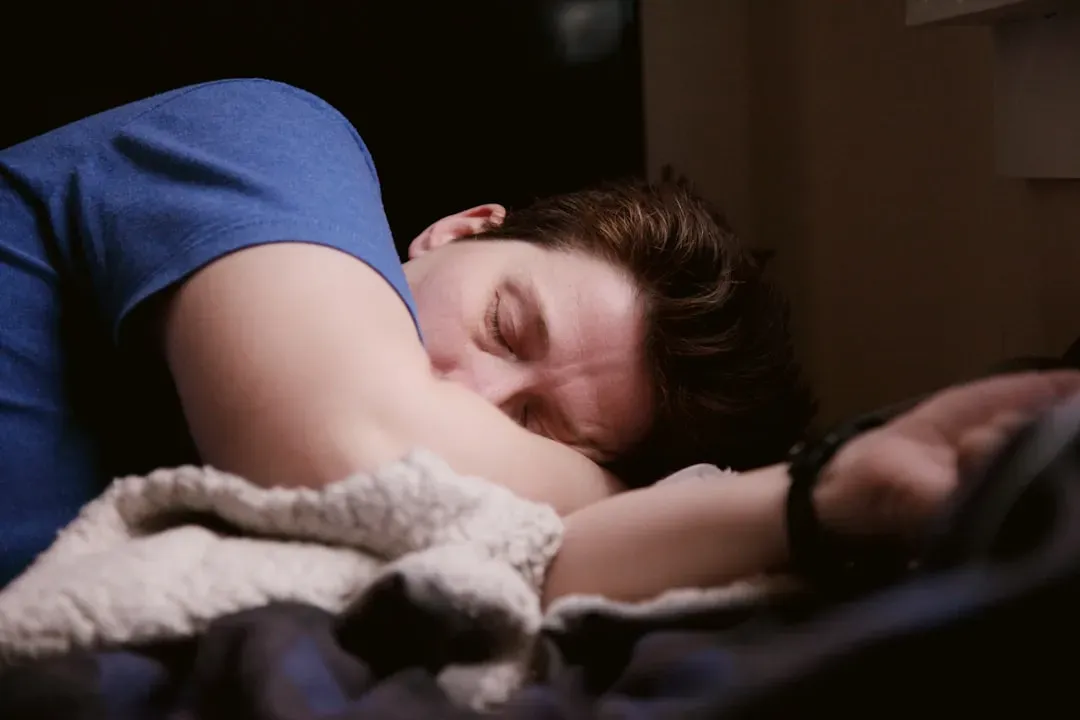
So why do some people nap under fluorescent lights or fall asleep with a show running, while others cannot close their eyes until every LED is taped over? Part of the answer likely lies in differences in arousal systems and how quickly the brain decides the environment is “safe enough” to rest. Some nervous systems downshift easily; others require more precise conditions before they let go of vigilance.
Those who need darkness may simply have more conservative internal safety thresholds, shaped by a mix of genetics, early life experiences, and personality. In ancestral terms, they are the ones who waited a bit longer before calling it safe, the ones who checked twice before relaxing. Today that can be inconvenient, especially when staying with friends or in bright hotel rooms, but it also hints at a deeper wiring that errs on the side of caution – a trait that, over much of human history, could have been lifesaving.
Is Preferring Total Darkness a Superpower or a Burden?
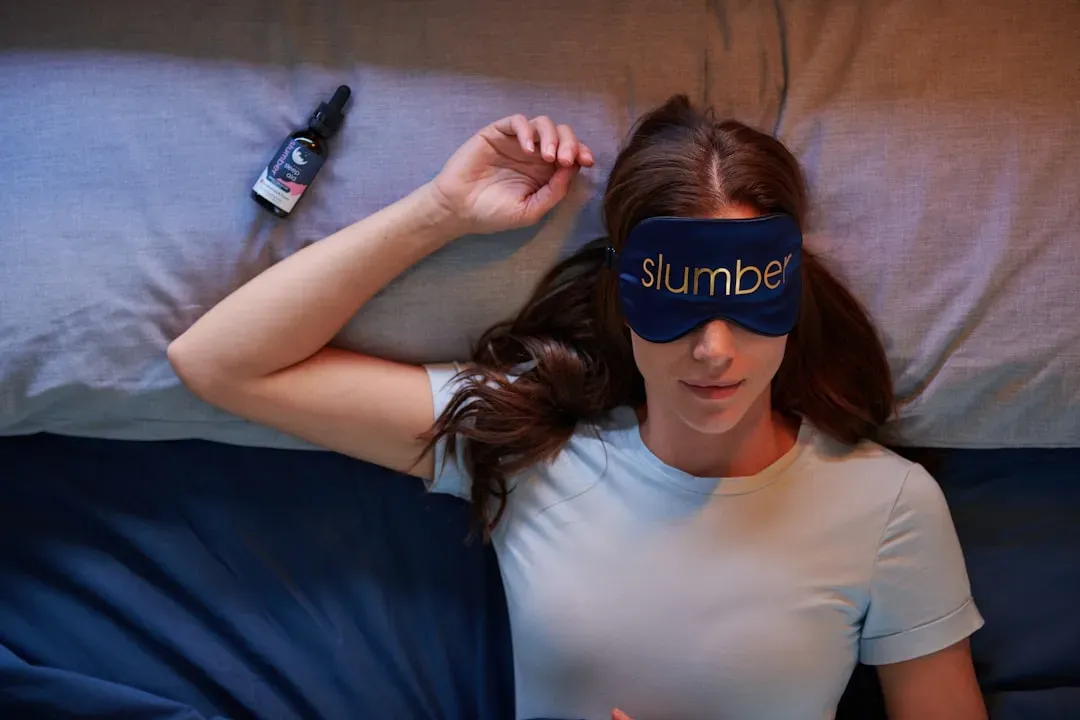
Looked at harshly, being unable to sleep with light in the room can feel like a flaw, an unnecessary sensitivity in a world of backlit everything. But if you zoom out and think in thousands of years instead of a few decades, that sensitivity starts looking a lot more like an evolutionary specialty. The people who needed real darkness to rest may have helped entire groups survive by being reliable, careful guardians of the night.
In modern life, that same trait can be repurposed as a strength: a deep respect for rest, a sharper awareness of environment, and a willingness to design your life around what your nervous system truly needs, not what is convenient. The annoyance of packing a sleep mask or demanding blackout curtains is a small price to pay for honoring a brain that still carries an ancient job description. The question is not whether that trait is good or bad, but whether you are willing to work with it instead of fighting it.
Conclusion: The Last Keepers of the Old Night
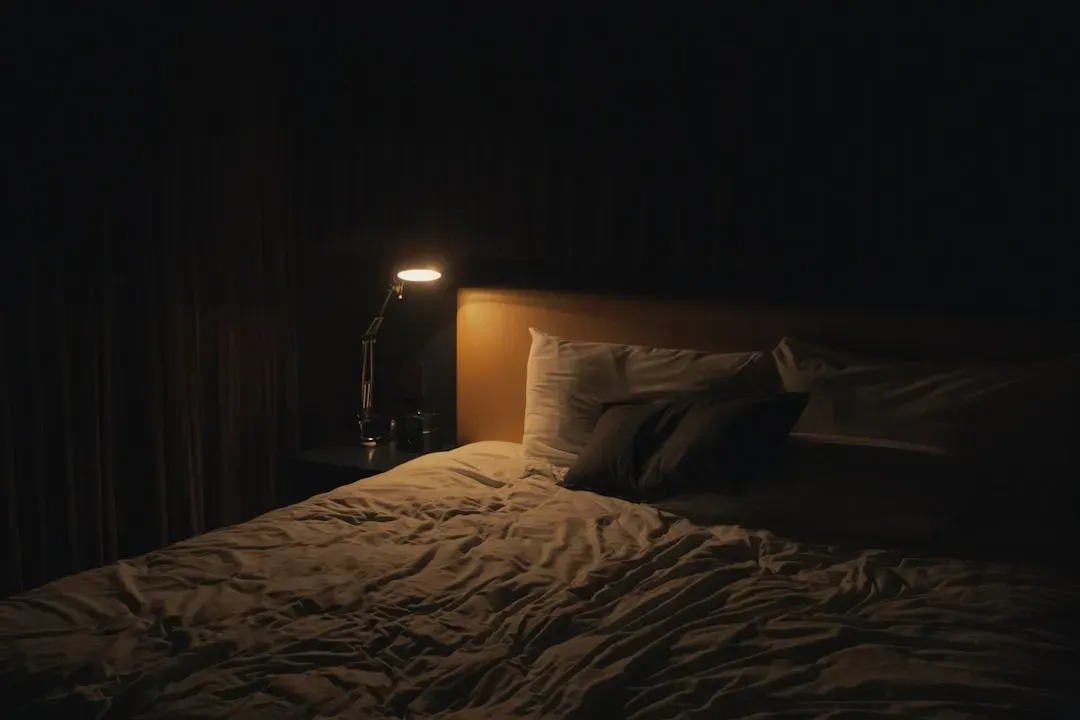
When you see someone obsessively blocking every bit of light before bed, it is tempting to roll your eyes and call them picky. But there is a strong case that they are, in some small way, preserving a relationship with the night that most of us have lost. Their brains still treat the boundary between day and darkness as sacred, insisting on conditions that echo the world our ancestors navigated long before city lights and phone screens. To me, that is not a weakness; it is a living reminder that the human mind was built for a very different kind of night.
People who sleep only in complete darkness are not just chasing comfort; they are unconsciously honoring age‑old threat detection patterns that kept their line alive. In a culture that glorifies constant stimulation, I think their refusal to sleep in a washed‑out half‑night is both psychologically revealing and quietly radical. Maybe, instead of asking why they are so sensitive, we should be asking what the rest of us have numbed ourselves to. When you turn off every last light, are you only going to sleep – or are you also reconnecting with an ancient part of yourself that still watches the dark?