Picture an elephant standing over a sun-bleached skull in the dust, reaching out with its trunk in a slow, deliberate motion. It lingers there, tracing the contours of bone as if memorizing them, sometimes returning again and again to the same place long after the body is gone. To a casual observer, it might look like instinct or random curiosity, but animal psychologists and behavior researchers see something far more powerful unfolding in that quiet moment.
What the elephant’s brain is doing when it touches the bones of a dead family member is not simple habit and not mere accident. It is engaging in a process with a very human-sounding name: mourning. That word carries emotional and scientific weight, and using it for animals forces us to rethink where we draw the line between “us” and “them.” Once you look closely at how elephants behave around their dead, it becomes almost impossible to hang on to the old idea that humans alone own grief.
The Strangely Careful Way Elephants Treat Their Dead
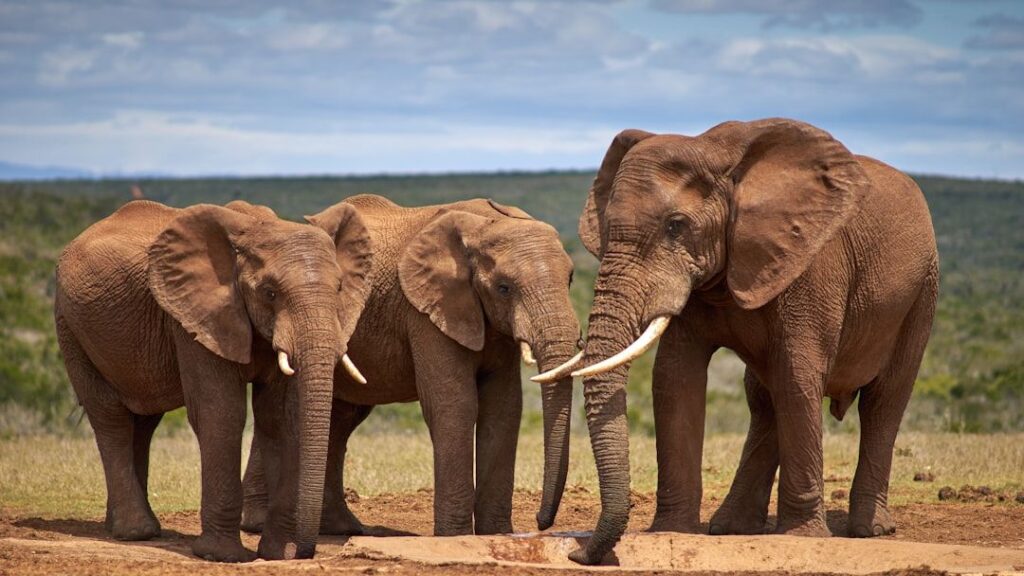
One of the most striking things researchers see in the wild is how unusually careful elephants are around the bodies and bones of their own kind. They slow down, approach cautiously, and often fall silent, even when they were noisy before. Mothers are seen standing over the body of a calf, touching the head, ears, and trunk with a gentle precision that looks nothing like play. Other family members may gather around, extending their trunks to smell, feel, and explore, then remaining nearby for long stretches of time.
What is even more surprising is that these visits do not always happen immediately after death. Elephant groups have been documented returning to skeletons or scattered bones weeks or months later, especially if the remains belong to a former family member. They often prioritize the skull and tusks, moving them, turning them, and pausing in ways that look eerily similar to a human relative sorting through the belongings of someone they lost. This focused attention, especially directed toward the head area, has convinced many scientists that something deeper than curiosity is unfolding.
Why This Behavior Is Not Just Curiosity or Habit
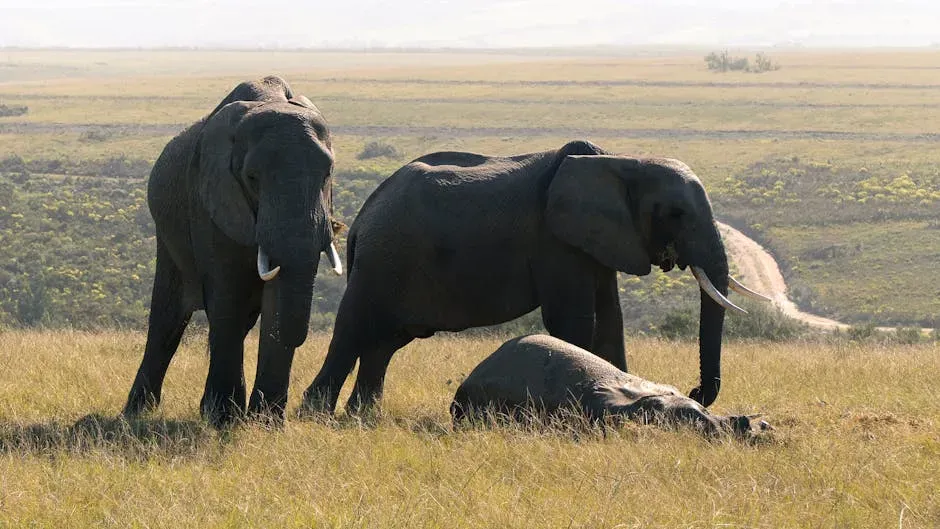
Animals investigate dead bodies all the time, but elephants do it differently. They tend to ignore the carcasses of many other species or treat them with quick, passing interest, yet they dedicate far more time and care to elephant remains. When they pause over the bones of a known family member, they do not behave as though they have stumbled on a random object. Instead, they slow down, return repeatedly, and sometimes show signs of agitation or distress, such as standing still for long periods or displaying unusual quietness.
If this were only habit or a generalized response to any large corpse, we would expect elephants to react the same way to all big dead animals, but the pattern does not support that simple view. Their selective attention to their own species, and sometimes even to specific known individuals, hints strongly that stored memories are being activated. In other words, they appear to recognize that this is not just “a thing,” but “someone,” and that difference is exactly where psychologists start using the word mourning rather than mere investigation or reflex.
What the Elephant Brain Is Likely Doing in That Moment
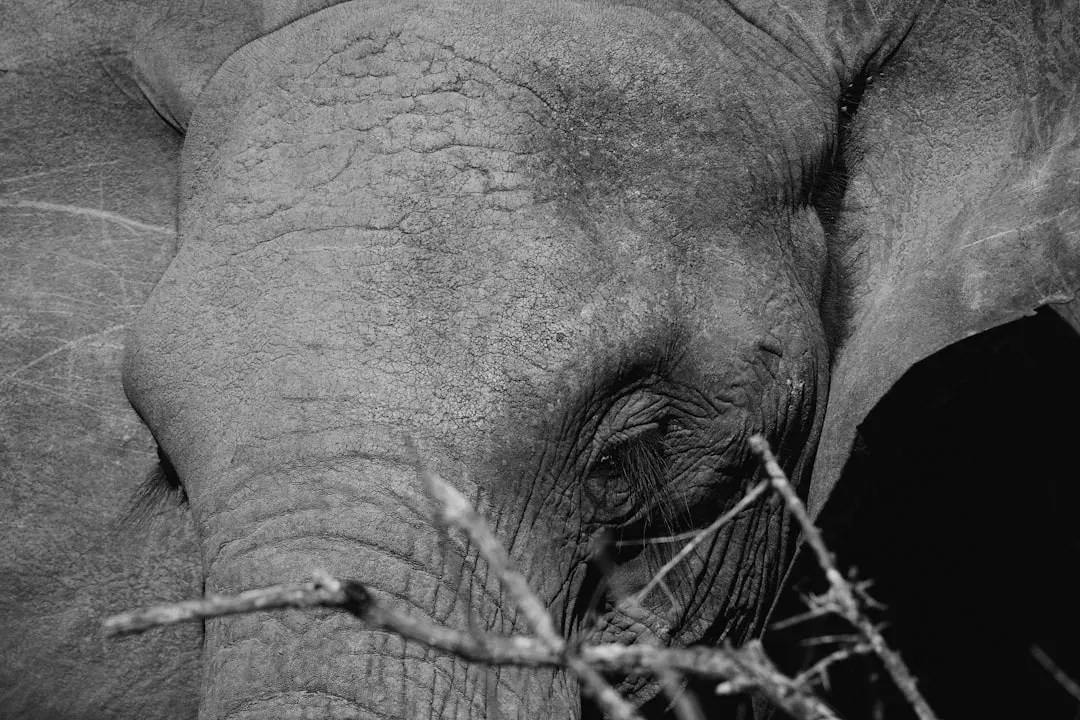
We obviously cannot scan the brain of a wild elephant in the exact moment it touches a skull in the savanna, but we can combine what we know from neuroscience with careful field observations. Elephant brains are large and highly folded, with well-developed regions involved in social processing, memory, and emotion. When an elephant touches the bones of a family member, those circuits are almost certainly lighting up together: sensory areas handling the feel and smell of bone, memory networks retrieving the individual who once lived, and emotional systems responding to the mismatch between past presence and current absence.
In humans, this same mixed activation of memory and emotion after a loss is exactly what underlies mourning. The brain keeps replaying the person’s presence against an inescapable reality that they are no longer there. In elephants, the careful trunk touches, the repeated visiting of remains, and the changes in posture and activity fit that same pattern from the outside. We do not need to pretend we can read their minds to see that their brains are likely performing a comparable operation: integrating sensory information with long-term social memory and emotional weight. That is what makes scientists argue that the most accurate word for that brain state is mourning, not mere habit.
Mourning: The Human Word Scientists Now Dare to Use
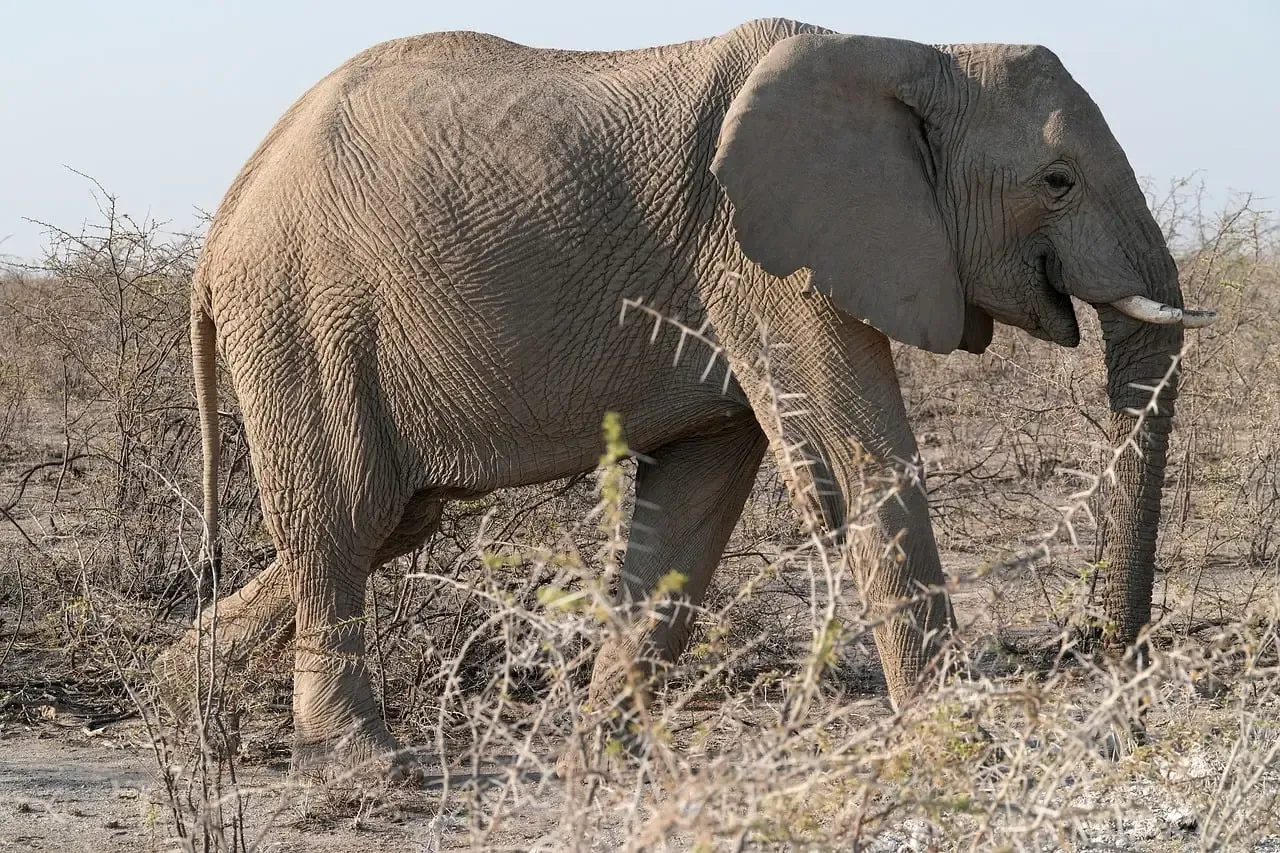
For a long time, researchers were cautious about using human emotional terms for animal behavior, partly out of fear of being accused of exaggeration or sentimentality. But as decades of data stacked up, especially from elephants, great apes, and some birds, the old, sterile language of “response to loss” started to look strangely inadequate. If a being revisits the body, shows clear changes in social behavior, stays near the remains, and appears altered for days or weeks, at what point do we admit that the familiar human word mourning is the most honest label?
In both humans and elephants, mourning is not just a feeling but a process where the brain tries to reconcile its internal map of “who belongs here” with the ugly fact that one of those individuals is gone. The behaviors that spill out during that adjustment look different depending on the species – humans hold funerals and rituals, elephants use trunks and long vigils – but the underlying pattern of brain and behavior clearly overlaps. When animal psychologists say the elephant is mourning, they are not romanticizing; they are acknowledging that the same broad neuropsychological category applies in both species.
Grief, Memory, and the Elephant’s Extraordinary Social Life
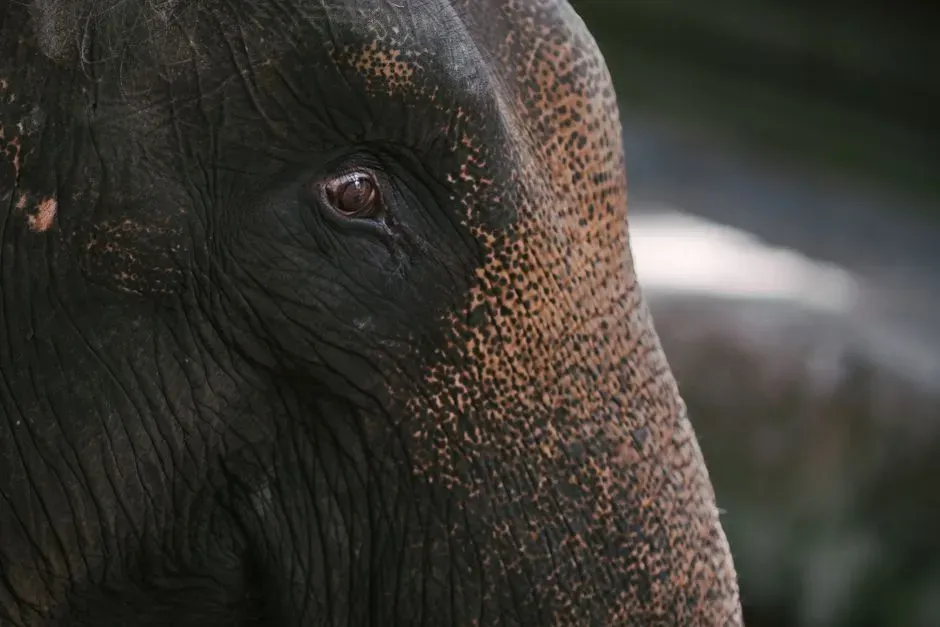
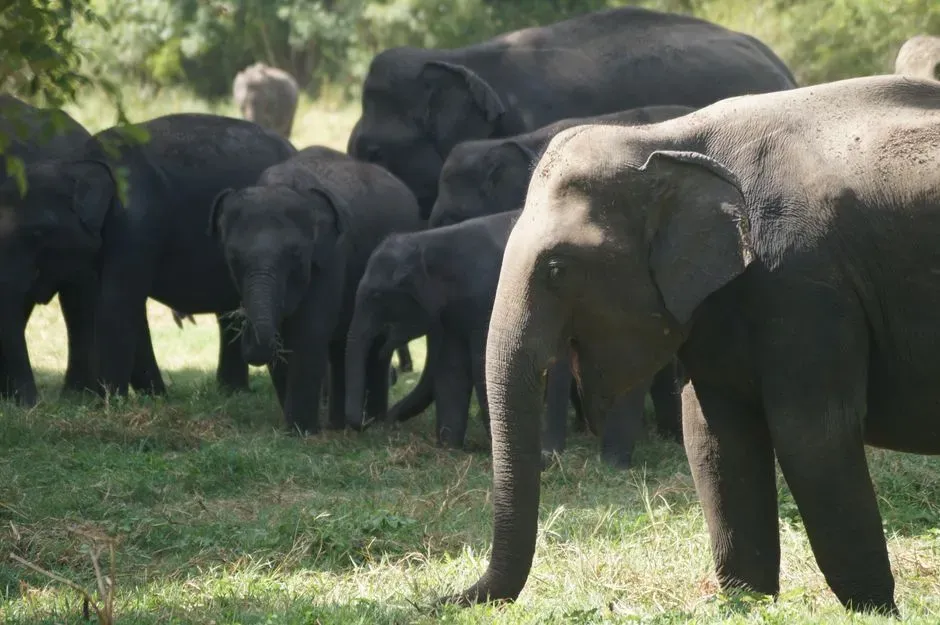
To really understand why elephants might mourn, you have to appreciate how deeply social their lives are. They live in tightly knit family groups led by experienced matriarchs who store decades of knowledge about landscapes, water sources, and dangers. Calves grow up surrounded by a network of aunts, siblings, and cousins, each with their own relationships, roles, and personalities. Losing one of these individuals is not just the disappearance of a physical body; it is the tearing away of a social thread in a complex fabric.
Elephants also show impressive long-term memory, recognizing companions after long periods apart and changing their behavior depending on who is present. When a key family member dies, the brain’s map of the group no longer matches reality, and that mismatch is exactly the kind of thing that triggers grief in humans. So when an elephant carefully explores old bones, the act appears to be saturated with memory: the skull is not an anonymous object but a physical reminder of a known, once-living mind. That is why it makes sense to say that the animal’s brain is doing grief work, even if it is expressed with trunks and silence rather than words and tears.
What This Means for How We See Animal Emotions
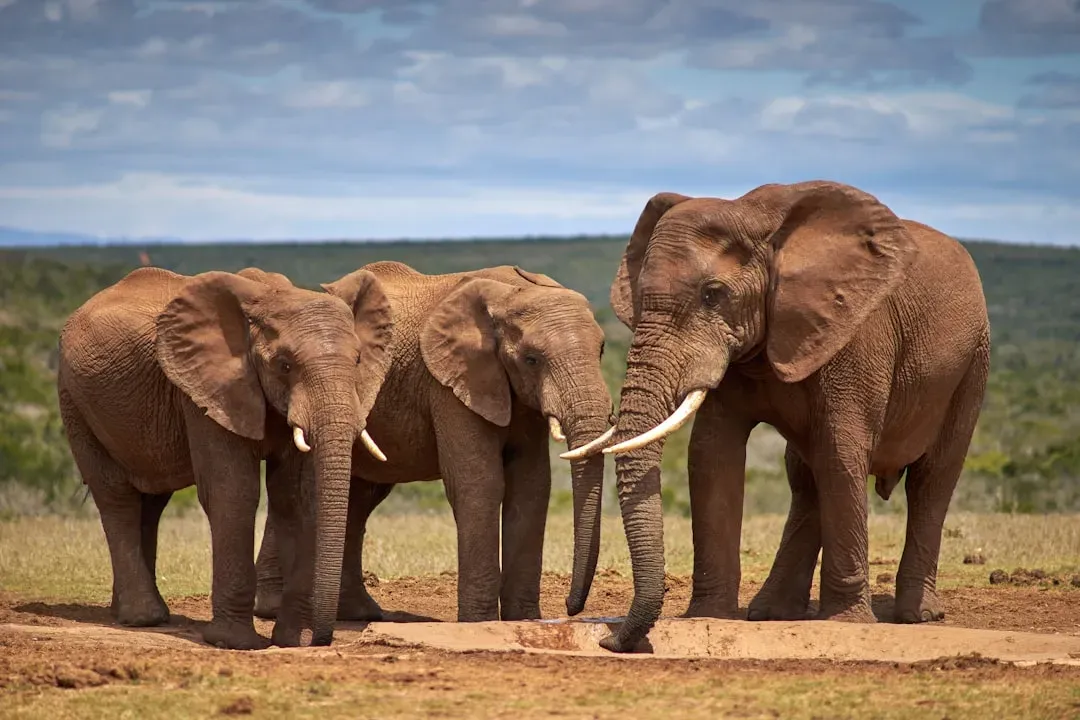
Once you accept that elephants can mourn, a lot of familiar assumptions about “higher” and “lower” animals start to crack. The old idea that real grief requires language or religious beliefs just does not hold up when you watch an elephant mother refusing to leave her dead calf, or a group returning to the same scattered bones again and again, as if unwilling to let the memory fade. These scenes are not comfortable, because they force us to recognize emotional depth in creatures we have often treated as resources or tourist attractions.
From an ethical perspective, acknowledging mourning in elephants has real consequences. If they experience grief when a family member dies, then practices that shatter families – like culling, poaching, or capturing calves for captivity – are not merely physical harms but psychological injuries. It becomes harder to justify decisions that ignore their emotional lives when we know their brains are capable of something so close to what we feel when we lose someone. In that light, calling what they do “mourning” is not just semantic; it is a moral statement that their inner world matters.
How Elephant Mourning Challenges Our Idea of Being Human
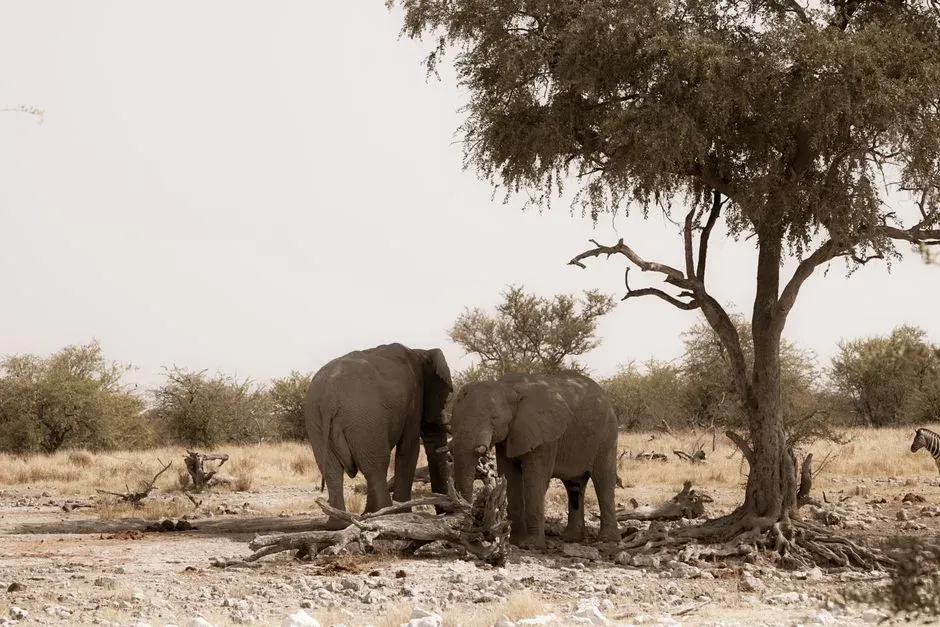
There is an uncomfortable honesty in admitting that the same word we use for our own grief fits what elephants do with their dead. Many people like to believe human mourning is uniquely deep or spiritual, as if no other creature could possibly wrestle with loss in a meaningful way. Elephants calmly walking back to the bones of a dead relative, tracing them with their trunks, and lingering in something that looks painfully like reflection throw a wrench into that comforting story. Suddenly, the border between “human grief” and “animal behavior” looks more like a blur than a wall.
Personally, I think this is one of those truths that humbles us in the best possible way. Realizing that another species might feel a version of what we feel at a funeral does not cheapen our experience; it widens the circle of beings whose inner worlds demand respect. Next time you see an image of an elephant touching the bones of a fallen family member, it is worth remembering that their brain is likely walking through a landscape of absence and memory that is hauntingly similar to our own. If they can mourn, even without words, then maybe the most human thing about us is not unique to us at all – isn’t that a strangely hopeful thought?