Articles for category: Ecology, Material Science

Sundarbans Tiger.

Sundarbans Tigers: Swimmers, Stalkers, and Masters of the Mangroves

Trizzy Orozco

Beneath the emerald canopy of the Sundarbans—a breathtaking maze of tidal rivers, muddy creeks, and tangled mangrove roots—a shadow glides silently through the water. This is no ordinary predator. It is the Sundarbans tiger, a creature of myth and science, as much at home in the water as any crocodile, and as silent as the ...

The Underground Water System Discovered Beneath the Sahara Is Older Than the Nile and the Current Is Still Active

The Underground Water System Discovered Beneath the Sahara Is Older Than the Nile and the Current Is Still Active

Sameen David

Buried deep beneath the world’s largest hot desert is something that feels almost paradoxical: not just dry fossil sands, but a colossal reservoir of ancient water, moving in slow motion through rocks that formed long before the Nile carved its way to the Mediterranean. Scientists call these hidden reservoirs transboundary aquifer systems and fossil aquifers, ...

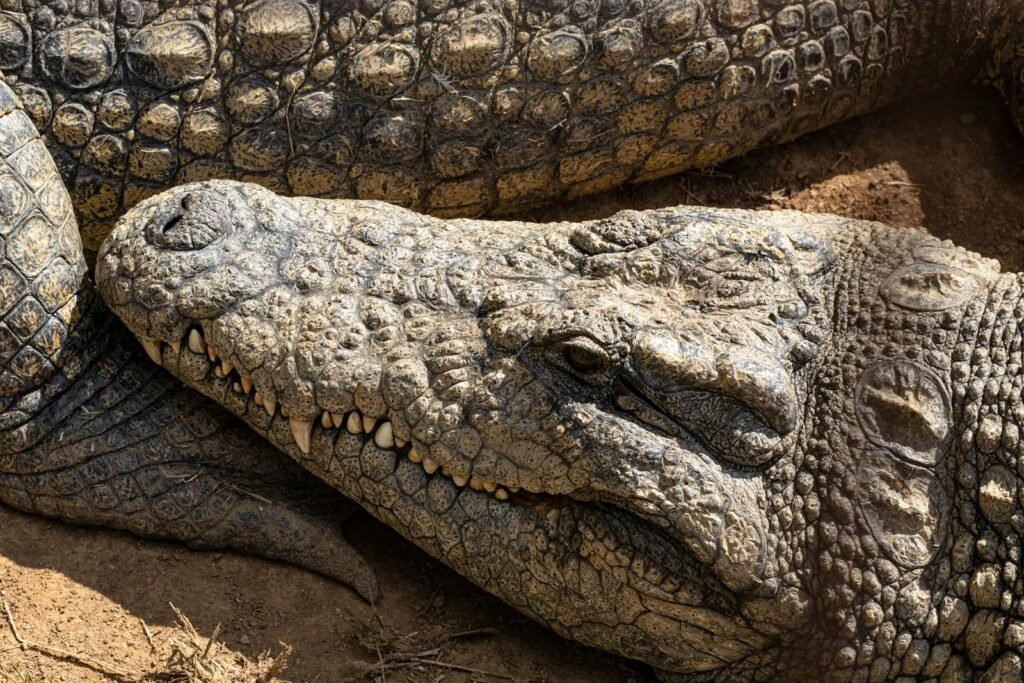
Detailed close-up of a saltwater crocodile resting in Durban, South Africa.

The Trade in Animal Parts You Didn’t Know Still Exists

Imagine walking through a bustling market, the air thick with the scent of spices and incense. Suddenly, you spot something shocking—exotic animal bones, jars of powdered horn, and dried scales displayed openly for sale. It feels like a scene from a bygone era, yet this is the reality in many parts of the world today. ...

A herd of elephant.

How Wildlife Rehabilitation Centers Help Injured and Sick Animals Return to the Wild

Annette Uy

Wildlife rehabilitation centers play a crucial role in the preservation of biodiversity and the health of ecosystems. These facilities are dedicated to rescuing, treating, and rehabilitating wild animals that are injured, sick, or orphaned, with the ultimate goal of releasing them back into their natural habitats. This article delves into the essential functions of wildlife ...

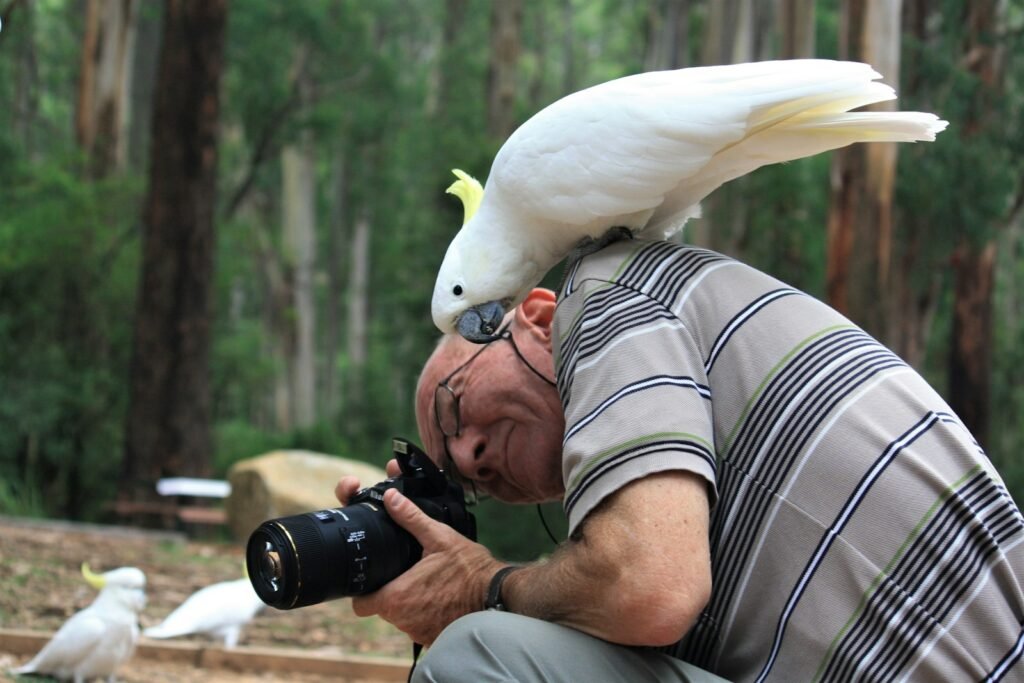
A man photographing wildlife with a bird perched on his shoulder.

How Camera Traps Are Revolutionizing Wildlife Monitoring

Trizzy Orozco

In the realm of wildlife monitoring, traditional observation methods have often proven cumbersome, intrusive, and sometimes unreliable. However, the advent and refinement of camera traps have revolutionized how scientists and conservationists study animal behavior, population dynamics, and interactions within ecosystems. These ingenious devices offer a non-invasive and efficient tool for capturing detailed images and videos ...

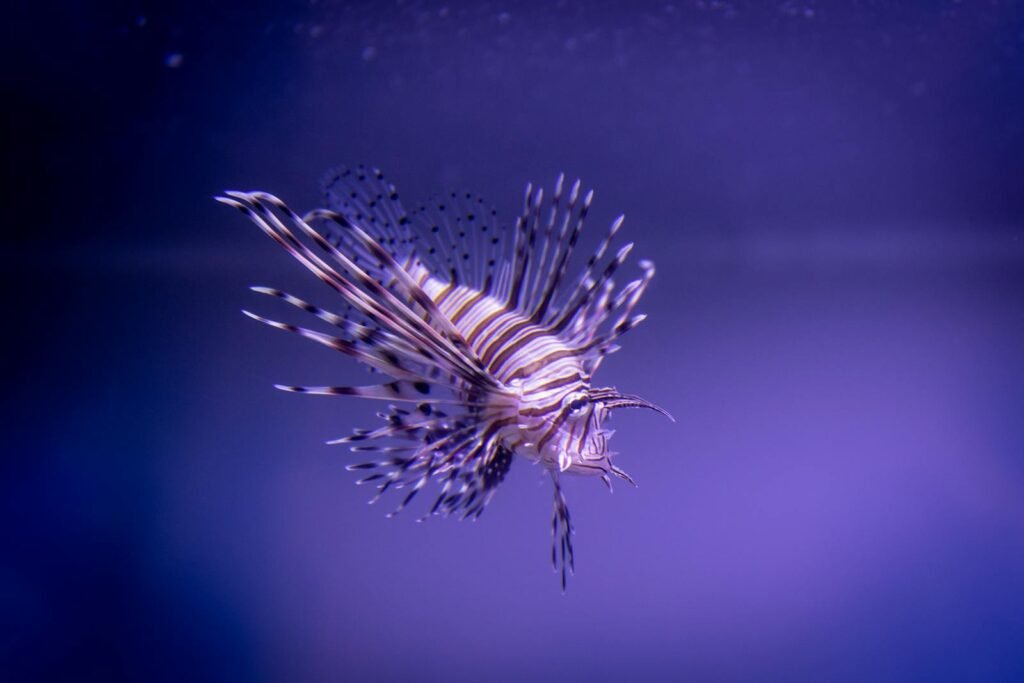
A captivating lionfish swimming gracefully, showcasing its striking stripes and fins under the sea.

Nature’s Serial Killer: Invasive Species That Leave Ecological Chaos

Imagine waking up one morning to find your favorite forest eerily silent, the songs of native birds replaced by an unsettling quiet. The culprit? Not climate change or pollution, but a stealthy invader—an organism that doesn’t belong and refuses to play by the rules. Invasive species are nature’s serial killers, reshaping entire ecosystems and leaving ...

Hippo Fight

10 Keystone Species That Keep Ecosystems in Balance

Anna Lee

In the vast tapestry of life, certain species hold the threads of ecosystem stability more than others. These are known as keystone species. They have a disproportionately large impact on their environment relative to their abundance. Without them, ecosystems would drastically change or even collapse. This article will explore ten such species, highlighting their significance ...