
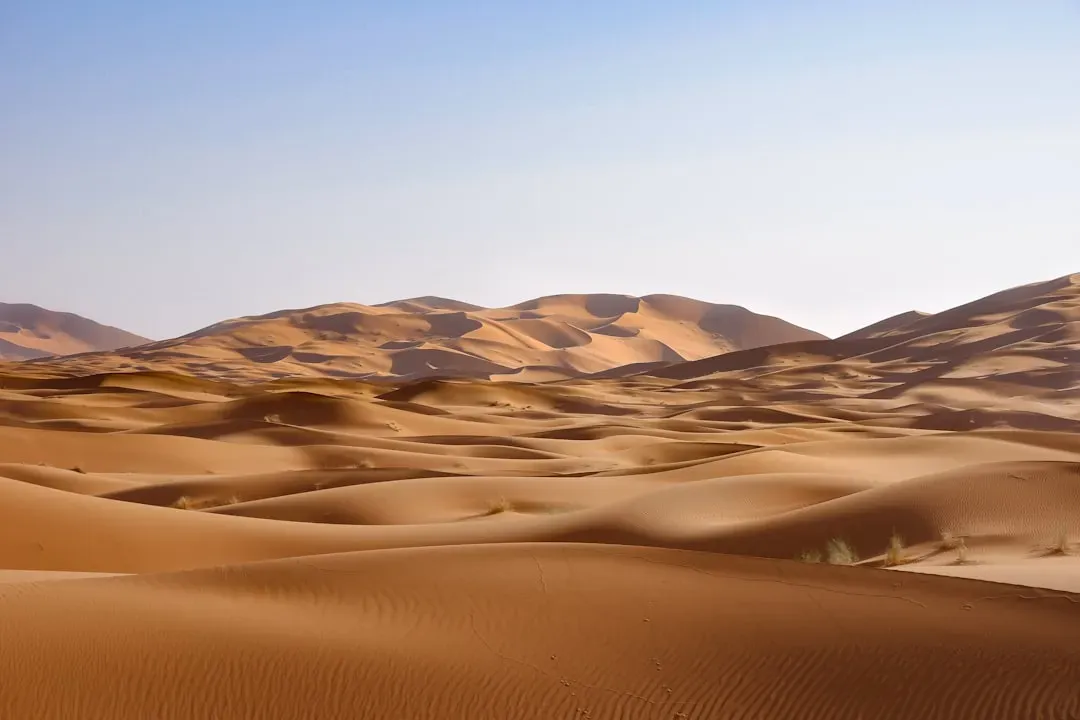
Buried deep beneath the world’s largest hot desert is something that feels almost paradoxical: not just dry fossil sands, but a colossal reservoir of ancient water, moving in slow motion through rocks that formed long before the Nile carved its way to the Mediterranean. Scientists call these hidden reservoirs transboundary aquifer systems and fossil aquifers, but the story behind them is closer to a lost chapter of Earth’s climate history than a simple geology lesson. The idea that water older than the Nile itself is still creeping through the Sahara today is as astonishing as finding a river flowing through a history book.
We are not talking about a small pocket of groundwater here and there, but vast underground systems stretching across borders and beneath entire countries in North Africa. Some of these aquifers formed when the Sahara was green, covered in lakes, wetlands, and savannas, long before the desert we recognize today. The fact that their slow, almost ghostly current is still active invites a huge question: are we tapping into a miracle resource, or slowly draining a one‑time planetary inheritance that took tens of thousands of years to build?
How Can Underground Water Be Older Than the Nile?
At first glance, it sounds dramatic or even exaggerated to say underground water beneath the Sahara is older than the Nile. But when scientists analyze groundwater from major Saharan aquifers using isotopes of hydrogen, oxygen, and even traces of radioactive elements like carbon‑14 or chlorine‑36, they can estimate when that water fell as rain. Many samples point back to the late Pleistocene and early Holocene, thousands to tens of thousands of years ago, long before the Nile took on its modern form along the path we know today.
During those wetter periods, often called pluvials, the Sahara was a radically different landscape, dotted with rivers, mega‑lakes, and dense vegetation. Rainfall infiltrated deep into porous rocks, accumulating in huge underground basins that slowly filled with what we now call fossil water. The Nile as a continuous, stable river system is effectively a younger character in Earth’s story compared with this buried water, which started its journey when large parts of the region still supported hippos, crocodiles, and human hunter‑gatherers living around permanent lakes.
The Giant Aquifers Hidden Beneath the Sahara
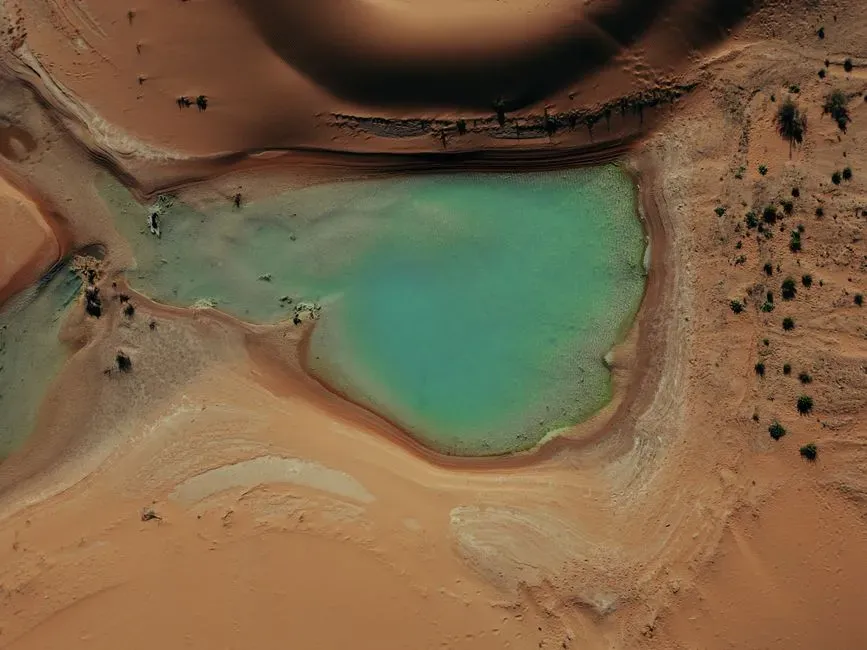
Beneath the sand and rock of North Africa lie some of the largest known aquifer systems on the planet. The Nubian Sandstone Aquifer System extends beneath countries like Egypt, Libya, Sudan, and Chad, while other massive basins such as the North Western Sahara Aquifer System and the Murzuq and Taoudeni basins stretch under Algeria, Tunisia, Libya, Niger, Mali, and more. These aquifers are not underground rivers in the cinematic sense; they are more like colossal, soaked sponges of ancient sandstone and limestone holding water in their pores.
What makes them so impressive is both their scale and their age. Some estimates suggest these aquifers store volumes of groundwater comparable to many of the world’s largest surface lakes combined. Yet the environment that recharged them in the past – a greener Sahara with seasonal monsoons penetrating far inland – no longer exists in the same way. So when you imagine these systems, think of them less like refilling tanks and more like enormous, slowly draining batteries charged during a different climate era.
Is the Subsurface Current Really Still Active?
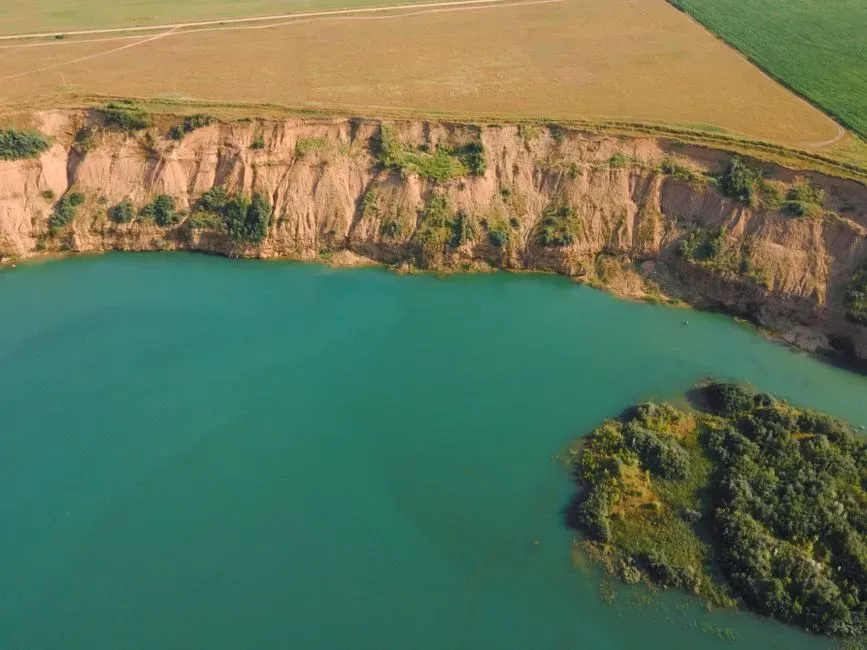
The phrase “the current is still active” can be misleading if we picture a roaring underground river. In reality, groundwater flow in deep Saharan aquifers is incredibly slow, often measured in meters per year or less, depending on the rock layers and pressure differences. But slow does not mean static. Hydraulic gradients created by differences in elevation and pressure still push water from recharge zones toward discharge areas, whether those are oases, springs, or wells drilled by humans.
In some marginal zones of these aquifers, especially where the Sahara meets more humid regions or ancient recharge areas at higher elevations, there may still be limited modern recharge from occasional rainfall. However, the vast bulk of these aquifer volumes consists of water that infiltrated long ago, in climates very different from today. So yes, the current is active in a technical sense: water is still moving. But for practical purposes, we are mostly living off an ancient flow that is moving too slowly and being replaced too weakly to keep up with intensive human pumping.
From Green Sahara to Hyper‑Arid Desert: How the System Formed
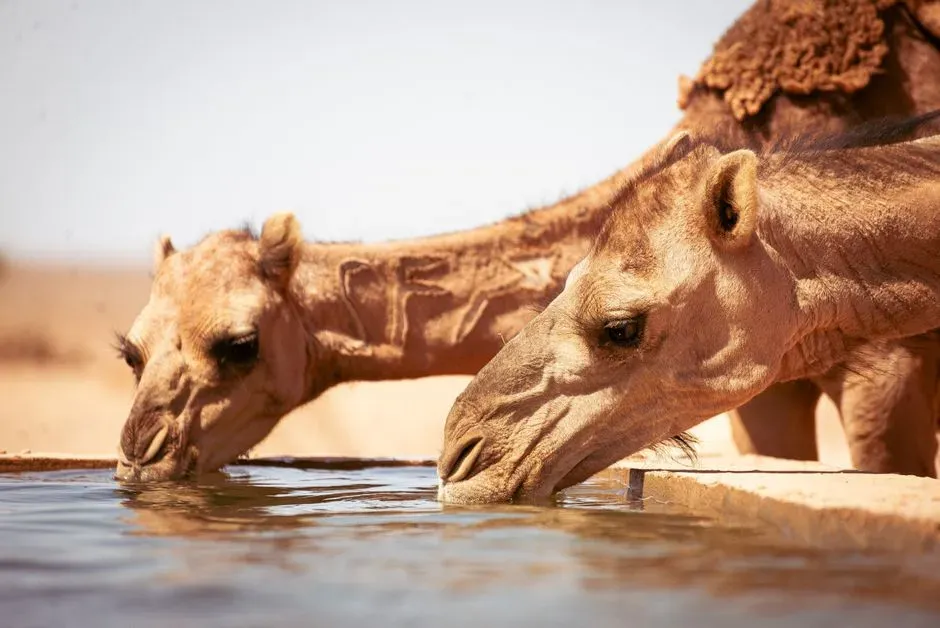
To understand why this buried water is so old, you have to go back to times when the Sahara did not look like an endless sea of dunes. Over the last few hundred thousand years, the region has flipped repeatedly between wetter and drier phases, driven largely by slow changes in Earth’s orbit and the strength of the African monsoon. During wet periods, often lasting thousands of years, monsoon rains pushed far north, filling lakes, carving rivers, and feeding wetlands where today there is only dust and rock.
In those green intervals, rainwater soaked into permeable rocks, especially fractured sandstones and carbonate formations, gradually pooling at depth into the giant aquifers we now map with satellites and test wells. As climate cycles shifted and the Sahara dried, surface water vanished, vegetation retreated, and dunes marched across former lake beds. The aquifers, however, remained trapped below, shielded from evaporation, preserving a liquid record of climates that are otherwise only visible in lake sediments, fossil bones, and ancient rock art scattered across remote plateaus.
How Scientists Actually Study Invisible Water
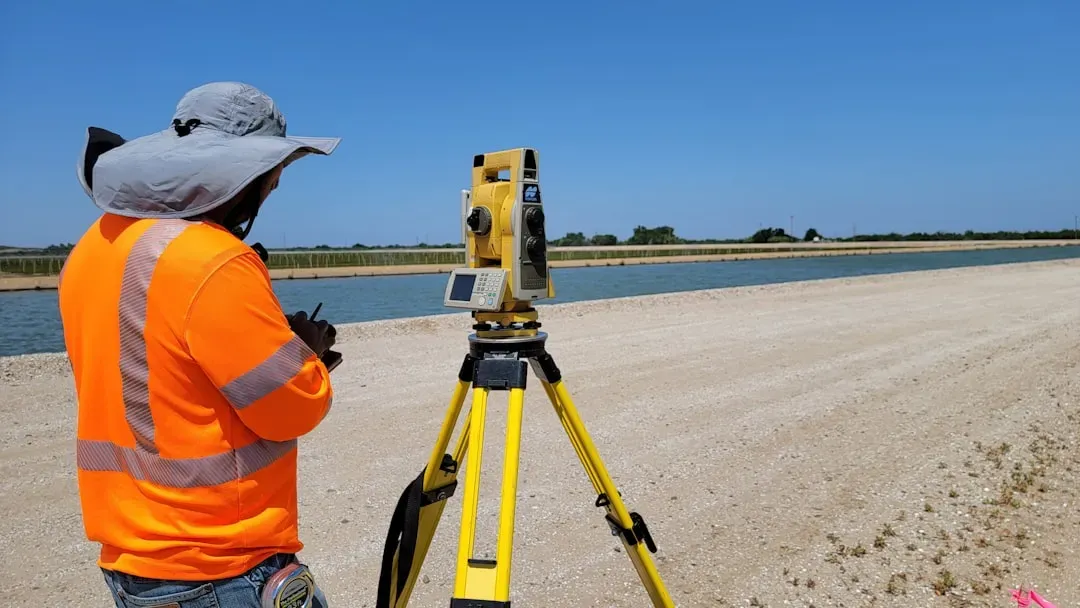
Because you cannot see an aquifer directly, understanding these underground systems is a bit like solving a puzzle with only fragments of the picture. Scientists use a mix of tools: drilling wells to sample water at different depths, measuring the chemistry and isotopes in those samples, and using geophysical methods like seismic surveys and electrical resistivity to infer the structure of the rocks. Satellite missions that measure tiny variations in Earth’s gravity field can even detect broad changes in groundwater storage over large regions.
By comparing groundwater age data, flow models, and trends in water levels over time, researchers can estimate how much of the stored water is ancient, how fast it moves, and how quickly human use is drawing it down. It is a world away from the romantic image of explorers stumbling on hidden underground rivers, but the truth is more powerful: a rigorous, slowly evolving picture of a resource that bridges past and present. Personally, I find that combination of detective work and deep time perspective far more thrilling than any simple treasure‑hunt narrative.
Modern Mega‑Projects and the Risk of Draining an Ancient Reserve
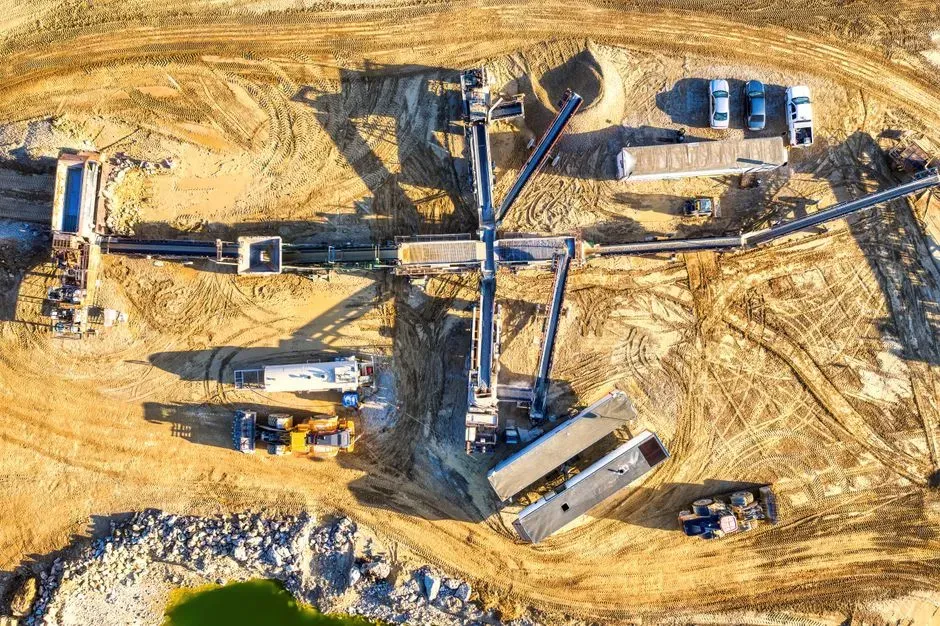
In the late twentieth and early twenty‑first centuries, several North African countries turned to these aquifers as strategic water supplies, especially for irrigation and urban use. You can see this in large‑scale groundwater abstraction projects, vast pivot‑irrigated farms appearing in satellite images in the middle of the desert, and ambitious engineering schemes designed to transport groundwater over hundreds of kilometers to coastal cities and agricultural zones. For water‑stressed nations, the appeal is obvious: there is a lot of water down there, and it seems just waiting to be used.
The catch is that much of this water is effectively non‑renewable on human timescales. When pumping rates dramatically exceed the minimal recharge these systems receive in today’s climate, water levels drop, wells have to be drilled deeper, and the pressure that once allowed flowing artesian wells diminishes. In simple terms, we are mining ancient water much the way we mine oil: once it is gone, it will not be replaced in any meaningful way within many human generations. That reality tends to get lost when the short‑term priority is growing food and supplying cities right now.
Why This Ancient Water Matters for the Future of the Sahara
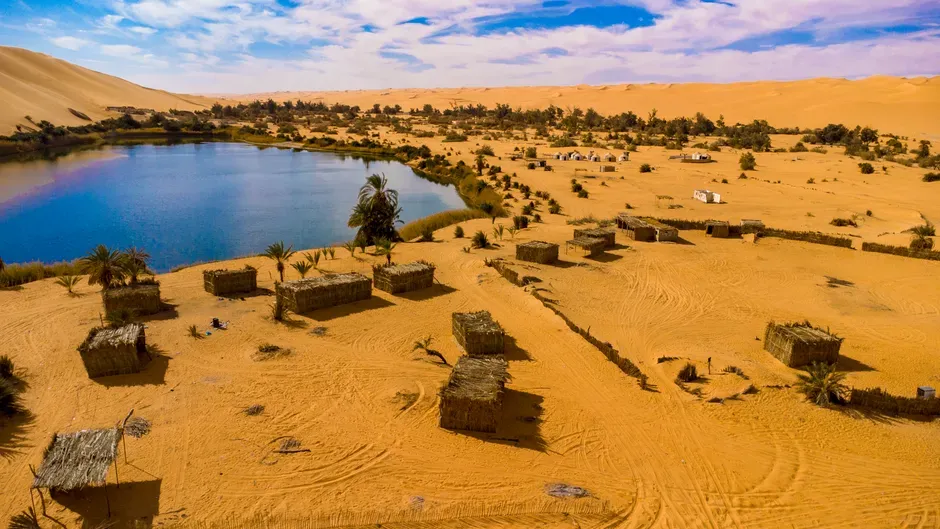
It might be tempting to think of these aquifers as a secret cheat code that lets desert nations bypass water scarcity, but the truth is more fragile and nuanced. On the one hand, having access to such a massive, relatively clean water source can support food security, urban life, and economic development in regions that otherwise depend almost entirely on erratic rainfall and highly stressed rivers. On the other hand, unsustainable pumping can commit future generations to severe water crises, land subsidence, and the loss of unique oases and ecosystems that rely on natural groundwater discharge.
Climate change adds another layer of uncertainty. While some models hint at possible shifts in rainfall patterns over North Africa, there is no robust evidence that we are heading back to a permanently green Sahara anytime soon that could fully recharge these giant aquifers. From my perspective, the most responsible stance is to treat this water like a precious inheritance rather than a bottomless well: something to be used carefully, monitored closely, and managed with transparent regional cooperation, not just exploited until the wells run dry and future communities are left to deal with the fallout.
Conclusion: An Ancient River Beneath Our Feet, and a Choice Above Ground
The idea that an underground water system beneath the Sahara is older than the Nile and still slowly flowing forces us to rethink what a desert really is. Beneath the blistering dunes lies a quiet, ancient river of sorts, shaped by climates that humans never witnessed and holding memories of a lush landscape that now survives only in fossils and buried sediments. The science tells a humbling story: these aquifers are not a modern convenience we can switch on and off, but the slow work of thousands of years of rain, geology, and planetary motion.
My own take is that treating this ancient groundwater as just another commodity is short‑sighted, almost like burning rare books just because you are cold in the moment. It can absolutely help support people now, and in some places it is a lifeline, but it should be managed with a sense of restraint and responsibility, not reckless optimism. In the end, the real question is not whether the current beneath the Sahara is still active, but whether we can be wise enough, as its accidental beneficiaries, to avoid draining a past that can never be rebuilt. If you stood on that endless sand knowing an ancient, fading flow was passing silently far below, how would you want us to use it?