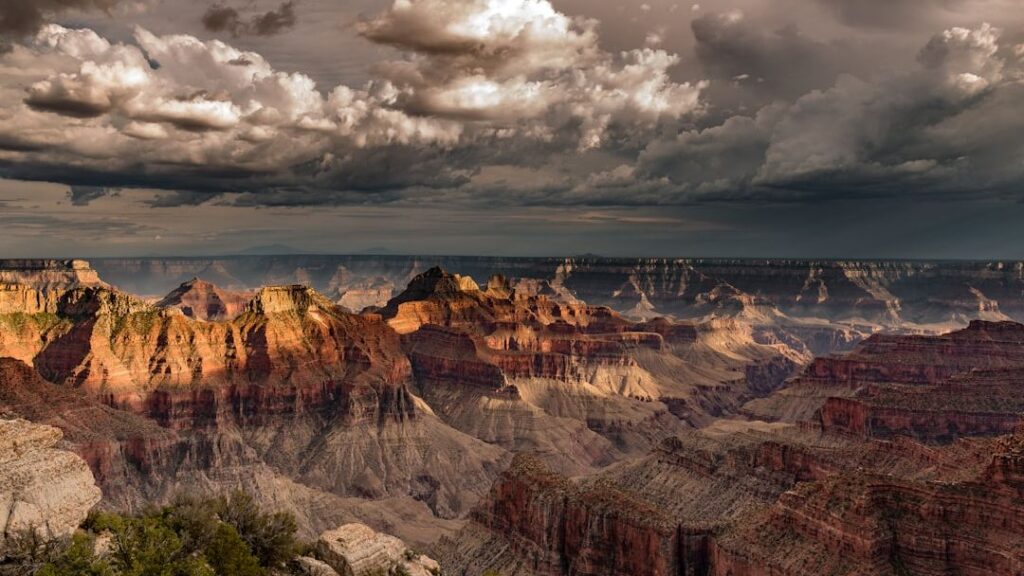

The Grand Canyon feels so solid and eternal that it is genuinely shocking to learn there are hundreds of millions of years of its rock record that are simply… gone. Somewhere between older layers more than a billion years old and younger layers about half a billion years old, there is a stunning gap in time, a vanished chapter geologists call the Great Unconformity. That missing chunk covers a span so long that, if it were a book, it would be like ripping out everything from the early chapters of Earth’s story and tossing them into the Colorado River.
For decades, scientists could see the gap but could not fully explain it, and that mystery quietly gnawed at them. Now, with new tools borrowed from physics and chemistry, researchers are finally starting to piece together what happened during that “lost time.” The answers they are uncovering are not just about the Grand Canyon; they are about global ice ages, the rise of complex life, and the violent sculpting of continents themselves. The canyon’s missing history turns out to be less like a blank page and more like a heavily redacted document, and we are finally learning how to read between the blacked‑out lines.
A Billion Years, Gone In A Single Line
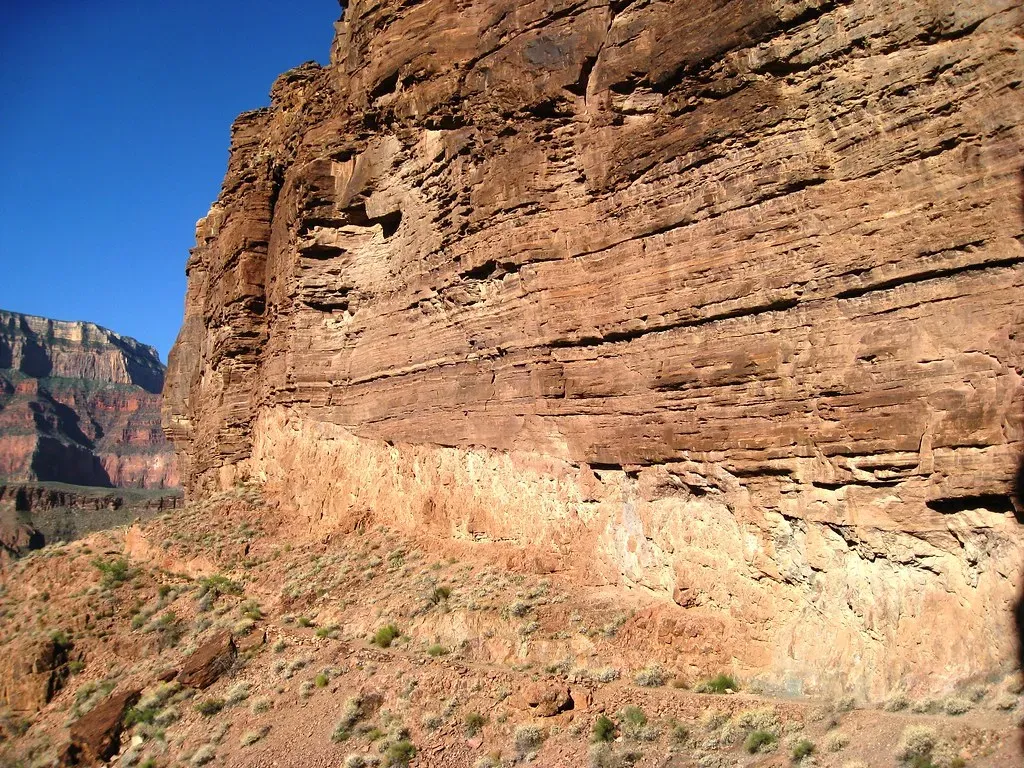
The strangest thing about the Grand Canyon’s history gap is how obvious it is once someone points it out. You can literally walk up to certain walls in the canyon and put one hand on ancient, crumpled, tilted rocks more than a billion years old and the other hand on relatively flat layers that are hundreds of millions of years younger. Between those two rock packages there is no gradual transition, no neat stack of intervening layers, just an abrupt surface separating one from the other. That surface is what geologists call an unconformity, and at the Grand Canyon, it represents a mind‑bending length of missing time.
To make sense of it, imagine reading a history of humanity where you jump straight from early stone tools to the internet with almost nothing in between. That is the scale of the time skip here, only more extreme: roughly about a quarter to a third of Earth’s entire age may be missing in some places. For a long time, this was simply accepted as a brute fact: rocks had been eroded away. But as more data have come in, that simple explanation has started to feel too thin. The question is no longer just “what was removed?” but “what forces on a changing planet were so powerful, and lasted so long, that they could strip away an entire geologic chapter on such a massive scale?”
What Exactly Is The Grand Canyon’s Great Unconformity?
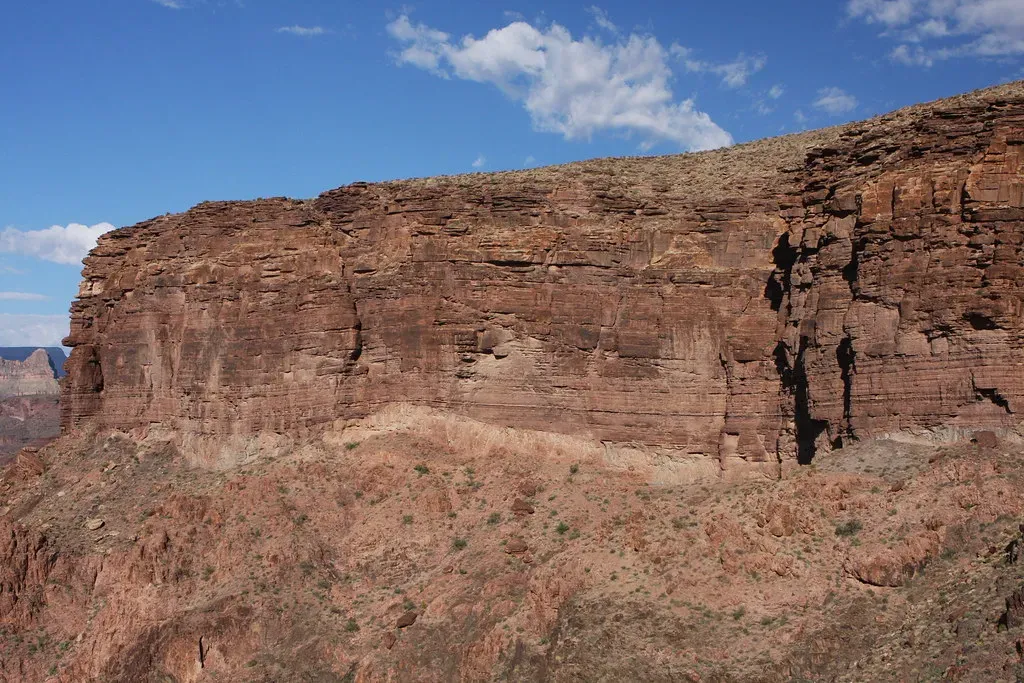
Geologists use the phrase Great Unconformity to describe a striking, widespread break in the rock record that shows up not just at the Grand Canyon but across large parts of North America and even other continents. In the canyon, it is especially dramatic where flat, younger sedimentary rocks rest right on top of much older igneous and metamorphic rocks. The older basement rocks may be more than one and a half billion years old, while the overlying layers might be around half a billion years old, so that boundary hides roughly about a billion years of missing time in some spots.
This is not a minor bookkeeping issue for rock nerds. That time span bridges crucial events in Earth’s history, including multiple global glaciations and the buildup toward the Cambrian Explosion, when animal life in the oceans diversified rapidly. The fact that there is such a glaring gap exactly where so much seemed to be happening on a global scale has made the Great Unconformity feel less like a coincidence and more like a clue. Understanding it is a bit like trying to reconstruct what happened during a house fire by examining the charred walls and the missing furniture; the absence itself carries information if you know how to read it.
How A Missing Rock Record Can Still Tell A Story
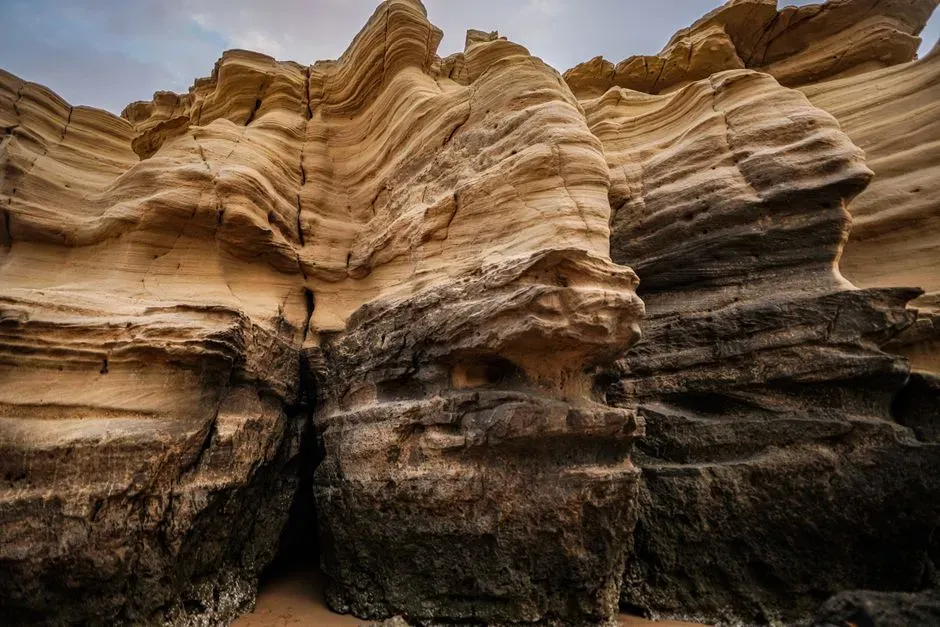
At first glance, it sounds impossible: how can scientists learn anything about rock layers that are no longer there? The trick is that erosion does not erase every trace; it leaves scars. At the surface of the Great Unconformity, researchers look for chemical signatures, textures, and mineral changes that signal long exposure to air, water, or ice. These features can hint at whether the rocks spent ages as a buried crustal layer, a windswept land surface, or a landscape scoured by glaciers. Even the way younger sediments drape over that eroded surface can reveal whether the landscape was a rugged mountain chain or a relatively flat plain when it was finally submerged and buried again.
On top of these field observations, geologists now lean on advanced dating techniques that can measure how long minerals near the boundary have been exposed or buried. Some methods use tiny damage tracks or helium atoms trapped inside crystals, which build up or leak out depending on temperature and pressure over time. By reading these microscopic “thermometers” and “clocks,” scientists can reconstruct a rough thermal history of the rocks, showing when they were lifted toward the surface and when they were buried deep in Earth’s crust. In a sense, they are not just asking “what is missing?” but “what journey did these rocks take while those missing layers were being stripped away?”
Glacial Bulldozers: Did Ancient Ice Sheets Carve Out The Gap?
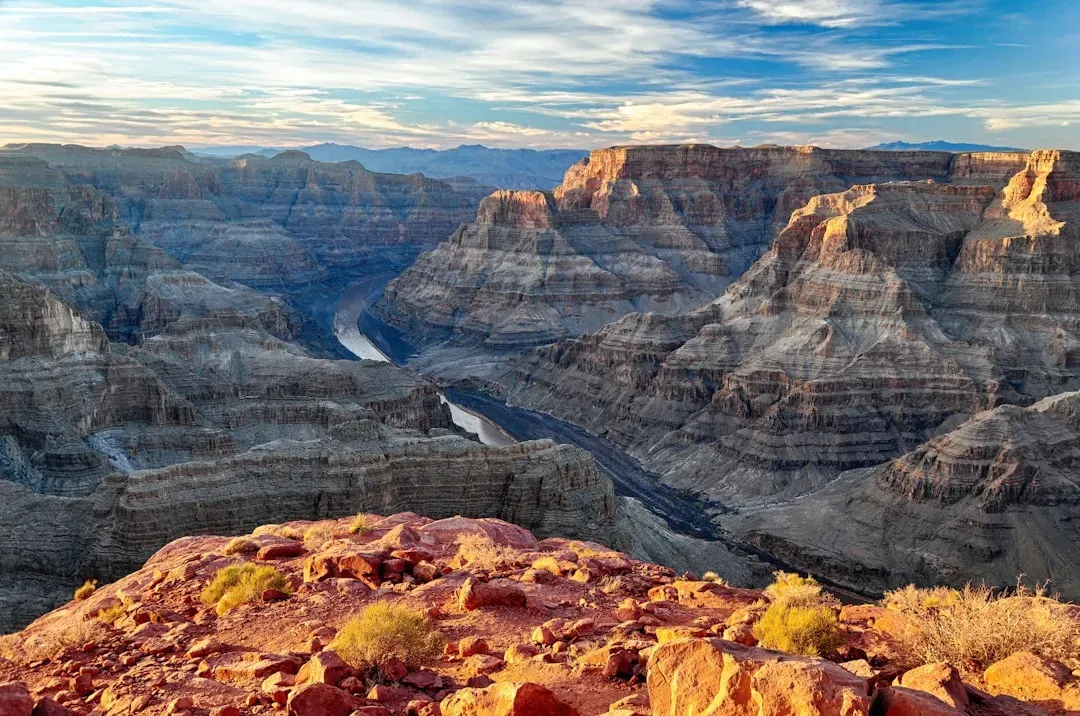
One of the most intriguing ideas to emerge is that enormous ice sheets during ancient “Snowball Earth” style glaciations played a major role in creating the Great Unconformity. During several episodes more than half a billion years ago, evidence suggests that ice may have extended close to, or even to, the equator. If that is the case, then continental surfaces like the proto‑North American craton could have been repeatedly ground down by vast, thick ice masses acting like planetary‑scale bulldozers. Over millions of years, that kind of glacial planing can strip away mountains, peel off sedimentary layers, and leave behind a smoothed, eroded surface much like the one we see at the base of the canyon’s younger rocks.
This glacial hypothesis has gotten support from both field observations and thermal‑history reconstructions that suggest intense erosion around the time of those big ice ages. In some regions where the Great Unconformity is present, the timing of erosion seems to line up with known glacial intervals, hinting at a global pattern rather than just local weathering. Of course, ice is not the whole story; tectonics and sea level also matter. Still, the idea that the canyon’s missing chapter reflects a time when the planet may have been wrapped in ice gives the story a dramatic twist. It means that to understand why the canyon’s rock record is missing, we have to grapple with one of the most extreme climate states our planet has ever experienced.
Did Tectonic Upheaval And Mountain Building Do The Heavy Lifting?
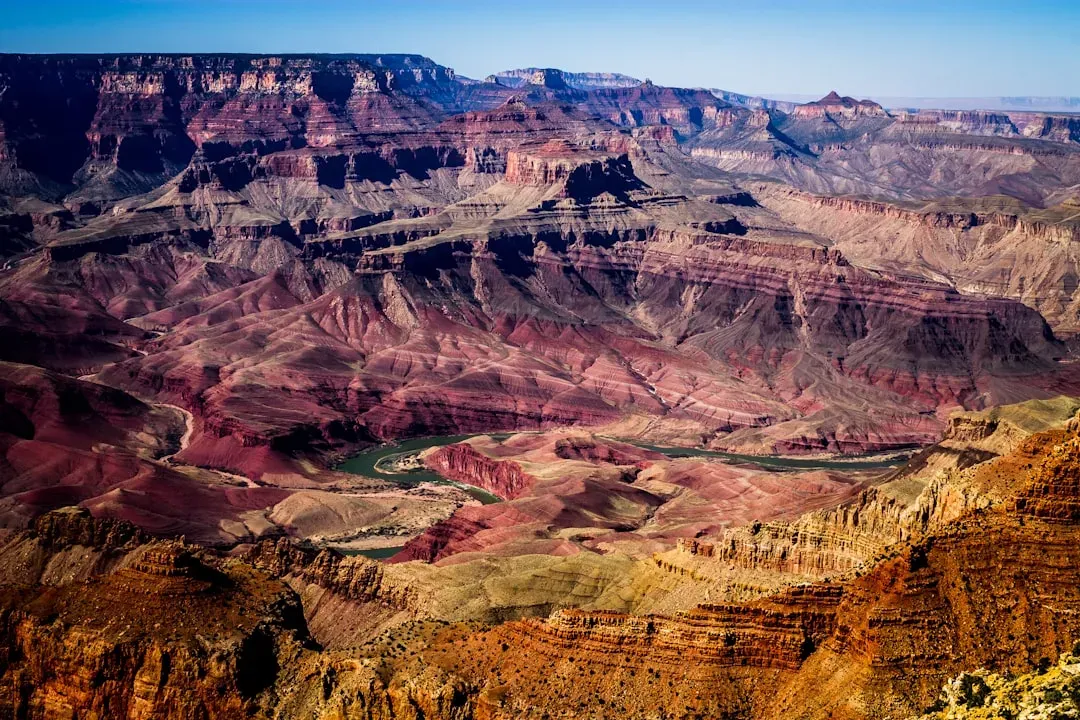
Not all scientists are convinced that glaciers alone carved out the history gap, and some evidence points strongly toward tectonics and mountain building as key players. Long before the familiar canyon formed, earlier mountain ranges rose and were worn down in the area that would become the southwestern United States. When continents collide or rift apart, rocks can be thrust upward, fractured, and exposed to the surface, where wind, water, and gravity eagerly tear them apart. Over hundreds of millions of years, this can remove thick piles of earlier sediments and even chew into the ancient basement rocks underneath.
Thermochronology studies in different parts of North America suggest that erosion linked to tectonic events may have preceded, overlapped with, or followed major glaciations, meaning the story is a tangle of forces rather than a single clean cause. Some researchers argue the Great Unconformity should be seen not as one globally synchronized event, but as a composite of different erosional histories stitched together in time and space. In this view, the Grand Canyon’s missing rock record is the local expression of a longer saga of crustal thickening, uplift, and eventual collapse. Instead of a single dramatic bulldozing, think of it like an old city repeatedly rebuilt, demolished, and paved over until only the most stubborn foundations remain.
The New Age Of Atomic Timekeeping In Canyon Rocks
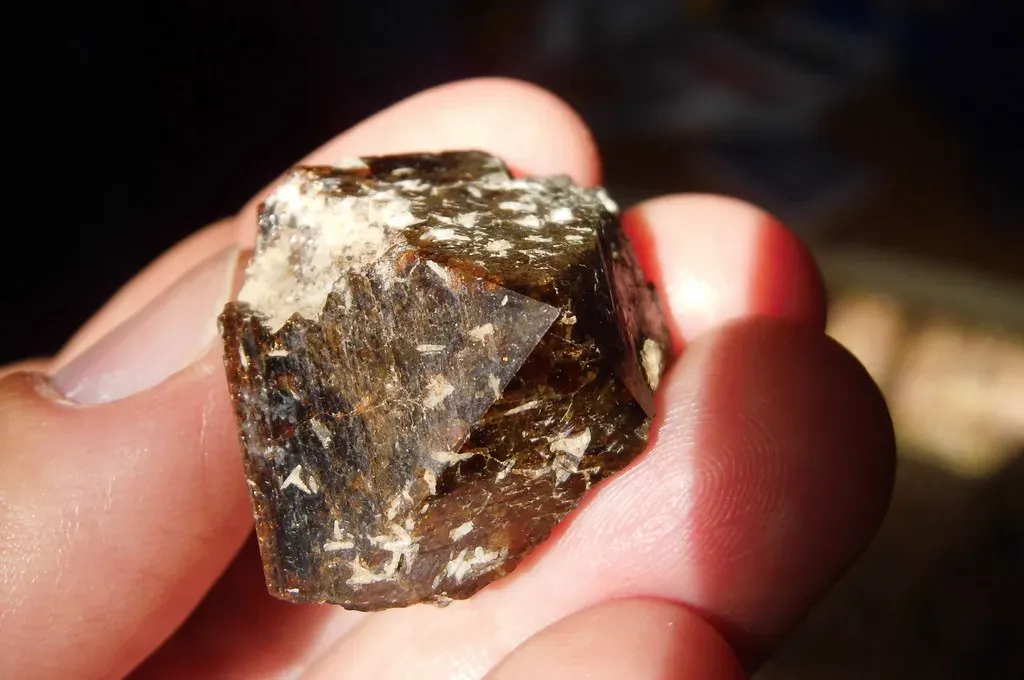
What has really changed the game in the last decade is the use of sophisticated dating tools that operate at the atomic and sub‑microscopic scale. Techniques such as uranium‑lead dating in tiny zircon grains and various forms of thermochronology allow scientists to pin down when rocks cooled, when they were exhumed toward the surface, and how quickly erosion might have been happening. Each zircon crystal can act like a resilient time capsule, hanging on through melting, burial, and uplift while preserving clues about its formation and subsequent thermal history. By sampling many grains from different rock units around the canyon, researchers can build up a mosaic picture of how the region evolved through the gap period.
These methods are far from trivial; they require careful calibration, assumptions about heat flow, and often produce ranges rather than single neat dates. Yet when multiple techniques and independent studies start to converge, the outlines of a consistent story emerge. In the Grand Canyon, newer work tends to support intense erosion episodes that roughly line up with both tectonic pulses and major climate shifts. It is still a messy, debated picture, but scientists now have data‑driven ways to argue over specifics, rather than just shrugging and gesturing at an empty slice of the geological timescale. The canyon’s missing history is going from a blank space on a chart to a complicated but decipherable record in its own right.
A Global Puzzle: The Great Unconformity Beyond The Canyon
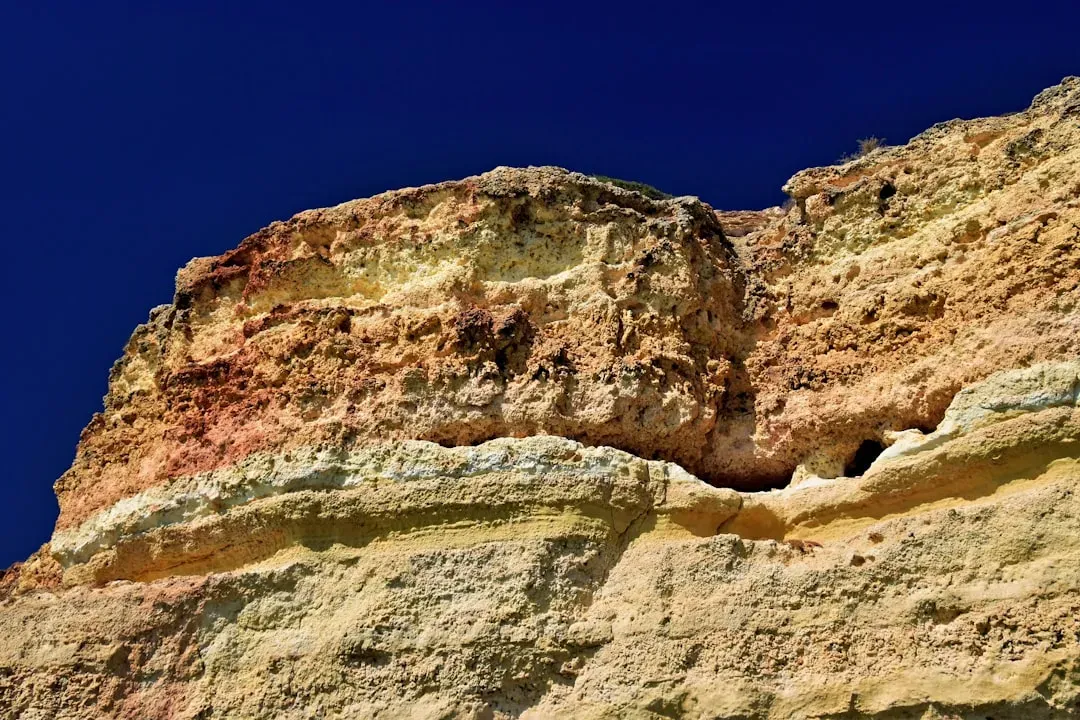
One of the subtle but powerful realizations is that the Great Unconformity is not just a Grand Canyon curiosity; similar gaps appear in other regions and on other continents. That broader pattern has encouraged scientists to think in terms of global processes rather than purely local quirks. If widely separated areas show rock packages where ancient crystalline basement is directly overlain by much younger sedimentary layers, then something big was happening at or near the planet’s surface across vast areas. Whether that “something” was dominated by global glaciations, long‑lived tectonic cycles, or some combination, the canyon becomes one data point in a much larger story.
At the same time, the details differ from place to place, which keeps the debate alive and healthy. In some regions, the time gap is larger or smaller; in others, the nature of the erosional surface looks different. Some sites preserve signs of deep chemical weathering rather than glacial scouring, hinting at warmer, wetter conditions at times. This patchwork forces scientists to be humble and to accept that Earth rarely behaves in perfectly synchronized fashion. For curious non‑experts, that is part of the magic: the Grand Canyon’s missing chapter connects to a global saga, but it retains its own local accent, its own twists, and its own unresolved questions.
How The History Gap Connects To The Rise Of Complex Life
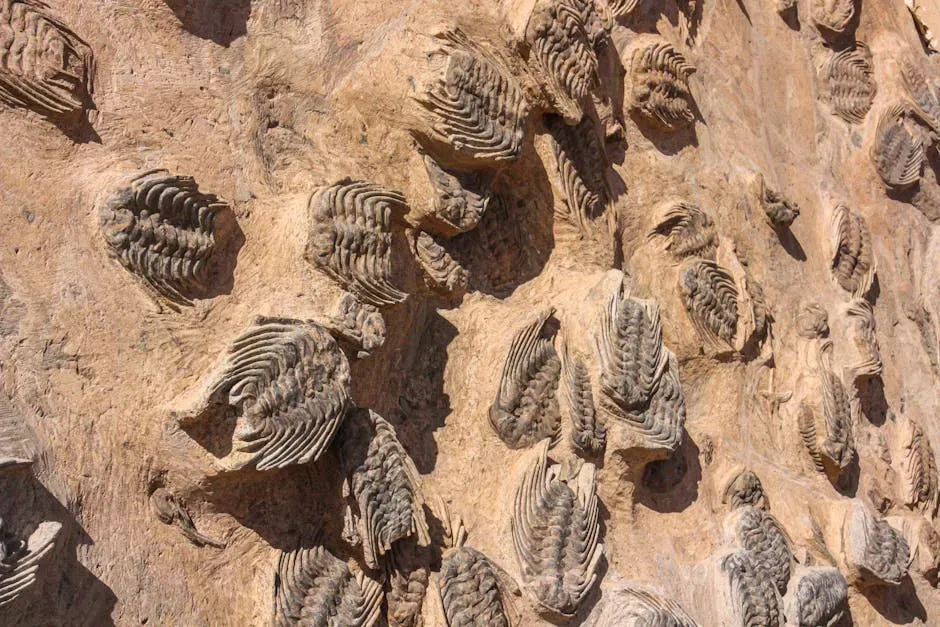
One reason the Great Unconformity gets so much attention is that it brackets the lead‑up to the Cambrian Explosion, when animal diversity in the fossil record suddenly increases. Below the unconformity are very old rocks that rarely contain obvious fossils of complex creatures. Above it, in younger layers, we start to see more abundant evidence of shelly animals, burrows, and more intricate ecosystems. Some researchers have speculated that the intense erosion associated with the unconformity might have pumped nutrients into the oceans, altering chemistry in ways that favored the evolution and spread of new life forms. Massive weathering of continental crust can deliver phosphorus, calcium, and other ingredients that marine life thrives on.
Other scientists are more cautious and argue that the apparent link between erosion and life’s diversification may be more coincidental than causal. After all, multiple processes were unfolding at once: changing climate, shifting oxygen levels, and internal biological innovations in organisms themselves. Still, it is hard to ignore the timing. At the very least, the Grand Canyon’s missing rock record reminds us that the surface of the planet and the biosphere are constantly talking to each other. Rock is not just a backdrop for life; it is a partner in the dance. Whether or not erosion “caused” complex life to flourish, it certainly helped shape the environments where evolution played out.
Why This Mystery Feels So Personal (And What It Says About Science)
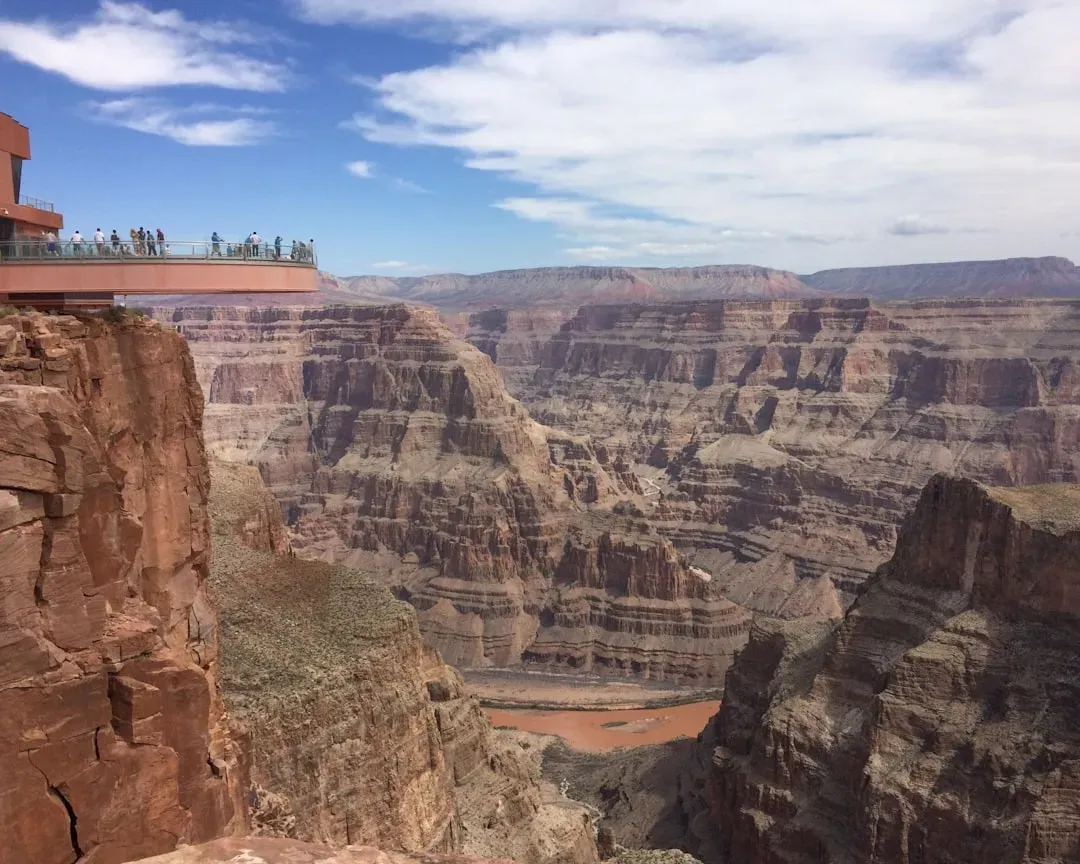
For many visitors, standing at the rim of the Grand Canyon is an emotional experience, and learning about the history gap only deepens that feeling. There is something almost unsettling about realizing that you are looking straight at a slice of Earth’s crust where time itself appears to jump. When I first learned about the Great Unconformity, it completely rewired the way I looked at those layered cliffs; suddenly, I was not just seeing colors and shapes, but a jagged heartbeat of erosion and burial, catastrophe and calm. It made the canyon feel less like a postcard and more like a scar that the planet still carries.
From a broader perspective, the effort to decode that scar shows science at its best and most human. Different teams argue, propose models, and refine their methods, and the picture evolves over time. No one has the final word, and that is the point. The history gap is a reminder that even on a planet we have lived on for hundreds of thousands of years, we are still beginners in many ways, trying to infer ancient stories from the fragments left behind. That uncertainty is not a flaw; it is an invitation. The canyon’s missing chapter pulls us in precisely because it shows how much we have yet to understand and how creatively we have to think to fill in the blanks without simply making things up.
Conclusion: A Missing Chapter That Might Be The Best Part Of The Book
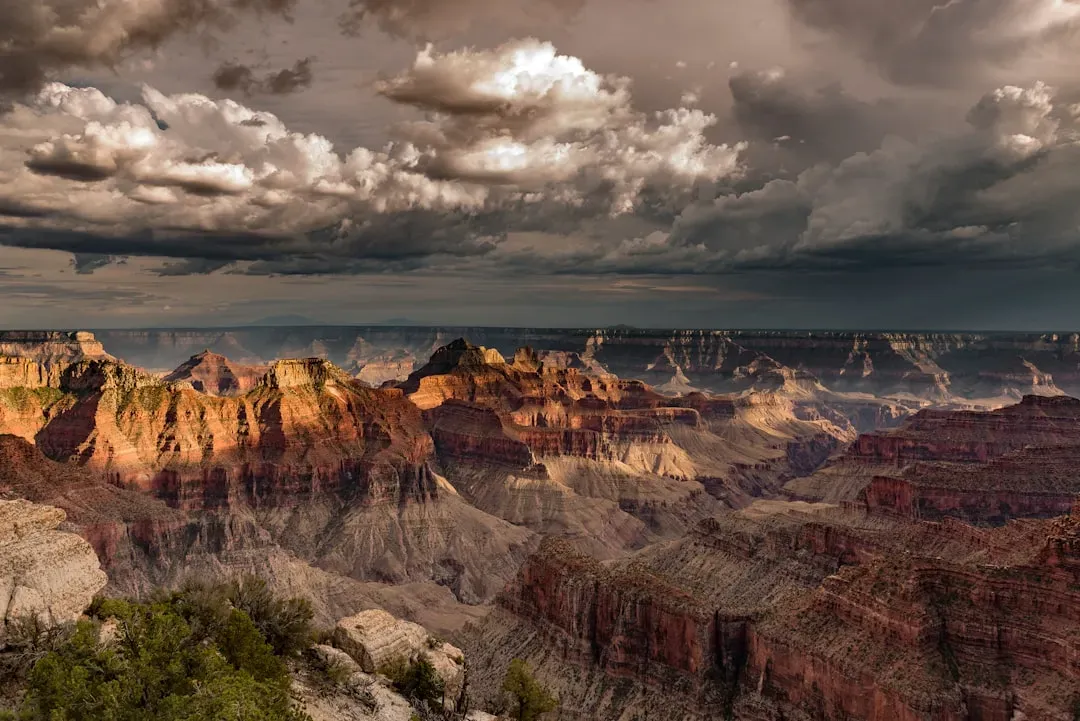
In my view, the most exciting thing about the Grand Canyon’s missing history is not that we have finally “solved” it, but that we are learning how rich an absence can be. The Great Unconformity turns out to be a meeting point of glacial fury, tectonic restlessness, and biological turning points, rather than a simple hole in the record. The latest research suggests that no single culprit carved out the gap; instead, a long interplay of uplift, erosion, and extreme climate episodes gradually stripped away layers and reset the landscape. That makes the story messier, but also more honest and, frankly, more fascinating.
I think we should resist the urge to treat the canyon’s history gap as a closed case or a neat metaphor with a tidy lesson. Its power lies precisely in its rough edges and open questions, in the way it forces us to stretch our imaginations across almost unimaginable spans of time while staying anchored to hard evidence. Standing at that boundary between ancient basement rock and younger sediments, you are literally touching the limits of what we can currently know. For a curious mind, that is not a frustration, it is a thrill. What other “missing chapters” in Earth’s story are hiding in plain sight, just waiting for us to learn how to read them?