Articles for category: Biology & Genetics, Ecology, Plants

White and brown ceramic teapot on wooden tray.

International Tea Day: The Botany and Chemistry of the World’s Favorite Leaf

Trizzy Orozco

Did you know that a simple cup of tea connects people across continents and centuries, weaving together stories of science, tradition, and taste? As the steam rises from a freshly brewed pot, it whispers tales of ancient botanists, wild mountain plantations, and the invisible chemistry that makes every sip unique. On International Tea Day, let’s ...

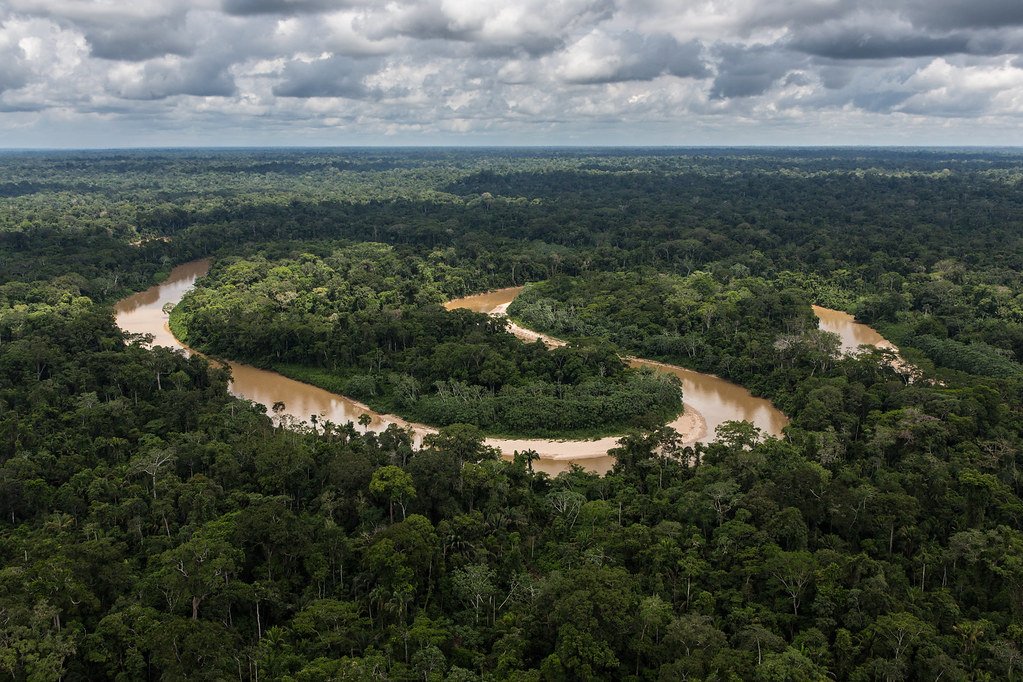
River between trees in a forest.

Rewilding: How Reintroducing Extinct Species Can Help Restore Ecosystems

Trizzy Orozco

Rewilding is an innovative conservation strategy focused on restoring ecosystems and enhancing biodiversity. It involves returning species, particularly those that are extinct locally or globally, to environments where they once thrived. The concept is gaining momentum as scientists and conservationists explore novel solutions to mend the planet’s fractured landscapes and counter biodiversity loss. The Science ...

Green turbo seashell on the sand

Paleogeography Rewrites the Map: How Ocean History Shaped Mollusk Distribution

April Joy Jovita

A sweeping new study has unveiled a global map of marine mollusks that reflects not just present-day ocean conditions but millions of years of geological transformation. Published in Scientific Reports, the research shows how ancient shifts in land and sea, alongside temperature and ocean currents, continue to shape the biogeography of shallow-water mollusks like bivalves ...

Lake Redon

Ancient aquaculture: The Surprising Story of Fish in Europe’s High Lakes

April Joy Jovita

High mountain lakes in Europe were naturally fishless due to geographical barriers. However, recent studies revealed that humans introduced fish into these ecosystems much earlier than previously documented. Utilizing ancient environmental DNA (eDNA) analysis, researchers have traced fish presence in Lake Redon, located in the Pyrenees Mountains of Spain, back to the 7th century CE. ...

A snake being kept as a pet.

The Impact of Invasive Species on Native Animal Populations

Maria Faith Saligumba

Invasive species are organisms that thrive and spread aggressively in regions where they are not native. Often introduced by human activities, intentionally or accidentally, these species can disrupt local ecosystems. The absence of natural predators in the new environment allows them to multiply rapidly, posing significant challenges to native life forms. From plants to animals ...