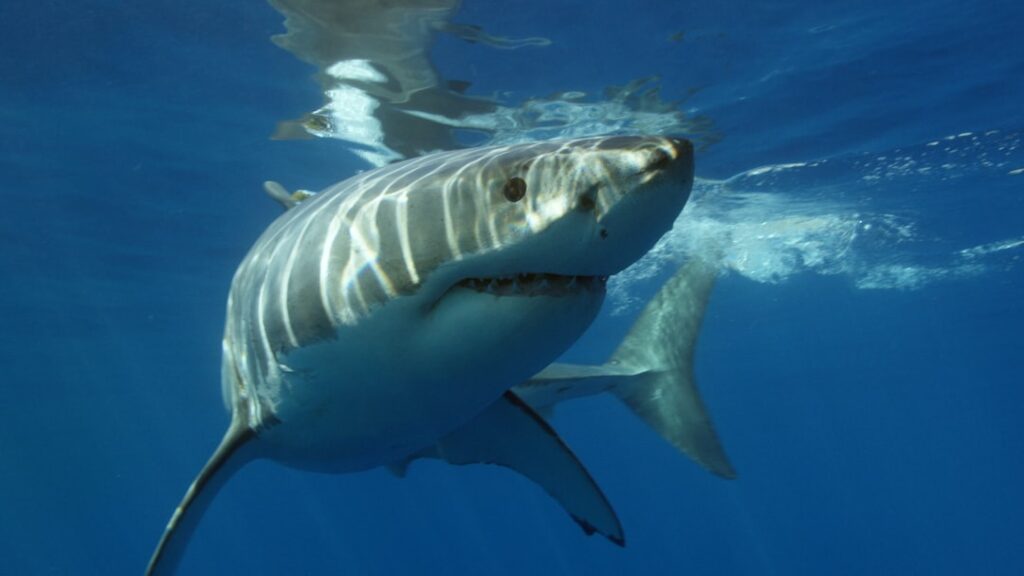

You are constantly told that shark attacks are rare, that your chances are tiny, that you are more likely to be hit by lightning than bitten in the surf. All of that is broadly true, but it also quietly hides something important: a handful of coastlines outside the United States account for a surprisingly high share of serious incidents, and you almost never see that in glossy brochures. You might see drone shots of turquoise water and perfect sand; you will not see the history of bites, the offshore migration routes, or the way currents funnel big predators right toward the shore.
This does not mean you should be terrified of the ocean or cancel every beach trip. It does mean that if you like to swim, surf, or dive abroad, you deserve clear, unvarnished information instead of one-line disclaimers buried on a safety page. Below, you will walk through six coastlines where sharks and people cross paths more often than most visitors realize. You will see why these places are so shark-dense, how local authorities quietly manage the risk, and what you can do if you still want to enjoy them without pretending the danger does not exist.
1. Réunion Island’s Wild West Coast, Indian Ocean
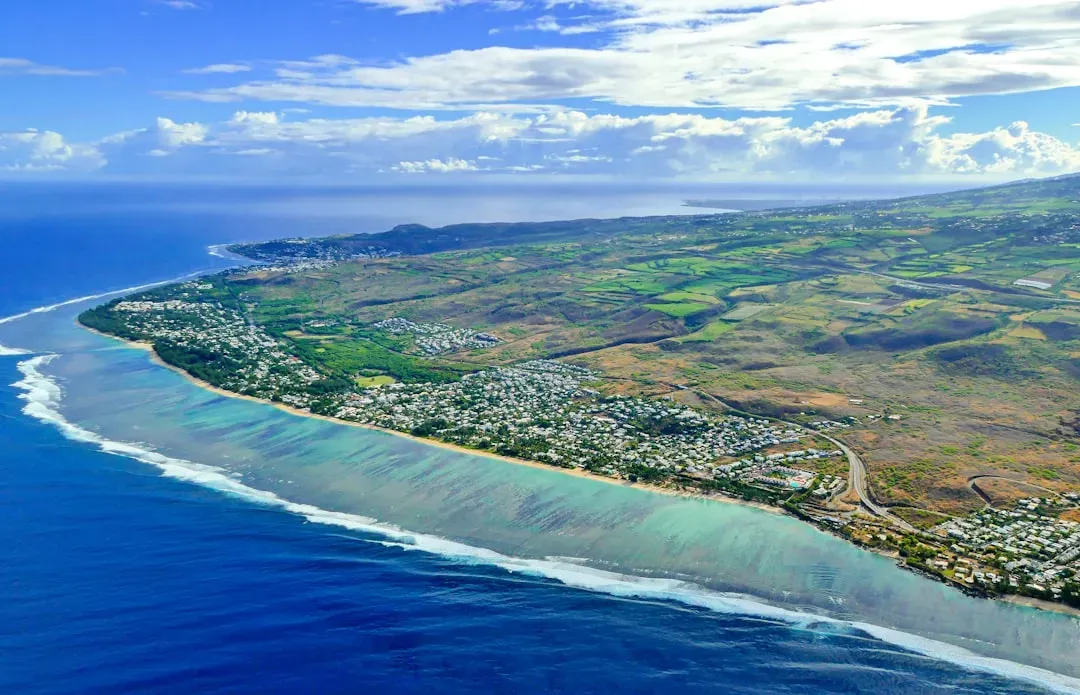
If there is one place on Earth where you should think twice before paddling out, it is the west coast of Réunion Island. You are looking at a French tropical postcard in the middle of the Indian Ocean, but statistically, this small island has punched far above its weight in shark incidents over the last few decades. Studies have documented dozens of attacks around Réunion since the 1980s, enough that risk assessments have put its per-capita fatality rate far higher than most other coastal regions, including South Africa. Surf zones like Saint-Leu and Saint-Gilles once drew international pros; today, whole stretches have long-term or permanent bans on surfing and bodyboarding because of repeated fatal bites.
When you stand on those beaches, you would never guess how fraught the backstory is. You see reef passes, clear water, families on the sand; what you do not see is the deep channel just offshore, the shark migration “highway” that brings bull sharks and tiger sharks close to human activity, or the murky river mouths that line up almost perfectly with popular spots. Local authorities have tried everything from shark nets and targeted culls to sonar detection and trained spotters, but tourism marketing tends to highlight hiking, waterfalls, and lagoons instead. If you ever visit, you are far safer sticking to the shallow, clearly marked lagoon areas behind the reef, avoiding river mouths, skipping dawn and dusk sessions, and treating any outside-reef surfing like genuine big-mountain risk rather than casual holiday fun.
2. Recife and the Beaches of Pernambuco, Brazil
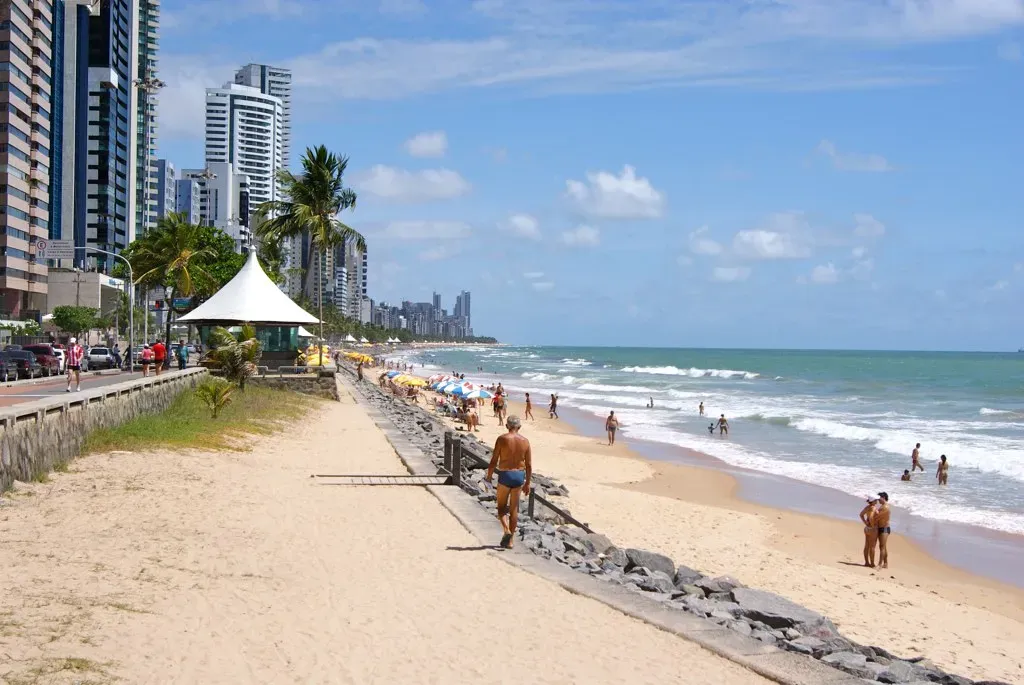
When you land in Recife, in Brazil’s northeast, you are told you are in a city of music, carnaval, and urban beaches that run for kilometers along warm water. That is all true, but you are also stepping into one of the most closely watched shark hotspots on the planet. Since the early 1990s, Pernambuco’s monitoring committees have logged dozens upon dozens of shark incidents along a relatively short stretch of coast, particularly around Boa Viagem and nearby municipalities. Researchers have linked the spike to coastal development and port construction that altered currents, disturbed nursery areas, and created ideal conditions for bull sharks to patrol right along the bathing zone.
On the sand, the contradiction is jarring when you pay attention. You see high-rise hotels, beach kiosks, and people wading in the shallows; at the same time, warning signs scream about shark attacks in large letters, and lifeguards sometimes use loudspeakers to urge you out of deeper water. Local tourism materials often lean into the city’s culture and food scene and quietly treat the shark issue as an unfortunate footnote. If you go, you can still enjoy the beach, but you should treat it almost like a scenic park rather than a giant swimming pool: stay in very shallow water, avoid venturing past the reef line, skip surfing entirely within the high-risk zones, and consider doing your real swimming or diving trips at safer beaches farther north or south along the Brazilian coast.
3. New South Wales’ Surf Coast, Australia
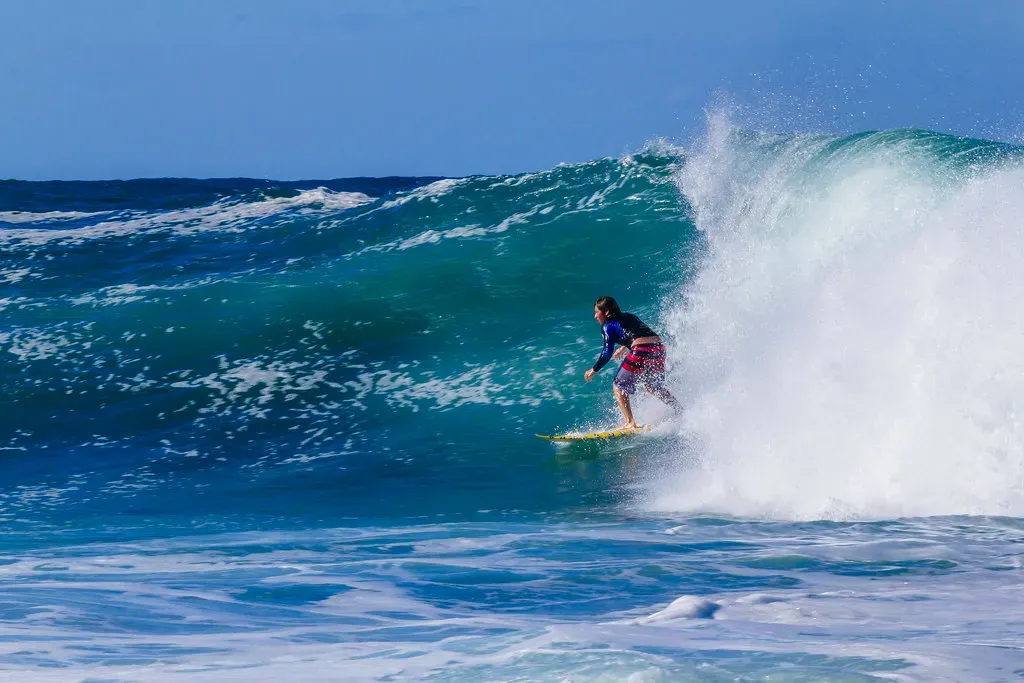
If you love surfing, you probably dream about New South Wales: Sydney’s iconic beaches, long point breaks up the coast, whales on the horizon. What you are less likely to hear is that, within Australia, this state consistently records the highest number of shark incidents in national databases. Over recent decades, documented bites along this coastline have climbed as more people enter the water and as large coastal sharks like great whites and bull sharks make seasonal inshore moves. In some years, clusters of incidents within days of each other have rattled local communities and kicked off fierce debates about nets, drumlines, and high-tech detection.
You do not feel that tension when you stroll from a café to the sand at places like Ballina, Port Macquarie, or even some beaches near Sydney. Signs might mention “shark smart” behavior, but the overall vibe is mellow and relaxed; after all, the country’s tourism industry leans hard on images of carefree surf culture. Behind that, there is a web of mitigation measures you barely notice: aerial patrols, tagged shark tracking, temporary beach closures, and in some areas, traditional nets that aim to reduce encounters but bring their own environmental controversy. If you are visiting, you can reduce your risk dramatically by surfing busier spots with patrols rather than isolated coves, avoiding murky river mouths after rain, skipping solo dawn or dusk sessions, and checking local shark-report apps that many Australians quietly rely on before paddling out.
4. South Africa’s KwaZulu-Natal and Eastern Cape Shores
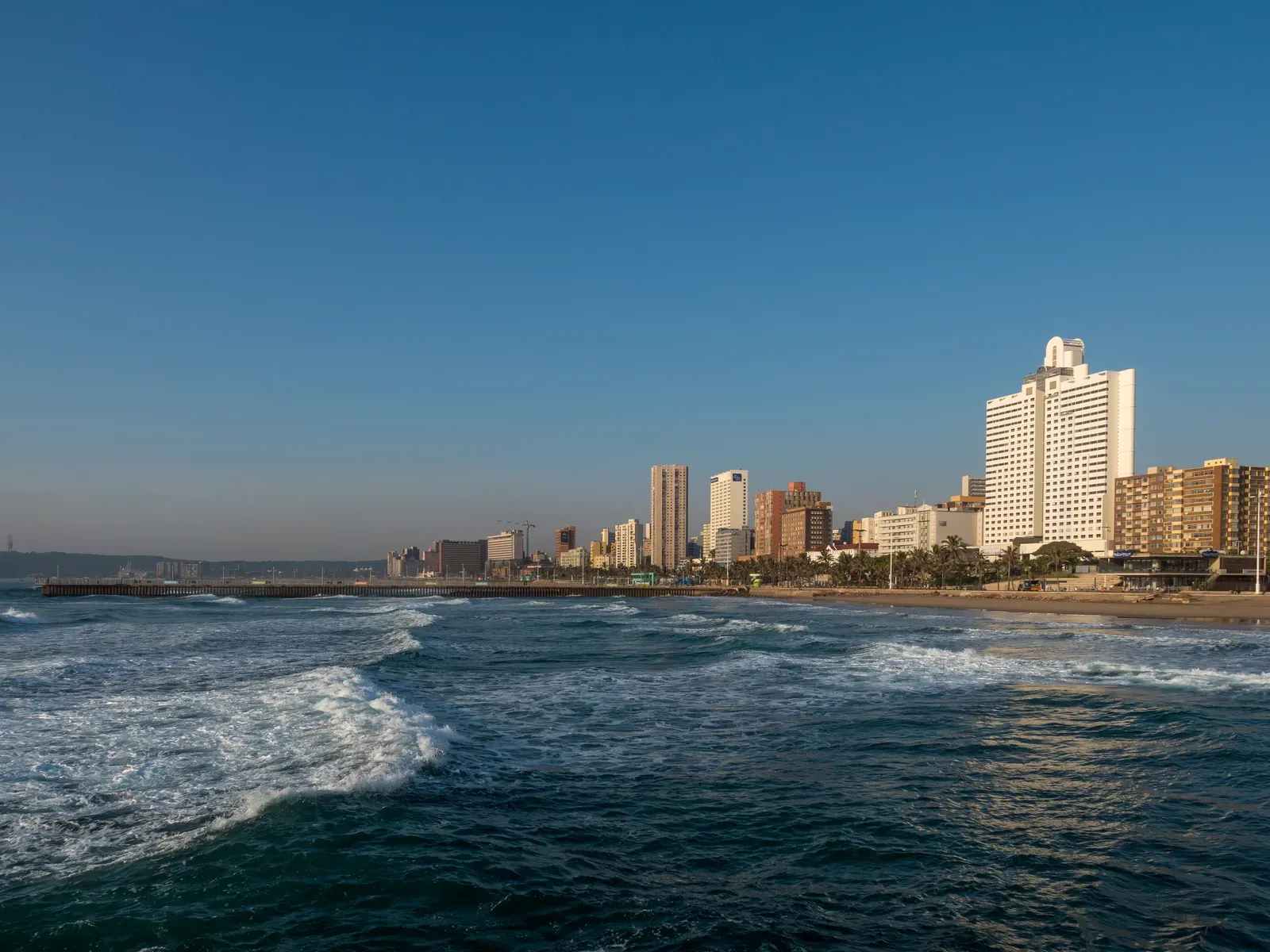
South Africa has long been synonymous with big sharks, but you might be surprised by how little that features in tourism marketing for its warm east coast. You are sold on Durban’s subtropical beaches and the wild, rugged surf of the Eastern Cape, not on the fact that this coastline has been central to shark-attack research since the mid-twentieth century. Long before social media, KwaZulu-Natal’s beaches saw enough serious incidents that authorities rolled out extensive shark netting programs, which later evolved into more sophisticated barrier and drumline systems. Those interventions have reduced deaths on the most popular swimming beaches, yet incidents still occur along less protected stretches, particularly in surf zones frequented by sharks like bull sharks and great whites.
When you drive the coastal highways here, the reality is hidden in plain sight. Nets are set offshore, research teams run tagging programs, and warning flags flutter at lifeguard towers, while travel write-ups mostly highlight beach promenades and nearby game reserves. If you come to surf or swim, you are wise to learn what the colored flags mean, stick to netted or actively supervised beaches when you want to swim beyond waist depth, and treat remote surf spots as high-risk environments rather than casual day-trip dips. Avoiding low-visibility conditions, staying out of the water near river mouths after storms, and never swimming where fishermen are actively baiting the water are simple habits that quietly line up with decades of hard-earned local knowledge.
5. Western Australia’s Remote Indian Ocean Coast
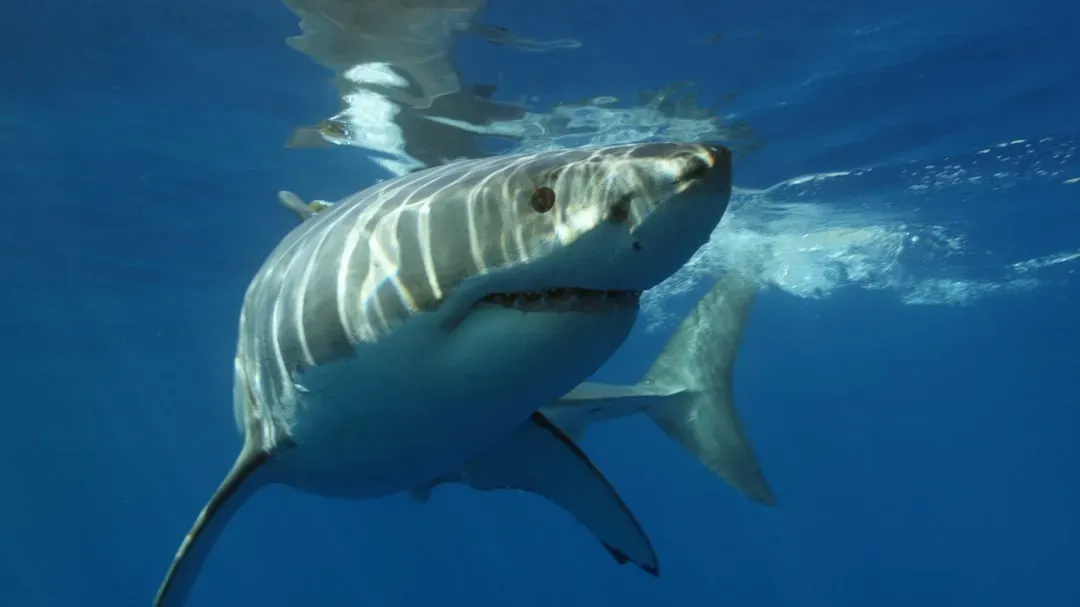
On the far side of the continent, Western Australia sells you a different fantasy: empty Indian Ocean beaches, red desert cliffs, and world-class surf and diving with hardly anyone around. Embedded in that emptiness is a harder truth: this is one of the few places in the world where interactions with large great white sharks have been a persistent public concern, with a notable cluster of serious and fatal attacks over the past couple of decades. Offshore reefs, migrating whale populations, and rich fisheries make parts of this coast a natural highway and feeding ground for apex predators, even when the beach in front of you looks calm and harmless.
Because towns are small and coastlines are long, shark risk management here is a patchwork of local measures, state policies, and community habits rather than anything you see in a brochure. You might notice shark-spotting planes and temporary closures at some popular beaches, as well as tagged shark alerts pushed through apps and signs changed to “no swimming” on short notice. As a visitor, you should take those warnings seriously instead of assuming they are overreactions. Choosing heavily used, patrolled beaches when you want to swim properly, avoiding isolated reef passes, giving seal colonies and whale carcasses a very wide berth, and never diving alone are all quiet, practical ways to enjoy one of the world’s most beautiful, shark-rich coasts without pretending it is risk free.
6. Caribbean Reefs and Island Drop-Offs
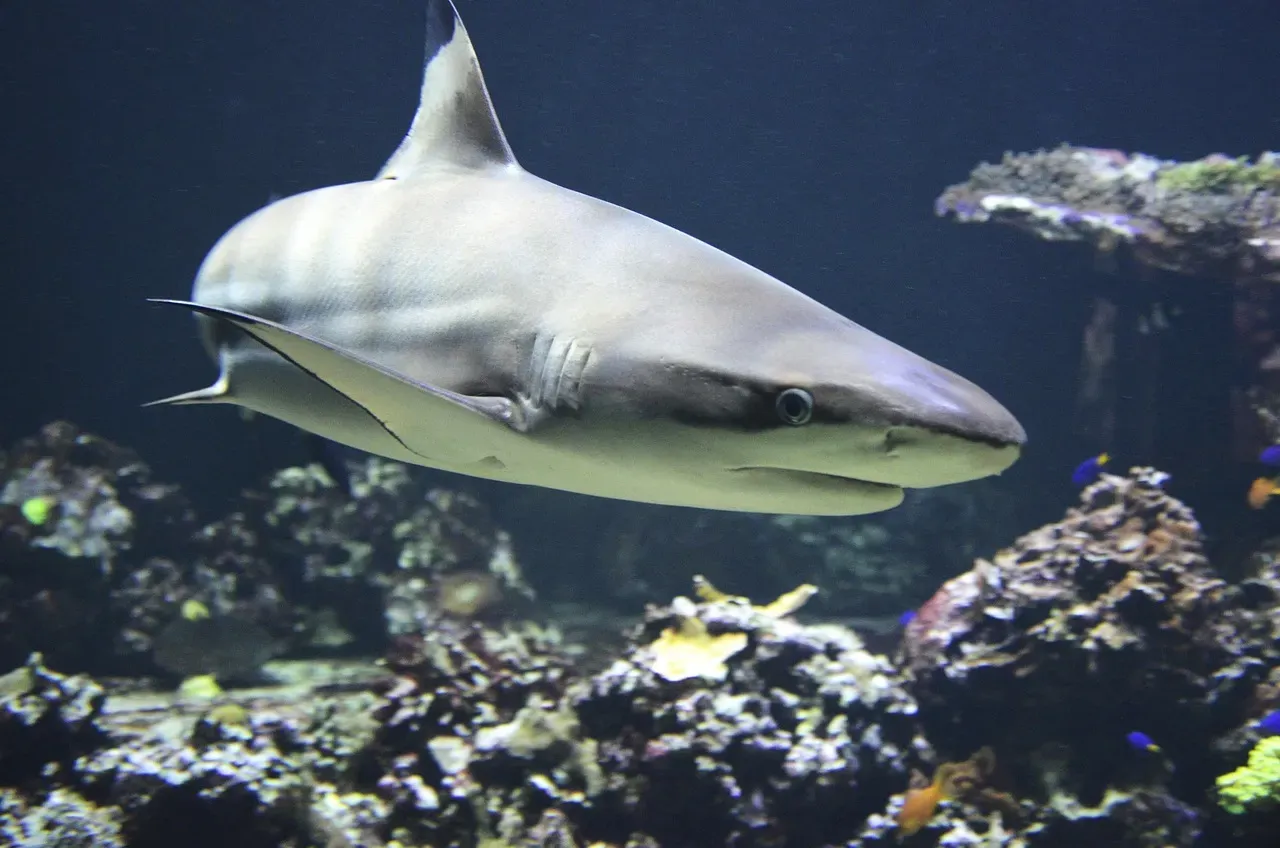
When you think of the Caribbean, you probably picture mellow snorkeling with small reef fish, not serious shark incidents. Overall, the region has far fewer recorded attacks than Australia, South Africa, or Brazil, but that does not mean the risk is nonexistent, especially around islands where deep water drops close to shore. Over the centuries, unprovoked bites have been documented from the Lesser Antilles to the Greater Antilles, and occasionally a rare fatal incident jolts a community that is not used to thinking of sharks as a real threat. Many islands sit right beside migratory routes for species like tiger sharks, with steep reef walls that allow large predators to cruise within a short swim of tourist beaches and dive sites.
You will almost never see that complexity discussed in a resort brochure; the focus is on turquoise shallows and all‑inclusive cocktails. Yet if you talk to local dive operators or fishers, you often hear a more nuanced story about seasonal shark presence, feeding behavior, and spots where you simply do not swim at dusk. As a visitor, you can tilt the odds in your favor by booking reputable dive outfits that follow strict no-feeding policies, avoiding unsupervised spearfishing or solo night swims, and paying attention to local advice about particular coves or channels. The Caribbean is still, for most people, a very low-risk place to be in the water, but you are safer when you treat sharks as part of the environment, not just as a photo op for social media.
Conclusion: Loving the Ocean Without Lying to Yourself
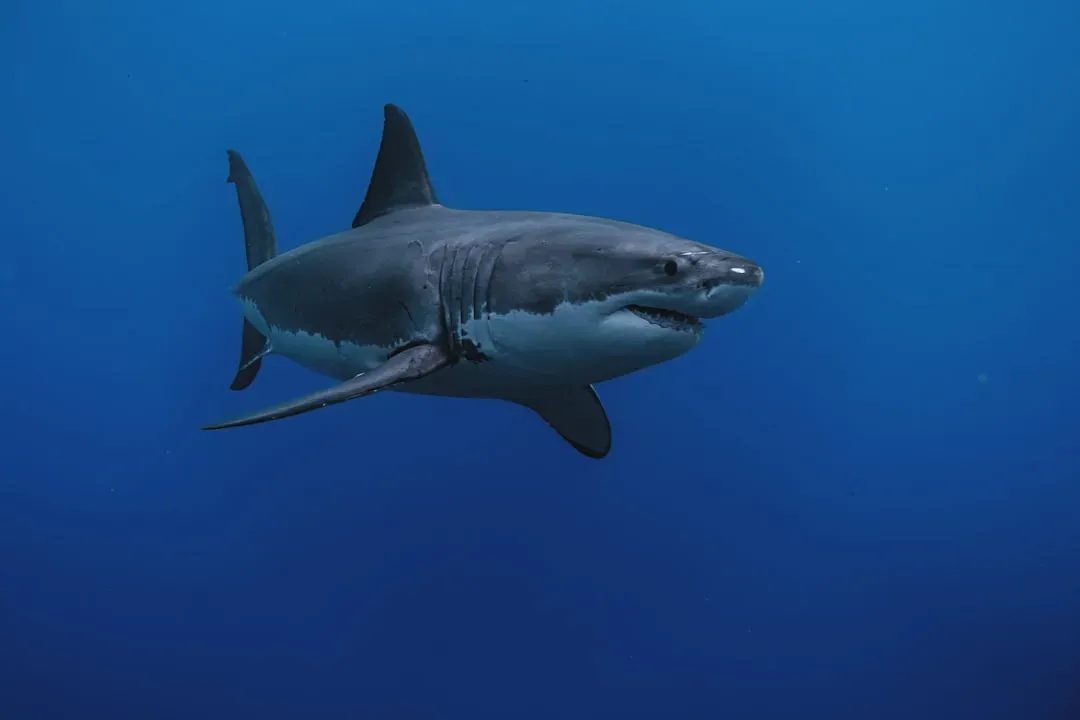
Once you step back and look at these coastlines together, a pattern jumps out at you. You see places with complex coastal ecosystems, river mouths, reefs, and steep drop-offs; you see development and tourism layered on top of all that; and you see that your risk, while still low on an individual level, is noticeably higher than at some other sunny beaches that look almost identical in photos. Tourism boards are understandably cautious about highlighting those patterns, but you do not have to be. You are allowed to hold two truths at once: these destinations are beautiful and worth visiting, and they also demand a level of awareness and caution that brochures rarely spell out.
In practice, that means you grab information before you grab your board: check local incident data, learn how warnings are communicated, and adjust your behavior instead of assuming every coastline is statistically the same. Sometimes, it might mean choosing a lagoon over an open beach, or a busy patrolled break over a lonely one that only hardcore locals frequent. You do not need fear to guide you, just respect for the fact that in certain corners of the world, you are sharing the water with serious predators more often than you have been told. Knowing that, how will you plan your next dream beach trip now that you can see what the marketing gloss tends to leave out?