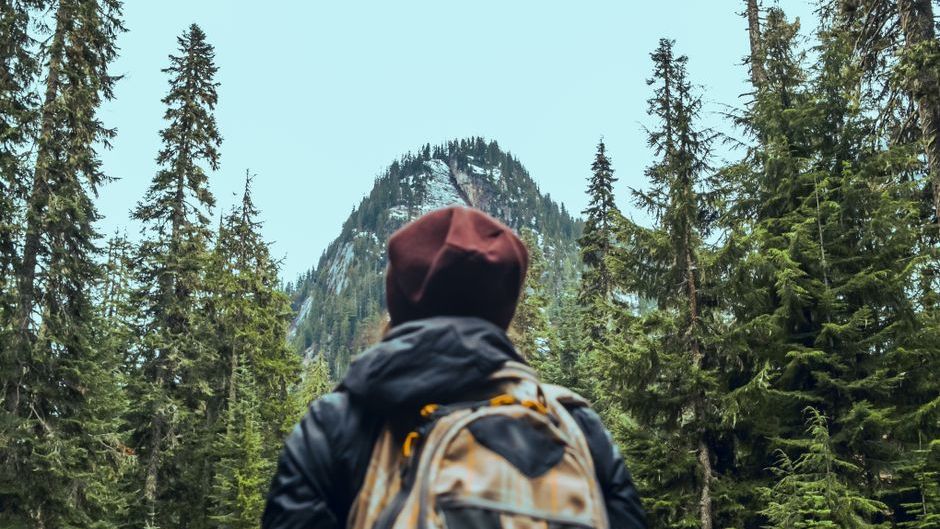

You step onto a forest trail and think you see… trees, maybe a bird if you’re lucky, some leaves on the ground. A wildlife tracker walks into that same forest and, in less than a minute, reads a whole story you never even knew was there. It feels almost like a magic trick, but it is really just trained attention and a few specific things they look for right away.
Once you know what to watch for, you start realizing how much you’ve been missing. The forest stops being just “green stuff” and turns into something alive, layered, and surprisingly loud, even when it’s silent. As you read through these nine things, picture yourself on your favorite trail and imagine how different it would feel if you noticed even half of this in the first sixty seconds.
1. The Overall “Sound Map” Before You Take Another Step
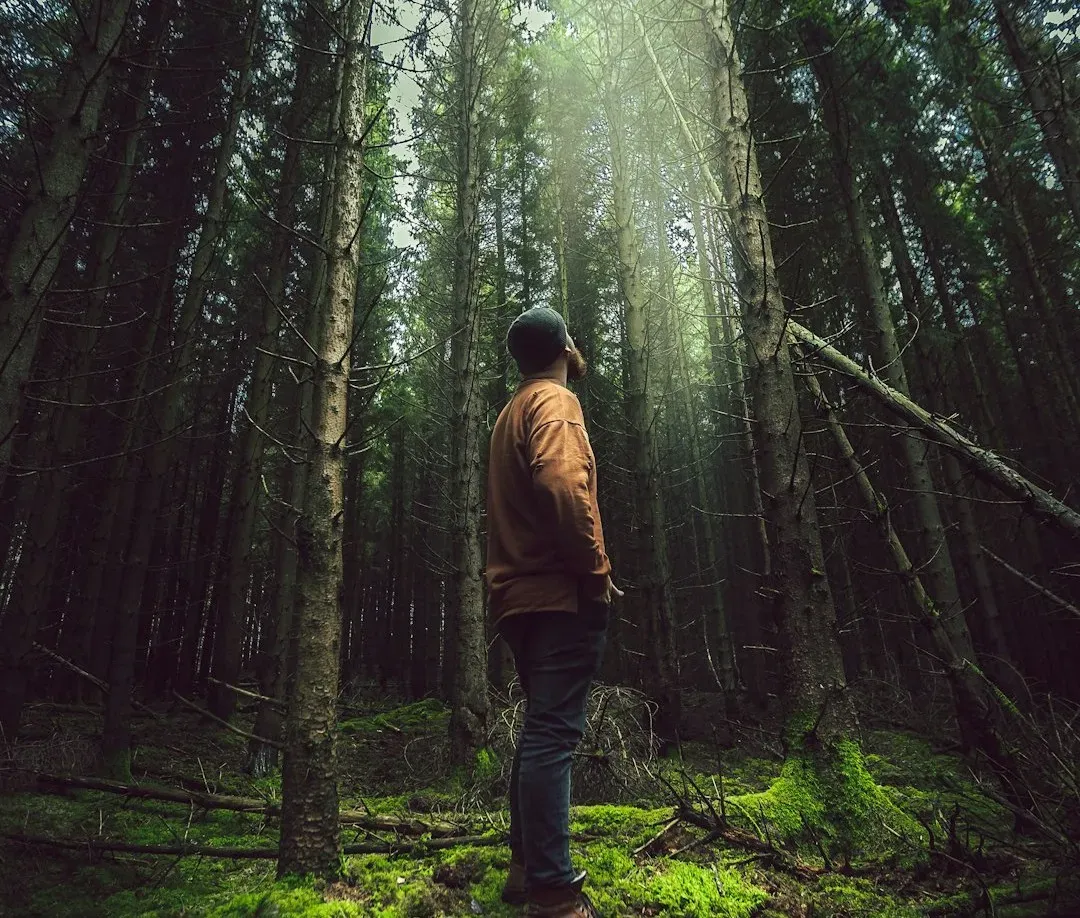
The very first thing an experienced tracker notices is not what you might expect: it is not footprints, not broken branches, but sound. Before they move deeper, they pause and simply listen, building a quick “sound map” of the forest. You hear a few birds; they hear where each call is coming from, which direction the wind is pushing the sound, and whether those calls sound relaxed or alarmed.
You can start doing this too by standing still for just thirty seconds when you enter a forest and closing your eyes. Notice layers: distant birds versus nearby ones, the hum of insects, the rustle of leaves that might be a squirrel or just the wind. If the usual bird chatter suddenly stops in one pocket of the woods, that silence itself is information; it might mean a predator just moved through or you disturbed something without even seeing it.
2. The Direction and Texture of the Wind on Your Skin
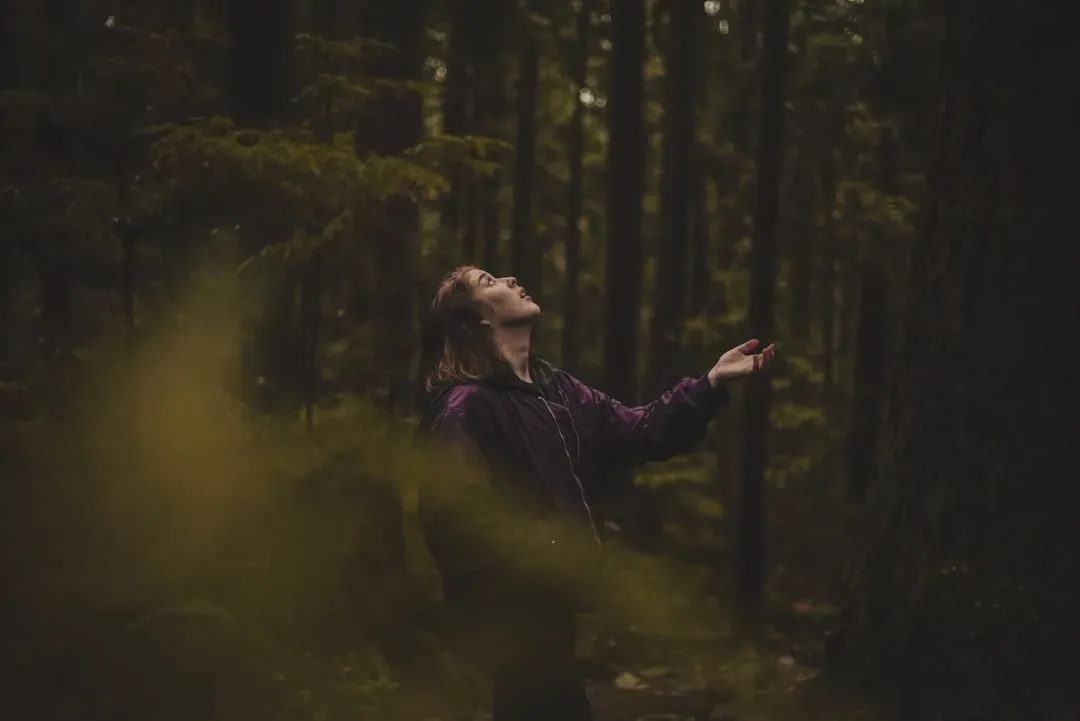
Trackers treat the wind almost like a living character they have to get to know right away. You might feel a breeze and think “nice and cool”; a tracker feels which cheek it hits first, how steady it is, and whether it changes as they take a few steps. In that first minute, they are already asking: Where is my scent blowing? Who in this forest can smell me long before I ever see them?
You can pay attention to this by literally turning slowly in place and feeling how the air changes on your face, your neck, even the tiny hairs on your arms. If the wind is at your back, you know every animal downwind already has a warning system telling them you are coming. If you move into the wind instead, you are suddenly the one with the advantage, picking up more smells and sounds before they pick up you.
3. The “Age” of Tracks and Trails Under Your Feet
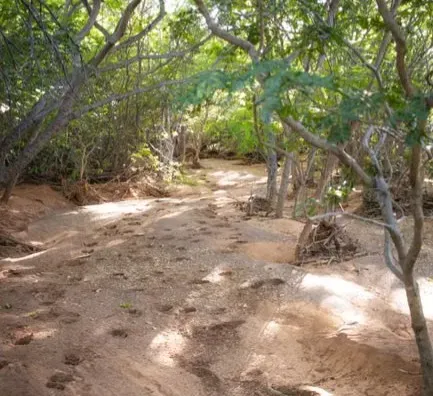
Where you see a random muddy patch or a faint path, a tracker sees recent traffic reports. In the first minute, they are already looking at the ground to sort out which footprints, droppings, and trails are fresh and which are old. You might see a hoofprint and think “deer were here”; they notice how sharp the edges are, whether there is moisture pooled inside, and if leaves have started to fall into it.
Even without expert skills, you can start noticing freshness by comparing things. A brand-new track in soft soil often has crisp edges and looks slightly darker or wetter than the ground around it. Older tracks look collapsed, smoothed by rain, or partly filled with debris. When you start to see this, you realize you are not walking through a static forest; you are walking through a timeline of who passed by, and roughly when.
4. Subtle “Highways” of Wildlife You Never Noticed
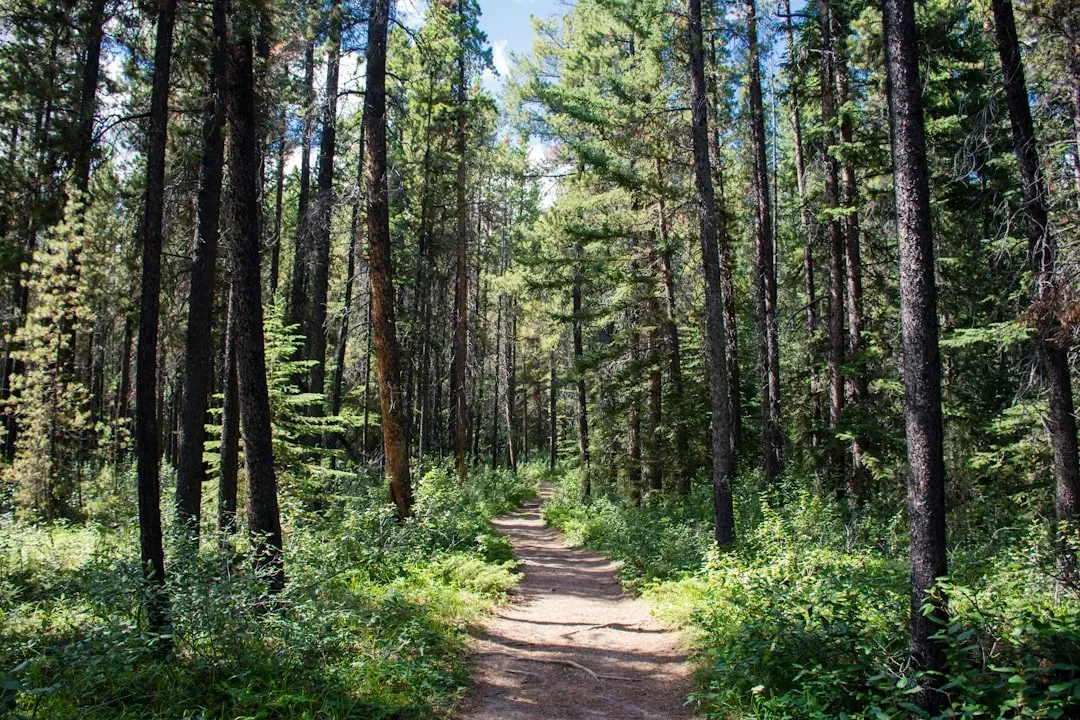
One of the first things a tracker scans for is not animals themselves, but the routes they prefer, the invisible highways cutting through the landscape. You probably stick to the human trail. Wildlife rarely does; they follow the easiest, safest, and most efficient paths: along edges of thickets, beside fallen logs, or through low saddles in the terrain. In under a minute, a tracker is already mapping these routes in their head.
You can spot these by looking sideways instead of straight ahead. Notice faint, narrow paths where the grass is just slightly more flattened, where leaves are consistently disturbed, or where low branches are polished smooth by passing bodies. Along riverbanks or the edges of clearings, you will often find these barely there trails. Once you see them, you can almost feel the flow of deer, foxes, or raccoons filtering through the forest when you are not around.
5. Edge Zones Where Two Worlds Quietly Collide
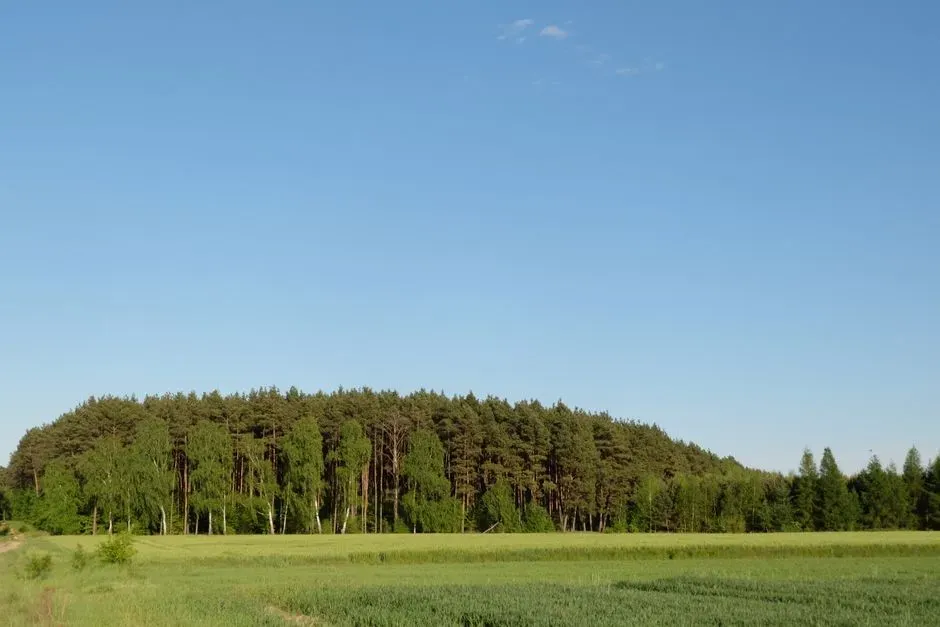
Trackers are obsessed with edges, and they notice them almost instantly. You may think of a forest as one thing, but a tracker sees the boundaries inside it: where dense forest meets open meadow, where dry ridge drops into damp hollow, where young saplings replace older trees. These transition zones are where many animals feed, hide, and move because they offer both cover and access to food.
In your first minute, try scanning for any place where “this” suddenly becomes “that.” Maybe you see a line where ferns give way to moss, or where the ground turns from leafy to muddy. These might seem like small changes, but for wildlife, they are like border towns full of traffic. If you linger near an edge long enough, that is often where you will see the most activity, especially at dawn and dusk.
6. The Forest’s “Mood” Through Bird Body Language
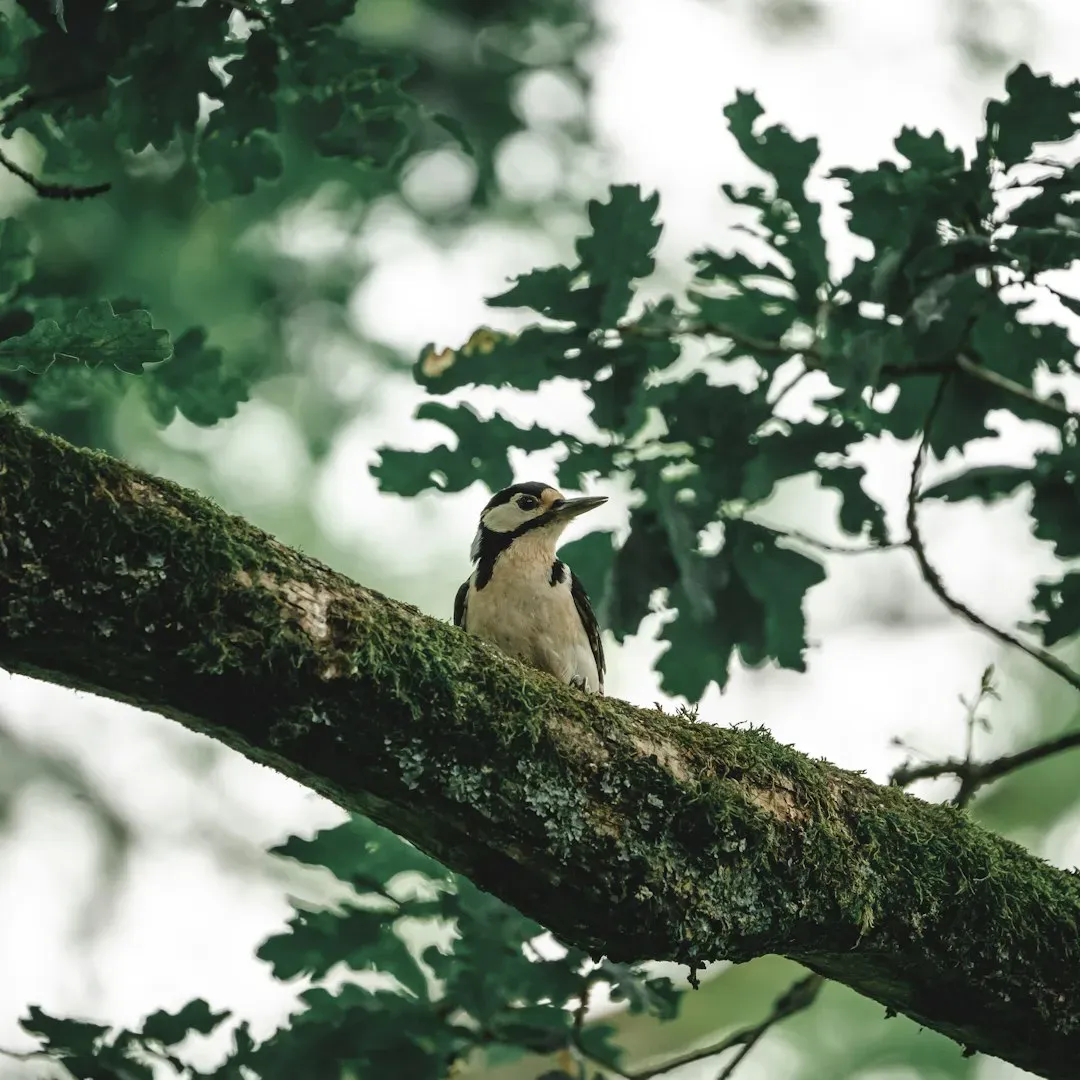
Trackers read birds almost like you might read people at a party. In the first minute, they do not just hear whether birds are present; they pay attention to how those birds are behaving. Are they casually feeding and chatting, or are they giving sharp, repetitive alarm calls? Are they perched calmly, or darting nervously from branch to branch, staring in one direction?
You can practice this by picking one bird and really watching it, even for just a short while. If you see small songbirds suddenly clustering high in the canopy and calling sharply, they might be tracking a hawk or owl. If ground-feeding birds scatter and stare toward the underbrush, something just moved there. Over time, you start to notice that birds act like the forest’s early-warning system, and you were walking under that system for years without ever tuning in.
7. Tiny Signs on Plants That Reveal Who Ate Here
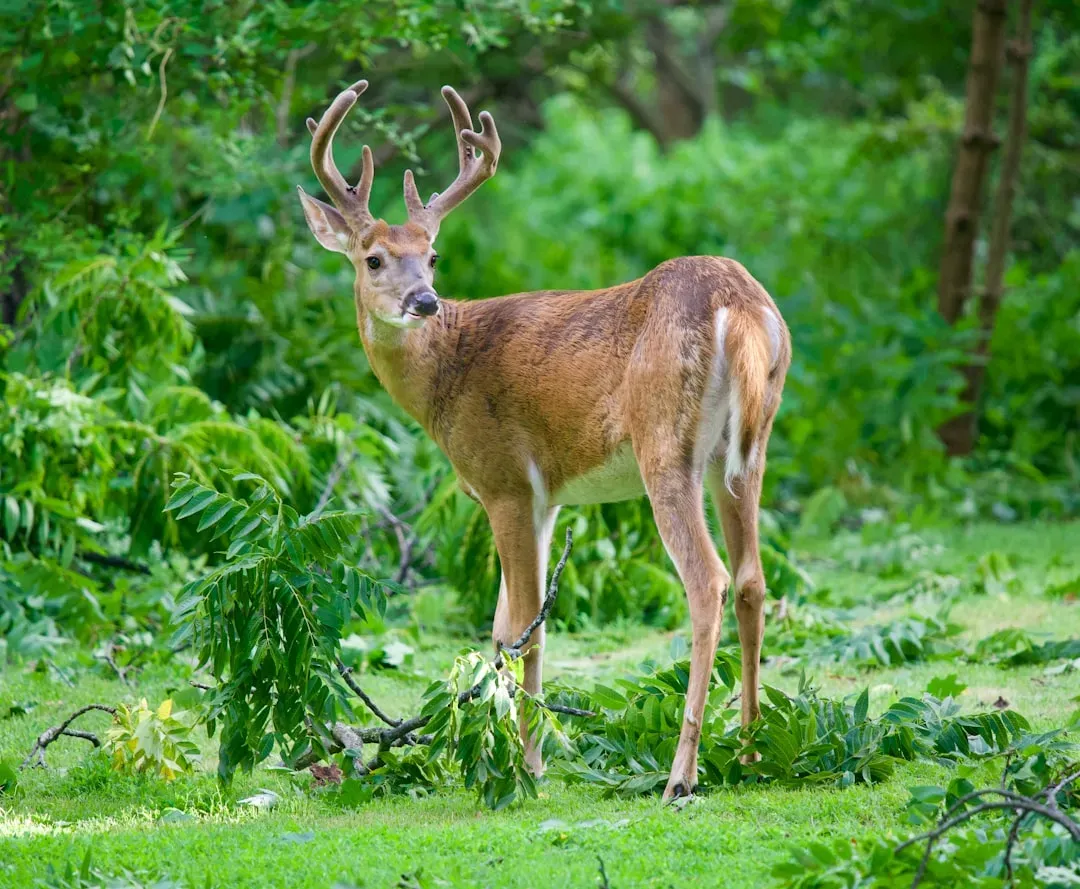
In the first minute or two, an experienced tracker is already scanning eye level for plant damage. You might see a chewed leaf and shrug it off; they notice the height of the bite, the pattern of the teeth marks, and whether the plant is freshly nipped or long-healed. Browsed tips on shrubs, stripped bark on saplings, or torn-up ground around roots all tell you which animals are feeding and how often they return.
You can learn a lot by asking a simple question every time you see damage: Who did this? A clean, angled cut on a twig at about your knee or thigh often points to a deer; ragged shredding lower to the ground might be a rabbit or rodent. Plants with leaves that look neatly clipped across the top can mark regular feeding routes. Seeing these signs, you realize that your “empty” forest is actually a busy restaurant that never closes.
8. Ground Texture That Shows Where Animals Rest and Hide
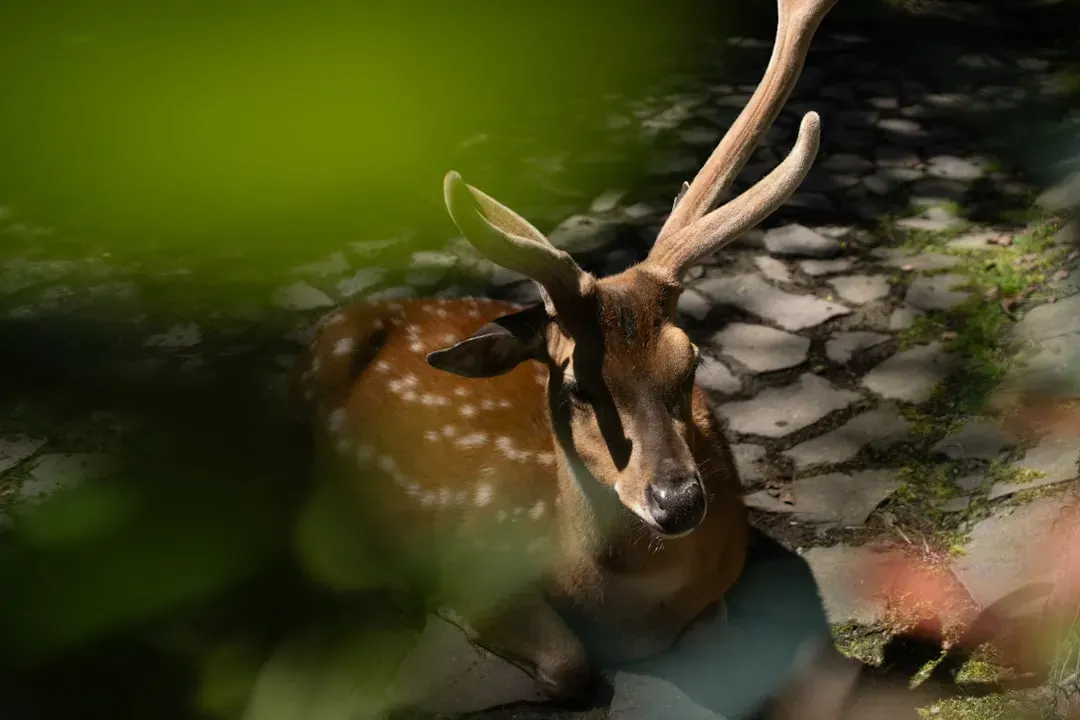
Trackers quickly scan the forest floor not just for tracks, but for changes in texture and pattern that suggest beds, caches, and hiding spots. A casual walker sees leaves; a tracker notices where those leaves are unusually flattened, where pine needles are cleared into a shallow oval, or where there is a slight bowl in the grass sheltered by a log or bush. These spots often mark resting places for deer, small mammals, or even ground-nesting birds.
When you look for this, slow your pace and compare patches of ground. Ask yourself where you would curl up if you were a rabbit trying to stay hidden and dry. Look under low-hanging branches, on the leeward side of logs, or in depressions that are just deep enough to break your outline. Over time, you start recognizing the difference between random crushed leaves and a spot that has been used again and again as a safe little bedroom in the woods.
9. The Smell of the Forest as a Living Clue, Not Just Scenery
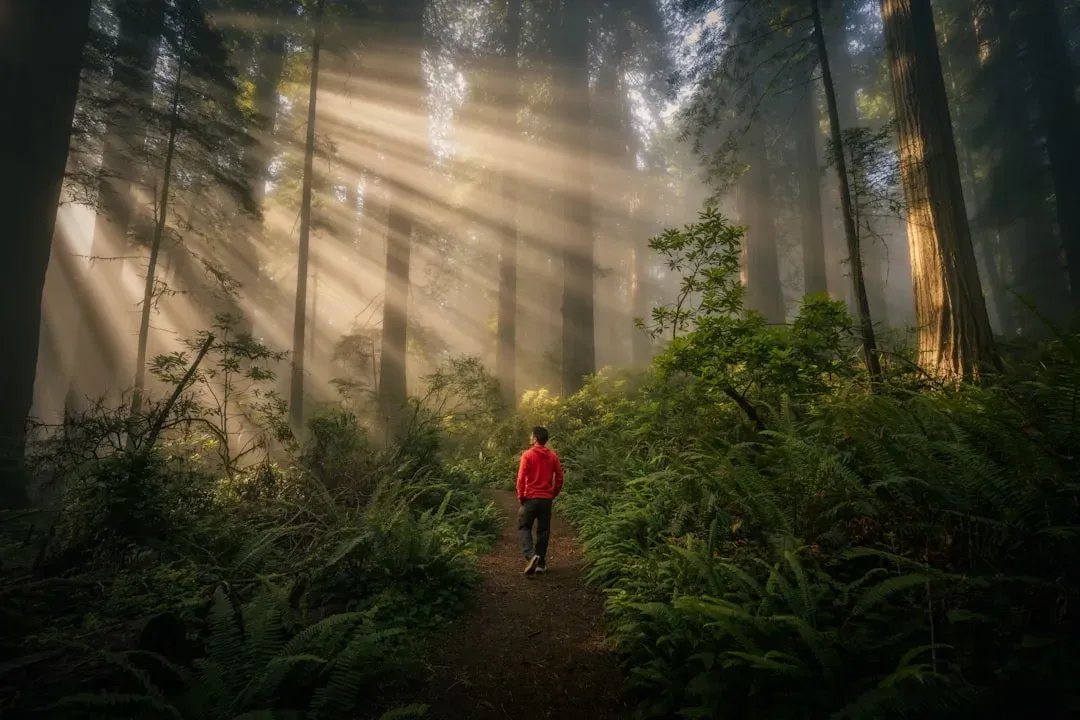
Most of the time, you move through a forest only vaguely aware that it “smells like nature.” A tracker uses smell as a deliberate tool right away. In the first minute, they are paying attention to whether the air carries the sharp scent of fox, the musky note of deer, the sweet rot of mushrooms, or the damp, mineral smell of a nearby water source. Scent tells them what they cannot see yet and where it might be hiding.
You can practice this simply by pausing and taking slow, deep breaths through your nose as you turn your head slightly from side to side. Notice if a scent gets stronger in one direction, or if it appears only when you step into a shaded pocket or closer to a stream. Even differences in soil and leaf decay have distinct smells once you pay attention. The more you tune into this, the more the forest stops being just visual wallpaper and starts feeling like an immersive, multi-sensory world.
Conclusion: Training Yourself to See the Forest’s Hidden Stories

Once you know what wildlife trackers notice in those first sixty seconds, you cannot really go back to wandering the woods on autopilot. You start pausing at the trailhead to listen, feeling the wind on your face with purpose, and reading the ground and plants like they are pages in a book. The forest stops being quiet and empty; it becomes crowded with movement, history, and all the little dramas playing out just beyond your usual awareness.
You do not need years of training to begin; you just need curiosity and the willingness to slow down. The next time you enter a forest, give yourself one deliberate minute to notice sound, wind, edges, tracks, trails, plant bites, ground textures, and smells. Little by little, that one minute will change how you experience every walk. When you think back on all the years you walked past these things without seeing them, what else in your life might be hiding in plain sight, waiting for you to pay attention?