Articles for author: April Joy Jovita

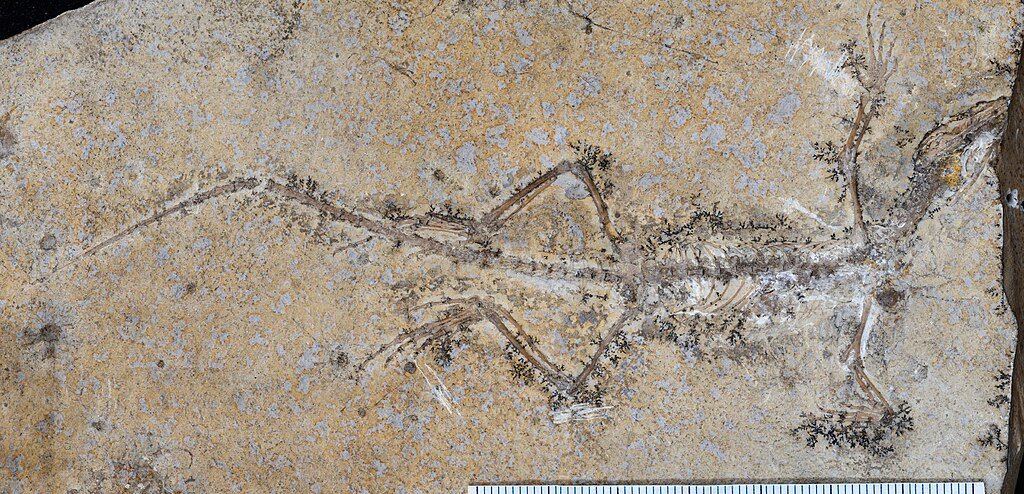
The holotype specimen of the extinct rhynchocephalian reptile Sphenodraco

Rediscovered Fossil Reveals Jurassic Tree-Climbing Reptile

April Joy Jovita

A chance museum discovery has led paleontologists to identify a new species of ancient reptile, Sphenodraco scandentis, that likely lived in trees during the Late Jurassic. Published in the Zoological Journal of the Linnean Society, the study combines two fossil slabs separated for nearly a century, offering fresh insight into the evolution and ecology of ...
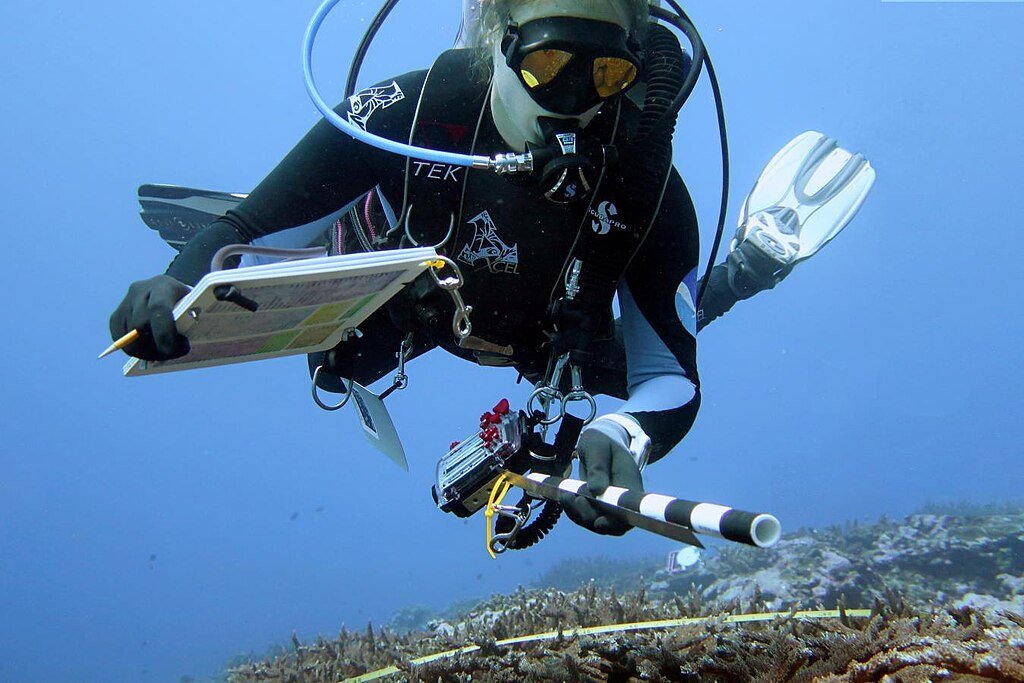
Diver swimming near the algae

Coral Secrets Revealed: Diver-Operated Microscope Captures Photosynthesis in Real Time

April Joy Jovita

A new diver-operated microscope is revolutionizing coral research by allowing scientists to observe photosynthesis and microalgae behavior directly in the ocean. Developed by UC San Diego’s Scripps Institution of Oceanography, the Benthic Underwater Microscope Imaging PAM (BUMP) offers unprecedented access to coral bleaching and how they respond to environmental stress. A Technological Leap for Coral ...

Arsenic trisulfide in black background

Arsenic and Adaptation: How Ancient Life Survived Earth’s Toxic Ocean

April Joy Jovita

A new study published in Nature Communications reveals that some of Earth’s earliest complex organisms evolved a remarkable survival mechanism: storing arsenic inside their cells. This adaptation helped them endure the chemically hostile oceans of the Paleoproterozoic era, offering rare insight into how life persisted during a time of rising oxygen and environmental stress. Fossils ...

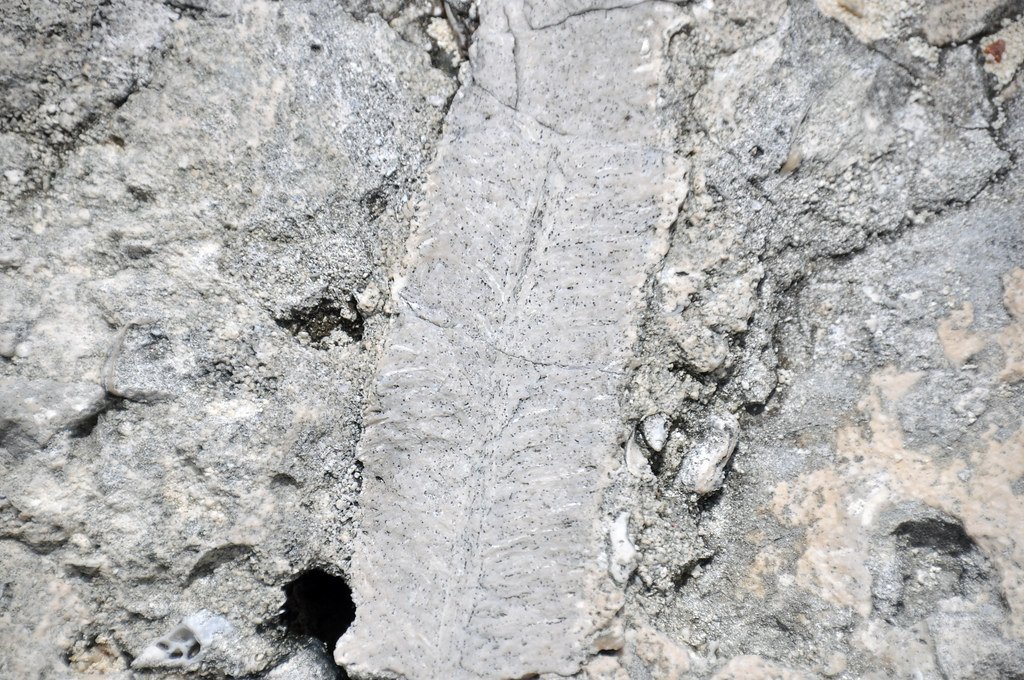
Paleoerosion-planed off fossil coral in fossiliferous limestone

Prehistoric Coral Reefs Reveal What Centuries of Fishing Have Cost Us

April Joy Jovita

A groundbreaking study of 7,000-year-old fossilized coral reefs has revealed how centuries of humans have dramatically altered Caribbean reef ecosystems. Published in Proceedings of the National Academy of Sciences, the research compares ancient reef communities with modern ones, uncovering a cascade of ecological changes triggered by the loss of top predators. A Window Into Prehuman ...

Smallmouth bass underwater with rocks

Evolution Fights Back: Adirondack Smallmouth Bass Adapt to Evade Eradication

April Joy Jovita

In a vivid example of nature adapting to human pressure, invasive smallmouth bass in New York’s Adirondack Mountains have evolved traits that help them resist long-standing removal campaigns. According to a new study in Proceedings of the National Academy of Sciences, these fish are now growing faster and reproducing earlier, an evolutionary shift that is ...

An orca jumping off the water surface

Gifts from the Deep: Wild Orcas Offer Prey to Humans in Unprecedented Displays of Social Curiosity

April Joy Jovita

In a groundbreaking behavioral study, wild orcas—apex predators revered for their intelligence—have been observed voluntarily offering prey to humans in multiple parts of the world. Published in the Journal of Comparative Psychology, the research compiles 34 encounters from California to Patagonia, reshaping our understanding of marine mammal social behavior and interspecies interactions. A Study of ...

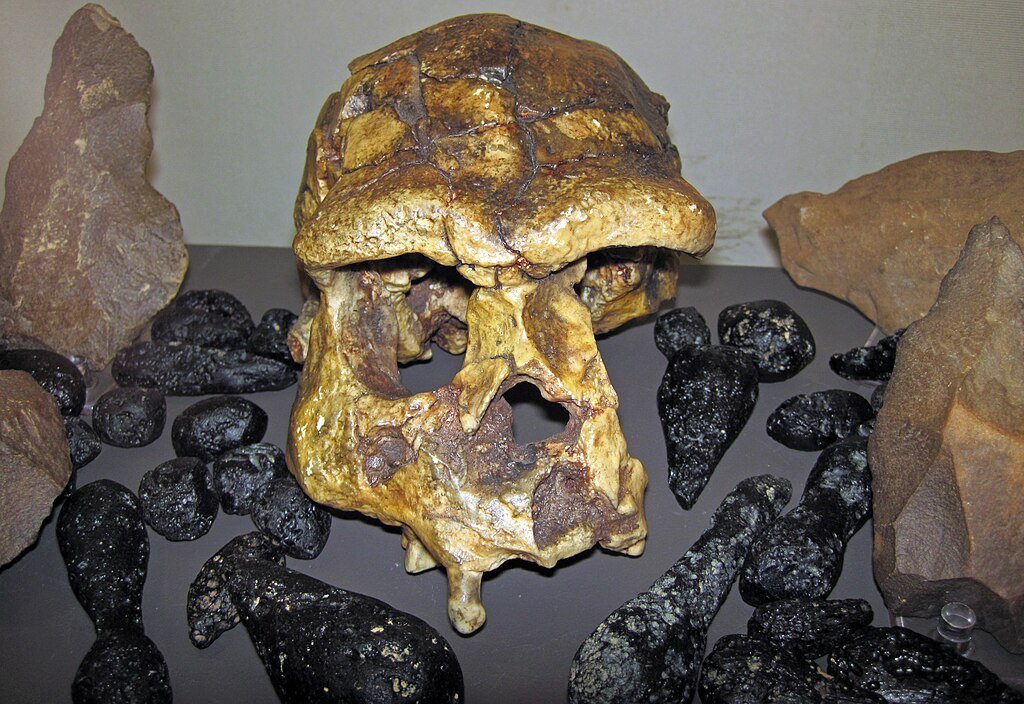
Homo erectus (fossil hominid skull) & indochinite tektites display in the museum

Lost World Unearthed: First Hominin Fossils Recovered from Submerged Sundaland

April Joy Jovita

In a discovery that reshapes our understanding of early human migration in Southeast Asia, scientists have recovered the first hominin fossils from the now-submerged lowlands of ancient Sundaland. Published in Quaternary Environments and Humans, the study reveals that Homo erectus and other archaic humans once inhabited this vast landmass—now hidden beneath the Java Sea—during the ...

Engineers and technicians in a clean room at NASA’s Jet Propulsion Laboratory display the thick-walled aluminum vault

The Microbial Vault: How Scientists Are Racing to Preserve Earth’s Invisible Biodiversity

April Joy Jovita

As Earth enters an age of rapid ecological change, a quiet revolution is taking place in freezers chilled to -80°C. Scientists around the world are building a “Microbial Noah’s Ark”—a global effort to preserve the planet’s microbial diversity before it’s lost to industrialization, climate shifts, and modern living. The Microbiota Vault Initiative, modeled in part ...

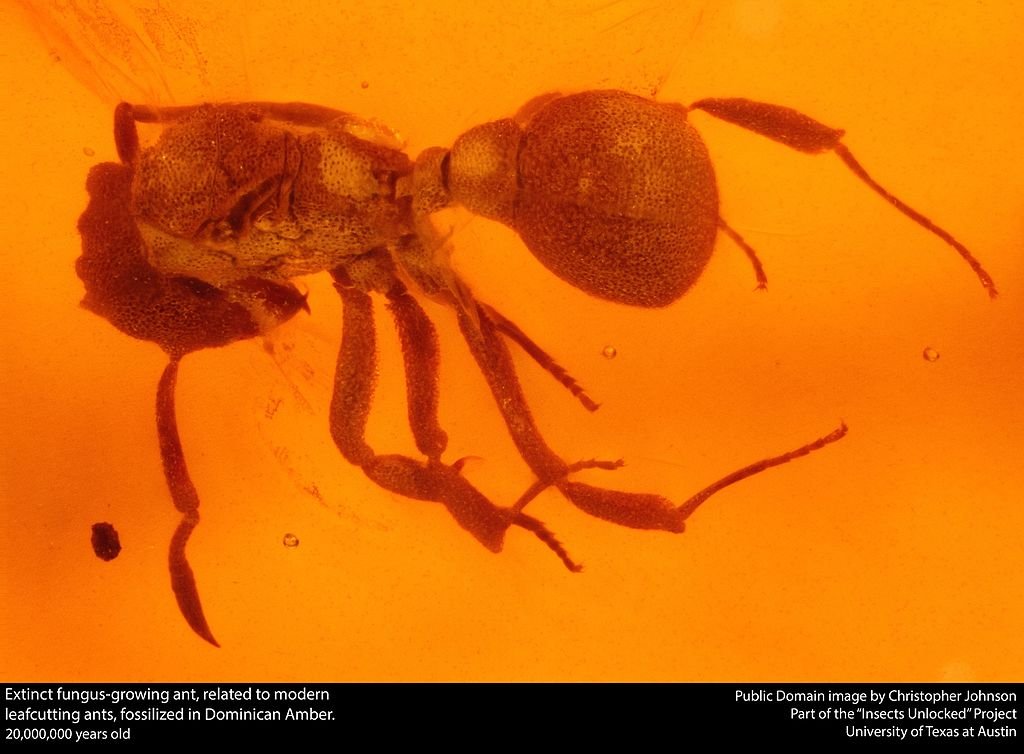
Extinct fungus-growing ant, related to modern leafcutting ants, fossilized in Dominican Amber.

Jurassic Parasites: Amber Fossils Reveal the Dinosaur-Era Origins of Zombie-Ant Fungi

April Joy Jovita

A remarkable discovery from mid-Cretaceous amber has pushed back the evolutionary timeline of one of nature’s most bizarre parasitic relationships: the infamous “zombie-ant” fungi. Researchers from the Chinese Academy of Sciences have identified fossilized fungi infecting insects in 99-million-year-old amber, offering the oldest direct evidence of entomopathogenic fungi manipulating their hosts. Fossilized Mind Control The ...