Articles for author: April Joy Jovita

An african elephant on the grasses

Elephants Use Gestures to Communicate Desires with Clear Intent

April Joy Jovita

Elephants aren’t just intelligent; they’re intentional. A new behavioral study reveals that African Savannah elephants use deliberate gestures to express their desires, especially when interacting with attentive humans. This marks the first confirmed evidence of goal-directed gestural communication in non-primate mammals, expanding our understanding of animal cognition and social signaling. Testing Elephant Intentionality Researchers observed ...

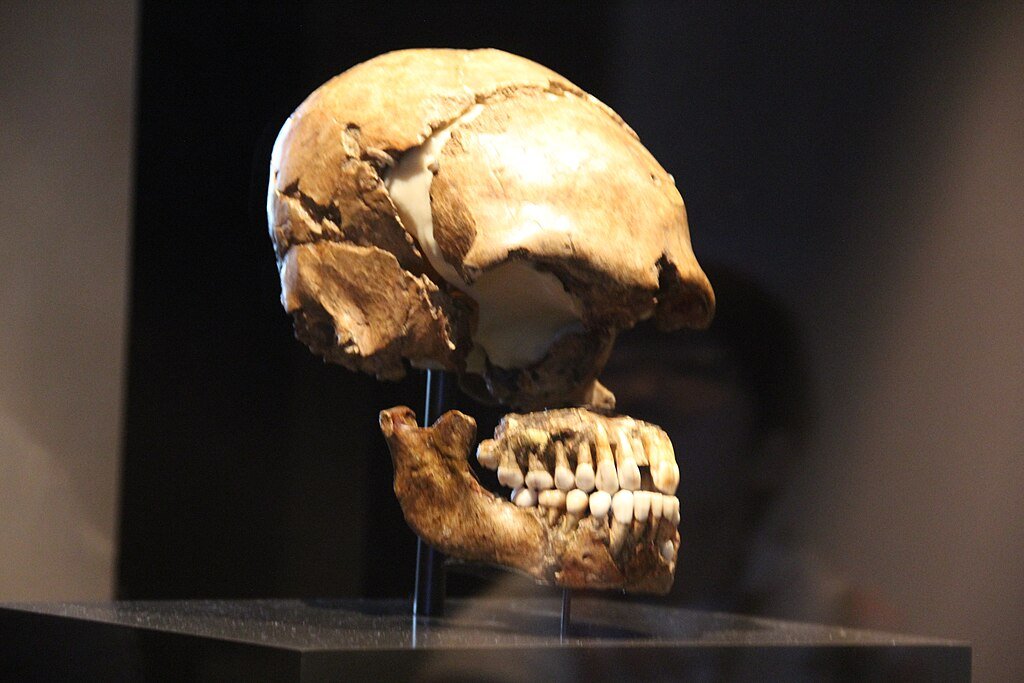
Lungfish fossil

Jaw Power: Ancient Lungfish Reveal the Feeding Strategies of Earth’s First Land Animals

April Joy Jovita

Newly analyzed jawbones from 380-million-year-old lungfish are shedding light on the feeding behaviors of our earliest vertebrate ancestors. Discovered in the Gogo Formation of northern Western Australia, these fossils reveal a surprising diversity in skull and jaw structure, offering clues about how early lobe-finned fish adapted to different diets and ecological roles before vertebrates made ...

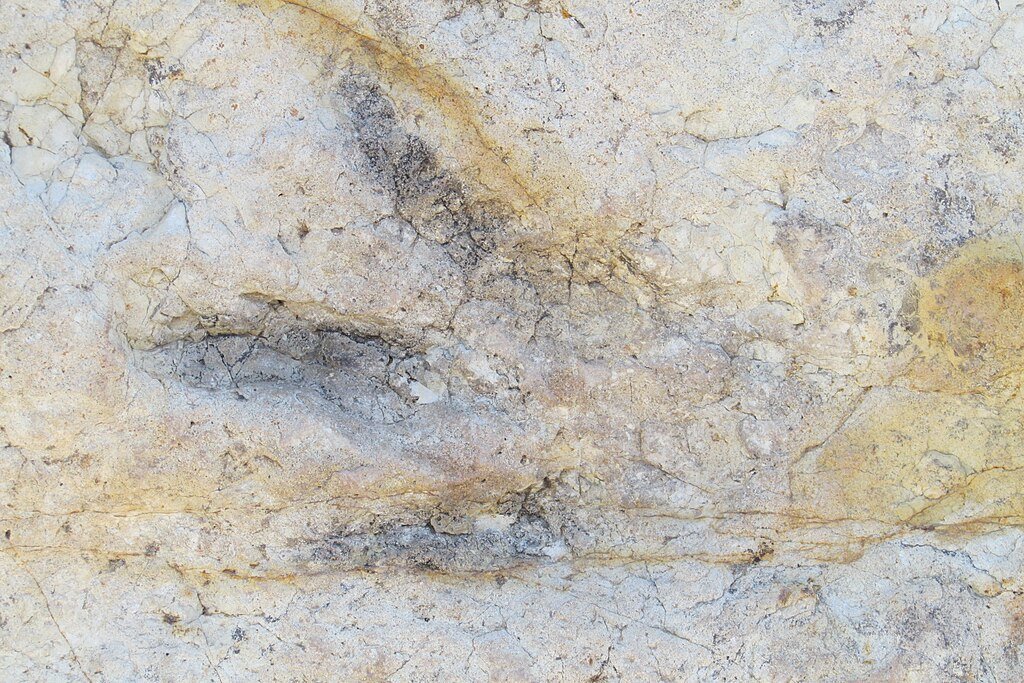
Theropod track

It’s All in the Wrist: Dinosaur Bone Discovery Reshapes Flight Evolution

April Joy Jovita

A newly identified wrist bone in two non-avian dinosaurs has challenged long-held assumptions about the evolution of flight. Researchers have discovered that theropods, bird-like meat-eating dinosaurs, possessed a carpal bone called the pisiform, once thought to be unique to birds. This finding suggests that the anatomical foundations for flight were already in place millions of ...

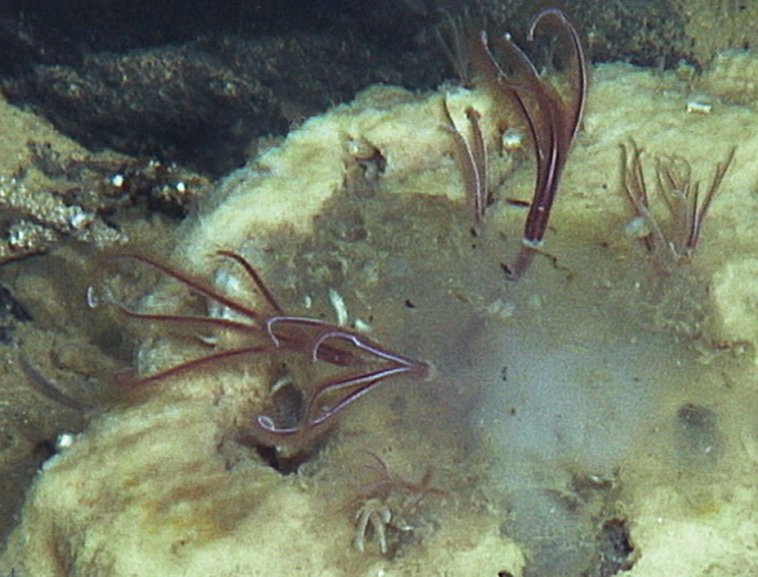
Osedax braziliensis underwater

Bone-Eating Worms Feasted on Marine Reptile Skeletons Long Before Whales

April Joy Jovita

Long before whales ruled the oceans, ancient bone-eating worms were already thriving on the seafloor, feasting on the skeletons of marine reptiles like mosasaurs, ichthyosaurs, and plesiosaurs. New fossil evidence reveals that these specialized worms, similar to modern Osedax, were boring into bones over 100 million years ago, leaving behind distinctive burrows that mark one ...

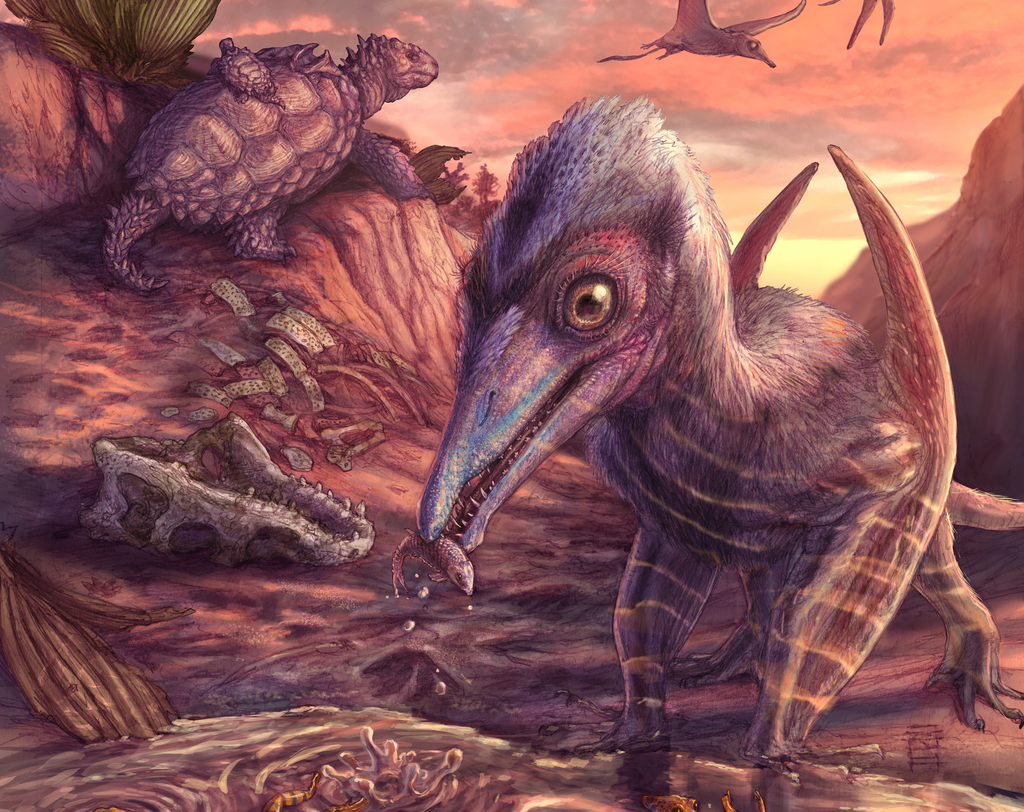
Speculative life restoration of the early pterosaur Eotephradactylus mcintireae

Ash-Winged Dawn: Oldest North American Pterosaur Emerges from Triassic Bonebed

April Joy Jovita

A gull-sized flying reptile has emerged from fossil-rich layers of Arizona’s Petrified Forest, revealing the earliest known pterosaur in North America. Named Eotephradactylus mcintireae, this delicate creature lived 209 million years ago and shared its ecosystem with turtles, amphibians, and armored reptiles, capturing a moment of evolutionary transition before the end-Triassic extinction. A Fossil Treasure ...

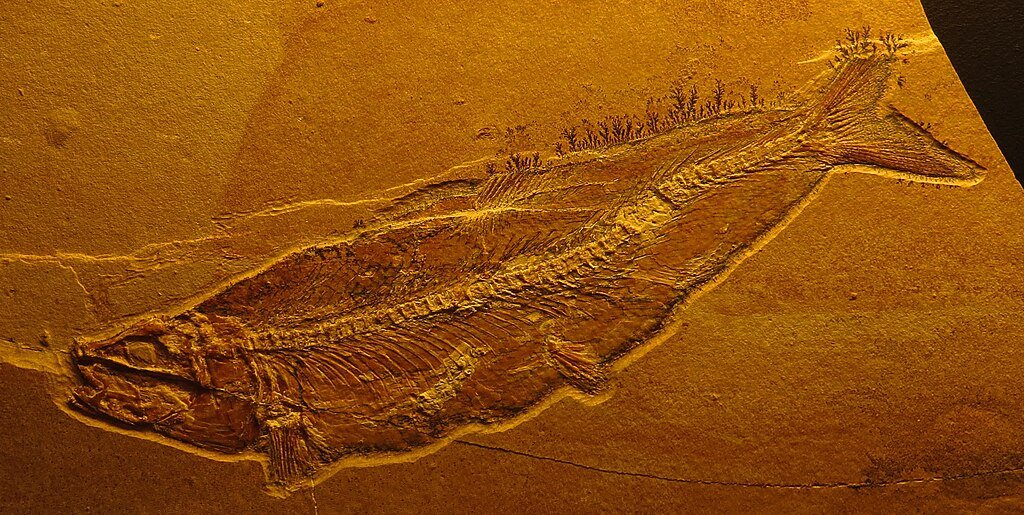
Tharsis sp. fossil display in the museum

Fatal Feast: Jurassic Fish Fossils Reveal Death by Squid 

April Joy Jovita

A new study published in Scientific Reports uncovers a tragic feeding mistake preserved in stone: Jurassic fish of the genus Tharsis choked to death while attempting to swallow squid-like cephalopods called belemnites. The fossils, found in Germany’s Solnhofen Limestone, offer rare insight into predator-prey dynamics and ecological conditions 150 million years ago. Fossils from a ...

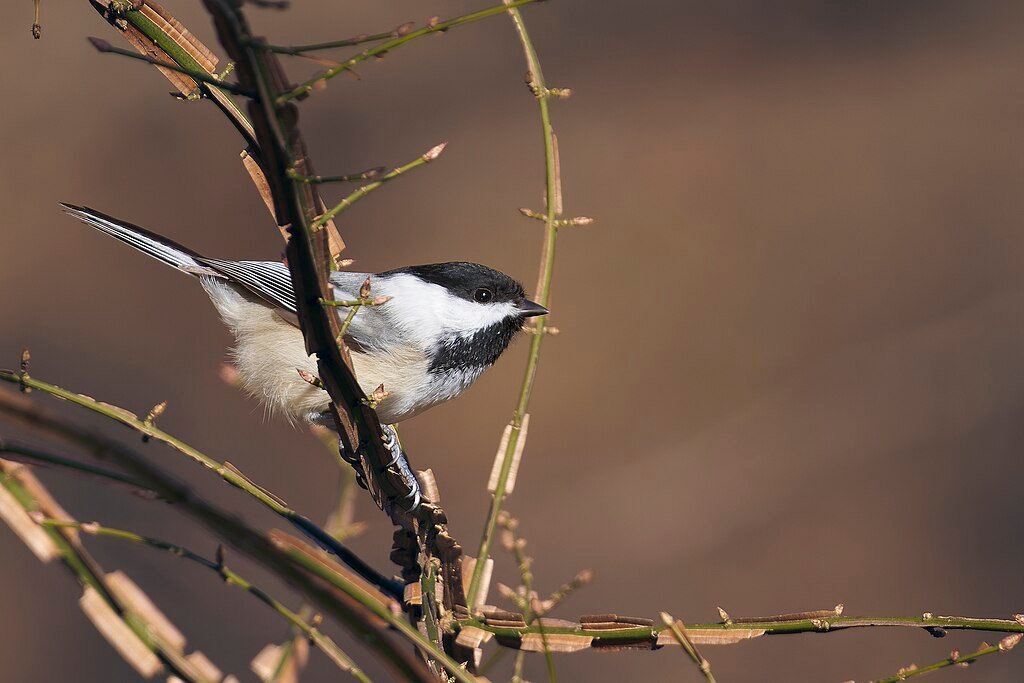
Black-capped chickadee on a small tree branch

Gaze and Memory: Chickadees Recall Places Without Taking Flight

April Joy Jovita

A new study published in Nature reveals that black-capped chickadees can recall specific locations simply by looking at them, without needing to fly or physically visit the site. This discovery provides compelling evidence that spatial memory in birds can be triggered by visual fixation alone, reshaping how scientists understand navigation, attention, and planning in freely ...

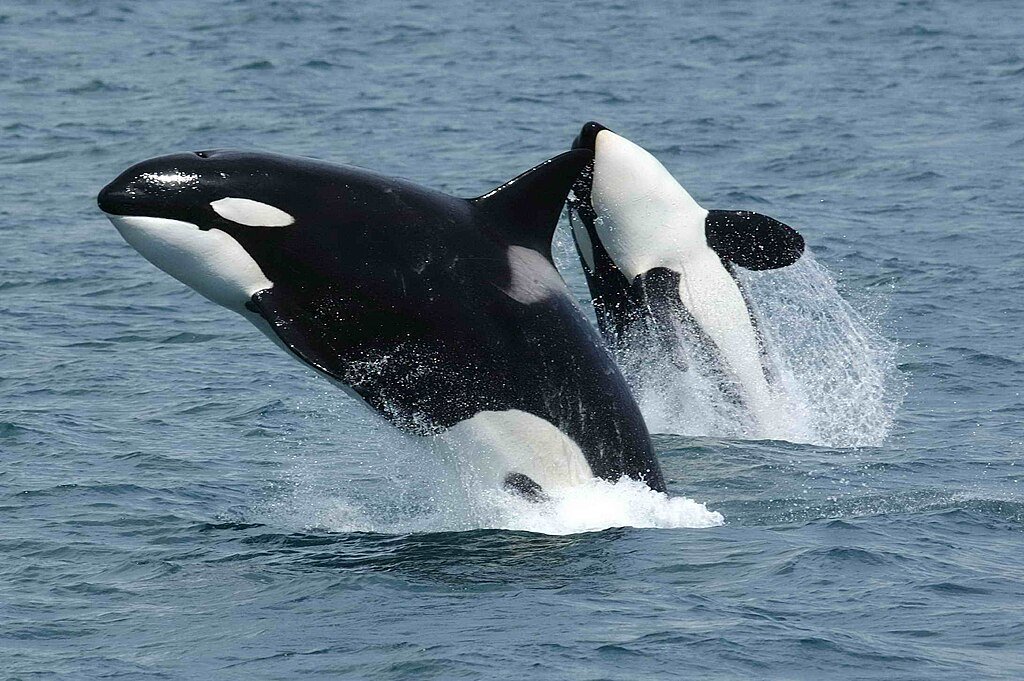
Killer whale jumping on water surface

A Kiss Beneath the Waves: Wild Orcas Caught in Rare Tongue-Nibbling Display

April Joy Jovita

In a first-of-its-kind observation, researchers have documented wild orcas gently nibbling each other’s tongues—a behavior previously seen only in captivity. Published in Oceans, the study describes a rare underwater interaction captured by citizen scientists snorkeling in Norway’s Kvænangen fjords, offering new insight into the social lives of these enigmatic marine mammals. A Chance Encounter in ...

Green turbo seashell on the sand

Paleogeography Rewrites the Map: How Ocean History Shaped Mollusk Distribution

April Joy Jovita

A sweeping new study has unveiled a global map of marine mollusks that reflects not just present-day ocean conditions but millions of years of geological transformation. Published in Scientific Reports, the research shows how ancient shifts in land and sea, alongside temperature and ocean currents, continue to shape the biogeography of shallow-water mollusks like bivalves ...