
You probably do not wake up thinking about dinosaurs, lost civilizations, or climate tipping points every day, yet stories about extinction still pull you in like a gravity well. You slow down for documentaries about vanished species, binge disaster movies, and click on every article about “the last of its kind.” That pull is not random; your brain is wired to pay attention when something could be gone forever. Psychology suggests that your fascination with extinction is actually a side effect of deeper, very human needs: to stay safe, to make sense of your own mortality, and to feel that your life matters in a fragile world. When you look closely, extinction is not just about the end of other species or civilizations. It becomes a mirror that reflects what you fear, what you value, and what you hope will outlast you.
Extinction Grabs Your Threat-Detection System
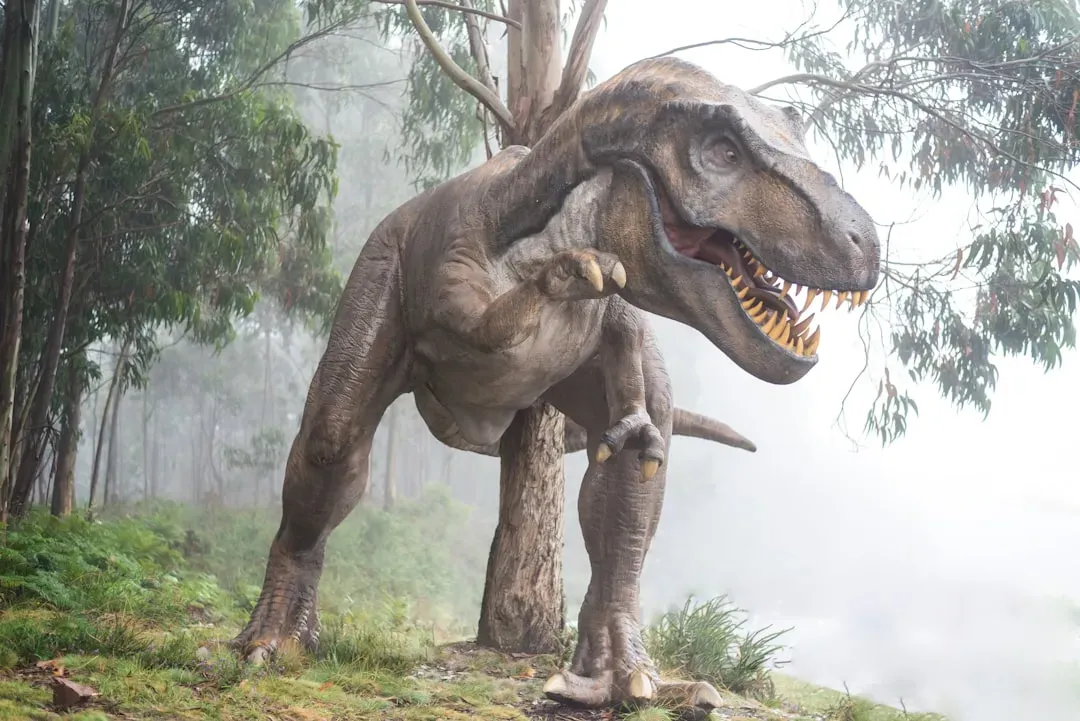
You are built to notice danger. Long before you started reading articles on your phone, your ancestors survived by obsessing over threats in their environment. Extinction is like the ultimate alarm bell: it signals that something was so catastrophic, so overwhelming, that an entire lineage could not adapt or escape. When you hear about a species vanishing, your brain does not just log a neutral fact. You intuitively ask yourself what could cause that level of destruction and whether something similar could happen to you, your family, or your way of life. Even if you are safe on your couch, your nervous system treats extinction stories as practice drills for worst-case scenarios.
You Use Extinction Stories to Work Through Your Own Mortality
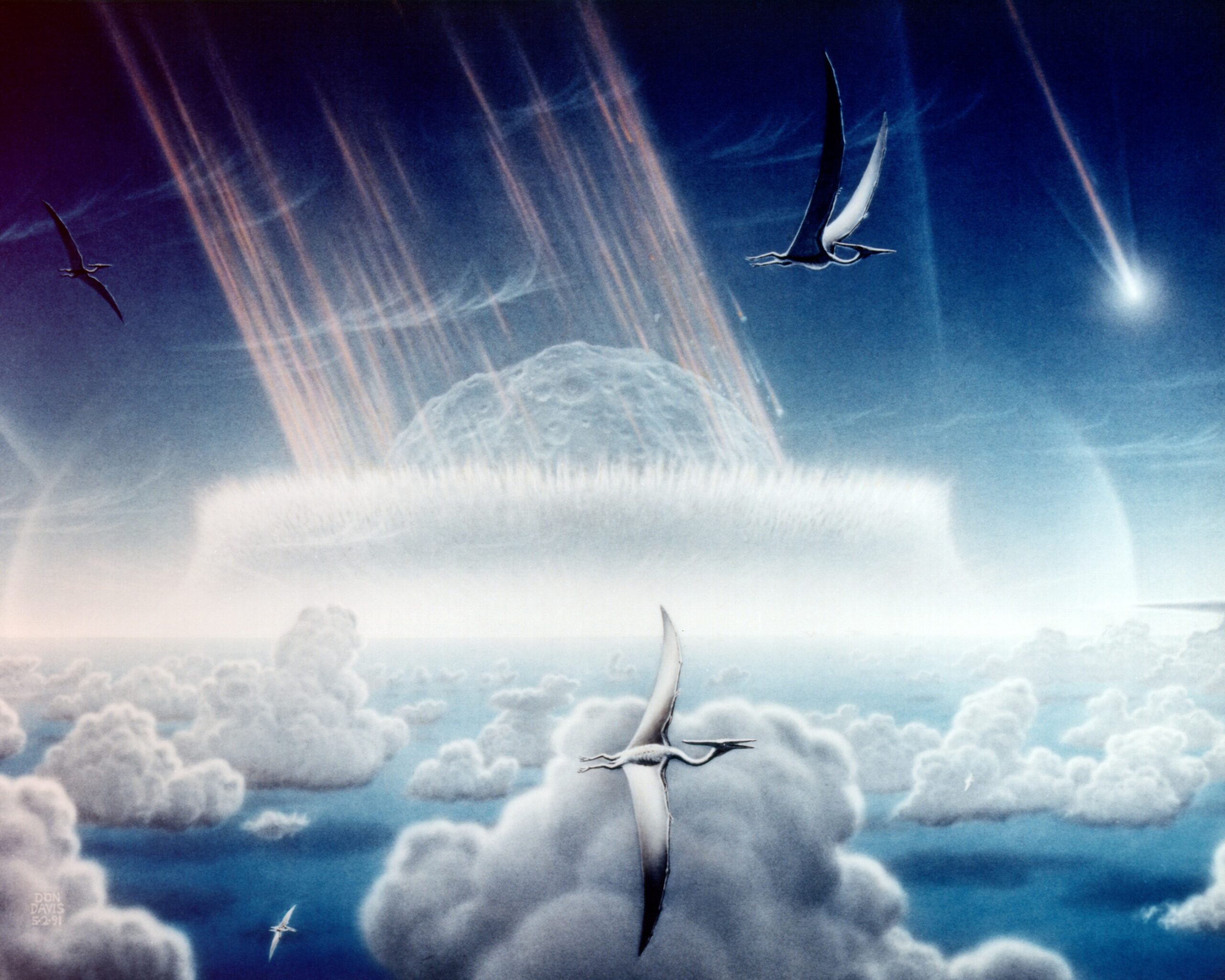
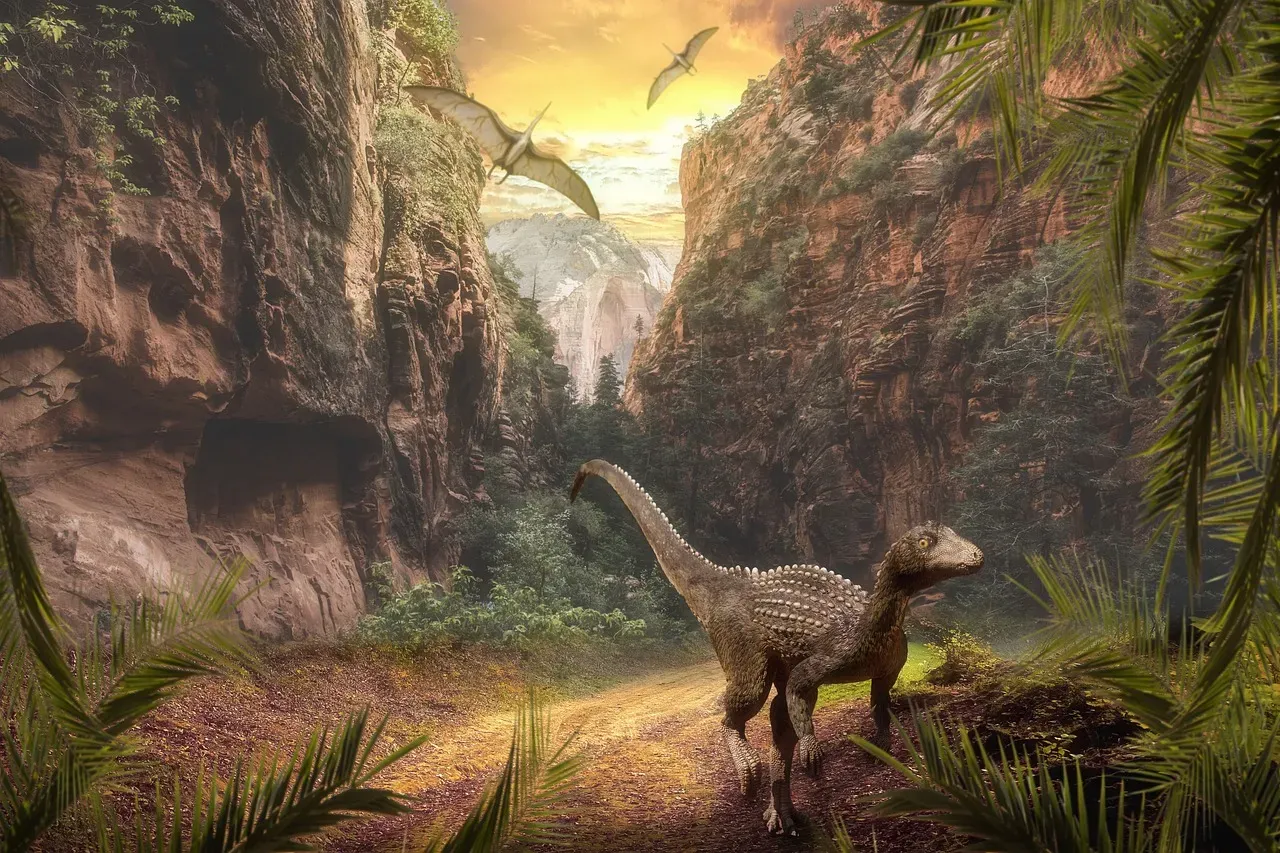
You know, at least intellectually, that your life will end one day, but your mind really does not like to sit with that thought for long. Extinction gives you a safer, more distanced way to think about endings without staring directly at your own. It is easier to contemplate the fate of dinosaurs or woolly mammoths than to dwell on your final day. At the same time, those stories tug you back to the same core questions: How long does anything really last? What will remain after you are gone? When you feel that chill of sadness or awe hearing about the last member of a species, you are also quietly rehearsing your feelings about being finite yourself.
Rarity, “Last Chances,” and the Pull of the Irreplaceable
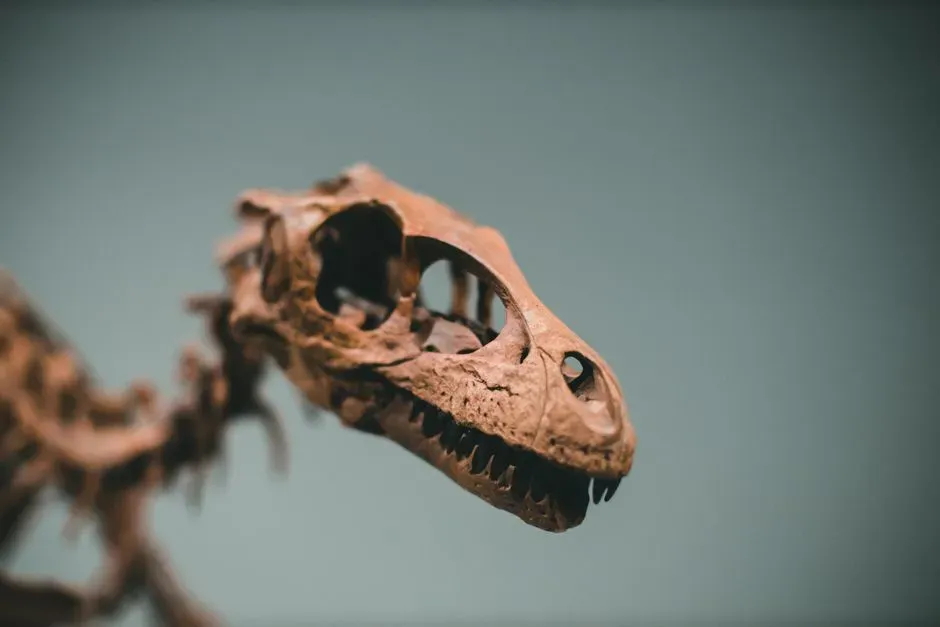
Your brain is magnetically drawn to whatever feels rare, fragile, or “last of its kind.” Psychologists sometimes call this a scarcity effect: when something could disappear, you pay more attention, feel more emotional about it, and often value it more than you did before. Extinction is just scarcity turned up to the maximum. Think about how you react when you are told this is your last chance to see a glacier before it melts or a reef before it bleaches. You suddenly feel urgency, even if that place has existed your whole life. Extinction stories push you to see that some opportunities, once gone, are truly gone, and that triggers a deep instinct not to waste your shot.
Extinction Makes You Question Human Power and Responsibility
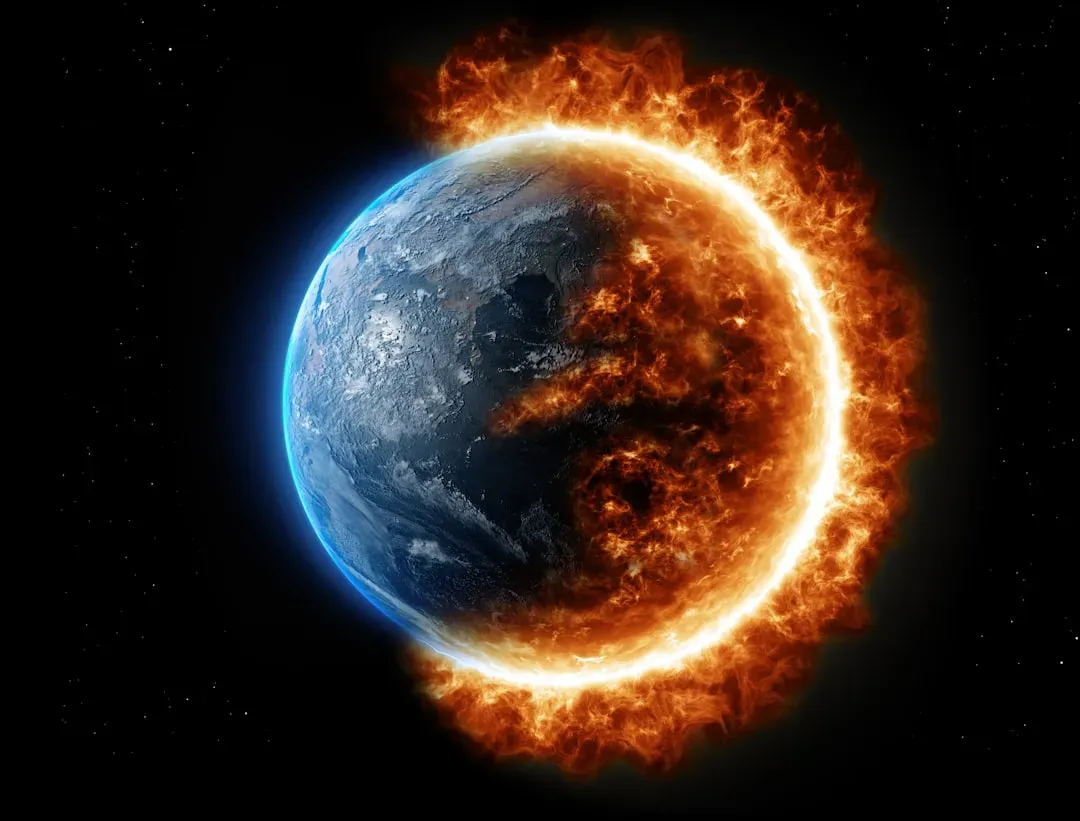
Whenever you hear that a species is being pushed to the edge by pollution, habitat loss, or climate change, you are also hearing a story about human power. You are confronted with the uncomfortable idea that your species is not just another animal in the web of life, but a force that can unmake whole branches of that web. That realization can feel both empowering and deeply unsettling. This is part of why extinction content can feel morally charged to you. You are not just watching nature run its course; you are evaluating your own role in accelerating or slowing down those endings. You might feel guilt, anger, or a surge of responsibility, and those emotions keep you mentally returning to extinction again and again, trying to decide what kind of human you want to be.
Apocalypse Narratives Let You Play Out “What If It Were Us?”
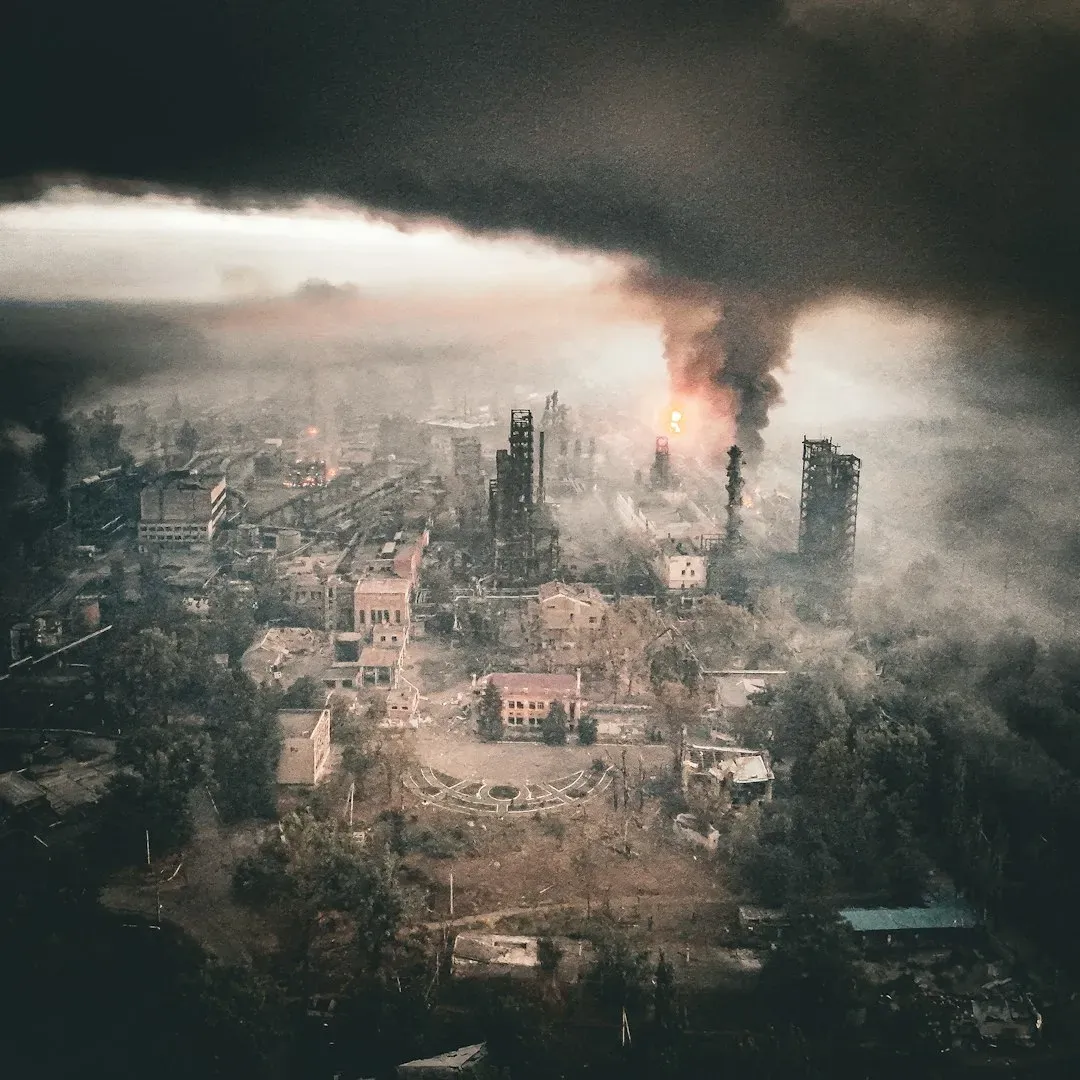
When you watch a movie about a collapsing ecosystem or read a novel about a dying civilization, you are not just looking at spectacle. You are quietly putting yourself in that story, wondering how you would react if your world started to unravel. Psychologically, those imagined scenarios let you rehearse how you might cope with crisis without having to actually live through it. There is also a strange thrill in testing your own limits this way. You might catch yourself thinking about what you would save, who you would protect, or what rules you would break if everything was at stake. Extinction scenarios turn your everyday worries into epic questions about survival and courage, and that scale makes them stick in your mind.
Extinction Forces You to Ask What Really Matters
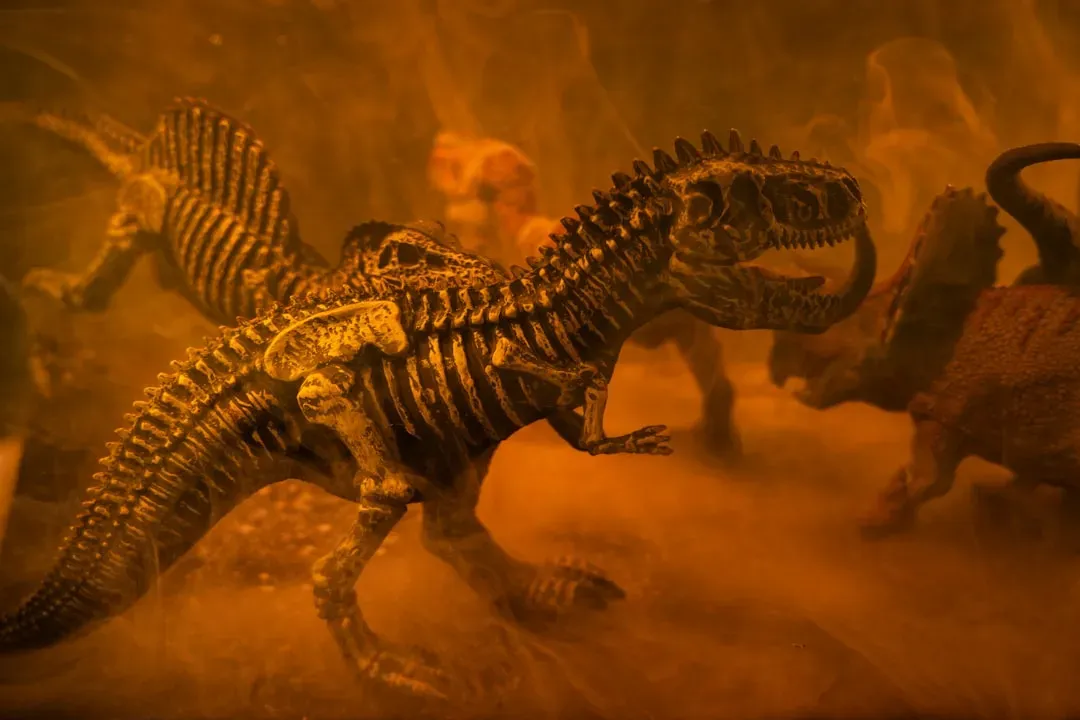
When you learn that a species is gone or that a culture has disappeared, you often feel a pang of regret even if you never interacted with them directly. That reaction is a sign that you are not just mourning bodies; you are mourning lost songs, behaviors, colors, and relationships that will never happen again. Extinction shines a harsh light on what you truly consider precious. In a quiet way, this can change how you look at your own daily life. You might start noticing the specific birdsong in your neighborhood, the taste of a local food, or the stories your grandparents tell, realizing that these, too, are not guaranteed to last. Extinction stories nudge you to move from taking things for granted to treating them as gifts on loan.
You Seek Meaning and Legacy in a Vanishing World

Knowing that entire species and civilizations can vanish pushes you to grapple with what kind of mark you want to leave. If even mighty creatures and sprawling empires can disappear, you may feel a mix of humility and urgency. You start wondering whether your work, your relationships, or your values will ripple out beyond your own lifetime in any meaningful way. This is where fascination with extinction can quietly motivate you. You might care more about conservation, storytelling, teaching, or creating something that outlives you. Instead of making you nihilistic, the awareness that things end can actually deepen your desire to make your finite time count for something that feels bigger than yourself.
Curiosity, Awe, and the Strange Beauty of Endings

Alongside fear and sadness, you may notice a sense of awe when you think about extinction. There is something staggering about the sheer scale of time, the rise and fall of entire worlds before you ever existed. Your curiosity wants to know how these stories unfolded: what went wrong, what adapted, and what surprising new forms of life emerged afterward. That mix of beauty and loss is emotionally complicated, and your mind likes to revisit it, the way you might replay a haunting song. Extinction reminds you that the story of life is not just a straight climb upward but a tangled saga of experiments, failures, and fresh starts. In that tangle, you may find a strange comfort: if everything changes, then your own hard moments exist inside a much larger, ever-evolving picture.
Conclusion: Extinction as a Mirror of Your Deepest Questions
When you step back, your fascination with extinction is not morbid curiosity for its own sake. It is your mind’s way of wrestling with danger, death, meaning, responsibility, and wonder all at once. Extinction stories let you practice facing the hardest truths about being human while still giving you just enough distance to keep going. You are drawn to extinction because it forces you to see how fragile everything is and, at the same time, how much possibility still exists in that fragility. If whole worlds can vanish, then every choice you make in this one matters a little more than it did yesterday. Knowing that, what do you most want to protect while you still have the chance?