
You probably grew up with a simple story about where humans came from: ancient apes, slow evolution, and eventually people like you. The reality is much messier, much stranger, and honestly, far more interesting than the tidy diagrams from school textbooks. Even with powerful genetic tools and an impressive fossil record, there’s still one big, stubborn mystery at the heart of it all: how exactly did you become so uniquely human?
Scientists can trace many steps, but the final leap – what truly set your species apart in mind, culture, and behavior – is still frustratingly blurry. As you dig into what experts do and don’t know, you start to realize that your own origins are like a half-finished detective story, with tantalizing clues scattered across bones, DNA, and stone tools, but with key pages still missing.
The Puzzle Hidden In Your Family Tree
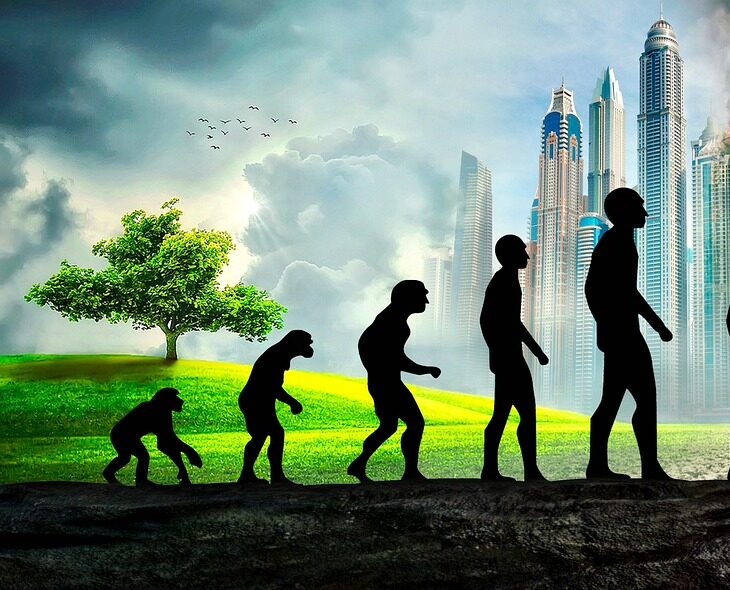
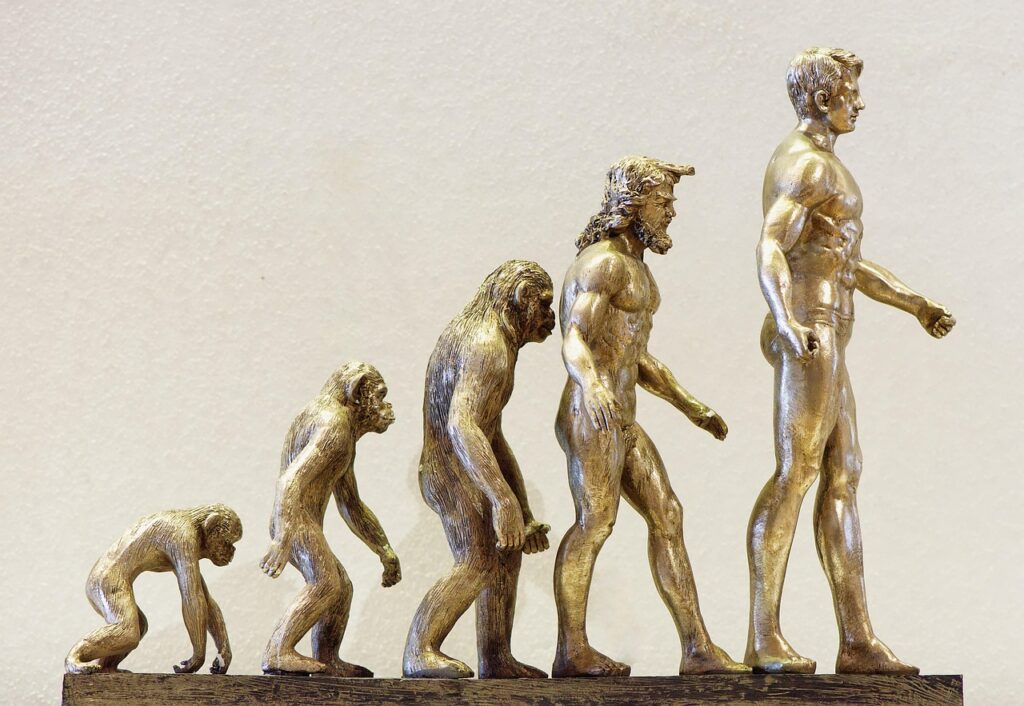
On paper, your evolutionary family tree looks pretty clear: you share a common ancestor with chimpanzees, your closest living relatives, a few million years back in Africa. Over time, your lineage branched off, walking upright, making tools, and eventually spreading across the globe. That broad picture is widely accepted, and there’s no serious doubt that you are part of the great ape family.
The mystery kicks in when you zoom in. Fossils show a jumble of early human species overlapping in time and space: tall ones, short ones, small-brained, big-brained, some with unexpected combinations of traits. Instead of a neat ladder, you see a tangled bush, and you’re just one twig on it. The question that won’t go away is: at what point in that chaotic bush did you stop being “just another hominin” and become truly, recognizably human in the modern sense?
When Did You Become “Behaviorally Modern”?
One of the biggest debates is about something called behavioral modernity – essentially, when you started thinking, planning, and feeling like a modern human. You might assume that once your ancestors had brains about the same size as yours, they instantly behaved like you. But the archaeological record suggests it wasn’t that simple or that sudden.
You see scattered signs of “modern” behavior appearing and disappearing over tens of thousands of years: pigments that might be body paint, beads that look like jewelry, carved objects that suggest symbolism or art. It’s not a straight line of progress. Sometimes, seemingly advanced behaviors show up early, then vanish for long stretches. That leaves you with a nagging question scientists still argue about: did your species switch into “modern mode” in one big cognitive leap, or did it creep in slowly, unevenly, like lights flickering on and off before finally staying on?
The Language Leap You Can’t See In Bones

If there’s one thing that feels uniquely human to you, it’s language – the ability to share complex stories, plans, and emotions using structured speech. But here’s the catch: language doesn’t fossilize. Bones can show where muscles attached or how big the braincase was, but they can’t directly reveal what kinds of thoughts were being turned into words, or if there were words at all.
Researchers study the shape of ancient skulls, the position of the larynx, and the genetics of modern humans to estimate when you might have gained speech that works like yours does today. Still, they can only really guess. You might be looking at stone tools made by someone who could talk about the past and future, or by someone who communicated more like a very expressive, very clever ape. Without a time machine to listen in, you’re left with educated inferences and a haunting uncertainty about when your ancestors first truly started talking like you.
Why Your Brain Got So Big – And So Weird
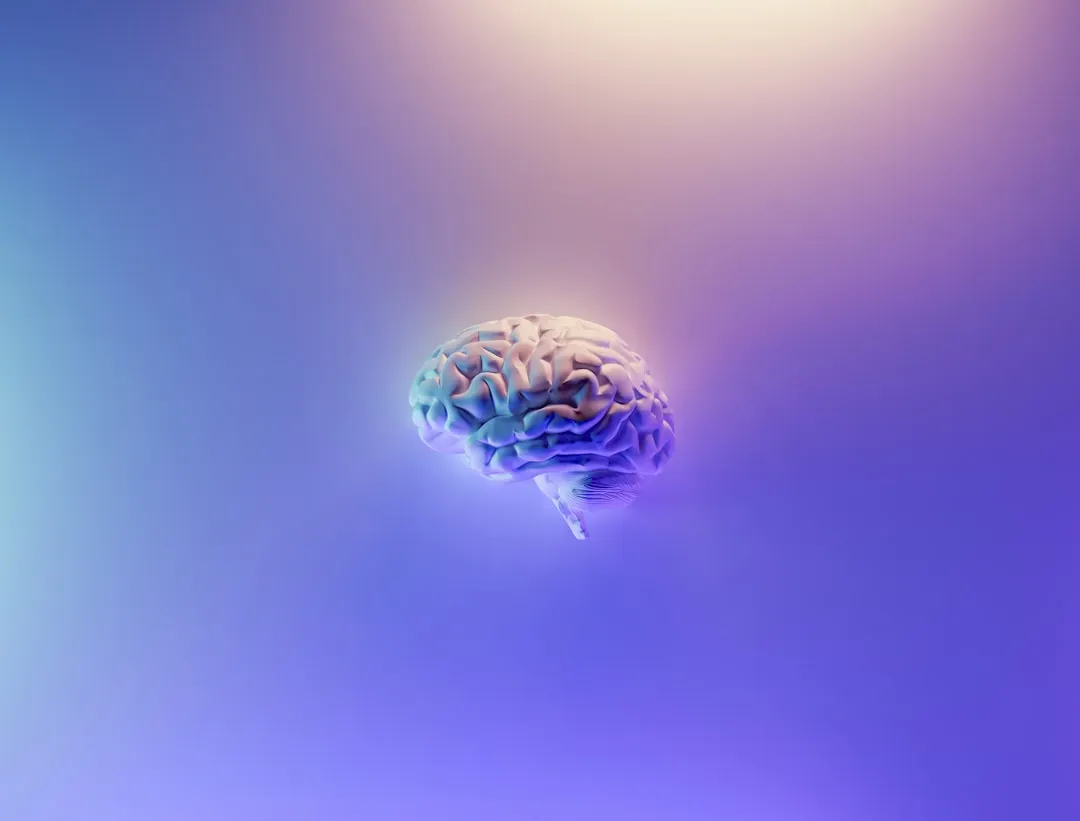
Your brain is an energy hog, using a surprisingly large share of your body’s fuel, and that raises an obvious question: what made it worth the cost? Several ideas compete here. Some scientists argue that your brain ballooned because social life got more complicated – you needed to keep track of alliances, rivals, friendships, and subtle hierarchies, almost like running a living spreadsheet in your head. Others point to tools, hunting strategies, and problem-solving as the main drivers.
There’s also the idea that culture and brain growth fed each other in a loop. As your ancestors shared knowledge – better tools, new foods, fire management – life demanded more cognitive power, which favored bigger, more flexible brains, which then allowed more complex culture, and so on. The problem is, when you look at the timeline, brain size, tools, and culture don’t always line up in a simple pattern. You see big brains without clear signs of “modern” culture, and later, explosive culture shifts even when brain size barely changes. That mismatch keeps the true trigger for your mind’s evolution just out of reach.
The Ghosts In Your DNA
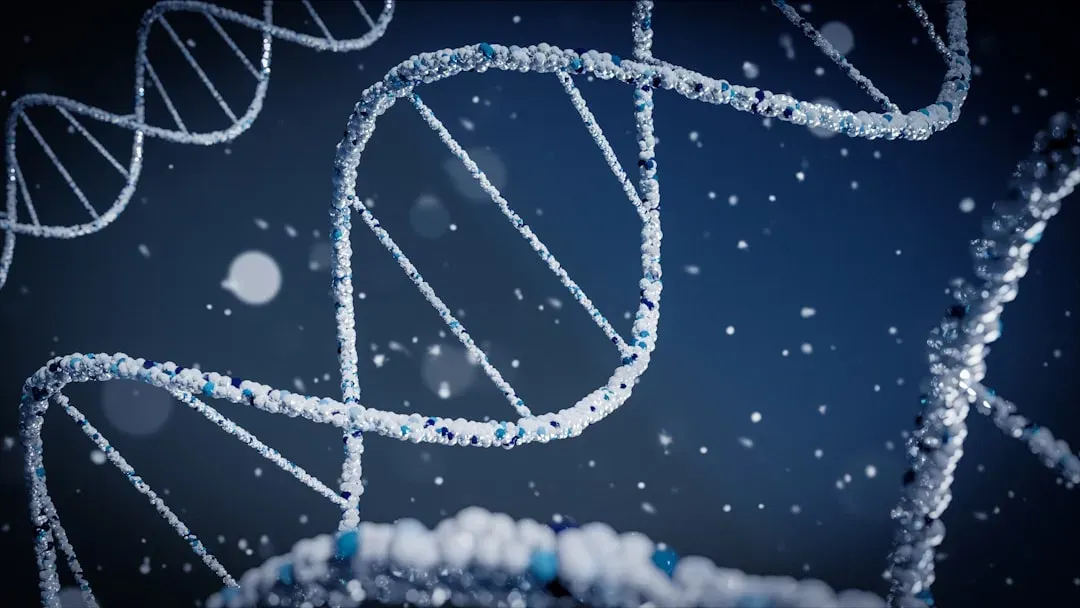
Your own DNA tells you that your story is not just about one clean ancestral line; it’s about mixing. When scientists compared the genomes of modern humans with ancient remains, they found traces of Neanderthals, Denisovans, and possibly other mysterious groups woven into your genes. That means your ancestors did not just replace other human species – they met them, lived with them, and had children with them.
This mingling complicates the question of where your uniquely human traits came from. Did some vital mental or cultural spark originate in one population and then spread through interbreeding? Did encounters with other human species trigger rapid innovation, competition, or cooperation that pushed you over a threshold? You can see the genetic footprints of those meetings, but you can’t yet firmly say how much they shaped the mind you have today.
The Cultural Explosion That Still Makes No Sense
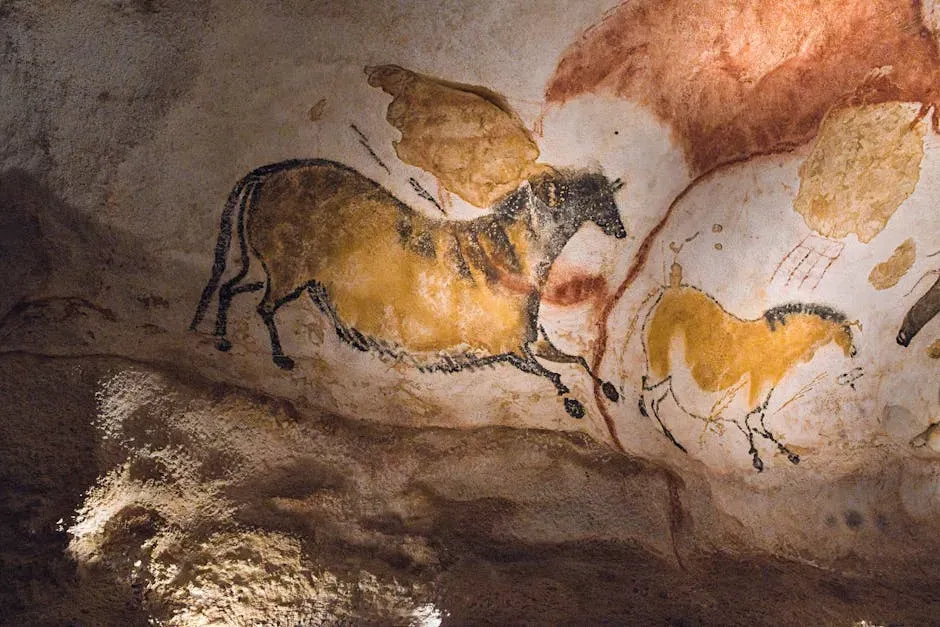
At some point in the last hundred thousand years or so, human culture took off in a way that seems almost shocking compared to everything before it. You go from relatively simple tools and scattered symbolic objects to dense bursts of art, elaborate burials, finely crafted weapons, and long-distance trade. Caves become canvases; tools become specialized; societies become more structured and interconnected.
Researchers debate whether this “takeoff” happened first in Africa and then spread, or whether it flickered into existence in multiple places at different times. They also argue about what triggered it: climate instability, population size, social networks, or an internal rewiring of the brain. When you look at the evidence, you see patterns, but not a clear cause-and-effect story. That leaves the turning point – when your species began living deeply symbolic, culture-rich lives – still partly in the dark.
Why You Survived When Others Didn’t
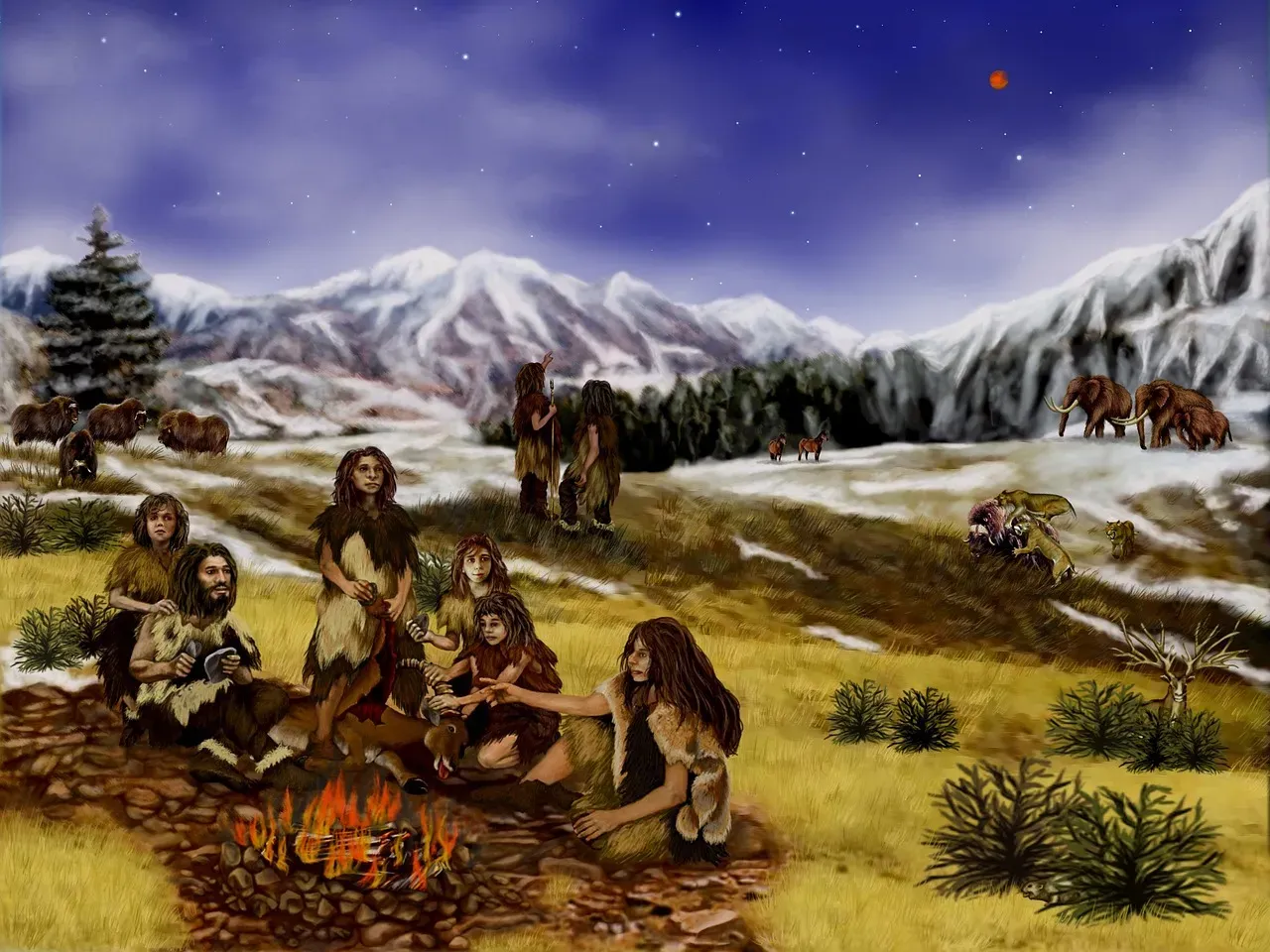
Another stubborn mystery hides in the simple fact that you are here and other human species are not. Neanderthals, Denisovans, and several other hominin groups disappeared, while your lineage spread to fill almost every habitat on Earth. You can point to possible advantages: maybe you had better social networks, more flexible technology, or broader diets that helped you adapt to rapid climate swings.
But when archaeologists dig up Neanderthal sites, for example, they often find evidence of complex behavior, careful hunting, and perhaps even symbolic practices. That blurs the line between you and them more than you might expect. Was your edge just a small difference that cascaded into a huge advantage over time, like a slightly better operating system that eventually dominates the market? Or was it mostly luck – a run of environmental changes that happened to favor your particular mix of traits? The data can support multiple stories, and that ambiguity keeps the core “why you and not them?” question unresolved.
The Question At The Center: When Did You Become Truly Human?
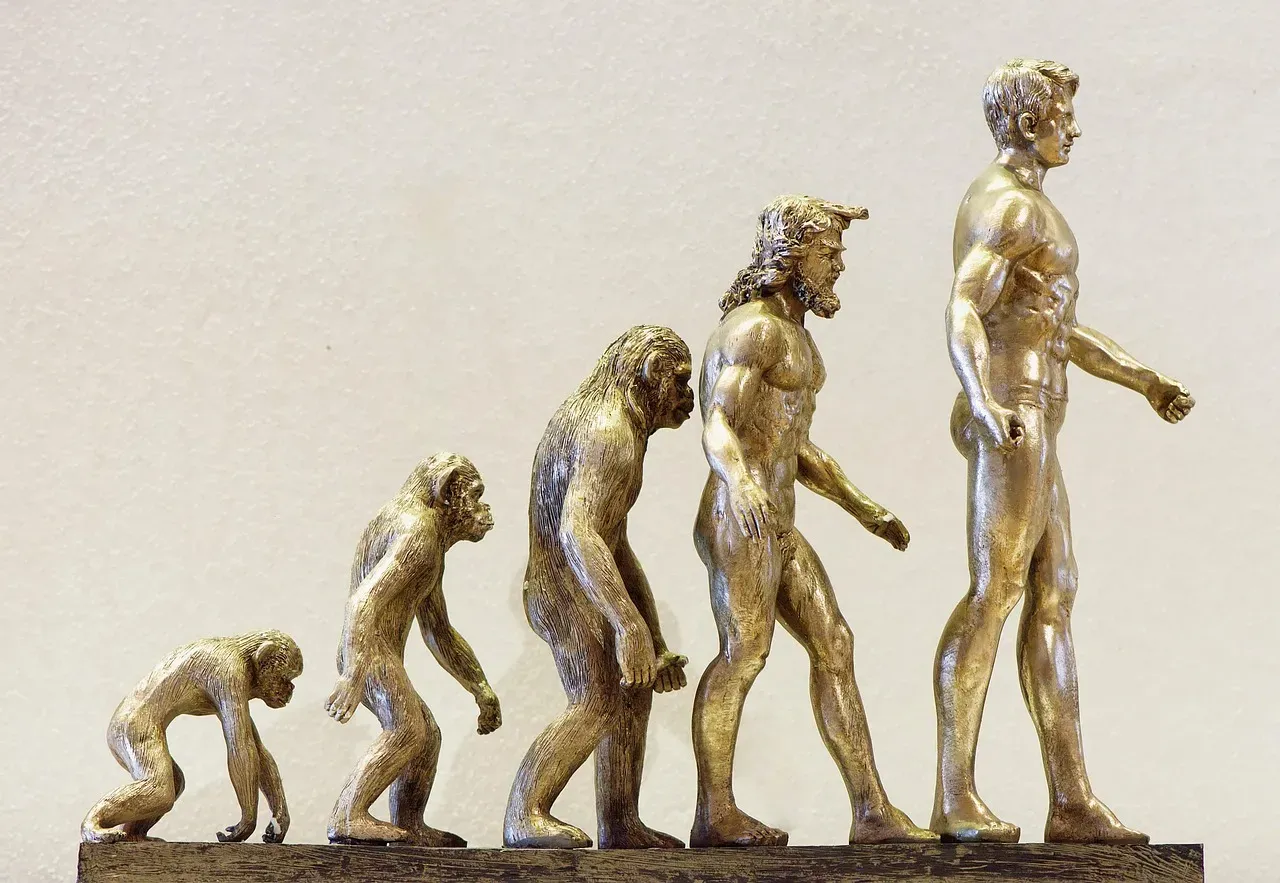
When you put all of this together – the messy family tree, the uncertain timing of language, the brain’s puzzling growth, the cultural surges and crashes, the genetic mingling, and the mysterious extinctions – you keep circling back to the same unresolved point. At what moment, if any, did your species cross the line from being just another clever ape to being fully, recognizably human as you understand it today? Right now, there is no single fossil, no clear genetic marker, no specific site in the ground that everyone can agree marks that transformation.
Instead, you get shades of humanness fading in over a long stretch of time, like a photograph slowly developing in a darkroom. Some traits appear early and then vanish; others suddenly explode across continents. Different experts emphasize different milestones: complex language, abstract art, elaborate burials, social complexity, or something else entirely. You’re left with a humbling realization: the most important threshold in your own story may be less a sharp line and more a foggy zone that science can approach but never fully pin down.
Conclusion: Living With An Unfinished Origin Story
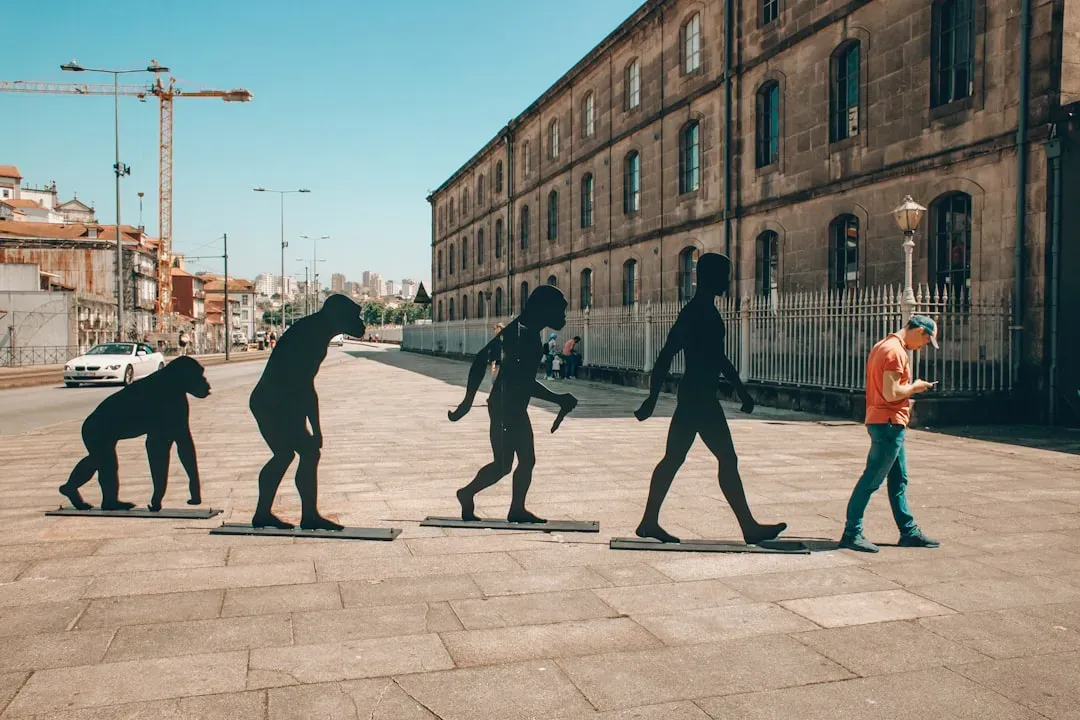
As frustrating as it might feel, you live with an origin story that is powerful, evidence-based, and still incomplete. You know far more than people did even a few decades ago, yet the heart of the mystery – the exact “how” and “when” of becoming fully human – remains partly hidden by time. In a way, that uncertainty is a reminder that you are not standing outside nature, looking down on it; you are tangled up in it, trying to understand yourself with tools that your own evolution only recently put in your hands.
Maybe that’s the most human thing of all: to keep asking questions you can’t fully answer, to accept doubt while still chasing clarity, and to find meaning in a story that will probably never be completely finished. When you think about your place in this long, unfinished tale, are you more unsettled by what you don’t know – or quietly thrilled that there is still so much left to discover?