In a groundbreaking behavioral study, wild orcas—apex predators revered for their intelligence—have been observed voluntarily offering prey to humans in multiple parts of the world. Published in the Journal of Comparative Psychology, the research compiles 34 encounters from California to Patagonia, reshaping our understanding of marine mammal social behavior and interspecies interactions.
A Study of Unusual Generosity
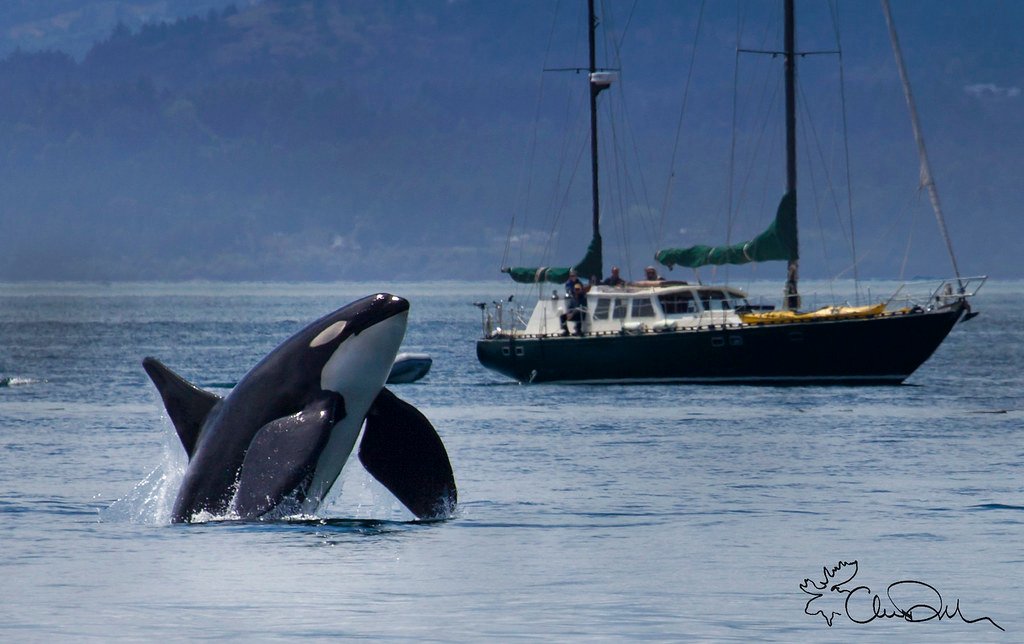
Over a span of two decades, researchers documented cases where orcas approached swimmers, divers, or boaters and presented them with fish, rays, or marine mammals. The gestures were not isolated flukes; orcas often lingered to monitor human reactions and, in some cases, repeated the offering when it was ignored—suggesting intentionality and social awareness.
Why Do Orcas Offer Food?
Why food sharing is common among orcas as a social bonding tool, extending this behavior to humans appears to reflect an experimental or inquisitive act. Scientists speculate the behavior parallels domesticated animals that gift prey to human companions, raising questions about how orcas perceive and interpret unfamiliar social partners.
Intelligence, Culture, and a Blurred Line
Orcas are already known for complex cultures, unique vocal dialects, and learned hunting strategies. The act of sharing food with humans may indicate not only advanced cognition but also a willingness to test new social relationships. These encounters suggest that orcas possess a flexible, curious intelligence capable of extending empathy—or at least interest—beyond their own kind.
Conclusion
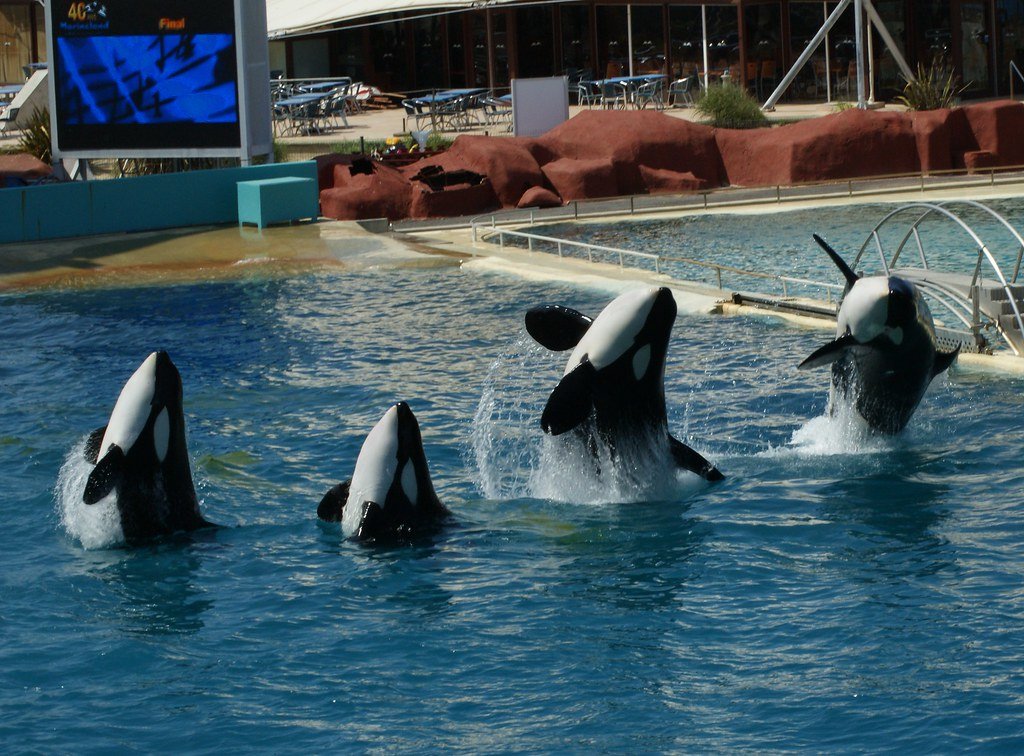
The notion that wild killer whales willingly offer gifts to humans challenges the line between observer and participant in animal cognition. As science continues to decode orca social behavior, these moments hint at something profound: a shared space between species, where curiosity, communication, and generosity ripple just beneath the waves.
Source: