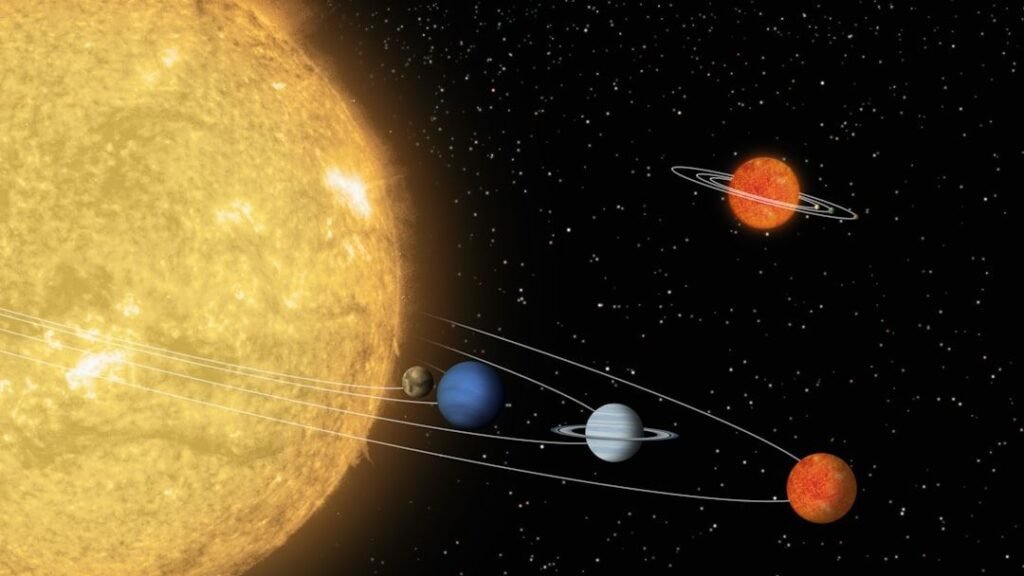
You probably grew up thinking scientists have the solar system mostly figured out: neat orbits, well-understood planets, and predictable motions. Then you start digging into the details and realize something unsettling: even in your own cosmic backyard, there are mysteries that still refuse to play by the rules. The more powerful your telescopes and spacecraft get, the stranger some of these worlds begin to look.
What makes it even more fascinating is that these puzzles are not happening in distant galaxies billions of light‑years away. They are right here, circling the same star you see every morning. As you read through these eight phenomena, you might feel your intuitive picture of the solar system quietly cracking – and being replaced by something far weirder, and far more exciting, than you were ever taught in school.
1. The Sun’s Missing Heat Problem
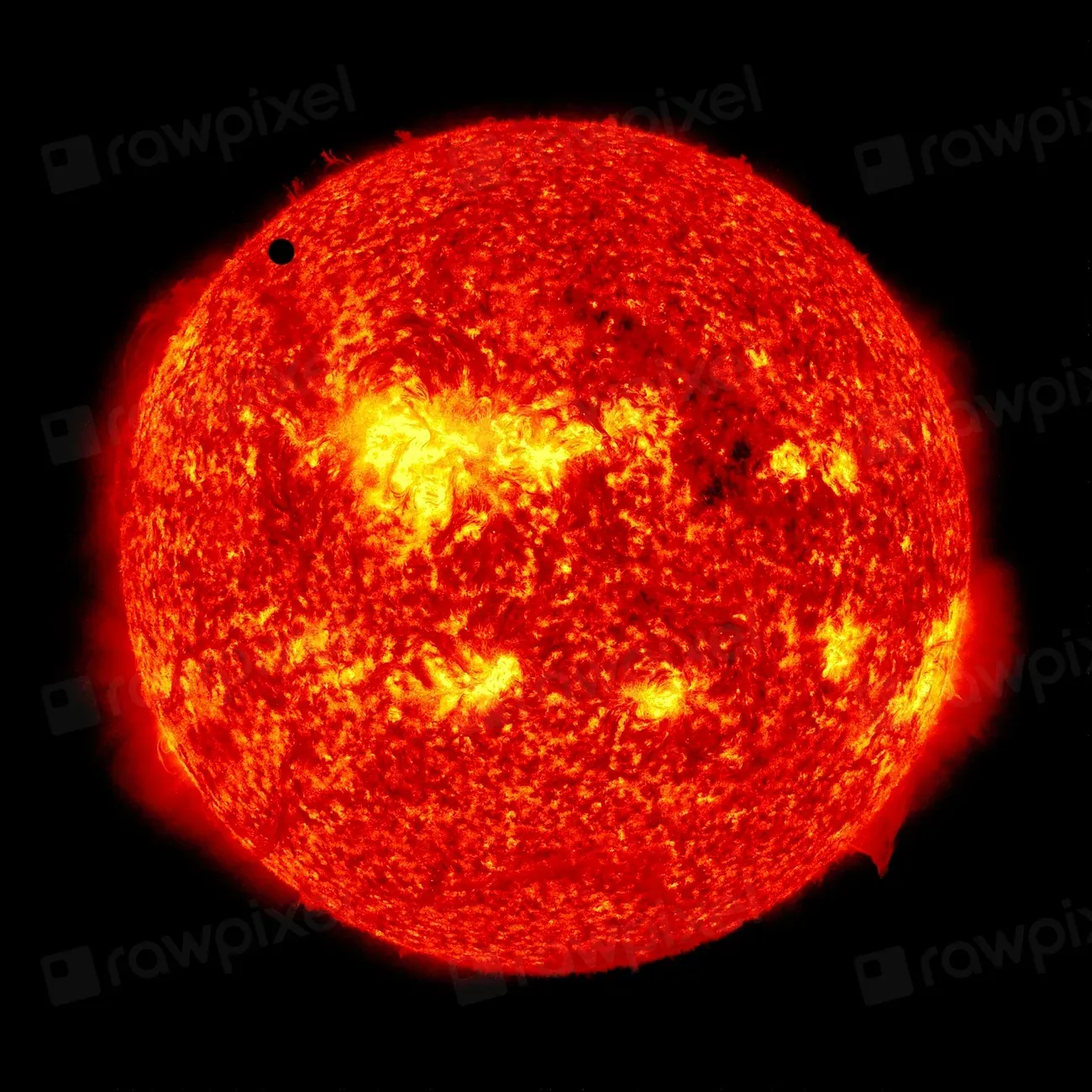
When you stand in sunlight, you can feel the Sun’s power immediately, so it sounds odd to say that some of its energy is mysteriously “missing” by the time it reaches the outer solar system. Yet when you look at how warm certain planets and moons are, especially far from the Sun, they often appear slightly hotter than your basic models would predict. You expect the Sun’s light to thin out in a simple way with distance, but actual measurements sometimes point to a more complicated story.
A famous version of this puzzle showed up when older spacecraft data hinted that the outer solar system might be receiving a bit more heating than expected from sunlight alone. When you combine that with things like the unexpectedly warm upper atmospheres of some planets, you are left wondering whether you fully understand how solar radiation and charged particles actually interact with atmospheres and space itself. Instead of a simple heat lamp in the sky, you may be dealing with a star whose streams of particles, magnetic fields, and radiation form a tangled web of energy that you still do not completely grasp.
2. Mercury’s Strange Orbit and the Limits of Gravity
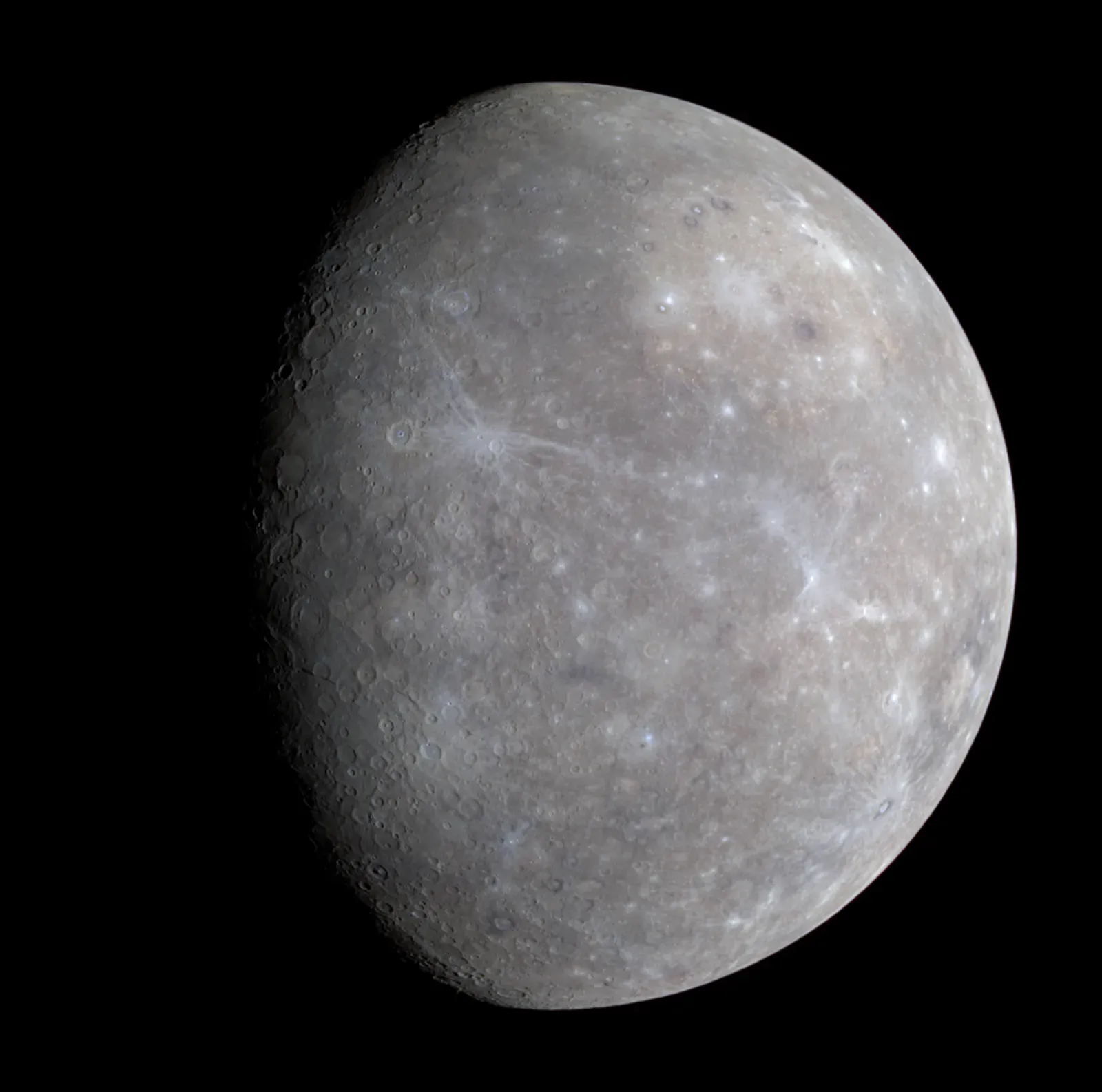
Mercury orbits so close to the Sun that it lives in a permanent furnace, but its path through space has long been one of the weirdest clues in physics. For a long time, its orbit did not quite match what classic Newtonian gravity said it should do. The point where Mercury comes closest to the Sun slowly drifts over time, and early calculations could not fully explain that drift using just the gravity of the Sun and other planets.
If you had been an astronomer in the nineteenth century, you might have been tempted to invent a hidden planet called Vulcan to fix the numbers. Instead, the solution turned out to be far more radical: you had to change the way you think about gravity itself. Einstein’s general relativity finally explained Mercury’s orbit by describing gravity not as an invisible force, but as the warping of space and time. Even today, you can think of Mercury as the planet that quietly betrayed classical physics and pushed humanity to reinvent its understanding of reality.
3. The Great Mars Methane Mystery
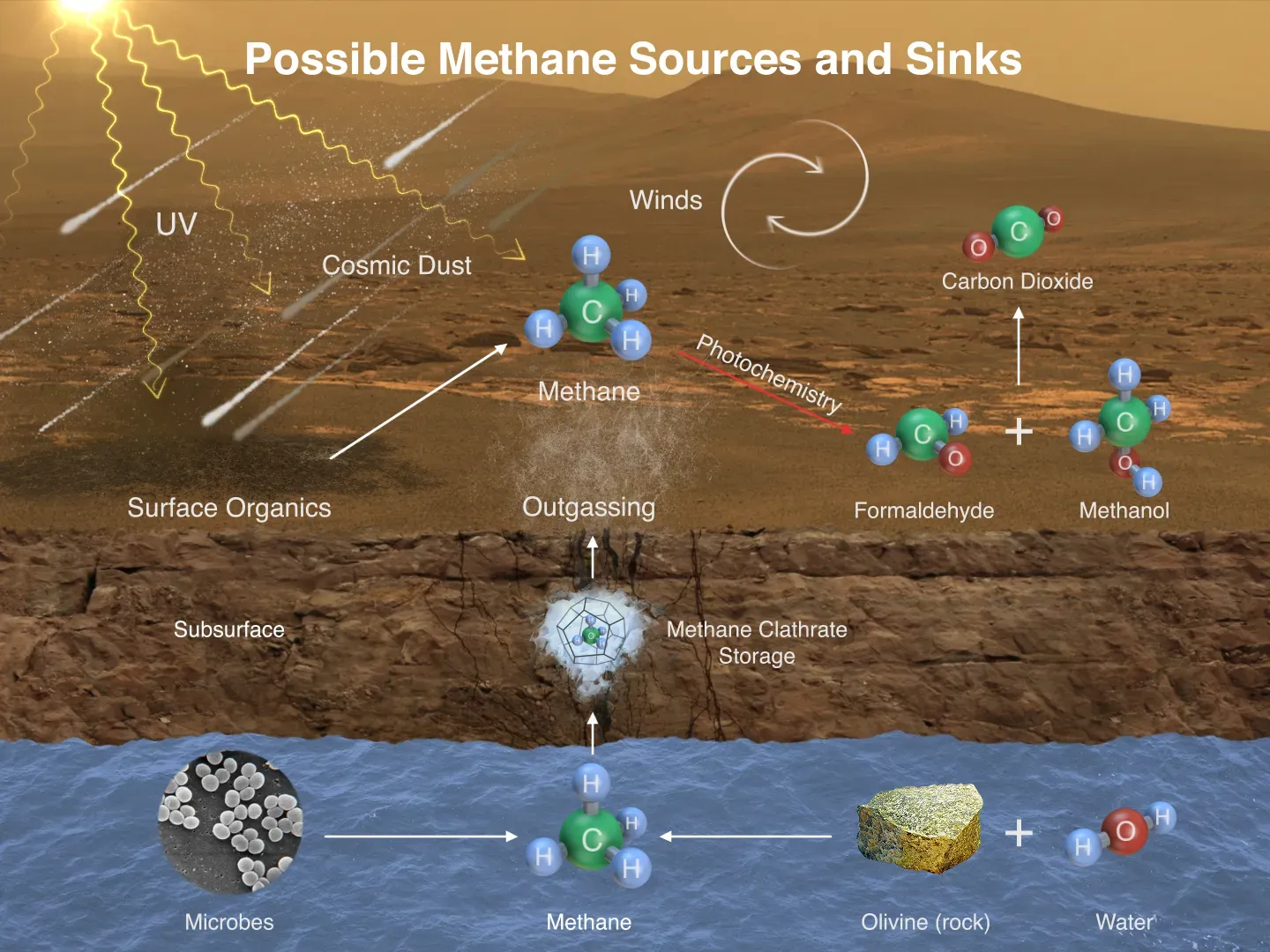
If you want a puzzle that feels almost like a tease, you only need to look at Mars and its strange burps of methane. You know methane on Earth can come from geological processes, but also very commonly from life, like microbes and animals. On Mars, orbiters and rovers have occasionally measured tiny amounts of methane that seem to appear and disappear with the seasons or even fluctuate over short timescales, and that is where things get tricky.
When you combine multiple instruments and missions, you end up with a confusing picture: some see methane spikes, others see almost none, and the patterns do not always line up. You are left juggling possibilities: maybe sunlight and chemistry in the atmosphere destroy methane faster than expected, maybe it seeps from underground clathrates or rocks, or maybe something in the Martian soil is reacting in ways you do not yet understand. You cannot honestly say the methane is evidence of life, but you also cannot rule out that possibility completely, and that tension is exactly what keeps Mars so hauntingly compelling.
4. Saturn’s Hexagon: A Giant Storm That Shouldn’t Exist
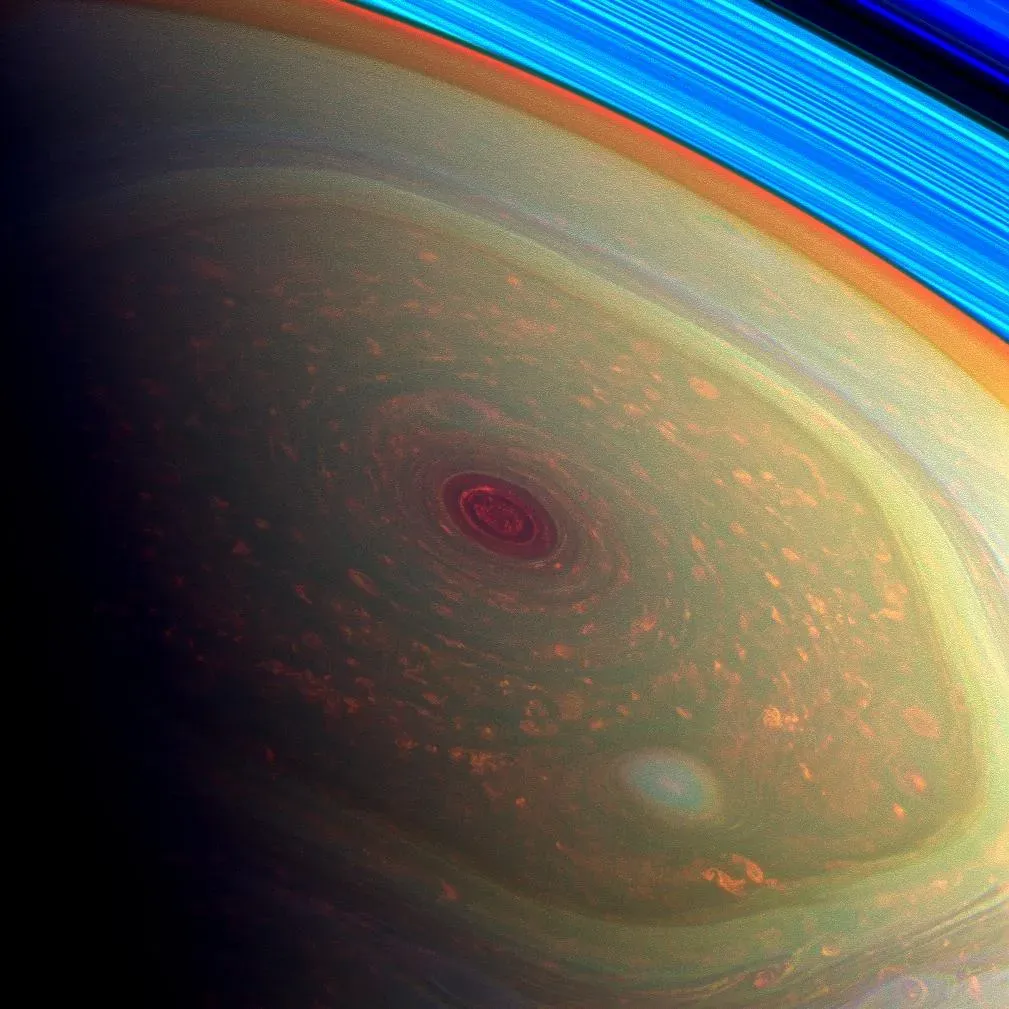
Imagine looking down at a planet and seeing not a swirling round hurricane, but a perfect six‑sided shape etched into the clouds. That is exactly what greets you at Saturn’s north pole: a massive, long‑lived hexagon made of roaring winds and storm systems. Your intuition says turbulence should create messy, irregular patterns, not crisp geometric shapes the size of multiple Earths stacked together.
Scientists have tried reproducing this hexagon in fluid experiments and computer simulations, and under certain conditions, rotating fluids can indeed form polygon‑shaped jets. But knowing that something can happen in a model is not the same as fully understanding why it persists so neatly on a real planet through changing seasons and solar illumination. When you look at Saturn’s hexagon, you are essentially staring at a planetary‑scale physics experiment that nature set up for you, and you are still figuring out all the rules behind it.
5. Enceladus’s Cryovolcanic Fountains of the Deep
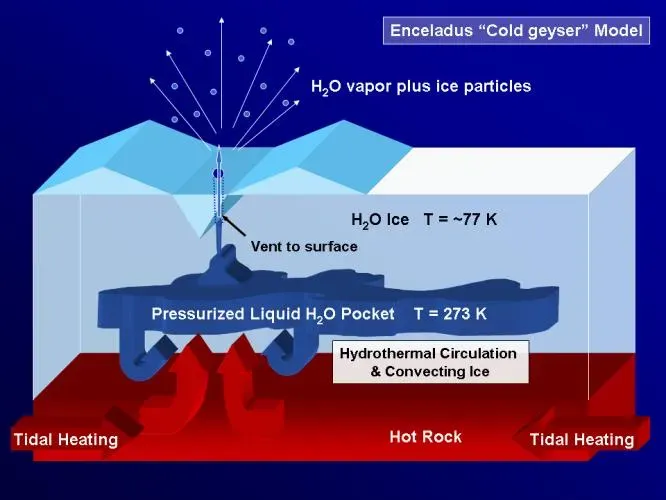
You might assume that a small, icy moon far from the Sun would be a frozen, inactive rock. Saturn’s moon Enceladus laughs at that assumption. When spacecraft flew past it, they saw gigantic plumes of water vapor, ice grains, and organic molecules blasting out from cracks near its south pole, like geysers on overdrive. Suddenly you had a tiny world actively spraying material into space, feeding one of Saturn’s rings and hinting at an ocean of liquid water below its crust.
The real mystery for you is the energy budget: how does such a small moon manage to stay warm enough inside to keep a global or near‑global ocean from freezing solid? Tidal heating from Saturn’s gravity helps, but the exact combination of internal heat sources, rock‑water interactions, and long‑term stability is still not fully pinned down. If there is a warm, salty ocean in contact with rock down there, your mind has to at least entertain the possibility of hydrothermal vents and maybe even life. Enceladus turns from a speck of ice into a place where the line between geology and biology might be dangerously thin.
6. Pluto’s Young, Smooth Plains That Refuse to Age
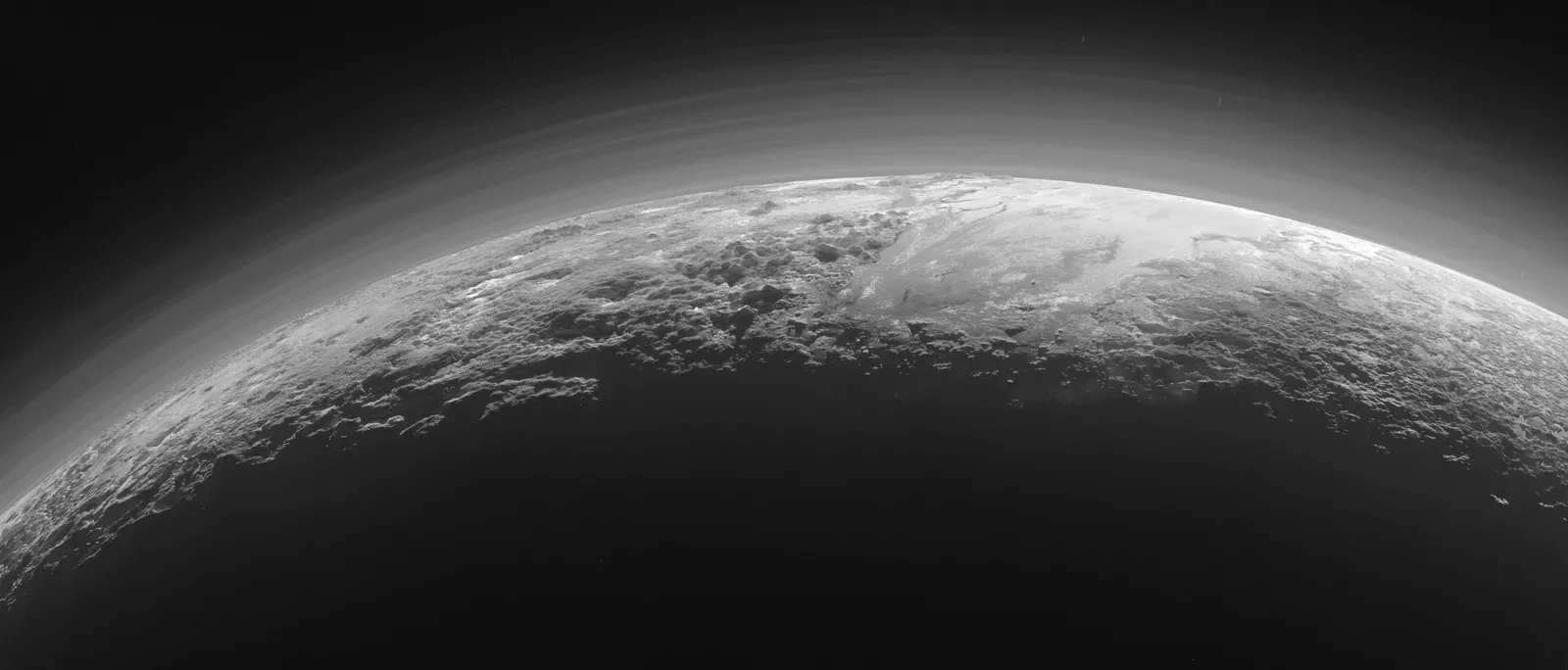
When you saw the first close‑up images of Pluto, you probably expected a battered, crater‑covered ice ball that had not changed much since the early solar system. Instead, you were greeted by vast, smooth, heart‑shaped plains, towering ice mountains, and regions that look surprisingly youthful. Some of Pluto’s surfaces appear so lightly cratered that they seem to have been reshaped in relatively recent geological time, even though Pluto is small and far from the Sun’s warmth.
To maintain such active resurfacing, Pluto has to be getting energy from somewhere, and that is where the questions start piling up. Radioactive decay in its interior, leftover heat from formation, exotic ice convection, and possible subsurface oceans all enter the conversation, but none gives you a perfectly comfortable, complete explanation yet. You are forced to accept that even these distant dwarf worlds can host complex internal processes far beyond your old, simple textbook pictures. Pluto, once downgraded and dismissed, suddenly looks like a stubborn reminder that the outer solar system is anything but dead.
7. The Asteroid Belt That Never Became a Planet
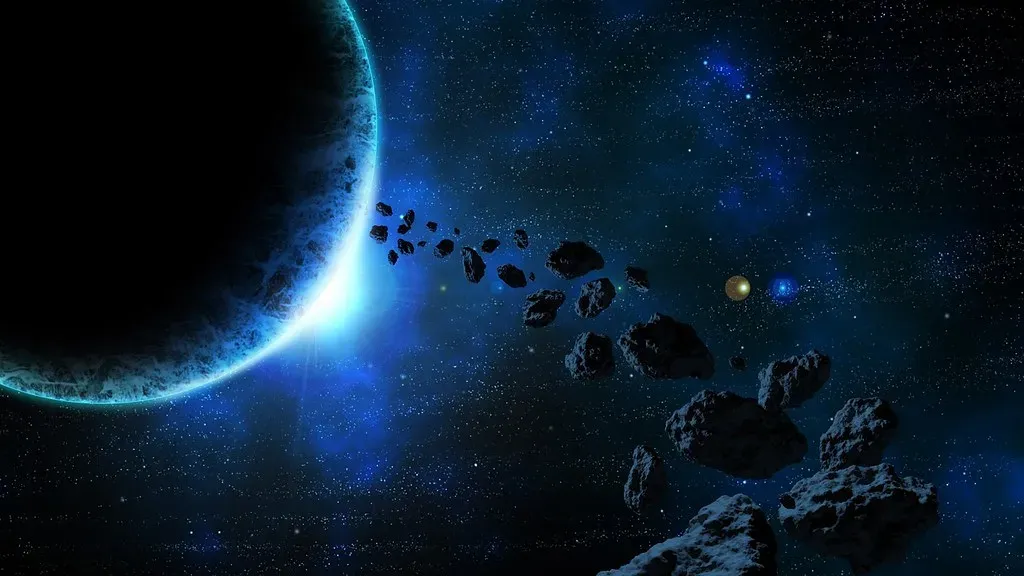
When you picture the asteroid belt, you might imagine a dense, chaotic field of rocks constantly bumping into each other, but in reality it is mostly empty space sprinkled with bodies of all sizes. What really pulls you in, though, is that these asteroids seem like the leftover ingredients of a planet that never formed. The mass of the entire belt is only a small fraction of Earth’s mass, and yet it occupies a huge region of space between Mars and Jupiter.
The big question for you is why that region never coalesced into a full‑sized planet. The leading idea is that Jupiter’s strong gravity stirred the area so violently that building blocks were constantly disrupted instead of merging, but when you dive into details like orbital resonances, composition differences, and the scars of ancient collisions, the story becomes messy. You may be looking at a fossil record of a failed planet‑building experiment, one that still holds clues about how your own world managed to form while this region stayed fragmented. The belt is not just rubble; it is a long‑running crime scene in which you are still reconstructing what went wrong.
8. The Pioneer Anomaly and the Edges of the Solar System
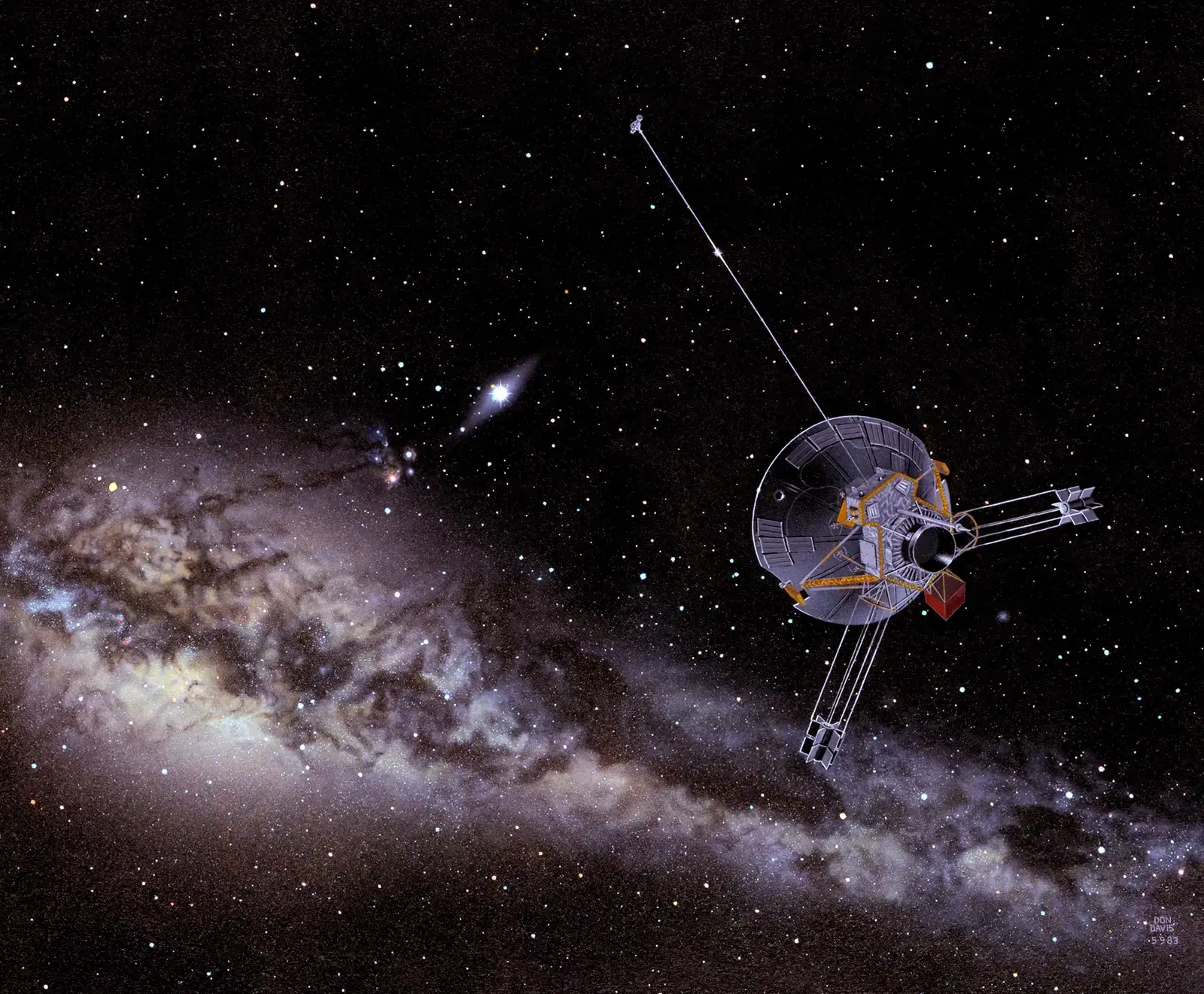
When the Pioneer 10 and 11 spacecraft were heading out of the solar system, careful tracking suggested they were slowing down ever so slightly more than expected, as if a tiny extra tug were acting on them. To you, that might sound trivial, but to navigation experts and physicists it was profoundly unsettling. If your understanding of gravity or the distribution of mass in the solar system were even a little bit off, those tiny mismatches could be the clues that crack open a bigger mystery.
Later, detailed analyses pointed to mundane explanations like subtle heat radiating from the spacecraft themselves, gently nudging their paths. That likely solved most of the anomaly, but the whole episode was a reminder that at the edges of your measurement precision, the line between real new physics and unnoticed system effects can blur. Even today, as newer probes like Voyager and others press toward the heliopause and beyond, you are still refining how you model solar radiation, interstellar plasma, and spacecraft behavior. The outskirts of the solar system may look empty on a diagram, but from the perspective of physics, they are still a frontier.
Conclusion: Living With a Restless, Unfinished Solar System
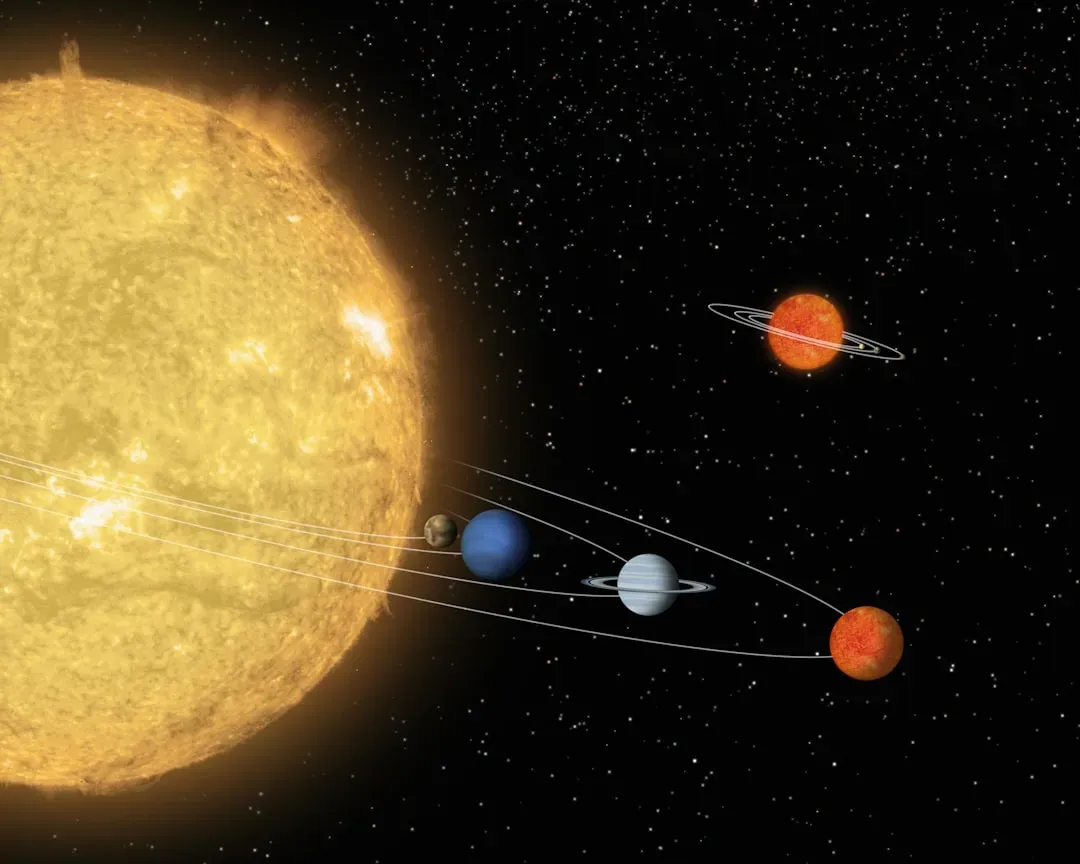
When you step back and look at these eight phenomena together, you start to notice a pattern: your solar system is not a completed project. It is a half‑solved puzzle where each new mission fixes one piece and exposes three more that do not fit quite right. You live under a star whose energy is more complex than a simple light bulb, orbit alongside worlds that rewrite your rules for geology and climate, and watch tiny moons and dwarf planets put on displays of activity that no one seriously predicted a few decades ago.
If anything, the biggest shift you might feel is in your expectations. Instead of assuming that better data will quickly smooth out every anomaly, you can start to treat these mysteries as normal parts of a living, evolving system that you are only beginning to understand. The next time you look up at the night sky, you are not just seeing dots of light; you are looking at the visible surface of deep questions still waiting for you. Which of these mysteries would you most want to see solved in your lifetime?