Articles for category: Biology & Genetics, Conservation, Disease & Medicine

Cheetah lying on a rock.

The Future of Quantum Computing in Protecting Endangered Species

Trizzy Orozco

As technology advances, its integration into various sectors promises transformative potential. One such area is wildlife conservation, where emerging technologies like quantum computing could play a crucial role. The protection of endangered species is a pressing global issue, and quantum computing offers prospects for innovations that were once merely speculative. But how exactly can this ...

Tiger laying on ground.

How Much Should We Prioritize Saving Charismatic Species Over Lesser-Known Animals?

Trizzy Orozco

In the world of conservation, certain species captivate public attention more than others. Species like tigers, pandas, and elephants often become the face of conservation campaigns, while lesser-known species, such as certain amphibians or insects, struggle for similar support. This phenomenon, sometimes referred to as the “charisma bias,” raises an important question: How much should ...

A pile of red 3D-printed spheres.

How 3D Printing is Changing the Way We Approach Conservation and Restoration

Trizzy Orozco

The emergence of 3D printing technology has heralded a new era in various sectors, including manufacturing, medicine, and art. Perhaps one of the most fascinating and promising applications is in the field of conservation and restoration. 3D printing offers a transformative approach that is revolutionizing how we address the challenges of preserving our natural and ...

Rachel Carson Monument

How Rachel Carson’s Book “Silent Spring” Sparked the Environmental Movement

Annette Uy

Before the publication of “Silent Spring” in 1962, environmental awareness was not a mainstream concern in the United States or much of the world. The post-World War II era saw rapid industrialization and a boom in chemical manufacturing, with pesticides like DDT being widely used in agriculture. These chemicals were hailed as wonders of modern ...

People gathered outside buildings holding Climate Justice Now signage.

Dr. William G. Thompson: Groundbreaking Research on the Impact of Climate Change on Developing Countries

Trizzy Orozco

Dr. William G. Thompson is a renowned environmental scientist whose research has significantly advanced our understanding of climate change impacts, particularly in developing countries. With a focus on how climate alterations affect agriculture, biodiversity, and human livelihoods, Dr. Thompson’s work provides critical insights into the challenges faced by vulnerable populations in the global south. The ...

A satellite glides over Earth showcasing dramatic cloud formations and the vast expanse of space.

The Role of Satellites in Tracking Wildlife and Monitoring Ecosystems

Maria Faith Saligumba

Satellites have become an indispensable tool in the contemporary conservationist’s arsenal. Originally intended for communication and scientific exploration, these advanced technologies now play a crucial role in tracking wildlife and monitoring ecosystems. Satellite technology offers unprecedented advantages, including the ability to cover large areas, gather data in real-time, and minimize human intervention, which often disturbs ...

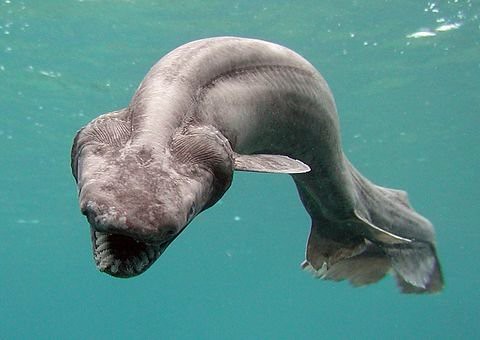
Sharks Are Adapting to Survival by having Virgin Births in Italian Aquariums

What Happens When Species Are Forced to Adapt to Climate Change?

Anna Lee

Climate change is an undeniable force that is reshaping ecosystems and habitats across the globe. The rapid changes in temperature, precipitation patterns, and sea levels are creating challenging environments for countless species. As these conditions become more extreme, species are being compelled to adapt to survive. This article delves into how species are forced to ...

drone

The Role of Robotics in Creating Sustainable Wildlife Sanctuaries

Annette Uy

In the modern era, technology has become an integral part of wildlife conservation efforts. Robotics, in particular, is playing an increasingly significant role in creating sustainable wildlife sanctuaries. By integrating advanced robotics into conservation practices, we can improve surveillance, data collection, habitat restoration, and animal care. This article delves into how robotics contributes to creating ...