
You probably walk past hundreds of insects every single day without even noticing them. But hidden in the leaves, inside hollow stems, and even riding secretly on the backs of other insects, there are species so strange they sound like something out of a horror movie or a fantasy novel. Once you start looking closely, you realize nature is a lot weirder, a lot darker, and honestly a lot more fascinating than you were ever taught in school.
In this article, you’re going to meet eight real insects with behaviors that will genuinely make you pause and rethink how life works. You’ll see insects that build nests out of corpses, others that turn roaches into compliant puppets, and even one whose babies fake being a “sexy female bee” just to hitch a ride. By the end, you might feel a little unsettled – but you’ll also never look at that “random little bug” the same way again.
1. The Bone‑House Wasp: The Architect That Builds With Ant Corpses
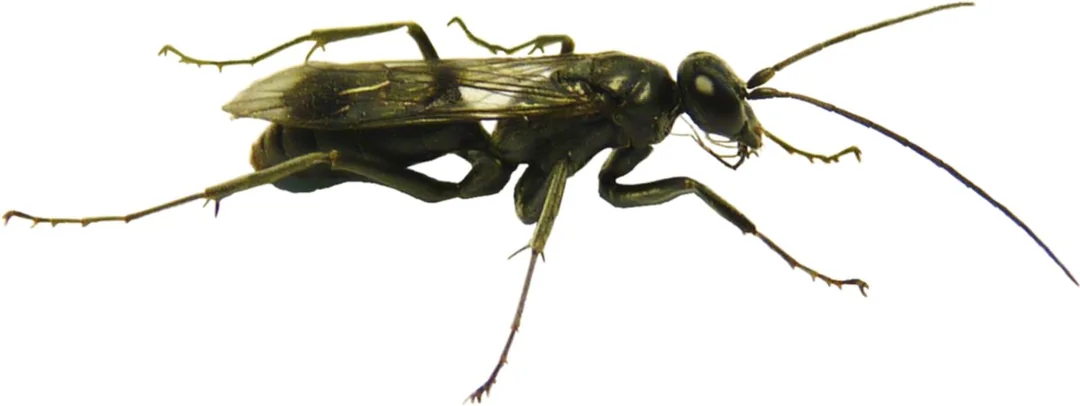
If you ever discover a hollow plant stem in Asia packed with dead ants, you’ve probably stumbled on the work of the bone‑house wasp. This solitary wasp, known scientifically as Deuteragenia ossarium, hunts spiders for its young, but it does something far more chilling with ants. After sealing its brood cells containing paralyzed spiders and eggs, it fills the outermost chamber of the nest almost entirely with ant corpses, like a macabre barrier of bodies surrounding a nursery.
You might assume the wasp eats these ants, but it doesn’t. Instead, the corpses appear to act like a chemical force field, giving off the scent of ants and possibly confusing or scaring away predators and parasites that would normally invade the nest. Studies have found that nests of this wasp suffer far fewer parasitic attacks than neighboring species’ nests, which suggests that this gruesome strategy actually works. You are basically looking at an insect that has learned to build a home security system out of a rival species’ dead.
2. The Emerald Jewel Wasp: The Surgeon That Turns Roaches Into “Zombies”
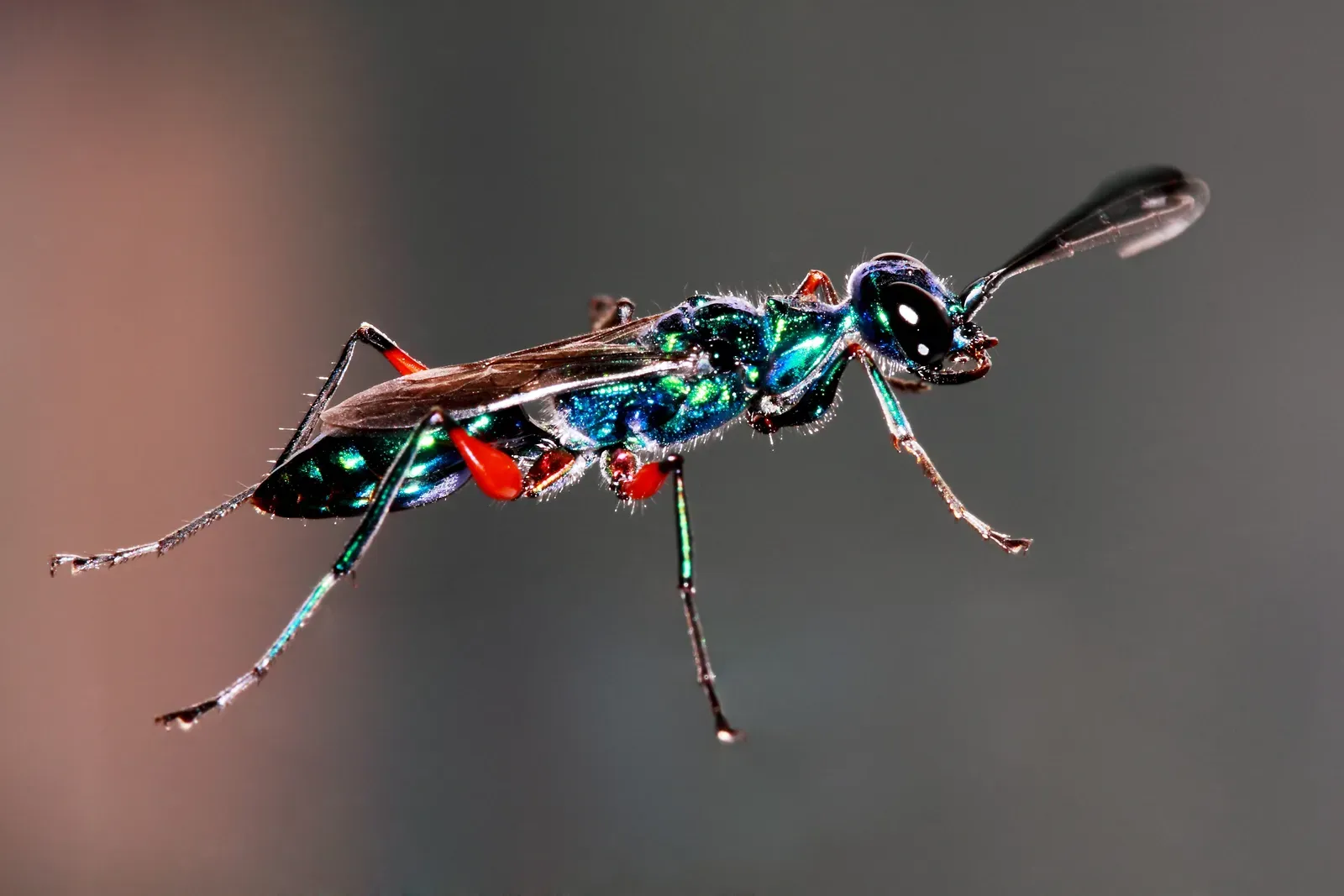
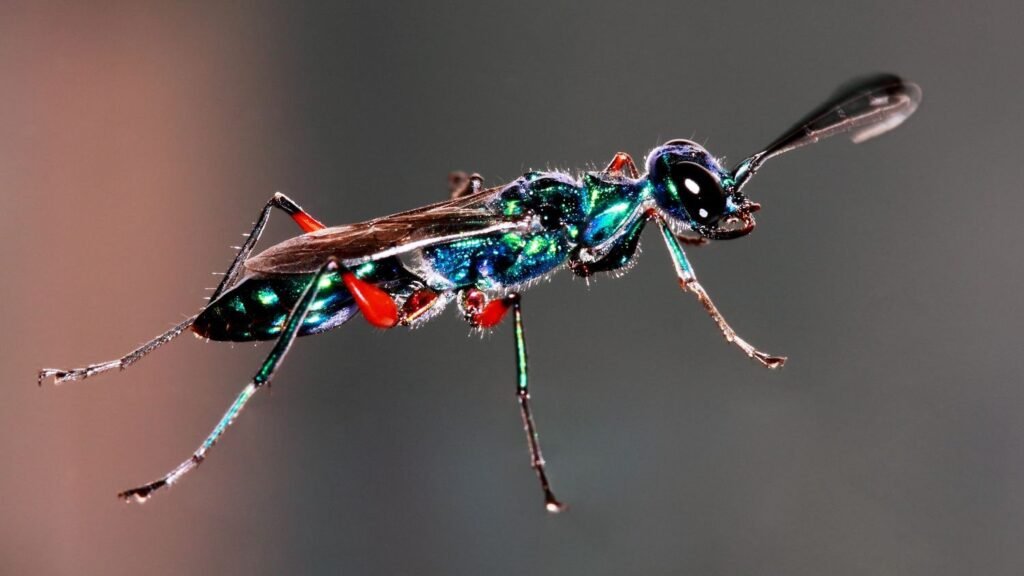
You’ve probably heard people joke about “zombie ants,” but the emerald jewel wasp takes mind control to another level. This metallic‑green wasp targets cockroaches, and when it attacks, it uses an almost surgical precision that researchers have spent years trying to understand. First, it stings the roach in the thorax to briefly paralyze it, then delivers a second sting directly into specific areas of the roach’s brain that control escape responses, leaving the roach alive but strangely passive and docile.
Once the venom takes effect, the cockroach stops trying to flee and instead becomes easy to lead, almost like a dog on a leash. The wasp calmly chews off part of the roach’s antennae, drinks some of the hemolymph as a snack, and then literally drags the roach by its shortened antennae into a burrow. There, it lays an egg on the roach, seals them in, and lets its larva slowly consume the still‑living but compliant host. When you picture this happening under a rock in an ordinary backyard, the idea of “everyday nature” suddenly feels a lot more unsettling.
3. Oil Blister Beetles: Larvae That Pretend to Be a Sexy Bee
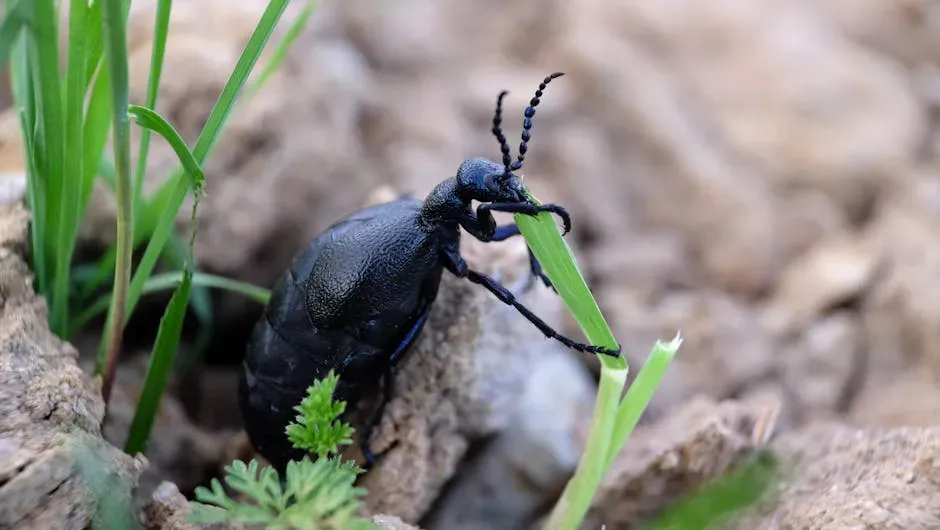
If you saw a cluster of tiny orange larvae on a flower, you might not give them a second thought, but some blister beetles in the genus Meloe are running an almost unbelievable con. Their first larval stage, called a triungulin, hatches on vegetation and then gathers into a writhing mass that mimics the shape and scent of a female bee. When a male bee visits, he tries to mate with this fake “bee,” and the larvae seize their chance, swarming onto his body in seconds.
The trick does not stop there. When that male mates with a real female, the larvae transfer to her and hitch a ride back to her underground nest. Once inside, they abandon the bee and switch from agile, active forms into sedentary, grub‑like feeders that devour the bee egg and the stored pollen and nectar meant for her offspring. If you think of it in human terms, it’s like a group of con artists disguising themselves as a dating profile, tricking someone into giving them a ride home, and then raiding their pantry and nursery at the same time.
4. Treehoppers: Tiny “Alien” Insects Wearing Bizarre Helmets
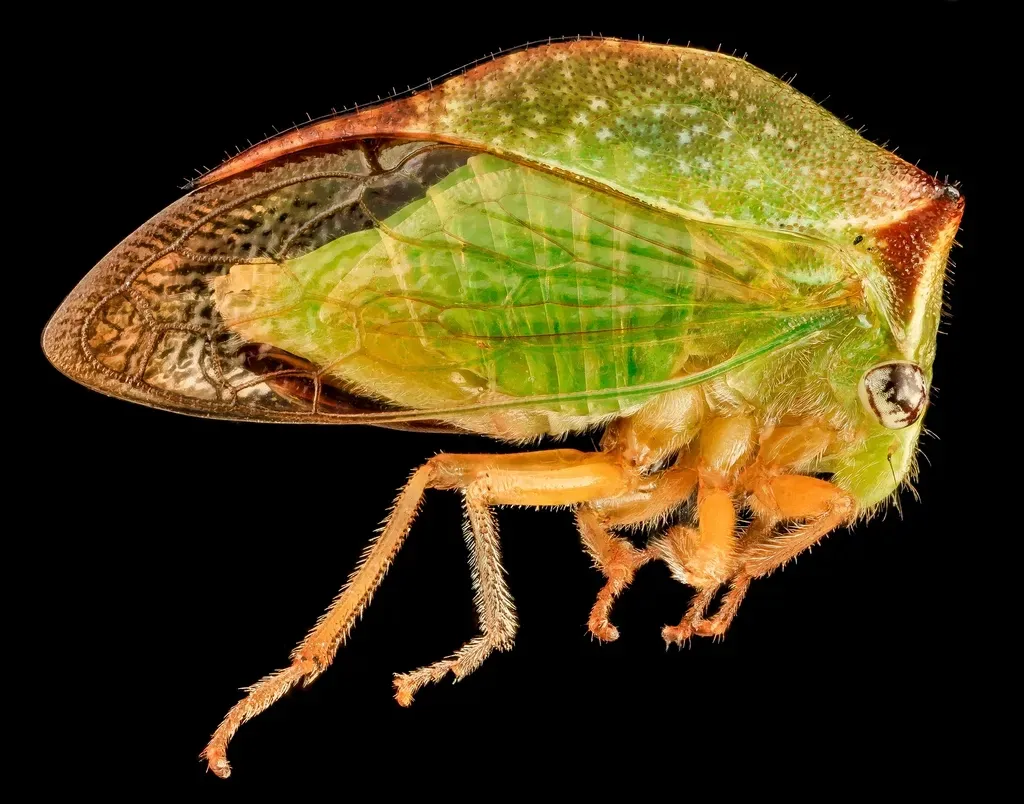
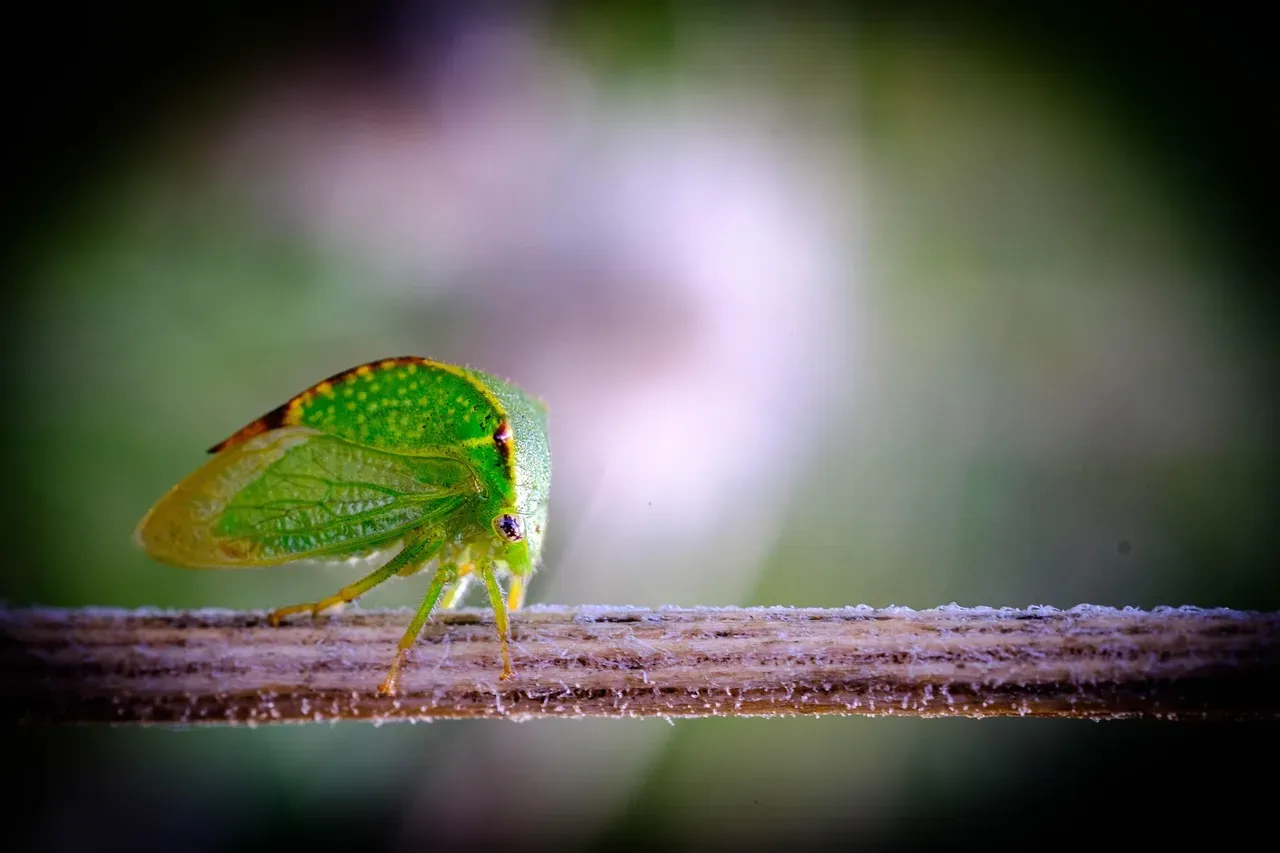
When you first see a treehopper, your brain might not even register it as an insect. Many species grow outrageous helmet‑like structures on their thorax – globes on stalks, jagged spines, leaf‑like fins, or thorny spikes that look more like alien sculptures than body parts. These structures are actually an enlarged part of the pronotum, and they help the insect blend in as a thorn, a bud, or even a piece of fungus on the plant where it feeds on sap.
You also see behaviors that are surprisingly social for such tiny creatures. Some treehopper mothers guard their eggs and nymphs, and many species form mutualistic relationships with ants by excreting sweet honeydew in exchange for protection. In the wild, you might notice a steady trail of ants running up a stem, and if you follow it carefully, it can lead you right to a cluster of camouflaged treehoppers. You’re basically watching a miniature protection racket in which the “weird alien bug” hires bodyguards with sugar payments.
5. Assassin Bugs That Wear Their Victims’ Bodies as Armor
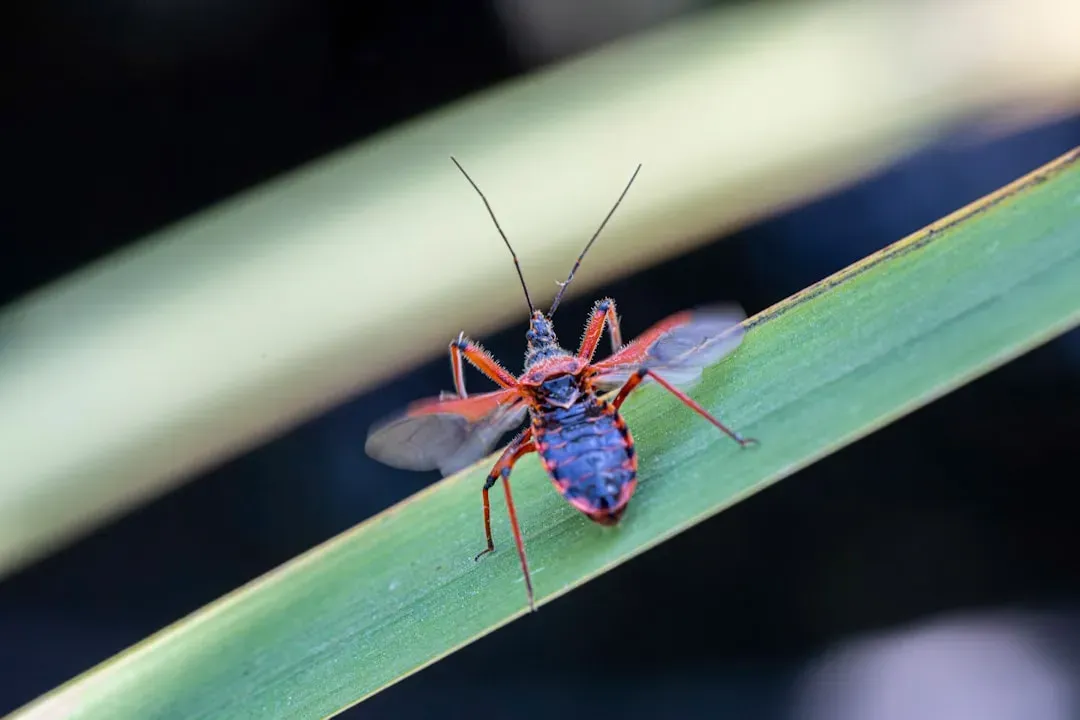
Assassin bugs are already intense – they stab prey with a needle‑like mouthpart and inject enzymes that turn the insides into a drinkable soup. But some species go one step further and literally stack the dried bodies of their victims on their backs. After they finish feeding, they hold onto the hollow exoskeletons and stick them onto specialized hairs, building up a grotesque backpack made of dead ants or other small insects.
From your perspective, this looks like overkill, but it likely serves a double purpose. The pile of corpses can act as camouflage, breaking up the assassin bug’s outline so predators and prey do not recognize it easily. It can also offer basic physical protection – if something tries to bite or grab it, the attacker hits a moving mass of empty shells first. You can think of it as a kind of medieval armor made of skulls, except here the knight is a few millimeters long and lurking on the underside of a leaf.
6. Ant‑Mimicking Treehoppers: The Ultimate Tiny Impostors
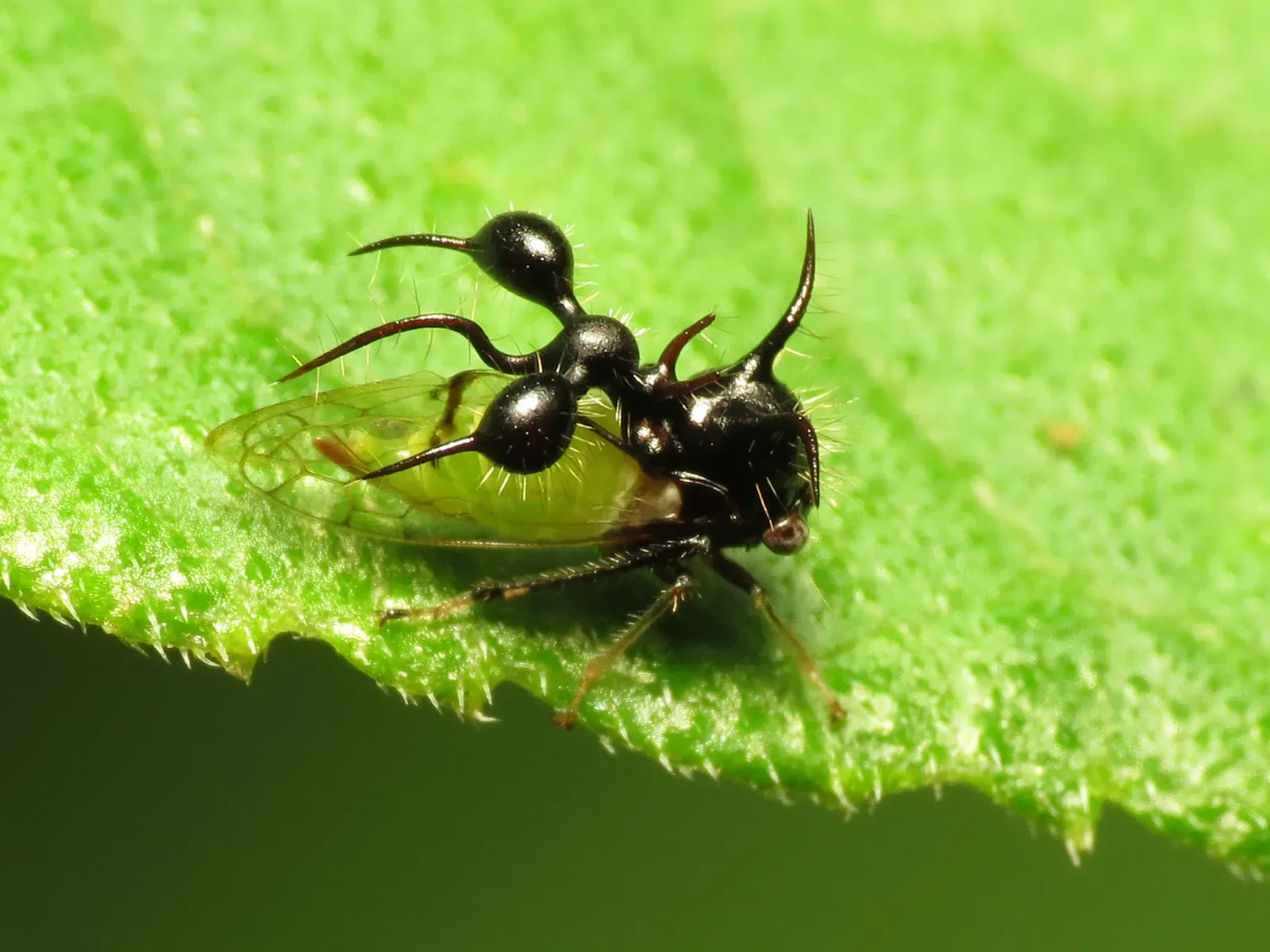
While many treehoppers try to look like parts of plants, some species have taken deception in a different direction: they mimic ants or wasps. When you look closely at these ant‑mimicking treehoppers, you see a narrow “waist,” dark shiny body, and movements that resemble those of an ant more than a typical sap‑sucking bug. This illusion can be convincing enough that, at a glance, you would probably write them off as just another worker ant marching along a stem.
This mimicry likely helps them in multiple ways. Predators that avoid biting ants because of their aggression or chemical defenses may also avoid these look‑alikes, giving the treehoppers a better chance to feed in peace. At the same time, the ant‑like shape can help them blend into existing ant traffic on a plant, keeping them from standing out as easy targets. It’s a bit like you slipping into a crowd by copying the uniform and walk of the people around you so no one notices you do not actually belong.
7. The Antlion: The “Sand Pit” Hunter Lurking Beneath Your Feet
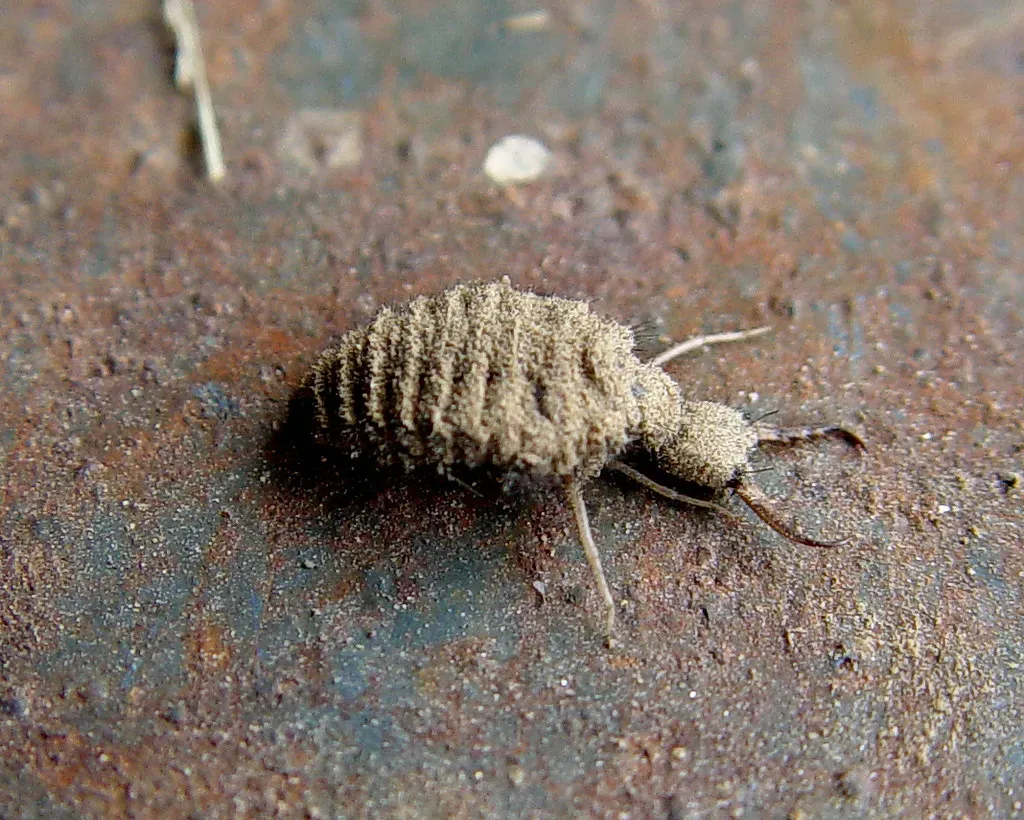
You might remember doodle patterns in the sand as a kid and never realize that some of them were actually deadly traps. Antlion larvae spend their time buried in loose soil or sand, digging conical pits that are just steep enough that small insects, especially ants, slide down when they step too close to the edge. The larva waits buried at the bottom with only its curved jaws exposed, ready to grab anything that tumbles in.
Once a victim slips, the antlion flicks grains of sand upward to make the pit sides collapse, dragging the prey downwards like a tiny landslide. It then pierces the insect and sucks out the internal fluids, tossing the empty shell out of the pit when it is done. To you, this is like discovering that a harmless‑looking footprint near a sidewalk is actually a carefully engineered sinkhole designed by a creature that never sees the sky until it eventually becomes a delicate, dragonfly‑like adult.
8. The Brazilian Treehopper: The Insect With Floating Spheres on Its Head
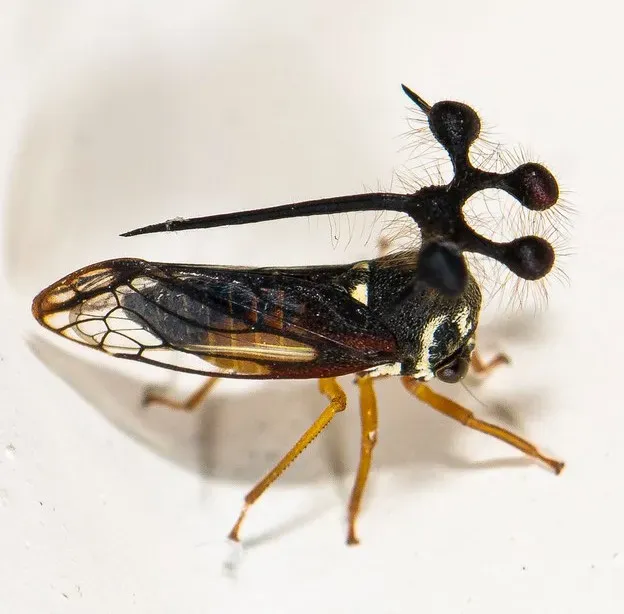
If you ever come across a photo of a tiny bug with a row of perfectly round balls floating above its back on stiff rods, you’re likely looking at the Brazilian treehopper, Bocydium globulare. At just a few millimeters long, it is easy to miss in real life, but under a macro lens it looks like something a science‑fiction artist would draw after a weird dream. Those little spheres are part of its pronotum, not separate growths, and they seem to serve no obvious, simple purpose like walking or feeding.
Researchers think these bizarre extensions may help with camouflage, mimic plant structures, or make the insect look larger and harder to swallow for predators. There is also emerging work suggesting that the extreme shapes of treehopper “helmets” might change how they interact with electric fields around plants, potentially helping them sense their environment more effectively. When you realize that an insect this small can evolve such an absurd, floating‑orb silhouette just to solve everyday survival problems, your definition of “normal” design in nature starts to stretch pretty far.
Conclusion: Once You See These Insects, You Can’t Unsee Them
Now that you’ve met corpse‑wall builders, brain‑hacking wasps, hitchhiking beetle larvae, and helmet‑wearing sap‑suckers, it is hard to look at a patch of weeds or a hedge the same way. You start to realize that behind every rustle in the grass, there could be a quiet drama of manipulation, deception, or engineering playing out on a scale your eyes rarely catch. What seems random or even gross at first suddenly looks like a set of strange but brilliant solutions to staying alive in a ruthless world.
The wild part is that these eight species are just a sliver of what is really out there; countless other insects are running strategies you and I have never even heard of yet. Next time you see an ant trail, a roach in a corner, or an odd bump on a stem, you might pause for a second and wonder what hidden story you are actually looking at. And once you do, it is very hard to go back to thinking insects are “just bugs,” isn’t it?