
You keep hearing that nature is in trouble, but when you stand on the edge of a canyon, in a quiet forest, or by a wild river, it still feels endless and untouchable. The truth is, it is not. Species are disappearing, habitats are shrinking, and climate chaos is pushing wild places to their limits. Yet, across the United States, you are also living through one of the most ambitious conservation pushes in history – something that is reshaping how your country treats its forests, deserts, rivers, coasts, and oceans.
Instead of just drawing lines on maps and calling it done, America is now trying to protect land and water in a way that works for both nature and people like you. That means partnering with tribes, farmers, hunters, anglers, and local communities, and pouring serious money into caring for the wild places you love to visit. As you read through these ten crucial steps, you will probably find that the story is not simple or perfect – but it is far more hopeful than you might have guessed.
1. Pursuing the 30×30 Goal Through the “America the Beautiful” Initiative
You are living in the decade of the so‑called 30×30 push: a national goal to conserve at least about one third of U.S. lands and waters by 2030. Through the America the Beautiful initiative, federal agencies are working with states, tribes, and local communities to get there by stacking lots of different kinds of protection together – national parks, wildlife refuges, conservation easements on private land, and more. Instead of treating conservation as something that only happens in far‑off wilderness, this approach invites you, your town, and your state to be part of the map.
In practice, that means you see new wildlife corridors proposed, expansions of national monuments and marine protected areas, and more support for locally led conservation projects. You are not just being told that wild spaces matter; your government is starting to invest in keeping them connected, climate‑resilient, and accessible. The bar is high and the clock is ticking, but the fact that there is a specific national target – thirty percent by 2030 – gives you something concrete to measure progress against and to hold leaders accountable for.
2. Strengthening National Parks and Public Lands, Not Just Adding New Ones
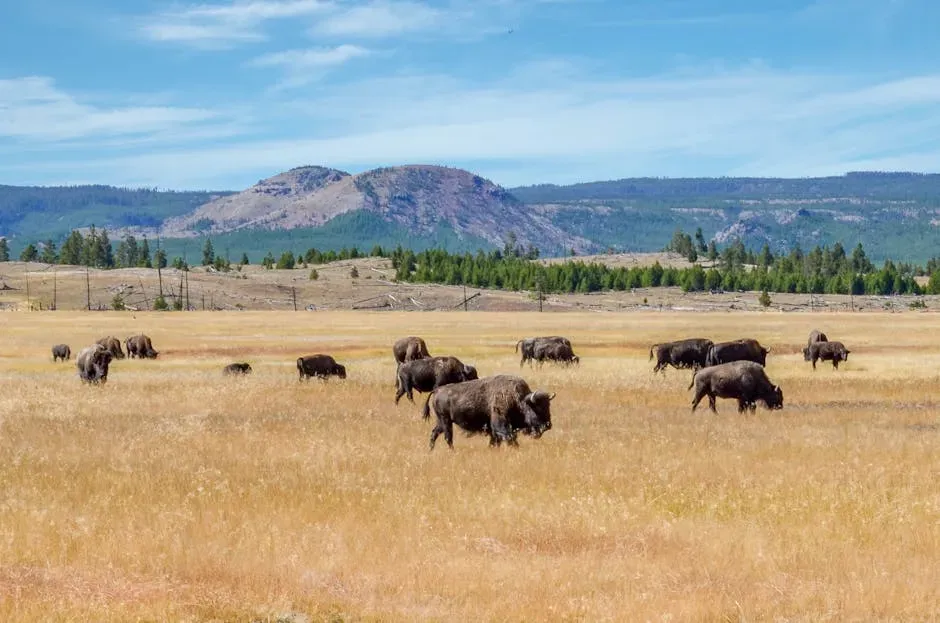
When you think of wild America, you probably picture a national park first – Yosemite, Yellowstone, Acadia, maybe a desert park you have dreamed of visiting. Over the past few years, the country has not only created and expanded protected areas, it has also started paying more attention to taking care of what already exists. Restoring protections for places like Bears Ears and Grand Staircase‑Escalante, and reinforcing safeguards for marine monuments off the East Coast, signaled that you are moving back toward long‑term protection instead of piece‑by‑piece rollbacks.
Beyond the big headlines, quieter changes are happening on the ground where you hike and camp. Land management plans are being updated to put more weight on wildlife habitat, cultural resources, and climate resilience. In some areas, you see stricter limits on development, off‑road vehicle damage, or drilling near sensitive landscapes. It is not about turning every public acre into a museum piece, but about making sure that when you step into these places ten or twenty years from now, they still feel wild, alive, and worth the long drive.
3. Fully Funding the Land and Water Conservation Fund and Repairing What You Already Use
One of the most important tools you are using to protect wild spaces is a program you probably never think about: the Land and Water Conservation Fund. It quietly channels money – largely from offshore energy revenues – into everything from buying key wildlife habitat to building local trails. With permanent, full funding now locked in by law, that money no longer depends on yearly political fights, which means more certainty when a rare wetland or a key wildlife corridor goes up for sale and needs to be protected fast.
On top of that, a major law passed in 2020 pumped billions of dollars into catching up on long‑ignored maintenance in national parks and other federal lands. When you walk over a safe bridge, use a clean restroom, or access a trail that has finally been repaired instead of closed, you are witnessing conservation in action just as much as when new land is protected. Healthy, well‑maintained infrastructure makes it easier for you to visit wild places, and when you can see and enjoy them, you are much more likely to fight for them.
4. Elevating Tribal Leadership and Indigenous Stewardship of Wild Spaces
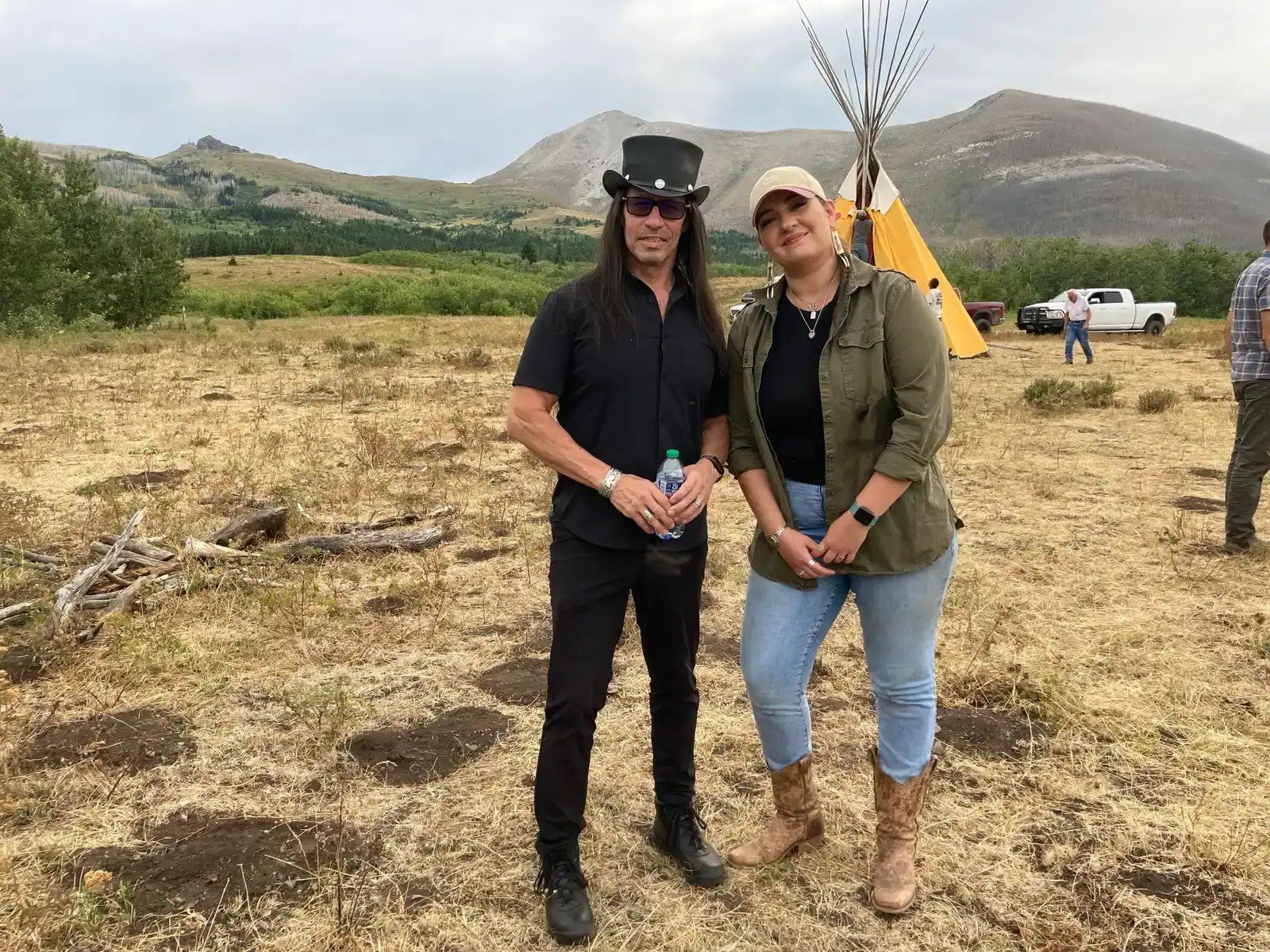
If you care about wild America, you cannot ignore whose land you are actually walking on. Tribal nations have managed and protected many of these landscapes for thousands of years, often with a deeper, place‑based understanding than any agency can match. In recent years, the United States has started to give that reality more weight by formally consulting tribes earlier, supporting tribally led conservation, and, in some cases, co‑managing or returning specific lands to tribal stewardship.
For you, this shift shows up in changes like tribal co‑management agreements for national monuments, proposals for Indigenous‑led protected areas, and conservation plans built around traditional ecological knowledge. When you hike in these places, you are stepping into stories and responsibilities that go back generations, not just to the day a park sign went up. Respecting tribal sovereignty and centering Indigenous leadership does more than correct past wrongs – it often leads to more durable, culturally grounded protection for the wild spaces you love.
5. Creating Wildlife Corridors and Keeping Landscapes Connected
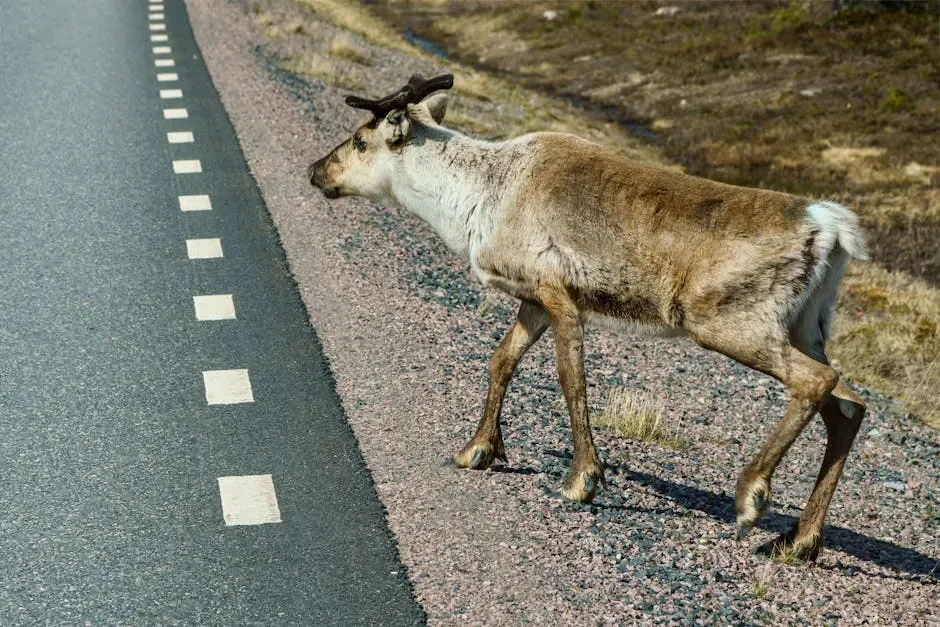
You might assume that if a patch of land is labeled a park or preserve, wildlife is safe there. In reality, many animals need to move – sometimes across huge distances – to find food, migrate, or adapt to rising temperatures. That is why you are seeing more focus on wildlife corridors: designated connections that let species travel between core habitats, cross highways more safely, and avoid being boxed in by sprawl. In some western states, for example, agencies are mapping big‑game migration routes and adjusting development and transportation projects to keep those paths open.
On the ground, this can look surprisingly practical and unglamorous: wildlife overpasses and underpasses on major roads, targeted conservation easements on private ranches, and zoning changes that steer dense development away from critical bottlenecks. You may never notice that the stretch of sagebrush you are driving past is the missing puzzle piece for a pronghorn migration route – but without protecting that kind of space, many iconic species lose the ability to roam. By thinking in terms of whole landscapes instead of isolated islands, America is giving wild creatures a real shot at surviving in a warming world.
6. Using Private Land Conservation and Easements to Protect Working Landscapes
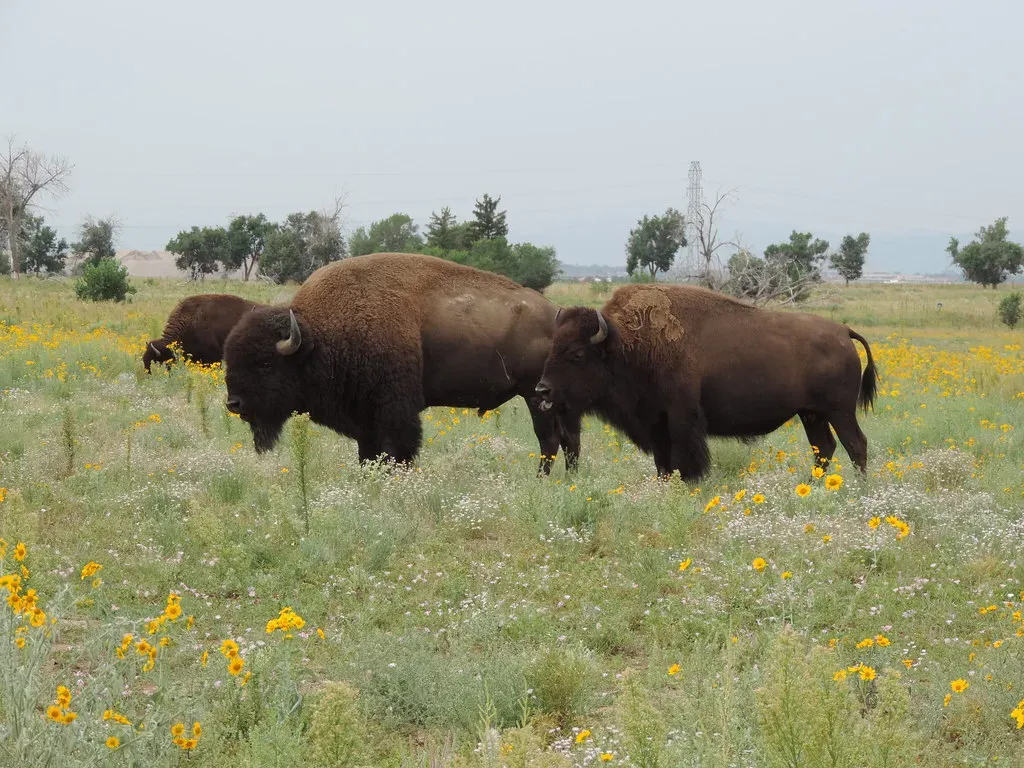
When you picture conservation, you might think only of federal land. But in the United States, a huge share of important habitat sits on private farms, ranches, and forests that families like yours own and work. You are increasingly seeing conservation happen through voluntary tools like conservation easements, in which landowners permanently limit development in exchange for financial benefits, while still keeping the land in productive use. This is especially powerful in places where buying the land outright would be too costly or politically impossible.
Programs run by the Department of Agriculture and other agencies now reward landowners for restoring wetlands, keeping grasslands intact, or managing forests in wildlife‑friendly ways. If you are a landowner, you can literally get paid to protect soil, water, and habitat, turning conservation from a burden into a practical business choice. It is not as flashy as declaring a new national park, but when you stitch thousands of these private decisions together, you build a quiet, sprawling safety net for birds, pollinators, and larger animals that depend on open space.
7. Expanding Urban Nature So Wildness Is Not Only for the Lucky Few
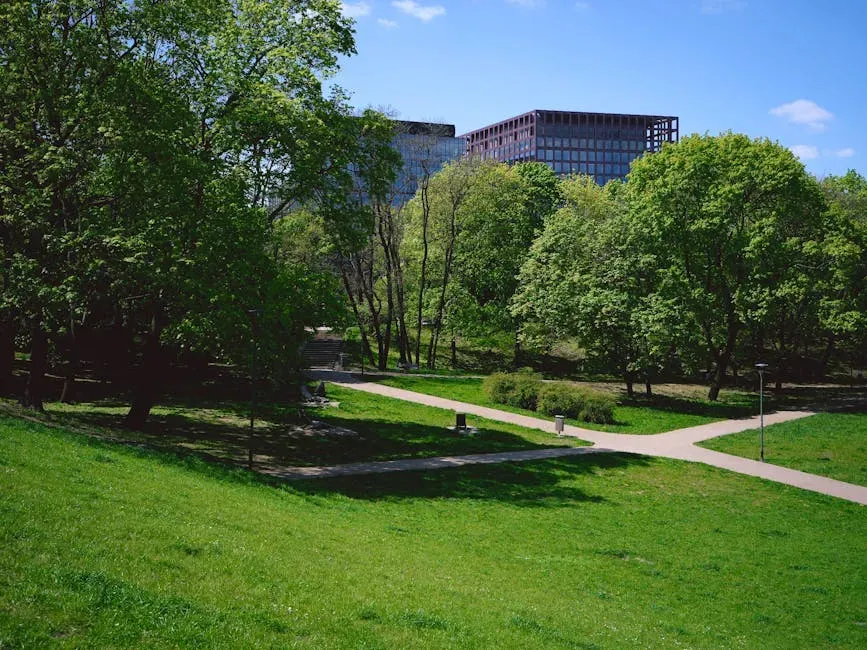
For a long time, wild spaces were talked about as if they were far away – places you fly to, or drive ten hours to reach. But if you live in a city or suburb, you know that is not realistic, especially for families with limited time or money. In response, America is putting more emphasis on nearby nature: pocket parks, restored riverfronts, greenways, community forests, and urban wildlife refuges. The idea is simple but powerful: you should be able to reach a piece of real, living green space close to home, not just see it in travel magazines.
New funding streams and planning efforts are targeting neighborhoods that historically had the least access to parks and clean air. Maybe you have seen a former industrial lot turned into a community park, a neglected creek planted with native trees, or a trail system extended into parts of town that were left out before. These changes might not look like big wilderness to you, but they do two crucial things: they give more people a daily relationship with nature, and they build public support for protecting the larger, more remote wild spaces those local parks connect to.
8. Protecting Oceans, Coasts, and Rivers as Part of the Same Wild Story
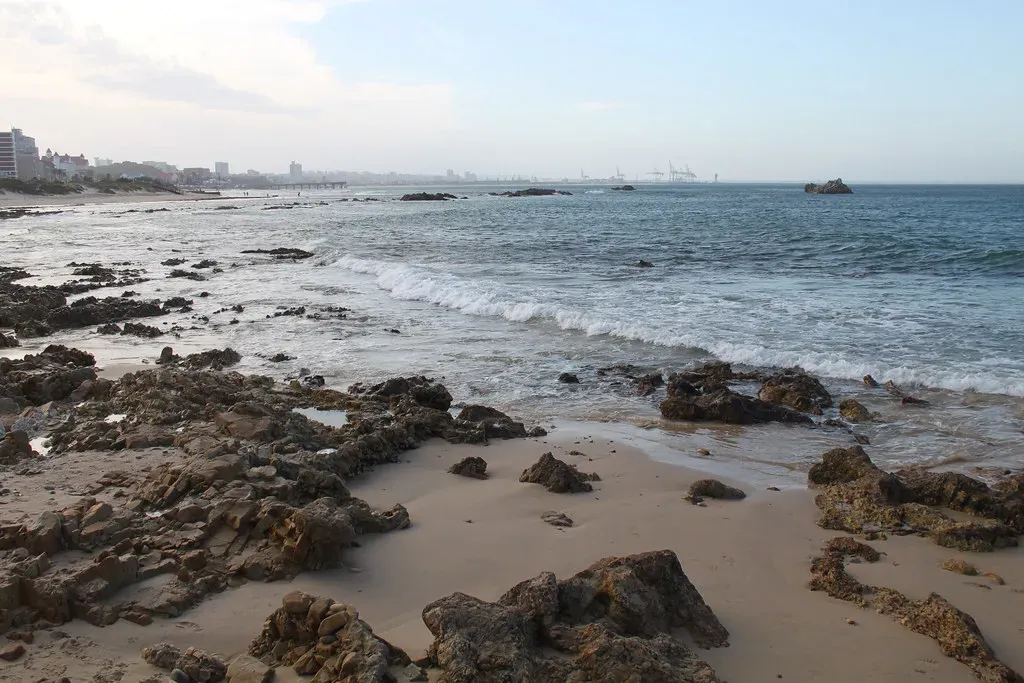
When you hear about wild spaces, it is easy to think only of land. But if you spend time on a beach, surf, paddle, or fish, you know that oceans and rivers feel just as wild and fragile. In recent years, the United States has expanded or restored protections for key marine areas and is working toward the same thirty‑percent conservation goal in the ocean that it has on land. That includes marine sanctuaries, marine national monuments, and coastal refuges that limit damaging activities and give sea life room to recover.
Rivers are getting more attention too, especially as climate change fuels both extreme droughts and devastating floods. When dams come down, floodplains are reconnected, or upstream forests are protected, you get cleaner water, healthier fish runs, and wetlands that act like giant sponges during storms. If you like to kayak, fish, or just sit by a wild stretch of water, these choices matter to you personally. They also remind you that wildness is not a patch on a map; it is a whole system, from headwaters and wetlands to estuaries and open ocean.
9. Managing Fire, Forests, and Climate Impacts Instead of Pretending They Are Separate
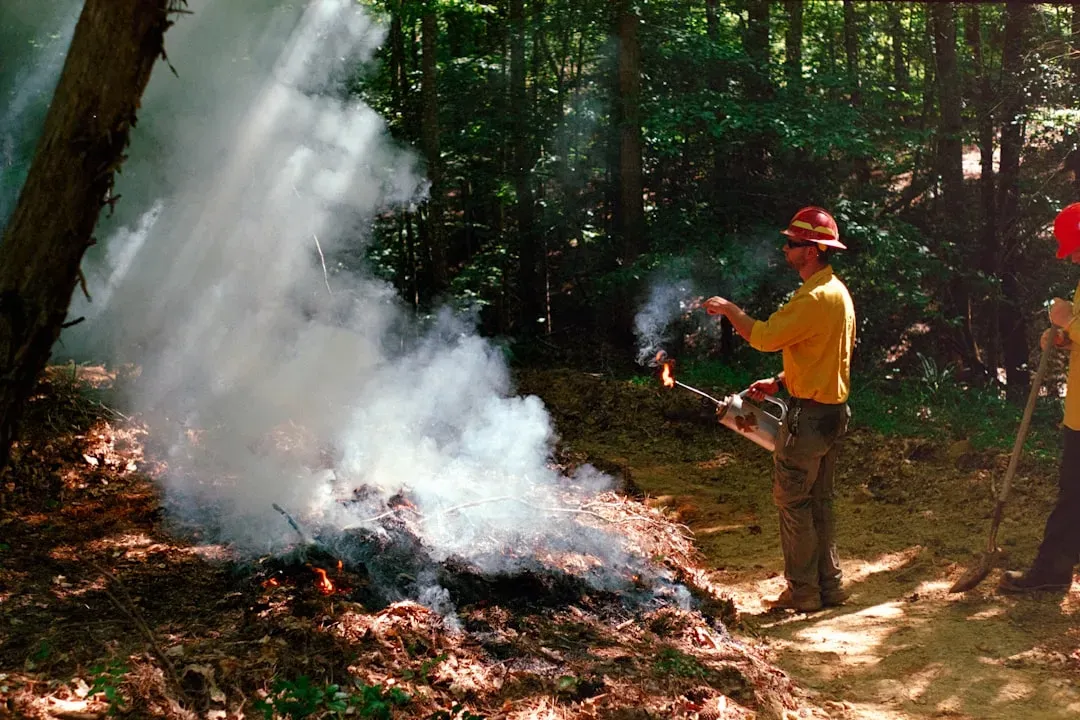
You have seen the images: orange skies, entire towns under evacuation, forests turned to ash. Fire and drought are reshaping many of America’s wild spaces, and simply locking them up and hoping for the best is no longer an option. In response, you are seeing more emphasis on proactive forest management – prescribed burns, thinning in strategic areas, and restoration of more natural fire patterns – guided by science and, in some cases, by Indigenous burning traditions. The goal is not to eliminate fire, but to keep it from becoming the kind of megafire that destroys entire ecosystems.
Climate‑smart conservation also shapes where and how new lands are protected. Agencies and conservation groups are prioritizing areas that can store large amounts of carbon, provide cool refuges as temperatures rise, or serve as climate corridors that species can move through over time. When you support protecting an old‑growth forest, a high‑elevation meadow, or a peat‑rich wetland, you are not just saving a pretty view – you are helping stabilize the climate and increasing the chances that wild places will still feel wild for your children and grandchildren.
10. Empowering Local Communities, Hunters, Anglers, and You to Be Co‑Protectors
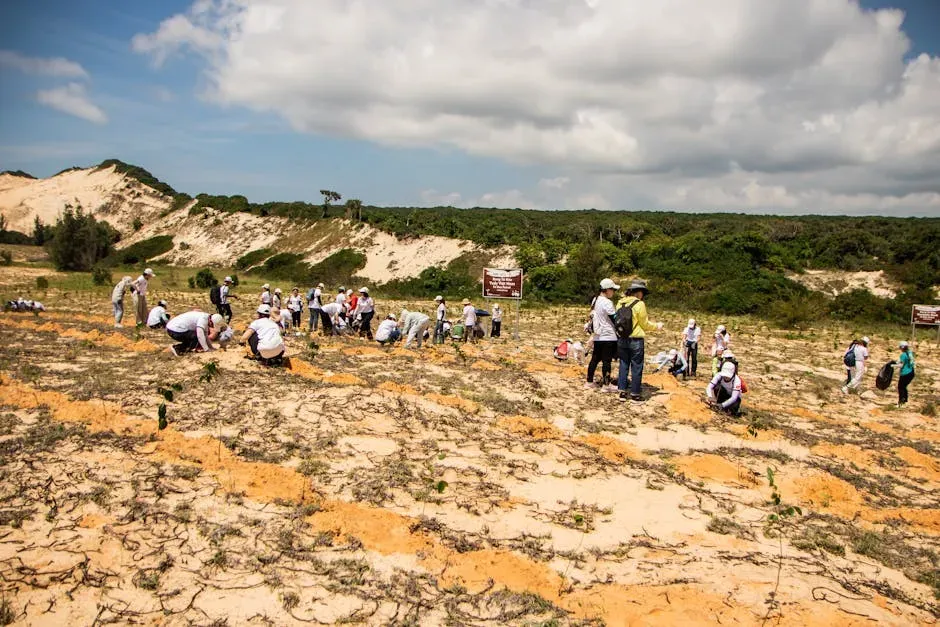
Perhaps the most surprising shift is this: conservation is no longer framed as something done only by distant experts in Washington. Hunters and anglers, outdoor businesses, birding clubs, faith communities, youth groups, and local governments are all being invited – sometimes pushed – to the table. If you hunt, you already know that habitat loss threatens your seasons just as much as it harms wildlife. If you run a small guiding service or gear shop, your entire livelihood depends on clean rivers, open trails, and healthy ecosystems.
Grant programs, coalitions, and new planning efforts are giving you more chances to shape what protection looks like in your backyard. You can help design a new trail system that avoids sensitive habitat, support a community‑led monument proposal, or back a county‑level resolution to keep key open spaces undeveloped. When people like you feel genuine ownership of conservation decisions, wild spaces stand a far better chance of being defended over the long haul, across changing administrations and economic cycles.
In the end, protecting America’s wild spaces is not about a single law, president, or agency – it is about whether you are willing to treat nature as part of your shared inheritance instead of a temporary convenience. The ten steps you just walked through are far from perfect, and progress is uneven, but they add up to a genuine, historic effort to keep wildness alive in a crowded, warming world. The next time you stand at the edge of a canyon or under a dark, star‑filled sky, you might ask yourself: in ten years, when someone else is standing here, what will they see because of what you chose to do now?