
You hear so many stories about nature collapsing that it can start to feel like the whole planet is slipping through your fingers. Forests are shrinking, oceans are warming, and species keep being added to the endangered list. It’s easy to believe that once a species is in trouble, the story is basically over.
But that’s not the whole truth. Around the world, you can actually see the opposite happening: animals and plants once pushed to the edge are slowly fighting their way back. With smart laws, determined local communities, and stubborn scientists who refuse to give up, some species are rewriting their endings. When you look at these recoveries, you start to realize something powerful: when you step up for nature, nature often steps back.
Bald Eagles: From Toxic Decline to Sky-High Recovery
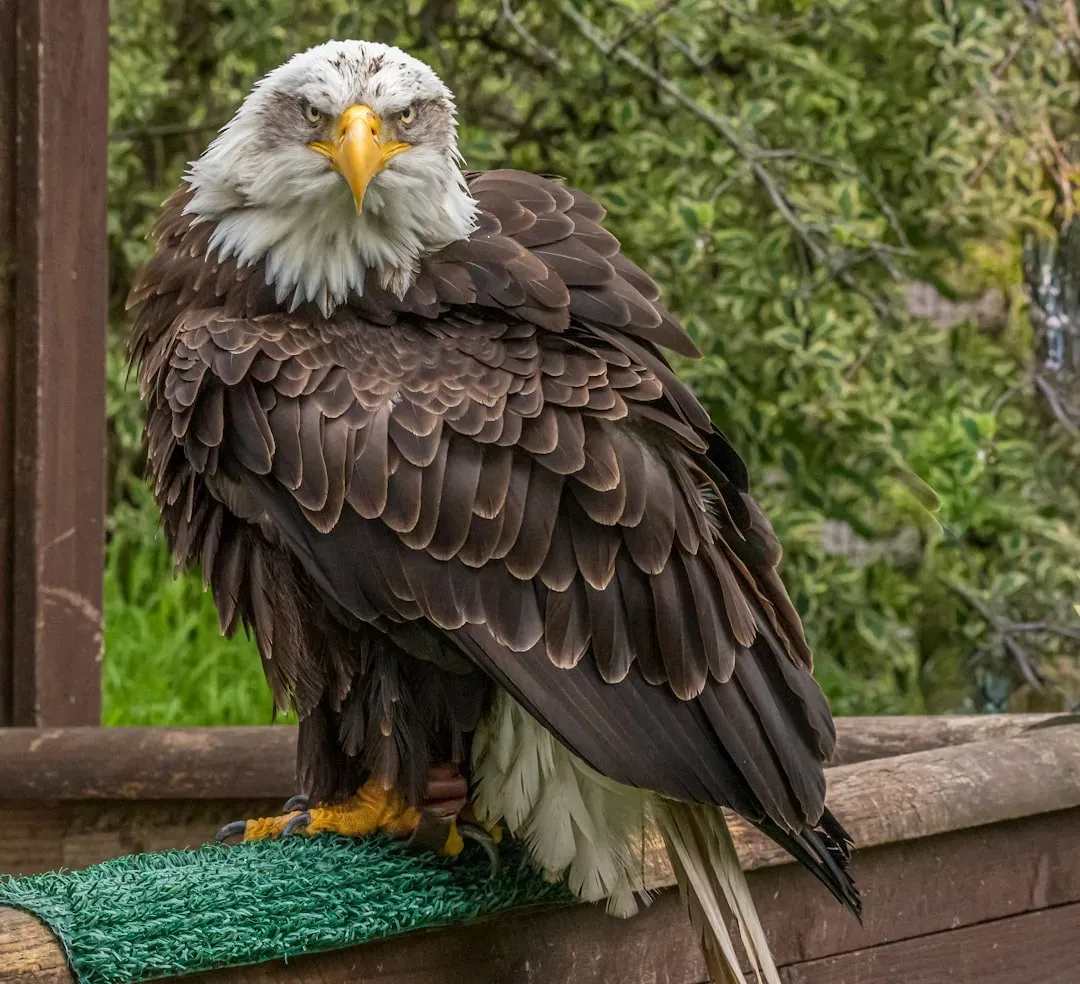
If you grew up in the United States a few decades ago, you might never have seen a bald eagle in the wild. Today, you’re far more likely to spot one perched in a tree near a river or circling high above a lake. Their comeback is one of the clearest examples of how quickly a species can rebound when you tackle the main threats head-on.
Their biggest enemy turned out to be an invisible one: pesticides like DDT that built up in the food chain and thinned their eggshells. Once those chemicals were banned nationally and people started protecting nesting sites, bald eagles responded dramatically. The number of breeding pairs multiplied many times over, to the point where they were removed from the U.S. federal endangered species list. When you see one now, you’re not just looking at a bird; you’re looking at proof that regulation, science, and patience can actually work.
Gray Wolves: The Howl That Refused to Go Silent
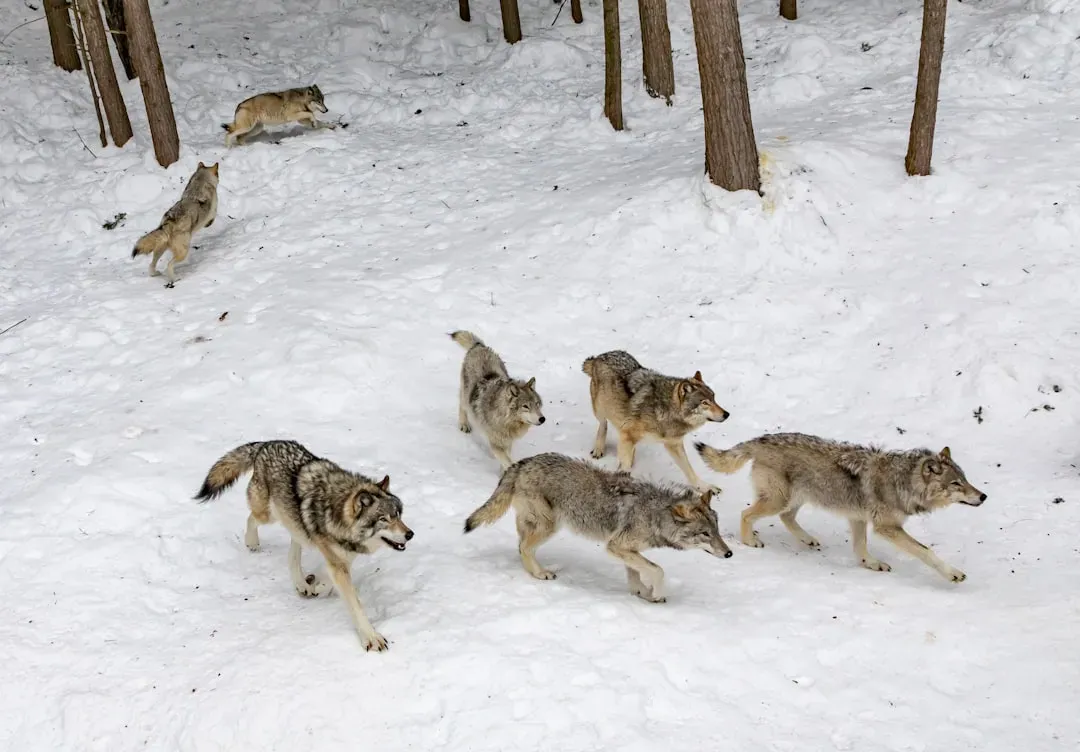
There was a time when gray wolves were nearly erased from much of the continental United States, hunted and poisoned because people saw them mainly as dangerous pests. If you had stood in Yellowstone National Park in the early 1990s, you wouldn’t have heard a single howl. Today, that silence is broken again in a few key places, thanks to one of the most talked‑about rewilding efforts on the planet.
When wolves were carefully reintroduced to Yellowstone in the mid‑1990s, you were not just bringing back a top predator. You were inviting an entire ecosystem to reset itself. Elk behavior began to change, vegetation got a chance to recover, and other species – from songbirds to beavers – benefited. The story is still complicated and often controversial, especially around livestock and rural communities, but you can’t miss the core message: when you give a keystone species space to return and manage the conflicts honestly, whole landscapes can start to heal.
Humpback Whales: From Harpoons to Hope
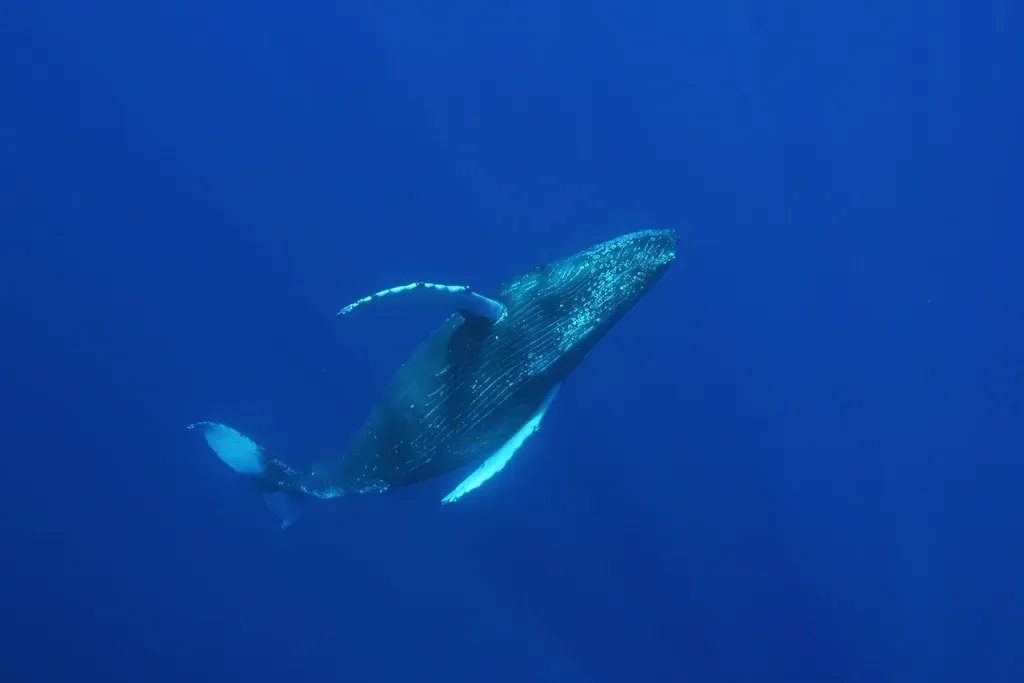
If you go out on a whale‑watching boat today, there’s a good chance you’ll see humpback whales breaching, tail‑slapping, or just cruising past like massive, breathing mountains. Not very long ago, those same oceans were eerily quiet because commercial whaling had pushed humpbacks to the brink in many parts of the world. Your grandparents’ generation watched these animals vanish at a terrifying pace.
The tide began to turn when countries agreed to ban most commercial whaling and enforce strict protections. Once the harpoons mostly stopped, humpbacks slowly started to rebuild their populations. You still have serious threats – like ship strikes, entanglement in fishing gear, and noise pollution – but in many regions, their numbers have risen significantly compared to their lowest days. When you see that explosive leap of a whale out of the water, you’re literally watching what happens when global cooperation and strong laws give a species a second chance.
Giant Pandas: The Symbol of Conservation Fighting Back
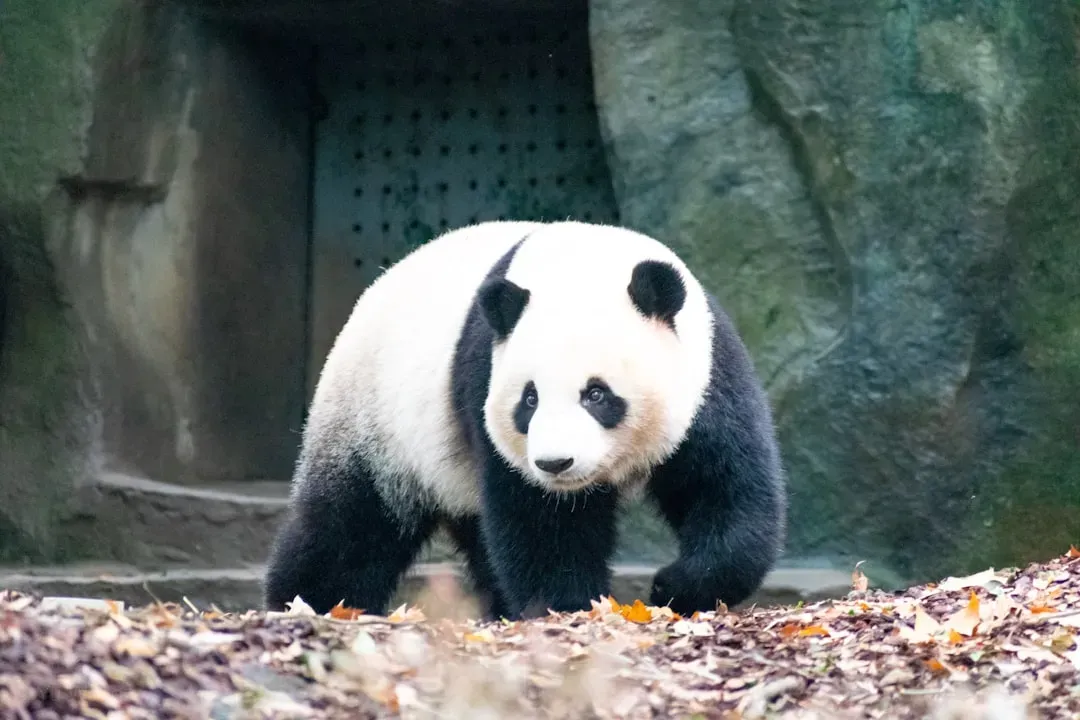
You probably recognize the giant panda as a global mascot for endangered species, but what you might not realize is that this black‑and‑white icon has actually been doing better in recent years. Once squeezed by habitat loss and very low birth rates, pandas were a textbook example of a species on the edge. If you had looked at the data a few decades ago, it would have been easy to assume they were doomed.
China’s creation and expansion of protected reserves, along with large‑scale bamboo forest restoration and captive‑breeding programs, changed that trajectory. As forests recovered and breeding efforts improved, wild panda numbers began to inch upward, enough that their official conservation status was relaxed from “endangered” to a slightly less dire category. They’re not fully safe yet – not even close – but you can see what happens when a country treats a species as a national priority. When you support habitat protection, even an animal as picky and fragile as the panda can start to climb back.
Sea Turtles: Tiny Hatchlings, Big Comebacks
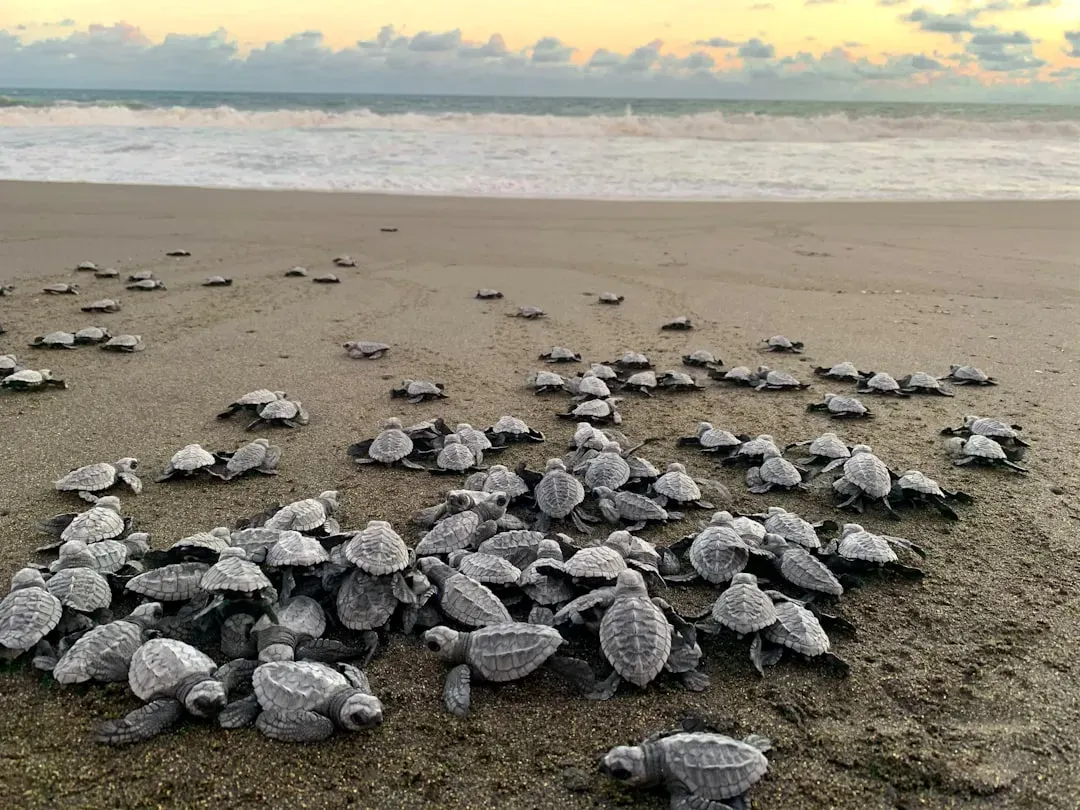
If you’ve ever watched baby sea turtles scramble toward the waves under a starry sky, you know how fragile they look. For many years, that fragility was matched by brutal statistics: only a tiny fraction survived, and human impacts made the odds even worse. Eggs were harvested, adults were hunted, beaches were lit up and built over, and fishing nets became deadly traps.
You now see a very different energy on many coasts. Beach patrols protect nests, lights are dimmed or redirected, fishing gear is modified, and some key nesting beaches are under strict protection. In several regions, nesting numbers for species like green and loggerhead turtles have risen compared with their bleakest years. The threats haven’t disappeared – plastic pollution, warming seas, and coastal development still hit them hard – but the trend in some hotspots shows that when you guard nesting sites and change your fishing practices, you can literally watch these ancient mariners begin to return.
Black Rhinos: Guarded Around the Clock
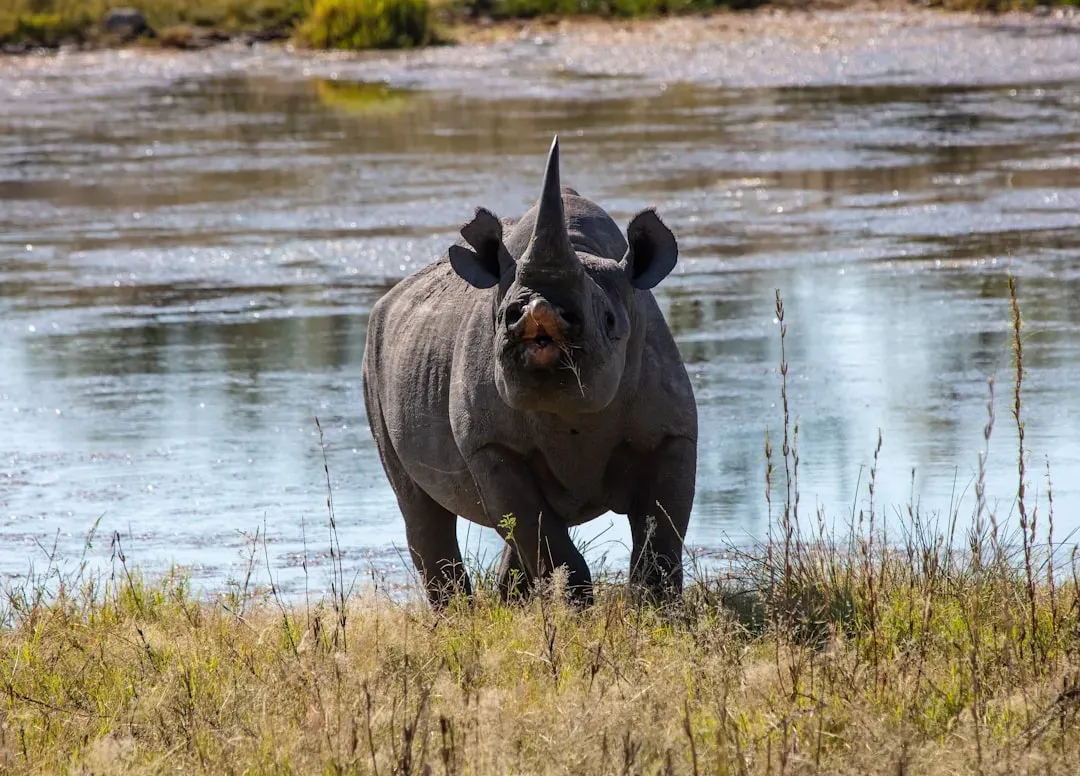
Black rhinos were once scattered widely across parts of Africa, but relentless poaching for their horns pushed them to a sliver of their former numbers. At one point, their population had dropped by a staggering share, so low that many conservationists feared you might live to see them vanish entirely in the wild. The fact that they are still here at all is due to serious, often dangerous human commitment.
Across several countries, armed rangers patrol reserves, horns are sometimes devalued through removal or chemical treatment, and strict penalties aim to deter poachers. On top of that, carefully managed translocations move rhinos into safer, better‑protected areas to establish new populations. The result has been slow but measurable increases in some black rhino groups. It is not a fairy‑tale comeback – the species is still critically endangered – but you can see that when societies invest money, technology, and personal risk into protection, even a heavily targeted animal can start to move in the right direction.
California Condors: The Bird That Hit Zero in the Wild
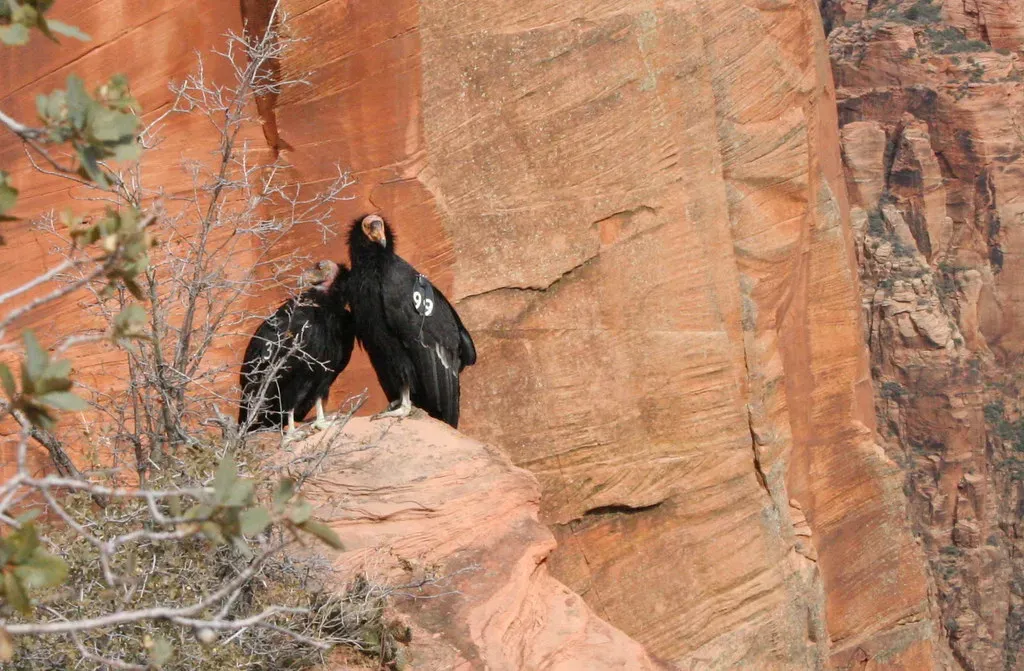
Imagine this: you reach a point where there are literally no California condors left flying free in the wild. That is exactly what happened in the 1980s, when the last remaining birds were captured in a desperate attempt to save the species through captive breeding. If you had been around then, you might have thought the story ended with that final capture.
Instead, that moment turned out to be a strange kind of rebirth. Zoos and conservation centers carefully bred condors, and after years of work, began releasing them back into selected wild areas in the western United States and Mexico. Lead poisoning from spent ammunition, collisions with power lines, and other threats still make their recovery extremely fragile. But the sight of condors once again soaring over canyons – birds that would have been extinct without intense intervention – shows you that even a species that disappears from the wild can sometimes be brought back with enough focus, funding, and stubborn belief.
European Bison: Ghosts of the Forest No More
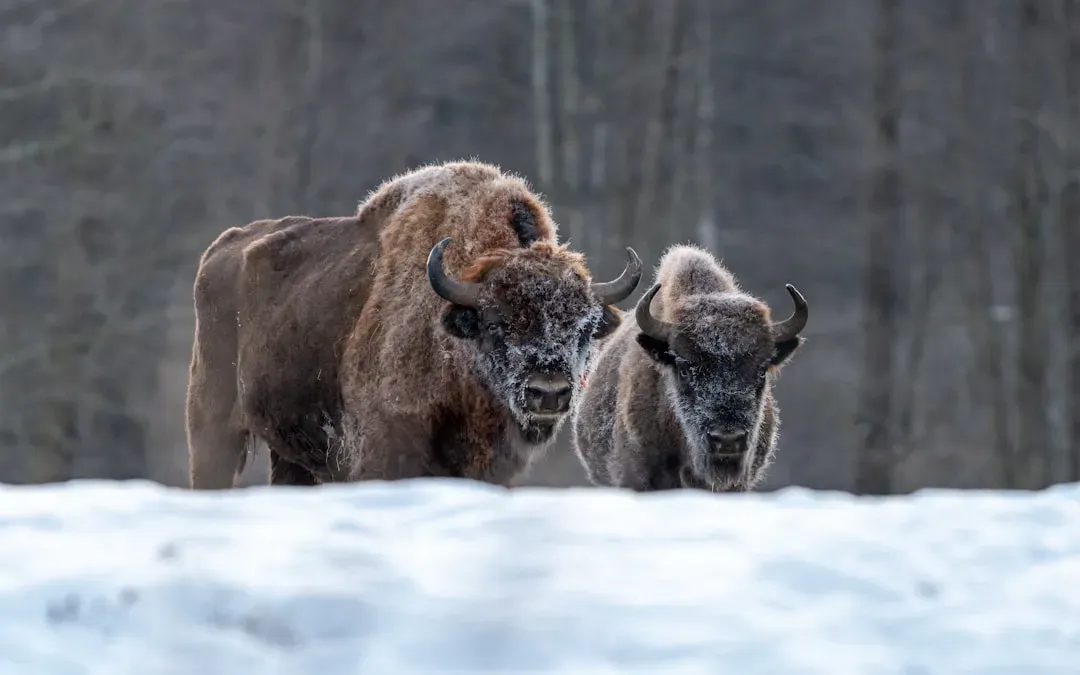
In Europe, the bison once roamed freely through forests, shaping ecosystems much like American bison did on the Great Plains. By the early twentieth century, wild European bison were gone, reduced to a handful of individuals in captivity. It would have been very easy to accept that these massive animals would live out their days only behind fences.
Yet through meticulous breeding and planned reintroductions, small herds have been returned to forests in countries such as Poland, Romania, and others. You can now walk through certain European woodlands and, if you are lucky, catch a glimpse of these giants grazing and reshaping the vegetation. The populations are still limited and closely managed, but they’re no longer just a memory. Their comeback tells you that even large, land‑hungry animals can be re‑woven into modern landscapes when you protect enough space and build social support for their return.
Saiga Antelopes: A Strange‑Faced Survivor
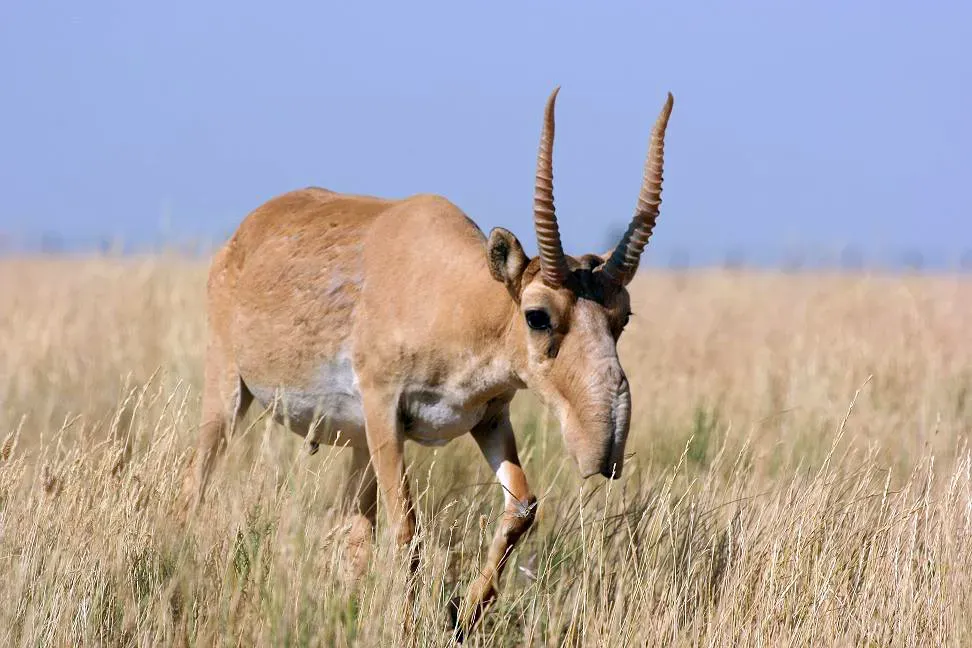
If you look at a saiga antelope, with its oversized, bulbous nose, you might think it wandered straight out of a prehistoric painting. These animals once migrated in enormous herds across the Eurasian steppes. Overhunting and disease outbreaks, combined with habitat pressures, caused their numbers to crash again and again, to the point where many observers did not expect them to recover.
Yet coordinated conservation actions, anti‑poaching measures, and protected areas have helped some populations rebound significantly between major die‑offs. Their story is not a smooth upward line; it is more like a heart monitor, with scary drops and hopeful rises. For you, the lesson is sobering but motivating: some species will always live on a knife edge, especially in harsh or changing environments, but targeted efforts can give them enough breathing room to bounce back after disaster. You learn that recovery is often messy, nonlinear, and still very much worth the effort.
Snow Leopards: Ghosts of the Mountains Holding On
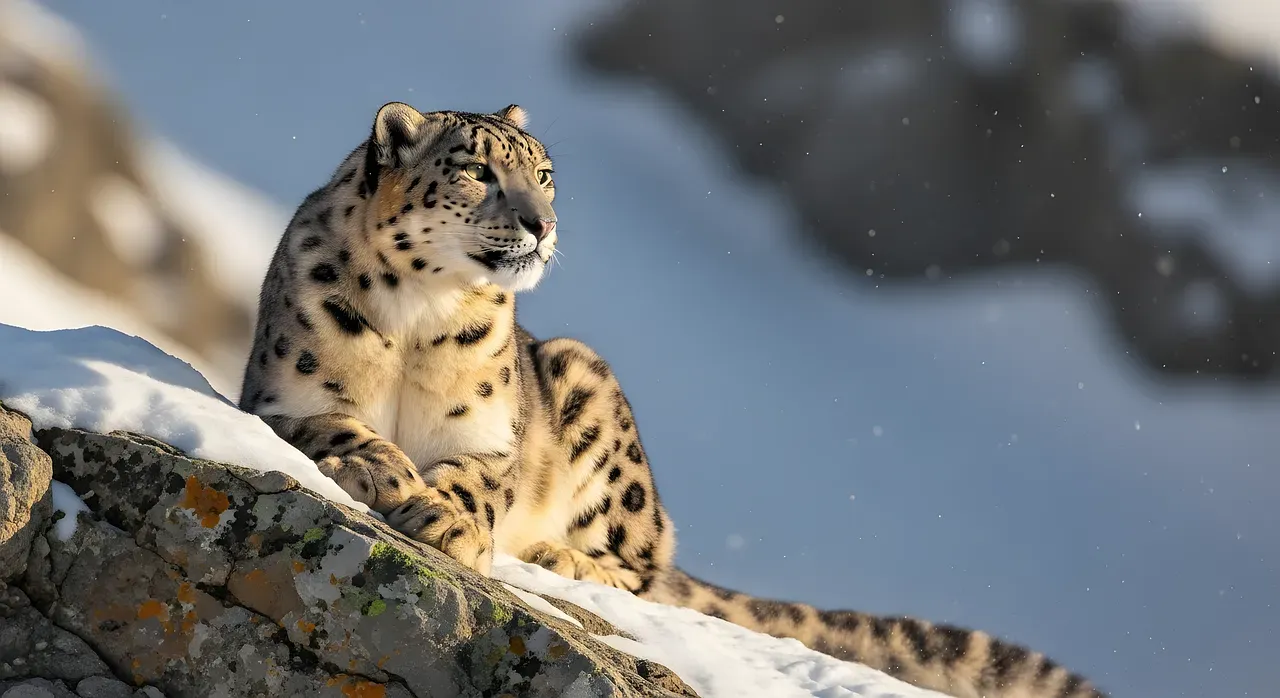
High in the mountains of Central and South Asia, snow leopards slip over rock and ice so quietly that local people sometimes call them ghosts. For years, you mostly heard about them in the context of bad news: shrinking habitats, retaliatory killings after livestock attacks, and poaching for their fur and bones. The cats live in places that are hard to reach and harder to study, which made it easy to assume things were only getting worse.
Over time, better surveys and community‑based conservation changed the picture a bit. In some areas, local herders are now paid for livestock losses or supported with predator‑proof corrals, so they have less reason to kill leopards. Protected areas and international agreements add another layer of safety. Snow leopards are still threatened and far from secure, but in several regions the outlook appears less hopeless than it once did. That shift shows you how powerful it can be when conservation includes the people who share the landscape with predators rather than treating them as enemies.
What These Comebacks Really Mean for You
When you step back and look at all these stories together, a pattern jumps out. None of these species recovered by accident. Every single one needed some mix of strong laws, protected habitat, reduced exploitation, thoughtful reintroductions, and community support. You start to see that the difference between “too late” and “still possible” often comes down to whether people decide to act early and stay committed, even when the situation looks bleak.
These comebacks also remind you that recovery does not mean perfection. Many of these animals are still vulnerable, and a change in policy, funding, or climate can quickly knock them back. But the fact that they are moving in the right direction is a powerful antidote to despair. It suggests that your choices – what you vote for, what you buy, where you donate, how you talk about wildlife – can tilt the balance. The next time someone says that conservation never works, you will have real stories, not wishful thinking, to answer with. Knowing that, what kind of recovery story would you like to help write next?