
If you grew up thinking superheroes only existed in comics and movies, nature is about to blow your mind. Scattered across the planet are real animals that do things you’ve only ever seen imagined with CGI and wild special effects. They regenerate whole body parts, shrug off the vacuum of space, fire off electric blasts, and see worlds of color you literally cannot imagine.
As you get to know these seven creatures, you start to realize something slightly unsettling and very exciting: your idea of what a “normal” animal can do is way too small. Some of these abilities are so extreme that scientists still don’t fully understand how they work, yet they’re already inspiring new medical treatments, materials, and technologies. By the end, you might look at your own body and think, rather wistfully, that evolution gave you the budget version.
The Axolotl: The Salamander That Regrows Almost Anything
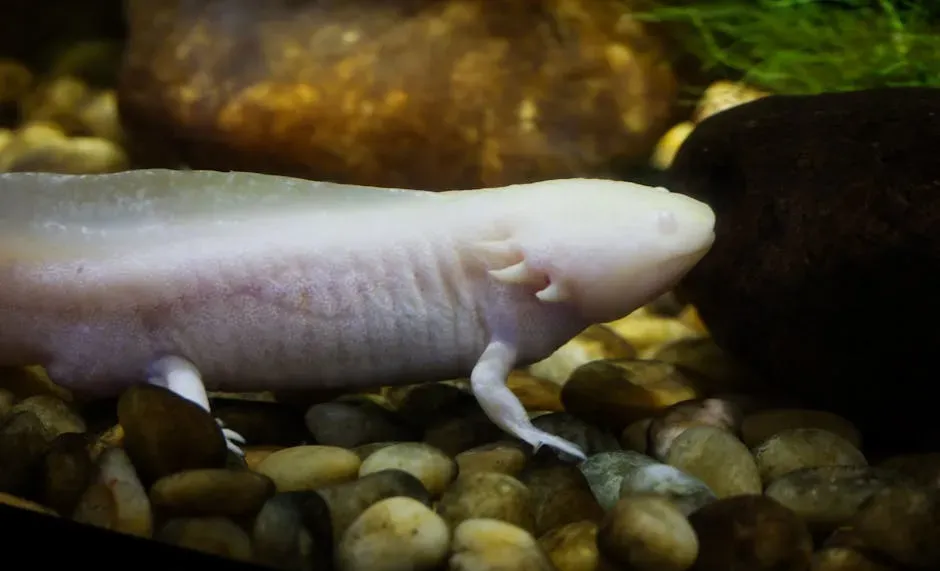
You’ve probably heard stories about lizards dropping their tails and growing them back, but the axolotl takes that concept and cranks it up to science‑fiction levels. This permanently “baby‑faced” salamander can regenerate entire limbs, including bones, muscles, skin, and nerves, often without leaving a scar. Researchers have documented axolotls regrowing their tail, spinal cord, parts of their heart, lungs, jaw, and even chunks of their brain and eyes.
What makes this really wild is that the axolotl does it with a level of precision your own body just doesn’t have. When you get a deep cut, you heal with scar tissue; the axolotl rewinds the injury and rebuilds the original architecture instead. Scientists have even transplanted tissues like eyes and brain sections from one axolotl into another, and the recipient can integrate and use them as if they were its own. When you hear about labs studying axolotls to someday help humans regrow damaged spinal cords or limbs, that’s not hype – you’re literally watching real‑world regenerative medicine take notes from an aquatic salamander.
The Tardigrade: The Nearly Indestructible “Water Bear”
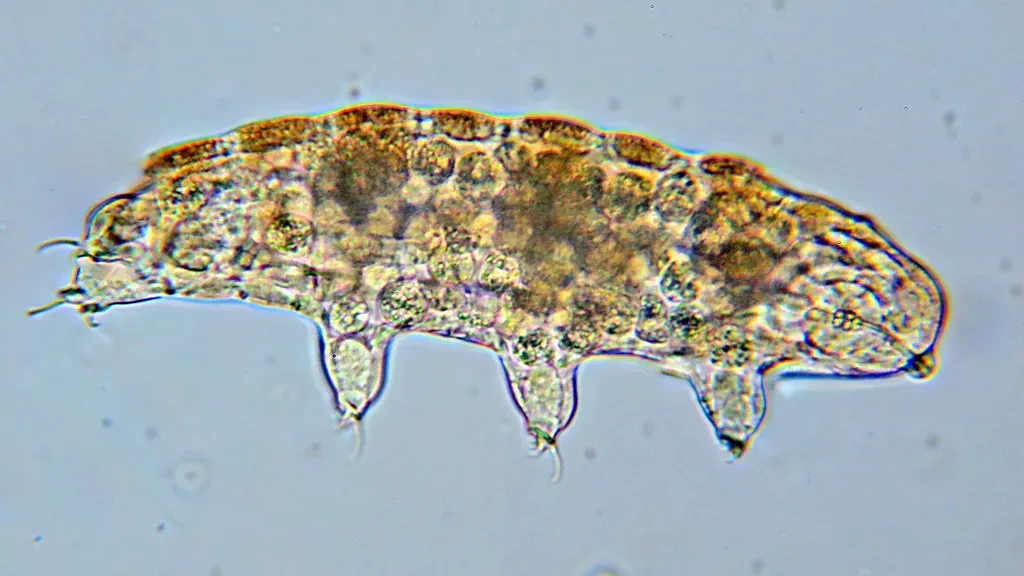
If there’s any creature that feels like it escaped from a space opera, it’s the tardigrade, also known as the water bear. This tiny, plump, eight‑legged animal is barely visible without a microscope, yet it laughs in the face of conditions that would instantly kill you. When it enters a special dried‑out state called cryptobiosis, it can tolerate extreme cold far below freezing, intense heat well above the boiling point of water, intense radiation, lack of oxygen, and crushing or near‑zero pressure.
At one point, scientists literally launched tardigrades into low Earth orbit, exposed them to the vacuum of space and solar radiation, then returned them to Earth – and some of them revived and carried on as if it were just a rough weekend. In lab tests, different tardigrade species have survived doses of ionizing radiation many times higher than what humans can endure, as well as years without liquid water. They manage this with unique proteins and protective mechanisms that stabilize their DNA and cellular machinery, essentially putting life on pause. When you think about future long‑term space travel or how life might endure planetary catastrophes, tardigrades are the tiny, wrinkly proof that biology can be terrifyingly tough.
The Mantis Shrimp: Super‑Punch and Alien‑Level Vision
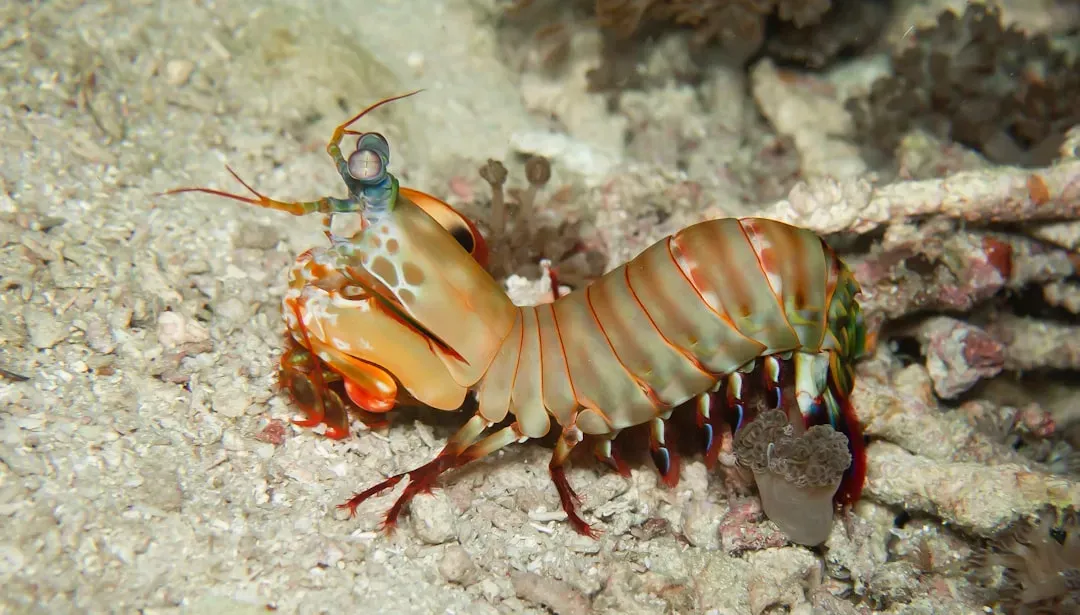
Imagine an animal the size of your hand that can punch hard enough to shatter aquarium glass. That’s the mantis shrimp, a marine predator with club‑like forelimbs that it accelerates so quickly the water around them briefly boils in tiny vapor bubbles. When those bubbles collapse, they release additional shockwaves and light flashes, meaning a single strike hits twice – once from the limb itself and once from the collapsing bubble. At close range, a small mantis shrimp can deliver an impact comparable to a handgun bullet, more than enough to crack open snail shells and crab armor.
But the punch is only half the story; the eyes are where things get properly sci‑fi. While you rely on three types of color receptors, mantis shrimp can have a dozen or more, spanning ultraviolet to far‑red wavelengths and including sensitivity to different kinds of polarized light. Instead of doing complex color processing in the brain like you do, they seem to assign specific receptors to specific bands and read them quickly, trading fine color discrimination for reaction speed. It’s as if they carry a biological, high‑speed sensor array on each eye, giving them a visual toolkit that engineers are studying as a model for next‑generation cameras and sensors.
The Electric Eel: A Living High‑Voltage Generator
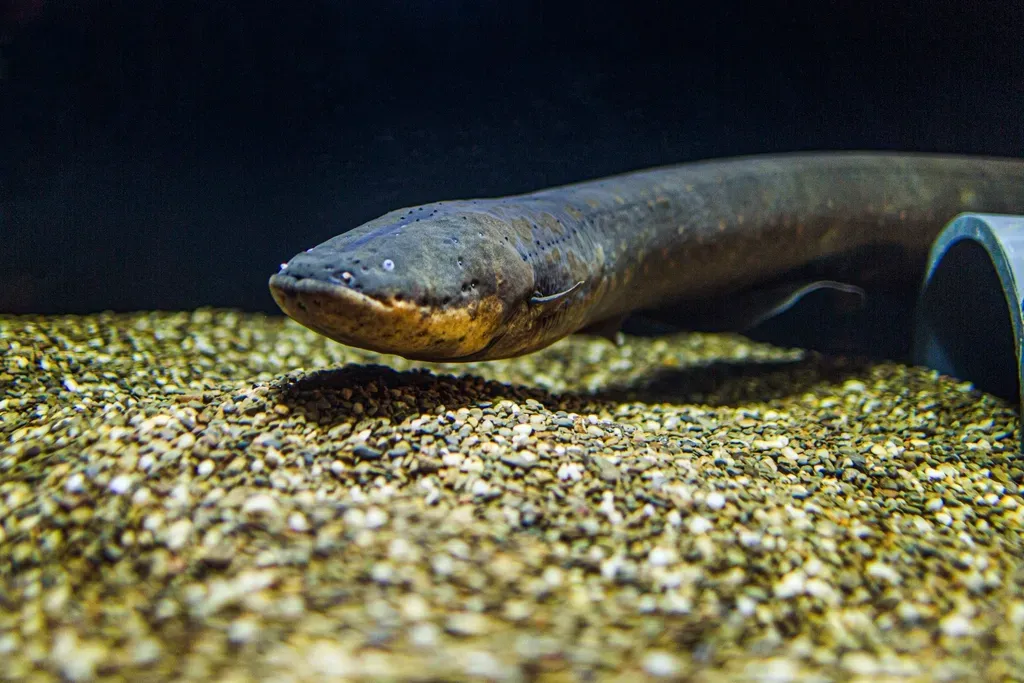
If you’ve ever imagined what it would be like to shoot lightning from your body, the electric eel is already living that fantasy. Despite the name, it’s actually a type of knifefish, and it’s packed with modified muscle cells called electrocytes that stack like batteries along most of its body. By firing these cells in perfect coordination, an adult electric eel can generate high‑voltage discharges strong enough to stun or even kill prey and deter would‑be predators.
What’s even cooler is how precisely it uses those electric fields. At low voltages, the eel sends out probing pulses that function a bit like biological sonar, helping it navigate and sense objects in murky water. When it detects hidden prey, it can switch to rapid high‑voltage bursts that cause the muscles of the victim to twitch involuntarily, revealing their location and making them easier to catch. You’re looking at an animal that combines weapon, radar, and taser into one continuously rechargeable organic system – a design that engineers studying bio‑inspired robotics and power systems would love to imitate without the whole “shocking everything nearby” part.
The Pistol Shrimp: The Tiny Crustacean with a Sonic Cannon
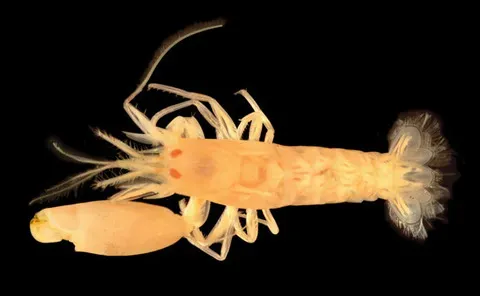
On paper, the pistol shrimp (also called snapping shrimp) looks unremarkable, until it closes its oversized claw and turns physics into a weapon. When it snaps that claw shut, it forces out a jet of water so fast that it creates a cavitation bubble – a tiny pocket of vapor that forms and then collapses almost instantly. That collapse generates a shockwave powerful enough to stun or kill small fish and invertebrates, and for a brief moment, the temperature inside the bubble spikes to levels comparable to the surface of the sun.
You won’t see star‑level fire in the tank, but you can sometimes hear the pop, and sensitive equipment has recorded the flash of light from the collapsing bubble. Some colonies of snapping shrimp are so noisy that they create a constant crackling background sound in coastal waters, loud enough to interfere with sonar. If you were to scale this ability up to human size, it would be like clapping your hands and knocking someone over across the room with the pressure wave. The pistol shrimp is a reminder that you don’t need a big body to wield absurd levels of physical power; you just need to exploit the right trick of fluid dynamics.
The Leafy Sea Dragon: Master of Living Camouflage
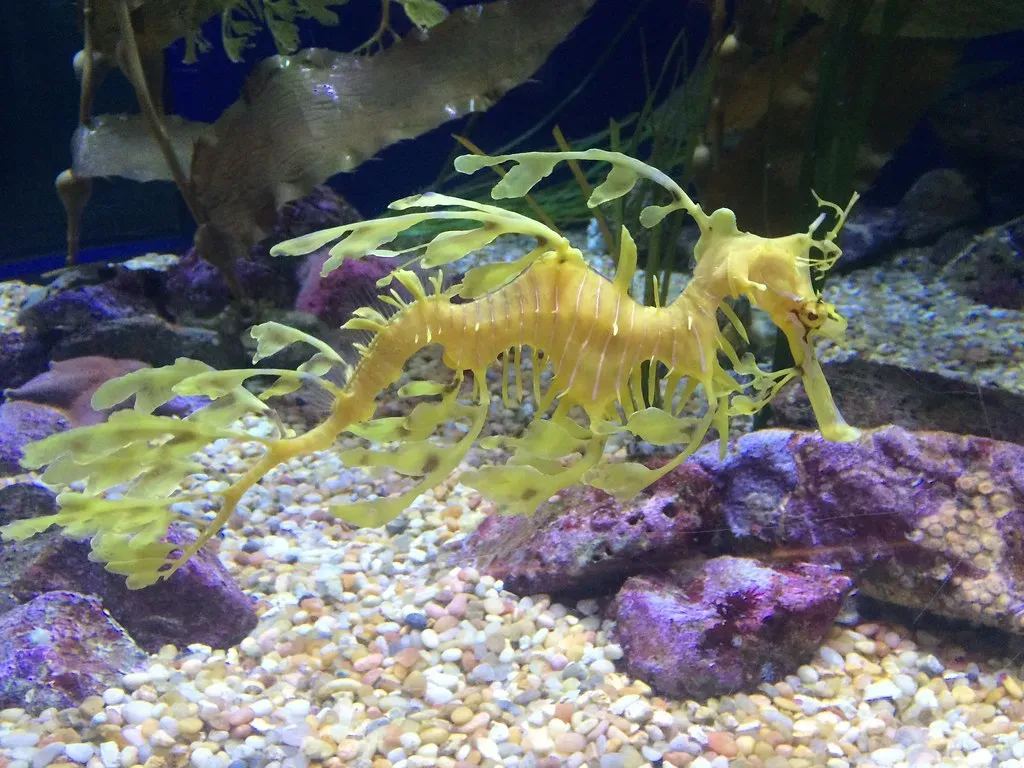
If you ever wanted to see a creature that looks like it was designed by a fantasy concept artist, you need to meet the leafy sea dragon. This relative of seahorses is covered in long, delicate, leaf‑like appendages that match the shape and color of the seaweed and kelp it lives among. Unlike some animals that actively change their skin color or pattern in real time, the leafy sea dragon leans into passive perfection; its whole body is built to vanish into drifting underwater vegetation.
Instead of relying on speed or armor, it survives by making predators overlook it completely. It moves with a gentle, rocking motion, powered by nearly transparent fins that hardly break its outline, so to your eye it just looks like kelp swaying in the current. This hyper‑specialized camouflage makes it a nightmare to spot in the wild, but also extremely vulnerable to habitat loss – if the seaweed beds decline, its hiding places vanish. Watching a leafy sea dragon glide through a tank is like watching a moving piece of seaweed slowly admit that it’s alive, and it gives you a deep appreciation for how far evolution will push disguise when survival depends on not being noticed at all.
The Immortal Jellyfish: A Real‑Life Biological Reset Button
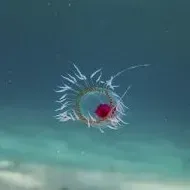
When you think about aging, you probably assume that every animal follows the same basic script: born, grow, reproduce, and slowly wear out. The so‑called immortal jellyfish, Turritopsis dohrnii, does something radically different. Under stress from injury, starvation, or other threats, it can revert its mature body back into a younger, polyp‑like stage, essentially turning back its own biological clock. From that earlier stage, it can grow again into an adult, repeat the cycle, and potentially avoid a traditional one‑way path into old age.
To be clear, this does not mean individual jellyfish float around invincible forever; they can still be eaten or destroyed by their environment. But at the cellular level, they show that complex animals can reset their development in ways that challenge your usual idea of a life cycle. Researchers are digging into the genetic and molecular switches behind this ability to understand how cells bypass normal aging pathways and reorganize into younger forms. It’s the closest thing you currently know to a natural, recurring “save point” built into an animal’s life, and it raises provocative questions about what might one day be possible in human anti‑aging research.
The Bombardier Beetle: A Chemical Reactor in Miniature
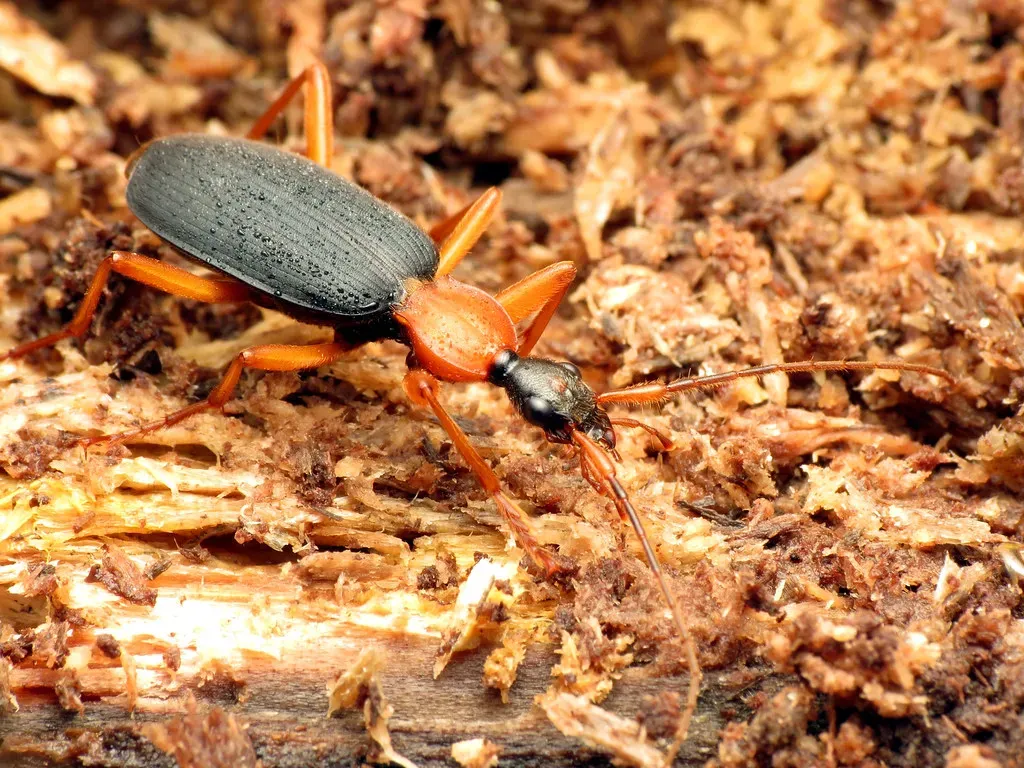
Picture a beetle that carries its own tiny chemical reactor and uses it as a rear‑facing defense cannon. That’s the bombardier beetle, an insect that mixes two separate chemical liquids in a specialized chamber inside its abdomen. When threatened, it triggers a reaction between those compounds and enzymes, rapidly heating the mixture and turning it into a boiling, noxious spray that it can aim at attackers.
The liquid it fires is not just hot; it’s pressurized and released in rapid pulses, giving the beetle fine control over the direction and duration of each blast. To avoid blowing itself up, it relies on a clever valve system and hardened internal structures that manage the heat and pressure safely. Engineers and chemists study this beetle as a natural example of controlled, repeatable small‑scale combustion and fluid ejection. It’s basically carrying a reusable, precision squirt gun powered by chemistry you might remember from the lab – only this time, the experiment fights back.
Conclusion: Nature’s Superheroes Are Already Here
Once you step back and look at all seven of these animals together, it’s hard not to feel like nature beat you to every wild sci‑fi idea you thought was original. Limb regeneration, near‑indestructible survival, built‑in electricity, sonic weapons, perfect camouflage, biological time reversal, and onboard chemical artillery – they’re all already out there, swimming, crawling, and snapping away while most people never notice. The more you learn, the more your own body starts to feel oddly conservative, like evolution was being weirdly cautious with your design.
At the same time, these creatures are not just curiosities; they’re blueprints. Medical researchers look at axolotls and immortal jellyfish for clues to healing and aging, while engineers study mantis shrimp, pistol shrimp, eels, and beetles to inspire better sensors, materials, and propulsion systems. Even tardigrades are teaching you what resilience might look like in deep space. Next time you see a weird little critter in a documentary or aquarium tank, you might wonder: is this just an animal, or is it another prototype for technology you haven’t even imagined yet?