Articles for category: Biology & Genetics, Material Science

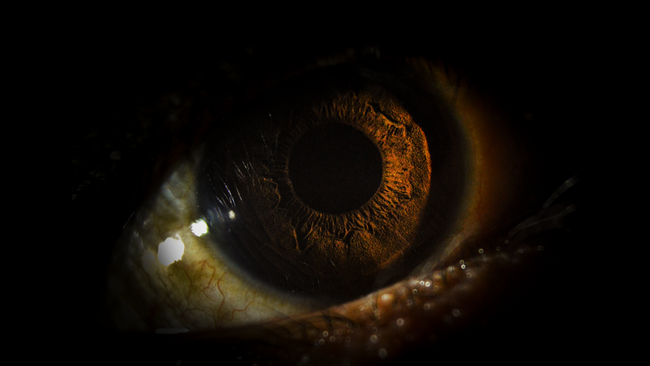
Why The Human Eye Takes So Long To Adjust To The Dark

Why The Human Eye Takes So Long To Adjust To The Dark

Sameen David

You know that weird, slightly unsettling moment when you switch off the lights and suddenly feel almost blind? For a few seconds, you wave your hands around, bump into a chair, and wonder how your insanely advanced human body can be this useless in the dark. Then, a few minutes later, shapes start to appear, ...

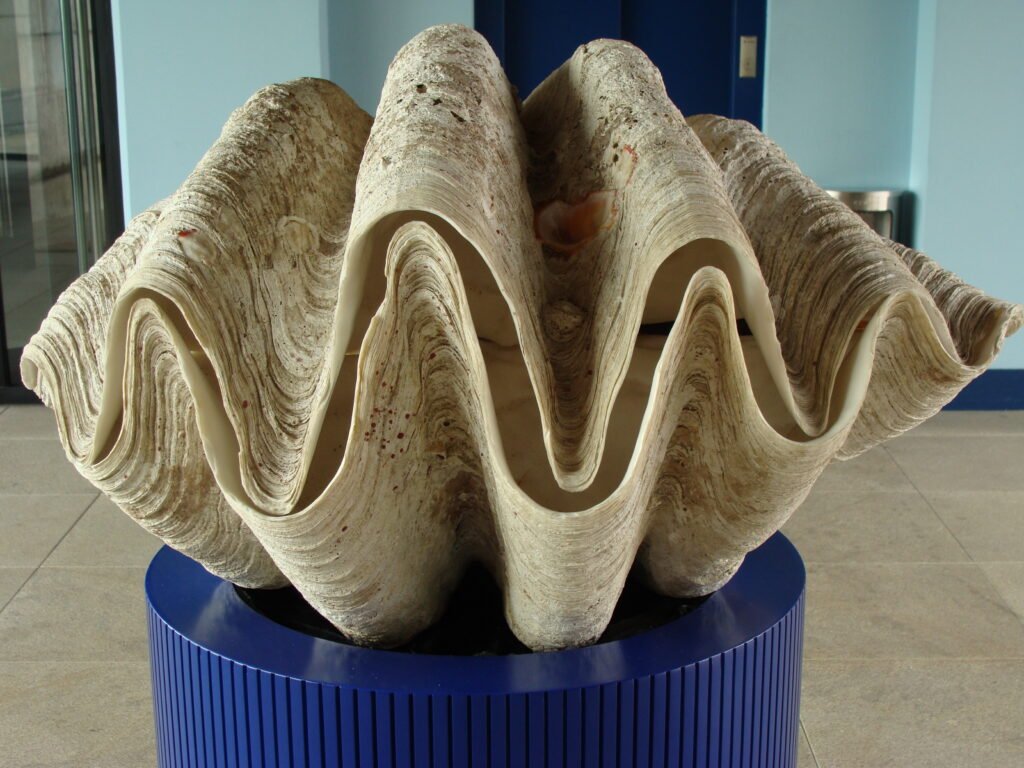
Tridacna gigas.

Singapore’s Shores Once Hosted Giant Clams the Size of Coffee Tables

Trizzy Orozco

Imagine strolling along a tropical shoreline and stumbling upon a creature so immense, its shell could easily double as your living room coffee table. Not a relic of science fiction, but a jaw-dropping reality from Singapore’s past. Long before glassy towers and bustling city life took over, Singapore’s coastlines were home to giant clams that ...

The Last Survivors: Najin and Fatu

Genome Mapping Offers Hope for Reviving the Northern White Rhino

April Joy Jovita

With only two non-reproductive females remaining, the northern white rhinoceros (Ceratotherium simum cottoni) is functionally extinct. However, scientists have now mapped its complete genome, offering an important tool for conservation efforts. This breakthrough could pave the way for stem cell-based reproductive technologies, potentially restoring the species. How the Genome Was Mapped Researchers used cutting-edge sequencing ...

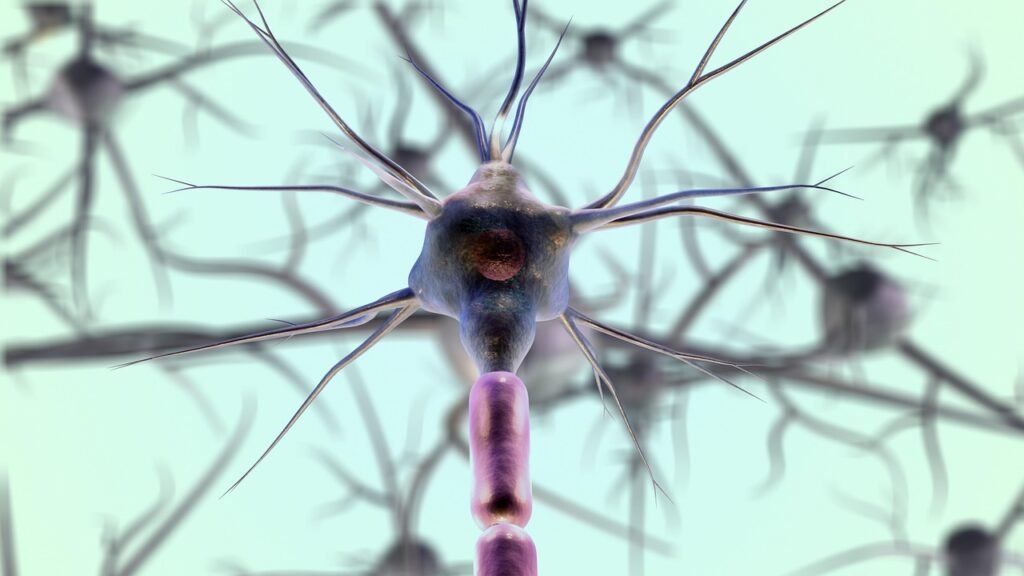
The Human Brain Can Rewire Itself in Ways Scientists Thought Impossible

The Human Brain Can Rewire Itself in Ways Scientists Thought Impossible

Sumi

  There is something quietly shocking about realizing your brain is not a fixed machine, but more like wet clay that never fully dries. For a long time, many scientists believed that once you reached adulthood, your brain’s wiring was more or less set in stone, slowly declining with age. Now, in study after study, ...

Two models showing off the human muscular system and skeletal system.

How Microarray Technology is Unveiling the Complexities of Human Genetics

Trizzy Orozco

Microarray technology has revolutionized the field of genetics, providing scientists with powerful tools to explore the intricate complexities of human genetics. This innovative technique allows for the simultaneous examination of thousands of genes, providing insights that were once unimaginable. As microarray technology continues to advance, it is paving the way for new discoveries and deeper ...

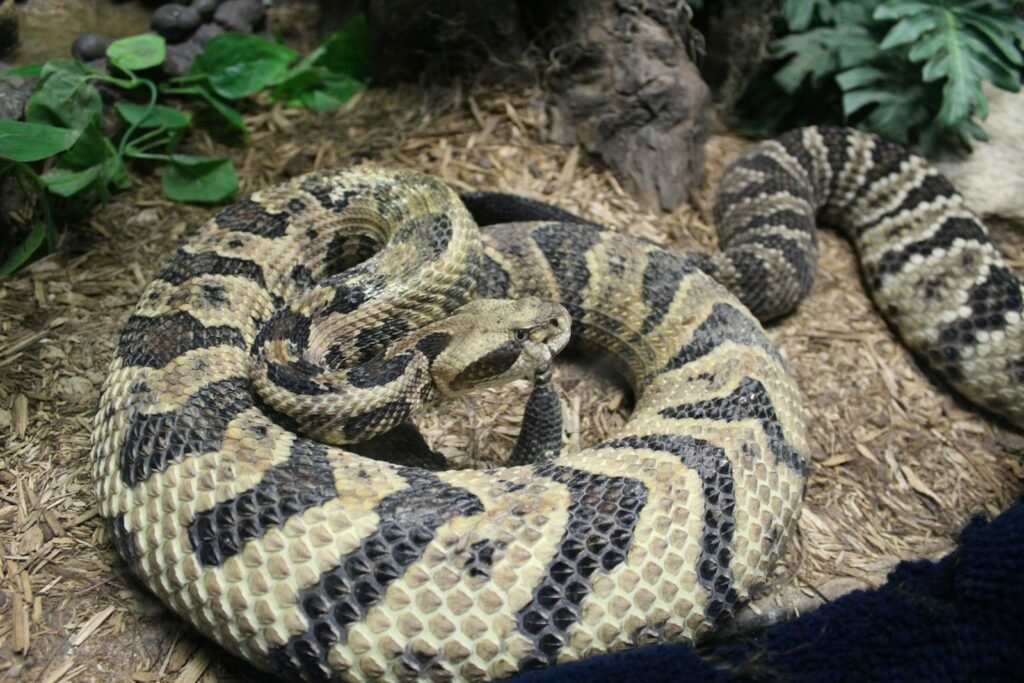
Rattlesnake is curled up on the ground.

The Most Poisonous Animals You’ve Never Heard Of

Trizzy Orozco

When thinking about poisonous animals, creatures like snakes, spiders, and jellyfish often come to mind. However, the animal kingdom is brimming with a plethora of highly toxic beings that rarely make it to the forefront of popular awareness. In this article, we’ll explore some of the most poisonous animals you’ve likely never heard of, delving ...

Cassowary looks at the camera.

The Cassowary Is a Dinosaur in Disguise — and It Knows It

Trizzy Orozco

Imagine standing in a steamy rainforest, heart pounding, as something massive rustles through the ferns. Suddenly, out steps a bird — but not just any bird. With its electric blue skin, helmet-like casque, and dagger-sharp claws, the cassowary looks like it’s strolled straight off the set of Jurassic Park. If you feel a shiver run ...

Mantis shrimp coming out of a coral.

How the Mantis Shrimp’s Vision Can Teach Us About Color Perception

Trizzy Orozco

The mantis shrimp, a small marine crustacean, is one of nature’s most fascinating creatures due to its extraordinary vision system. Found in warm, shallow waters of the Indian and Pacific Oceans, these vibrant, feisty critters are not only known for their aggressive predatory skills but also for their complex eyes that provide insights into advanced ...