
Most people wake up with nothing but a vague feeling that something strange just happened in their head. A fleeting image, a whiff of a storyline, and then… gone. But there’s a small group of people who open their eyes each morning as if they just stepped out of a movie theater, replaying scenes, colors, conversations, even emotions from their dreams. Neuroscience suggests that this is not just a quirky personality trait. It reflects a genuinely different way their brain is wired and how it switches between sleep and wakefulness.
Now, is it literally true that only a tiny slice of humans – the supposed lucky eight out of every hundred – will ever consistently remember dreams in this vivid, almost cinematic way? The honest answer is: we do not have perfect numbers, but research is clear that frequent, reliable dream recall is uncommon, and the brains of frequent dream rememberers do show measurable differences from everyone else. The rare pattern is not magical or mystical; it’s about how alert your brain remains during the night, how sensitive it is to internal signals, and how it tags certain experiences as “worth remembering.” That alone is pretty wild.
The Rare Brain Pattern: What “High Dream Recall” Really Looks Like

Here’s the surprising part: people who remember dreams most mornings are often not sleeping more deeply but waking slightly “closer to the surface” of consciousness throughout the night. Brain imaging and sleep-lab studies have found that frequent dream recallers tend to have higher spontaneous brain activity in certain regions, especially networks involved in attention, memory, and self-awareness. In very simple terms, their brains stay more “online” during sleep instead of going fully offline and quiet.
Another consistent difference is that these high recallers wake up more often during the night, even if they do not consciously notice it. Those tiny awakenings act like little bookmarks the brain places between dream episodes and waking life. For the majority of people, the night is a blur: the brain does not stop to bookmark anything, so dreams slide away. For the rare group, the brain repeatedly pauses, tags the dream experience, and makes it far more likely to show up in memory the next morning.
Why Most People Forget Their Dreams Within Seconds

If you’ve ever felt your dream melt away by the time you reach the bathroom sink, you’re experiencing a core feature of how the brain treats dream content. The dreaming brain is heavy on emotion and imagery but light on the kind of memory encoding that happens when we’re awake. The prefrontal cortex, the part of your brain that helps organize memories and narratives, runs in low-power mode during most dreaming, which makes recall fragile and unstable.
On top of that, most people wake up abruptly: to an alarm, to a phone, to kids, to stress. The transition from sleep to wakefulness is like being yanked out of a dark movie theater into bright sunlight. Unless the dream is extremely emotional or you wake up right in the middle of it and pause for a moment, the brain simply overwrites it with waking concerns. It is not that you did not dream; it is that your brain never treated those dreams as information worth saving beyond a few seconds.
The Role of the Default Mode Network: Your Brain’s “Inner World Engine”
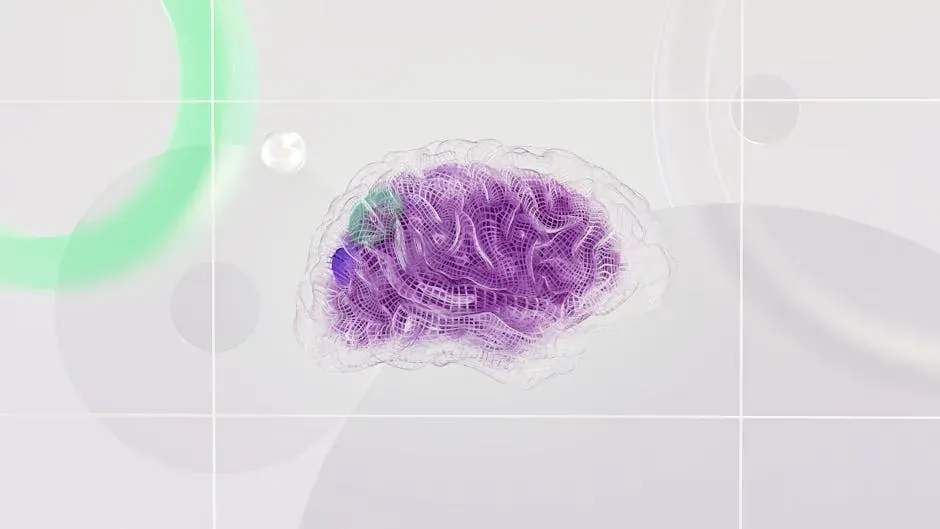
One of the big players in this story is what neuroscientists call the default mode network, a set of brain regions that light up when your mind is wandering, daydreaming, or thinking about yourself and your past. People who frequently recall dreams appear to have a more responsive or more active default mode network, both when they are awake and when they are asleep. That means their brains are better at generating rich inner experiences and also at tying those experiences to a sense of self.
During sleep, especially during rapid eye movement (REM) phases when the wildest dreams tend to occur, this network helps construct the story-like qualities of dreams. In frequent recallers, the boundary between that inner storytelling and waking awareness seems more permeable. Their default mode network does not fully drop the thread when consciousness returns in the morning, so the dream narrative can be pulled through and reassembled as a memory rather than vanishing as a feeling.
Memory, Emotion, and Why Some Dreams Stick Like Glue
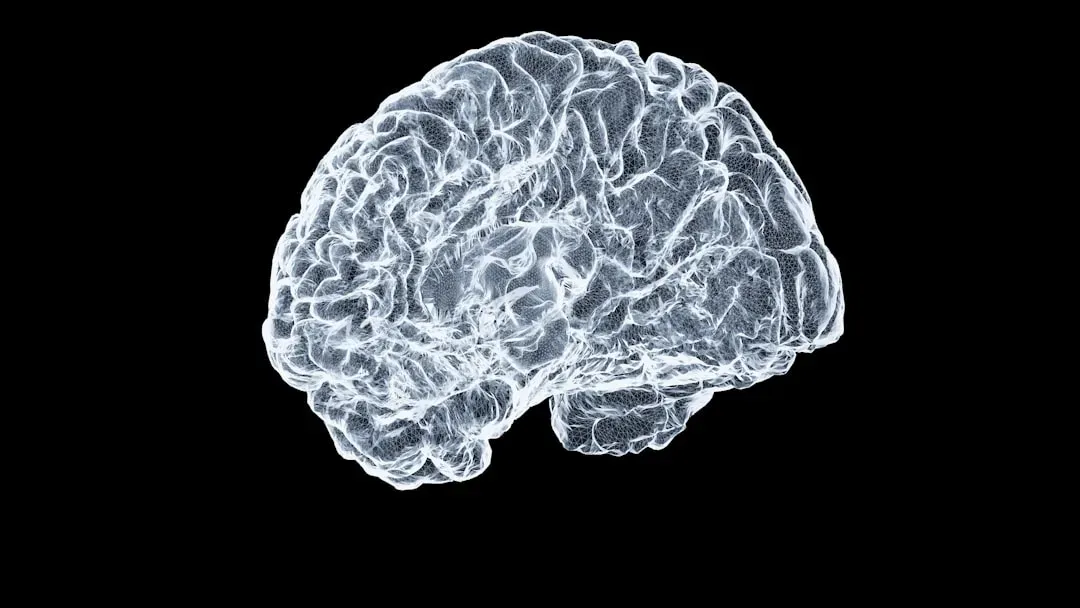
Dreams are not stored in a special “dream box” in the brain. Instead, they piggyback on the same memory systems we use when awake, especially the hippocampus and surrounding regions involved in recording new experiences. People who recall more dreams tend to show stronger activation in these memory-related circuits at night and during awakenings, which makes their dream content more likely to be consolidated into longer-lasting memory traces.
Emotion is a powerful amplifier here. Vivid dream recallers often report more emotionally intense dreams, and the brain’s emotion centers, like the amygdala, can help tag certain dream scenes as important. When dreams blend strong emotion with even brief waking awareness at night or on first awakening, the brain treats them more like real experiences that deserve to be stored. For everyone else, dreams are more like passing background noise: your brain hears them, reacts to them in the moment, and then lets them go.
Is Dream Recall a Sign of Higher Creativity or Just a Noisier Brain?
There’s a romantic idea that remembering your dreams every morning means you are more creative, more intuitive, maybe even more spiritually tuned in. Some research has indeed linked frequent dream recall to higher openness to experience and richer imagination in waking life. People in this group sometimes describe their mental life as busy and colorful, full of ideas, associations, and inner images that show up both in dreams and in daydreams.
But there is another, less glamorous interpretation: their brains might simply be noisier. Greater sensitivity to internal and external stimuli, more micro-awakenings, and heightened activity in attention networks can mean more dream recall, but also more fragmented sleep. Whether that is a gift or a burden depends on the person. Some absolutely love their dream-rich nights and feel fueled by them; others find the constant mental chatter exhausting. The same brain pattern that brings wild dreams may also bring lighter, more interrupted sleep.
Can You Train Yourself Into This “Rare” Pattern, or Is It Mostly Hardwired?

Here is where the picture gets more nuanced. There are definitely stable individual differences: some people have been high dream recallers since childhood, while others almost never remember dreams unless something unusual is going on. That suggests a strong trait component, involving how reactive your brain is, how your sleep cycles unfold, and how your memory systems behave during the night. In that sense, the rare pattern does have a built-in, partially hardwired quality.
At the same time, studies and personal experiments show you can significantly increase dream recall with deliberate practice. Keeping a dream journal next to your bed, waking up more gently, staying still and asking yourself what you were just experiencing, and setting an intention before sleep all nudge your brain to treat dreams as important. You might never become one of those people who can recall multiple dreams in cinematic detail every single morning, but you can shift yourself closer to that end of the spectrum than you might think.
Dream Recall, Mental Health, and When Vivid Dreams Become Too Much
High dream recall is not automatically good or bad. For some people, dreaming is a playground where the brain rehearses problems, explores possibilities, and processes emotions. They wake up feeling inspired, like they got a free creativity workshop while asleep. In these cases, the rare brain pattern of intense, frequent dream recall can feel like a superpower, giving extra material for art, problem solving, and self-understanding.
But when dreams are filled with anxiety, trauma, or confusion, remembering them vividly almost every morning can be draining or even distressing. People with conditions like post-traumatic stress or chronic stress often report intense, recurring dreams that linger into the day. Their brain pattern is not just high recall; it is also high reactivation of painful emotional memories. So the rare pattern is not inherently mystical or enviable. Its value depends on the emotional tone of the dreams and on the person’s ability to work with what their nights are giving them.
So What Does It Really Mean If You Remember Your Dreams Every Morning?

If you are one of those people who wake up with detailed dream stories almost every day, your brain is doing something that most brains simply do not do as often. You are likely experiencing more micro-awakenings, maintaining more activity in attention, memory, and self-reflective networks, and allowing dream content to cross the boundary into waking memory. In everyday language, your mind does not shut the door between night and day as firmly as it does for other people.
In my view, that makes you neither inherently more enlightened nor more troubled, but it does place you in a psychologically interesting minority. You have access to a nightly stream of inner material that the majority of people never see so clearly. The question is not whether this makes you special in some abstract way; it is what you decide to do with this constant flow of inner stories. Do you ignore them, explore them, mine them for insight, or turn them into art?
Opinionated Conclusion: A Rare Pattern, but Not a Cosmic Badge of Honor

I think we over-romanticize and under-respect dreaming at the same time. We talk as if remembering your dreams every morning is some mystical badge that only a chosen few receive, when in reality it is a blend of biology, sensitivity, and habit. Yes, the vast majority of humans will never develop the specific combination of brain activity, arousal patterns, and intentional focus that produces daily, vivid dream recall. But that does not mean they are missing a secret level of human experience so much as living with a different balance between rest and inner noise.
My own bias is that this rare pattern is an invitation, not a status symbol. If you are part of that small group, you already have a built-in nightly laboratory where your brain experiments with emotions, memories, and ideas. Use it. If you are not, but you are curious, you can still nudge your brain in that direction and see what happens. In the end, the real question is not whether your brain matches some rare pattern; it is whether you are paying attention to the inner life you do have, sleeping or waking. And honestly, if you had to guess, which side of that door do you think your own brain prefers to live on?