If you could stand at the bottom of the deepest ocean trench, your body would be crushed in an instant under a weight greater than a stack of dozens of jumbo jets pressing down on each square inch of you. Down there, sunlight never arrives, temperatures hover just above freezing, and pressure rises to more than a thousand times what we feel at the surface. Yet, somehow, life not only survives in these conditions, it seems weirdly comfortable there, as if the impossible is just everyday routine.
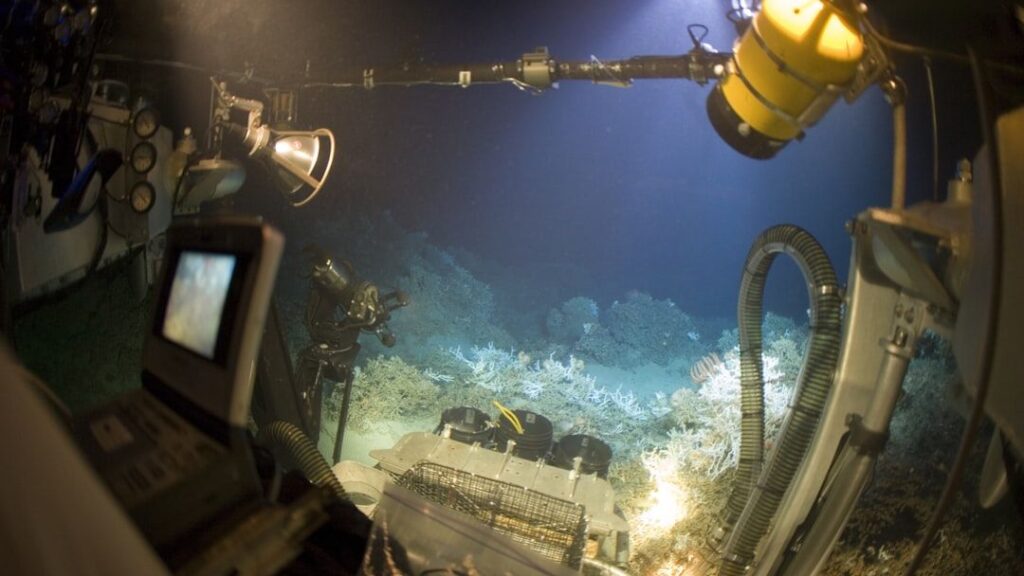
What makes this even more unnerving is how little we’ve actually seen of it. We’ve sent heavily protected instruments into these depths, but no bare, unprotected human-made object has gone down and just sat there, casually recording the neighborhood. When cameras and vehicles venture that far, they are wrapped in thick metal, pressure-resistant spheres, or special syntactic foams just to avoid being crushed. The result is a frustrating paradox: we know these deep trenches are teeming with strange organisms, but our view is still a keyhole into a vast, alien world. Let’s dive into how that’s even possible.
The Crushing Truth About Deep-Ocean Pressure
The pressure in the deepest parts of the ocean is so extreme that it almost breaks your sense of scale. At the bottom of the Mariana Trench’s Challenger Deep, more than ten kilometers below the surface, the pressure reaches roughly over one thousand times what you feel at sea level. In more everyday terms, it is like balancing a small car on every thumbnail, or being buried under a mountain made of seawater. No unprotected human object – no standard camera, no ordinary drone, no plain metal box – can simply be dropped there and expected to survive for long.
To cope with this, engineers build deep-sea hardware like they are preparing for a war against physics. Housings are carved from thick titanium or specialized alloys, spheres are chosen because they distribute stress evenly, and every small opening is a risk that must be tamed. Even then, these devices are effectively life-support pods for the fragile electronics and sensors inside. The environment is so unforgiving that one bad design choice – a slightly thinner wall, a hairline crack, a miscalculated seal – and the ocean will crumple it like a soda can. That underlying brutality is why our observations are always mediated through careful, protected systems rather than exposed, casual gear.
Why No Bare Human Objects Just “Live” Down There
It might sound odd to distinguish between “protected” and “unprotected” objects, because technically everything we send is made of something. But in engineering terms, an unprotected object is one that isn’t deliberately built as a high-pressure vessel or pressure-balanced system. Your phone, a commercial camera, or a typical metal box from a workshop count as unprotected; they are not designed to endure thousands of atmospheres of pressure. If you dropped any of these into the deepest trenches, they would never make it intact to the bottom, let alone sit there for years gathering data.
Even most industrial devices that operate in the deep sea are only rated for certain depths, often much shallower than the deepest trenches. Standard subsea gear for oil and gas fields, for example, is usually meant for a few thousand meters, not more than ten thousand. Going to the very bottom of the ocean is a special regime that requires custom engineering and extremely conservative safety margins. This is why we do not have simple, cheap “set it and forget it” gadgets just sitting on the trench floor, passively livestreaming ultra-deep life like underwater security cameras. The physics simply will not allow it unless the device is heavily overbuilt with pressure resistance in mind.
How Do We Even Know Life Thrives Down There?
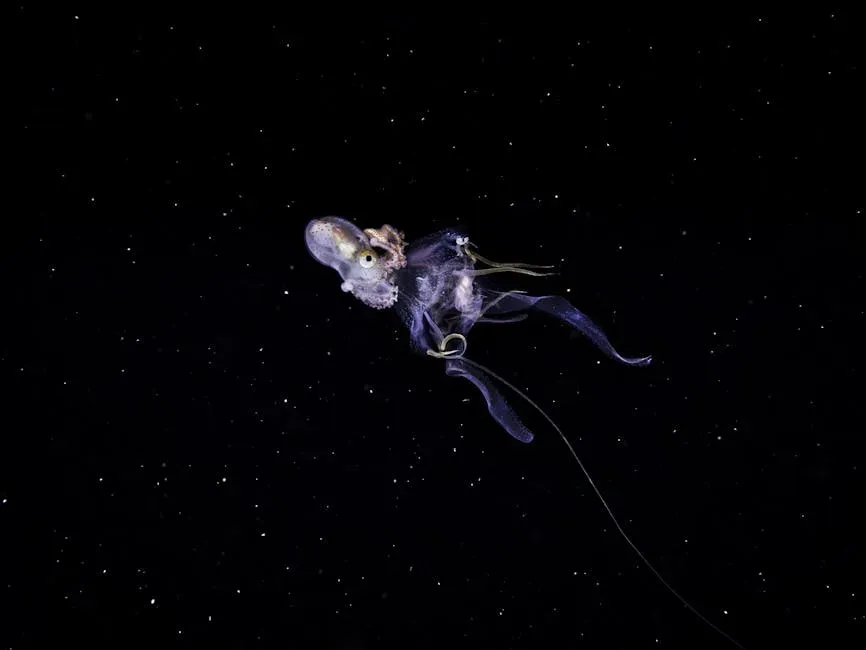
Given all this difficulty, it is fair to ask how we can be so sure that life actually thrives in these places. The answer is a patchwork of deep-diving expeditions, pressure-tolerant landers, and the occasional crewed descent in reinforced submersibles. These missions drop instrument packages to the seafloor and either film what they see or lure organisms with baits, then retrieve the data when the lander floats back up. The glimpses we get show amphipods, sea cucumbers, worms, and other benthic creatures calmly living their lives in the dark, as if our human astonishment is completely irrelevant to them.
In addition to video, researchers sample the mud and water at these depths, then study them in high-pressure labs back on land. They find microbial communities clinging to particles, using chemical energy from sediments and minerals rather than sunlight. Some of the animals show evidence of being adapted to these pressures at a cellular and molecular level, from the structure of their membranes to the proteins that keep their cells functioning. Put together, it paints a consistent picture: wherever we have looked in deep trenches with the right tools, we have found life, even if our technology can only visit briefly and under heavy protection.
Biology Under Pressure: How Deep-Sea Life Cheats Physics
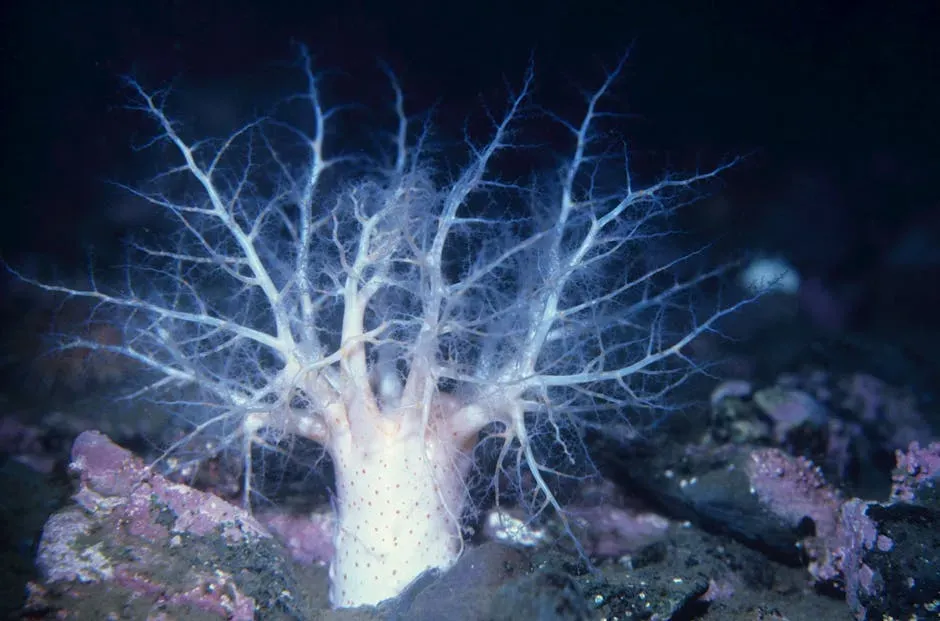
The obvious question is how these organisms avoid being crushed when everything we build seems to be in mortal danger. The key is that they are not fighting pressure the way we do with rigid hulls; they are made mostly of water themselves. Since water is nearly incompressible, a soft-bodied animal filled with fluid can let pressure equalize across its body instead of trying to resist it. Rather than being hollow like a submarine, these creatures are like flexible, pressure-balanced bags of chemistry that simply accept the conditions around them.
On top of that, deep-sea organisms tweak their internal chemistry in ways that would wreck typical surface life. Certain small molecules inside their cells act a bit like molecular braces, helping proteins keep their shape when intense pressure would otherwise cause them to unfold or malfunction. Cell membranes are tuned to stay fluid and functional even when the surrounding environment is cold and crushing. This is not a single magic trick but an entire lifestyle built around pressure, from DNA repair mechanisms to enzyme design. To us, it feels like a miracle; to them, it is just normal existence.
The Challenger Deep: A Real-World Alien World
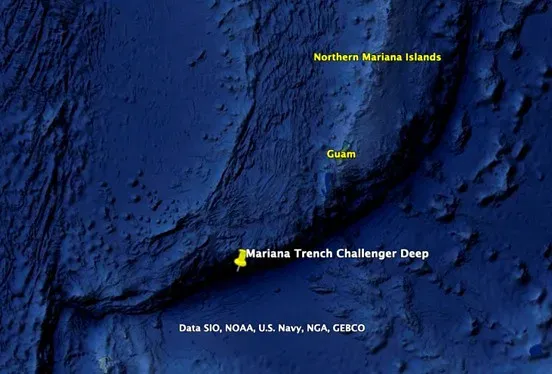
If there is any single place on Earth that deserves to be called an alien world, it is the Challenger Deep at the bottom of the Mariana Trench. This narrow, crescent-shaped scar in the Pacific plate is deeper than Mount Everest is tall, with a floor that lies in permanent night. Temperatures there hover only a few degrees above freezing, the water is dense and heavy, and the pressure is so intense that it surpasses what you would experience inside some industrial hydraulic systems. Yet, in this extreme setting, life has carved out a space for itself.
Expeditions that have reached Challenger Deep have filmed ghostly white sea cucumbers gliding over the sediment, transparent amphipods scuttling and feeding, and clouds of tiny organisms drifting just above the seafloor. Sediment cores from the trench show microbes living in layers of mud that have accumulated over long stretches of geological time. What stands out is not just their existence but their apparent normalcy; they eat, move, reproduce, and die, repeating familiar biological patterns in a location that feels utterly hostile by human standards. If you dropped in there with no protection, you would not last even an instant, yet the ecosystem hums along as calmly as a forest pond.
What Our Tech Can Do – And Where It Still Fails
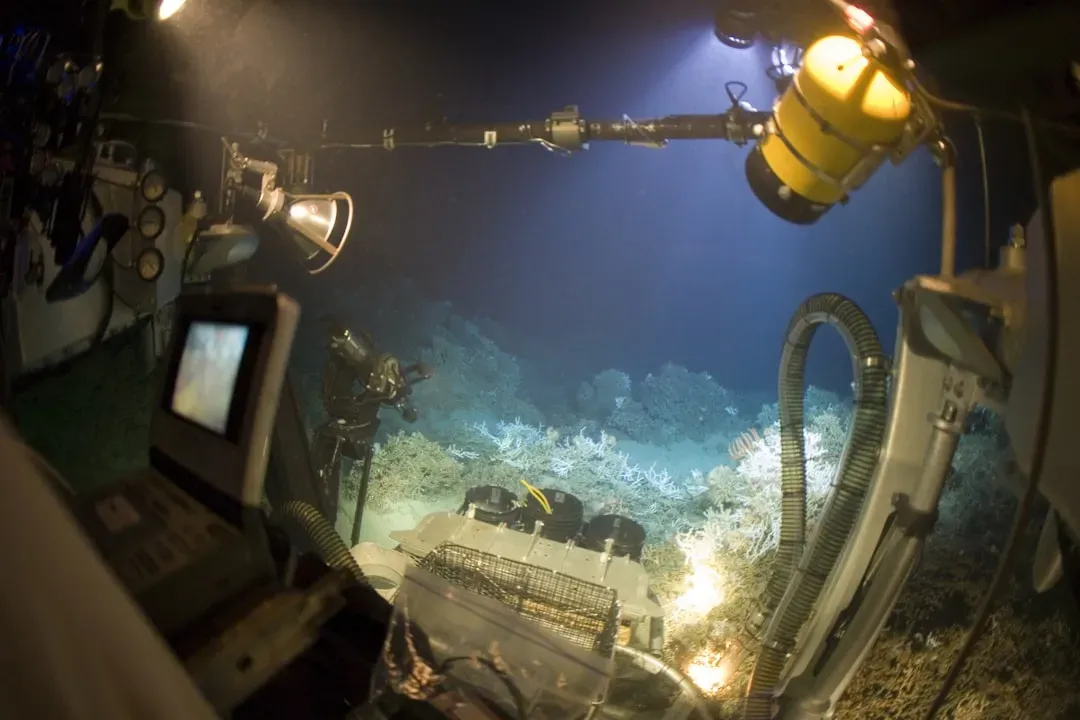
Over the last few decades, technology to reach the deep trenches has become more reliable, but it is still far from casual. Crewed submersibles carry people in thick metal spheres, carefully tested to survive the crushing load. Robotic landers use floatation materials and robust frames to get to the bottom and back, carrying cameras, sensors, and samplers. These successes are impressive, but they are rare, expensive, and meticulously planned. There is nothing routine about dropping a system to the world’s deepest points and expecting it to both work and return safely.
At the same time, our gear is still vulnerable and constrained. Cables can fail, batteries drain quickly in the cold, and delicate components can be damaged during ascent and descent, not just at the bottom. Many devices only operate for hours to days, not months or years, before they must be retrieved or replaced. So while we have filmed and sampled these environments, we have not yet established a long-term, unshielded presence on the trench floor. In that sense, the deep ocean still maintains a stubborn privacy: we knock on the door with armored hands, peek inside briefly, and then leave again.
Why This Matters Far Beyond Ocean Nerds
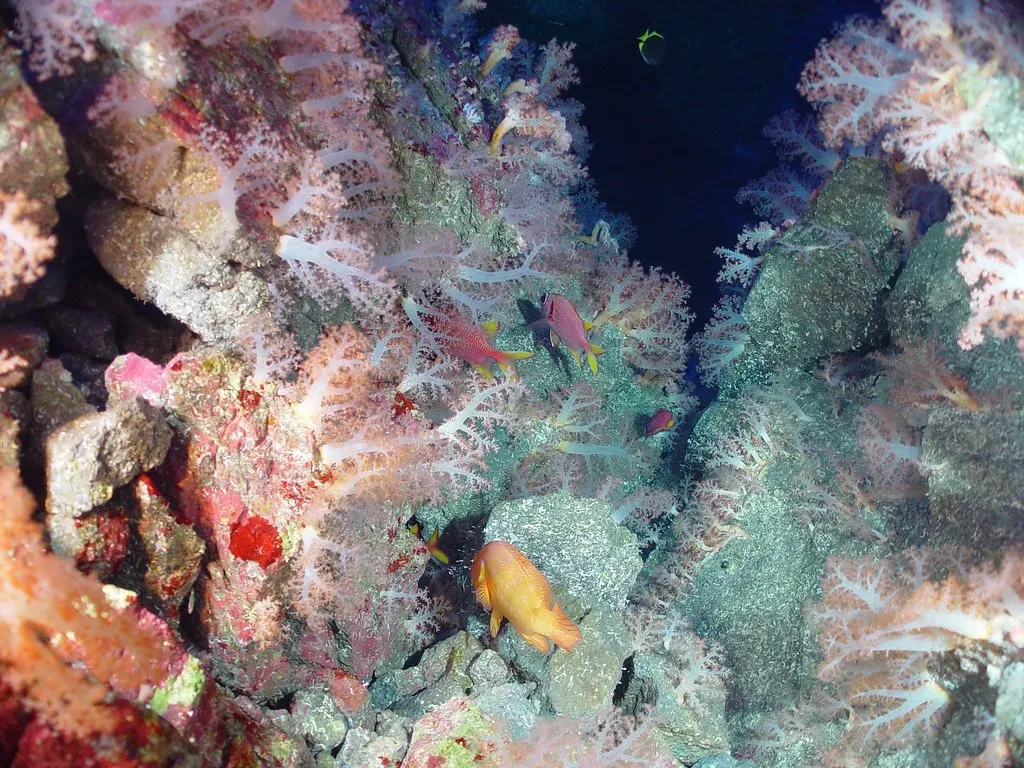
It is tempting to think of this as a niche fascination for ocean scientists, but the stakes are much bigger than that. Life thriving at such ridiculous pressures is a living proof-of-concept that biology can handle conditions far outside what we once thought possible. When astrobiologists consider whether there might be life beneath the icy shells of moons like Europa or Enceladus, they look at our deepest oceans as a real-world test bed. If Earth’s biosphere can adapt to darkness, cold, and pressure at the bottom of a trench, then underground oceans on distant worlds suddenly look a lot less empty.
There is also something quietly humbling in realizing how resilient life is compared with our own fragile technology. We wrap our instruments in armor just to borrow a few hours down there, while soft-bodied animals and microbes have made those conditions their home for millions of years. To me, that flips the usual story about human superiority on its head; we are talented builders, sure, but nature is still running circles around us in terms of raw adaptability. The deep ocean is a reminder that our planet is not fully mapped in any meaningful biological sense, and that our clever machines are still students in a classroom where evolution has been teaching for eons.
Conclusion: The Deep Still Owns Its Secrets
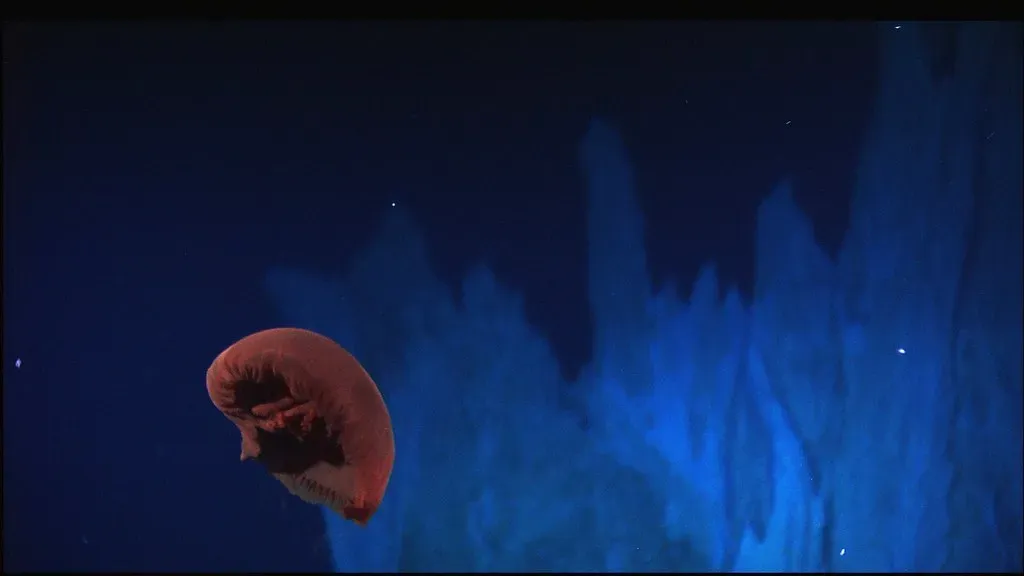
When you step back and look at the big picture, the deepest parts of the ocean deliver a kind of quiet cosmic insult to our ego. We pride ourselves on moon landings, space probes, and high-tech everything, yet we still cannot casually leave even a bare device on the deepest seafloor and expect it to report back for years. Meanwhile, creatures with no metal, no electronics, and no blueprints thrive there every day. In my view, that gap between what life can endure and what our best engineering can handle is one of the most revealing truths about our place in nature.
I think we will eventually build tougher, smarter systems that can watch those abyssal communities continuously and in more detail. When we do, I would not be surprised if we find that what we currently call “extreme” life is actually just the beginning, and that the real weirdness still lies ahead. Until then, the deep ocean keeps most of its story to itself, offering us only tantalizing fragments through heavily shielded lenses. Maybe that is healthy; it reminds us that mystery is not just out in distant galaxies but right here on our own planet, hidden under a shifting skin of waves. Knowing that, how could you not feel a tug of curiosity every time you look at the sea?