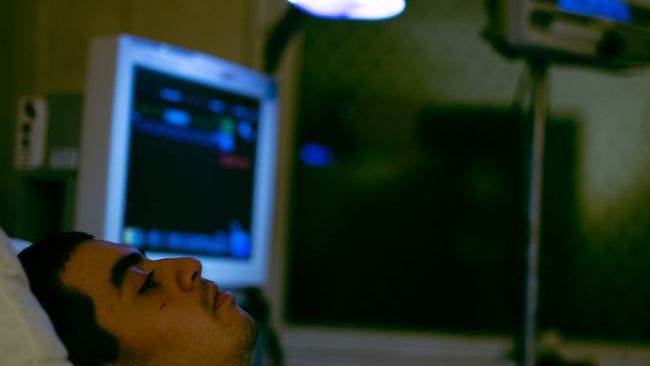

For a long time, a coma looked like the ultimate silence: no movement, no response, no sign of a person still “in there.” Families were told that if their loved one did not wake or squeeze a hand on command, there was probably nothing left of the mind they knew. Then, quietly at first, strange results started to appear on brain scans and bedside tests. A tiny flicker here, an unexpected pattern there, and suddenly the old story about coma and consciousness began to crack.
In the last couple of decades, a flood of new research has exposed just how misleading the surface can be. Some patients who look completely unresponsive are, in fact, covertly aware. Others show islands of brain activity that do not fit simple labels like “awake” or “vegetative.” These surprising clues have forced scientists, doctors, and ethicists to rethink what awareness really is, where it lives in the brain, and how we should treat people whose bodies can no longer speak for their minds.
The First Shocks: When “Unresponsive” Brains Responded Anyway

One of the most shocking discoveries in this field came from a simple idea: what if you ask an apparently unresponsive patient to imagine doing something vivid and then watch their brain? When researchers did exactly that with functional MRI, they found that some patients diagnosed as being in a so-called vegetative state showed brain activity patterns that matched healthy volunteers. When asked to imagine playing tennis, areas of the brain linked to movement planning lit up. When asked to imagine walking through their home, regions tied to spatial navigation kicked in. From the outside, these patients did nothing. Inside, something was clearly happening.
This was not supposed to be possible under the old framework, which equated lack of movement with lack of consciousness. The findings suggested that at least a small subset of these patients could understand language, follow instructions, and deliberately shift their mental imagery on command. That implies not just raw activity, but a form of intention and awareness. Medicine suddenly had to grapple with a new category: people who are behaviorally silent but mentally present, sometimes described as having “covert consciousness.” It was like discovering that some statues were quietly listening the whole time.
Brain Scans as Yes/No: Building a Crude Language with Imagery
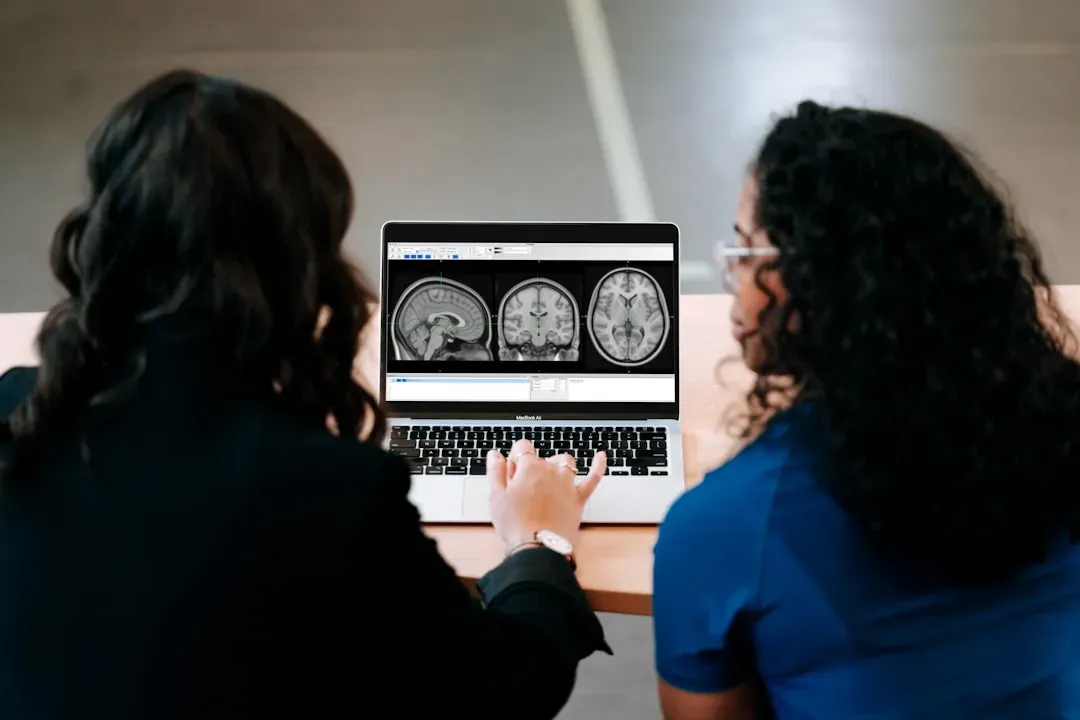
Once scientists realized some patients could reliably imagine specific things on cue, the next leap was almost inevitable: what if you could use those mental tasks to ask questions? In clever experiments, researchers assigned one mental image to mean “yes” and another to mean “no.” For example, imagining playing tennis might stand for yes, while imagining walking through the house might stand for no. By switching between these tasks when prompted, some patients were able to answer basic questions using nothing but blood flow changes in their brain.
The idea that someone lying motionless in a hospital bed could “speak” through patterns of neural activity sounds like something out of science fiction, but it actually happened in carefully controlled studies. The questions started simple – about their own name, the month, or details of their life – and in some cases the answers consistently matched reality. It is still a very slow and limited form of communication, and it requires expensive equipment, but the moral impact is huge. If even one patient written off as unaware is actually able to understand the world and respond in this way, that changes how seriously we have to take the possibility of hidden awareness in many others.
Beyond Coma Labels: Why Old Diagnostic Categories Started to Crack
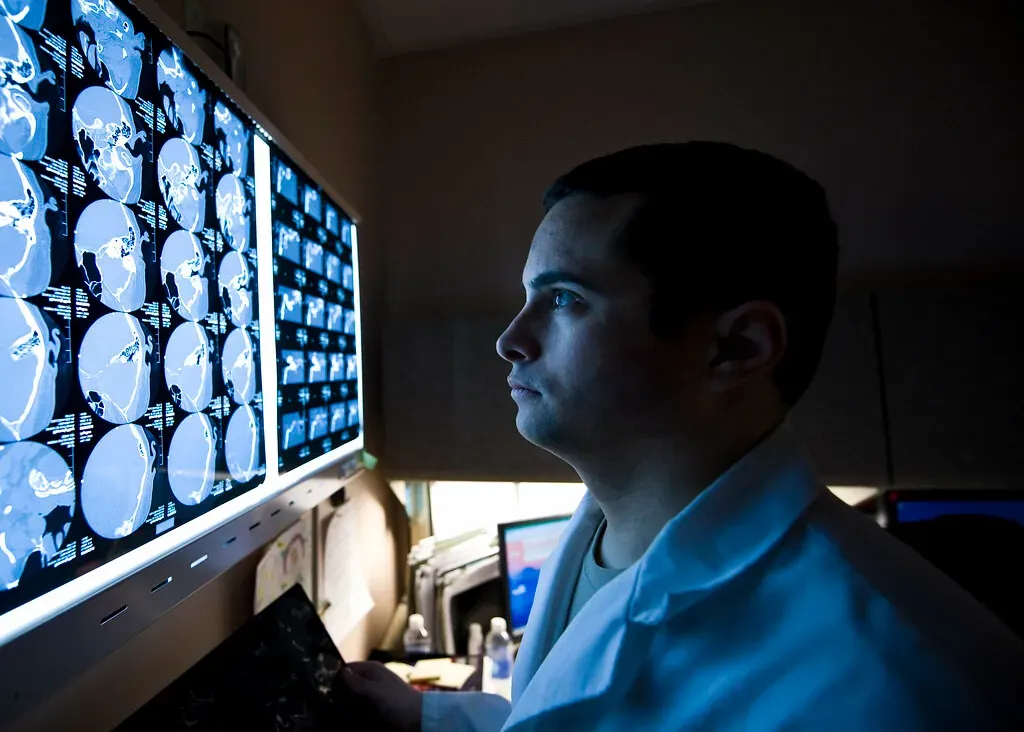
Traditionally, doctors lumped patients into broad categories like coma, vegetative state, and minimally conscious state, based mainly on what they could observe at the bedside. If a patient opened their eyes but never followed commands, they were more likely labeled vegetative. If they inconsistently followed commands or showed glimpses of purposeful behavior, they might be classified as minimally conscious. It sounded neat on paper, but it turned out to be far messier in real life. Different examiners could easily disagree, and people’s behavior can fluctuate dramatically from hour to hour.
The new brain-based evidence has exposed just how shaky those old labels can be. Some patients considered vegetative by behavioral tests show strikingly organized brain responses to language, sounds, or mental imagery. Others with more promising behavior show weaker neural signatures of awareness. Misdiagnosis rates in these disorders have been reported to be alarmingly high, which means quite a few people may have been treated or judged based on the wrong assumption about their consciousness. To me, that is one of the most unsettling parts of this whole story: we now know that our eyes alone are simply not good enough to decide who is “in there” and who is not.
Hidden Islands of Awareness: What Covert Consciousness Might Feel Like
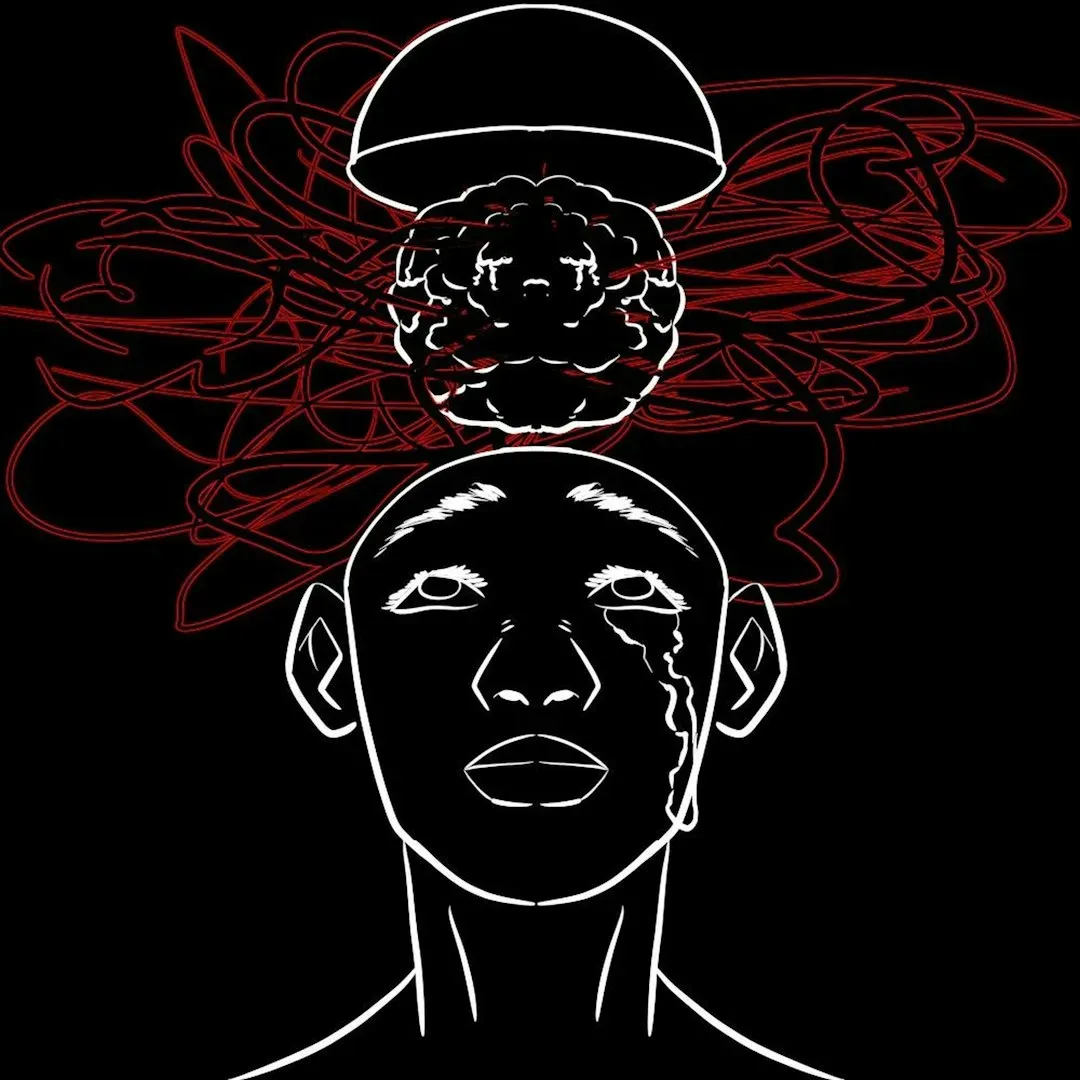
One of the hardest questions, of course, is what it actually feels like to be covertly conscious in a body that cannot respond. We do not have direct access to that inner world, so scientists have to infer from patterns of response, previous reports from rare patients who recovered, and our best theories of consciousness. Some people who later woke up enough to communicate have described periods during which they were aware of voices or pain but unable to move or signal. That is a haunting possibility: being able to hear decisions about your life without any way to join the conversation.
At the same time, it is important not to project our own healthy, fully alert experience onto these states. Awareness may be patchy, fluctuating, or dreamlike, more like drifting in and out of a hazy narrative than sitting in a bright room watching everything clearly. The brain in severe injury is not an on/off switch; it is more like a damaged city grid with some neighborhoods dark, some flickering, and some still glowing. Personally, I think one of the biggest shifts this field has brought is a kind of intellectual humility: an acceptance that we really do not know exactly what another person is feeling on the inside, and that our best guess should come with a lot more caution and compassion.
Networks, Not Just Regions: How These Clues Reshaped Theories of Consciousness
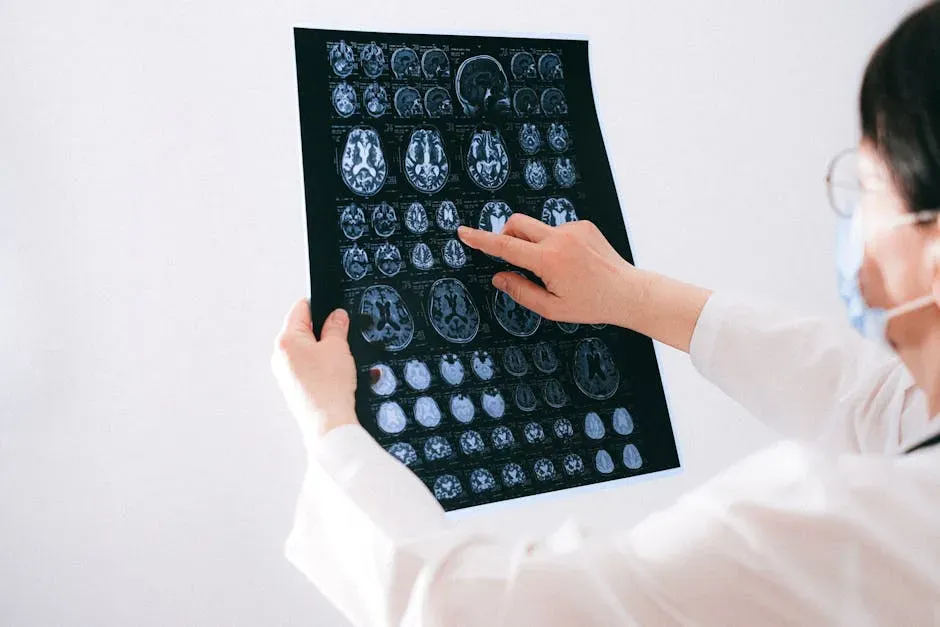
These surprising signals from coma and related states have also reshaped big-picture theories about how consciousness arises in the first place. Older views tended to focus on specific brain regions as if they were switches: this area turns awareness on, that area turns it off. What the new data show is more nuanced. Some patients with severe damage in one area can still show signatures of awareness, while others with more subtle-looking injuries cannot. Consciousness seems to depend less on a single spot and more on the integrity of large-scale networks that let information flow and integrate across the brain.
Researchers are especially interested in how fronto-parietal networks, deeper thalamic hubs, and connectivity between different regions behave in these patients. Measures of how coordinated and complex the brain’s activity is over time appear to track with levels of awareness better than any one structure. In a way, coma research has turned into a stress test for consciousness theories: if your model cannot explain why some “silent” brains respond in organized ways while others do not, it probably needs updating. That may sound abstract, but it matters. Better theories can eventually guide better tools to detect awareness and, potentially, better ways to restore it.
Ethical Earthquakes: Pain, Treatment, and the Right to Be Taken Seriously
Once you accept that a portion of unresponsive patients may be aware, you cannot avoid the ethical shockwave that follows. If someone is covertly conscious, then questions about pain management, sensory stimulation, and basic dignity become urgent. Are they in pain but unable to express it? Do they hear the television blaring endlessly in their room? Do they understand when doctors talk about “prognosis” and “withdrawal of care” right next to their bed? It is no longer safe to assume that silence equals ignorance. That realization has pushed some hospitals and clinicians to change how they speak, touch, and care for these patients.
There is also the thorny issue of life-sustaining treatment. Some families might choose differently if they knew their loved one was aware but fully locked in, while others might find any sign of inner life a powerful reason to continue care. There is no easy universal answer, and I do not think there ever will be. What seems clear to me, though, is that we owe patients the best possible assessment of their inner state before making life-altering decisions. The hidden clues in their brains are not just scientific curiosities; they are moral signals telling us to slow down, listen harder, and resist the urge to reduce a human being to a label on a chart.
The Future: From Rare Discoveries to Routine Bedside Tools
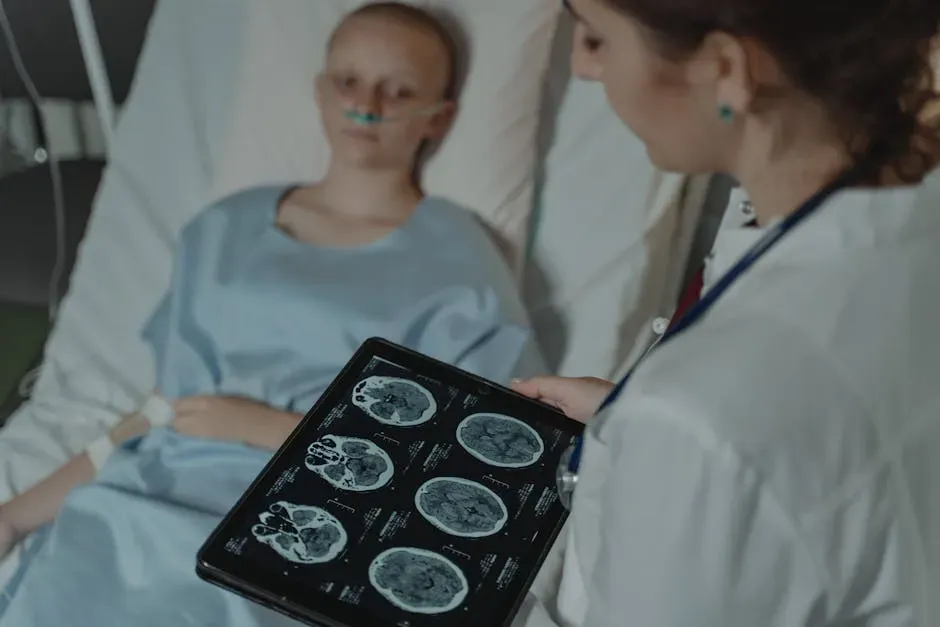
Right now, the most impressive demonstrations of covert awareness rely on high-tech equipment like fMRI scanners or advanced EEG setups, which are not available in every hospital and can be difficult to use in critically ill patients. That has started to change as researchers develop more portable, cheaper, and user-friendly tools to probe the brain. There are studies exploring simpler EEG-based communication, machine learning approaches to detect signs of command-following, and refined behavioral tests designed to catch subtle responses that older scales missed. The goal is to move from rare, headline-grabbing case reports to routine screening that any patient with a disorder of consciousness can receive.
Still, I think we should be realistic and a bit cautious. These technologies are promising but not perfect. False negatives are a real risk: a patient might be aware but too exhausted, medicated, or anxious to perform in a given test. False positives are possible too if we over-interpret noisy data. The future probably lies in combining multiple approaches – behavioral exams, imaging, electrophysiology, and careful clinical judgment – rather than betting on a single magic test. Even so, the direction of travel is exciting. The more we learn to decode these quiet brains, the more we are forced to confront a simple, uncomfortable truth: awareness is more resilient and more hidden than we once thought.
Conclusion: Rethinking What It Means to Be “Still There”
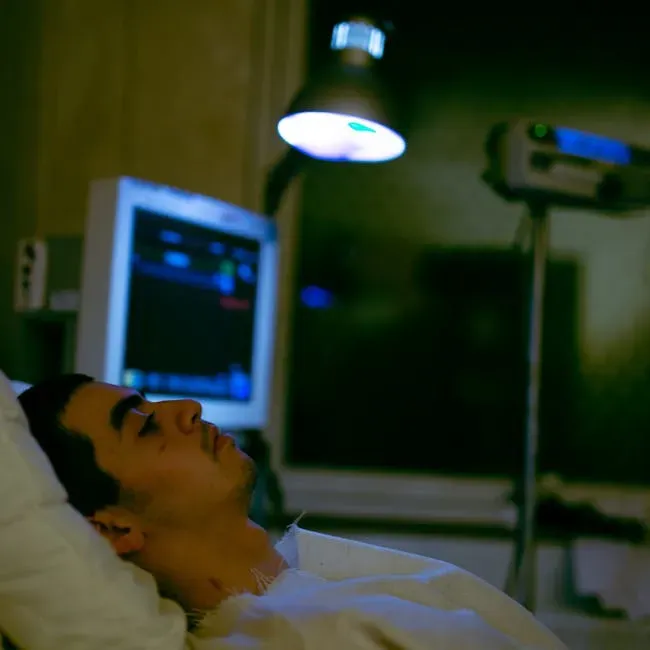
When I look at this body of research, I do not see a neat, uplifting story where science suddenly solves consciousness. Instead, I see something more unsettling and, in a strange way, more hopeful. The unsettling part is obvious: we now know that some people we once wrote off as empty may have been silently aware, sometimes for months or years. That is a hard thing to sit with. But the hopeful part is that these discoveries have yanked us away from lazy assumptions. They have reminded us that a human mind can persist in forms that are fragile, partial, and easily missed, yet still deeply meaningful.
My own opinion is that this should permanently change how we talk about anyone with a severe brain injury. Terms like “no one home” or “a shell” were always cruel; now they are scientifically suspect too. Instead of treating lack of movement as the final word, we should treat it as the beginning of deeper questions. Is there any sign of understanding? Any flicker of intentional activity? Any hint that the person is still, in some way, present? The surprising clues hidden in coma patients have not given us all the answers, but they have raised the bar for how carefully and respectfully we have to look. In a world where a silent brain might still be listening, the real test is not just what their neurons can do, but what we choose to do in response.