
You probably think archaeology is all about carefully brushed bones, neat timelines, and quiet consensus. The reality is much messier. Some discoveries refuse to sit politely in textbooks and instead spark arguments, reputational feuds, and late‑night conference debates that never quite end. In this article, you’re going to walk through ten finds that still tug scientists in different directions, even decades after they were first unearthed or announced. In each case, you’ll see a tug‑of‑war between evidence and interpretation, between what you can measure in a lab and what you can never fully prove about people who lived thousands of years ago. And as you read, you may notice something uncomfortable: even experts can look at the same object and walk away with completely different stories.
The Antikythera Mechanism: Ancient Computer or Overhyped Gadget?
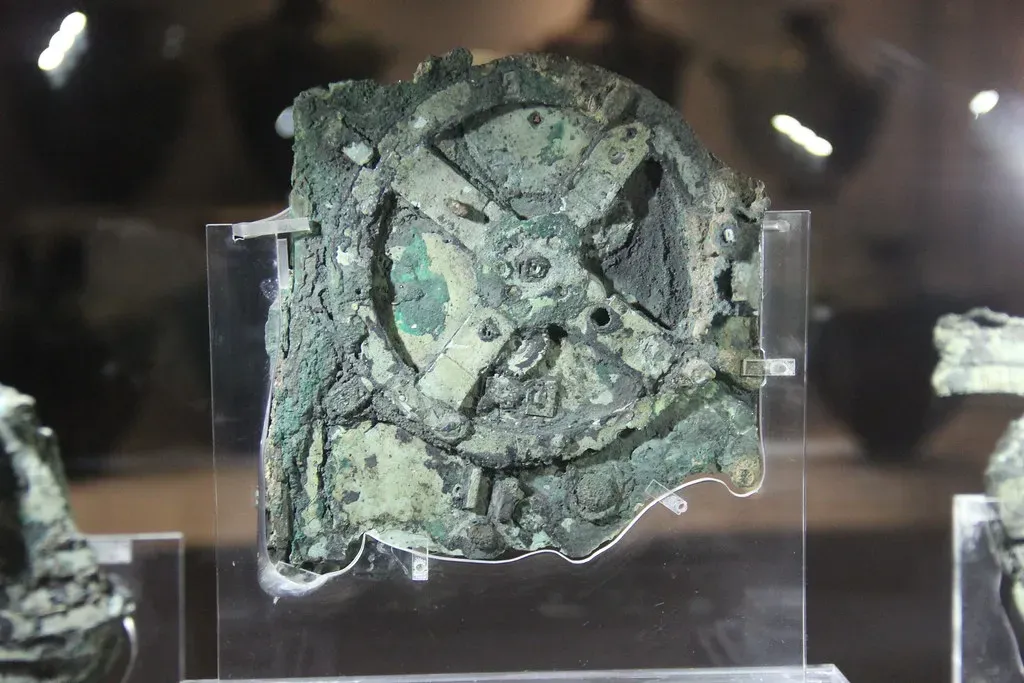
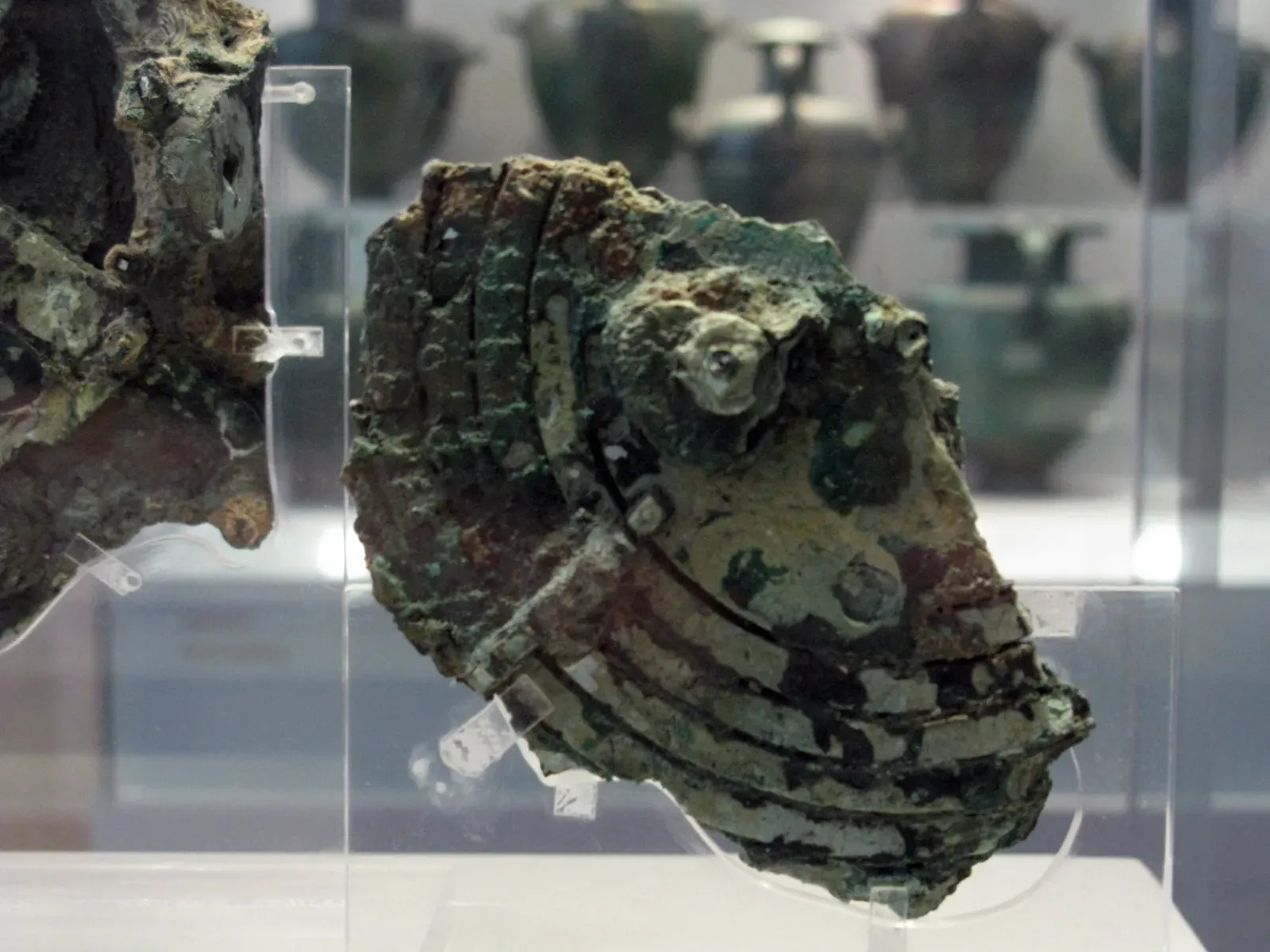
Imagine hauling up a crusty lump of bronze from a Roman‑era shipwreck and discovering it’s full of precision gears. When you look at the Antikythera Mechanism, that’s what you’re dealing with: a corroded, fragmented device from around the second or first century BCE that behaves like a mechanical brain for the sky. X‑rays and modern reconstructions show you a machine that tracked the movements of the sun, moon, and probably the planets, predicted eclipses, and used complex ancient mathematics you’d usually associate with much later eras. Where you run into controversy is what this thing really represents. Some researchers argue you’re looking at the tip of a technological iceberg, evidence that Greek artisans had a whole tradition of precision engineering that largely vanished from the record. Others urge you to slow down: with just one confirmed example, you might simply be seeing an extraordinary one‑off, not a lost age of clockwork geniuses. Even today, scholars argue over missing gears, dial layouts, and how many functions it truly had, so every new reconstruction feels less like a final answer and more like yet another high‑stakes guess.
The Baghdad “Battery”: Lost Electricity or Ritual Jar?
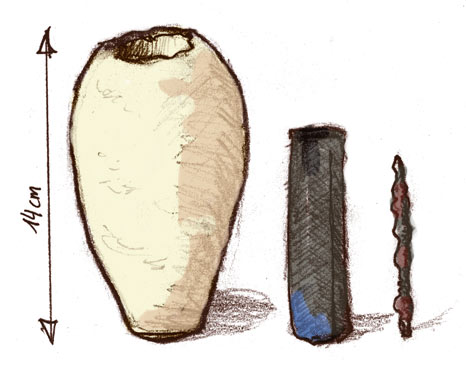
If you ever wanted a story that sounds almost too good, the so‑called Baghdad Battery delivers. You have a small ceramic jar from around the Parthian or Sasanian period, fitted with a copper cylinder and an iron rod. When you see that trio – and hear that weak voltage can be produced with an acidic liquid – it’s tempting to picture ancient technicians plating metals or powering secret gadgets long before modern science was born. But when you zoom in on the archaeological details, the battery fantasy starts to wobble. You don’t find wires, switches, or any clear way to actually hook these jars into a working electrical circuit, and many specialists point out that similar vessels can be interpreted as ritual containers or storage, not experimental tech. You’re left in an awkward middle ground: the components could behave like a primitive cell, yet there’s no solid evidence that anyone actually used them that way. So you get two camps: one that sees a lost science of electricity, and another that sees a modern obsession projected onto a jar that never asked for this much attention.
The Dendera “Light Bulb”: Technology or Symbolic Art?
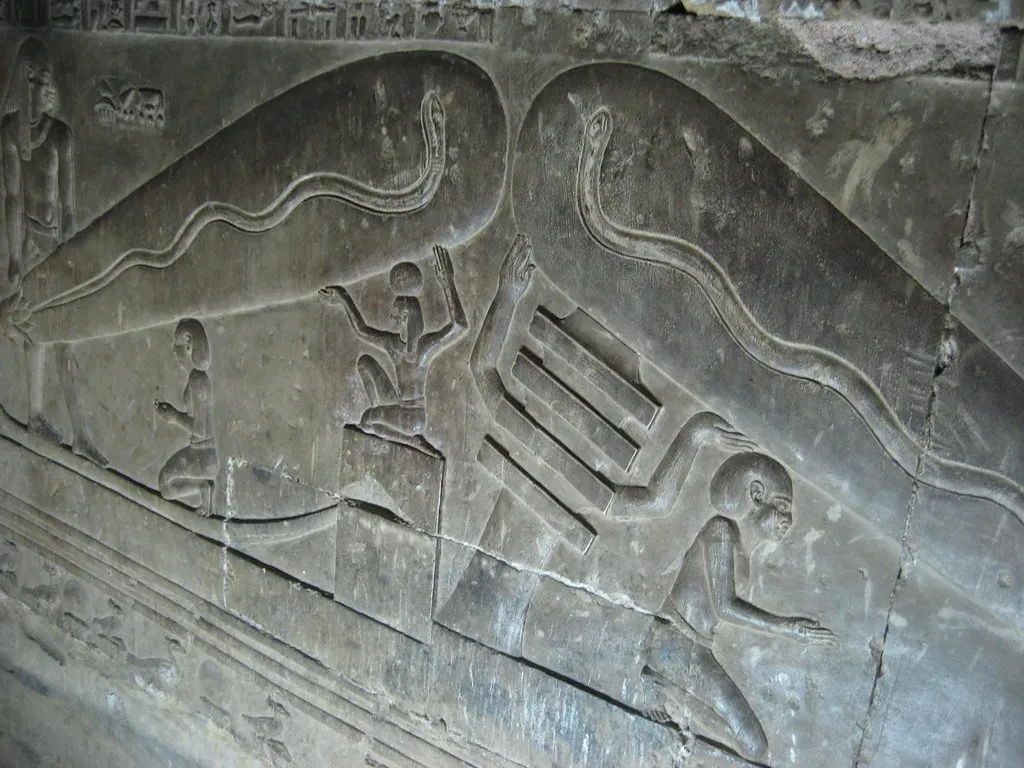
If you scroll through fringe history sites, you’ll stumble across images from the Temple of Hathor at Dendera in Egypt and be told you’re looking at giant ancient light bulbs. The reliefs do have a long, bulb‑shaped outline with what looks like a cable and a central “filament” shaped like a snake. It’s easy, on a quick glance, to see why someone might think you’re staring at a piece of high‑tech hardware on a stone wall that should predate such inventions by millennia. Once you step into mainstream Egyptology, the mood changes completely. Scholars interpret those scenes as religious symbolism: a lotus flower, a serpent representing creative force, a pillar embodying stability, deities and cosmic birth rather than anything you would plug into a wall. When you adopt this view, the “light bulb” becomes an optical illusion fueled by modern expectations and pop‑culture comparisons rather than genuine ancient engineering. If you’re honest with yourself, you have to admit that the only known evidence for Egyptian electric lighting is this single, heavily symbolic carving – and that’s a flimsy foundation for rewriting all of Egyptian history.
The Yonaguni Monument: Sunken City or Geology Playing Tricks?

Picture yourself diving off the coast of Yonaguni Island in Japan and suddenly seeing a stepped, terrace‑like structure rising from the seabed. The blocks look shockingly straight, with platforms, ledges, and sharp right angles that resemble a half‑buried pyramid complex. Ever since a local diver came across it in the 1980s, people have been arguing over whether you’re looking at the remains of a forgotten civilization or just sandstone doing what sandstone does under stress. Geologists who have mapped the site point you toward natural processes: layered rock, jointing, and erosion can carve neat steps and flat planes, and similar formations can be seen above the waterline in the same region. On the other side, a smaller group of researchers insists that certain features – what they interpret as possible staircases, apparent “roads,” or drilled holes – look too deliberate to be purely accidental. When you stack all that up, you end up in a stalemate: the conservative view says it’s natural until you have artifacts, tools, or clear cultural remains; the more adventurous view says you might be staring at the drowned footprint of a coastal society that left almost everything else to the sea.
The Nazca Lines: Giant Art, Ritual Landscape, or Something Else?
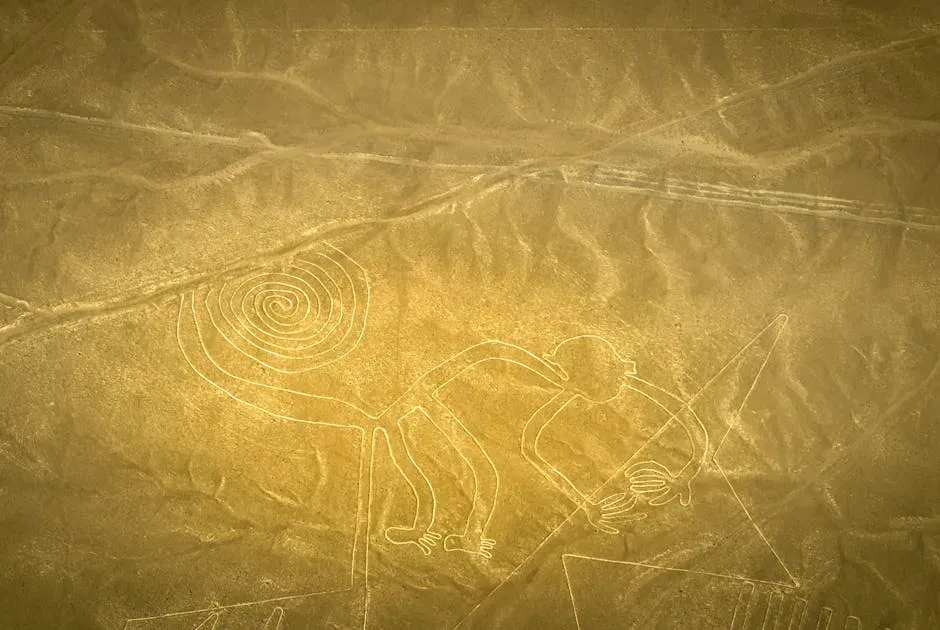
From the ground, the Nazca Desert in southern Peru looks barren and empty. From the air, you suddenly see enormous lines, trapezoids, and animal figures scratched into the surface, stretching across the landscape for kilometers. You’re dealing with geoglyphs created roughly between the first millennium BCE and the first millennium CE, and they are so large you really only appreciate their design from high above, which makes the mystery feel instantly cinematic. Researchers mostly agree that the Nazca people created these lines by removing darker stones to reveal lighter soil below, but they still wrestle with why. Some evidence points you toward ritual processions and water worship, with lines guiding people through sacred routes in a desert where rainfall is precious. Others see alignments that might link certain figures to astronomical events, though many studies suggest you should be cautious about forcing patterns where randomness is enough. When you try to pin down a single explanation, you end up with a headache: the lines likely meant different things to different groups over time, so every tidy theory feels a bit too comfortable compared to the messy reality of human ritual and art.
The Phaistos Disc: Early Writing or Elaborate Fake?
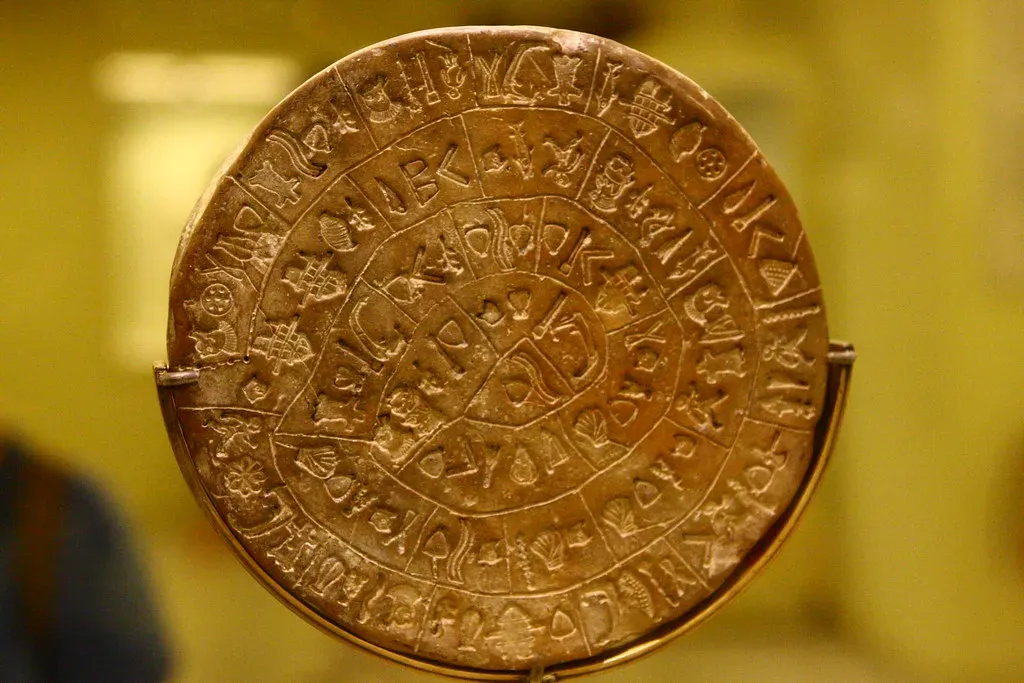
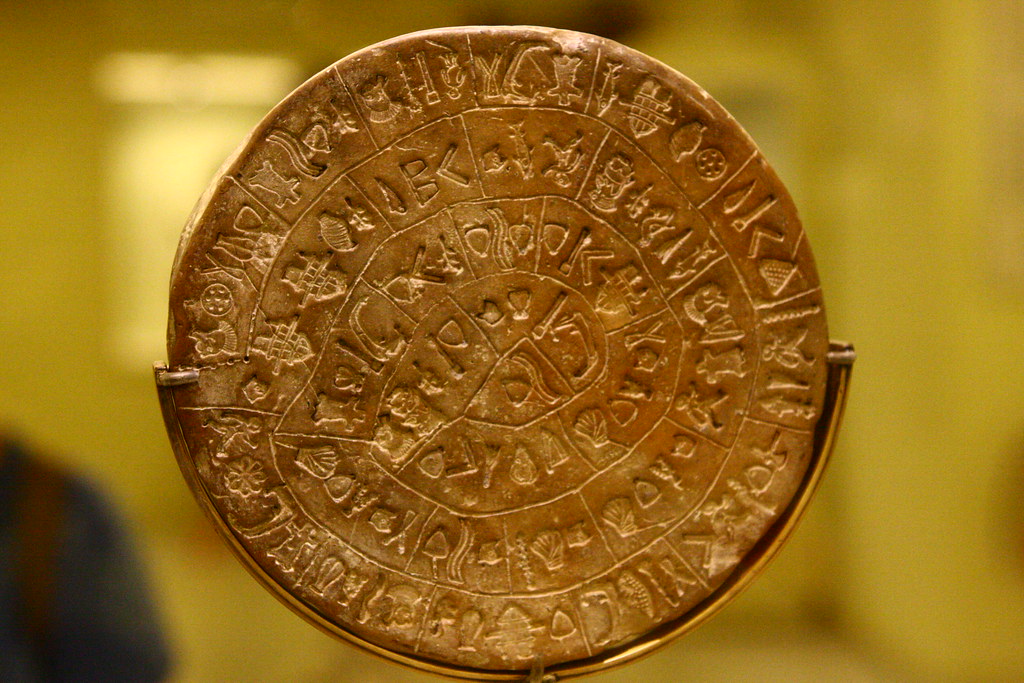
Now picture holding a clay disc from Bronze Age Crete, stamped on both sides with a spiral of tiny, repeated symbols: human figures, tools, plants, and abstract shapes. That’s the Phaistos Disc, discovered in the early twentieth century and still refusing to tell you exactly what it is. No one has found another artifact with the same sign system, and attempts to “decipher” it swirl around without reaching anything close to universal agreement. Because the disc is unique, you’re stuck with a serious problem of context. Some scholars treat it as a legitimate, if isolated, example of an early printing‑like technique, possibly a ritual text or hymn pressed with reusable stamps. Others quietly entertain a darker possibility: that the piece could be a modern forgery slipped into the archaeological record at a time when verification standards were looser and exciting finds were rewarded. Without more examples or incontrovertible dating evidence that satisfies everyone, you’re left hovering between two uncomfortable options: either it’s an authentic but almost undecipherable text, or it’s one of archaeology’s most elegant hoaxes.
The Shroud of Turin: Medieval Relic or Genuine Burial Cloth?
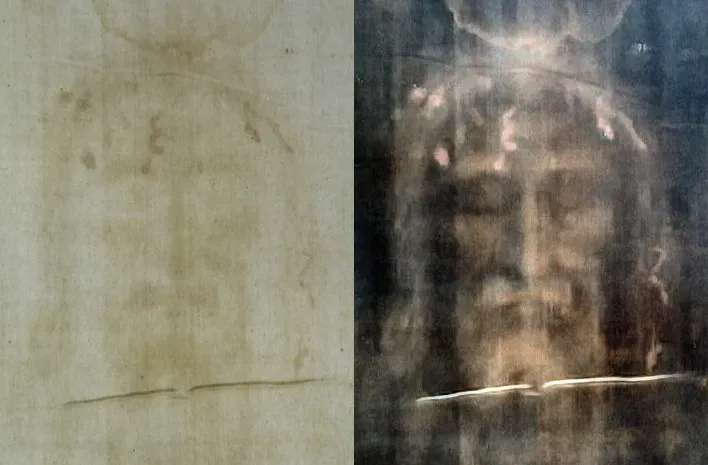
Few artifacts get as tangled in emotion, faith, and science as the Shroud of Turin. When you look at it, you see the faint image of a man bearing wounds consistent with crucifixion, imprinted on a linen cloth. For many Christians, it’s a powerful candidate for the burial shroud of Jesus; for many scientists, it’s a fascinating but stubbornly unclear object whose origin refuses to be pinned down neatly. Radiocarbon dating carried out in the late twentieth century placed the cloth in the medieval period, which would point to a later creation, perhaps a devotional image or relic. Critics of that dating argue that the tested samples might have been contaminated or taken from repaired sections, and they point to pollen studies, textile analysis, and chemical tests that they believe support an older origin. You, as an observer, are forced to recognize that even when you throw sophisticated lab techniques at a single object, the way you interpret the data is strongly shaped by what you expect – or hope – to find. In practice, the Shroud sits in a strange limbo where science keeps nudging you toward a medieval date, while belief and lingering anomalies keep the debate crackling.
The James Ossuary: Authentic Inscription or Modern Carving?
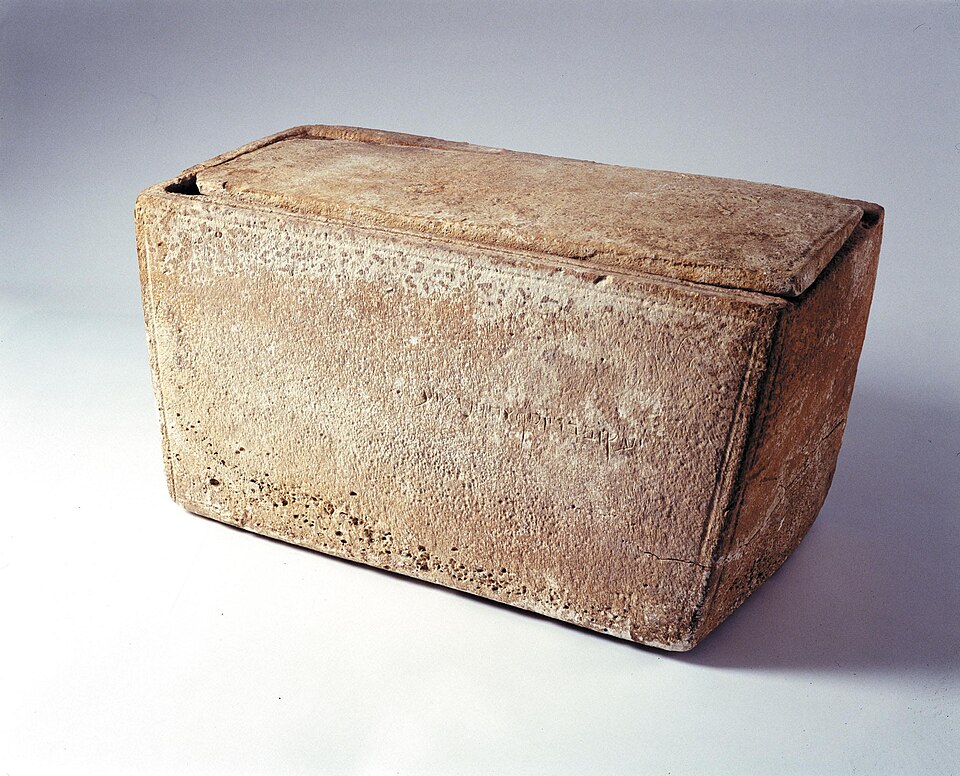
Now shift to a small limestone bone box, an ossuary from around the first century CE, bearing an Aramaic inscription that translates to something along the lines of “James, son of Joseph, brother of Jesus.” If that full inscription is ancient and genuine, you are suddenly staring at one of the most explosive artifacts ever found for early Christianity. That’s exactly why this box has provoked so many legal battles, lab tests, and bitter professional feuds. Experts generally agree that the ossuary itself is old, fitting the right time and style for the region. The fight centers on the inscription: some epigraphers argue that the handwriting and patina look consistent with ancient carving and weathering, while others insist that part of the text, especially the phrase about the brother, shows signs of modern tampering or added letters. Court cases have wrestled with alleged forgery, yet legal decisions about guilt or innocence don’t automatically settle scholarly questions about authenticity. When you follow the debate, you quickly see how fragile the line can be between a world‑changing artifact and a clever enhancement meant to boost a relic’s value.
The Venus of Willendorf: Fertility Idol, Self‑Portrait, or Something Else Entirely?
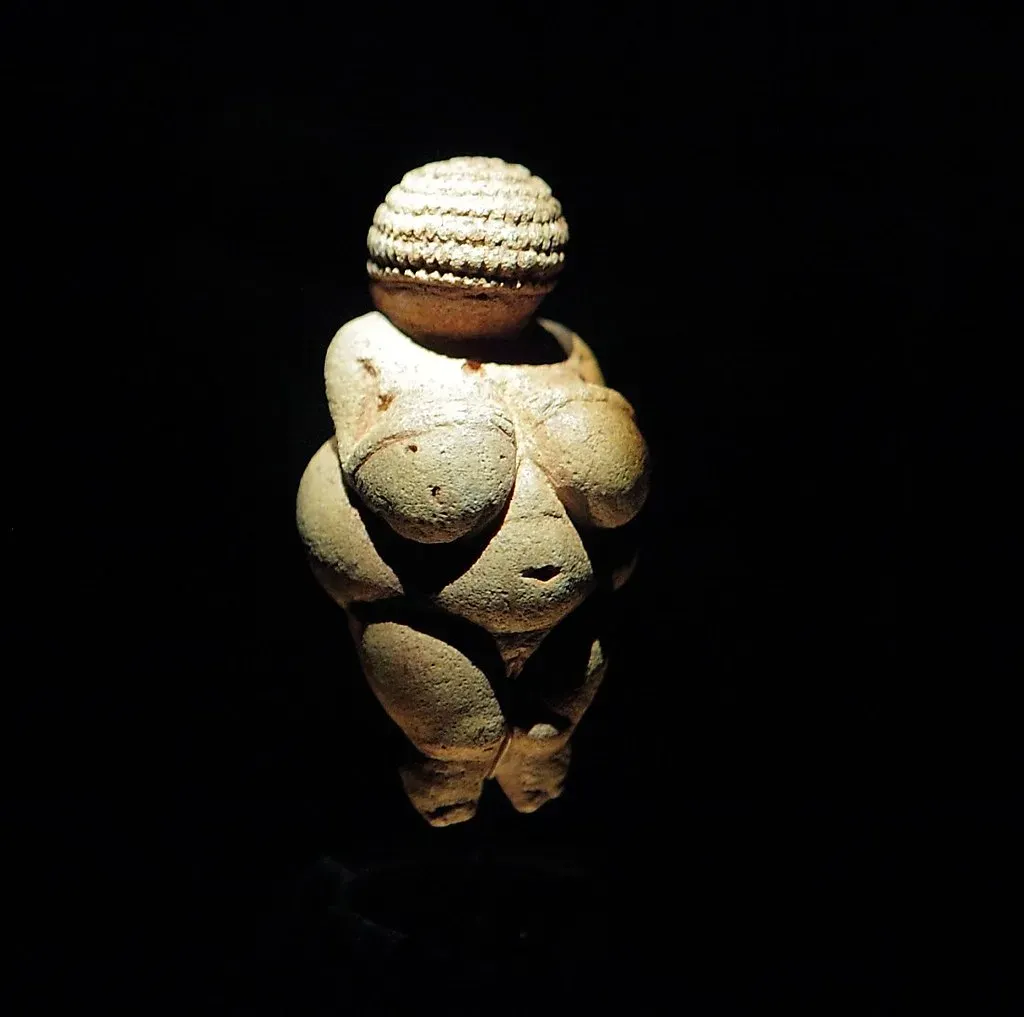
If you hold a replica of the Venus of Willendorf in your hand, you feel the weight of a small, rounded limestone figure carved more than twenty thousand years ago. You notice exaggerated breasts, hips, and belly, a faceless head covered in patterned rows, and a body with no feet. For a long time, you’ve been told it’s a fertility idol, a mother goddess, or a generalized symbol of abundance – an easy label that seems to fit the emphasis on reproductive features. But once you start asking sharper questions, you realize how speculative your story really is. Some researchers have suggested you might be looking at a kind of self‑portrait, carved by a woman viewing her own body from above, which would naturally distort proportions. Others question whether you should project modern ideas about beauty, gender, and body image onto Ice Age artists at all. With no written record and very limited contextual clues, you’re left juggling plausible scenarios that all rest on slender evidence. The figure itself is solid; almost everything you say about its meaning is a reflection of your own cultural lens.
Piltdown Man: Debunked Hoax, Lingering Lessons
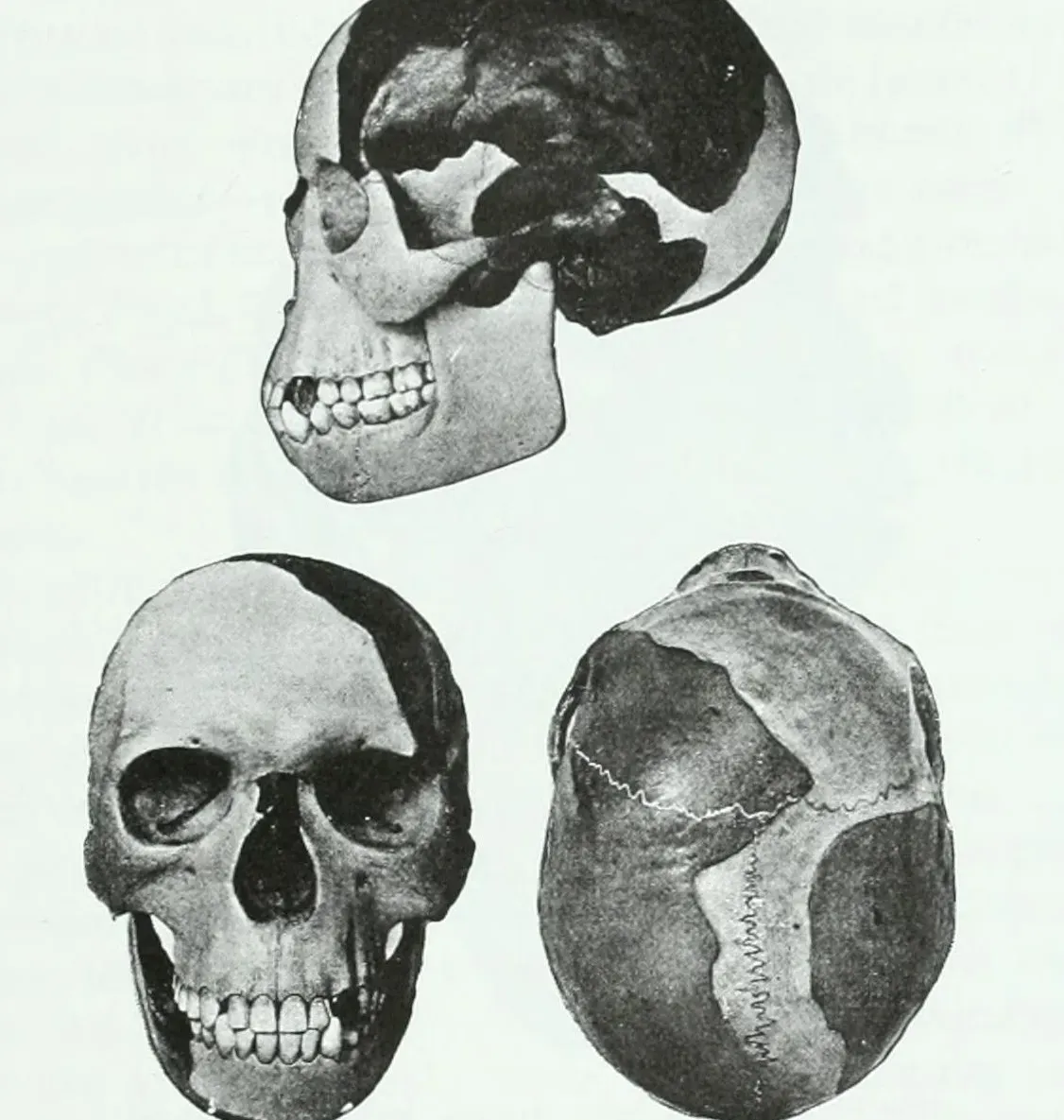
On paper, Piltdown Man shouldn’t be on a list of unresolved finds, because you now know it was a forgery. In early twentieth‑century England, fragments of a humanlike skull and an ape‑like jaw were presented as a missing link between apes and humans, seemingly confirming a cherished idea that human evolution had played out in Europe with a big brain developing early. Decades later, chemical tests and close anatomical comparisons revealed that the “fossil” was cobbled together from medieval human remains and an orangutan jaw, deliberately altered to look ancient. So why does Piltdown still divide opinion? Not about what it is – that part is settled – but about how you should read it as a cautionary tale. Some see it as a classic case of confirmation bias, where nationalist pride and expectations blinded prestigious scientists to glaring red flags. Others emphasize that the broader scientific community eventually caught the fraud through improved methods, arguing that this is how science corrects itself over time. When you look back from today, you’re forced to confront uncomfortable questions: how many of your current interpretations rest on assumptions that future researchers will treat the way you now treat Piltdown?
Conclusion: When the Past Refuses to Sit Still
As you step back from these ten cases, you can feel a pattern emerging: archaeology is rarely just about objects in the ground; it’s about the stories you build around them. A gear‑filled bronze box, an underwater staircase, a scratched desert plain, or a tiny figurine can each support multiple, fiercely defended interpretations. The physical evidence might be fixed, but your readings of it are not – and that’s exactly why arguments can rumble on for decades without fully dying. If there’s a useful lesson for you here, it’s that doubt isn’t a flaw in science; it’s the motor that keeps it moving. When you see experts disagreeing about an artifact, you’re not watching failure; you’re watching the boundaries of knowledge being pushed and tested in real time. The next time you hear a confident claim about some sensational discovery, you might pause and ask yourself: which of these will still look solid in fifty years – and which will quietly join this list of beautiful, maddening mysteries?