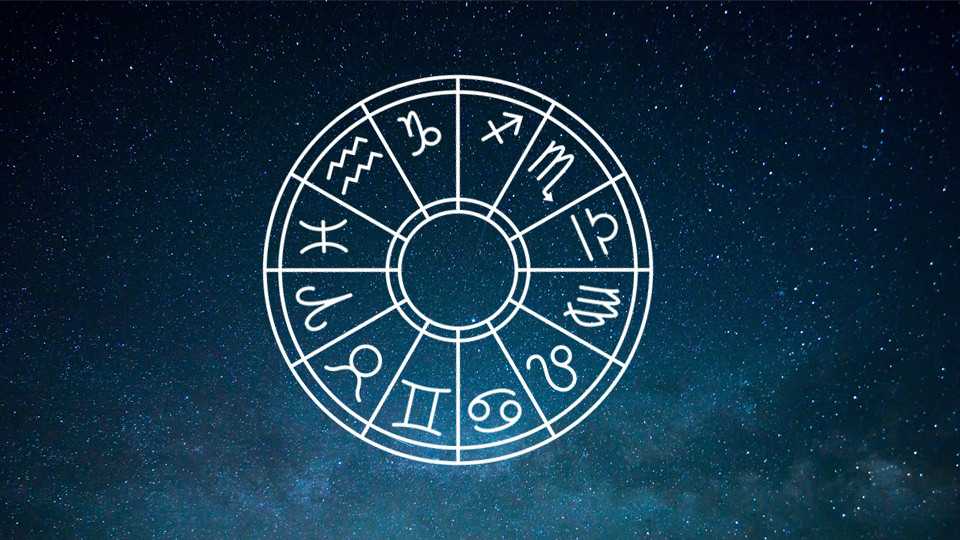

Astrology is one of those things people love to roll their eyes at in public and secretly check on their phones at 2 a.m. Whether you take it seriously or just know your sign for fun, the simple act of saying you are an Aries or a Pisces is rarely neutral. It ties you into a story about personality, fate, love, luck, and even where you come from. In a world where many of us feel uprooted or overwhelmed by choice, your zodiac sign can work like a tiny passport, hinting at the cultures, communities, and narratives you move through.
What is especially fascinating is that the modern zodiac, which looks so universal on social media, is actually a patchwork of influences: ancient Mesopotamia, Hellenistic Greece, Indian and Chinese astrology, New Age spirituality, pop psychology, memes, and more. So when you casually say “classic Scorpio” or “Gemini energy,” you are not only describing a personality trait – you are signaling how you relate to tradition, science, spirituality, and even globalized internet culture. Let’s walk sign by sign and unpack what your zodiac identity might reveal about your deeper cultural identity.
Aries: The Self-Starter in a Culture Obsessed with Hustle
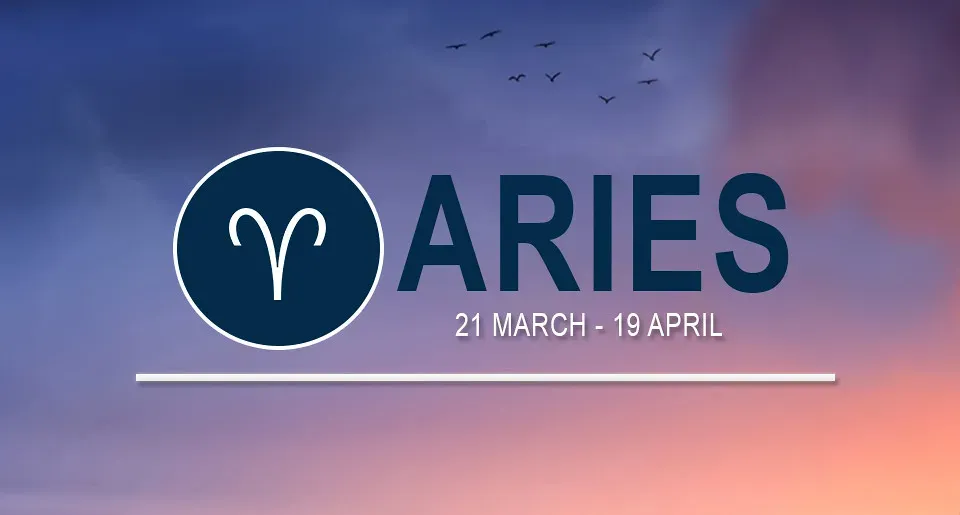
If you love leaning into your Aries identity – bold, impulsive, the leader of the pack – you are probably very at home in cultures that celebrate hustle, entrepreneurship, and going first. Aries energy fits like a glove in societies that glorify the grind, the startup founder, the risk-taker who moves fast and breaks things. Choosing to highlight your Aries-ness can be a way of saying you value initiative over caution and action over endless overthinking.
On a cultural level, this reveals comfort with individualism and a belief that personality can and should be expressed loudly. You might gravitate toward narratives where courage, independence, and ambition are moral virtues, not just traits. In that sense, an Aries identity lines up neatly with contemporary Western ideals of self-making: the idea that you are what you build, what you launch, and what you dare to try, even if you fail spectacularly along the way.
Taurus: The Sensual Traditionalist in a World That Moves Too Fast
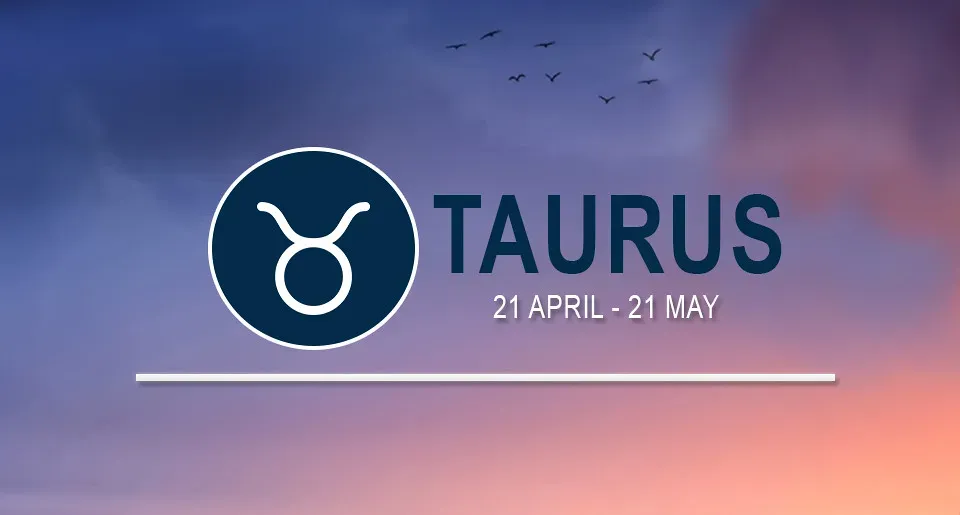
People who resonate deeply with being a Taurus often frame themselves as grounded, loyal, and stubbornly attached to comfort, beauty, and routine. That is not just about liking soft blankets and good food; it often reflects a deeper cultural resistance to constant change. In hyper-digital, always-on societies, Taurus identity can feel like a quiet protest: a declaration that slowness, stability, and tactile pleasure still matter.
Identifying strongly as a Taurus can hint that you feel kinship with traditions, family rituals, and long-standing cultural patterns. You might cherish holidays, heirlooms, or hometown foods in a way that keeps you anchored. In a broader sense, the Taurus archetype reflects a cultural identity that values continuity over disruption and embodiment over abstraction. It says: in a world living through screens, I still care about what I can touch, taste, and hold on to.
Gemini: The Social Chameleon of the Information Age
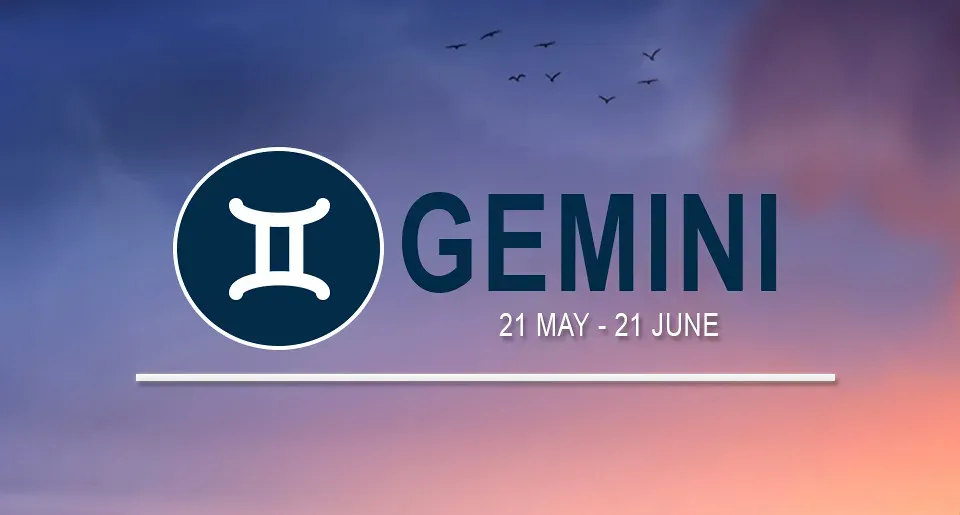
Gemini is the sign most perfectly matched to the internet era: fast, curious, multitasking, and sometimes gloriously scattered. If you lean into being a Gemini, you are basically embracing a cultural identity built on constant communication, multiple tabs open, and juggling different versions of yourself depending on who you are talking to. That flexibility can be a survival skill in multicultural, globalized environments where code-switching is normal.
On a cultural level, Gemini identity often aligns with valuing dialogue over dogma and questions over fixed answers. You might feel most at home in cities, online communities, or careers where information moves quickly and identities are fluid. Embracing Gemini can also be a subtle way of rejecting rigid labels – national, ethnic, or ideological – and instead owning your role as a bridge-builder, a translator between worlds, or the friend who is equally at ease in wildly different social circles.
Cancer: The Protector of Roots, Family, and Emotional History
If calling yourself a Cancer feels deeply accurate, you probably see yourself as a caretaker of memory – whether that means family, close friends, or chosen kin. Cancer identity often mirrors cultures where belonging, ancestry, and emotional loyalty are prized over individual achievement. It can resonate strongly with people from diasporas or communities that have endured displacement, where nurturing and preserving home becomes a powerful act.
By leaning into your Cancer side, you may be signaling that emotional safety and shared history matter more to you than status or spectacle. It can reflect a cultural orientation that values elders’ stories, inherited recipes, or language passed down at the dinner table. On a broader scale, the Cancer archetype aligns with a world where so many people are on the move, yet crave a sense of rootedness. To say you are a Cancer is to admit that beneath the modern chaos, your heart still orbits around home.
Leo: The Performer in a Culture of Personal Branding
Leo is the sign of the spotlight, and in an age of social media, that spotlight has never been more accessible. If you embrace your Leo identity, proud, expressive, and dramatic, you are also aligning yourself with a culture that rewards visibility. Followers, likes, and views become modern equivalents of royal court applause, and Leo energy fits perfectly into this attention economy.
This does not automatically mean superficiality. Culturally, Leo identity can reflect a belief that joy, creativity, and self-expression are not luxuries but essential human rights. It can be especially resonant in communities that have historically been told to stay invisible or small. For many queer, artistic, or marginalized people, claiming Leo-ness can be a way of saying: I refuse to hide. In that sense, Leo is less about ego and more about reclaiming the right to be seen, admired, and celebrated for exactly who you are.
Virgo: The Pragmatist in a Data-Driven Society
People who strongly identify as Virgos often describe themselves as detail-oriented, analytical, and quietly perfectionistic. That maps neatly onto a society increasingly obsessed with metrics, optimization, and self-improvement. If you wear your Virgo label proudly, you may find comfort in systems and evidence, preferring practical solutions over vague inspiration.
Culturally, Virgo identity aligns with modern respect for expertise and the belief that problems can be solved through careful work and incremental progress. It often appeals to those who feel pulled between spirituality and science, using astrology not as blind faith but as a symbolic language to understand patterns. In a world where misinformation spreads quickly, the Virgo archetype can reflect a cultural identity that values discernment, skepticism, and the quiet power of getting the details right, even when no one is watching.
Libra: The Diplomat of an Increasingly Polarized World
Libra is known for balance, fairness, and obsession with relationships, which might sound soft until you consider how divided the world currently feels. If you strongly resonate with Libra, you may see yourself as a mediator in a culture that defaults to outrage and extremes. You are the friend who tries to understand all sides, the coworker who smooths conflict, the person who cannot stand ugliness – whether in aesthetics or in how people treat each other.
On a cultural level, Libra identity often reflects a deep investment in social harmony, justice, and shared norms. You might feel connected to movements that seek common ground or push for more inclusive spaces, even if you hate conflict. In a sense, claiming Libra is a way of saying you still believe in dialogue, compromise, and beauty as a form of human dignity, even while the world keeps shouting in capital letters.
Scorpio: The Truth-Seeker in a Culture of Secrets and Surveillance
Scorpio has a reputation for intensity, mystery, and emotional depth, which fits eerily well with an age defined by hidden algorithms, data mining, and unspoken trauma. If you lean hard into your Scorpio identity, you may be signaling that you are not satisfied with surface-level explanations. You want to know what is really going on – in yourself, in your relationships, in your society.
Culturally, Scorpio identity resonates with people who have lived through upheaval or who come from communities where survival required reading between the lines. You might be drawn to taboo topics, underground scenes, or activism that exposes corruption and challenges power structures. In that sense, Scorpio is less about being “dark” for the aesthetic and more about insisting that healing and honesty require facing what everyone else tries to bury. Claiming Scorpio can be a cultural stance: a refusal to pretend everything is fine when it clearly is not.
Sagittarius: The Explorer Shaped by Globalization
If you are a Sagittarius who proudly plays into the stereotype of the restless traveler and philosopher, your identity lines up strongly with an age of cheap flights, remote work, and global subcultures. This sign fits naturally with a culture where you can be born in one country, live in another, and build your closest friendships in online spaces spanning three time zones. To call yourself a classic Sag is often to say that you value experience over possessions and horizons over walls.
On a deeper cultural level, Sagittarius identity tends to resonate with people who question inherited beliefs and are curious about other ways of living. You might be drawn to foreign languages, spiritual traditions outside your upbringing, or careers that allow you to keep moving. There is also a subtle privilege question here: not everyone can travel freely, and the Sagittarius archetype can sometimes reveal your place in global power structures. Still, at its best, it reflects a cultural identity rooted in curiosity, openness, and a belief that wisdom grows when you step beyond your comfort zone.
Capricorn: The Traditional Achiever in a Shifting Economic Landscape
Capricorn is stereotyped as ambitious, disciplined, and status-aware: the climber of mountains and corporate ladders. In many ways, that mirrors older cultural narratives about success – study hard, work harder, and you will be rewarded. If you proudly claim Capricorn, you may feel aligned with cultures or families where sacrifice, responsibility, and reputation are everything, even when the economic reality has become much less stable than it was for previous generations.
Culturally, Capricorn identity often shows up among people who feel a duty to carry their community’s hopes – first-generation college students, eldest children, or those expected to “make it” so others can relax. It can reflect a deep respect for institutions like education, law, or tradition, even if you also see their flaws. In a time when many are rejecting conventional paths, being a Capricorn can signal that you still believe in long-term effort, structure, and building something that lasts longer than a news cycle or viral trend.
Aquarius: The Rebel Techno-Utopian (or Realist) of Our Time
Aquarius is associated with rebellion, innovation, and the collective, which maps almost too perfectly onto an era of tech revolutions and social movements. If you embrace your Aquarius identity, you often see yourself as a little bit outside the norm, skeptical of tradition, and deeply interested in how society could be redesigned. You may be drawn to activism, open-source culture, or online communities that exist far from mainstream expectations.
On a cultural level, Aquarius identity speaks to people who feel more connected to ideas and networks than to geographic borders. You might be comfortable with nontraditional family structures, fluid identities, or experimental ways of living. This sign can echo the values of younger generations who question capitalism, demand climate action, or imagine new political systems. Claiming Aquarius is often a quiet declaration that you care less about fitting in and more about helping invent whatever comes next.
Pisces: The Empath in a World That Feels Too Loud
Pisces is often described as intuitive, emotional, and dreamy, which can sound out of place in a world obsessed with logic and productivity. Yet if you resonate strongly with Pisces, it may be because modern life feels overwhelming, and you instinctively look for escape valves: art, music, spirituality, or just disappearing into your own inner world for a while. Culturally, Pisces identity can mirror the rise of mental health conversations and the growing awareness that sensitivity is not weakness.
For many, especially those from communities where emotions were minimized or pathologized, leaning into Pisces is a radical act of self-acceptance. It says that softness, imagination, and compassion deserve a seat at the table. In an age of constant bad news and algorithm-driven outrage, Pisces energy can represent a counterculture of empathy. It points toward cultural identities that value healing, mysticism, and the quiet courage of feeling deeply, even when the world gives you every incentive to shut down.
Conclusion: Your Sign as a Tiny, Telling Story About Who You Are
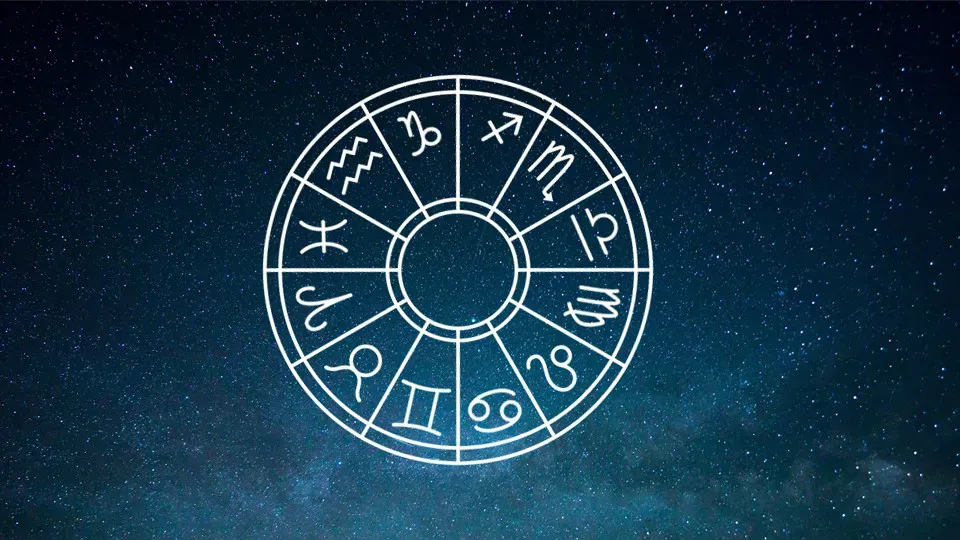
Whether you read your horoscope religiously or only know your sign because someone asked on a dating app, your relationship to the zodiac is never just about the stars. It is about the kind of world you grew up in, the values your family lived by, the pressures your generation faces, and the stories you picked up from books, films, memes, and friends. Calling yourself an Aries or a Virgo or a Pisces is, in a small but real way, a cultural choice: you are choosing which myths you resonate with, which traits you highlight, and how you make sense of your own complexity.
Personally, I see astrology less as a cosmic scoreboard and more as a shared language – a symbolic toolkit people use to talk about identity, belonging, and desire in a messy, changing world. You do not have to believe that planets determine your life to admit that these archetypes reveal what your culture rewards, what it fears, and what it longs for. So the next time someone asks your sign, you might hear a deeper question underneath: not just who are you, but what kind of world shaped you – and what kind of person you are trying to become within it. If you really think about it, does your sign describe you, or have you started to describe yourself through your sign?