Blog

The Surprising Diversity of Dinosaur Feathers—And What It Tells Us About Evolution

Why Some Dinosaurs Had Tail Fans

Trizzy Orozco

Imagine a time when the Earth was ruled by magnificent beasts, some as small as a chicken and others towering like skyscrapers. Among these fascinating creatures, certain dinosaurs boasted an intriguing feature—a tail fan. But why did these prehistoric giants possess such an unusual appendage? Let’s dive into the mesmerizing world of dinosaurs to uncover ...
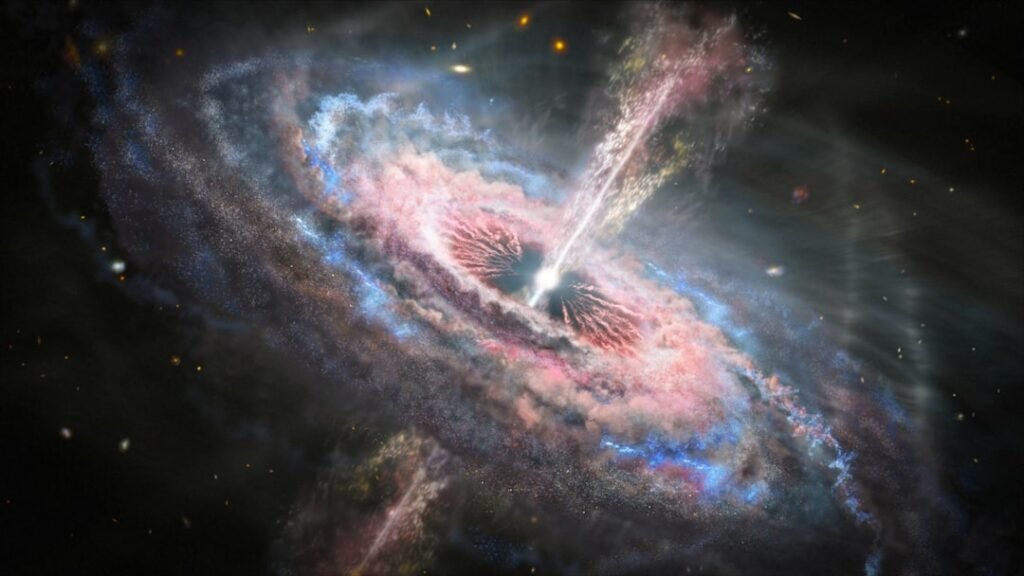
'Dancing jets' from black hole reveal an immense power equivalent to 10,000 suns

High-Speed Jets From Black Hole Cygnus X-1 Unleash Power Matching 10,000 Suns

Sumi

Jets Twist and Turn in Cosmic Winds (Image Credits: Unsplash) Astronomers recently captured the dynamic motion of high-speed jets from the black hole in Cygnus X-1, a pioneering system first identified decades ago. Researchers led by Curtin University measured these jets’ power instantaneously, revealing an output equivalent to 10,000 suns. The findings confirm that roughly ...

Striking image of a red-bellied python showcasing its vibrant scales in dramatic lighting.

How Snakes Evolved From Limbed Ancestors to Slithering Hunters

Maria Faith Saligumba

Imagine a world where snakes had legs. Picture a cobra walking on four limbs, or a python climbing trees with tiny arms. It sounds like science fiction, but this was reality millions of years ago. The transformation from limbed lizards to the sleek, legless predators we know today represents one of evolution’s most dramatic makeovers. ...

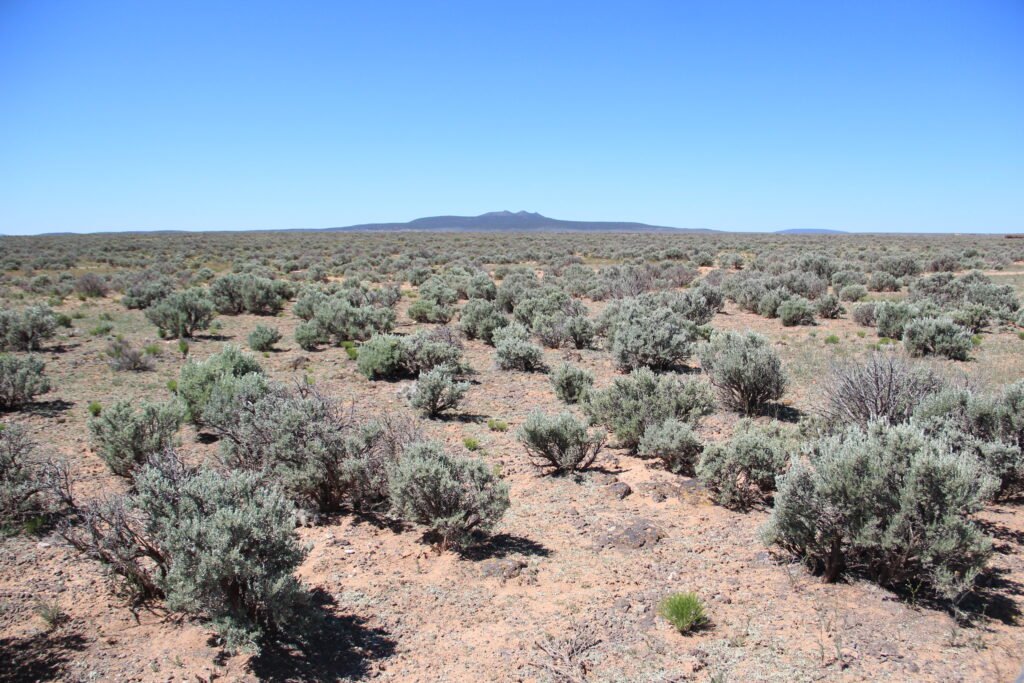
New Mexican desert - panoramio.

Mexico’s Fossil Deserts: Ancient Sea Creatures Hidden in the Mountains

Trizzy Orozco

Imagine standing in a vast desert, the sun blazing down on the rocky terrain, only to discover that beneath your feet lie remnants of an ancient ocean teeming with life. This is not a scene from a science fiction novel but a reality in Mexico’s fossil deserts. These arid landscapes, once submerged under vast prehistoric ...

There's a Scientific Reason Why You're Unlucky—But These Scientists Can Tell You How to Change It

Bad Luck Isn’t Fate And Neuroscience Points to Practical Ways to Break the Cycle

Sumi

Stress Turns Opportunities into Overlooked Risks (Image Credits: Unsplash) Persistent misfortune often feels like an inescapable force, but emerging research points to the brain’s inner workings as the true architect. Two studies published in 2025 revealed how stress distorts decision-making and a peculiar neural gap sustains poor choices, fostering what people label as bad luck.[1] ...

This Superintelligent Brain Sleeps, Develops a Personality—And Eventually Dies. Is the Singularity Here?

Scientists Create Superintelligent AI That Evolves and Eventually Dies

Sumi

A Fresh Architecture Mirrors the Brain (Image Credits: Unsplash) Researchers have introduced a novel AI framework that replicates key aspects of the human brain, complete with stages of development, rest, and cessation. This approach pairs advanced AI components with biological brain elements to foster more natural intelligence. Published recently, the model challenges conventional AI paradigms ...

Ancient charcoal sheds new light on how early humans fueled their lives

Ancient Charcoal Reveals the Story of Early Human Survival Strategies

Sumi

A Treasure Trove at Gesher Benot Ya’aqov (Image Credits: Pexels) Israel – Nearly 800,000 years ago, Acheulian hunter-gatherers repeatedly settled along the shores of a now-vanished lake in northern Israel. These early hominins relied on fire not just for warmth and protection but as a central element of their daily routines, from cooking fish to ...

A nanoscale robotic cleaner can hunt, capture and remove bacteria

Breakthrough Nanoscale Robot Can Target and Remove Harmful Bacteria with Precision

Sumi

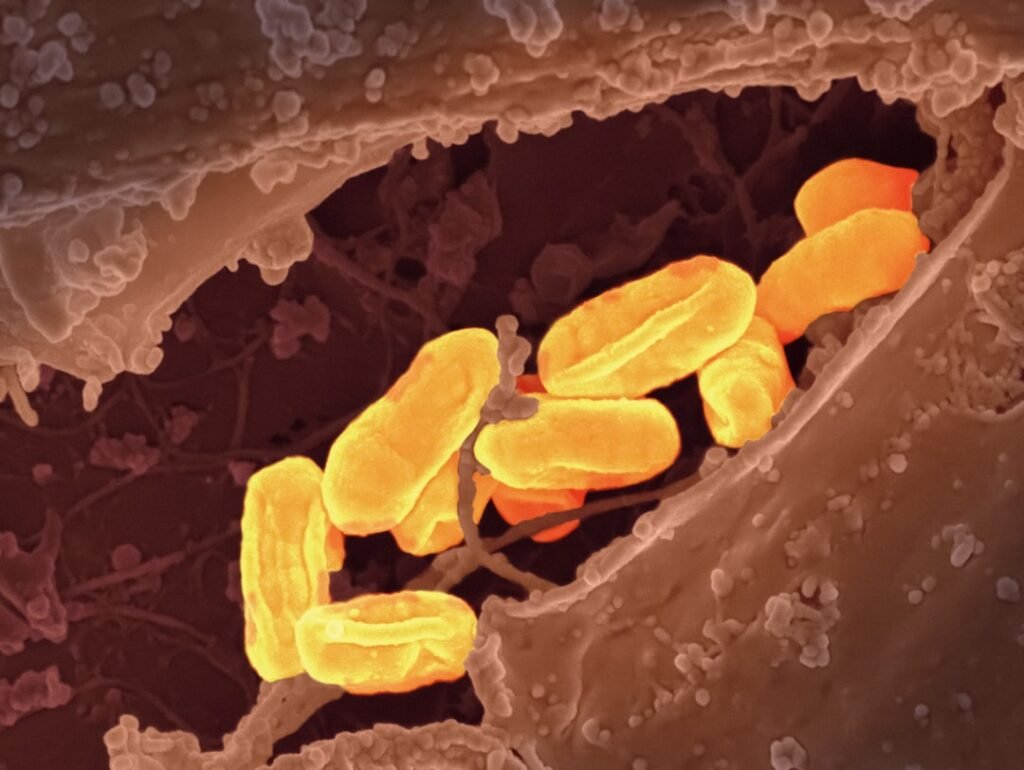
Mastering Motion at the Nanoscale (Image Credits: Unsplash) Würzburg, Germany – Scientists at Julius-Maximilians-Universität Würzburg unveiled a groundbreaking development in nanotechnology with light-powered nanorobots capable of targeting and removing bacteria in liquid settings. These minuscule machines, measuring about 50 times smaller than a human hair, operate below one micrometer in size and harness photon recoil ...