Every so often, an object turns up that seems too good, too strange, or too advanced to belong to the era archaeologists assign it to. Sometimes that instinct is correct and a forgery gets exposed. Other times, the artifact just makes scientists uncomfortable because it does not fit the story we thought we knew about the past.
What follows are ten cases where careful, sometimes decades-long investigation eventually settled the argument, though not always in the direction researchers first expected. A few of these stories still carry an asterisk, since ancient history rarely wraps up as neatly as we would like.
The Antikythera Mechanism
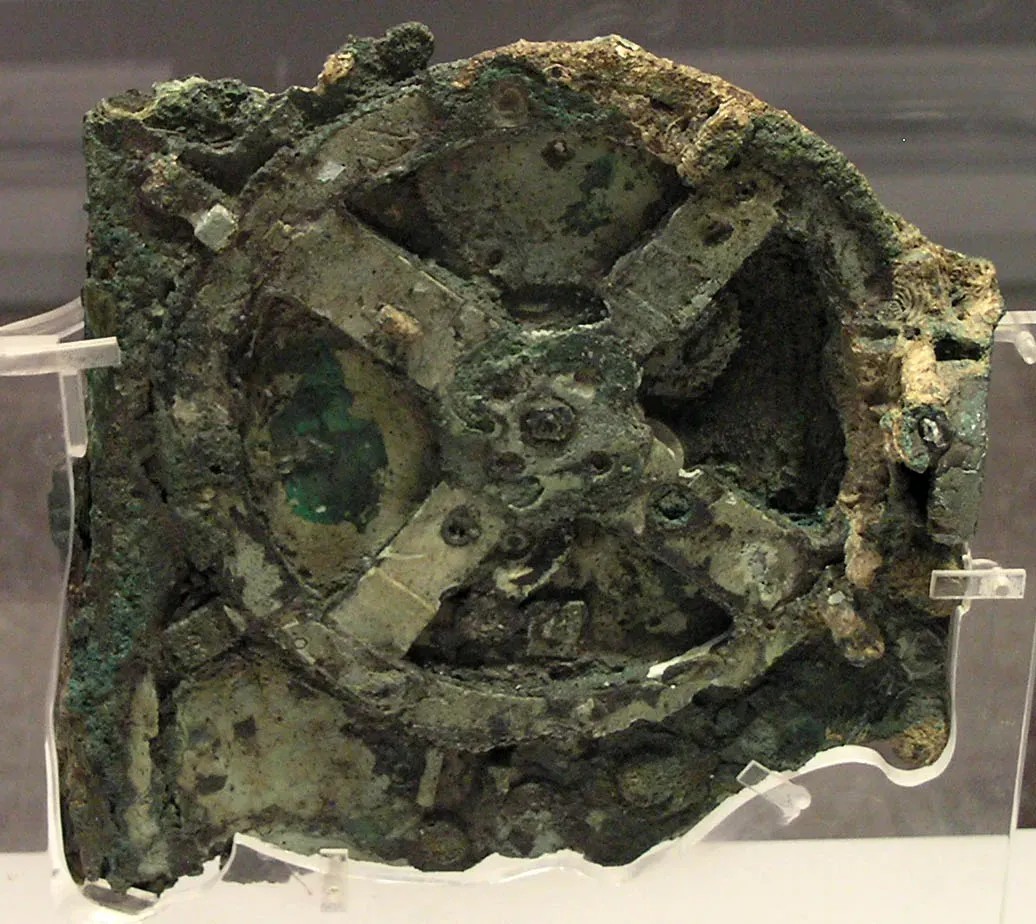
Pulled from a Roman-era shipwreck off the Greek island of Antikythera in 1901, this corroded bronze lump did not look like much for decades. Once conservators noticed gear teeth inside the fragments, though, the object became a genuine puzzle. The level of mechanical sophistication, dozens of interlocking bronze gears capable of tracking lunar cycles and planetary positions, struck many early researchers as simply too advanced for the second century BC.
That skepticism lingered until X-ray imaging in the 1970s and high-resolution CT scans in the 2000s revealed the full gear train hidden inside the corrosion. The engineering matched known Hellenistic astronomical theory rather than anything from a later period, and the shipwreck context left little room for the device to be a later addition. What once looked implausibly modern turned out to be a genuine glimpse of Greek engineering nobody suspected still existed.
The Nebra Sky Disc
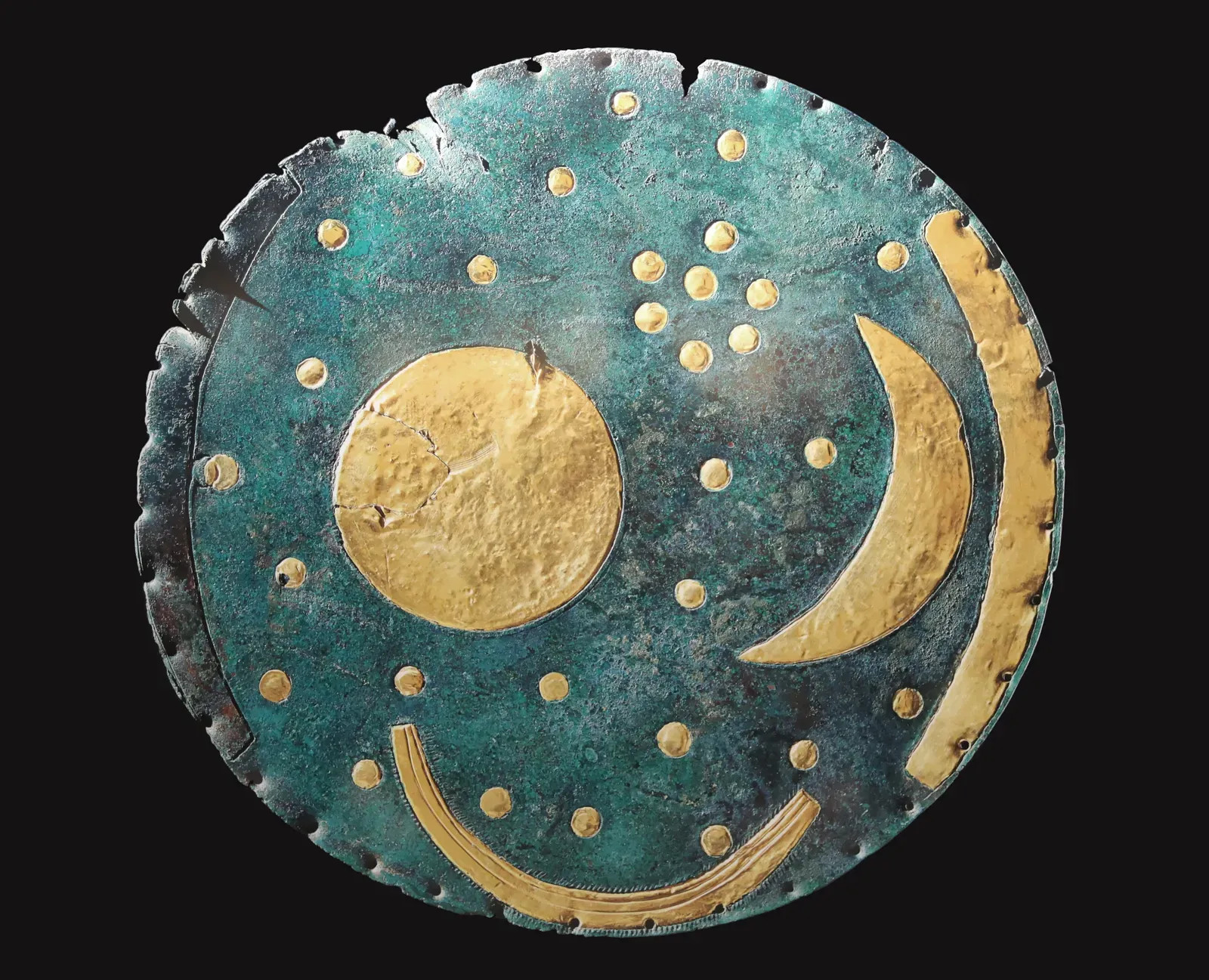
This bronze disc, inlaid with gold symbols thought to represent the sun, moon, and stars, was dug up illegally by metal detectorists near Nebra, Germany, in 1999. Because it surfaced through looting rather than a controlled excavation, there was no secure archaeological context to lean on, and that absence fueled real suspicion. The unusual appearance of the disc led to a lot of debate about its authenticity, and it was even suspected of being an archaeological forgery or hoax.
One archaeologist went so far as to argue in court that the patina had been faked with acid and a blowtorch. It was not the first time experts had questioned whether the disc was too good to be true, and initially the work was suspected to be a modern fake. Radiocarbon dating of birch bark found with associated bronze swords, along with microscopic analysis of the disc’s corrosion crystals, eventually pointed toward genuine Bronze Age origin, though a 2020 reassessment did raise fresh questions about exactly how the disc relates to the other objects found alongside it. The debate over its precise dating has never fully closed, but the forgery theory has lost most of its footing.
The Grolier Codex

Reportedly looted from a cave in Chiapas, Mexico, in the 1960s, this slim Maya manuscript spent decades treated as archaeological damaged goods. The Grolier Codex, an ancient document that is among the rarest books in the world, has been regarded with skepticism since it was reportedly unearthed by looters from a cave in Chiapas, Mexico, in the 1960s. Its unfamiliar style, compared with already-authenticated codices, made many scholars assume it had to be a clever fake.
It became a kind of dogma that this was a fake among Maya scholars, according to Brown University’s Stephen Houston. That changed in 2016, when a team including Houston, Yale’s Michael Coe, and other leading Mayanists ran radiocarbon dating alongside X-ray and UV imaging on the paper and pigments. The meticulous new study yielded a startling conclusion: the codex is both genuine and likely the most ancient of all surviving manuscripts from ancient America. The paper’s amatl fibers, the underlying sketch lines, and the Maya blue pigment all matched materials no twentieth century forger could have easily reproduced.
Ötzi the Iceman
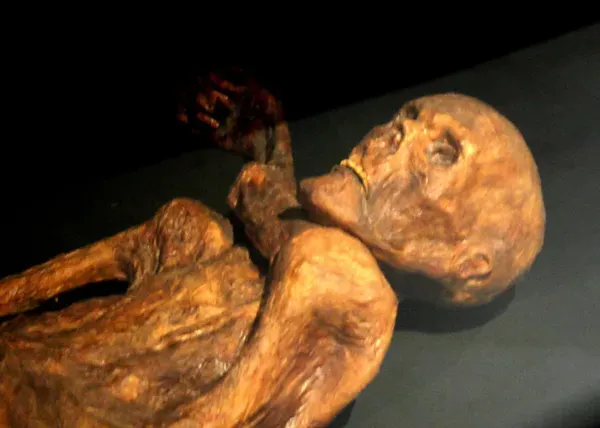
When two German hikers spotted a body poking out of melting ice in the Ötztal Alps in September 1991, nobody thought “ancient artifact.” The hikers assumed they had found the victim of a recent mountaineering accident. Because everyone treated the discovery as a modern death rather than an archaeological find, the initial recovery involved pneumatic chisels and rough handling that damaged parts of the body and clothing.
It was only after archaeologist Konrad Spindler examined the copper axe and flint dagger found nearby that the timeline shifted dramatically. Seeing the copper-bladed ax and flint dagger, Spindler understood that Ötzi was no modern-day mountaineer. Radiocarbon dating of his tissues showed he died around 3250 BCE, making him the oldest naturally mummified human ever found. A man briefly mistaken for a missing hiker turned out to be one of the most important prehistoric discoveries of the twentieth century.
The Voynich Manuscript

This illustrated codex, filled with an unidentified script and bizarre botanical drawings, has invited hoax accusations since Wilfrid Voynich acquired it under murky circumstances around 1912. Having obtained the text under dubious circumstances, some suspected Voynich himself had reluctantly reveal its true origins, or worse, fabricated it, though most researchers now argue it is likely medieval despite the shadiness of its discoverer. Even William Friedman’s wife and fellow cryptographer, Elizebeth Friedman, who spent years studying the text, suspected it might be an elaborate hoax designed to look meaningful while containing nothing at all.
The turning point came in 2009, when the University of Arizona ran radiocarbon dating on the vellum. Researchers confidently dated the calfskin pages to the early 15th century, 200 years after the manuscript’s supposed author Roger Bacon, and the ink also dated to the same period, making it highly unlikely that the manuscript was a modern forgery written on ancient parchment. The text itself remains undeciphered to this day, but the physical object is no longer seriously disputed as a genuine medieval creation.
The Dead Sea Scrolls

Discovered in caves near Qumran starting in 1947, these fragile parchment and papyrus scrolls presented biblical and sectarian texts in remarkably good condition for their supposed age. That condition, combined with unfamiliar Hebrew and Aramaic script variants, led some scholars, most notably historian Solomon Zeitlin, to argue for years that the scrolls were medieval or even outright modern forgeries planted to deceive collectors and researchers.
The skepticism did not die easily, partly because the scrolls had been purchased from Bedouin shepherds rather than recovered through a controlled dig, which is a familiar pattern among artifacts that struggle for acceptance. Paleographic comparison with dated inscriptions, along with radiocarbon testing of the linen wrappings and parchment itself conducted decades later, eventually placed the bulk of the collection between the third century BC and the first century AD. Zeitlin’s forgery theory, once taken seriously enough to fill academic journals, is now considered a historical footnote rather than a live debate.
The Ulfberht Viking Swords
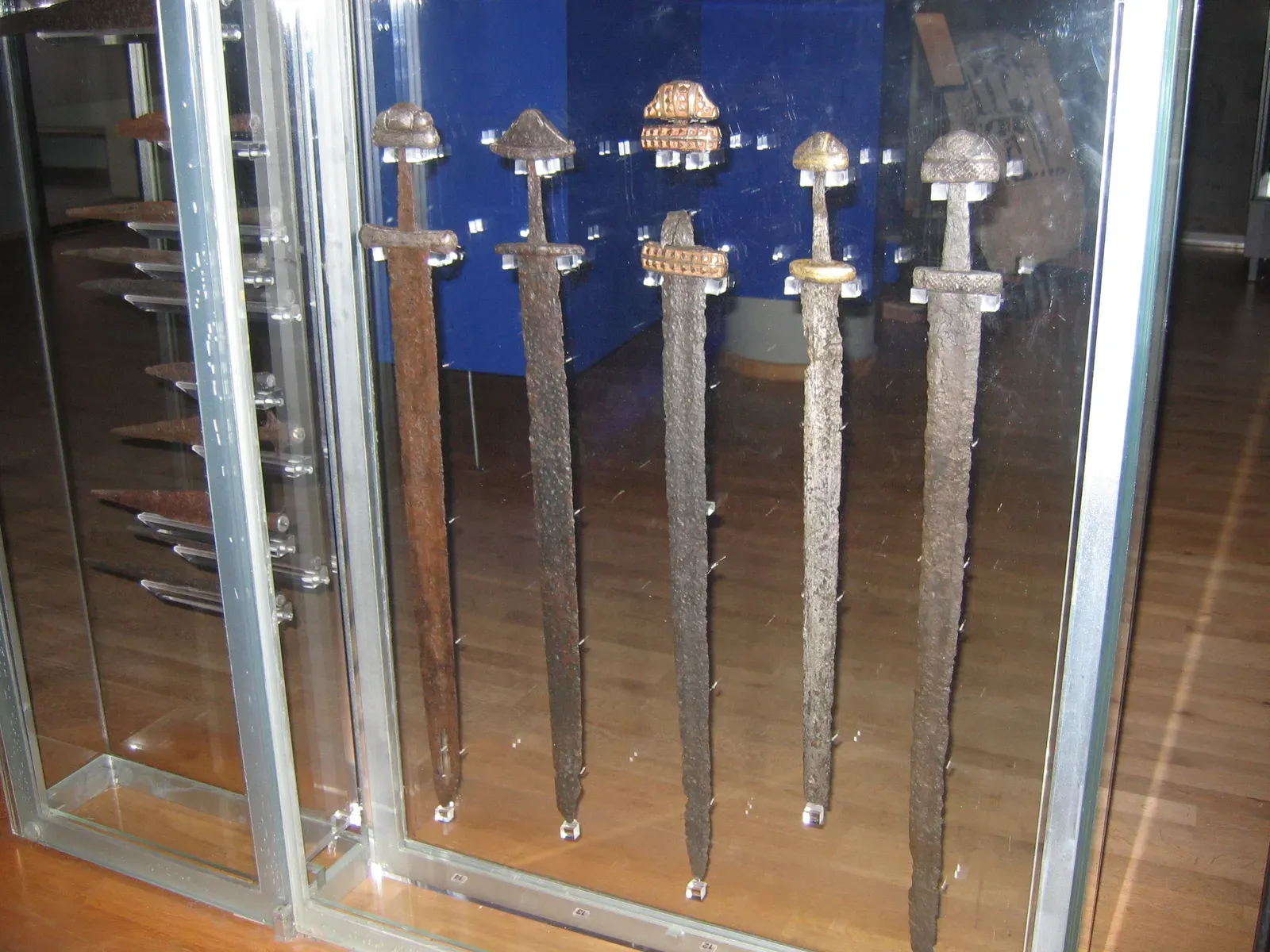
Roughly one hundred and seventy Viking Age swords bear the inscription “+VLFBERH+T” stamped into blades made of crucible steel so pure and consistent that some metallurgists initially assumed the pieces had to be later reproductions or misattributed imports. European blacksmiths of the ninth through eleventh centuries were not thought capable of producing steel with such low slag content, a quality that would not become standard again in Europe for hundreds of years.
Modern metallurgical analysis, led by researchers including Alan Williams working with the Wallace Collection in London, examined the crystalline structure and carbon content of surviving blades and confirmed they genuinely date to the Viking Age. The likely explanation involves high-quality crucible steel imported along trade routes stretching toward Central Asia, rather than any local European innovation. The swords stand as a reminder that trade networks a thousand years ago carried raw materials, and probably specialized knowledge, farther than many historians once assumed.
The Phaistos Disc
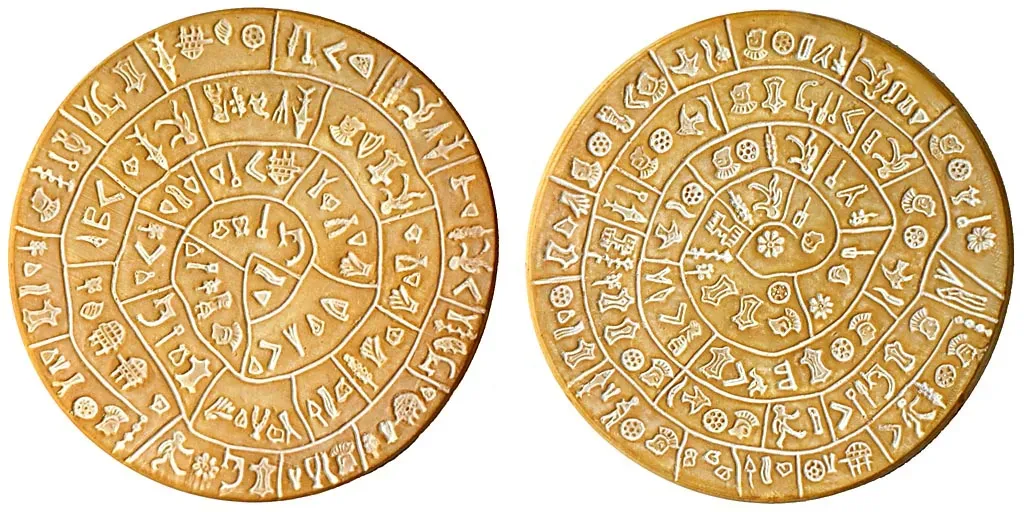
Unearthed in 1908 by Italian archaeologist Luigi Pernier at the Minoan palace site of Phaistos on Crete, this fired clay disc is stamped on both sides with symbols unlike anything else found from the Bronze Age Aegean. No second example has ever surfaced anywhere, which is unusual enough that in 2008 antiquities expert Jerome Eisenberg publicly argued Pernier may have fabricated the disc himself to bolster his career.
Most Minoan archaeologists reject that theory, pointing to the firing technique, the clay composition, and the archaeological layer in which the disc was found as consistent with genuine Bronze Age production around 1700 BC. Still, because the object is one of a kind and the original excavation records are thin by modern standards, a small minority of specialists keep the hoax question technically open. It is one of the rare entries on this list where the argument was never fully resolved either way, only quieted.
The Lascaux Cave Paintings

Four teenagers stumbled into this Dordogne cave system in 1940 and found walls covered in vivid depictions of horses, bulls, and deer rendered with a confidence that surprised even seasoned prehistorians. The paintings were so well composed, using shading and perspective techniques that felt almost too sophisticated, that some early observers wondered whether they were looking at a modern prank rather than genuine Paleolithic art.
Prehistorian Henri Breuil arrived quickly and authenticated the site based on the mineral pigments used, the patina covering the images, and the layers of sediment sealing parts of the cave. Later radiocarbon dating of charcoal fragments and organic material confirmed an age of roughly seventeen thousand years, placing the artists firmly in the Upper Paleolithic. The paintings remain a striking argument against assuming that skill and sophistication are recent inventions.
The Berekhat Ram Figurine
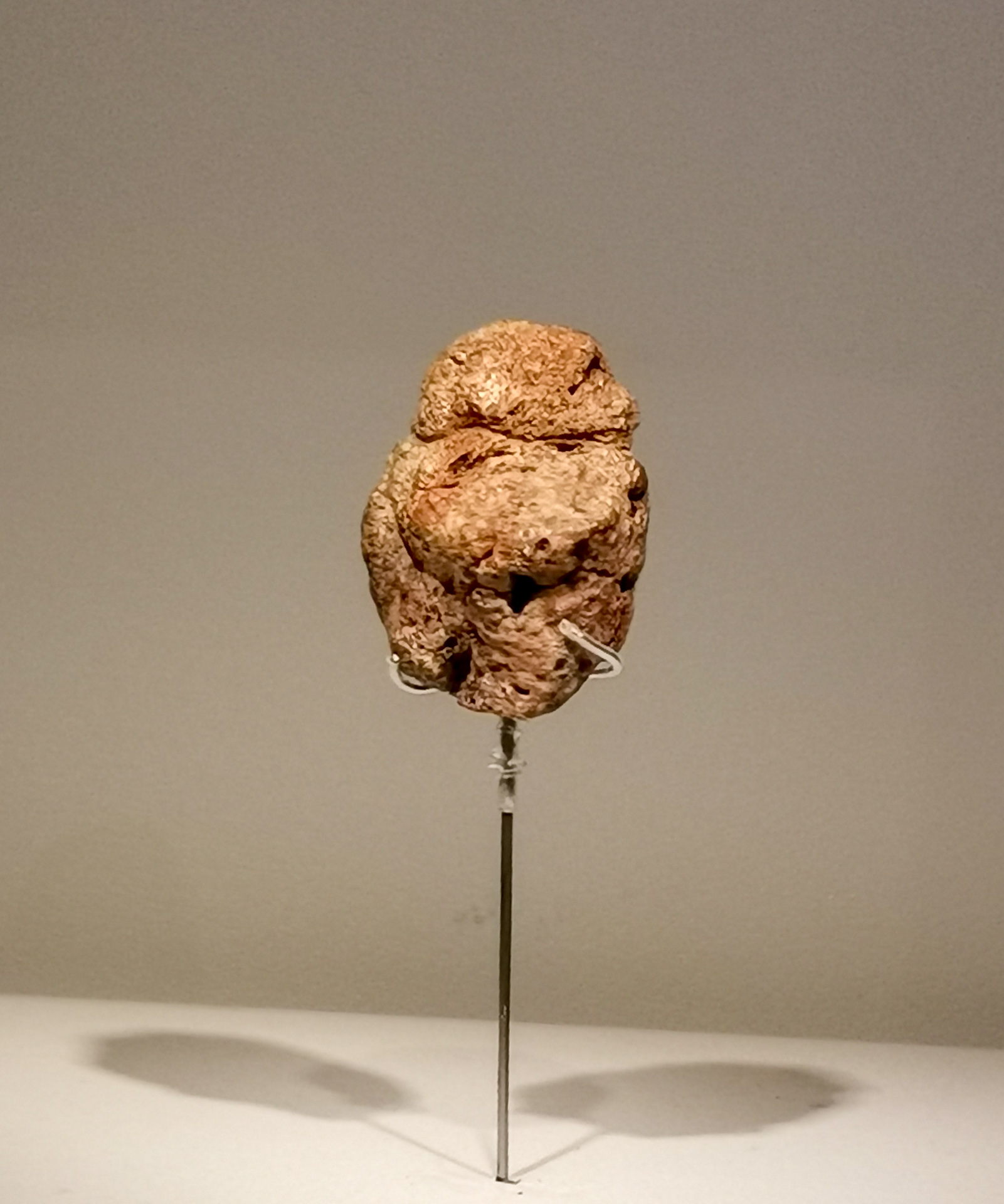
Found in the Golan Heights and estimated at somewhere between two hundred thirty thousand and five hundred thousand years old, this small volcanic pebble carries grooves that some researchers interpret as a deliberately carved representation of a human figure. When first examined, several archaeologists doubted that pre-modern hominins, likely Homo erectus given the dating, possessed the symbolic capacity to intentionally shape an object this way, and suggested the grooves were probably natural weathering rather than tool marks.
Later microscopic use-wear analysis, notably by researchers Francesco d’Errico and April Nowell, compared the grooves against known patterns produced by stone tools versus natural erosion. Their findings supported the argument that at least some of the marks were made deliberately with a cutting implement, though whether the maker intended to depict a human form remains genuinely debated among specialists. It sits at an uncomfortable intersection of geology and cognitive archaeology, where the physical evidence is clearer than the intent behind it.
Final Thoughts

Looking back across these ten cases, a pattern emerges that says as much about scientists as it does about the objects themselves. Researchers are trained to be skeptical, and rightly so, given how many genuine hoaxes have embarrassed institutions over the years. Yet that same caution occasionally blinds experts to the possibility that ancient people were simply more capable, more curious, and more technically skilled than modern assumptions give them credit for.
My honest takeaway is that the instinct to doubt an extraordinary find is healthy, but it should never be the final word. Every artifact on this list was eventually vindicated by patient laboratory work rather than by gut feeling, whether that meant radiocarbon dating, metallurgical analysis, or painstaking microscopy. That process, slow and unglamorous as it often is, remains the best defense against both hoaxers and unwarranted skepticism alike.