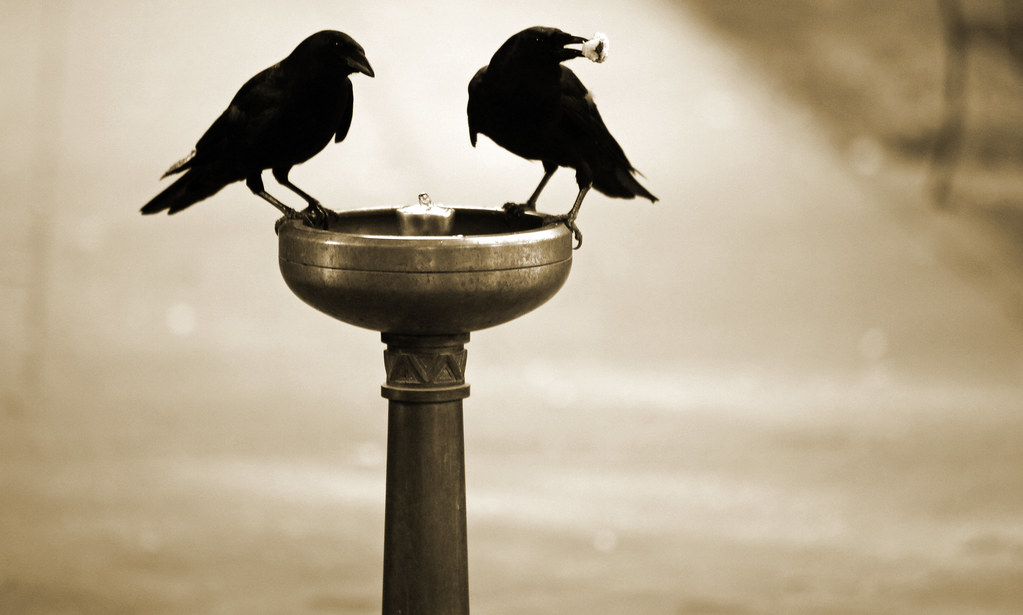
Most people walk past crows without a second glance, dismissing them as noisy scavengers picking through trash. That reputation is badly out of date. Behind those dark eyes sits a brain capable of feats that keep landing in peer-reviewed journals rather than folklore, and researchers at places like the University of Washington have spent decades trying to figure out just how far that intelligence goes.
Crows never forget a face, even years later
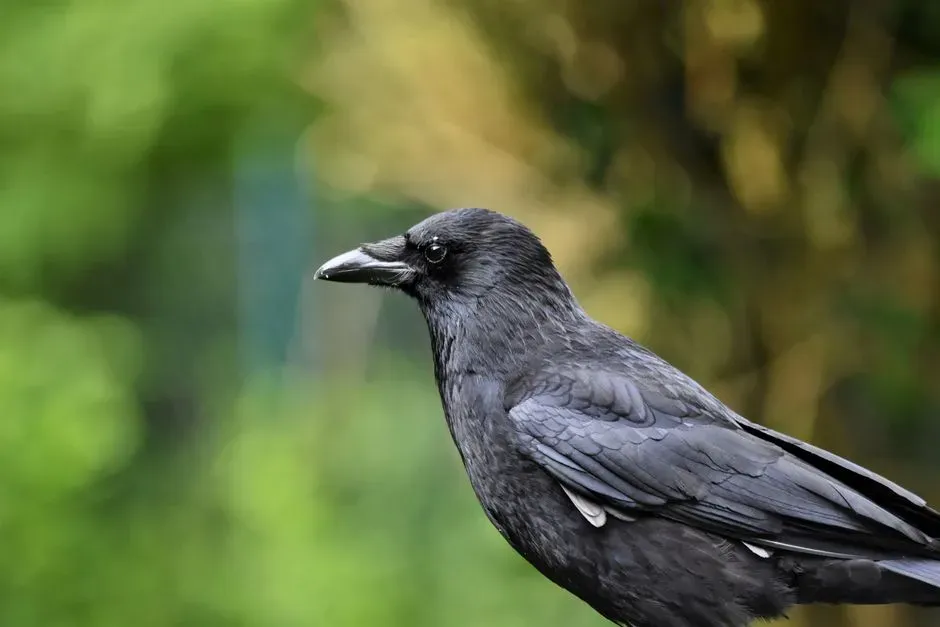
One of the most startling discoveries in corvid science came out of John Marzluff’s lab, where researchers wore rubber masks while trapping wild crows for banding. Other experiments have revealed that American crows never forget a human face, even for nine-and-a-half years and counting. That is not a fluke observation. It has been replicated enough times that facial recognition is now treated as a baseline crow skill rather than a novelty.
What makes this genuinely puzzling for scientists is the durability of the memory paired with its social spread. Based on years of data, the research team discovered that the crows’ reactions were unmistakably stable over time, aggressively scolding, mobbing and dive-bombing only the dangerous mask even when it was worn by a stranger 2.7 years later. Researchers are still trying to map exactly how a bird brain, so different in structure from a mammal’s, stores that kind of long-term facial data with such precision.
They gather around their dead in ways that look like funerals
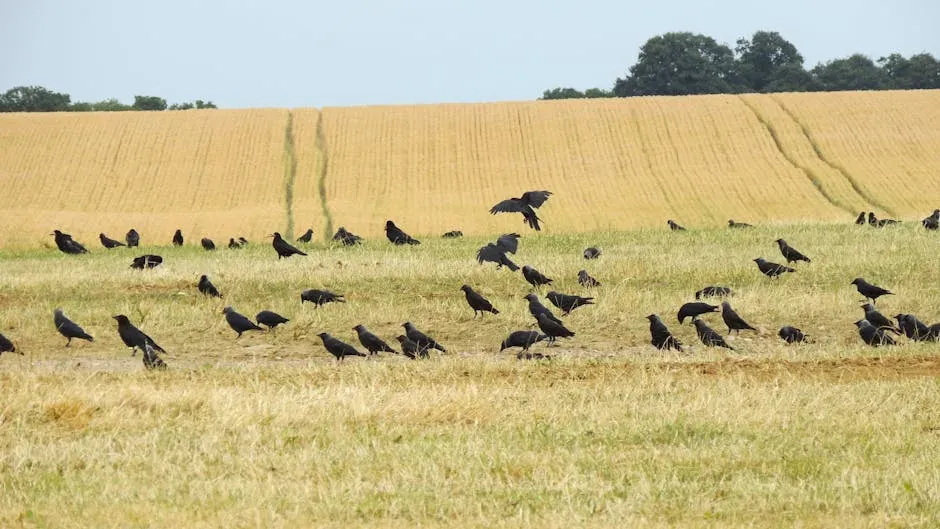
Anyone who has watched a group of crows silently ring a fallen companion has probably wondered if it was witnessing grief. Kaeli Swift, a behavioral ecologist who studied under Marzluff, ran controlled experiments to test this directly. She observed that crows sometimes gather around other deceased birds, sending vocal signals and avoiding those locations afterwards, and these funeral-like behaviors demonstrate not only a reaction, but also processing, remembering and sharing warnings with other crows within their social network.
The science has actually complicated the popular narrative rather than confirming it outright. According to over a decade of controlled field research, what it actually is isn’t grief, it’s a threat-assessment meeting. Whether an emotional layer coexists alongside that practical function remains an open question, and it is one of the reasons this behavior keeps drawing fresh research attention rather than settling into a tidy conclusion.
They can build tools from a mental blueprint, not by copying
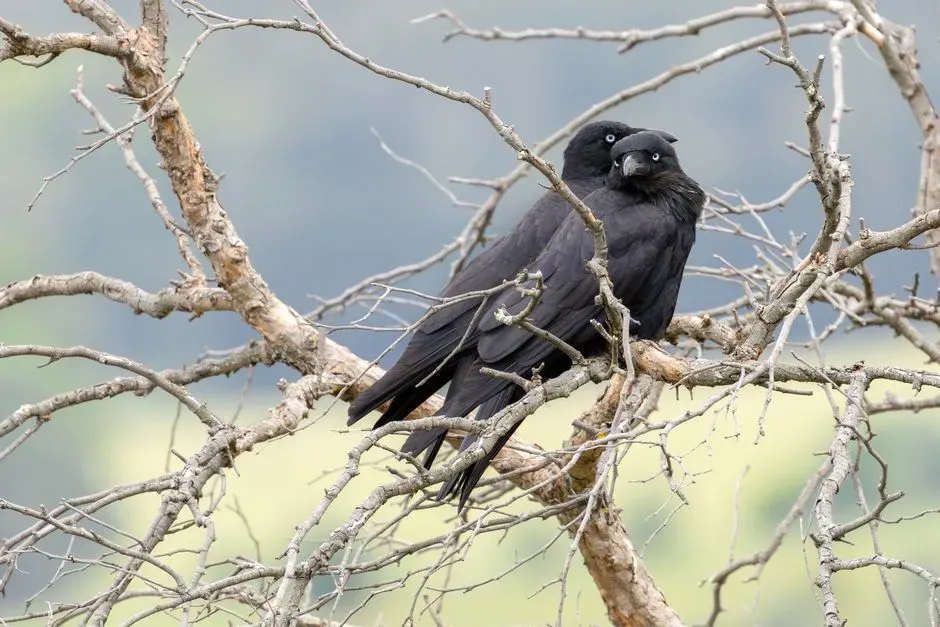
Tool use in animals is not itself rare, but the way crows approach it stands apart. New Caledonian crows, in particular, do not just grab whatever stick is lying around. Dr. Sarah Jelbert and her colleagues have found that crows can use mental templates to make simple tools, remembering the rough dimensions of the tools they need and making them from scratch.
This finding matters because it rules out a simpler explanation that scientists had considered for years. Through careful experimentation, the study provided evidence that crows do not simply mimic tool-making behavior. In other words, the birds appear to hold an abstract idea of what a functional tool looks like before they even start bending or snapping material, which is a cognitive leap researchers are still trying to fully characterize.
They solve multi-step puzzles straight out of Aesop’s fables
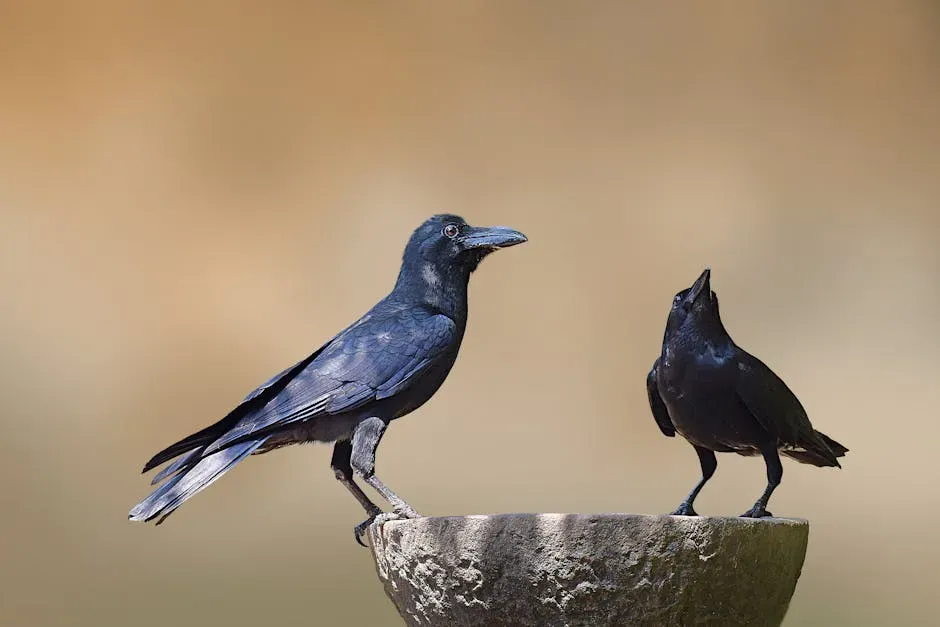
The old fable of a thirsty crow dropping stones into a pitcher to raise the water level turns out to be more than a cute story. In Aesop’s Fable, The Crow and the Pitcher, a thirsty crow uses stones to gain access to water in a pitcher, and while conducting her PhD study at the University of Auckland, Sarah Jelbert recreated the fable, showing that New Caledonian crows had the cognitive ability to solve multi-step problems.
Follow-up work pushed the comparison even further. An article that appeared in the science journal PLOS ONE in July 2014 concluded that crows are just as good at reasoning as a human seven-year-old child, subjecting six wild crows to a battery of tests designed to challenge their understanding of causal relationships involving water displacement. That comparison to a specific childhood developmental stage is the kind of claim scientists handle carefully, since it invites obvious follow-up questions about what other human-like reasoning skills might be hiding in these birds.
They hold grudges and teach other crows to hold them too
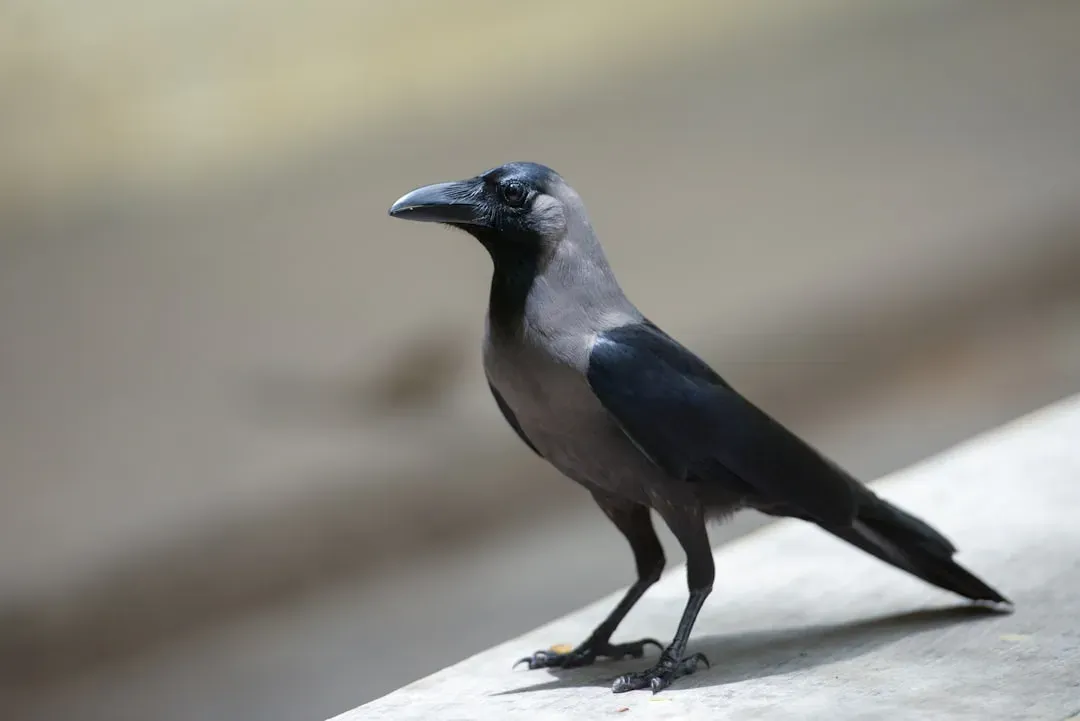
Recognizing a dangerous face is one thing. Passing that information to birds who never even witnessed the danger is another level entirely, and it is exactly what Marzluff’s mask experiments revealed. In a 2011 follow-up study published in the Proceedings of the Royal Society B, this behavior was observed to spread to other crows who hadn’t witnessed the trapping event, suggesting that crows are capable of social learning, actively teaching one another which humans they should hold a grudge against.
This kind of cultural transmission, where information moves through a community rather than staying locked in one individual’s memory, is something scientists usually associate with primates. Watching it play out in a bird with a brain a fraction of the size of a chimpanzee’s is part of why crow cognition research keeps expanding rather than winding down. The question of exactly how the information gets transmitted, whether through direct observation, vocal cues, or some combination, is still being worked out in the field.
They understand cause and effect well enough to plan ahead
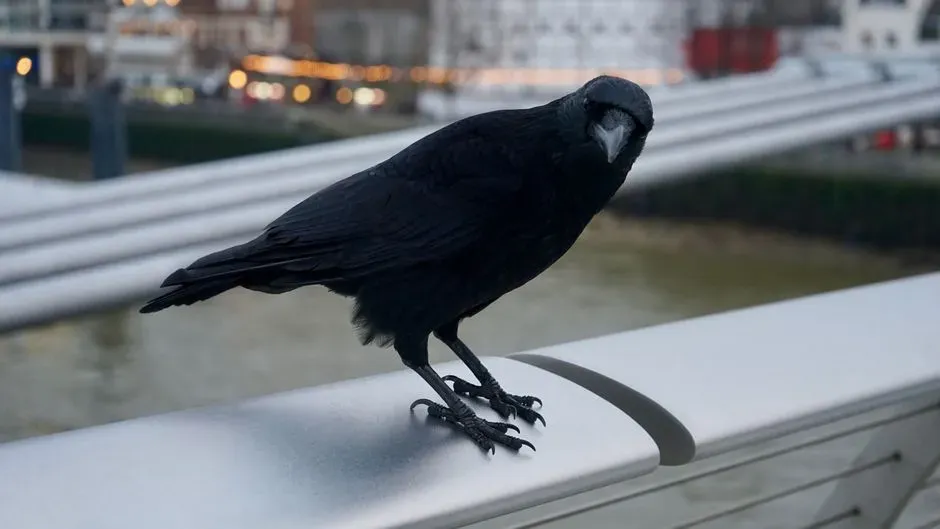
Beyond puzzle-box experiments, crows show behavior in the wild that suggests they are thinking several steps into the future rather than reacting moment to moment. Crows and other corvids exhibit remarkable intelligence including tool use, problem-solving, memory and even social awareness, and scientific research shows that these birds understand cause and effect, plan for the future, and adapt their behavior based on context, environment and who’s watching.
That last detail, adapting behavior based on who is watching, is particularly interesting to researchers because it implies a kind of situational awareness that goes beyond simple conditioning. A crow that behaves differently depending on its audience is making a judgment call, not just following a fixed script. Figuring out the limits of that judgment, and whether it reflects something close to self-awareness, is an active line of inquiry.
They show goal-directed persistence over easy rewards
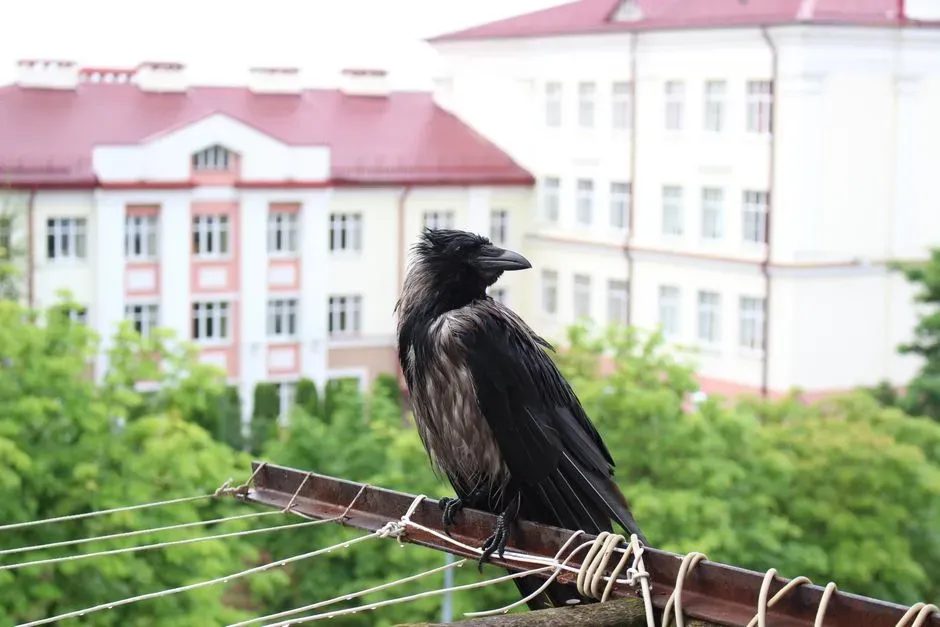
Given a choice between an easy meal and a preferred one that takes more effort, plenty of animals take the shortcut. Crows often do not. In controlled experiments, these birds consistently chose their favorite food rewards, even when easier options were readily available, showing persistence, discernment and goal-directed behaviors.
This matters for a broader reason tied to how crows have colonized cities around the world. This cognitive sophistication likely plays a key role in their ability to accept and evaluate anthropogenic food sources, suggesting that crows not only adapt to human environments but also learn about new food opportunities through experience and experimentation. Researchers studying urban corvids see this pattern as a small but telling window into a much larger decision-making process happening inside a bird’s head every single day.
Their brain activity during tool use looks less like reflex and more like reasoning
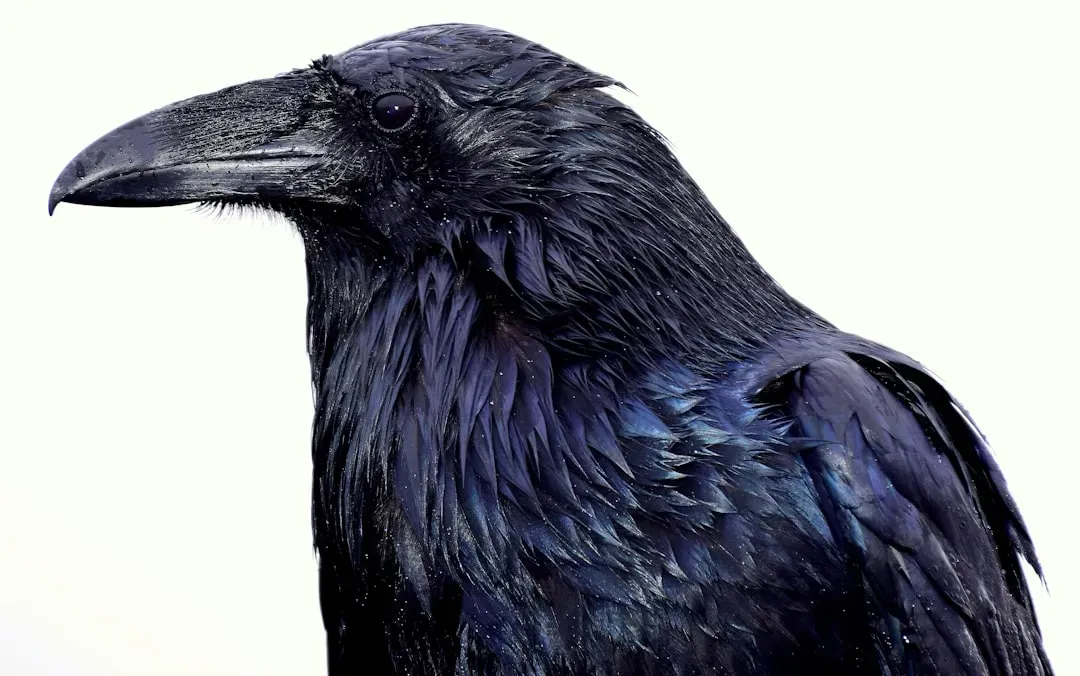
For a long time, scientists could observe clever crow behavior but not directly see what was happening inside the brain while it occurred. That changed with brain imaging work led by Marzluff’s team and continued by his former student Loma Pendergraft. In Pendergraft’s most recent crow study, he looked at what happens in a crow’s brain when it uses tools, since that always was kind of the black box, as Marzluff put it, when they do these really great things, is it just some more robotic response or is it really a reasoned response.
The tool being used to answer that question is itself notable. Marzluff and his team at the University of Washington were the first to look at crow brains during experiments using a PET scan, a noninvasive technology that uses a radioactive tracer to detect which parts of a brain light up during specific tasks. This kind of neural mapping is genuinely new territory, and it is the reason scientists describe crow cognition as an open field rather than a settled subject.
They pass on foraging knowledge across social networks in the wild
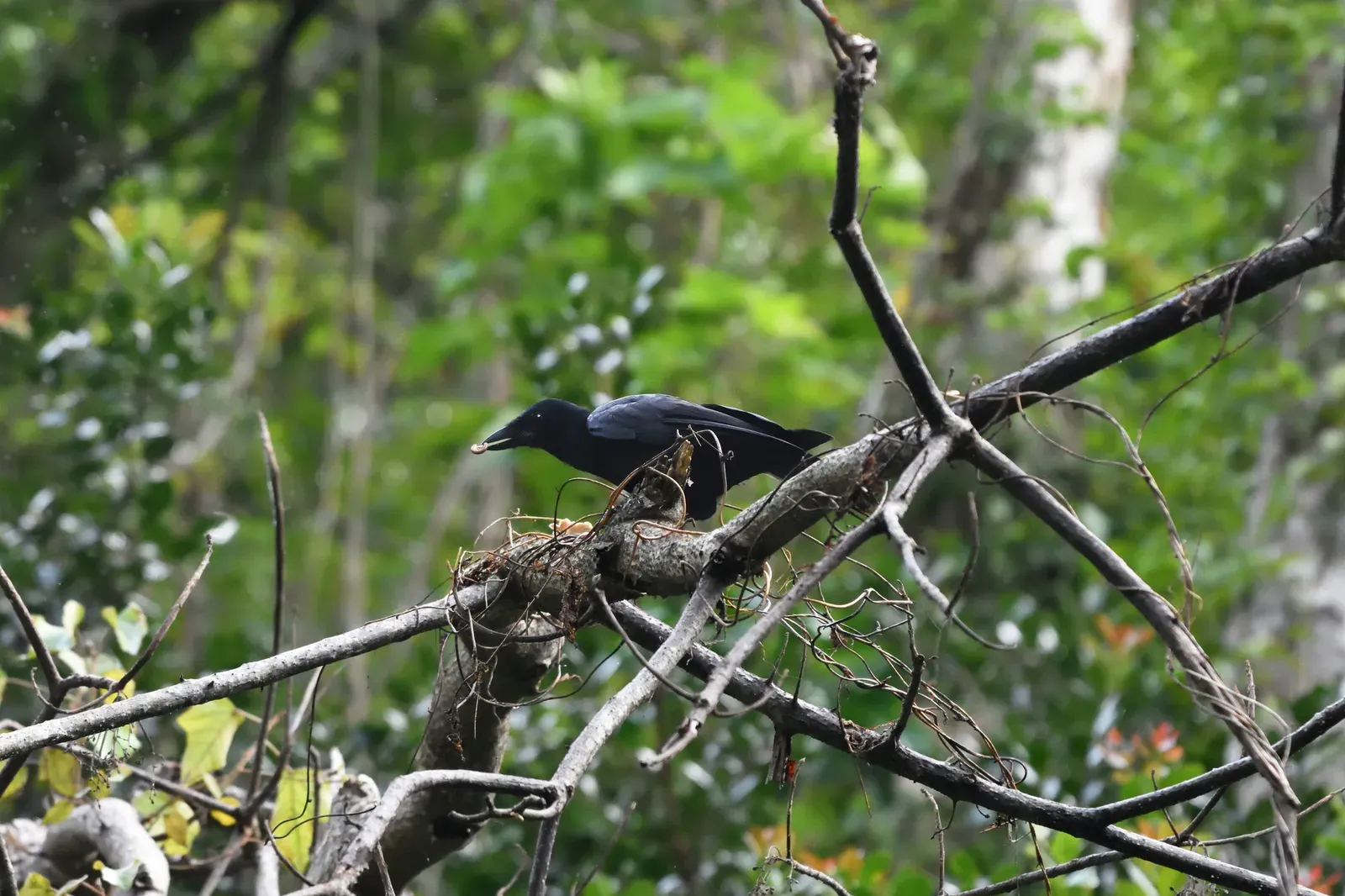
Individual cleverness is impressive, but crows also appear to function as information networks, spreading useful discoveries well beyond the birds who made them. A team led by James St Clair at the University of Oxford set out to test exactly how far this spreads among New Caledonian crows. The team set up intensive experiments with New Caledonian crows to map how information spread from pairs and families of the birds to neighbors and communities in the wild, tagging 33 wild crows to find out how they might spread the news of food abundance and how widely they would be willing to pass around that information.
This ties directly back to their tool habits. New Caledonian crows create and utilize tools, using natural items such as small twigs and branches to probe holes in tree bark for their insect prey, and these skills are thought to be passed to other observing crows through social learning, though this transmission likely depends on the structure of social interactions within a group. Understanding exactly how social structure shapes the spread of a skill, rather than just confirming that spread happens, is the harder question researchers are now chasing.
Their brains respond to threatening faces the way mammal brains respond to fear
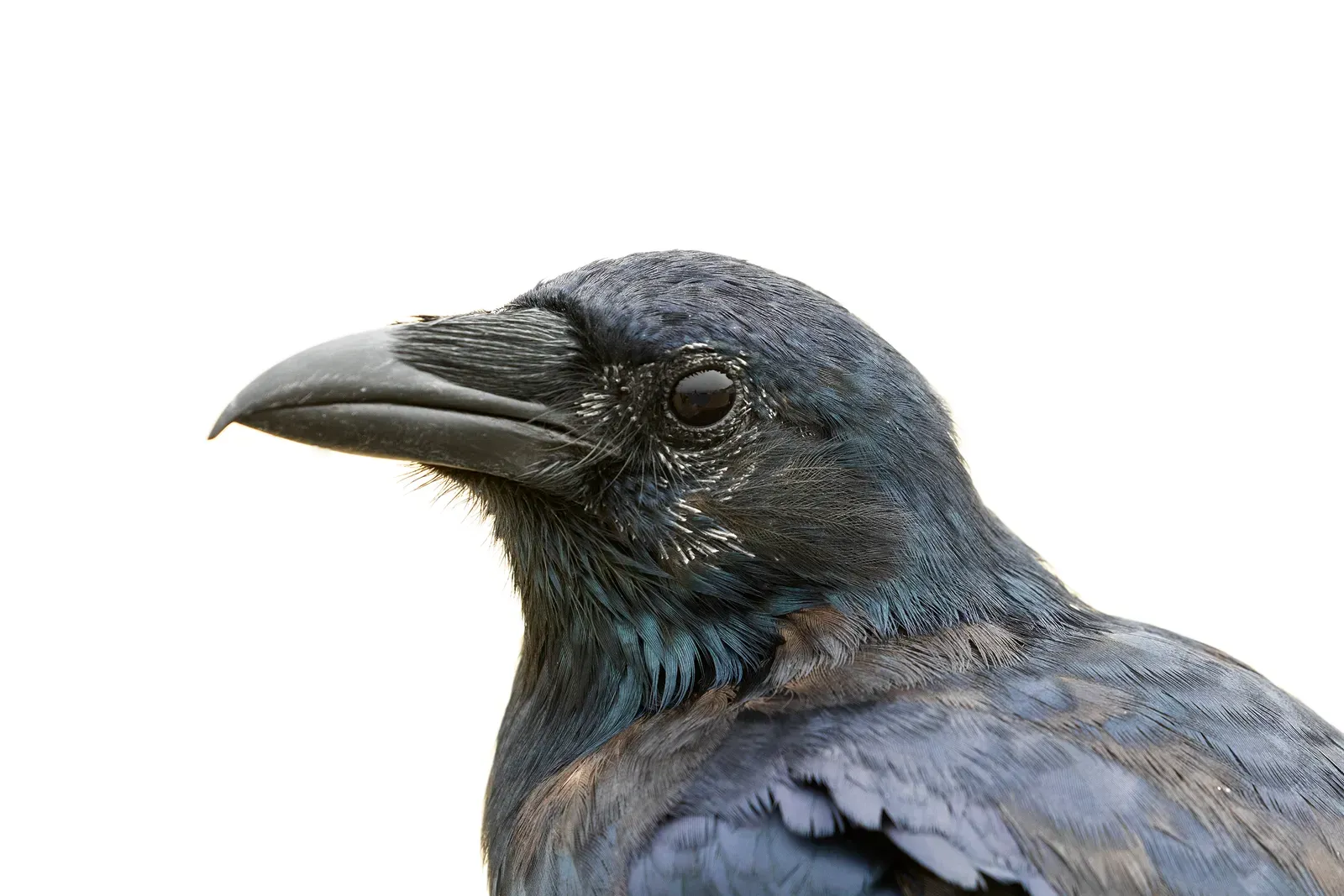
Perhaps the most striking piece of evidence for crow intelligence is not a clever behavior at all, but a neurological pattern that mirrors something seen in mammals, including humans. When researchers scanned the brains of crows exposed to a face associated with past capture, they found something unexpected. Brain-imaging follow-up revealed that faces associated with threats activated brain circuitry that’s analogous to well-known fear learning loops in mammals.
Even the scientists closest to this work are careful not to overstate it. Since these are some of the first behavioral imaging studies in wild birds, we don’t really know what it all means, cautions crow expert Kevin McGowan, a behavioral ecologist at the Cornell Lab of Ornithology. That caution is exactly why this research is ongoing rather than finished, and why crow cognition keeps producing new papers instead of settling into a textbook footnote.
Final thoughts
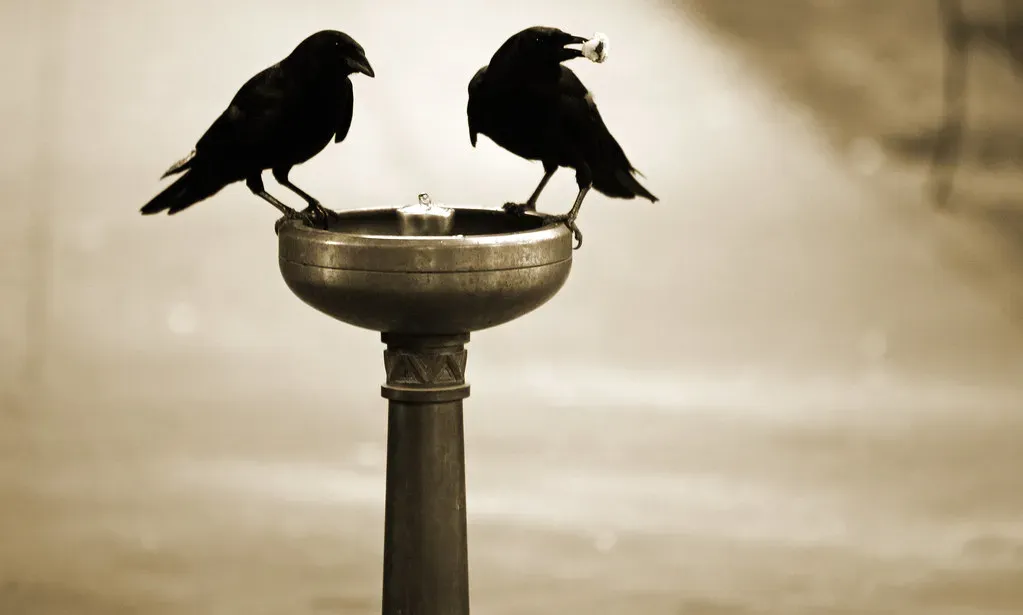
What strikes me most after digging through this research is how often the crow comes out looking less like a bird and more like a small, feathered detective, gathering evidence, updating its opinions, and passing tips along to its neighbors. Scientists keep finding new angles because crows keep giving them reasons to look closer, whether that’s a brain scan lighting up in a familiar fear pattern or a wild flock spreading a grudge to birds that never met the original threat.
None of this means crows think exactly like people do, and the researchers themselves are quick to resist that comparison. Still, it’s hard not to feel a little more cautious the next time a crow watches you a bit too closely. It might just be filing you away for later.