Blog

Engineers and technicians in a clean room at NASA’s Jet Propulsion Laboratory display the thick-walled aluminum vault

The Microbial Vault: How Scientists Are Racing to Preserve Earth’s Invisible Biodiversity

April Joy Jovita

As Earth enters an age of rapid ecological change, a quiet revolution is taking place in freezers chilled to -80°C. Scientists around the world are building a “Microbial Noah’s Ark”—a global effort to preserve the planet’s microbial diversity before it’s lost to industrialization, climate shifts, and modern living. The Microbiota Vault Initiative, modeled in part ...
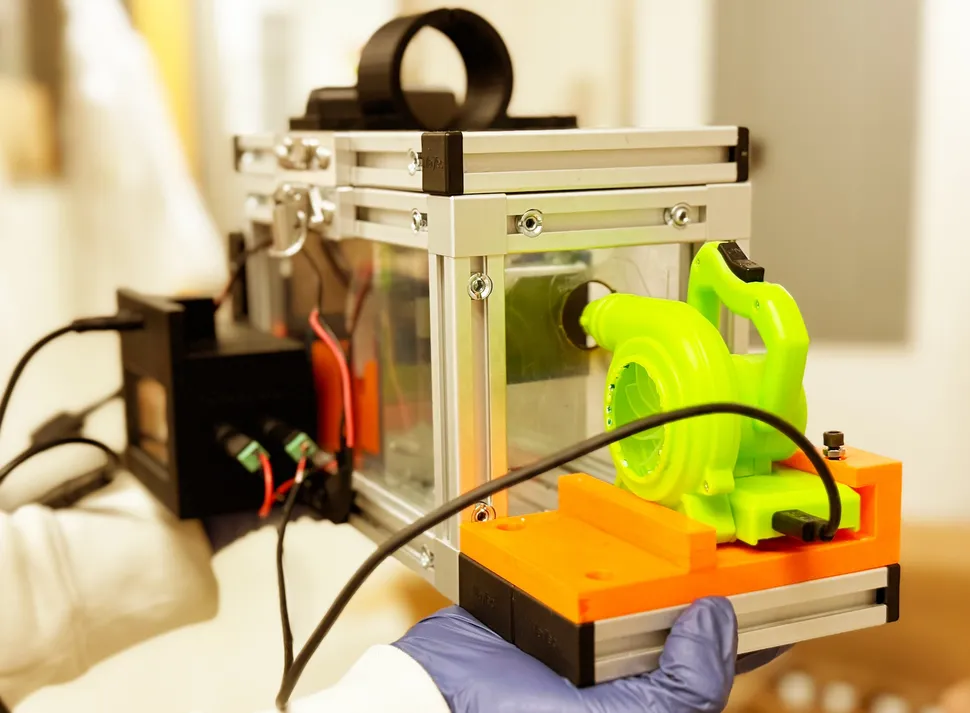
a new device intended to detect disease biomarkers in air samples

Game-Changing Breath Sensor Could Detect Diabetes, Asthma and More

Jan Otte

Picture a time when you can figure out what’s wrong with you just by breathing into a small device. You could find out about your health in minutes without having to draw blood or take invasive tests. All you had to do was exhale. The Airborne Biomarker Localization Engine (ABLE) is a new device that ...

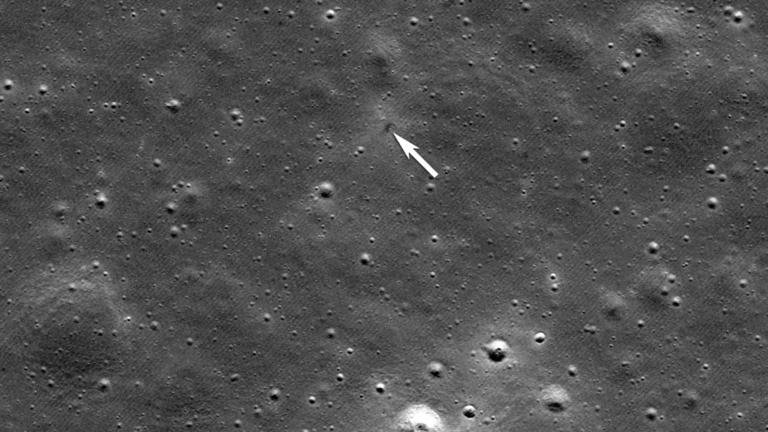
NASA's Lunar Reconnaissance Orbiter

NASA Finds Japan’s Crashed Moon Lander — Debris Scattered Across Lunar Surface

Jan Otte

NASA’s Lunar Reconnaissance Orbiter (LRO) took the first pictures of Japan’s doomed Resilience moon lander. The pictures show a grim scene: broken pieces of the lander spread out across the moon’s surface. The spacecraft, made by the Tokyo-based company ispace, was supposed to make a historic soft landing on June 5, but it didn’t and ...

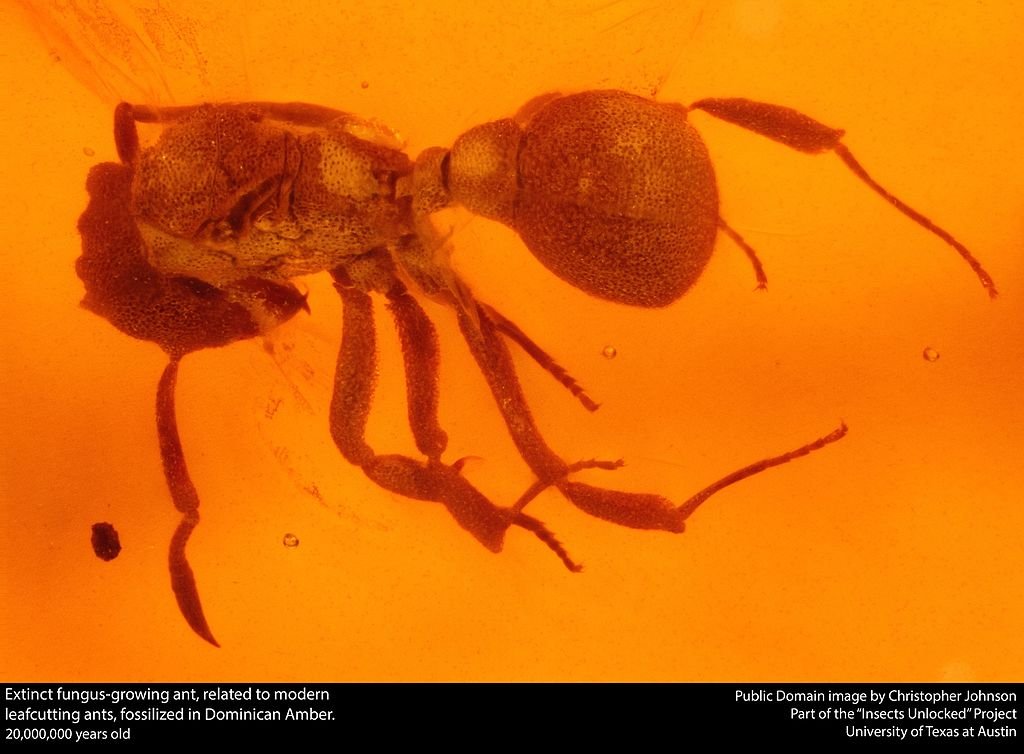
Extinct fungus-growing ant, related to modern leafcutting ants, fossilized in Dominican Amber.

Jurassic Parasites: Amber Fossils Reveal the Dinosaur-Era Origins of Zombie-Ant Fungi

April Joy Jovita

A remarkable discovery from mid-Cretaceous amber has pushed back the evolutionary timeline of one of nature’s most bizarre parasitic relationships: the infamous “zombie-ant” fungi. Researchers from the Chinese Academy of Sciences have identified fossilized fungi infecting insects in 99-million-year-old amber, offering the oldest direct evidence of entomopathogenic fungi manipulating their hosts. Fossilized Mind Control The ...

Lepidophyma reticulatum

Tiny Lizards Survived the Asteroid That Killed the Dinosaurs

Jan Otte

The dinosaurs died when a huge asteroid hit Earth 66 million years ago. It caused firestorms, tsunamis, and a devastating “nuclear winter.” But, despite all chances, a population of little lizards barely bigger than a human finger lived near ground zero. These tough animals, called night lizards (family Xantusiidae), not only survived the disaster but ...

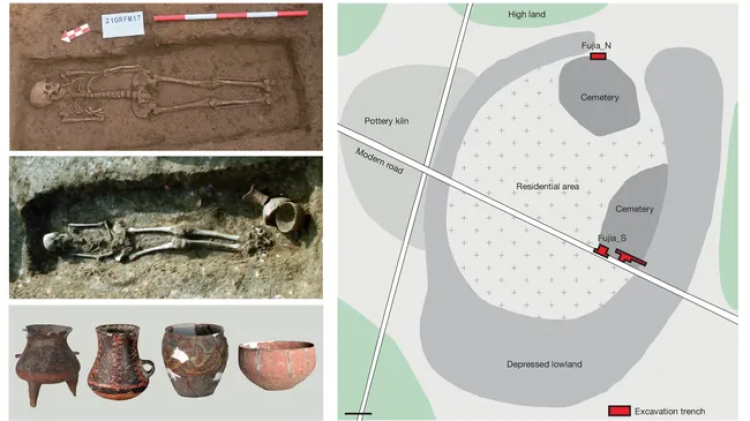
The Stone Age site of Fujia in eastern China produced two cemeteries and pottery

Stone Age China Was Ruled by Women, DNA Reveals

Jan Otte

Historians have thought for hundreds of years that ancient societies were mostly patriarchal, with men holding power and passing it down through their families. But a groundbreaking DNA study has turned that idea on its head. It shows that women ruled a Neolithic community in eastern China 4,500 years ago. Genetic testing on skeletons found ...

binturong

Binturongs Use Buttered Popcorn Perfume to Communicate in Rainforests

Jan Otte

A strange creature that has the ability to unleash a scent reminiscent of hot buttered popcorn in a cinema in Hawaii can be found on top of the trees in Southeast Asia which are rainforests. Binturongs are often mistaken for bear cats, but they neither belong to a species called ‘bear’ or ‘cat’, however, do ...

Turtle in sea

Sea Creatures With the Most Extreme Breath-Holding Abilities

Jan Otte

It is amazing that some animals can stay underwater for hours or even months without breathing, even though their bodies are not designed to do so. Fish get oxygen from water through their gills, but marine animals that breathe air need to make amazing changes to their bodies and behavior to live in the deep. ...

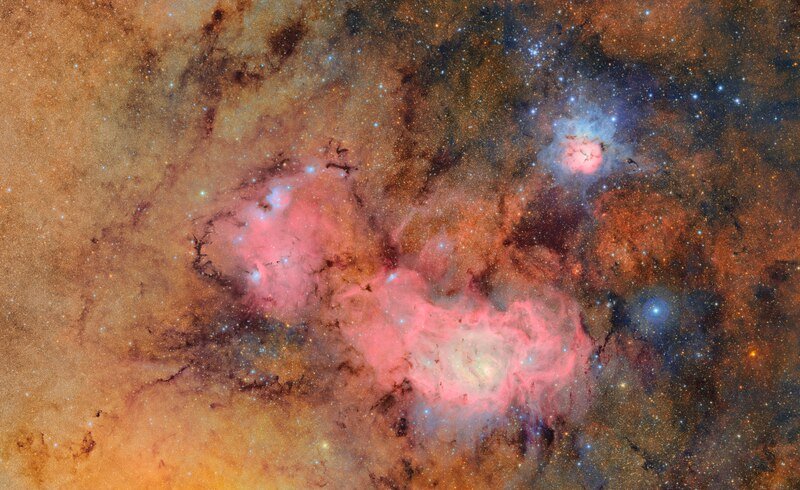
Trifid and Lagoon nebulae

Rubin Observatory Unveils Stunning First Space Images

Jan Otte

The universe has never looked this clear or this bright. The NSF-DOE Vera C. Rubin Observatory sent out its first scientific pictures on June 23, 2025. These pictures gave people an unprecedented look at the universe, which is always changing. The biggest digital camera ever built took these early pictures. They are just a taste ...

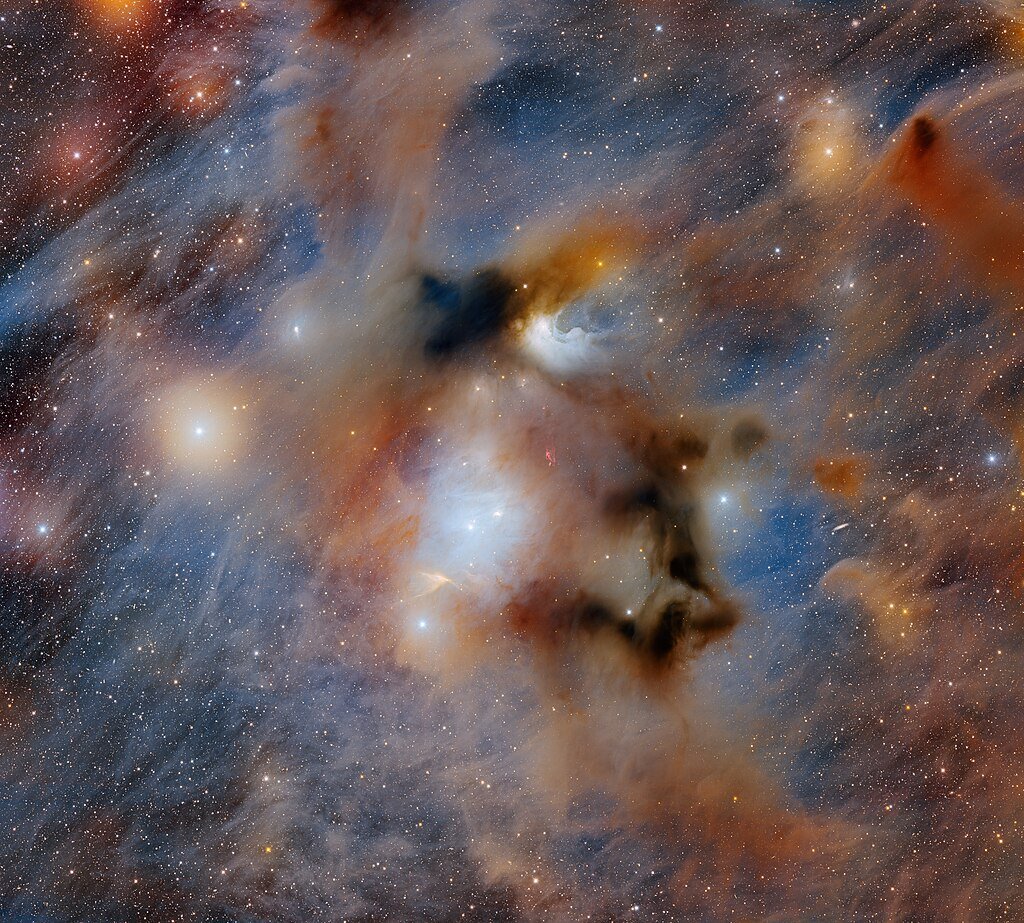
The ominous Chamaeleon I dark cloud, the nearest star-forming region to Earth, is captured in this image taken with the 570-megapixel Department of Energy-fabricated Dark Energy Camera mounted on the U.S. National Science Foundation Víctor M. Blanco 4-meter Telescope at Cerro Tololo Inter-American Observatory, a Program of NSF NOIRLab. Chamaeleon I is one portion of the larger Chamaeleon Complex and is home to three reflection nebulae that are brightly illuminated by nearby newly formed stars.

Chamaeleon I: Where New Stars Light Up Cosmic Darkness

Jan Otte

Behind clouds of interstellar dust, a cosmic drama is playing out deep in the southern constellation of Chamaeleon. The Chamaeleon I dark cloud is one of the closest places to Earth where stars are born. It is only 550 light-years away. In this “stellar nursery,” newborn stars break through the darkness and light up huge ...