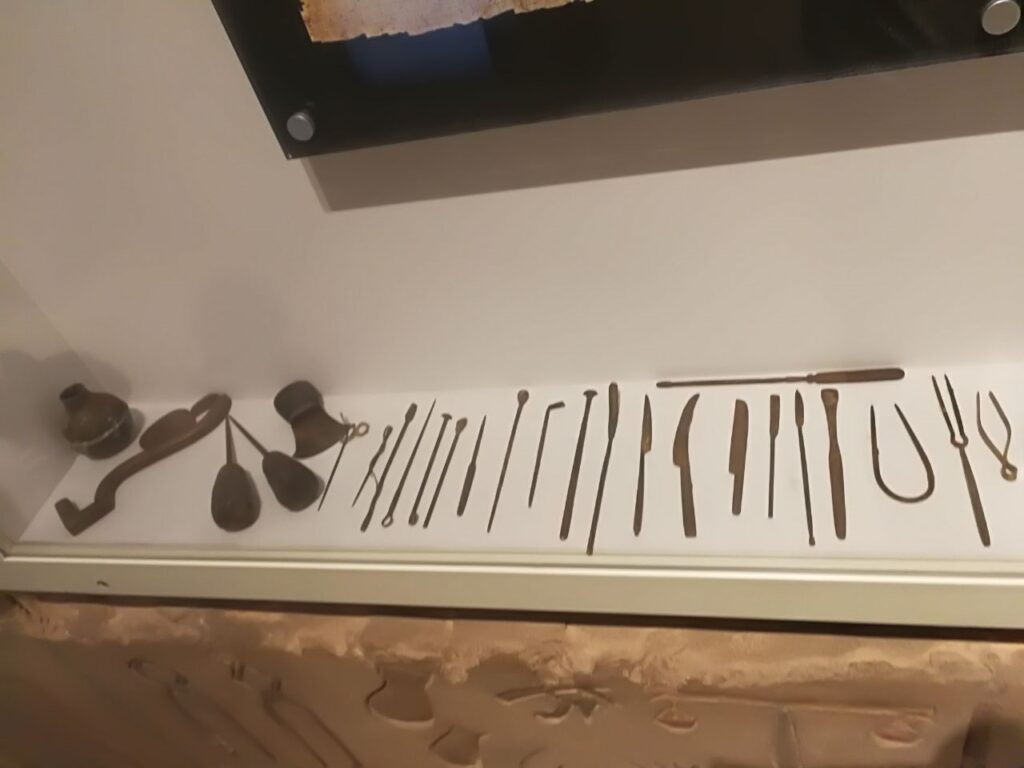
Walk into any museum and the placards look so confident. Neolithic axe. Roman coin. Bronze Age brooch. Every object gets a tidy little sentence explaining exactly what it did and who used it. It feels like archaeology is a solved puzzle, just waiting for someone to dust off the last few pieces.
That confidence is mostly theater. Behind the glass cases and the clean labels, researchers are quietly stuck on objects that were obviously built with skill, precision, and intention – and still can’t agree on what any of them were actually for. These aren’t fringe curiosities from conspiracy forums. They’re real, catalogued, peer-reviewed head-scratchers sitting in respected collections right now. Here are ten of them, and the honest, sometimes uncomfortable, story behind each one.
#10 – The Antikythera Mechanism’s Missing Gears
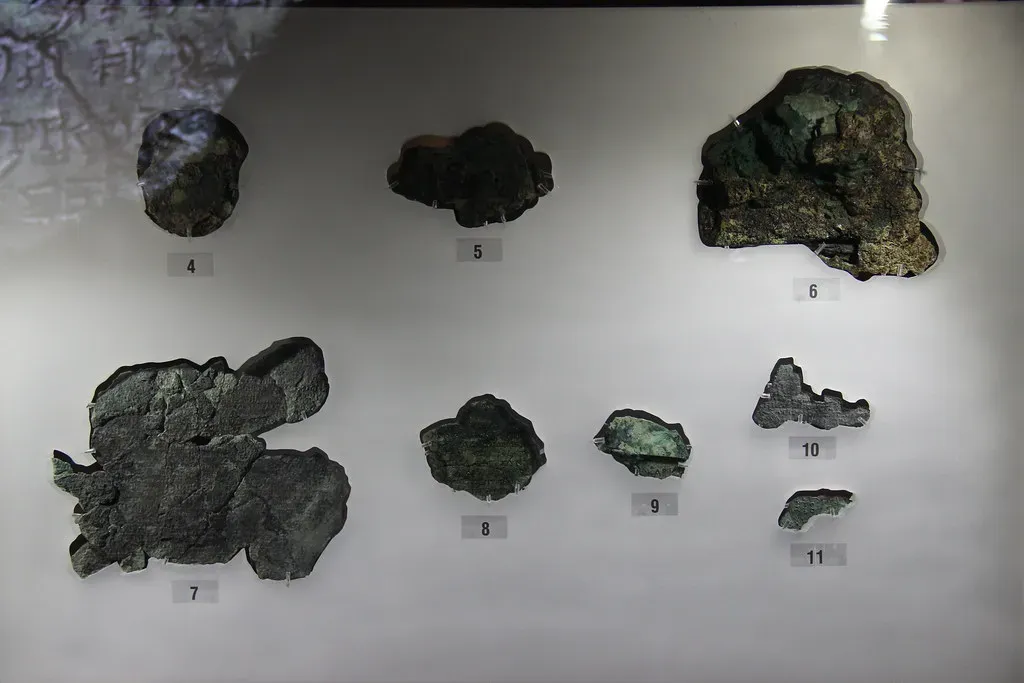
Everyone agrees the Antikythera Mechanism is an ancient Greek astronomical calculator, arguably the most sophisticated device to survive from antiquity. Researchers have modeled its core gearing in stunning 3D detail. But buried inside that reconstruction is an awkward admission: several fragments and proposed gears simply don’t map onto any function anyone can name.
Fast Facts
- Recovered in 1901 from a Roman-era shipwreck near the Greek island of Antikythera
- Generally dated to somewhere around the 2nd century BCE
- Housed in a wooden case roughly the size of a shoebox, built from bronze
- At least 30 gears have survived, with researchers believing the complete device needed even more
- Thought to track the sun, moon, and possibly planetary cycles all at once
The tooth counts on some of these ghost components suggest capabilities beyond basic sun-and-moon tracking, maybe eclipse prediction, maybe a star calendar, maybe something built purely to demonstrate astronomy to an audience. Nobody has ever found a complete, intact version to settle the argument. So the field is left in a strange spot: we know, with certainty, that this machine was designed to do more than we can currently prove. We’re just not sure what “more” means yet.
#9 – Scotland’s Carved Stone Balls

If you want to watch a room full of professionals get genuinely irritated, bring up the Neolithic carved stone balls from Scotland. They’re small, symmetrical, often studded with perfectly spaced knobs, and sometimes carved from stone that’s brutal to work by hand. They sit in your palm like they were made to be held. And they refuse to say why.
There’s no consistent wear pattern linking them to food prep, no damage suggesting weapons, no clear role as jewelry or trade weights. Theories range from ceremonial regalia to sling ammunition to measuring aids for early builders. Microscopic study has turned up faint surface wear on some examples, but nothing decisive. What actually bothers archaeologists is the math: some of these balls are so mathematically precise that “random decoration” doesn’t hold up. Something intentional is going on here. Nobody can say what with a straight face.
#8 – The Phaistos Disk’s One-Time-Only Stamps

The Phaistos Disk from Minoan Crete usually gets filed under “mysterious ancient text,” but the manufacturing story is the part that should really unsettle you. Its symbols were pressed into wet clay using reusable stamps arranged in a spiral, making it one of the earliest known examples of movable-type technology on Earth. That’s a genuinely big deal.
Except there’s only one. No test versions, no earlier drafts, no later copies anywhere in the archaeological record. For an invention that impressive, that’s bizarre. Some epigraphers think it’s a single ritual object; others suspect a board game or a divination tool. But if all anyone wanted was one prayer stamped into clay, why build an entire reusable stamp set to do it? It looks less like a finished artifact and more like a technology caught mid-experiment, one that never got the chance to spread.
#7 – Roman Dodecahedra With Zero Instructions

Roman dodecahedra are small hollow bronze objects shaped like twelve-sided dice, each face punched with a different-sized hole, knobs bristling from every corner, and not one inscription explaining any of it. They’re too carefully cast to be trinkets, and they’ve turned up everywhere from Britain to Central Europe, which means whatever they did, people valued it widely.
Modern reconstructions have shown these things actually work as distance-measuring tools when you sight through paired holes, and they can also standardize the width of knitted cords or tubes. That’s the frustrating part: too many plausible uses, and nothing narrowing it down.
Quick Compare
- Candlestick holder: the knobs could steady a candle, but no wax residue has ever been confirmed
- Knitting gauge: the graduated holes match certain cord widths used in period textiles
- Surveying tool: sighting through paired holes can estimate distance with surprising accuracy
- Ritual object: found in coin hoards and graves, hinting at ceremonial or symbolic value
Candlestick holder, knitting gauge, surveying tool, religious object – pick your camp, because the evidence supports several at once. Most archaeologists now quietly file them as “clearly purposeful, functionally unresolved,” which is a polite way of saying nobody’s cracked it.
#6 – The “Spindle Whorls” That May Not Spin Anything
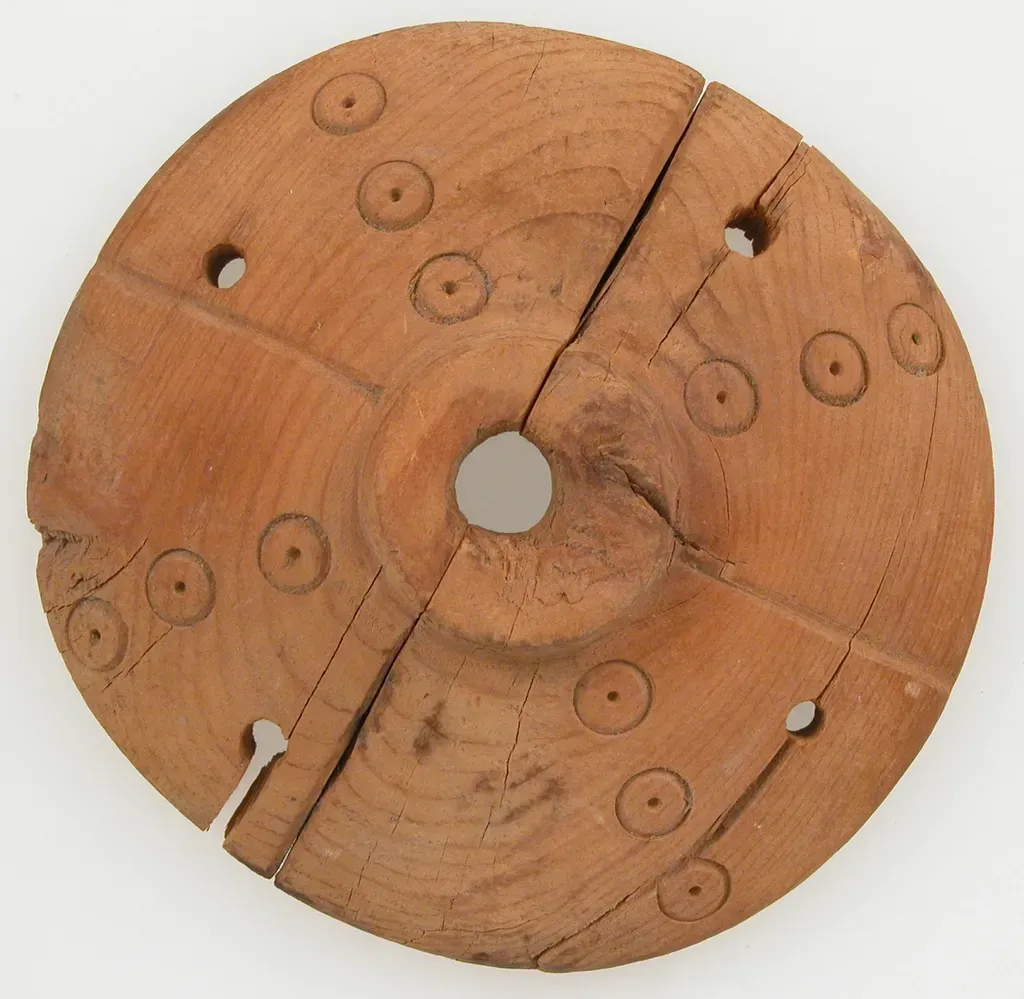
Across Europe and the Near East, small perforated discs of clay, bone, or stone get automatically labeled “spindle whorls.” Plenty genuinely are – they show rotational wear and turn up alongside other textile equipment, matching what traditional spinners still use today. But a large chunk of them don’t fit that story at all.
Some have the wrong weight distribution to spin thread efficiently. Others carry decorative patterns that would’ve been completely hidden during use, which makes no sense if the design was purely functional. Some show up in graves with no textile tools nearby, but sitting beside objects tied to trade or ritual instead. The uncomfortable possibility archaeologists are starting to admit: an entire category of ancient “micro-tools” has been lumped under one convenient label, when it’s really several different technologies wearing the same disguise.
#5 – Maya “Star-Shaped” Cogs That Interface With Nothing
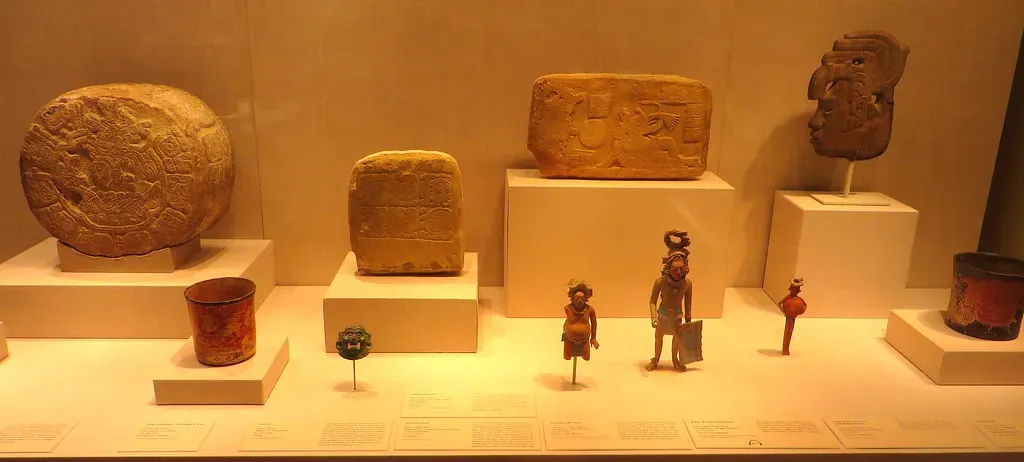
At several Maya sites, archaeologists keep pulling up strange circular stone and ceramic objects with protruding tooth-like points, sometimes with a hole punched through the center. They’re not mechanical gears in any real sense – there’s no evidence of gear trains in Mesoamerica – but they’re clearly not just decoration either. Some show heavy wear consistent with repeated handling or friction against another surface.
Attempts to connect them to grinding, pulleys, or rope tensioning haven’t held up cleanly; the wear patterns don’t consistently match those jobs, and plenty are found with no mechanical context nearby at all. Others suspect ceremonial counters used in calendar math or ritual games. The most honest read is that these were built to interface with something else entirely – ropes, wooden frames, cords – and that “something else” rotted away centuries ago, leaving only the stone teeth behind as evidence a machine ever existed.
#4 – Megalithic Mallets That Don’t Swing Right
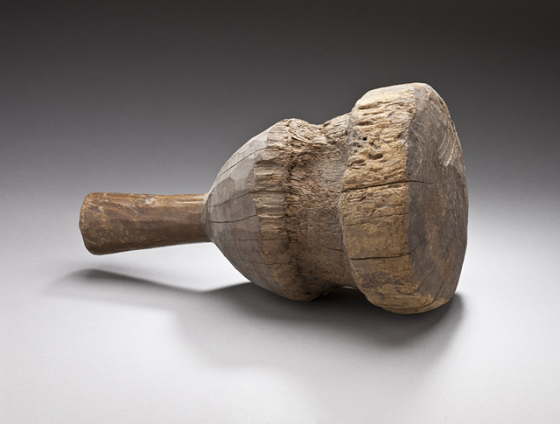
Prehistoric Europe is scattered with rounded stones bearing pecked hafting grooves, routinely labeled hammerstones or mallets. Fine, for most of them. But a subset, especially the oversized or oddly balanced examples, don’t behave like any hammer you’d actually want to use. They’re awkward to swing, too heavy for fine repeated work, and the wear sits in places a hammer strike would never land.
Worth Knowing
- Genuine hammerstones usually show pitting and flaking concentrated at one striking point
- The oddball examples instead show smoothing and polish spread across broader surfaces
- That wear pattern points to rolling, pressing, or rubbing motions rather than striking
- Similar oversized stones turn up near megalithic construction sites across Europe
Some researchers reach for “ritual object,” which in archaeology is often shorthand for “we’re stumped.” Others propose these were reserved for rare, high-force jobs like splitting massive timbers or shifting megalithic stone. But here’s the twist: microscopic study sometimes shows smoothing and polish instead of the pitting and flaking you’d expect from impact. That points to rolling, rubbing, or pressing motions, not striking at all – meaning these might not be hammers, but components of larger mechanisms like rollers or tensioning presses.
#3 – Egypt’s “Unfinished” Tools That Were Actually Used
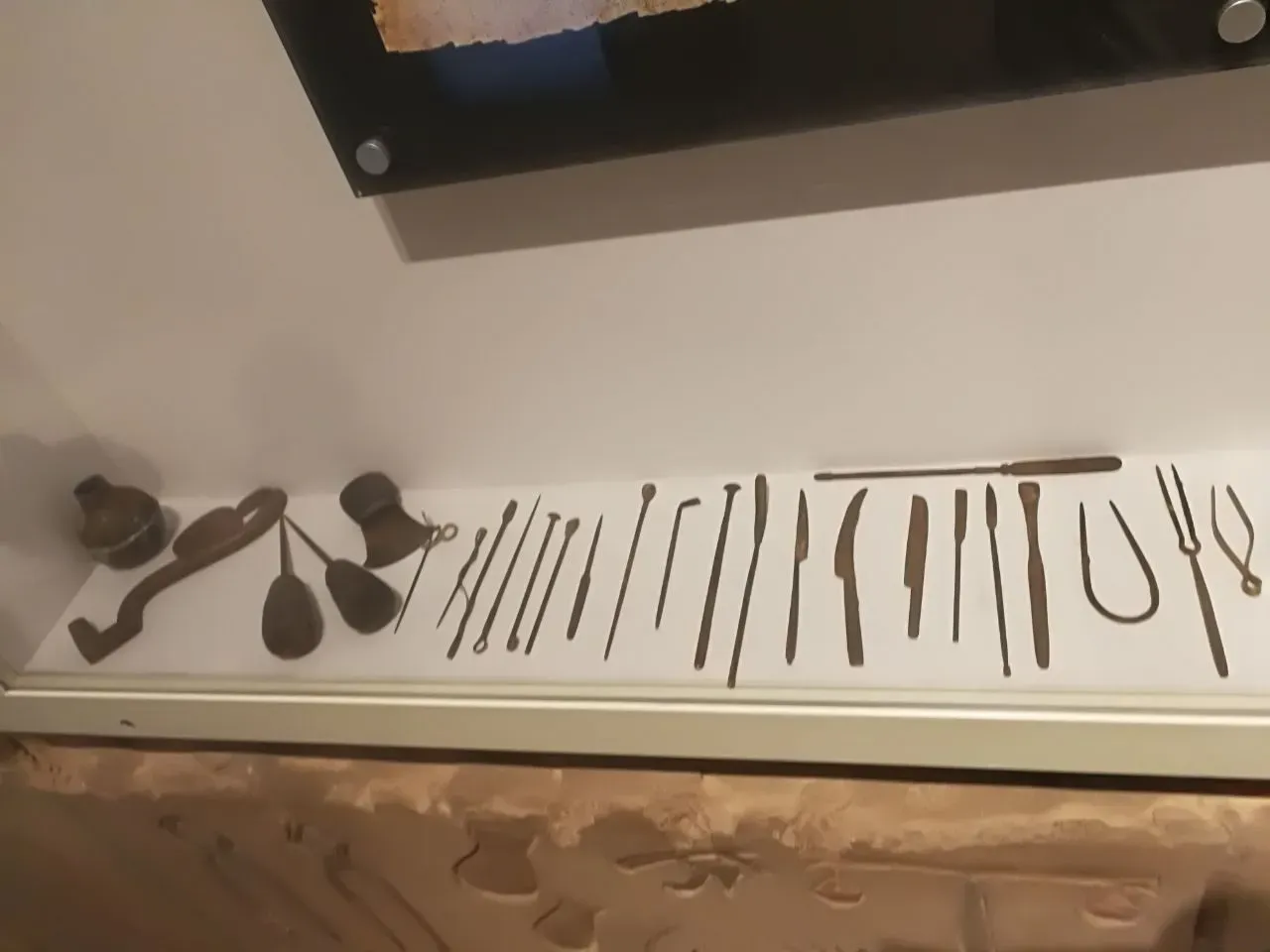
Workshops around ancient Egyptian sites are full of copper and stone tools dismissed as “unfinished,” “blanks,” or “failed attempts” – chisels with odd cross-sections, drill bits angled strangely, blades that don’t match any known finished form. The trouble is these types show up in numbers far too consistent to be accidents. Repetition like that stops looking like error and starts looking like deliberate design.
Some Egyptologists argue these are simply intermediate stages in a finishing process we don’t fully understand, which is fair. But others have found polish and micro-wear on these “unfinished” pieces consistent with actual use, followed by later re-sharpening or repurposing. In other words, the tools weren’t unfinished at all. Our modern typology just doesn’t have a category for what they actually were, so we defaulted to calling them mistakes.
#2 – Paleolithic Shapes That Match No Known Category
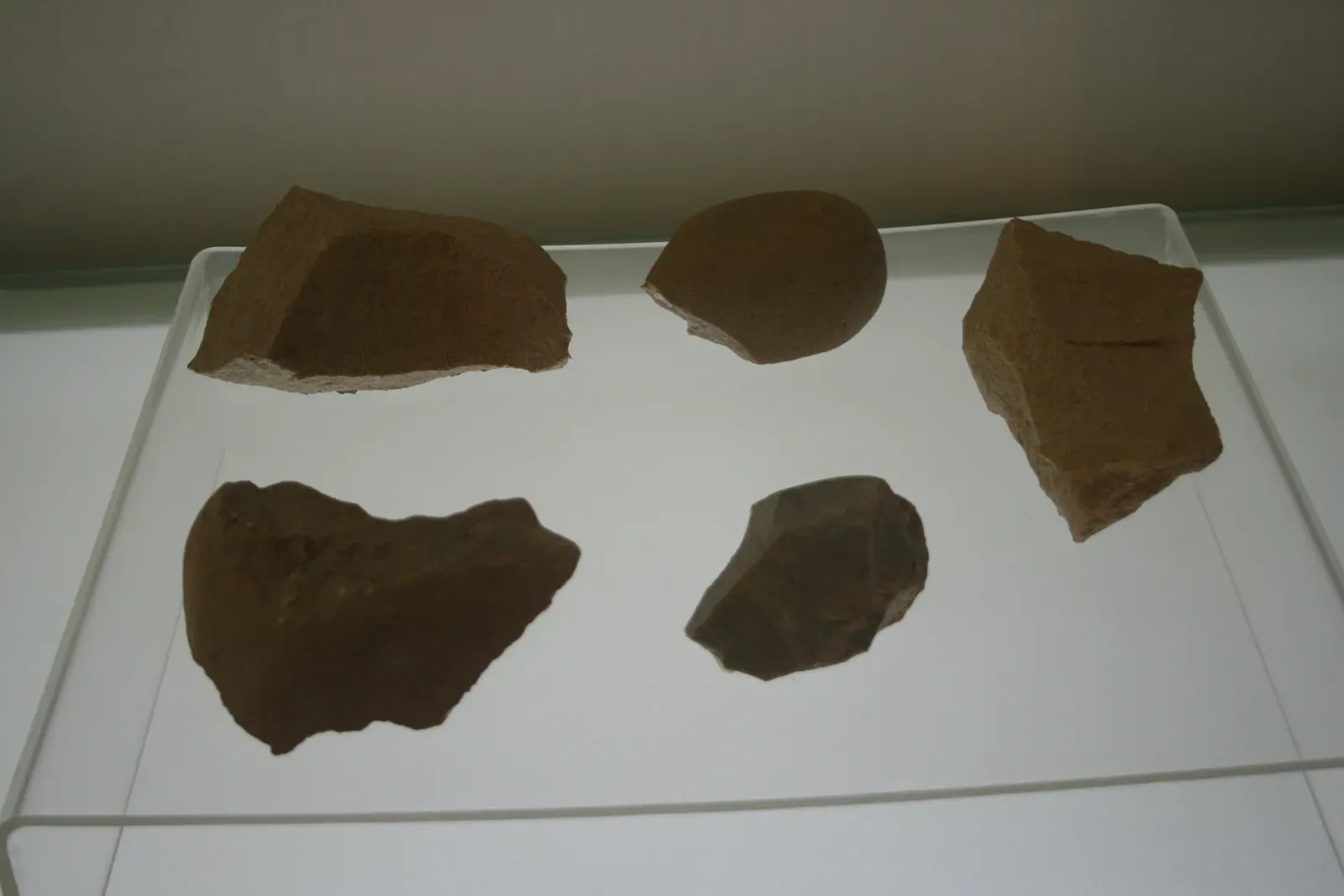
Deep in the Paleolithic record – hundreds of thousands of years back – archaeologists keep finding carefully shaped stone objects that refuse to fit standard categories like handaxe, scraper, or point. Some are figure-eight shaped. Others are deeply notched or perfectly symmetrical with no cutting edge at all. And they show up standardized across wildly separated sites and regions, which rules out coincidence.
Some get dismissed as apprentice training pieces, which feels like a convenient way to avoid the real question. Others are quietly labeled “problematical” and shelved. Micro-wear studies sometimes reveal polish in odd spots, exactly where you’d expect if the object was gripped, twisted, or seated into something else entirely. That raises a genuinely wild possibility: early humans may have had entire tool categories built for tasks – plant processing, net-making, composite devices – that we haven’t even thought to search for.
#1 – The Vanished Systems Behind Organic Tools
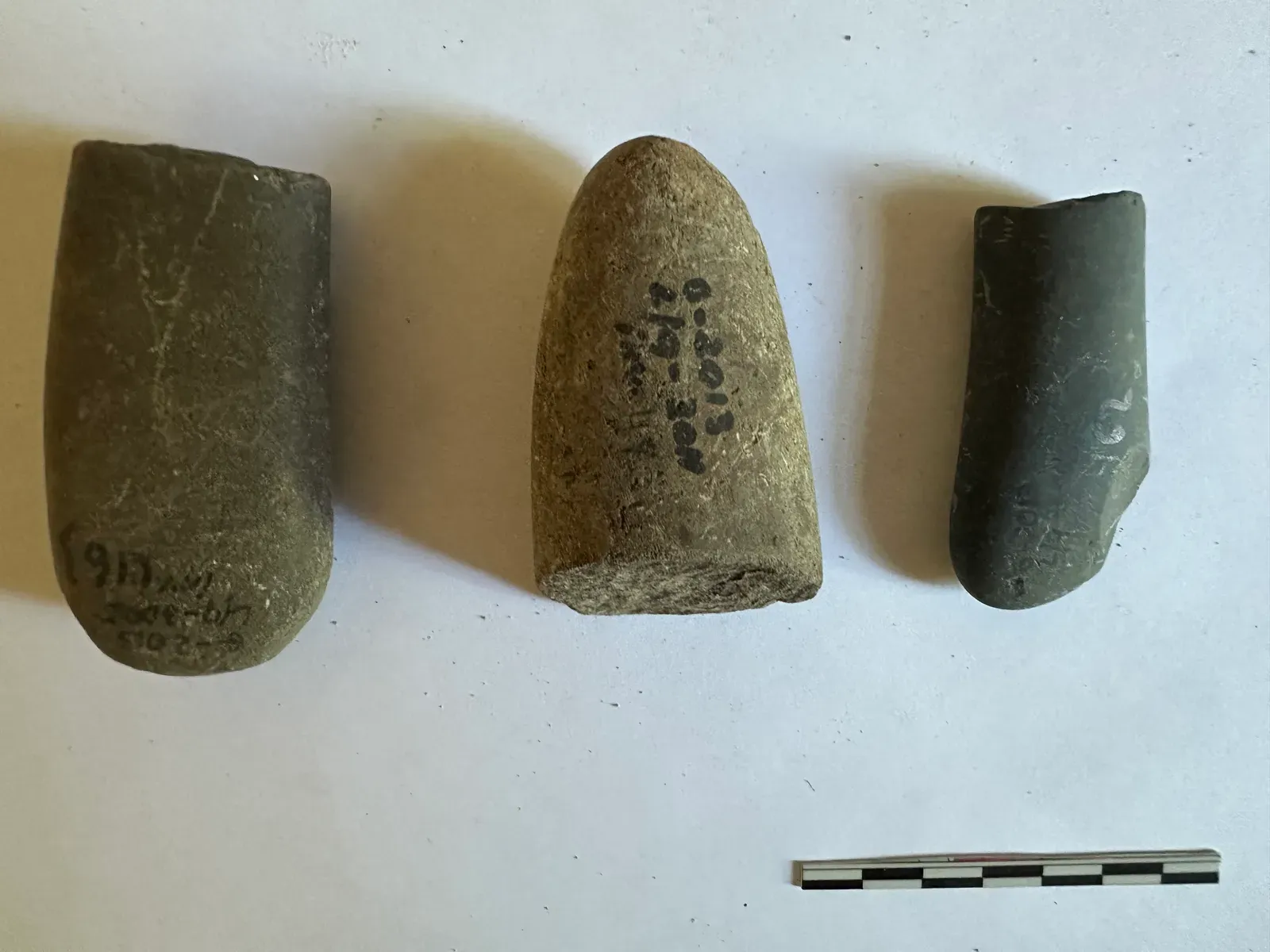
The most unsettling entry on this list isn’t a single object. It’s a pattern. Archaeologists regularly pull up bone toggles, antler spacers, perforated plaques, and small carved wooden pegs from waterlogged sites, each one clearly built to engage with rope, hide, or wood. Alone, each piece is a tiny mystery. Together, they hint at complex rigging, folding structures, or tensioned devices we’d instantly recognize if we ever saw one fully assembled.
At a Glance
- Organic materials like wood, rope, hide, and plant fiber rarely survive outside waterlogged, frozen, or extremely dry conditions
- The durable parts we recover – bone, antler, stone, metal – are often just the fittings that once connected to perishable frameworks
- Entire technology categories (bags, tents, traps, sleds, looms) may leave behind almost no direct trace
- Waterlogged sites are disproportionately valuable precisely because they preserve what almost never survives elsewhere
Picture this: if archaeologists a thousand years from now found nothing but plastic zipper sliders, with every scrap of fabric long since disintegrated, they’d spend decades arguing about what those “tools” were for. That’s exactly the position we’re in now. We’re holding the durable 10% of technologies that were 90% organic – bags, tents, traps, sleds, looms – and the organic majority is simply gone. The mystery here isn’t one artifact. It’s whole vanished technologies we may never fully rebuild.
The Bottom Line
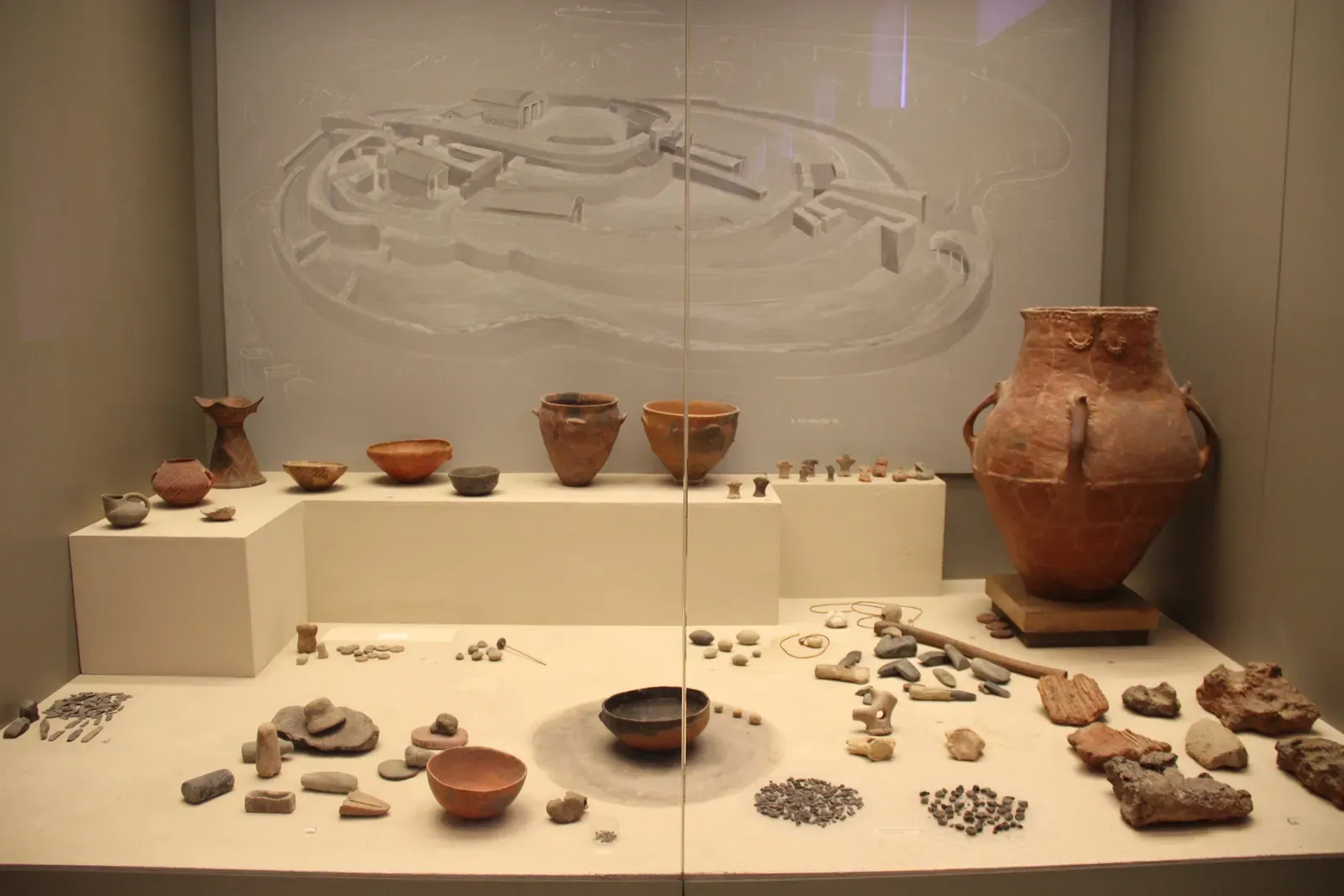
Strip away the confident museum labels and the clean textbook diagrams, and archaeology looks a lot messier than most people assume. From Roman dodecahedra to spindle whorls that probably never spun anything, the honest position is this: we’re surrounded by intentional design with no recovered purpose. That gap should bother us more than it does.
It means the tidy stories we tell about how ancient people lived are built on partial toolkits stitched together with generous guesswork. Personally, I think the real mistake isn’t the not-knowing – it’s pretending we’re almost finished figuring it out when we’ve barely scratched the surface. So which one of these do you think we’ve got completely wrong, and what do you suspect it was really built to do?