Articles for tag: CognitiveScience, Consciousness, NeuralActivity, Neuroscience

A computer circuit board with a brain on it

Could the Brain Tap Into Zero-Point Quantum Fields to Generate Consciousness?

Suhail Ahmed

  The idea that your thoughts might be surfing on the froth of the quantum vacuum sounds like science fiction, and yet serious physicists and neuroscientists occasionally flirt with the possibility. As we learn more about how strange the quantum world really is, and how weirdly efficient and resilient brains can be, the question refuses ...

a close up of a human brain on a black background

The Brain Explains How – Not Why – We Exist

Suhail Ahmed

  The odd thing about modern neuroscience is that the more precisely it maps the brain, the less it seems able to answer the question people actually care about: why are we here at all. Brain scans can now trace how a decision forms, how a memory resurfaces, even how a burst of awe lights ...

silhouette of man illustration

Consciousness May Not Come From the Brain Alone

Suhail Ahmed

  For more than a century, neuroscience has told a remarkably confident story: the brain is the seat of the mind, full stop. Yet as brain scanners get sharper and theories more precise, an uncomfortable pattern keeps emerging – our measurements of neural activity often fall strangely short of explaining what it actually feels like ...

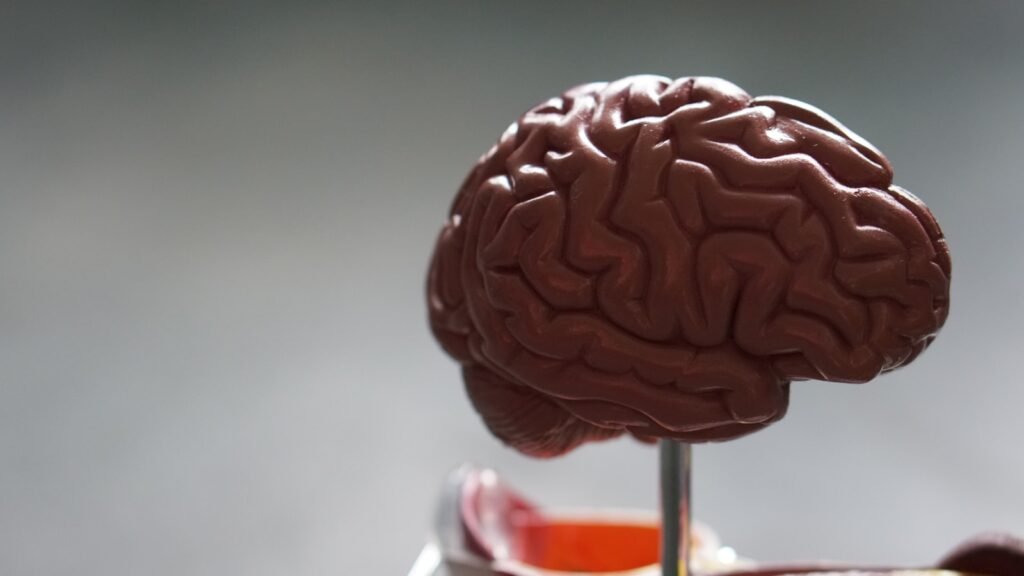
human brain toy

Our Brain Creates Our Reality: The Science Behind Perception

Suhail Ahmed

  Walk into a crowded city street and you feel certain you’re seeing the world as it truly is: the cars, the faces, the neon signs, the threat of that bike whizzing too close to the curb. Yet neuroscience is quietly, and sometimes uncomfortably, dismantling that confidence. What we experience as reality is not a ...

Abstract red brain network with a person

The Theory That Human Consciousness Is Borrowed From the Universe

Suhail Ahmed

  On a clear night, when the sky is a black ocean scattered with stars, it is hard not to feel that something out there is staring back. For centuries, humans have treated consciousness as a private, brain-bound phenomenon, locked behind the skull like a secret. Now, a growing wave of physicists, neuroscientists, and philosophers ...

person opening photo album displaying grayscale photos

Our Memory Is Not a Perfect Record: The Science of Remembering

Suhail Ahmed

  We like to think of memory as a mental video archive, faithfully storing everything we experience, ready to be replayed on demand. But the last few decades of neuroscience have demolished that comforting idea and replaced it with something far stranger, and far more unsettling. Our memories are not passive files; they are living ...

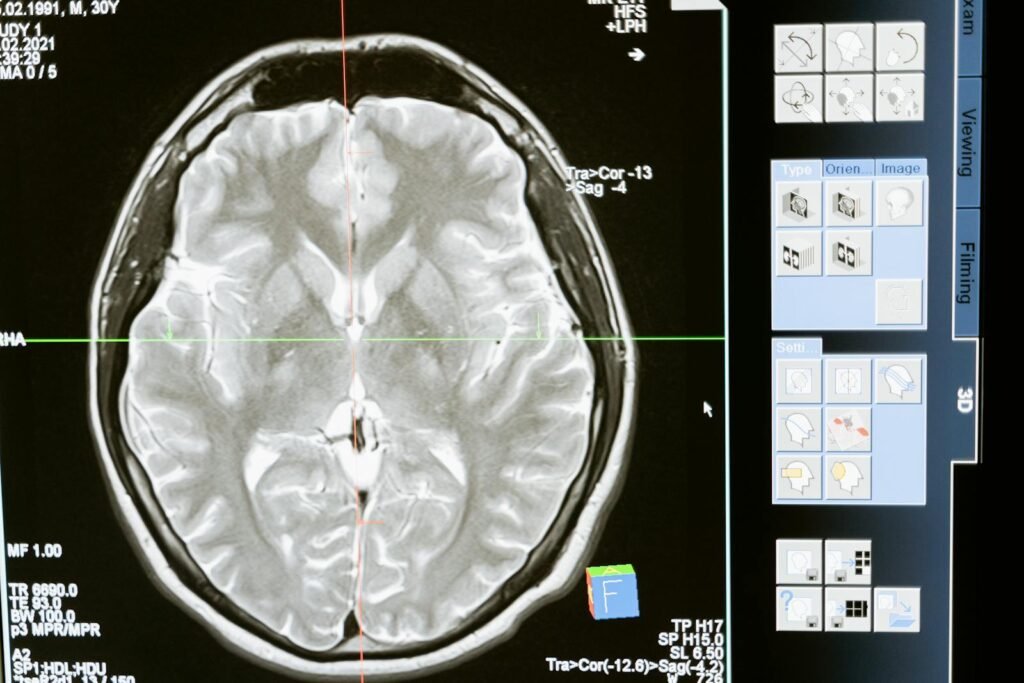
a black and white photo of various mri images

The Science of Intuition: How Our Gut Feelings Guide Us

Suhail Ahmed

  We have all felt it: the urge to change lanes just before a car swerves, the inexplicable unease when someone seems charming but “off,” the sudden knowing that a choice is right long before we can say why. For centuries, intuition has been framed as mystical, feminine, or flaky – something to be distrusted ...

a computer generated image of a human brain

Why No Scientific Model Can Fully Explain What It Feels Like to Be You

Suhail Ahmed

  Science has mapped your genes, scanned your brain in glowing colors, and tracked your heartbeat down to the millisecond – yet it still cannot answer a deceptively simple question: what does it actually feel like to be you, from the inside. For more than a century, researchers have tried to translate the first‑person world ...

A computer generated image of a brain surrounded by wires

The Uncomfortable Question Neuroscience Still Can’t Answer About Awareness

Suhail Ahmed

  Walk into any neuroscience lab in 2025 and you’ll find brain scanners humming, algorithms sorting through neural spikes, and researchers promising they’re on the brink of decoding consciousness. Yet beneath the confident conference talks and glossy brain images lurks a stubborn, almost embarrassing problem: we still don’t know how bare awareness itself arises. We ...