You probably imagine archaeologists as people who live for discovery, racing to get their latest finds into journals and documentaries. But every now and then, a discovery is so awkward, so confusing, or so career-threatening that the people closest to it simply never put it properly into print. You only hear hints, offhand comments at conferences, a blurry slide in a lecture that somehow never appears in the official report. In this article, you’re stepping into that uncomfortable space: the gap between what has been reliably published and what insiders have whispered about for years. You’ll notice something important, though. The truly verifiable part of these stories is usually small and sober, while the wildest versions live in rumor. Whenever you see that pattern, you need to walk carefully, holding curiosity in one hand and skepticism in the other.
1. The “Too-Early” Homo sapiens Skulls That Keep Getting Quietly Re-Dated
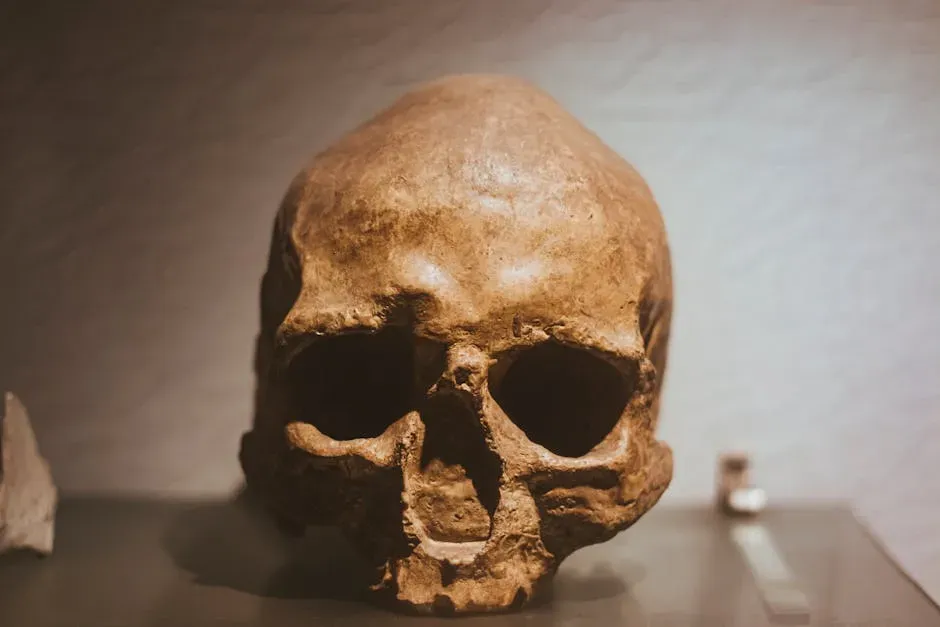
If you follow human evolution news, you’ve probably seen this dance: a remarkably early Homo sapiens skull is announced, headlines scream that it changes everything, and then later, in low-key technical papers, the date gets nudged forward until it looks much less dramatic. You’re left wondering if what you read the first time was ever really settled, or if the people involved realized the consequences of leaving that radical date standing and chose a quieter route out. Behind the scenes, you’re dealing with career risk. If you strongly argue that your skull is tens of thousands of years older than mainstream models allow, you’re directly challenging colleagues who have built reputations on those models. When later lab work or more cautious statistical treatment suggests you overshot, it’s far easier to “correct” the date than to loudly admit that your original claims undercut entire textbooks. So you see a pattern: preliminary presentations buzz with implications; final published dates often drift back toward safer territory, and the boldest versions live only in conference corridors and private emails.
2. Human Presence in the Americas Long Before the Accepted Timeline
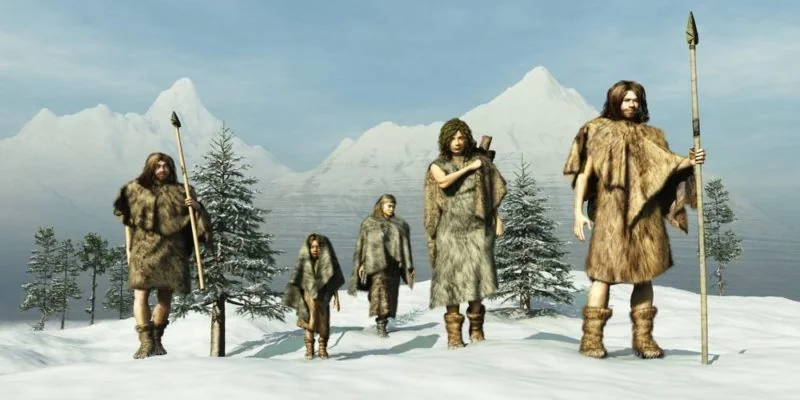
You’ve probably heard that people reached the Americas near the end of the last Ice Age, with a growing consensus for arrival at least several thousand years earlier than older textbooks claimed. But there are also scattered claims of evidence pointing to unimaginably early occupations, so early that if you accepted them as firm, you’d have to rethink the whole story of how and where your species moved across the planet. Many of these claims rest on ambiguous stone fragments, broken bones, or marks that might be tools… or might just be nature. Here’s where you feel the tension. If you’re an archaeologist and you think you might have signs of human activity tens of thousands of years before the mainstream timeline, you’re walking into a storm. If your marks and stones are not absolutely clear, critics will say you’re mistaking geology for technology. So instead of rushing to publish a bold, shaky claim, some researchers keep the materials in drawers, revisit the site quietly, or shift to more conventional projects. You still hear rumors of “crazy early” sites, but what actually makes it into respectable journals stays much closer to the evolving but still cautious consensus.
3. Anomalously Advanced Metalwork in Bronze Age Contexts
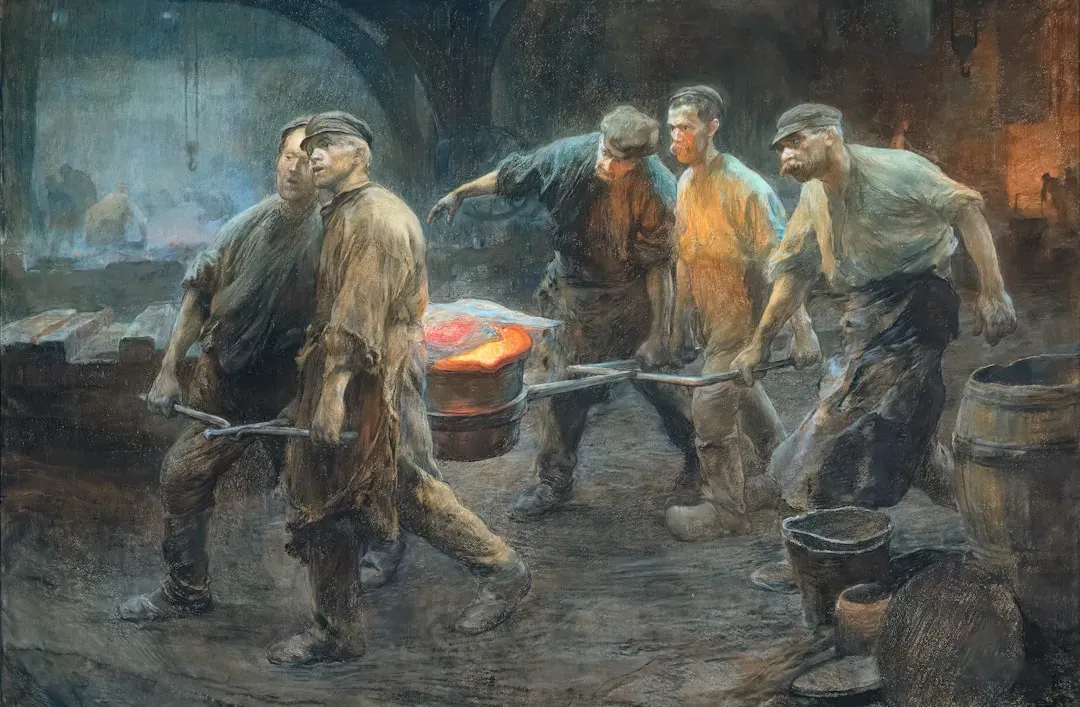
Every once in a while, you’ll see a throwaway line in a technical report about a strange alloy or a metal artifact that doesn’t match the standard recipe for its supposed era. Maybe you’re looking at a level firmly dated to a particular Bronze Age culture, and yet the composition or manufacturing technique of a piece looks more like something that should appear centuries later. You might expect a big splash, but instead you get a sentence, a footnote, or nothing at all in the popular write-up. From your perspective, that silence can feel suspicious, but there’s also a simpler explanation. Metallurgy is complicated. Contamination, recycling of older metal, or mislabeling of layers can easily produce anomalies. If you publish a dramatic claim that your Bronze Age site somehow hints at techniques centuries out of place, you invite a wave of criticism from chemists, geologists, and rival archaeologists. Faced with that, some teams choose to frame the find as an oddity, note the data conservatively, or quietly focus on the rest of the site instead of building a sensational story around one stubborn artifact.
4. Skeletal Remains That Do Not Fit the Standard Sex and Age Profiles
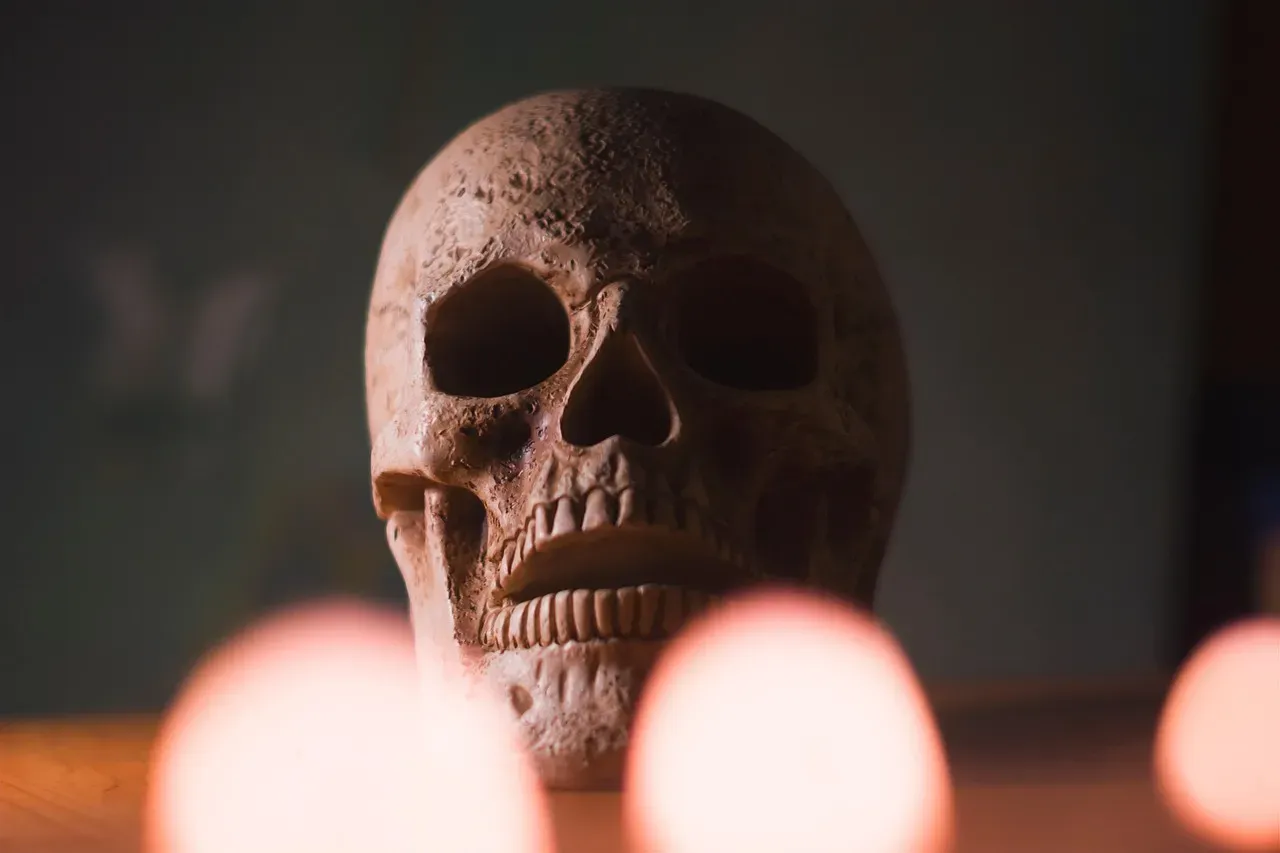
When you read about ancient burials, you usually hear neat descriptions: an adult male warrior, an elderly female with weaving tools, a child with toys. But in real excavations, you sometimes get burials that match none of the tidy categories. Bones that suggest intersex conditions, highly unusual body proportions, or pathologies that make biological sex assignment deeply uncertain can challenge both the scientific methods and the cultural assumptions you bring to the past. Publishing on these remains can feel like stepping into a minefield. If you insist on cramming an ambiguous skeleton into a binary category, you risk misleading readers and flattening past realities. If you highlight its ambiguity and explore analogies to modern gender diversity, you might face pushback from conservative colleagues or funding bodies who see that as politicized. That tension means some of the most challenging skeletons remain minimally described, or are mentioned in technical language without deeper interpretation, even though they could tell you a much richer story about human variation across time.
5. Religious Artifacts Found Far Outside Their Expected Cultural Zones
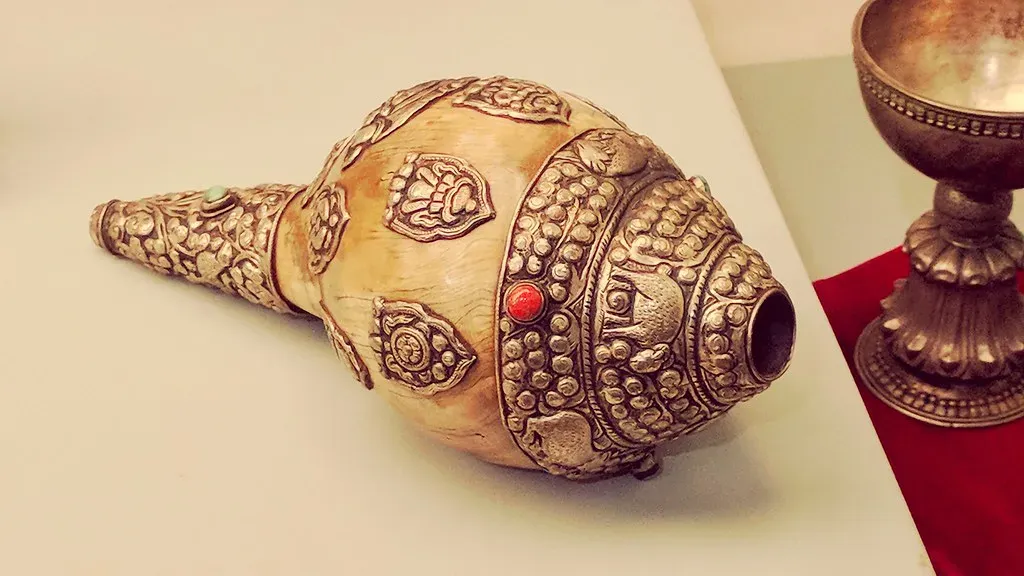
Imagine you’re sorting artifacts from a well-known ancient site, and suddenly you find an object that looks strikingly like the sacred symbol of a completely different culture, supposedly thousands of kilometers away. Your first instinct is excitement: maybe you’ve got evidence of contact routes nobody suspected, or shared religious ideas that crossed mountains and seas. Then reality sets in, because if you push that claim too hard, you’re going to collide with entire narratives about isolated civilizations and neat cultural boundaries. In many cases, what you’re seeing could be coincidence, parallel symbolism, or simple misidentification. Two societies can invent similar motifs without ever meeting. But if you think your case is stronger than that, you need a dense body of supporting evidence: multiple artifacts, good stratigraphy, solid dates, and alternative explanations ruled out. Without that, you may find yourself warned not to overplay it. The result is that some potentially explosive religious crossovers are relegated to cautious phrases like “possibly analogous motifs,” and the more daring interpretations live only in the conversations researchers have when they trust each other not to overquote them.
6. Burials That Mix Human and Animal Remains in Disturbing Ways
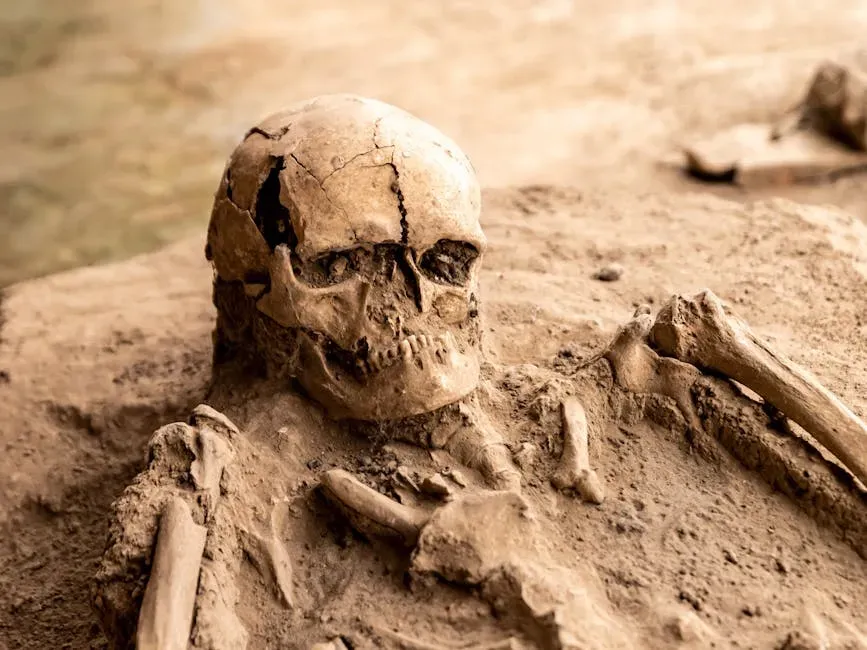
You’re used to hearing about animal bones placed lovingly with humans as offerings or companions. But there are also more unsettling finds where human and animal remains are so thoroughly intermingled that they raise immediate questions about ritual violence, cannibalism, or taboos. In some graves, disarticulated bones, deliberate breaking, and unusual burning patterns force you to confront the possibility that the treatment of bodies was far more brutal or complex than public museum labels usually admit. When you try to talk about these burials, you walk a tightrope. On one side, you risk sensationalizing ancient people as monstrous, feeding into old stereotypes about “savage” cultures. On the other side, you risk sanitizing their practices to make them more palatable. Many researchers choose a middle path that leans toward euphemistic language, focusing on “secondary burial,” “ritual manipulation,” or “unusual mortuary practice” rather than more graphic descriptions. The grimmest interpretations sometimes remain in unpublished field notes or closed-door workshops, because even today, some aspects of how your ancestors treated the dead feel almost too raw to broadcast widely.
7. Rock Art That Seems Shockingly Modern or Technologically Informed
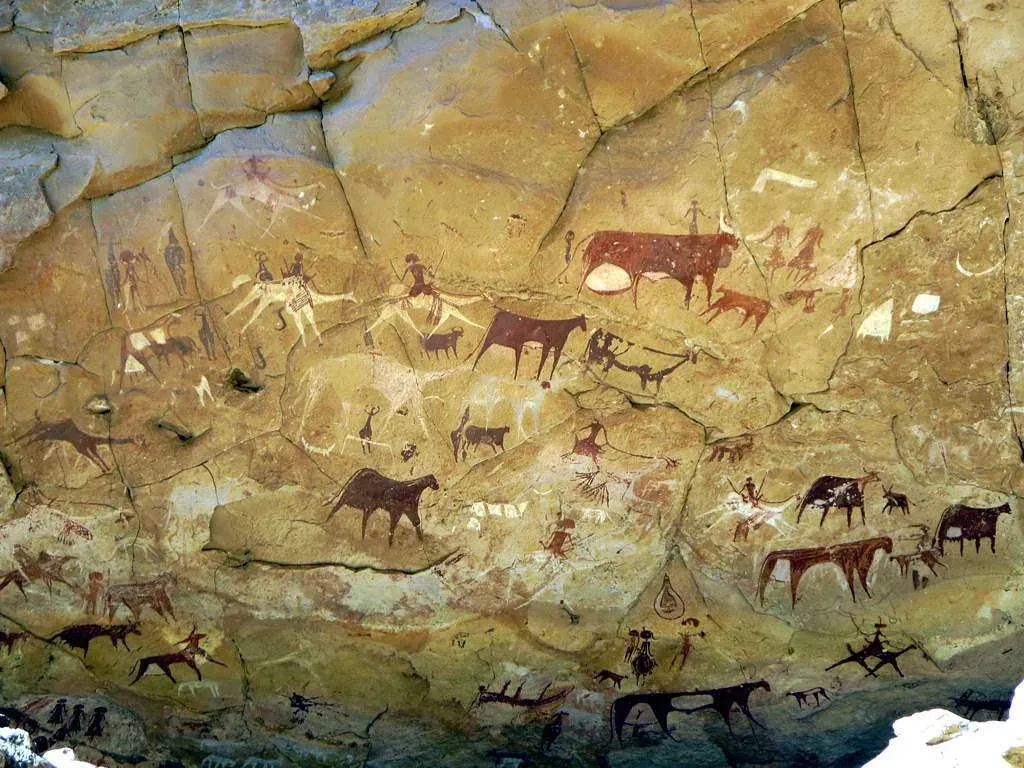
If you spend time looking at prehistoric rock art, you quickly see hunting scenes, animals, and abstract patterns that make sense for their environment. But then there are panels that, at first glance, look almost like schematics, star maps, or even mechanical diagrams to your modern eyes. You might feel a jolt of recognition, as if someone tens of thousands of years ago was sketching ideas you only expect to see in a textbook or a lab. It’s incredibly tempting to lean into that feeling and argue that ancient artists were recording advanced astronomical knowledge or complex technical concepts. A few researchers privately admit they see patterns that make them uneasy, because they know how easily such interpretations can slide into fringe theories about lost civilizations or outside intervention. So in official publications, the language often stays extremely cautious, describing “geometric motifs” or “non-figurative designs” without following the implications too far. You’re left with a gap between what some eyes privately see and what the scholarly filter allows to appear in print.
8. Megalithic Constructions That Do Not Match Local Engineering Traditions
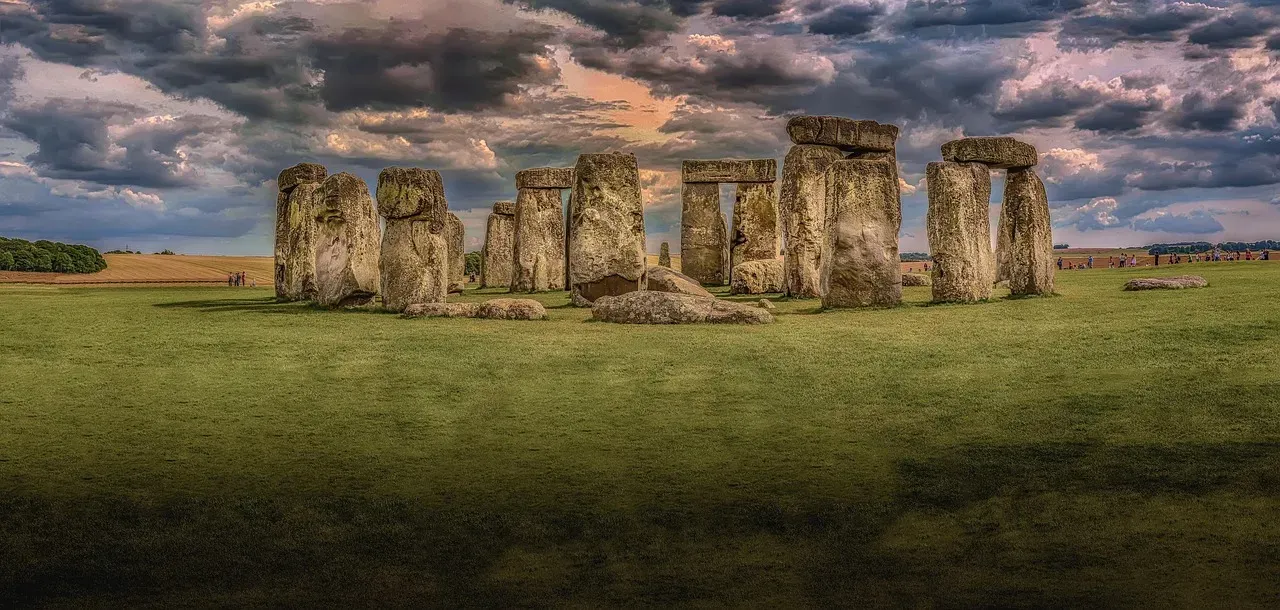
When you walk around a famous ancient monument, you’re usually told a clear story: locals built it, step by step, using techniques consistent with other structures in the area. But archaeologists sometimes encounter single, massive constructions that feel out of line with everything else nearby in terms of scale, precision, or stone-working methods. You might see one extraordinary structure surrounded by decidedly ordinary buildings, and the temptation is to paint it as an outlier, a one-off wonder. The problem is that if you push the strangeness too far, you invite people to imagine lost master-builders, vanished cultures, or extreme outside influence without enough hard data to back that up. So, professionally, many experts keep to a safe script: they acknowledge the technical challenge, mention possible experimental reconstructions, and emphasize continuity with the local tradition, even if they personally think the puzzle is not fully solved. The more speculative theories are traded in private conversations, or buried in the “future research needed” sections that most casual readers never reach.
9. DNA Results That Clash with Expected Ancestry Narratives

In the last couple of decades, you’ve seen ancient DNA revolutionize archaeology, redrawing maps of migration and mixing in ways nobody predicted. Yet not every set of genetic results lines up neatly with existing ideas about who lived where and when. Sometimes a small skeletal sample from a well-characterized culture shows genetic ties that feel out of place, suggesting surprising movement, intermarriage, or replacement that might spark political sensitivities today. If you publish a result that hints a revered ancient population was heavily mixed with outsiders, or that modern groups have more complex roots than national myths prefer, you risk heated public debate. In such contexts, teams sometimes proceed very slowly with controversial DNA datasets, subjecting them to extra layers of internal review, cautious phrasing, or delayed publication. You occasionally hear rumors of “weird” genomes waiting in labs, not because the data are faked, but because the people involved know how explosive ancestry stories can be when they collide with modern identity and politics.
10. Sites That Hint at Organized Activity Long Before Agriculture
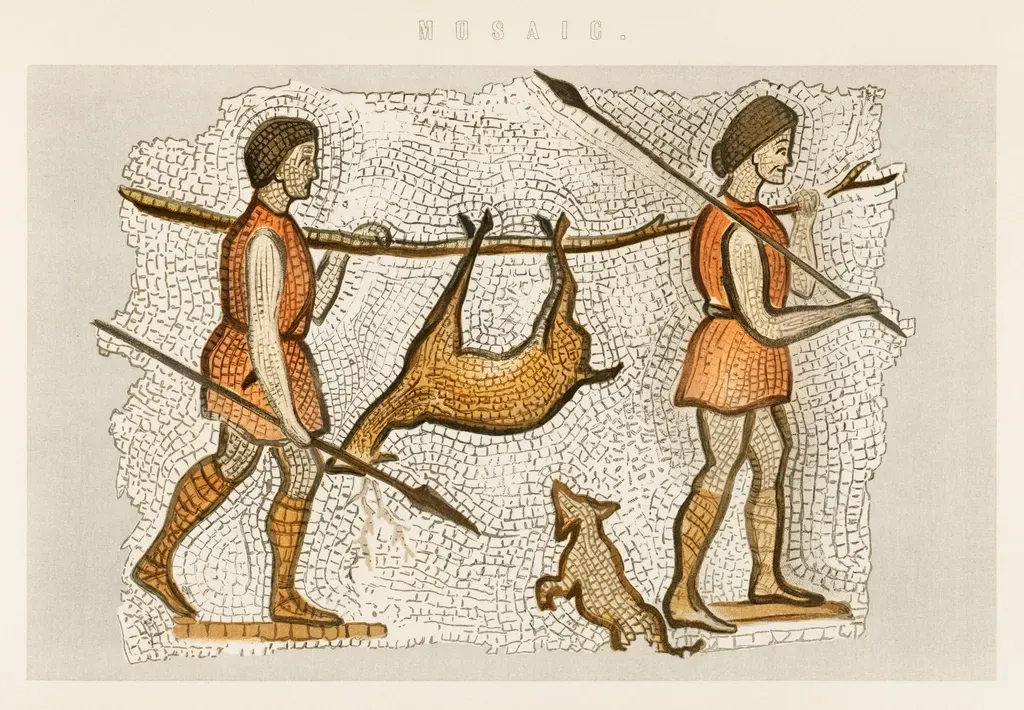
You’re often told that large, complex sites with monumental architecture appear after farming takes off, when surplus food supports specialists and organized religion or bureaucracy. But some excavations show puzzling signs of coordinated building, ritual structures, and long-distance material exchange rooted in apparently hunter-gatherer societies. These push you to consider that social complexity may have bloomed earlier and more spontaneously than older models allowed. Publishing on such sites requires you to fight against a deeply ingrained staircase image of history: first foraging, then farming, then cities. If a pre-agricultural site looks too sophisticated, critics may argue that you misdated it, misunderstood its function, or overinterpreted the architecture. Because of that, researchers often focus heavily on meticulous dating and conservative language, underplaying the most dramatic implications. Some preliminary interpretations about how far that complexity goes remain buried in grant reports and internal discussions, waiting until enough similar sites exist to make the claim feel less like an outlier and more like a trend.
11. Artifacts That Sit Right on the Edge Between Natural and Human-Made
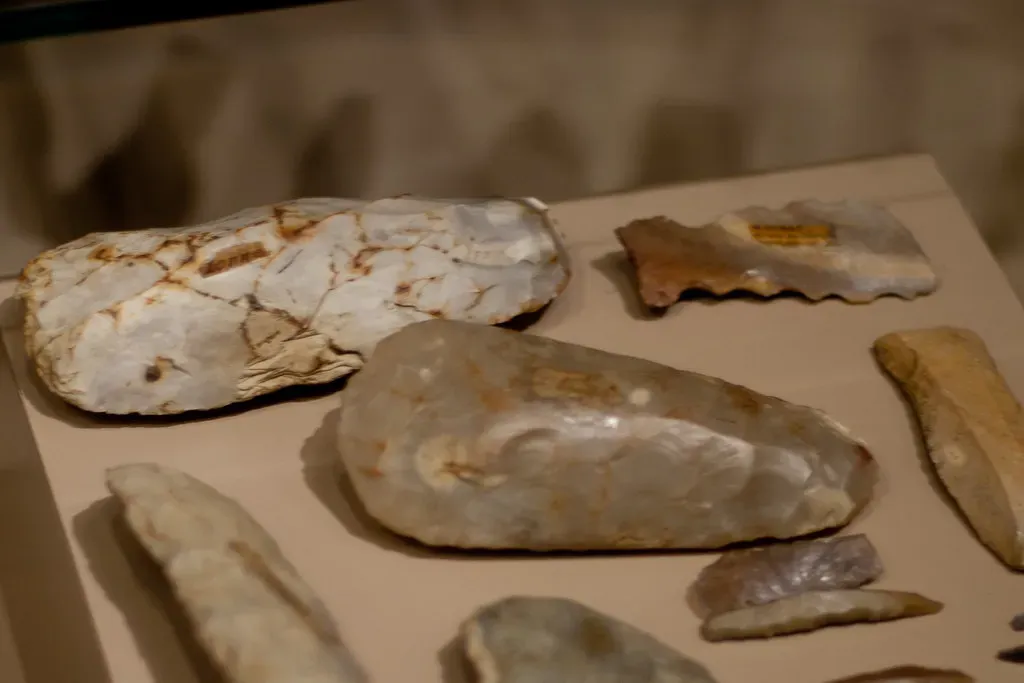
At the heart of many strange finds lies a deceptively simple question: is this really an artifact, or just an oddly shaped rock? You might feel sure when you see clear flaking patterns, polish in the right places, or consistent forms repeated many times. But then there are borderline cases where natural processes can mimic human shaping so convincingly that even seasoned experts argue with each other. Those liminal objects can either rewrite chapters of prehistory or turn out to be geological accidents. Because careers and entire narratives can hinge on that line, some archaeologists become extremely conservative about what they are willing to call a tool. If labeling a piece as human-made would force a radical rethinking of dates or cultural presence, the bar of proof becomes even higher. As a result, you sometimes have boxes of possible tools that remain unpublicized, hovering in a gray zone. The public never hears about them, not because of a grand conspiracy, but because the professionals would rather not stake their reputations on objects that might be downgraded to “interesting rocks” in the next round of peer review.
12. Discoveries That Directly Contradict the Discoverer’s Own Previous Work

There’s one especially human reason some findings never see full daylight: they undercut the discoverer’s earlier, very public positions. Imagine you’ve spent decades arguing for a specific migration route, a tight timeline, or a clear-cut cultural boundary, and then your own excavation uncovers evidence that makes your cherished model wobble. You can either pivot dramatically and admit that you were wrong in key ways, or you can interpret the new data in a way that minimizes the damage. In practice, you often see a subtle dance. The controversial material may be mentioned briefly, without fanfare, or relegated to technical appendices that most people never read. In some cases, it remains in preliminary reports, shared with a small circle rather than pushed into high-profile journals. From your side, this can feel like experts refusing to publish, but it is often a more mundane mix of pride, caution, and the fear of losing authority. The irony is that science only moves forward when people have the courage to publish the results that make them uncomfortable.
Conclusion: How You Should Really Read Stories of “Suppressed” Finds
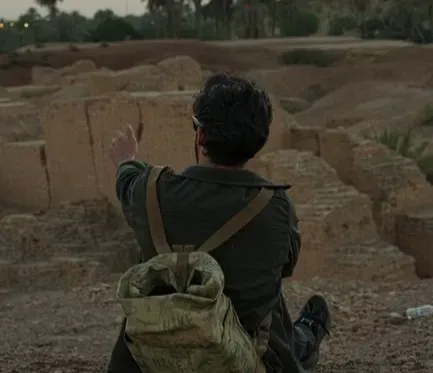
When you step back from all these examples, you notice a pattern that is far less dramatic than secret vaults and hidden scrolls, but in many ways more revealing. The strangest archaeological finds often sit in a gray area where the evidence is thin, ambiguous, or politically touchy, and where the cost of being wrong feels painfully high. That is the space where you hear whispers about discoveries experts “refuse to publish,” while the official literature moves more slowly and cautiously than your curiosity would like. For you as a reader, the most powerful move is to hold two thoughts at once. Yes, there are real pressures – career, funding, politics, identity – that make some archaeologists hesitate to shout about their oddest data. And at the same time, the most extraordinary claims really do need rock-solid evidence before they belong in textbooks. If you can live comfortably in that tension, asking where the data end and the speculation begins, you’ll read every new discovery with sharper eyes and a more flexible mind. Faced with the next rumor of a world-changing “suppressed” find, will you be ready to ask the right questions instead of just reaching for the wildest story?