You probably imagine ancient tombs as places where everything is already neatly labeled and understood. In reality, when archaeologists crack open a sealed chamber, what they find inside is often a giant question mark. Objects are out of context, inscriptions are fragmentary, and symbolism can be baffling even to experts who have spent their entire careers on one culture. Over the last decade or so, several sealed burial spaces have been opened that turned out to be time capsules packed with objects that still defy clear attribution. You’re living at a moment when those puzzles are actively being worked on, which is a strangely thrilling thought: the textbooks are not finished yet. As you read, you can almost stand beside the teams in the dust and darkness, trying to decide what – and who – these things once belonged to.
The Black Granite Sarcophagus in Alexandria: Three Bodies, Many Questions
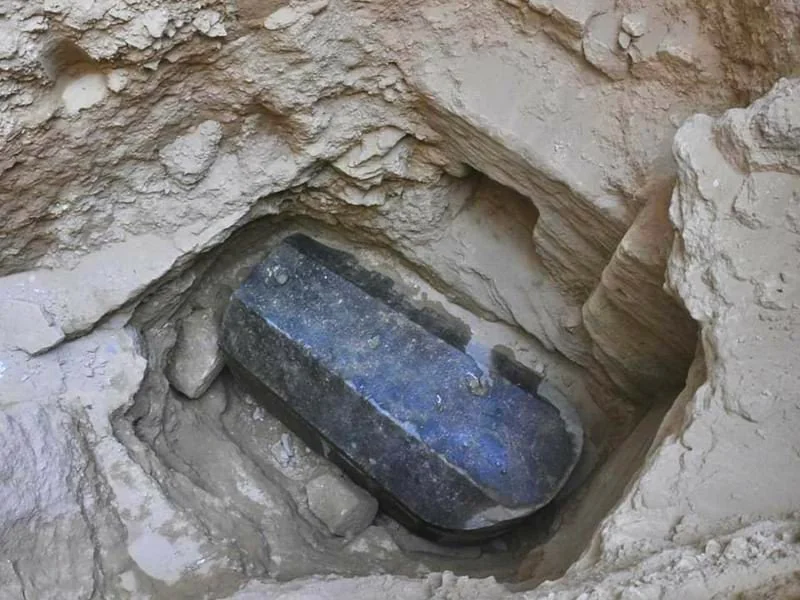
When you picture a sealed burial being opened, this is probably the kind of scene you imagine: in 2018, a massive black granite sarcophagus was discovered under a building site in Alexandria, Egypt. It had been sealed for roughly two thousand years, and for a while people even speculated wildly that it might contain Alexander the Great. When the heavy lid was finally pried open, though, you would have seen not a single glorious ruler, but three poorly preserved mummies floating in foul reddish liquid from water intrusion. ([smithsonianmag.com](https://www.smithsonianmag.com/smart-news/ptolemaic-sarcophagus-discovered-alexandria-egypt-180969551/?utm_source=openai)) The real mystery for you, if you were on that team, would not be the drama of opening it but the quiet, maddening detail work that followed. The bodies seem to belong to military-aged men, but their identities, social status, and even whether the sarcophagus was originally made for one person or reused later are still being picked apart from bone analysis, scant grave goods, and style of the coffin itself. Researchers are trying to attribute small fittings, amulets, and coffin features to workshops or periods, a bit like you trying to identify an unmarked family heirloom based purely on the carving style and type of wood.
The Aswan Mystery Mummy: A Communal Tomb With Unassigned Objects
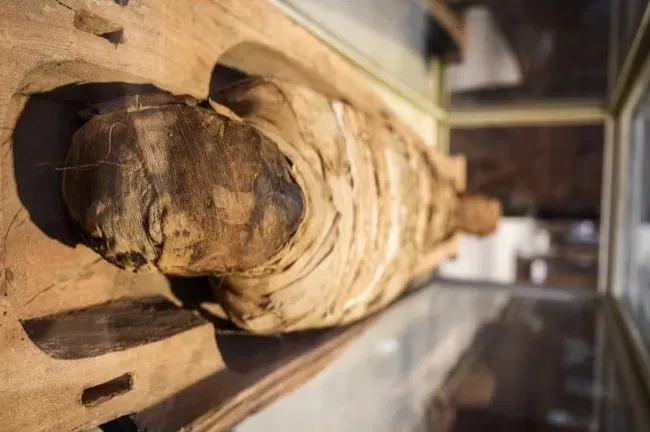
In 2018 near Aswan, in southern Egypt, archaeologists opened a rock-cut tomb that had stayed sealed for more than two millennia. Inside, you would have been met by a remarkably well-preserved mummy laid out in a wooden coffin, surrounded by additional burials and a scatter of objects that suggested a communal context rather than a single elite grave. Shards of painted coffins, beads, and fragments of funerary equipment lay mixed together in a way that makes the word “owner” surprisingly complicated. ([livescience.com](https://www.livescience.com/63615-egyptian-mummy-discovered-in-sarcophagus.html?utm_source=openai)) If you tried to match each artifact to a person the way you’d pair socks out of a messy laundry basket, you’d quickly see the problem. The texts on the fragments are incomplete and still being deciphered; the artistic styles span a transition period when Egypt was ruled or influenced by foreign powers. Even today, researchers are wrestling with questions you’d naturally ask: Which coffin fragment belongs to which body? Were some pieces moved in from older burials and reused? Are certain amulets family heirlooms rather than items made specifically for the deceased? Philosophically, it forces you to rethink how individual a “tomb” really was in an era of burial reuse.
Saqqara’s Mummification Workshop Shaft: A Woman With Six Canopic Jars
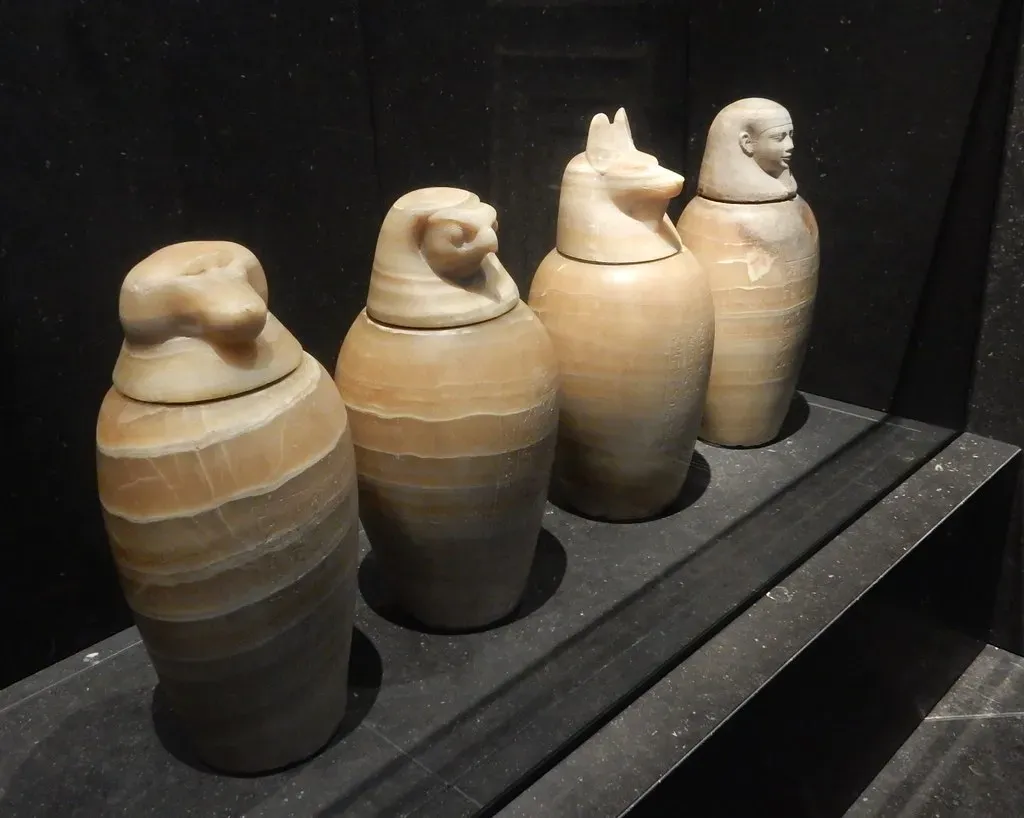
If you head to the vast Saqqara necropolis, southwest of Cairo, you find one of the strangest puzzles to come out of a sealed chamber in recent years. In a deep shaft linked to a Late Period mummification workshop, archaeologists uncovered a new burial chamber at the very bottom. There, you would have seen a woman laid to rest with something that instantly made every Egyptologist in the room stop: six canopic jars instead of the usual four, apparently for her internal organs. ([english.ahram.org.eg](https://english.ahram.org.eg/NewsContent/9/40/368527/Antiquities/Ancient-Egypt/New-discoveries-and-studies-from-mummification-wor.aspx?utm_source=openai)) For you, that single detail would raise a dozen questions. Were two of the jars symbolic, perhaps representing extra protection? Did they actually contain organs, or were they empty ritual stand-ins? The inscriptions and iconography on the jars and the other finds in the chamber are still being carefully studied to work out whether this is a unique individual custom, a short-lived regional practice, or a hint of a broader, barely documented change in funerary belief. Until that work is finished, even assigning some of the objects to standard categories is like trying to file a book before you know what genre it belongs to.
The New Kingdom Tomb Complex at Saqqara: A Monument Without a Name
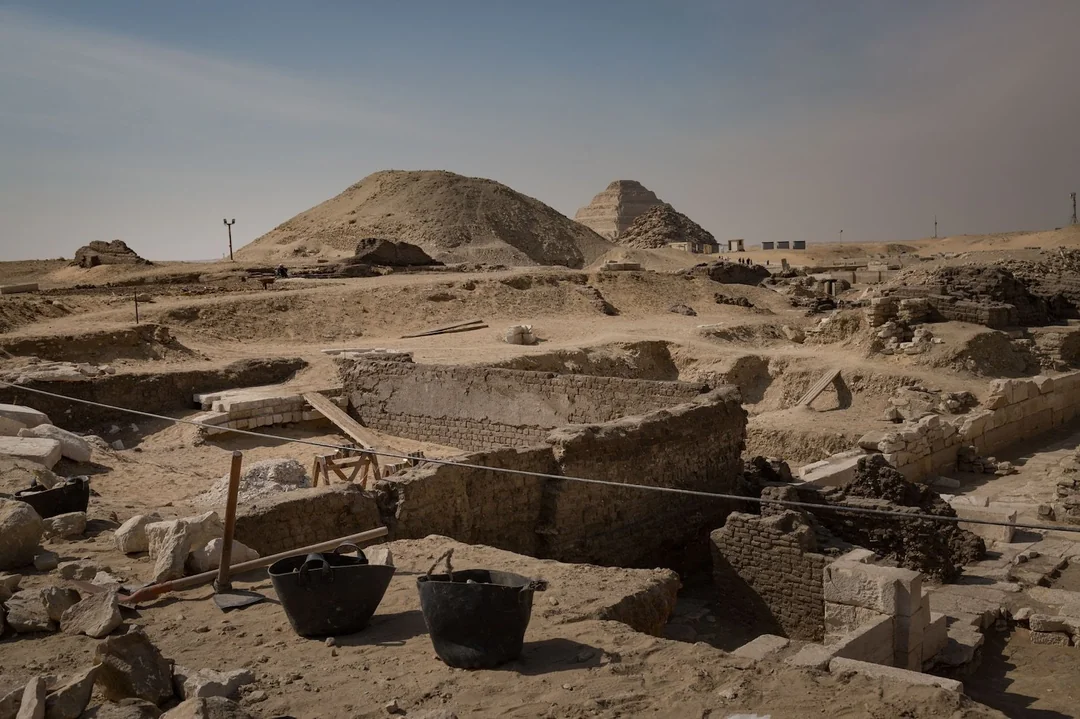
Imagine excavating a large mud-brick wall, only to realize it is part of a monumental tomb that had never been fully recognized. That is what a joint Leiden–Turin mission experienced at Saqqara in 2018, when they uncovered the outer wall and pylon entrance of a significant New Kingdom tomb whose main owner’s name remains unknown. You’d be standing there in front of a grand façade meant to announce someone’s status for eternity, and yet the one piece of information you most want – their identity – is missing. ([rivista.museoegizio.it](https://rivista.museoegizio.it/article/current-research-of-the-leiden-turin-archaeological-mission-in-saqqara-a-preliminary-report-on-the-2018-season/?utm_source=openai)) Inside the complexes and associated burials, you find skeletal remains, fragments of decorated blocks, and small objects that clearly belonged to real people with careers, families, and ambitions. But because no clear, intact name or titles have surfaced for the primary tomb owner, you’re left trying to attribute each carved scene or portable artifact to an individual, a household, or even a workshop style instead. Until that jigsaw puzzle is further along, many of the objects from this complex sit in a kind of limbo: you know broadly the era and culture, but not yet the exact hand that commissioned or used them.
Balamku Cave Under Chichén Itzá: Sealed Maya Offerings With Shifting Identities
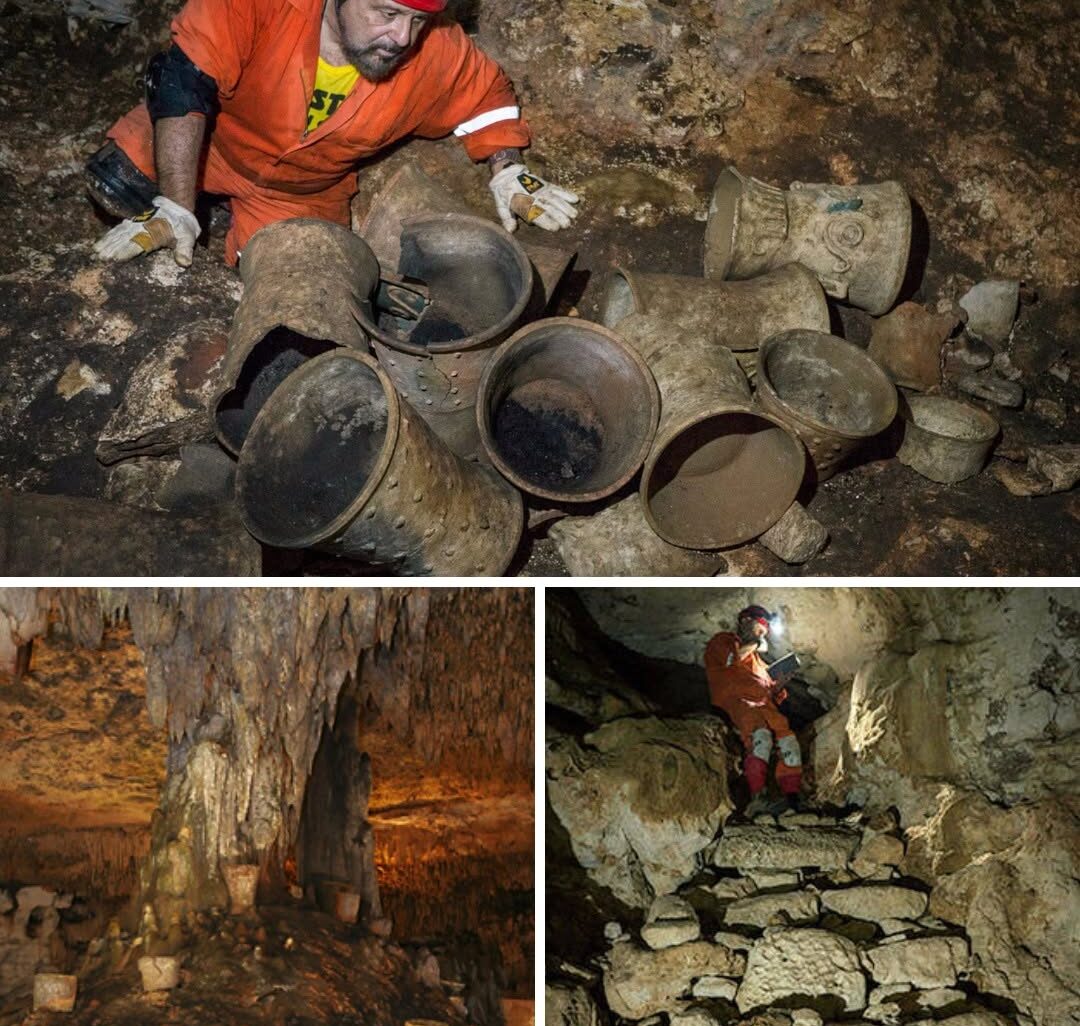
Not every sealed chamber is technically a “tomb” in the narrow sense; sometimes a ritual cave can tell you just as much about death and the afterlife. Under the famous Maya city of Chichén Itzá, the Balamku cave was sealed in the 1960s and then deliberately left untouched for more than fifty years before archaeologists reopened it in 2018. When you squeeze through its tight passages, you encounter hundreds of incense burners, pots, and ritual objects left in place exactly where ancient worshippers put them. ([nationalgeographic.com](https://www.nationalgeographic.com/culture/article/maya-ritual-balamku-cave-stuns-archaeologists?utm_source=openai)) Here, the challenge for you is not looting or damage, but overwhelming ambiguity. Many of the ceramic pieces are heavily encrusted with mineral deposits; their painted designs and iconography are only partly visible. Researchers are still working out which deities, rulers, or events some of the vessels might depict, and whether specific objects can be linked to particular ceremonies or patron groups. You are forced to accept a kind of layered identity: an incense burner might be both an offering to a rain god, a reference to a dynasty, and a reminder of a specific political moment, yet separating those strands for firm attribution is painstaking and ongoing.
An Untouched Etruscan Tomb in Central Italy: Over a Hundred Objects, Few Clear Owners
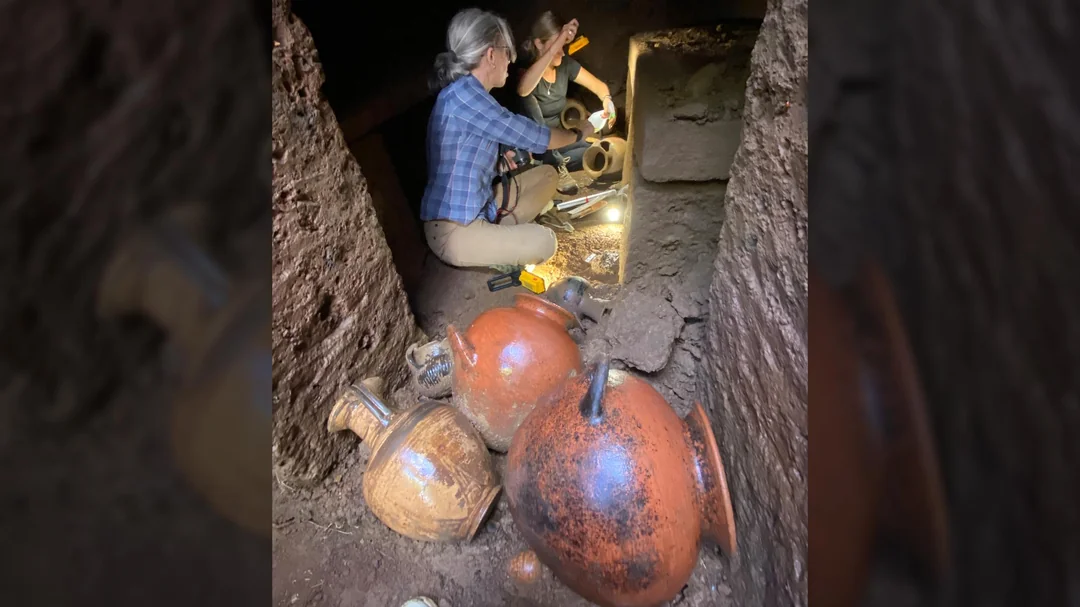
Move away from Egypt and Mesoamerica for a moment, and you find a rare sealed Etruscan tomb in central Italy, announced in 2025 but excavated only recently enough that the story is still unfolding. When you imagine stepping inside, you see four individuals laid on stone beds, surrounded by more than one hundred artifacts: pottery, weapons, bronze ornaments, and delicate silver hair accessories. The chamber had remained undisturbed since about the seventh century BCE, making it a kind of time-capsule for a culture that often feels like a shadow behind early Rome. ([livescience.com](https://www.livescience.com/archaeology/pristine-etruscan-tomb-discovered-in-italy-contains-more-than-100-untouched-artifacts?utm_source=openai)) Yet even in this seemingly ideal case, attribution is trickier than it looks. If you try to decide which weapon belonged to which person, or whether a specific piece of jewelry was a personal item or a purely ritual gift, you quickly run into gaps in the record of Etruscan social customs. Are certain shapes of pottery reserved for women, or does that assumption come from later Roman habits you’re unfairly projecting backward? Scholars are still analyzing residues, wear patterns, and layout to establish more secure pairings between the objects and the people on those stone beds, and you get to watch that detective work happen in real time.
The Saqqara Shaft Tombs With Dozens of Sealed Coffins: Crowded Contexts, Murky Attributions
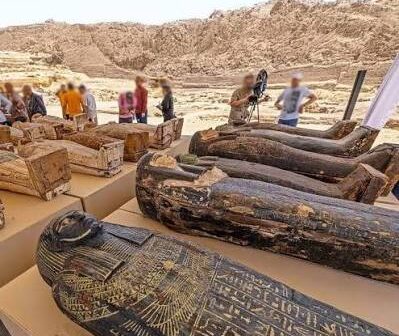
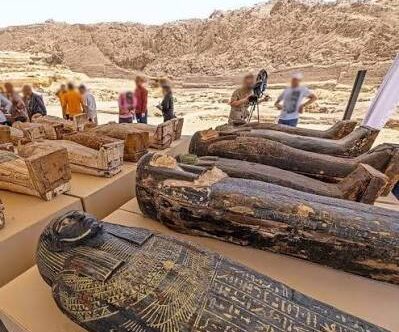
Back at Saqqara again – because if you love sealed burials, it really is the place you keep returning to. In recent years, Egyptian missions have found multiple vertical shafts stuffed with sealed wooden coffins dating to the Late Period, some containing more than fifty or sixty burials stacked in layers. When you picture the first coffin being pried open after twenty-five centuries, it feels intimate, but then you remember there are dozens more just below it, each with its own set of small amulets, masks, and funerary figurines. ([reddit.com](https://www.reddit.com/r/archeologyworld/comments/ipkwgy?utm_source=openai)) In that kind of crowded, communal environment, your biggest puzzle is sorting individual from collective property. A small faience figurine found between two coffins might have fallen from the wrappings of one mummy, been placed there as a group offering, or even slipped in from a disturbed older burial nearby. The painted styles on the coffins seem broadly consistent with the same dynasty, yet little variations in color, icon arrangement, or hieroglyphic formulae might hint at different workshops or family traditions. Archaeologists are still cataloging and comparing these details to attribute groups of artifacts to particular lineages or religious specialists rather than assuming every piece can be tied neatly to a single name.
Conclusion: You Are Living in Archaeology’s Cliffhanger Era
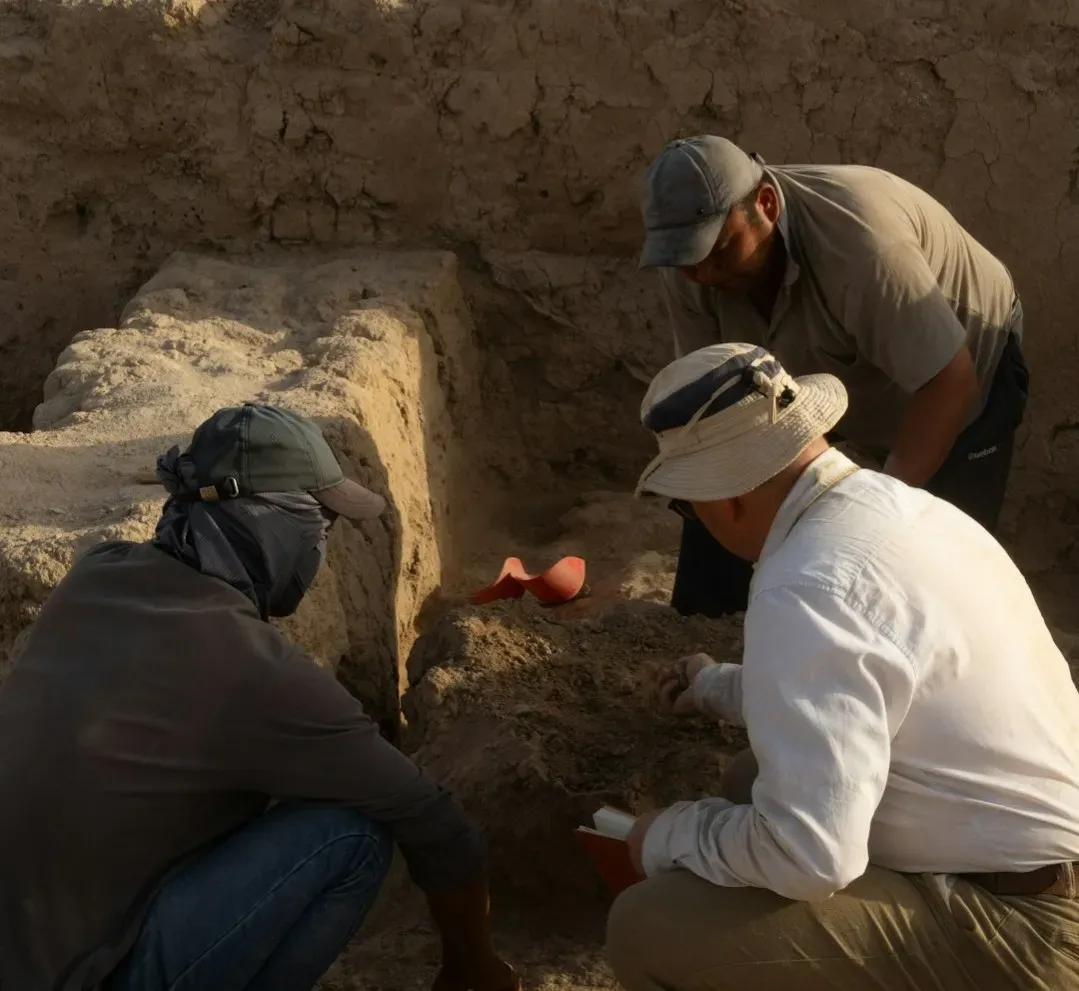
When you zoom out from these seven cases, a pattern appears that might surprise you: the age of grand discoveries is not over, but it looks very different from the romantic stories you grew up with. Instead of instantly naming kings and queens, you watch archaeologists inch their way through partially preserved inscriptions, unusual burial customs, and confusing object mixes. In almost every chamber described here, key artifacts are still in the “maybe” category – maybe from this person, maybe from that workshop, maybe part of a lost ritual you have not fully mapped yet. If you take anything away, let it be this: the next time you see a museum label that sounds absolutely certain, remember that right now, somewhere, someone is still knee-deep in dust trying to earn that certainty object by object. You are not just reading about the past; you are watching the story of how the past is constructed, corrected, and sometimes completely rewritten. Given everything still sealed underground, would you really bet that we already know the most important chapters?