Articles for category: New Discoveries, News, Paleontology

Extinct fungus-growing ant, related to modern leafcutting ants, fossilized in Dominican Amber.

Jurassic Parasites: Amber Fossils Reveal the Dinosaur-Era Origins of Zombie-Ant Fungi

April Joy Jovita

A remarkable discovery from mid-Cretaceous amber has pushed back the evolutionary timeline of one of nature’s most bizarre parasitic relationships: the infamous “zombie-ant” fungi. Researchers from the Chinese Academy of Sciences have identified fossilized fungi infecting insects in 99-million-year-old amber, offering the oldest direct evidence of entomopathogenic fungi manipulating their hosts. Fossilized Mind Control The ...

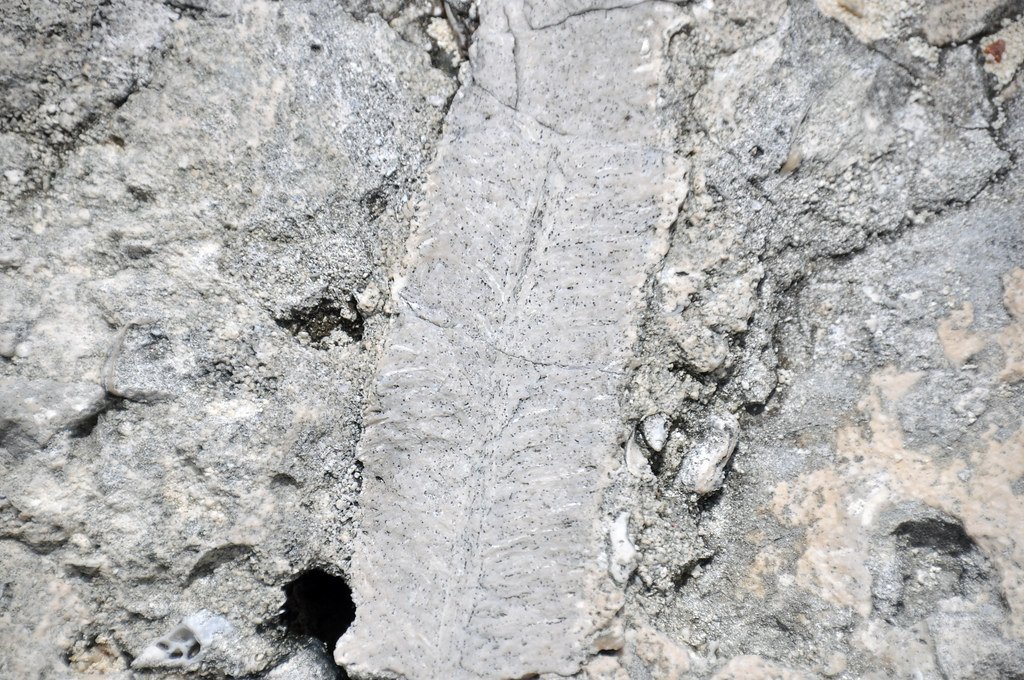
A complete stock of Gyrodendron lobatum coral fossil

The Ocean’s Past Speaks: Fossil Corals Unveil Urgent Climate Warnings

April Joy Jovita

New research suggests that sea levels could rise more steeply than previously predicted, based on fossil coral evidence from the Seychelles Islands. Scientists from the University of Wisconsin–Madison and an international team analyzed fossilized corals to reconstruct past sea levels, revealing abrupt pulses of sea-level rise during the Last Interglacial period. Their findings indicate that ...

Short-beaked echidna walking on the grasses

Ancient Echidna Fossil Challenges Evolutionary Assumptions

April Joy Jovita

A newly analyzed fossil has revealed surprising insights into the evolutionary history of echidnas, suggesting that their ancestors may have lived in water before transitioning to a terrestrial lifestyle. This discovery challenges long-held beliefs about monotreme evolution and highlights a rare instance of mammals evolving from aquatic to land-based existence. The Discovery of Kryoryctes Cadburyi ...

An illustration of trilobites moving about on the bottom of a warm Paleozoic sea.

Discovery of Prehistoric Pompeii Trilobite Fossil

A remarkable fossil site in Morocco, dubbed “Prehistoric Pompeii,” has been discovered. The discovery offers an unprecedented glimpse into the life of trilobites from the Cambrian Period, as volcanic ash preserved the fossils in extraordinary detail. Let’s take a look at the findings! Location and Geological Context The new trilobite fossil was found in volcanic ...

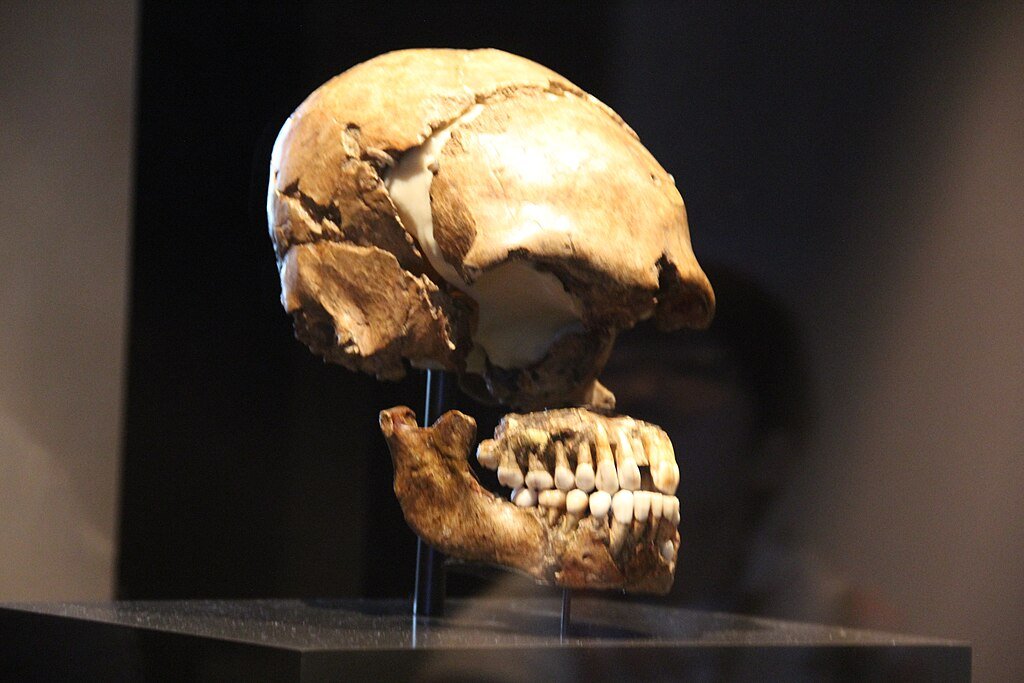
Cheddar Man, National History Museum, London

Recent Study Challenges When European Skin Became “Light”

Jan Otte

For centuries, historians and scientists have speculated about the physical appearance of our ancestors. What color were their eyes? Did they have dark or light skin? Were early Europeans blond, brown-haired, or redheaded? Thanks to advancements in genetics, researchers can now analyze ancient DNA to reconstruct these traits, offering us a vivid glimpse into the ...